

Short description: There are many places to visit in this area, such as Lake Ghioroc, the Vine and Wine Museum, the Electric Tram Museum, the “Zestrea Satului” Ethnographic Museum … For the rest of the items on the page, photo credit goes to: the National Center for Tourism Information and Promotion of Arad County.
County: Arad
Images / Photographer: Ligia Moț
Lake Ghioroc
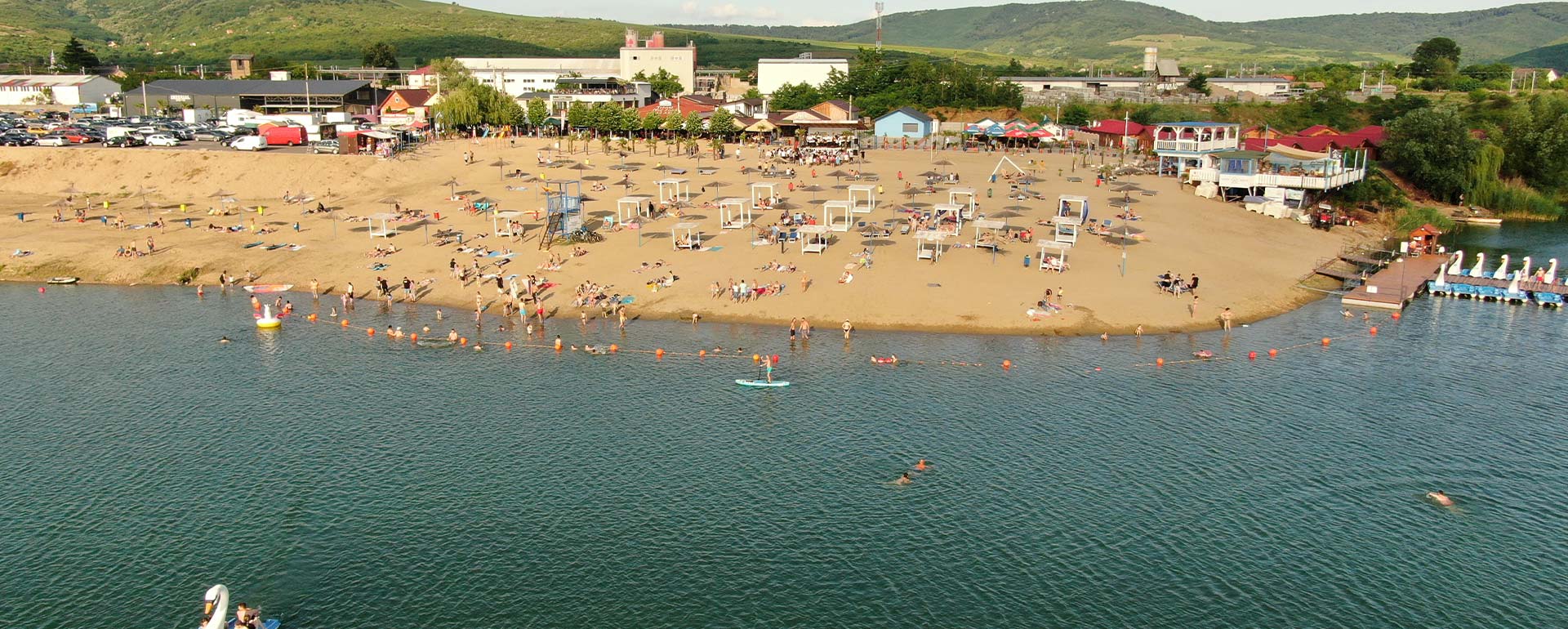
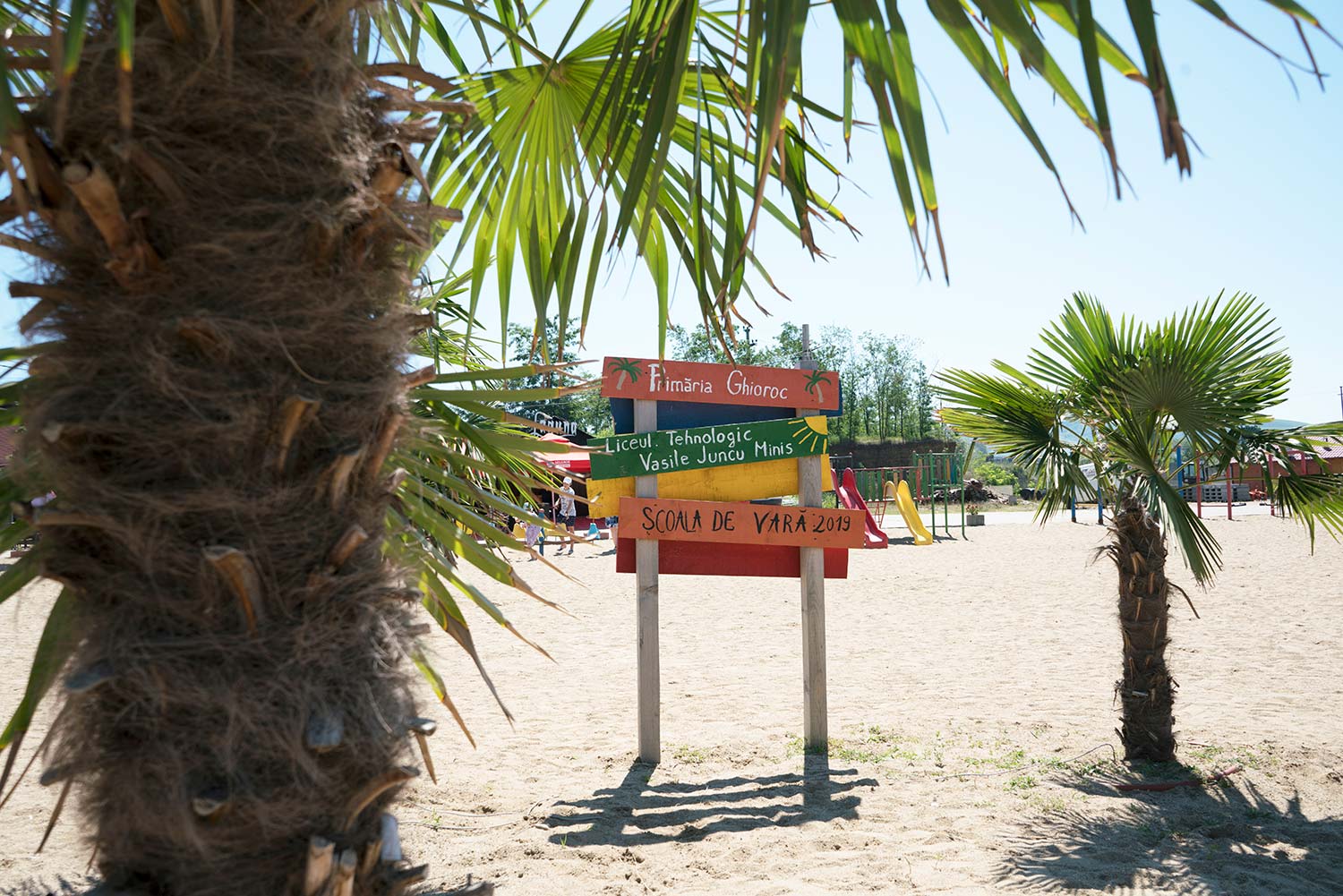
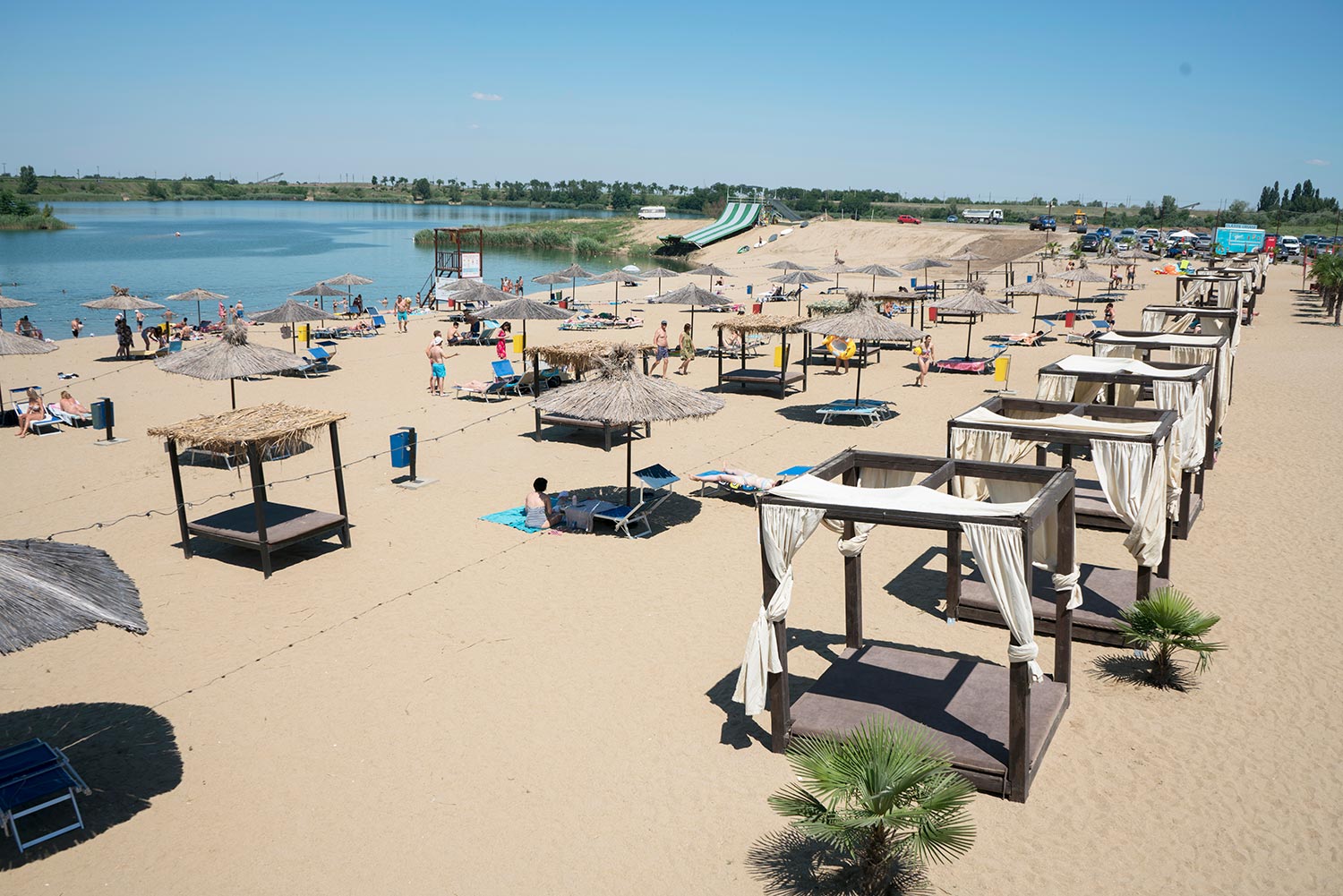
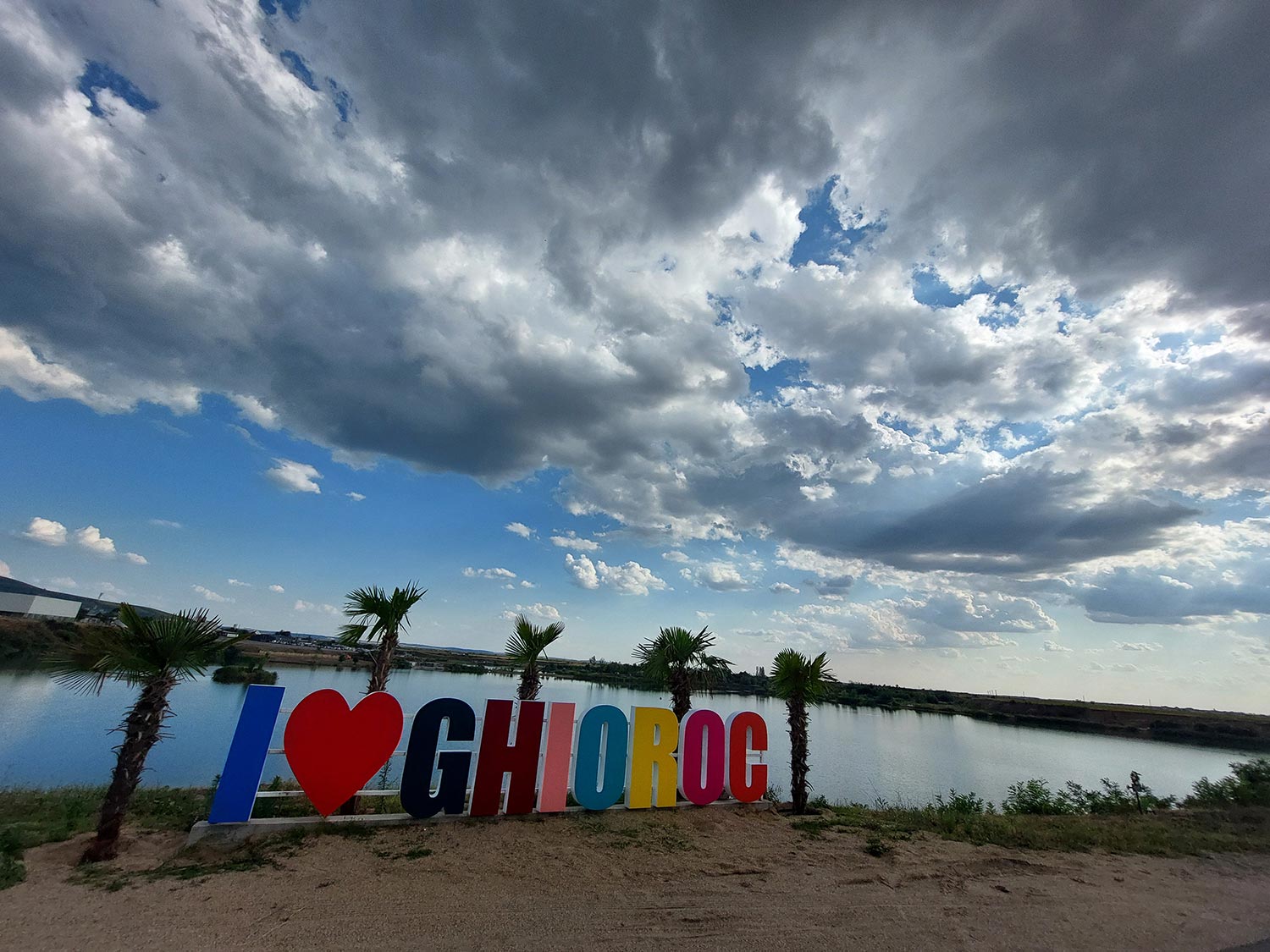
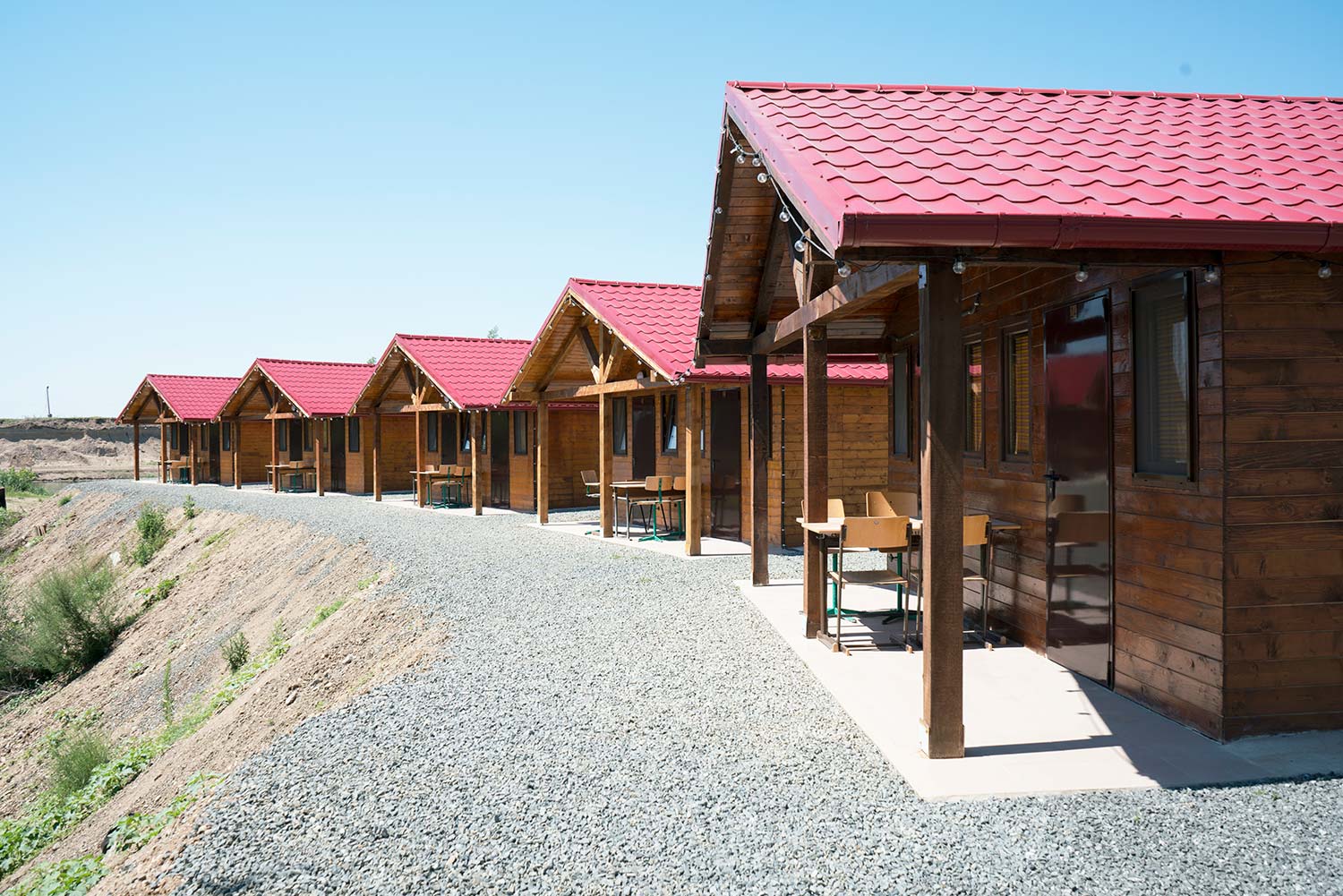
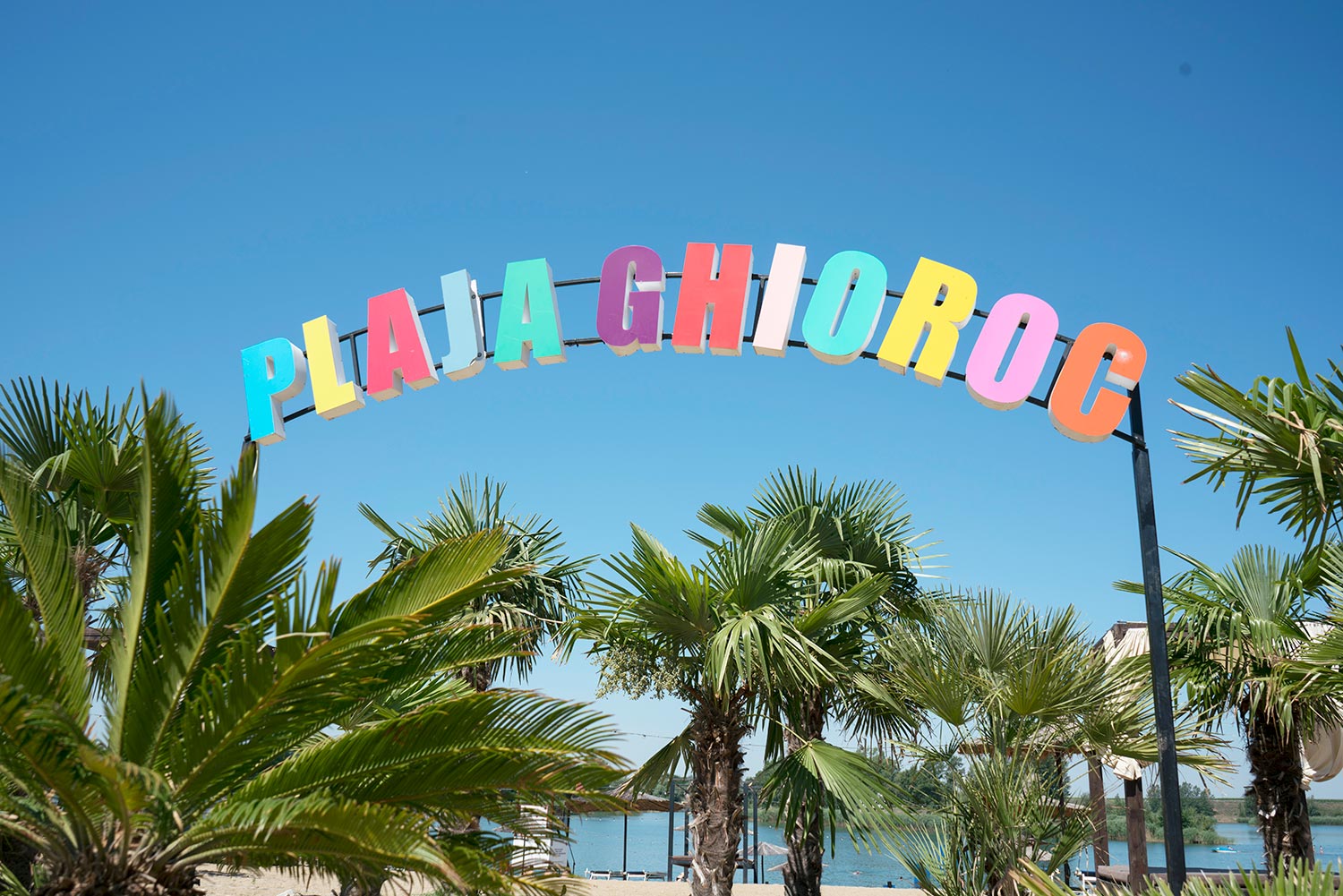
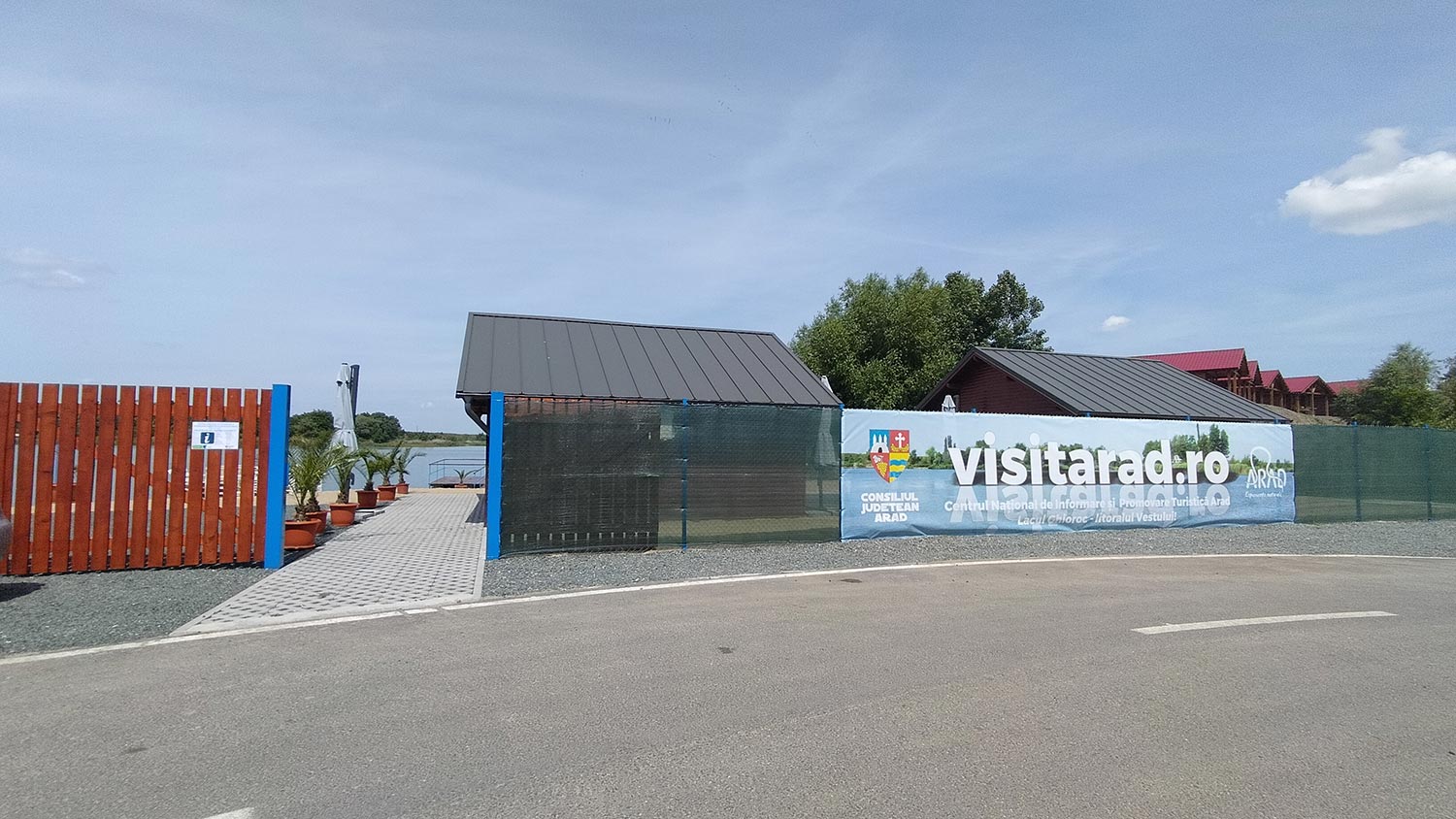
Lake Ghioroc is located at the foot of the Zărand Mountains, 22 km from the city of Arad. The lake has an area of 66 hectares and a depth of 10 meters. Lake Ghioroc has a sandy beach, palm trees, canopy beach beds, restaurants with terraces, and swan-shaped pedal boats. There is also a campsite with 48 accommodation places for tourists in wooden cabins, as well as a camping area for tents and caravans.
The Vine and Wine Museum
The Vine and Wine Museum was set up in 1988 and displays archaeological finds, tools, equipment, documents, and photographs relating to the history of viticulture and winemaking in one of the oldest wine-growing areas in Romania, the Miniș-Măderat vineyard. There is credible evidence that viticulture has been practiced in this area since ancient times.
Address: DJ708B, Ghioroc 317135
Phone number: +40 (0)257 281 847
Electric Tram Museum
The electric tram museum is located at the entrance to the town from Sâmbăteni, within the Ghioroc tram depot, and is managed by the Arad Public Transport Company. The existence of this museum in Ghioroc is due to the important position that the town has had and continues to have within the urban and peri-urban public transport system. Ghioroc was also home to the first electrified tram line in Eastern Europe and the eighth in the world. In this museum, you can see the old electric train of Podgoria (dating from the 19th century), known to older people as the “Green Arrow.” The museum has an interesting collection of electric carriages from the 19th and 20th centuries, as well as an electric line station that supported public transport by tram at the beginning of the same century. The museum can be visited on request.
Phone number: +40 (0)728 246 297
The “Zestrea Satului” Ethnographic Museum
This museum was established on December 6, 2016, in Covăsânț, Arad County, as a result of the efforts of young teacher Alexandru Chiș, who created this museum out of his passion for ethnography.
The museum’s collection comprises approximately 800 items, some inherited from his family, others donated by fellow villagers, and includes folk costumes, old household items, and photographs.
Address: 167 Podgoriei Street, Covăsânț
Phone number: +40 (0)727 448 332
Ioan Slavici and Emil Monția Memorial Museum
The building that houses the museum is a historical monument. Bohus Castle was built in Baroque style in 1838 and belonged to the noble family of the same name. The permanent exhibition “Ioan Slavici” dedicated to the great Romanian writer (1848-1925) born in Șiria was inaugurated in 1960. It presents moments from his childhood, his primary school years spent in Șiria, then his years of study in Arad, Timișoara, Budapest, and Vienna, as well as Ioan Slavici’s vast literary, political, and pedagogical activity.
In 1970, the same museum housed a permanent exhibition dedicated to the life and work of composer Emil Monţia (1882-1965), who settled in Șiria in 1906. Born in Șicula, he spent most of his life in the commune of Șiria. The exhibition presents a series of exhibits that reflect his life and prodigious musical activity, inspired by the inexhaustible source of folk creation. Here we mention some of his works, such as: “Fata de la Cozia” (The Girl from Cozia), “Cercel” (The Earring), “Moștenitorul” (The Heir), “La fântâna cu găleată” (At the Well with a Bucket), etc.
In the castle park, there is a statue of Antonia Bohus and busts of Ioan Slavici, Mihai Eminescu, Ioan Russu Şirianu, Nicolae Ştefu, and Emil Monţia.
Address: Str. Regimentului Infanterie 85, nr. 150, Șiria
Phone number: +40 (0)257 384 088
Feredeu Monastery
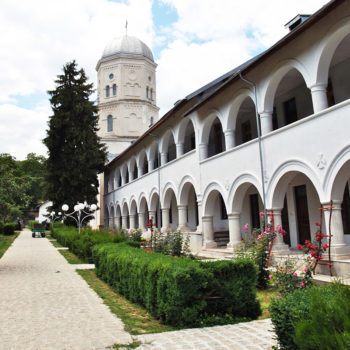
Located in the commune of Șiria, the Feredeu Monastic Complex comprises two distinct areas, a monastery located in the valley and a hermitage located on the western slope of the Zărand Mountains. The Feredeu Hermitage, dating from the 18th century, is located below the Izvorul Rece peak, at an altitude of 427 meters.
The place of worship is located near a spring that believers say has healing powers. This is where the name of the monastery comes from (the regionalism “feredeu” is derived from the Hungarian “furdo,” which means bath, bathing place, but also spa town). The hermitage can be reached either by following the modernized road or by following the tourist route, marked with yellow tape.
The Fortress of Șiria
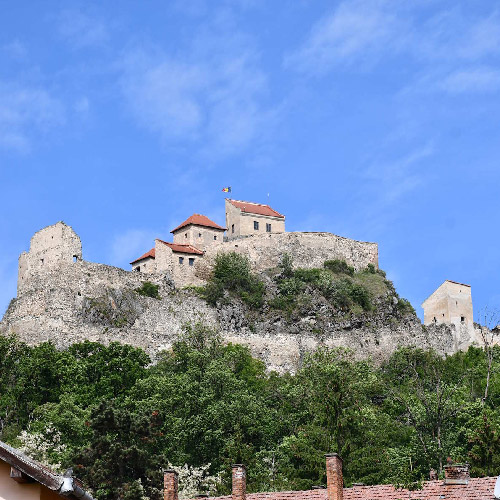
The fortress dates back to the 13th century. Owned by Matthias Corvinus at the beginning of the second half of the 15th century, it passed under the rule of the Bathory family between 1461 and 1464. During the uprising of Gheorghe Doja, the fortress was temporarily occupied by his peasant troops. Under Ottoman rule in the mid-17th century, the fortress served as a garrison for Mihai Viteazul between 1599 and 1600. Later, the fortress was occupied again by the Ottomans in 1607 and held by them until 1693. For strategic reasons, Habsburg troops destroyed the fortress in 1784.
The Vine and Wine Museum in Pâncota
The Vine and Wine Museum is a private collection belonging to priest Petru Dărău, who devoted several decades of his life to gathering and exhibiting unique objects in Eastern Europe that cannot be found in other public collections. The museum presents traditional methods of harvesting and processing grapes in the Miniș-Măderat vineyard. The museum has been expanded with a room that houses an exhibition of local personalities.
Address: Tudor Vladimirescu Street, 315600, Pâncota
Phone number: +40 (0)748 820 571
The Ethnographic Museum “La Moșu și Maica”
The “La Moșu și Maica” Ethnographic Museum in Măderat was established in 2023 by the “Together for Măderat: Tradition and Future” in a space provided by the Pâncota City Hall and presents aspects of a peasant household, including handicrafts, various tools, household items, furniture, embroidery, fabrics, icons, books, and old photos donated by the villagers of Măderat.
Address: Sat Măderat nr. 415, Măderat, Măderat
Phone number: +40 (0)747 954 816
The Fortress of Ineu
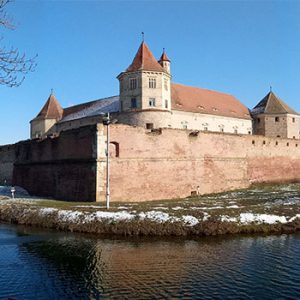
It was, in turn, a fortress reinforced by Iancu de Hunedoara, a possession of Mihai Viteazu, then conquered by the Turks and a garrison of an Austrian border regiment. The fortress was first mentioned in 1295. The fortress consists of two elements. The first part, the inner one, is actually a two-level castle, square in shape. The second element, the outer fortress, is located a few hundred meters away, also square in shape, with bastions at the corners. Only traces of these remain today. The walls were surrounded on three sides by moats, with the Crișul Alb River flowing on the fourth side.
Our UiR database: search results for „Arad”
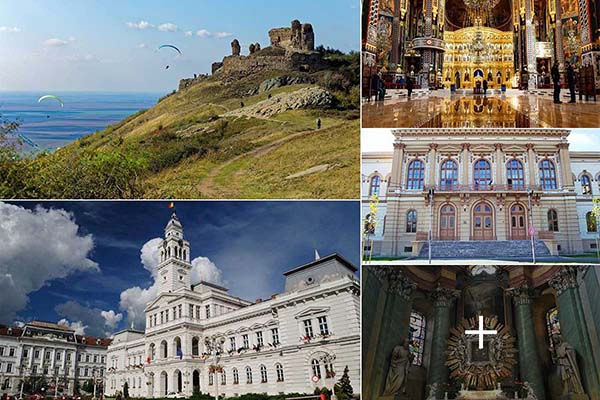
Arad | City and county in the west of Romania
(04 March 2026)
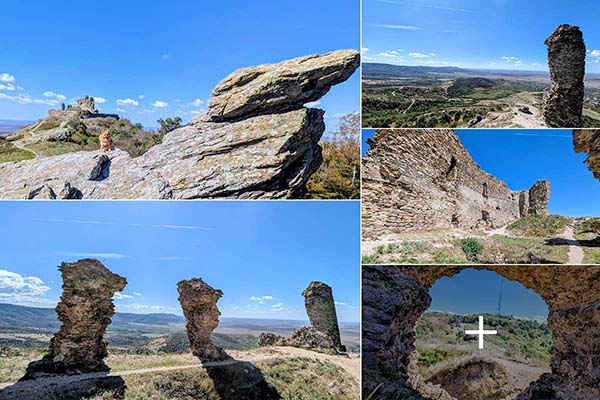
Sria Fortress and Municipality | Arad County
(07 February 2026)
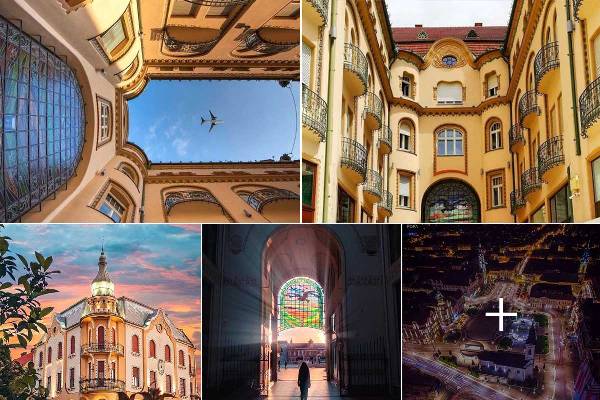
City of Oradea | Felix Bath Spa | Bihor County
(27 January 2026)
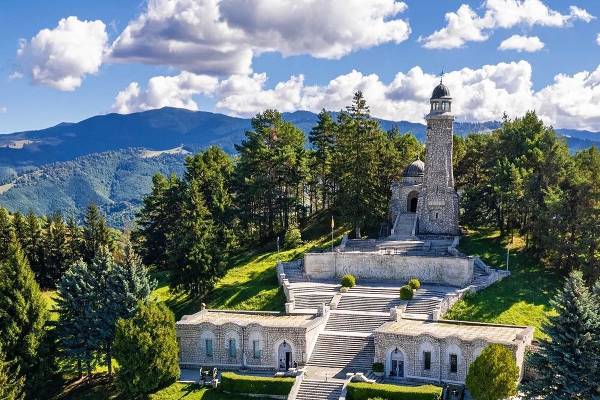
Mausoleum from Mateias | Arges County
(18 January 2026)

Arad | In the West of Romania
(16 January 2026)
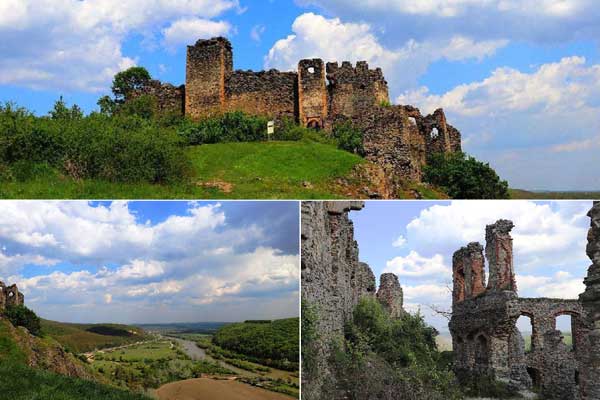
The ruins of Soimos Castle | Arad County
(13 December 2025)
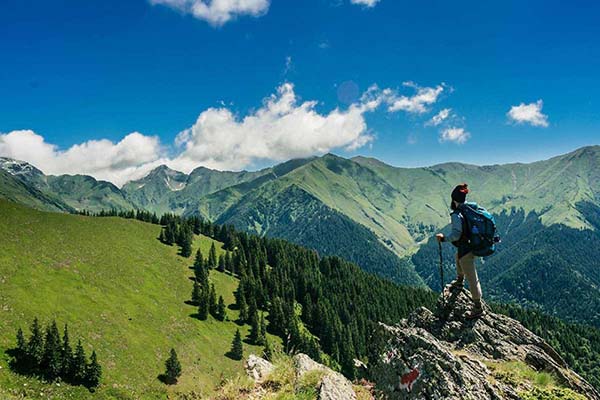
Arefu | Arges County ... hiking wonderland
(08 December 2025)
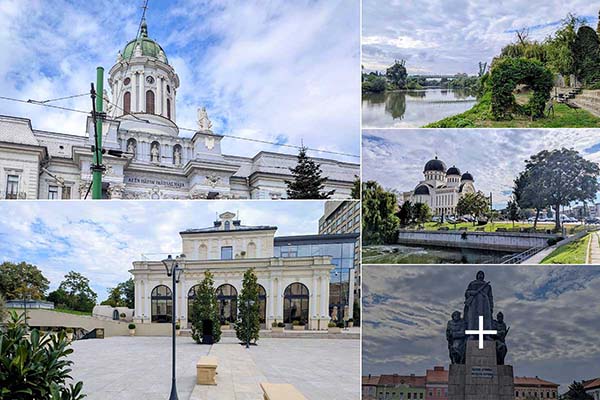
Holiday 2026 | Arad in the west of Romania (Part 1 of 2)
(05 December 2025)
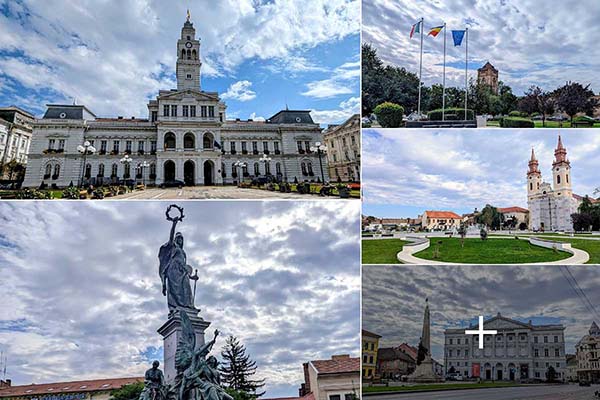
Holiday 2026 | Arad in the west of Romania (Part 2 of 2)
(05 December 2025)
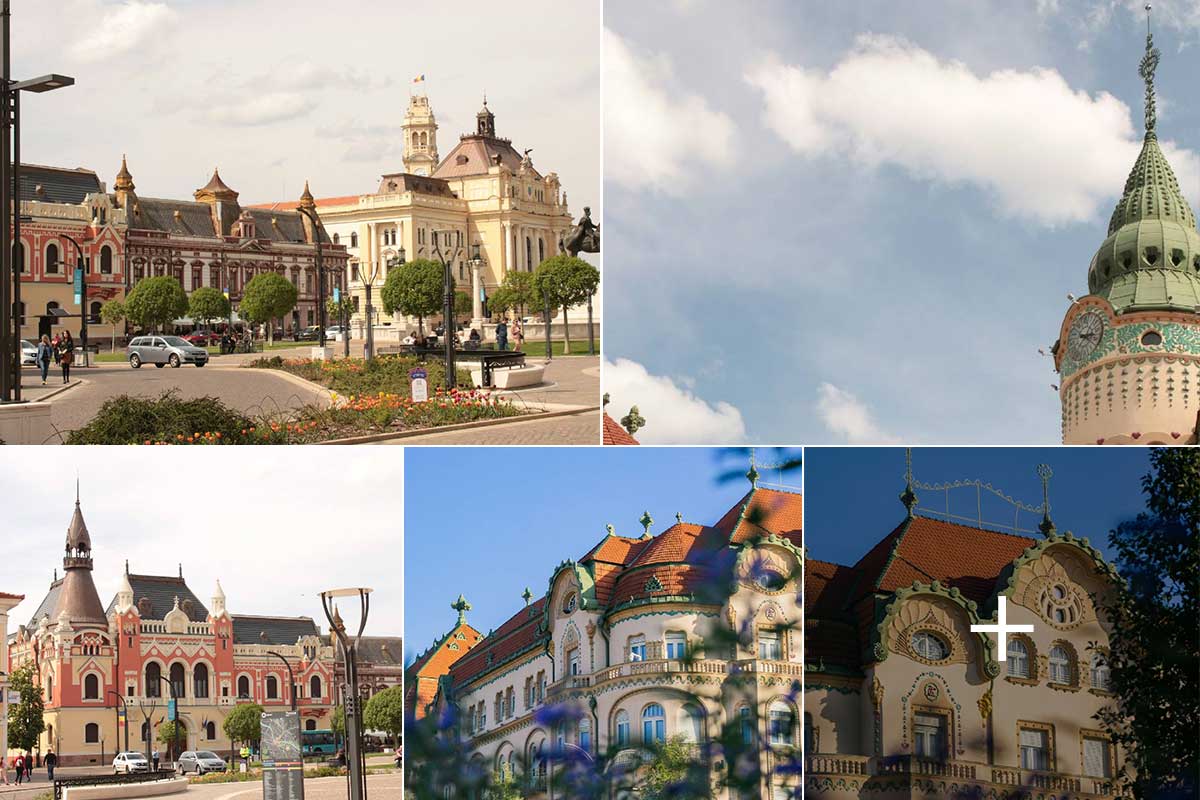
Oradea in spring / summer | Bihor County
(23 November 2025)
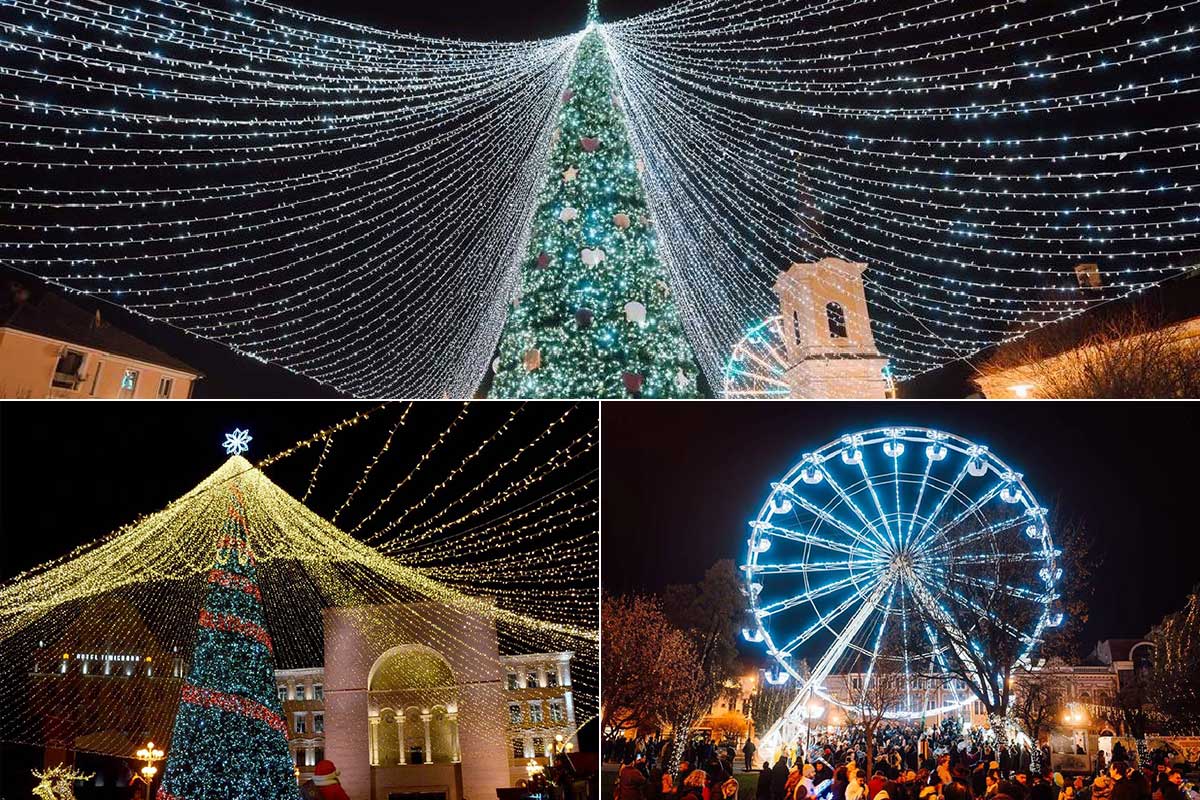
Christmas markets in Romania 🎄🎅😍😍🇷🇴
(22 November 2025)
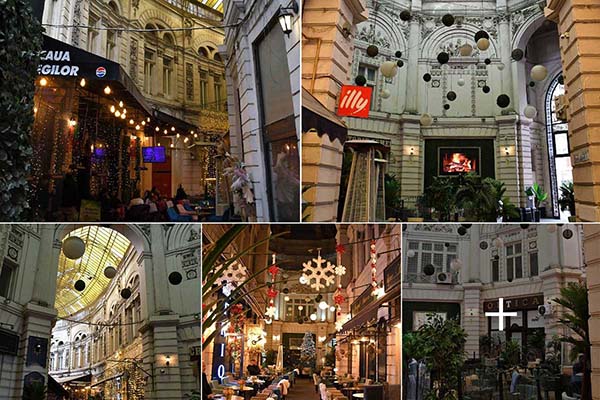
Bucharest | Capital of Romania | Macca-Villacrosse Passage
(21 November 2025)
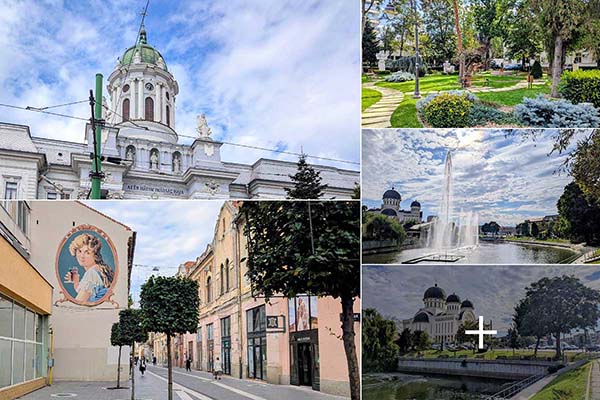
Arad in western Romania (Part 1 of 2)
(30 September 2025)
Arad in western Romania (Part 2 of 2)
(30 September 2025)
Cycling through Romania | Banat Region
(20 September 2025)