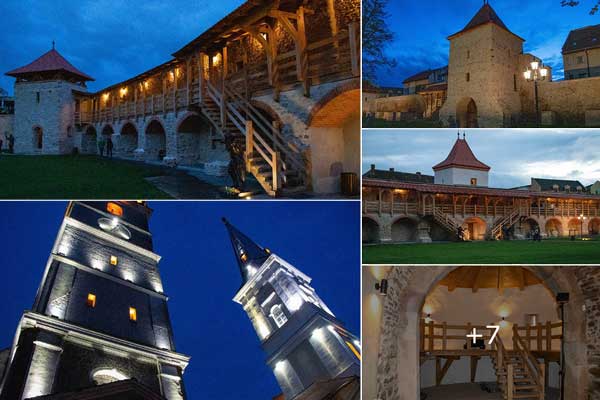
In Geoagiu-Băi, about 45 km northeast of Deva, in Hunedora county, there are archaeological sites Băile Romane (a former Roman thermal bath) and Băile Daco-Romane (a new thermal bath, which is now used for treatments).
Geoagiu-Bai is a balneo-climatic resort (balneo-therapy) that was first documented in 1805. The ozonated air, which is constantly refreshed by the mountain breeze, is recommended, among other things, for the treatment of certain diseases of the system nervous, for fatigue, overwork, anemia and neurosis.
County: Hunedoara
Images: traveler.s_bucket_list
Facebook PostsView all Facebook posts!

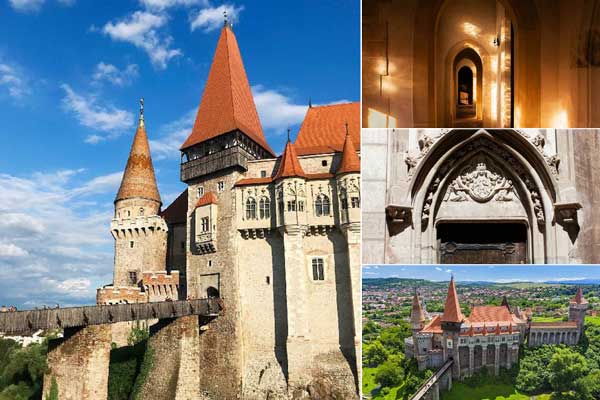
Beautiful photos | Corvin Castle / Fortress in Hunedoara
(10 August 2026)
X

Beautiful photos | Corvin Castle / Fortress in Hunedoara
(10 August 2026)
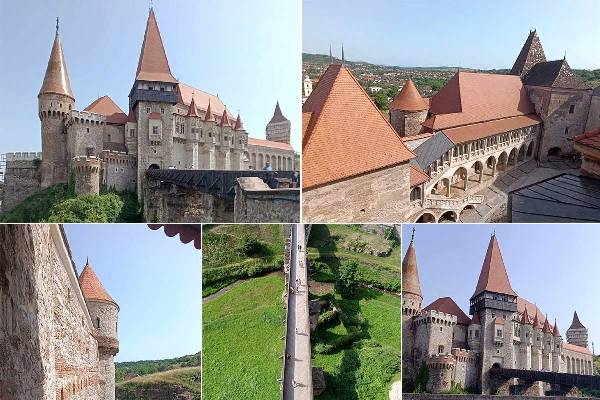
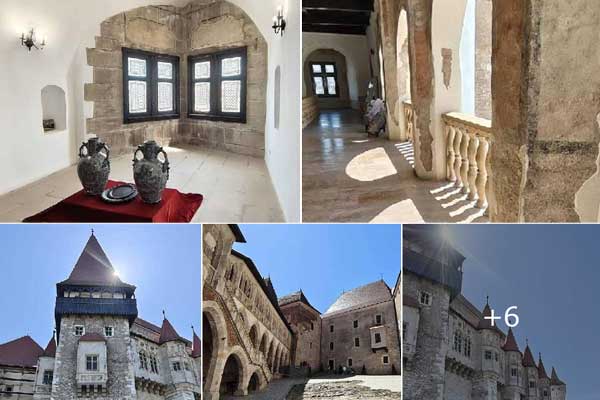
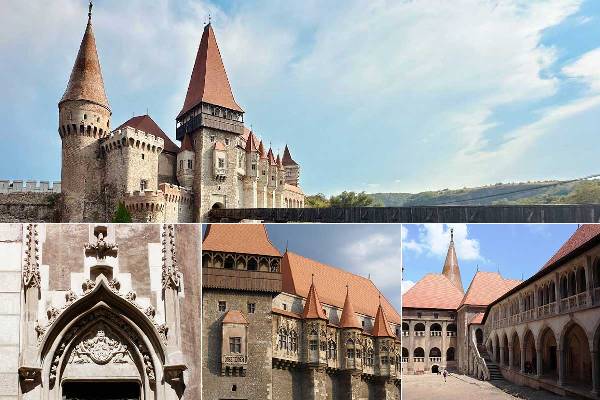
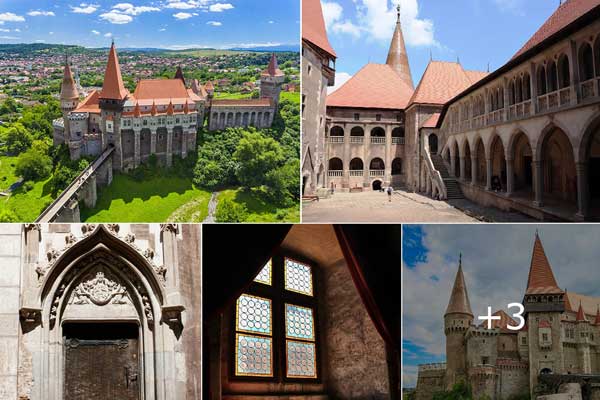
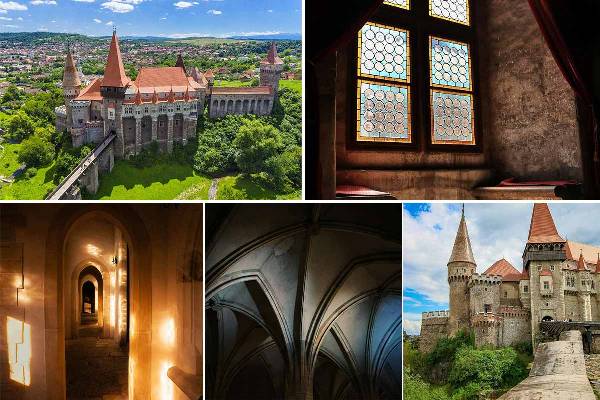
Hunedoara Castle (also known as Hunedoara Castle, in German Burg Eisenmarkt, in Romanian Castelul Corvinilor or Castelul Huniazilor, in Hungarian Vajdahunyadi var) is one of the most important non-ecclesiastical buildings in Transylvania.
The rock castle was built on the remains of a 14th century fortification and is located in the south-western part of the town of Hunedoara (German name: Eisenmarkt) in western Romania.
We would like to thank Mr. Camille Feller and his wife Katja Feller for sending us these beautiful pictures and giving us permission to use them. Thank you very much!
The rock castle was built on the remains of a 14th century fortification and is located in the south-western part of the town of Hunedoara (German name: Eisenmarkt) in western Romania.
We would like to thank Mr. Camille Feller and his wife Katja Feller for sending us these beautiful pictures and giving us permission to use them. Thank you very much!

Summer, sun, baths in Transylvania (2 of 3)
(01 August 2026)
X

Summer, sun, baths in Transylvania (2 of 3)
(01 August 2026)
It is hot, very hot, so here are our tips for cooling off a little in the Transylvania region:
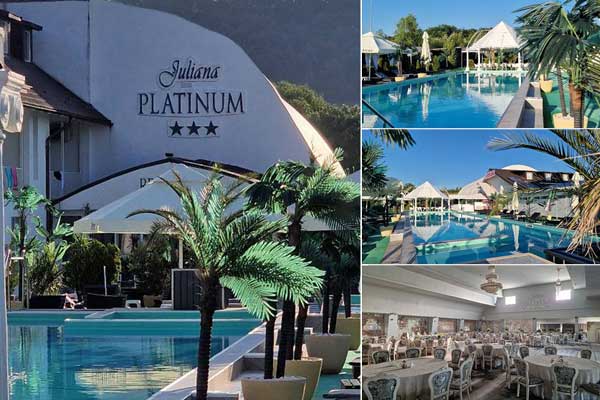
# Swimming pool at Juliana Ballroom, Brad (north of Deva, in Hunedoara County) > https://maps.app.goo.gl/aqcuCwWBqnuykjsb9
Just beyond Brad lies the Juliana Ballroom complex. Swimming pool and SPA, restaurant, and guesthouse all in one place. The complex is situated in a peaceful location, the parking area is spacious and free of charge, and there are two separate pools with different depths for adults and children.
Those who wish can also stay overnight here, enjoy a good meal or relax in the restaurant, and even celebrate their own wedding in the ballroom. A kind of “all-round” offer 🥰
More information at: www.facebook.com/JulianaBallroom
# Swimming pool at Juliana Ballroom, Brad (north of Deva, in Hunedoara County) > https://maps.app.goo.gl/aqcuCwWBqnuykjsb9
Just beyond Brad lies the Juliana Ballroom complex. Swimming pool and SPA, restaurant, and guesthouse all in one place. The complex is situated in a peaceful location, the parking area is spacious and free of charge, and there are two separate pools with different depths for adults and children.
Those who wish can also stay overnight here, enjoy a good meal or relax in the restaurant, and even celebrate their own wedding in the ballroom. A kind of “all-round” offer 🥰
More information at: www.facebook.com/JulianaBallroom

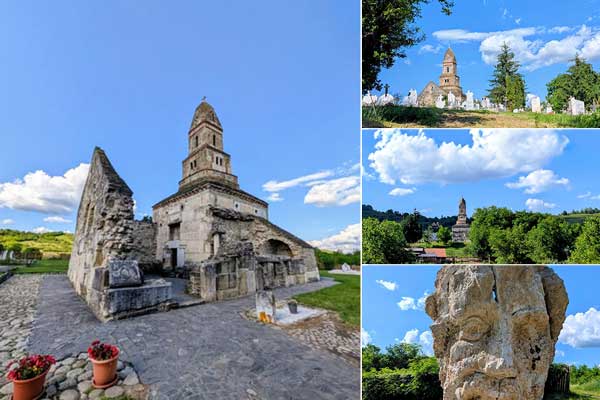
Saint Nicholas Church in Densus | Hunedoara County
(21 July 2026)
X

Saint Nicholas Church in Densus | Hunedoara County
(21 July 2026)
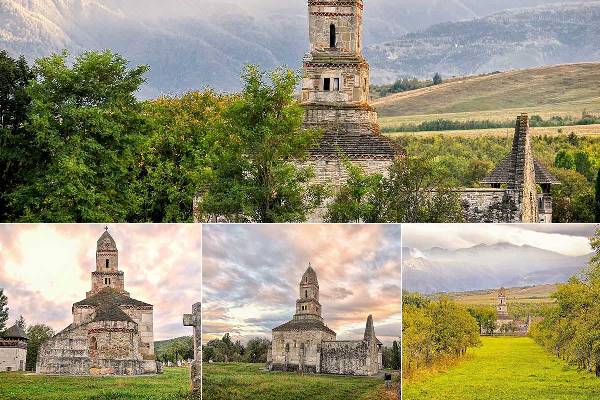
The Church of Saint Nicholas in Densuș (Demsdorf), Hunedoara County, in western Romania, is the oldest stone church in the country.
In its present form, it was built in the 13th century on the site of a 2nd-century Roman temple, using materials from the Dacian fortress of Sarmizegetusa. The church contains 15th-century wall paintings depicting Jesus in traditional Romanian clothing.
According to Romanian historians, a Dacian temple dedicated to the god Zamolxis once stood on the site of the present church. Later, after the Roman conquest, the Romans built another temple there, dedicated to the god Mars. Given its long history, the origins of the church in Densuș are said to date back to the 4th century AD, making it one of the oldest churches in Romania and southeastern Europe.
Pictures from early June 2026 by Mr. Iercosan Marian and his Donna 🥰 Thank you for sending them 👍
In its present form, it was built in the 13th century on the site of a 2nd-century Roman temple, using materials from the Dacian fortress of Sarmizegetusa. The church contains 15th-century wall paintings depicting Jesus in traditional Romanian clothing.
According to Romanian historians, a Dacian temple dedicated to the god Zamolxis once stood on the site of the present church. Later, after the Roman conquest, the Romans built another temple there, dedicated to the god Mars. Given its long history, the origins of the church in Densuș are said to date back to the 4th century AD, making it one of the oldest churches in Romania and southeastern Europe.
Pictures from early June 2026 by Mr. Iercosan Marian and his Donna 🥰 Thank you for sending them 👍

Ecotourism accommodation in Petrila | Hunedoara County
(19 July 2026)
X

Ecotourism accommodation in Petrila | Hunedoara County
(19 July 2026)
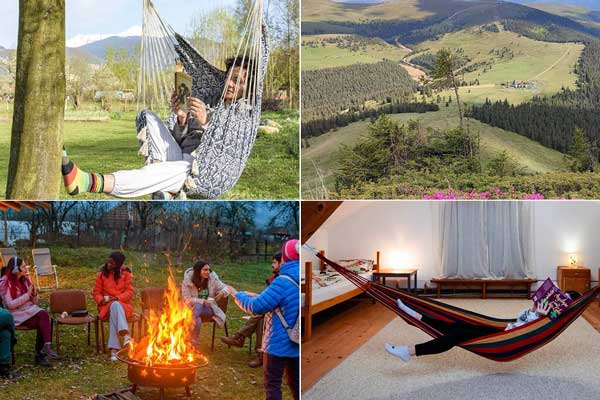
Discover Casa Dorina, an ecotourism guesthouse in Petrila, Hunedoara County, at the foot of Retezat National Park – the ideal place for a sustainable holiday.
With rustic rooms, a terrace, caravan pitches, environmentally friendly facilities, and breathtaking scenery, you can enjoy peace and authentic nature experiences at the foot of the Parâng Mountains.
https://www.casa-dorina.ro/
The host speaks German, English, and Romanian.
With rustic rooms, a terrace, caravan pitches, environmentally friendly facilities, and breathtaking scenery, you can enjoy peace and authentic nature experiences at the foot of the Parâng Mountains.
https://www.casa-dorina.ro/
The host speaks German, English, and Romanian.

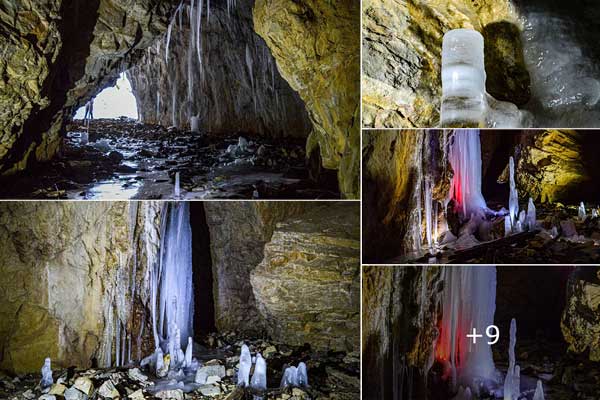
Danilesti Cave | Hunedoara County
(16 July 2026)
X

Danilesti Cave | Hunedoara County
(16 July 2026)
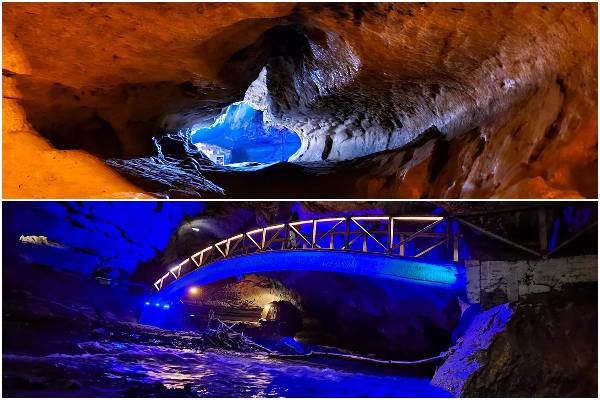
Pictures of the Danilesti cave in the commune of Bulzesti, Hunedoara County.
We thank GO Hunedoara (Photos: Nicu Ardeu) for the permission to use these images.

Corvin Castle / Fortress in Hunedoara
(14 July 2026)
X

Corvin Castle / Fortress in Hunedoara
(14 July 2026)
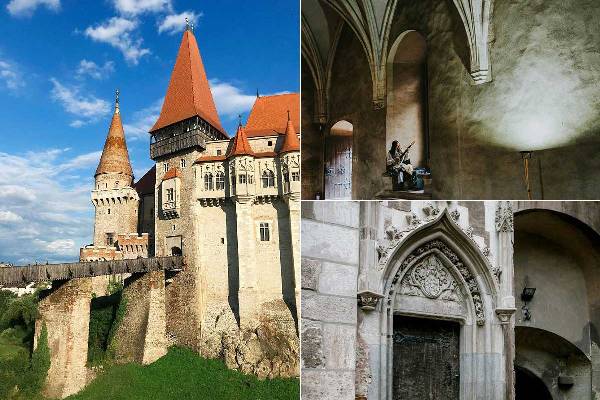
Hunedoara Castle (also known as Hunedoara Castle, in German Burg Eisenmarkt, in Romanian Castelul Corvinilor or Castelul Huniazilor, in Hungarian Vajdahunyadi var) is one of the most important non-ecclesiastical buildings in Transylvania.
The rock castle was built on the remains of a 14th century fortification and is located in the south-western part of the town of Hunedoara (German name: Eisenmarkt) in western Romania.
https://xn--urlaub-in-rumnien-2qb.de/ | https://xn--willkommen-in-rumnien-m2b.de/
The listed castle has many other names (Corvinilor Castle, Castle of the Corvinians, Corvinus Castle, Corvinesti Castle, Corvin Castle, Iron Market Castle, Black Castle, Vajdahunyad Castle, Hunyadi Castle), which can be traced back to its location or its owners.
After 1440, the Hungarian statesman and military commander Johann Hunyadi had an existing fortification converted into the ancestral castle of the Hunyadis. In the second construction phase, the castle was extended from 1458 under King Matthias Corvinus. At the beginning of the 17th century, Prince Gábor Bethlen carried out further major alterations to the building. Today's castle therefore features a mixture of different architectural styles.
The castle was in Austrian hands from 1724 and has been Romanian state property since 1918. As well as being an attraction for tourists, the castle is (and has been) used as a backdrop for a number of Romanian and international film productions. The castle now houses a museum.
The rock castle was built on the remains of a 14th century fortification and is located in the south-western part of the town of Hunedoara (German name: Eisenmarkt) in western Romania.
https://xn--urlaub-in-rumnien-2qb.de/ | https://xn--willkommen-in-rumnien-m2b.de/
The listed castle has many other names (Corvinilor Castle, Castle of the Corvinians, Corvinus Castle, Corvinesti Castle, Corvin Castle, Iron Market Castle, Black Castle, Vajdahunyad Castle, Hunyadi Castle), which can be traced back to its location or its owners.
After 1440, the Hungarian statesman and military commander Johann Hunyadi had an existing fortification converted into the ancestral castle of the Hunyadis. In the second construction phase, the castle was extended from 1458 under King Matthias Corvinus. At the beginning of the 17th century, Prince Gábor Bethlen carried out further major alterations to the building. Today's castle therefore features a mixture of different architectural styles.
The castle was in Austrian hands from 1724 and has been Romanian state property since 1918. As well as being an attraction for tourists, the castle is (and has been) used as a backdrop for a number of Romanian and international film productions. The castle now houses a museum.

Bolii Cave | Hunedoara County
(12 July 2026)
X

Bolii Cave | Hunedoara County
(12 July 2026)
The cave is located on the road connecting the Jiu Valley with the Hateg Country, about 6 kilometers from the city of Petrosani in Hunedoara County.
The Bolii Cave is a natural opening that is accessible along its entire length.
We thank Ms. Corina E. Mateescu for permission to use these images.
The Bolii Cave is a natural opening that is accessible along its entire length.
We thank Ms. Corina E. Mateescu for permission to use these images.

Orăștie | Hunedoara County
(12 July 2026)
X

Orăștie | Hunedoara County
(12 July 2026)
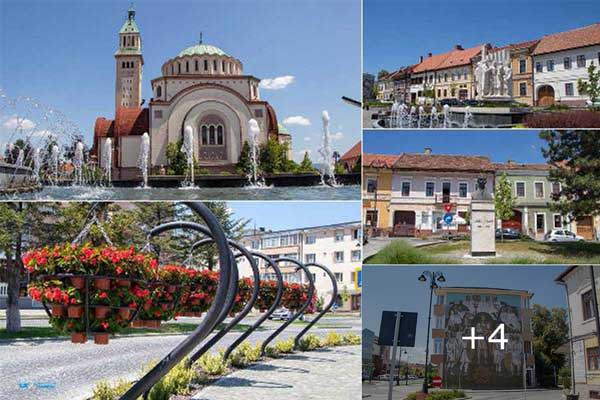
Orăștie (in German: Broos, in Hungarian: Szaszvaros) is a small town and municipality in Hunedoara County, in southwestern Transylvania. The historical center of the municipality invites all visitors to relax, as well as to participate in an informative history lesson.
We thank Go Hunedoara for the permission to use these pictures.

Deva | Hunedoara County | Impressions
(06 July 2026)

Deva | Fortress and town in Hunedoara County
(03 July 2026)
X

Deva | Fortress and town in Hunedoara County
(03 July 2026)
Beautiful pictures of the Deva Fortress by Mr. Iercosan Marian from the end of September 2025 🥰
This and many other travel destinations (more than 420 as of today) in Romania can be found here > https://rotravel24.com/rumaenien-bucket-list-top-reiseziele/

Corvin Castle / Fortress in Hunedoara
(02 July 2026)
X

Corvin Castle / Fortress in Hunedoara
(02 July 2026)
Hunedoara Castle (also known as Hunedoara Castle, in German Burg Eisenmarkt, in Romanian Castelul Corvinilor or Castelul Huniazilor, in Hungarian Vajdahunyadi var) is one of the most important non-ecclesiastical buildings in Transylvania.
https://xn--urlaub-in-rumnien-2qb.de/ | https://xn--willkommen-in-rumnien-m2b.de/
The rock castle was built on the remains of a 14th century fortification and is located in the south-western part of the town of Hunedoara (German name: Eisenmarkt) in western Romania.
The listed castle has many other names (Corvinilor Castle, Castle of the Corvinians, Corvinus Castle, Corvinesti Castle, Corvin Castle, Iron Market Castle, Black Castle, Vajdahunyad Castle, Hunyadi Castle), which can be traced back to its location or its owners.
After 1440, the Hungarian statesman and military commander Johann Hunyadi had an existing fortification converted into the ancestral castle of the Hunyadis. In the second construction phase, the castle was extended from 1458 under King Matthias Corvinus. At the beginning of the 17th century, Prince Gábor Bethlen carried out further major alterations to the building. Today's castle therefore features a mixture of different architectural styles.
The castle was in Austrian hands from 1724 and has been Romanian state property since 1918. As well as being an attraction for tourists, the castle is (and has been) used as a backdrop for a number of Romanian and international film productions. The castle now houses a museum.
https://xn--urlaub-in-rumnien-2qb.de/ | https://xn--willkommen-in-rumnien-m2b.de/
The rock castle was built on the remains of a 14th century fortification and is located in the south-western part of the town of Hunedoara (German name: Eisenmarkt) in western Romania.
The listed castle has many other names (Corvinilor Castle, Castle of the Corvinians, Corvinus Castle, Corvinesti Castle, Corvin Castle, Iron Market Castle, Black Castle, Vajdahunyad Castle, Hunyadi Castle), which can be traced back to its location or its owners.
After 1440, the Hungarian statesman and military commander Johann Hunyadi had an existing fortification converted into the ancestral castle of the Hunyadis. In the second construction phase, the castle was extended from 1458 under King Matthias Corvinus. At the beginning of the 17th century, Prince Gábor Bethlen carried out further major alterations to the building. Today's castle therefore features a mixture of different architectural styles.
The castle was in Austrian hands from 1724 and has been Romanian state property since 1918. As well as being an attraction for tourists, the castle is (and has been) used as a backdrop for a number of Romanian and international film productions. The castle now houses a museum.

Evening walk through the Orastie Fortress | Hunedoara County
(20 June 2026)
X

Evening walk through the Orastie Fortress | Hunedoara County
(20 June 2026)
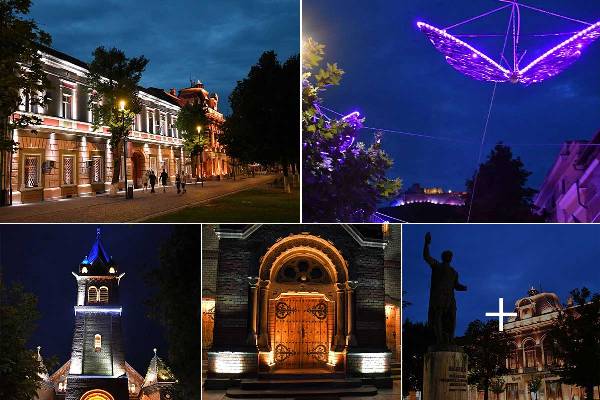
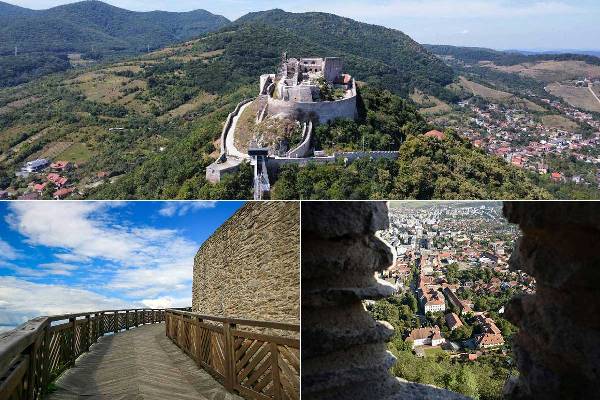
The town of Orastie (in German: Broos, in Hungarian Szaszvaro) is located in the county of Hunedoara in the south-west of Transylvania.
We thank Go Hunedoara for the permission to use these pictures.

Spring in I Giardini di Zoe | Hunedoara County
(26 May 2026)
X

Spring in I Giardini di Zoe | Hunedoara County
(26 May 2026)
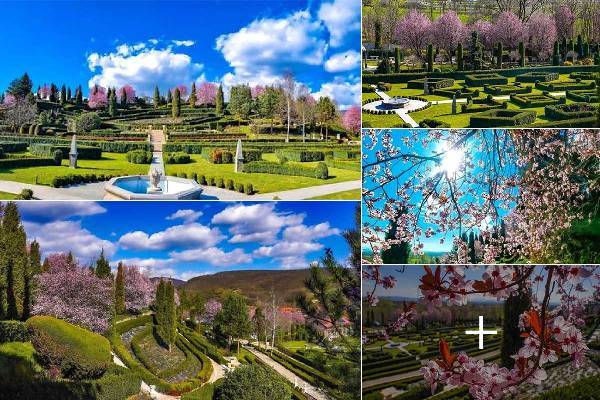
Beautiful pictures of the botanical garden "I Giardini di Zoe" from March 2024.
The garden, also known as Banpotoc Garden, is located east of the city of Deva (in German Diemrich), on the left side of the A1 motorway (heading towards Sibiu), in the Banpotoc village of Harau commune.
We thank Go Hunedoara for granting permission to use these images.
The garden, also known as Banpotoc Garden, is located east of the city of Deva (in German Diemrich), on the left side of the A1 motorway (heading towards Sibiu), in the Banpotoc village of Harau commune.
We thank Go Hunedoara for granting permission to use these images.

Corvin Fortress / Castle in Hunedoara
(22 April 2026)
X

Corvin Fortress / Castle in Hunedoara
(22 April 2026)
Hunedoara Castle (also known as Hunedoara Fortress, in German Burg Eisenmarkt, in Romanian Castelul Corvinilor or Castelul Huniazilor, in Hungarian Vajdahunyadi vár) is one of the most important non‑ecclesiastical buildings in Transylvania.
The stone fortress was built on the remains of a 14th‑century fortification and is located in the southwestern part of the city of Hunedoara (German name: Eisenmarkt) in western Romania.
https://welcome-to-romania.com | https://urlaub-in-rumänien.de
The castle, a listed historic monument, is also known under many other names (Corvin Castle, Castle of the Corvins, Corvinus Castle, Corvinesti Castle, Corvin Castle, Eisenmarkt Castle, Black Castle, Vajdahunyad Castle, Hunyadi Castle), which trace back to its location or owners.
The Hungarian statesman and military leader John Hunyadi transformed an existing fortification after 1440 into the ancestral seat of the Hunyadi family. During the second construction phase, starting in 1458, the castle was expanded under King Matthias Corvinus. At the beginning of the 17th century, further significant modifications were made under Prince Gábor Bethlen. Today, the castle therefore displays a mix of architectural styles.
From 1724 the castle was in Austrian possession, and since 1918 it has belonged to the Romanian state. Aside from being a tourist attraction, the castle has been (and still is) used as a backdrop for numerous Romanian and international film productions. Today, it houses a museum.
The stone fortress was built on the remains of a 14th‑century fortification and is located in the southwestern part of the city of Hunedoara (German name: Eisenmarkt) in western Romania.
https://welcome-to-romania.com | https://urlaub-in-rumänien.de
The castle, a listed historic monument, is also known under many other names (Corvin Castle, Castle of the Corvins, Corvinus Castle, Corvinesti Castle, Corvin Castle, Eisenmarkt Castle, Black Castle, Vajdahunyad Castle, Hunyadi Castle), which trace back to its location or owners.
The Hungarian statesman and military leader John Hunyadi transformed an existing fortification after 1440 into the ancestral seat of the Hunyadi family. During the second construction phase, starting in 1458, the castle was expanded under King Matthias Corvinus. At the beginning of the 17th century, further significant modifications were made under Prince Gábor Bethlen. Today, the castle therefore displays a mix of architectural styles.
From 1724 the castle was in Austrian possession, and since 1918 it has belonged to the Romanian state. Aside from being a tourist attraction, the castle has been (and still is) used as a backdrop for numerous Romanian and international film productions. Today, it houses a museum.

Cheile Banitei - The Gorges of Banitei | Hunedoara County
(05 April 2026)
X

Cheile Banitei - The Gorges of Banitei | Hunedoara County
(05 April 2026)
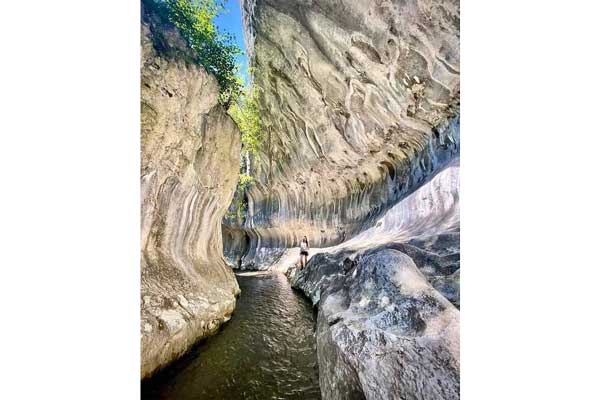
The gorges are located in the municipality of Banita in Hunedoara County and take place along the high limestone walls.
They are about 300 meters long and have been dug by deep water in limestone. On quiet summer days, they can be visited, waterproof shoes are a necessity, because the path in the keys also leads through the water.
The height of the rock walls is about 10-15 meters and shows how the water eroded the rock. In many places, the rocks form a roof, which has been formed by horizontal erosion depending on the current for hundreds of years.
More information about Hunedoara County:
https://urlaub-in-rumänien.de/en/hunedoara-county/
We thank Vlad the Impaler - Dracula for the permission to use this picture.
They are about 300 meters long and have been dug by deep water in limestone. On quiet summer days, they can be visited, waterproof shoes are a necessity, because the path in the keys also leads through the water.
The height of the rock walls is about 10-15 meters and shows how the water eroded the rock. In many places, the rocks form a roof, which has been formed by horizontal erosion depending on the current for hundreds of years.
More information about Hunedoara County:
https://urlaub-in-rumänien.de/en/hunedoara-county/
We thank Vlad the Impaler - Dracula for the permission to use this picture.

Church of St. Nicholas in Densus | Hunedoara County
(01 April 2026)
X

Church of St. Nicholas in Densus | Hunedoara County
(01 April 2026)
The Church of Saint Nicholas in Densuș (Demsdorf), Hunedoara County, in western Romania, is the oldest stone church in the country.
Built in its current form in the 13th century on the site of a 2nd-century Roman temple, it used materials from the Dacian fortress of Sarmizegetusa. The church interior features 15th-century frescoes depicting Jesus in traditional Romanian attire.
Historians suggest the site once housed a Dacian temple for the god Zamolxis, later turned into a Roman temple for Mars. The church's origins trace back to the 4th century, making it the oldest church in Romania and Southeast Europe.
We thank Go Hunedoara for granting permission to use these images.
Built in its current form in the 13th century on the site of a 2nd-century Roman temple, it used materials from the Dacian fortress of Sarmizegetusa. The church interior features 15th-century frescoes depicting Jesus in traditional Romanian attire.
Historians suggest the site once housed a Dacian temple for the god Zamolxis, later turned into a Roman temple for Mars. The church's origins trace back to the 4th century, making it the oldest church in Romania and Southeast Europe.
We thank Go Hunedoara for granting permission to use these images.

Jiu Valley | Beginning of April 2024 | Hunedoara county
(01 April 2026)
X

Jiu Valley | Beginning of April 2024 | Hunedoara county
(01 April 2026)
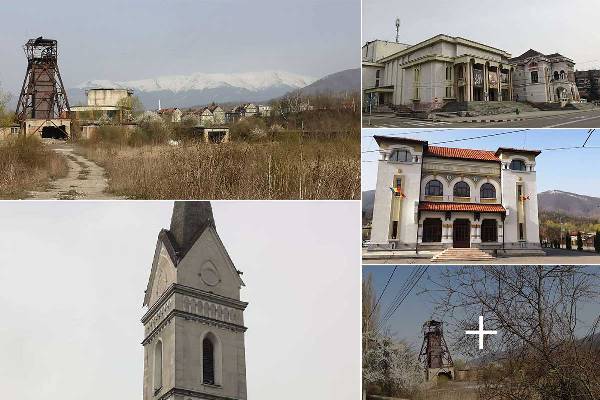
The Schiltal, or Valea Jiului in Romanian, is nestled in the Retezat Mountains, Hunedoara County, and was once the largest mining area in Romania.
From the middle of the 19th century, miners and experts from different parts of Europe and many different nationalities came here and have shaped the image of this region to this day. Of the 16 former coal mines, three are still in operation today. In winter, until spring, there are also many winter sports activities in this area around the towns of Petrosani and Lupeni.
We would like to thank Mr. Frank Schleßmann for sending us these wonderful pictures and the corresponding text/explanation.
From the middle of the 19th century, miners and experts from different parts of Europe and many different nationalities came here and have shaped the image of this region to this day. Of the 16 former coal mines, three are still in operation today. In winter, until spring, there are also many winter sports activities in this area around the towns of Petrosani and Lupeni.
We would like to thank Mr. Frank Schleßmann for sending us these wonderful pictures and the corresponding text/explanation.

Corvin Castle / Fortress in Hunedoara
(07 March 2026)
X

Corvin Castle / Fortress in Hunedoara
(07 March 2026)
Hunedoara Castle (also known as Corvin Castle or Hunyadi Castle, German: Burg Eisenmarkt, Romanian: Castelul Corvinilor or Castelul Huniazilor, Hungarian: Vajdahunyadi vár) is one of the most important non-religious buildings in Transylvania.
https://urlaub-in-rumänien.de | https://welcome-to-romania.com
The stone castle was built on the remains of a 14th-century fortification and is located in the southwestern part of the city of Hunedoara (German name: Eisenmarkt) in western Romania.
https://urlaub-in-rumänien.de | https://welcome-to-romania.com
The stone castle was built on the remains of a 14th-century fortification and is located in the southwestern part of the city of Hunedoara (German name: Eisenmarkt) in western Romania.

Deva | Fortress and city in Hunedoara County
(07 March 2026)

Jiu Valley in Hunedoara County
(24 February 2026)
X

Jiu Valley in Hunedoara County
(24 February 2026)
Jiu Valley, with the river of the same name ( which is a tributary of the Danube ), is located in southwestern Transylvania, between the Retezat Mountains and the Parang Mountains in Hunedoara County.
Known for coal mining in the past, the valley has long been called the largest coal field in Romania. Today it offers a wide range of opportunities for relaxation and hiking in the unparalleled and wonderful nature.
We thank Descopera VALEA for the permission to use these impressive pictures.
Known for coal mining in the past, the valley has long been called the largest coal field in Romania. Today it offers a wide range of opportunities for relaxation and hiking in the unparalleled and wonderful nature.
We thank Descopera VALEA for the permission to use these impressive pictures.

Canyon in Hunedoara County
(23 February 2026)
X

Canyon in Hunedoara County
(23 February 2026)
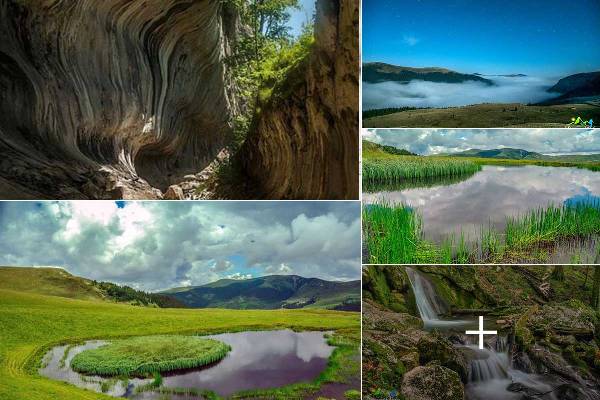
In the Gradistea Muncelului Cioclovina Nature Park in Hunedoara County, you’ll find many gorges, including Crivadia Gorge (Cheile Crivadiei), Banita Gorge (Cheile Banitei), Rosia Gorge (Cheile Rosia), and Taia Gorge (Cheile Taia).
*Note: While "Cheile" translates literally as "keys," in this context, it represents access routes or connections—better understood as gorges in English.
We thank Go Hunedoara for allowing us to use these images.
*Note: While "Cheile" translates literally as "keys," in this context, it represents access routes or connections—better understood as gorges in English.
We thank Go Hunedoara for allowing us to use these images.

Hunedoara / Corvin Castle | Hunedoara County
(17 February 2026)
X

Hunedoara / Corvin Castle | Hunedoara County
(17 February 2026)
Hunedoara Castle (also known as Corvin Castle or Hunyadi Castle, German: Burg Eisenmarkt, Hungarian: Vajdahunyadi vár) is one of the most significant non-religious buildings in Transylvania.
https://willkommen-in-rumänien.de | https://welcome-to-romania.com
The castle was built on the remains of a 14th-century fortification and is located in the southwestern part of the city of Hunedoara (German name: Eisenmarkt) in western Romania.
The Hungarian statesman and military leader John Hunyadi had an existing fortification converted into the ancestral castle of the Hunyadis after 1440. In the second construction phase, starting in 1458, the castle was expanded under King Matthias Corvinus. At the beginning of the 17th century, further major redesigns were carried out under Prince Gabriel Bethlen. Today's castle therefore exhibits a mixture of different architectural styles.
https://willkommen-in-rumänien.de | https://welcome-to-romania.com
The castle was built on the remains of a 14th-century fortification and is located in the southwestern part of the city of Hunedoara (German name: Eisenmarkt) in western Romania.
The Hungarian statesman and military leader John Hunyadi had an existing fortification converted into the ancestral castle of the Hunyadis after 1440. In the second construction phase, starting in 1458, the castle was expanded under King Matthias Corvinus. At the beginning of the 17th century, further major redesigns were carried out under Prince Gabriel Bethlen. Today's castle therefore exhibits a mixture of different architectural styles.

Deva | Fortress and town in Hunedoara County
(03 February 2026)
X

Deva | Fortress and town in Hunedoara County
(03 February 2026)
Beautiful images of the city and fortress of Hunedoara from March 2024.
We thank Go Hunedoara for the permission to use these pictures.

Church of St. Nicholas in Densus | Hunedoara County
(31 January 2026)
X

Church of St. Nicholas in Densus | Hunedoara County
(31 January 2026)
The Church of Saint Nicholas in Densuș (Demsdorf), Hunedoara County, in western Romania, is the oldest stone church in the country.
Built in its current form in the 13th century on the site of a 2nd-century Roman temple, it used materials from the Dacian fortress of Sarmizegetusa. The church interior features 15th-century frescoes depicting Jesus in traditional Romanian attire.
Historians suggest the site once housed a Dacian temple for the god Zamolxis, later turned into a Roman temple for Mars. The church's origins trace back to the 4th century, making it the oldest church in Romania and Southeast Europe.
We thank Mr. Frank Schleßmann for sending these beautiful pictures (April 22, 2025).
Built in its current form in the 13th century on the site of a 2nd-century Roman temple, it used materials from the Dacian fortress of Sarmizegetusa. The church interior features 15th-century frescoes depicting Jesus in traditional Romanian attire.
Historians suggest the site once housed a Dacian temple for the god Zamolxis, later turned into a Roman temple for Mars. The church's origins trace back to the 4th century, making it the oldest church in Romania and Southeast Europe.
We thank Mr. Frank Schleßmann for sending these beautiful pictures (April 22, 2025).

Youth Park in Hunedoara
(26 January 2026)
X

Youth Park in Hunedoara
(26 January 2026)
The Tineretului Park is located in the heart of the city of Hunedoara and is home to the Catedrala (Cathedral) Eroilor.
We thank Go Hunedoara for the permission to use these pictures (spring).