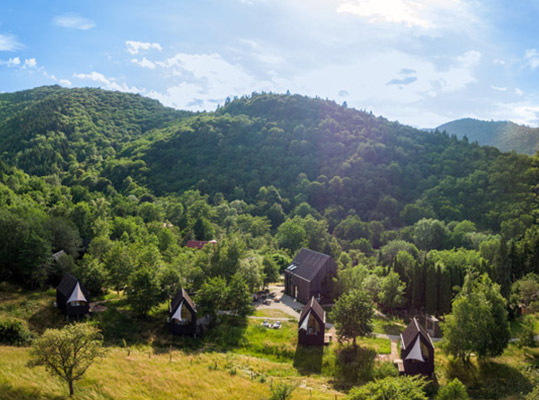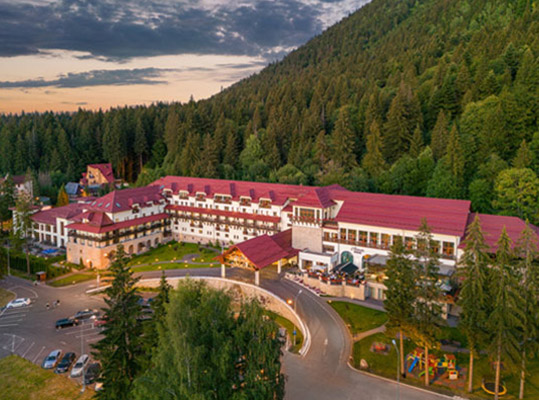


Click on the following button to get to the offer of this German-speaking host.
County: Sibiu
Telefon: +40 (0)269 235 505
Address: 2 Emil Cioran, Sibiu, Romania
Email: reservations@ramadasibiu.ro

Our UiR database: You can also visit and explore nearby ...
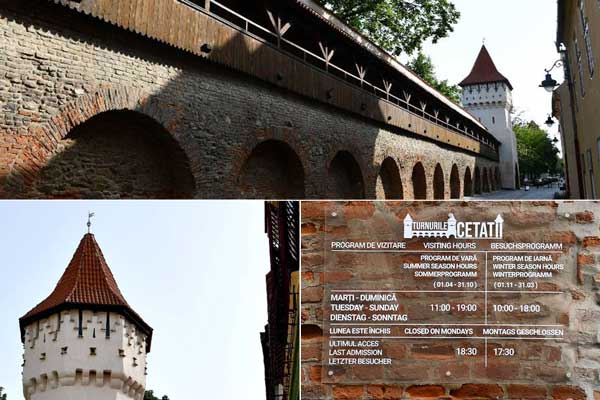
Sibiu | Hermannstadt | The Fortress Towers
(04 April 2026)
X

(04 April 2026)
The Carpenters' Tower in Sibiu (German: Zimmermannsturm) was built in the 14th century by the Saxon carpenters' guild in Sibiu. The tower was part of the city's third fortification belt and is today the left tower of the preserved defensive and fortress wall. It is located on Citadel Street (Harteneckgasse, named after Mayor Johann Sachs von Harteneck).
The Potters' Tower (Romanian: Turnul Olarilor) was built in the 15th century by the Saxon potters' guild. It was also part of the city's third fortification belt and is located to the right of the preserved defensive and fortress wall.
Pictures: July 2023
The Potters' Tower (Romanian: Turnul Olarilor) was built in the 15th century by the Saxon potters' guild. It was also part of the city's third fortification belt and is located to the right of the preserved defensive and fortress wall.
Pictures: July 2023

August 2 in Sibiu | Event: Zorabia 2026
(02 April 2026)
X
(02 April 2026)
On August 2, 2026, the legendary ZORABIA – Transylvanian Night in White awaits you as a major OPEN-AIR event near Sibiu (Hermannstadt). German hit music, dance, cocktails, a top-class drone show, and much more ...
More information and online tickets:
https://heide-reisen.de/zorabia2026-whiteparty-drohnenshow/
More information and online tickets:
https://heide-reisen.de/zorabia2026-whiteparty-drohnenshow/
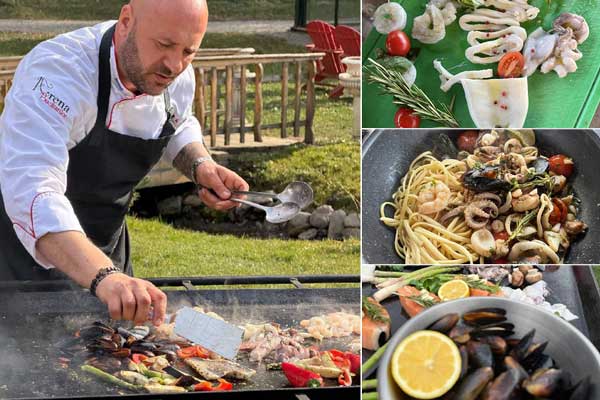
Brukenthal Palace / Restaurant | Avrig near Sibiu
(02 April 2026)
X
(02 April 2026)
Brukenthal Palace invites you this weekend to celebrate in a fairytale setting and enjoy authentic flavors, prepared by chef Cosmin Dan.
A special menu awaits you, in which the taste of local fish is harmoniously interwoven with ocean delicacies, prepared outdoors in the Brukenthal Palace garden.
More information & booking:
☎️ +40 (0)726 234 417 | Palatul Brukenthal Avrig
A special menu awaits you, in which the taste of local fish is harmoniously interwoven with ocean delicacies, prepared outdoors in the Brukenthal Palace garden.
More information & booking:
☎️ +40 (0)726 234 417 | Palatul Brukenthal Avrig
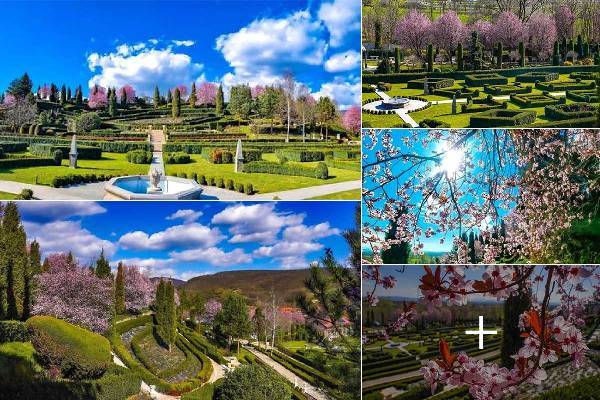
Spring in I Giardini di Zoe | Hunedoara County
(30 March 2026)
X
(30 March 2026)
Beautiful pictures of the botanical garden "I Giardini di Zoe" from March 2024.
The garden, also known as Banpotoc Garden, is located east of the city of Deva (in German Diemrich), on the left side of the A1 motorway (heading towards Sibiu), in the Banpotoc village of Harau commune.
We thank Go Hunedoara for granting permission to use these images.
The garden, also known as Banpotoc Garden, is located east of the city of Deva (in German Diemrich), on the left side of the A1 motorway (heading towards Sibiu), in the Banpotoc village of Harau commune.
We thank Go Hunedoara for granting permission to use these images.
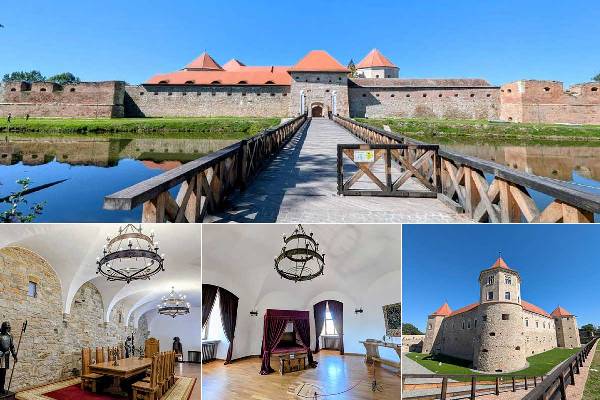
Făgăraș Fortress | Brașov County
(30 March 2026)
X
(30 March 2026)
On the way from Sibiu to Brașov lies the town of Făgăraș. At the end of the 12th century the town's fortress was only a wooden fortification, which was expanded into a stone fortress in the 14th century.
The fortress houses a museum, which—like the fortress itself—can be visited. Directly next to the fortress is the cathedral / church Sfantul Ioan Botezatorul.
Beautiful pictures by Mr. Iercosan Marian from a few days ago (end of September 2025).
The fortress houses a museum, which—like the fortress itself—can be visited. Directly next to the fortress is the cathedral / church Sfantul Ioan Botezatorul.
Beautiful pictures by Mr. Iercosan Marian from a few days ago (end of September 2025).
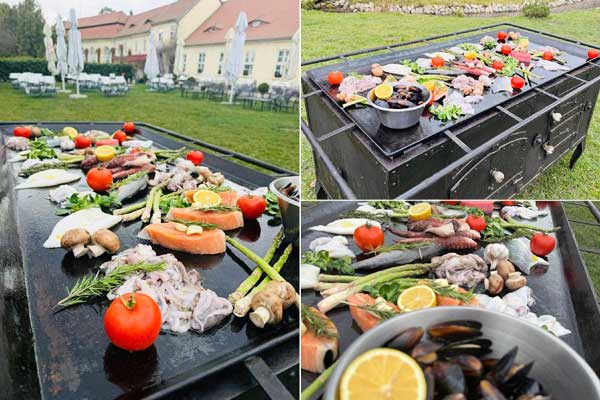
Fish and seafood at the Brukenthal Palace / Beach Club Avrig
(25 March 2026)
X
(25 March 2026)
Starting March 25, 2026, the #seafoodmenu begins at the Brukenthal Palace / Corabia Piratilor Beachclub in Avrig (German name Freck) in Sibiu County, Transylvania.
📞 (0726) 234 417 - Reception
📧 office@palatulbrukenthalavrig.ro
https://palatulbrukenthalavrig.ro (German, English, Romanian)
📞 (0726) 234 417 - Reception
📧 office@palatulbrukenthalavrig.ro
https://palatulbrukenthalavrig.ro (German, English, Romanian)
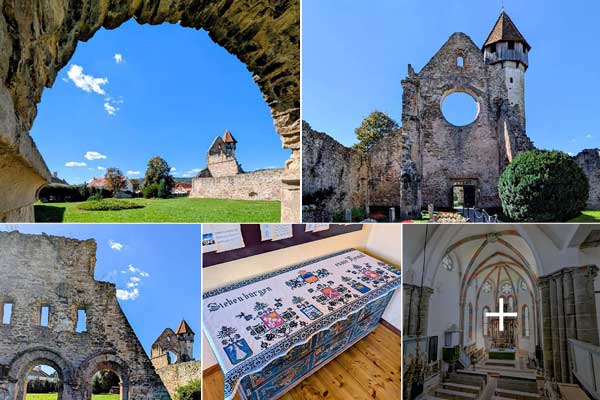
Cârța Monastery in Transylvania | Sibiu County
(24 March 2026)
X
(24 March 2026)
The Cârța Monastery (German: Kerz) is a former Cistercian (Benedictine) monastery in Transylvania, Romania.
It is located on the left bank of the Olt River, almost exactly halfway between the cities of Sibiu and Fagaras, and is today an Evangelical-Lutheran church.
The exact founding date of the Cârța Monastery (Latin: monasterium beatae Mariae virginis in Candelis de Kerch) is unknown. A Constance charter dated April 17, 1418, issued by Sigismund, King of Hungary, states vaguely that the monastery was founded, built, and endowed with rights and privileges by his predecessors. Cistercian documents from the 13th to 15th centuries, collected and analyzed by Leopold Janauschek, mention the founding year of the monastery as being around 1202–1203.
Beautiful pictures by Mr. Iercosan Marian from the end of September 2025.
It is located on the left bank of the Olt River, almost exactly halfway between the cities of Sibiu and Fagaras, and is today an Evangelical-Lutheran church.
The exact founding date of the Cârța Monastery (Latin: monasterium beatae Mariae virginis in Candelis de Kerch) is unknown. A Constance charter dated April 17, 1418, issued by Sigismund, King of Hungary, states vaguely that the monastery was founded, built, and endowed with rights and privileges by his predecessors. Cistercian documents from the 13th to 15th centuries, collected and analyzed by Leopold Janauschek, mention the founding year of the monastery as being around 1202–1203.
Beautiful pictures by Mr. Iercosan Marian from the end of September 2025.
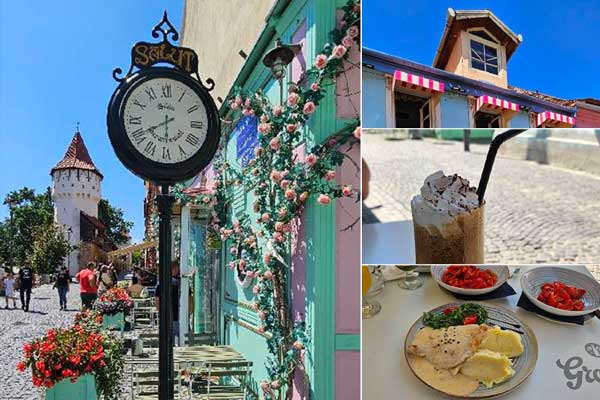
Only about 150 meters southeast of the Big Square
(24 March 2026)
X
(24 March 2026)
Located only about 150 meters southeast of the Big Square (Piata Mare) and thus in the center of the city of Sibiu / Hermannstadt, you will find the Pardon Cafe Bar & Restaurant with its beautiful outdoor terrace where you can certainly enjoy many delicacies shortly (perhaps even now).
Pardon • Cafe Bistro Italian | https://pardoncafesibiu.ro
The restaurant offers a wide selection of European, Romanian, and local dishes from the region.
We thank Ms. Meli Döring for the permission to use these pictures. Thank you 😊
Pardon • Cafe Bistro Italian | https://pardoncafesibiu.ro
The restaurant offers a wide selection of European, Romanian, and local dishes from the region.
We thank Ms. Meli Döring for the permission to use these pictures. Thank you 😊
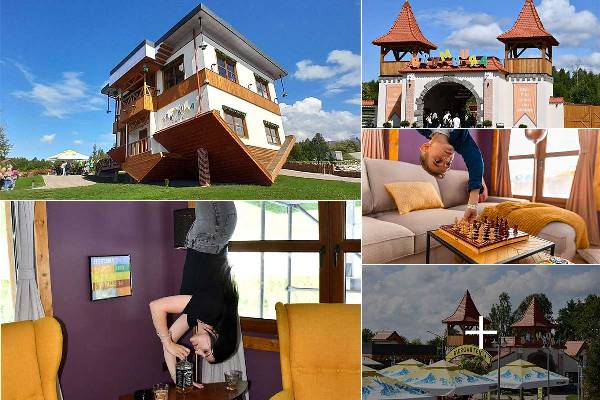
Upside down … or maybe not!? | Brambura Park
(21 March 2026)
X
(21 March 2026)
Sometimes everything is upside down in life, here in Brambura Park in Avrig (Freck in German) this is the norm. An experience for children, families and every visitor.
Pictures of Brambura Park from mid-May 2024 in Avrig (approx. 25 km south-east of Sibiu), the adventure park for everyone > https://brambura-park.ro/
Pictures of Brambura Park from mid-May 2024 in Avrig (approx. 25 km south-east of Sibiu), the adventure park for everyone > https://brambura-park.ro/
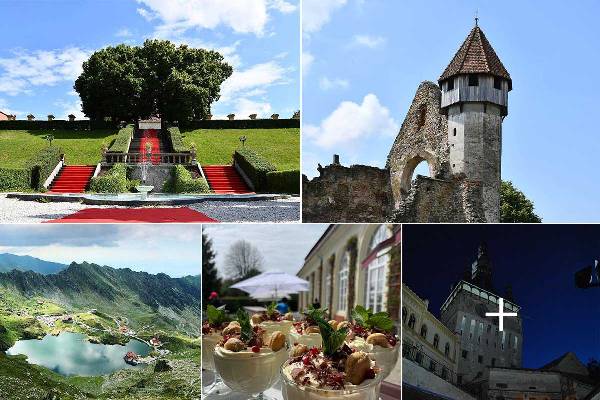
Four days Brukenthal Palace incl. rental car from €279
(18 March 2026)
X
(18 March 2026)
Explore the heart of Transylvania: Sibiu, Transfagarasan, Carta Monastery, Sighisoara, and of course the Brukenthal Palace in Avrig.
Four (4) days following the Historic Cafés Route in Transylvania, including accommodation / breakfast, rental car, and a guided city tour of Sibiu / Hermannstadt, from €279 per person (price depends on travel time, in double room, according to details provided by the tour operator).
Organizer: DRS Reisen GmbH, Stuttgart, Germany
Travel dates: From September 2025 until autumn 2026
More information:
https://drs-reisen.de/.../auf-der-historischen-cafes.../
Sibiu / Hermannstadt | Carta Monastery | Sighisoara / Schässburg | Transfagarasan and much more ...
Four (4) days following the Historic Cafés Route in Transylvania, including accommodation / breakfast, rental car, and a guided city tour of Sibiu / Hermannstadt, from €279 per person (price depends on travel time, in double room, according to details provided by the tour operator).
Organizer: DRS Reisen GmbH, Stuttgart, Germany
Travel dates: From September 2025 until autumn 2026
More information:
https://drs-reisen.de/.../auf-der-historischen-cafes.../
Sibiu / Hermannstadt | Carta Monastery | Sighisoara / Schässburg | Transfagarasan and much more ...
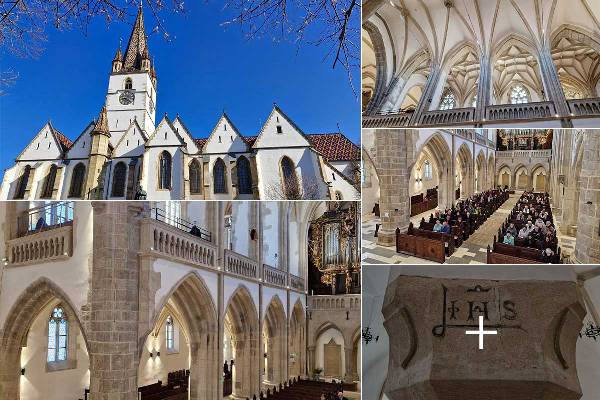
Evangelical Parish Church | Hermannstadt / Sibiu
(17 March 2026)
Valea Viilor | Sibiu County
(12 March 2026)
X
(12 March 2026)
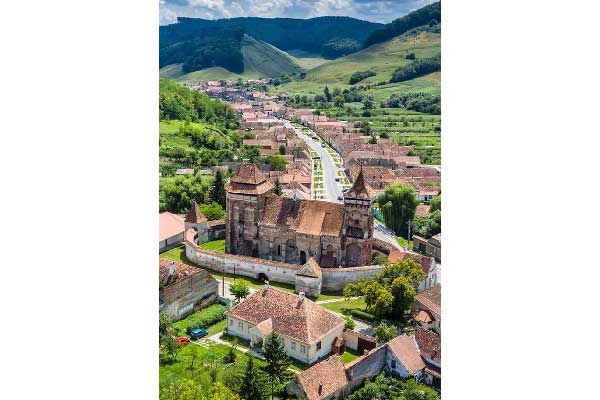
Valea Viilor (Wurmloch in German) is a commune in Sibiu County, Transylvania Region.
Valea Viilor, originally Vorumloc, was probably first mentioned under the Hungarian name Baromlak in 1224 (possibly 1305). Transylvania-Saxon Hörigendorf, which was originally held by the nobility, was later able to join the see of Mediascher and thus become free. Until 1964, the local in Romania was run under the German derivative name Vorumloc, then renamed "Valea Viilor" (in German: valea viilor).
In 1850 the proportion of Germans was over 65% and in 1977 over 50%. Today, only about 1-2% of the inhabitants are German.
We thank Vlad the Impaler - Dracula (photo: Adrian Arsu) for the permission to use this picture.
Valea Viilor, originally Vorumloc, was probably first mentioned under the Hungarian name Baromlak in 1224 (possibly 1305). Transylvania-Saxon Hörigendorf, which was originally held by the nobility, was later able to join the see of Mediascher and thus become free. Until 1964, the local in Romania was run under the German derivative name Vorumloc, then renamed "Valea Viilor" (in German: valea viilor).
In 1850 the proportion of Germans was over 65% and in 1977 over 50%. Today, only about 1-2% of the inhabitants are German.
We thank Vlad the Impaler - Dracula (photo: Adrian Arsu) for the permission to use this picture.
Soon !! Pardon Cafe Bar & Restaurant | Sibiu / Hermannstadt
(11 March 2026)
X
(11 March 2026)
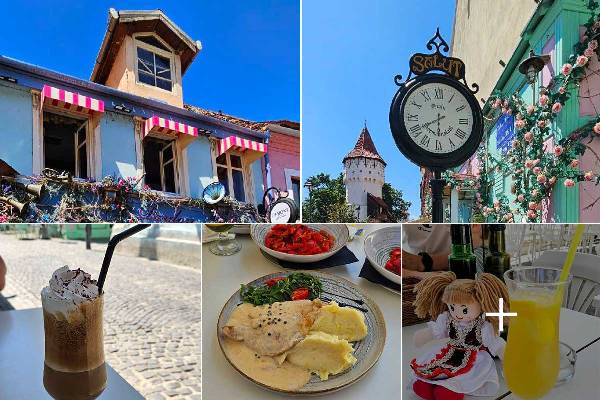
Only about 150 meters southeast of the Great Square (Piata Mare) and thus in the center of Sibiu / Hermannstadt, you will find Pardon Cafe Bar & Restaurant with its beautiful outdoor terrace.
Pardon Cafe Bar & Restaurant | https://pardoncafesibiu.ro
The restaurant offers a wide selection of European, Romanian, and also local regional dishes.
We thank Mrs. Meli Döring for granting permission to use these pictures. Thank you!
Pardon Cafe Bar & Restaurant | https://pardoncafesibiu.ro
The restaurant offers a wide selection of European, Romanian, and also local regional dishes.
We thank Mrs. Meli Döring for granting permission to use these pictures. Thank you!
Brateiu commune / fortified church | Sibiu County
(11 March 2026)
X
(11 March 2026)
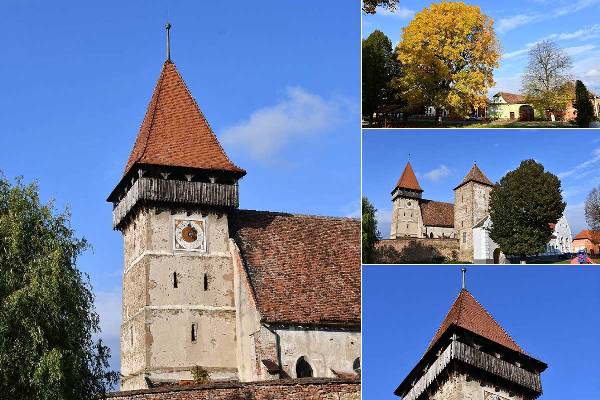
Brateiu (also Bratei; German: Pretai, Transylvanian Saxon: Pretai or Pretua, Hungarian: Barathely) is a commune in Sibiu County.
The village was founded by German settlers and was first mentioned in 1283 as Mons Mariae (Marienberg). The village experienced its heyday towards the end of the 18th century. After complaints to Emperor Joseph II about the poor condition of the fortified church, which was in danger of collapsing — as it was built on marshy ground — were successful, the commune was expanded towards Schäßburg, the natural course of the Kokel river was diverted, and the surrounding marsh was drained.
Pictures: middle October 2025
The village was founded by German settlers and was first mentioned in 1283 as Mons Mariae (Marienberg). The village experienced its heyday towards the end of the 18th century. After complaints to Emperor Joseph II about the poor condition of the fortified church, which was in danger of collapsing — as it was built on marshy ground — were successful, the commune was expanded towards Schäßburg, the natural course of the Kokel river was diverted, and the surrounding marsh was drained.
Pictures: middle October 2025
Four days at Brukenthal Palace INCLUDING rental car from 279 euros
(07 March 2026)
X
(07 March 2026)
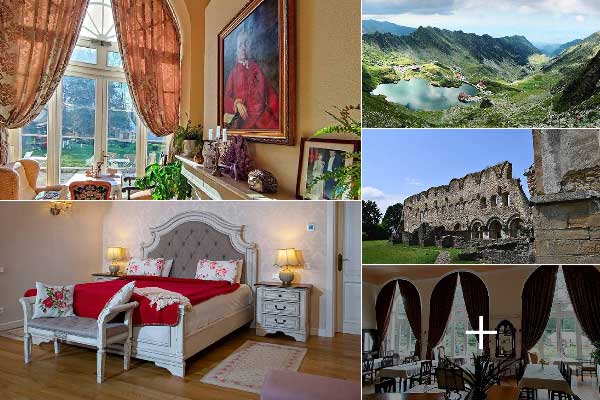
Explore the heart of Transylvania: Sibiu, Transfagarasan, Kerz Monastery, Sighisoara, and of course Brukenthal Palace in Avrig in winter, spring, and/or summer.
Four (4) days following the Historic Cafés Route in Transylvania, including accommodation/breakfast, your own rental car, and a city tour in Sibiu / Hermannstadt from 279 euros per person (price depends on travel period, in a double room, according to further information from the tour operator).
Provider: DRS Reisen GmbH, Stuttgart, Germany
Travel dates: From September 2025 until autumn 2026 possible
More information at:
https://drs-reisen.de/.../auf-der-historischen-cafes.../
Sibiu / Hermannstadt | Kerz Monastery | Sighisoara / Schässburg | Brambura Family Park | Transfagarasan and much more ...
Four (4) days following the Historic Cafés Route in Transylvania, including accommodation/breakfast, your own rental car, and a city tour in Sibiu / Hermannstadt from 279 euros per person (price depends on travel period, in a double room, according to further information from the tour operator).
Provider: DRS Reisen GmbH, Stuttgart, Germany
Travel dates: From September 2025 until autumn 2026 possible
More information at:
https://drs-reisen.de/.../auf-der-historischen-cafes.../
Sibiu / Hermannstadt | Kerz Monastery | Sighisoara / Schässburg | Brambura Family Park | Transfagarasan and much more ...
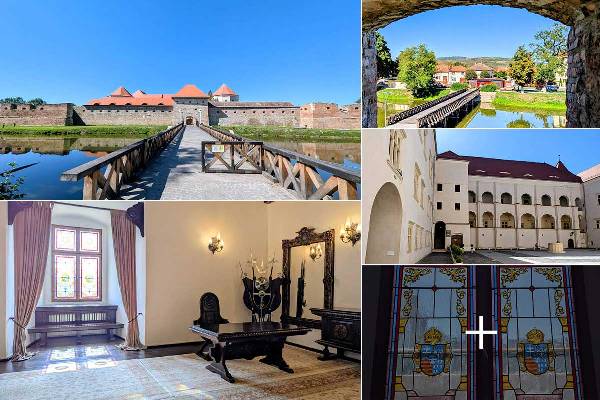
Fagaras Fortress | Brasov County
(06 March 2026)
X
(06 March 2026)
On the way from Sibiu to Brasov lies the city of Fagaras. At the end of the 12th century, the city’s castle was only a wooden fortress, which was expanded into a stone fortress in the 14th century.
The fortress houses a museum, which can be visited just like the fortress itself. Right next to the fortress is the cathedral/church Sfantul Ioan Botezatorul.
Beautiful pictures by Mr. Iercosan Marian from the end of September 2025.
The fortress houses a museum, which can be visited just like the fortress itself. Right next to the fortress is the cathedral/church Sfantul Ioan Botezatorul.
Beautiful pictures by Mr. Iercosan Marian from the end of September 2025.
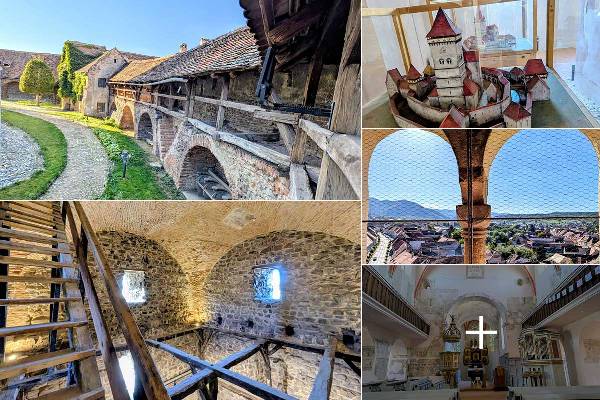
Cisnadie | Sibiu County
(06 March 2026)
X
(06 March 2026)
Cisnadie (German: Heltau, Transylvanian Saxon: De Hielt, Hungarian: Nagydisznod) is a town in Sibiu County in the historical region of Transylvania. The town is located about 10 km southwest of Sibiu (Hermannstadt) at the foot of the Southern Carpathians. Two small streams flow through the town: Paraul Argintului (Silberbach) and Paraul Ursului (Bärenbach).
Heltau was first mentioned in documents in 1204, founded by Germans (Transylvanian Saxons), and for centuries was mainly inhabited by Saxons. In 1425, Heltau received the first tower clock in Transylvania. In 1500, on the occasion of a visit by King Wladislaus II, the town was granted market rights.
Beautiful pictures by Mr. Iercosan Marian from the end of September 2025.
Heltau was first mentioned in documents in 1204, founded by Germans (Transylvanian Saxons), and for centuries was mainly inhabited by Saxons. In 1425, Heltau received the first tower clock in Transylvania. In 1500, on the occasion of a visit by King Wladislaus II, the town was granted market rights.
Beautiful pictures by Mr. Iercosan Marian from the end of September 2025.
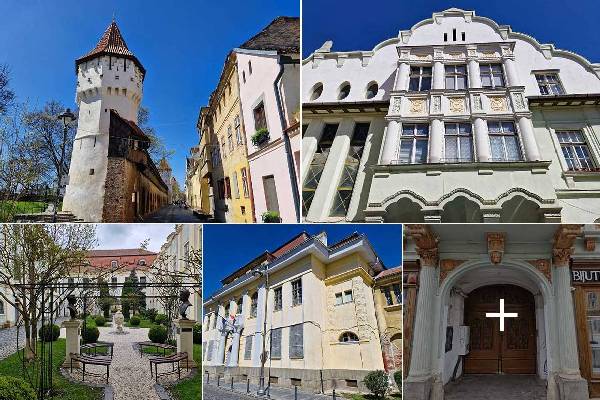
Holiday destination 2026: Hermannstadt (Sibiu) in Transylvania
(06 March 2026)
X
(06 March 2026)
The old town / city center of Sibiu in recent pictures from April 12 and 13, 2025. Hermannstadt (Romanian: Sibiu, Hungarian: Nagyszeben, and Transylvanian Saxon: Hermestatt) is the county seat of the county of the same name in the historical region of Transylvania.
It is believed that the first German settlers arrived in the area in 1147. The first documentary mention of the city dates from 1191. From 1223 the Latin name "Villa Hermanni" is attested, and from 1241 the German equivalent Hermannstorf.
We thank Mr. Frank Schleßmann for sending the pictures and for granting permission to use them.
It is believed that the first German settlers arrived in the area in 1147. The first documentary mention of the city dates from 1191. From 1223 the Latin name "Villa Hermanni" is attested, and from 1241 the German equivalent Hermannstorf.
We thank Mr. Frank Schleßmann for sending the pictures and for granting permission to use them.
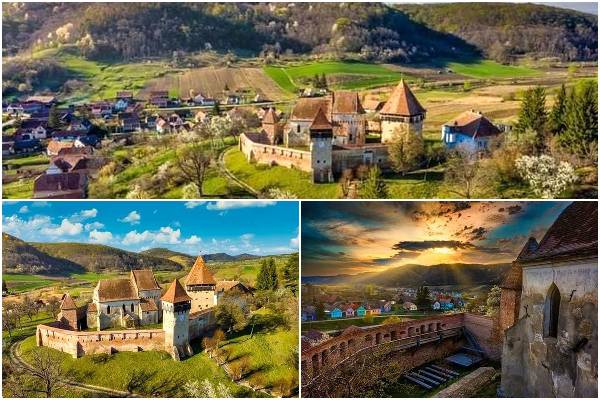
Alma Vii - Timelessly Beautiful | Sibiu County
(04 March 2026)
X
(04 March 2026)
Alma Vii (in German Almen) is a village in Sibiu County in Transylvania and definitely deserves a visit!
The village is part of the municipality of Mosna and is also known under the old Romanian names Alma Saşe and Alma Intre Vii, as well as in Hungarian such as Almad, Szaszalmas, Nemet-Almas and Almas.
Information about the fortified church can be found here:
https://kirchenburgen.org/location/almen-alma-vii/
We thank Vlad the Impaler - Dracula for the permission to use these images.
The village is part of the municipality of Mosna and is also known under the old Romanian names Alma Saşe and Alma Intre Vii, as well as in Hungarian such as Almad, Szaszalmas, Nemet-Almas and Almas.
Information about the fortified church can be found here:
https://kirchenburgen.org/location/almen-alma-vii/
We thank Vlad the Impaler - Dracula for the permission to use these images.
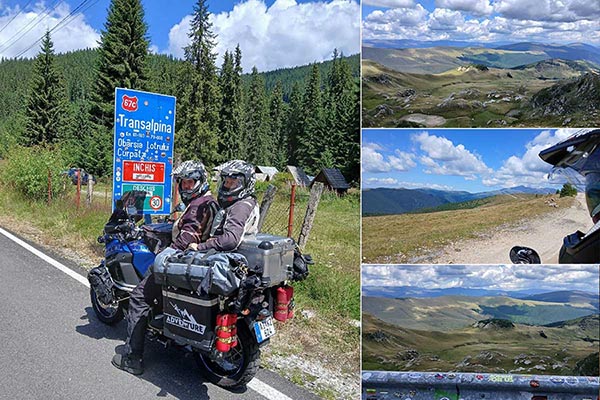
Transalpina | Alba, Sibiu, and Gorj Counties
(04 March 2026)
X
(04 March 2026)
The Transalpina, or "The King's Way" as the road is also called, is usually open from the beginning of June (like the Transfagarasan) until the first heavy snowfall in autumn / early winter.
It connects the towns of Novaci in Gorj County and Sebes in Alba County. Over a length of 138 kilometers, this road crosses the Parang Mountains and reaches its highest point at the Urdele Pass.
We thank Mr. Andreas Hainbach for these beautiful pictures from his Romania tour at the end of July 2025 / beginning of August 2025. Many thanks 🥰
It connects the towns of Novaci in Gorj County and Sebes in Alba County. Over a length of 138 kilometers, this road crosses the Parang Mountains and reaches its highest point at the Urdele Pass.
We thank Mr. Andreas Hainbach for these beautiful pictures from his Romania tour at the end of July 2025 / beginning of August 2025. Many thanks 🥰
Brateiu | Sibiu County
(02 March 2026)
X
(02 March 2026)
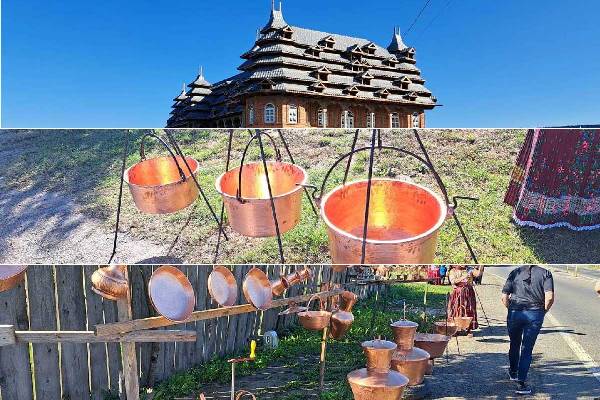
Brateiu, formerly known as Bratei, is the main village of the commune with the same name in Sibiu County.
Pictures: Buildings and the sale of copper items by the local ethnic minority of the Roma community.
The village is located in the valley of the Tarnava Mare River, 5 km from Medias. It was first mentioned in a document from 1283. The German name Pretai and the Romanian name Bratei derive from the Latin word "protodiaconus," which also influenced the Hungarian name of the village, Barathely (Village of the Monk).
Pictures: 23 September 2025
Pictures: Buildings and the sale of copper items by the local ethnic minority of the Roma community.
The village is located in the valley of the Tarnava Mare River, 5 km from Medias. It was first mentioned in a document from 1283. The German name Pretai and the Romanian name Bratei derive from the Latin word "protodiaconus," which also influenced the Hungarian name of the village, Barathely (Village of the Monk).
Pictures: 23 September 2025
A motorcycle trip | Bazna fortified church | Sibiu County
(28 February 2026)
X
(28 February 2026)
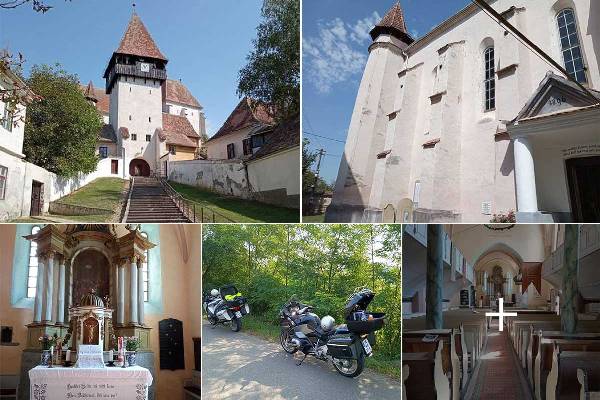
In July / August 2023, we followed "Schnuff" and his motorcycle friends on their journey through Romania, with wonderful pictures and experiences.
Here the municipality of Bazna (in German Baaßen or Baassen, Transylvanian Saxon Baußen, Hungarian Bazna or Felsobajom) in the district of Sibiu in Transylvania (pictures mid-August 2023).
The Protestant fortified church in Baußen was built in the 14th century and rebuilt in the 16th century. Today, the church and part of the community center are listed buildings.
Here the municipality of Bazna (in German Baaßen or Baassen, Transylvanian Saxon Baußen, Hungarian Bazna or Felsobajom) in the district of Sibiu in Transylvania (pictures mid-August 2023).
The Protestant fortified church in Baußen was built in the 14th century and rebuilt in the 16th century. Today, the church and part of the community center are listed buildings.
Sibiu / Hermannstadt at night | End of September 2025
(28 February 2026)
X
(28 February 2026)
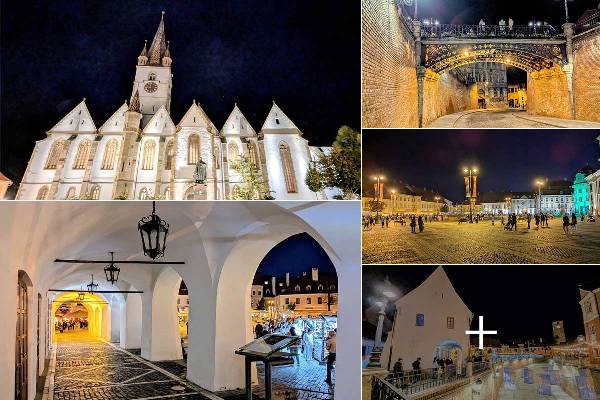
Beautiful in every season, by day and by night ... Hermannstadt / Sibiu / Nagyszeben in Transylvania.
The old town and the city's fortification walls were built by Saxon settlers (the Transylvanian Saxons) in the 12th and 13th centuries and are still preserved today in many of their original features.
Beautiful pictures by Mr. Iercosan Marian from a few days ago (end of September 2025).
The old town and the city's fortification walls were built by Saxon settlers (the Transylvanian Saxons) in the 12th and 13th centuries and are still preserved today in many of their original features.
Beautiful pictures by Mr. Iercosan Marian from a few days ago (end of September 2025).
Dumbraveni (German: Elisabethstadt) | Sibiu County
(25 February 2026)
X
(25 February 2026)
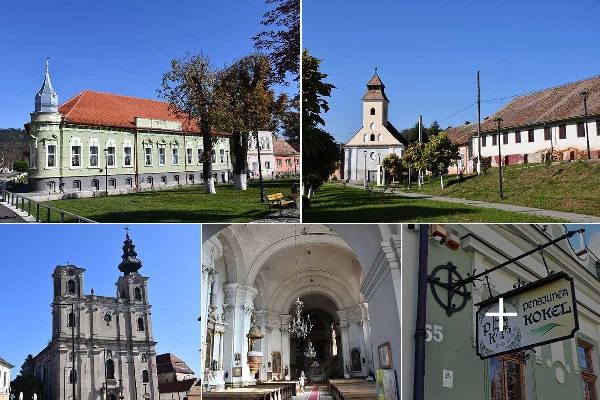
Autumn impressions from Dumbraveni (German: Elisabethstadt; Saxon dialect: Eppeschdorf, Hungarian: Erzsébetváros), a town in the north of Sibiu County.
You can find good accommodation and delicious regional specialties here:
https://pensionkokel.ro | https://bistrotecabaum.ro
The town lies on the banks of the Tarnava Mare river and is located about 20 km east of the city of Medias. It is situated on the Transylvanian Plateau, on the border with Mures County, halfway between Medias and Sighisoara / Schässburg.
You can find good accommodation and delicious regional specialties here:
https://pensionkokel.ro | https://bistrotecabaum.ro
The town lies on the banks of the Tarnava Mare river and is located about 20 km east of the city of Medias. It is situated on the Transylvanian Plateau, on the border with Mures County, halfway between Medias and Sighisoara / Schässburg.
Museum of Traditional Popular Civilization | Sibiu
(20 February 2026)
X
(20 February 2026)
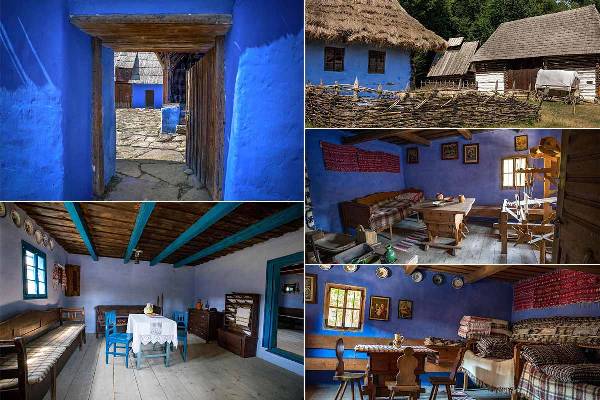
Museum of Traditional Popular Culture in Sibiu (Hermannstadt in German) is one of the largest open-air museums in Romania.
Located just south of Sibiu (German: Hermannstadt), the museum is located in the "Dumbrava Sibiului" forest, on the connecting road between Sibiu and Rășinari, about three kilometers (3) from the city.
Contains installations of traditional pre-industrial Romanian popular civilization. Houses, workshops and construction complexes are scattered around a lake, among the trees of the Sibiu Drumbrates.
We thank Mrs Farkas Ildiko ( facebook.com/farkas.ildiko.75 ) for the permission to use these pictures.
Located just south of Sibiu (German: Hermannstadt), the museum is located in the "Dumbrava Sibiului" forest, on the connecting road between Sibiu and Rășinari, about three kilometers (3) from the city.
Contains installations of traditional pre-industrial Romanian popular civilization. Houses, workshops and construction complexes are scattered around a lake, among the trees of the Sibiu Drumbrates.
We thank Mrs Farkas Ildiko ( facebook.com/farkas.ildiko.75 ) for the permission to use these pictures.
Brambura Park in Avrig | The perfect family day
(20 February 2026)
X
(20 February 2026)
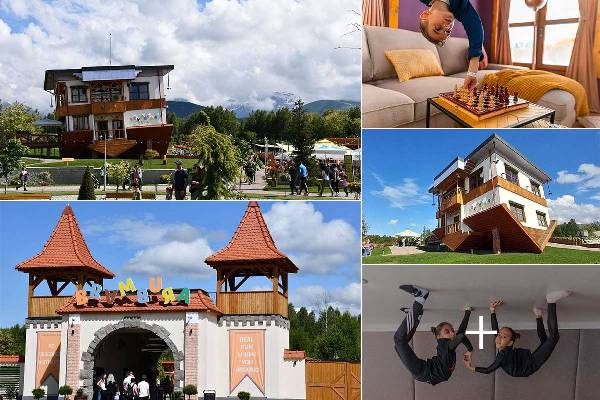
Sometimes everything is upside down in life, and here at Brambura Park in Avrig (in German Freck), that's the norm. An experience for children, families, and every visitor 🥰
In addition to the famous upside-down house, visitors will find many attractions such as a Code Playground, a toboggan run, a small animal park, and of course a "beer garden" that provides food and drinks for the whole family.
Pictures of Brambura Park from mid-May 2024 in Avrig (about 25 km southeast of Sibiu / Hermannstadt), the adventure park for everyone, but especially for children and the young at heart.
https://brambura-park.ro | https://welcome-to-romania.com
In addition to the famous upside-down house, visitors will find many attractions such as a Code Playground, a toboggan run, a small animal park, and of course a "beer garden" that provides food and drinks for the whole family.
Pictures of Brambura Park from mid-May 2024 in Avrig (about 25 km southeast of Sibiu / Hermannstadt), the adventure park for everyone, but especially for children and the young at heart.
https://brambura-park.ro | https://welcome-to-romania.com
The "little Schönbrunn" in Avrig | A delight for all the senses
(19 February 2026)
X
(19 February 2026)
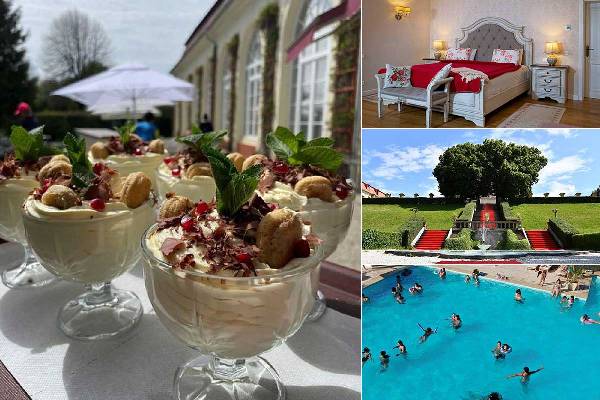
Plan now: Spring / Summer | Visit the restaurant | historical café now (both open daily: 8 AM to 10 PM) at the Brukenthal Palace in Avrig (German: Freck), just a few kilometers east of Sibiu (Hermannstadt).
https://brukenthal-palace-avrig.com | https://palatulbrukenthalavrig.ro
Plan an excursion, your weekend, your holiday, or even your event here and / or spend time with your family at the pool at Corabia Piratilor / Beach Club Avrig, right next door. The Brukenthal Palace looks forward to seeing you.
https://palatulbrukenthalavrig.ro/beach-club-avrig-ro
https://brukenthal-palace-avrig.com/beach-club-avrig
https://brukenthal-palace-avrig.com | https://palatulbrukenthalavrig.ro
Plan an excursion, your weekend, your holiday, or even your event here and / or spend time with your family at the pool at Corabia Piratilor / Beach Club Avrig, right next door. The Brukenthal Palace looks forward to seeing you.
https://palatulbrukenthalavrig.ro/beach-club-avrig-ro
https://brukenthal-palace-avrig.com/beach-club-avrig

Delicious, delicious and delicious again | Sibiu / Hermannstadt
(18 February 2026)
X
(18 February 2026)
If you are in the city, visit Pardon Cafe Bar & Restaurant in the heart of Sibiu / Hermannstadt (Strada Cetății 14), just about 150 meters southeast of the Great Square / Ring (Piata Mare).
Pardon Cafe Bar & Restaurant | https://pardoncafesibiu.ro
The restaurant offers a wide selection of European, Romanian and local dishes from the region. It's well worth a visit 🥰
Pardon Cafe Bar & Restaurant | https://pardoncafesibiu.ro
The restaurant offers a wide selection of European, Romanian and local dishes from the region. It's well worth a visit 🥰
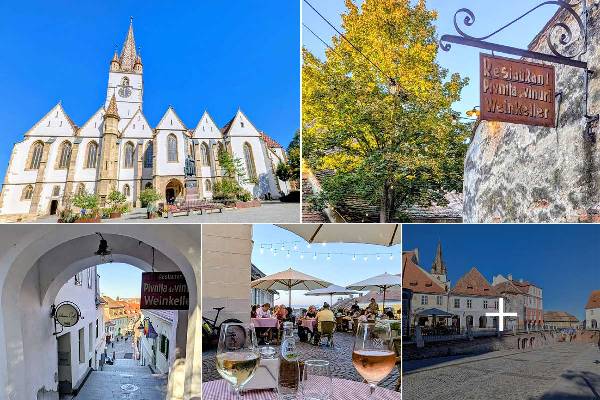
Holiday 2026 | Sibiu / Hermannstadt / Nagyszeben | Transylvania
(18 February 2026)
X
(18 February 2026)
Pictures from Hermannstadt (Sibiu), located in the historical region of Transylvania in the heart of Romania.
Discover more destinations in Romania and create your own travel plan > https://rotravel24.com
The old town and the fortress walls were built by Saxon settlers (the Transylvanian Saxons) in the 12th and 13th centuries and are still largely preserved in their original form today.
Beautiful pictures by Mr. Iercosan Marian from a few days ago (end of September 2025).
Discover more destinations in Romania and create your own travel plan > https://rotravel24.com
The old town and the fortress walls were built by Saxon settlers (the Transylvanian Saxons) in the 12th and 13th centuries and are still largely preserved in their original form today.
Beautiful pictures by Mr. Iercosan Marian from a few days ago (end of September 2025).

German / Bavarian cuisine in February in Sibiu / Hermannstadt
(15 February 2026)
X
(15 February 2026)
Visit the Camara Boierului restaurant at the Hilton Sibiu Hotel and experience authentic Romanian specialties with a combination of unique and delicious flavors and dishes from Transylvania in a traditional atmosphere ... and in February additionally ... German and Bavarian specialties!
Padurea Dumbrava nr. 1, Sibiu / Hermannstadt at the Hilton Sibiu Hotel.
Padurea Dumbrava nr. 1, Sibiu / Hermannstadt at the Hilton Sibiu Hotel.