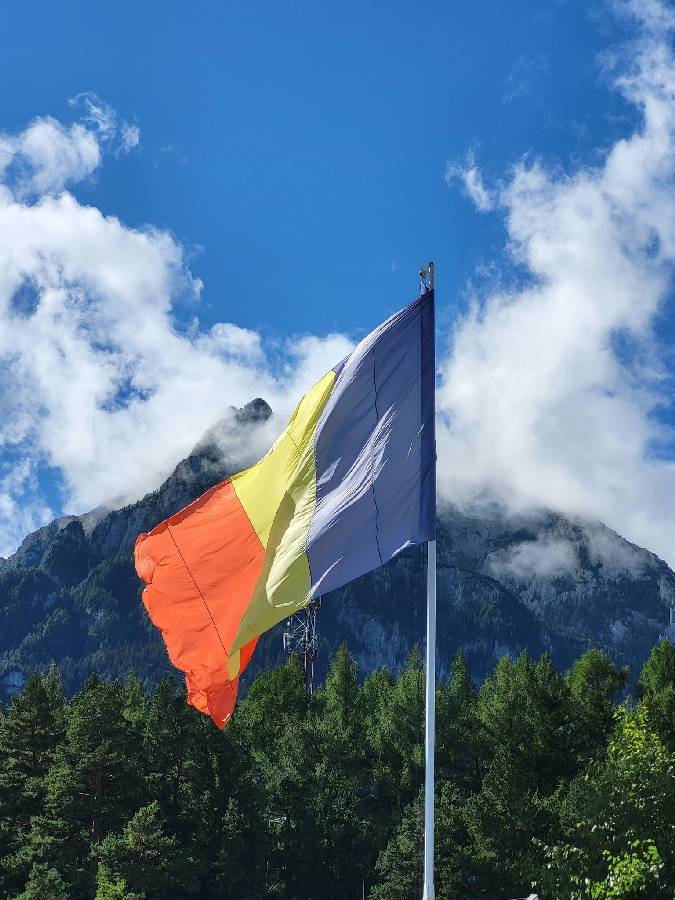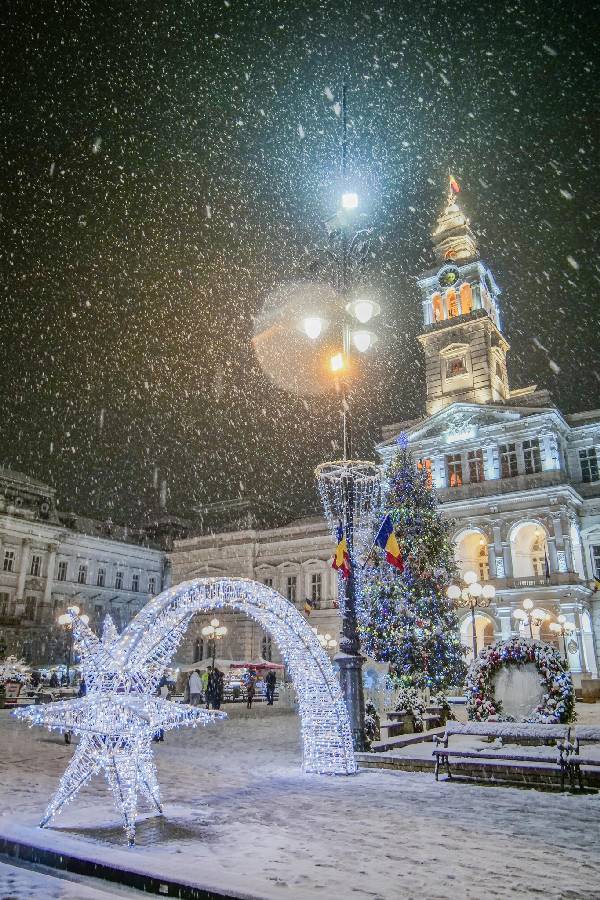

https://discover-sulina.com | https://urlaub-im-donaudelta.de
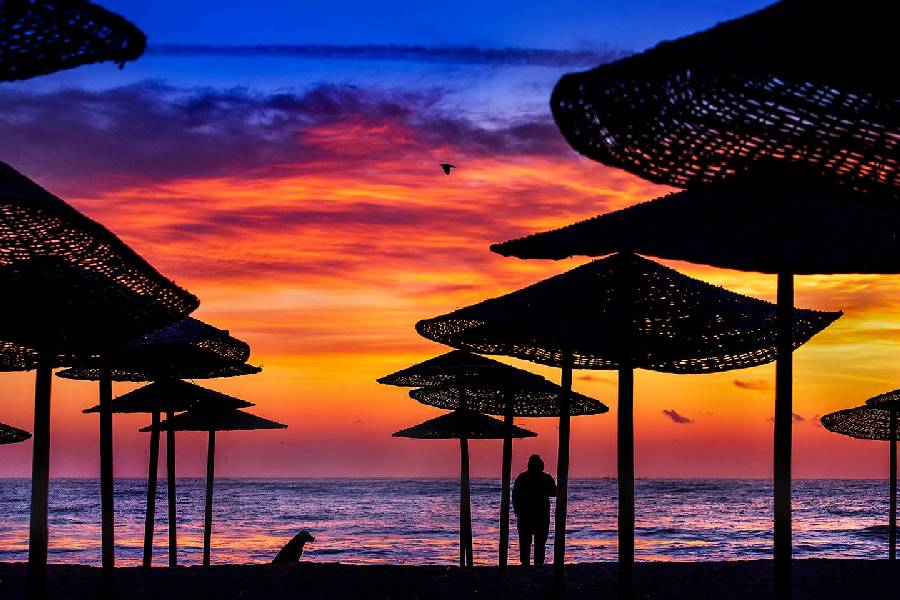
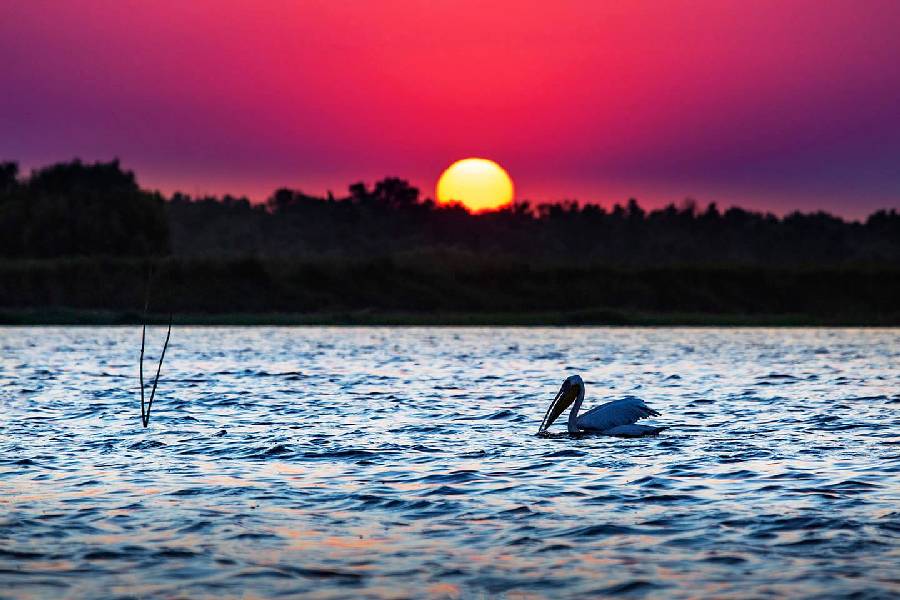
We thank photographer Sorin Onisor ( facebook.com/sorinonisor ) for allowing us to use these wonderful images.
(31 January 2026)
https://discover-sulina.com | https://urlaub-im-donaudelta.de
We thank photographer Sorin Onisor ( facebook.com/sorinonisor ) for allowing us to use these wonderful images.
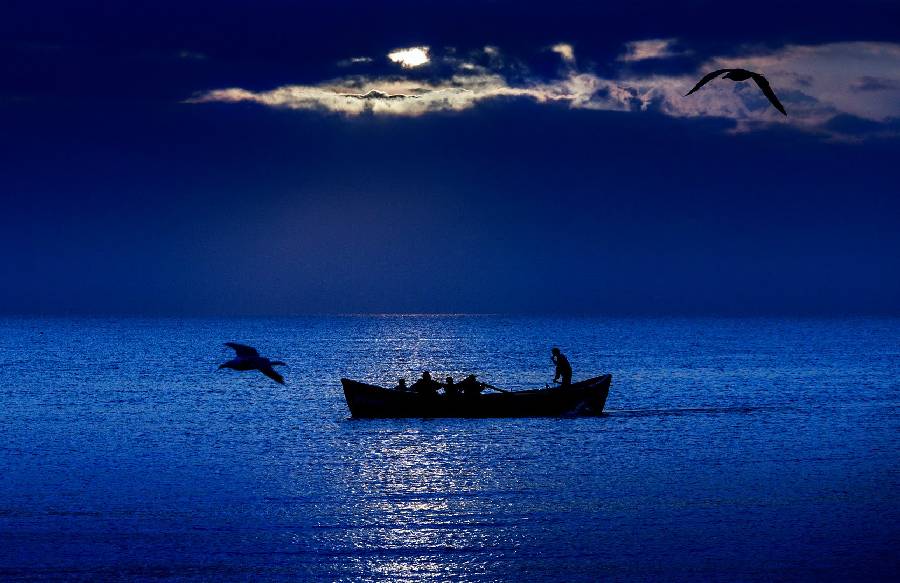
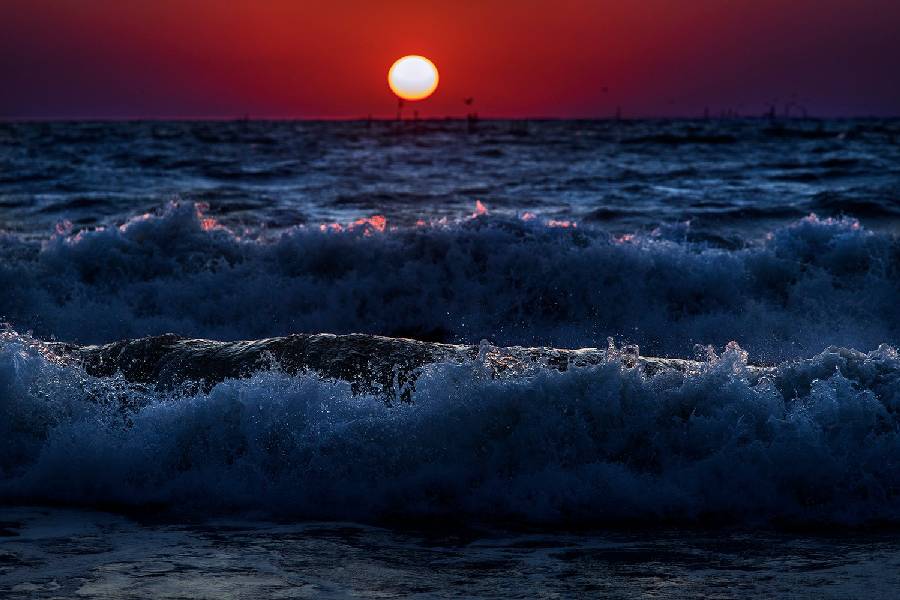
(31 January 2026)
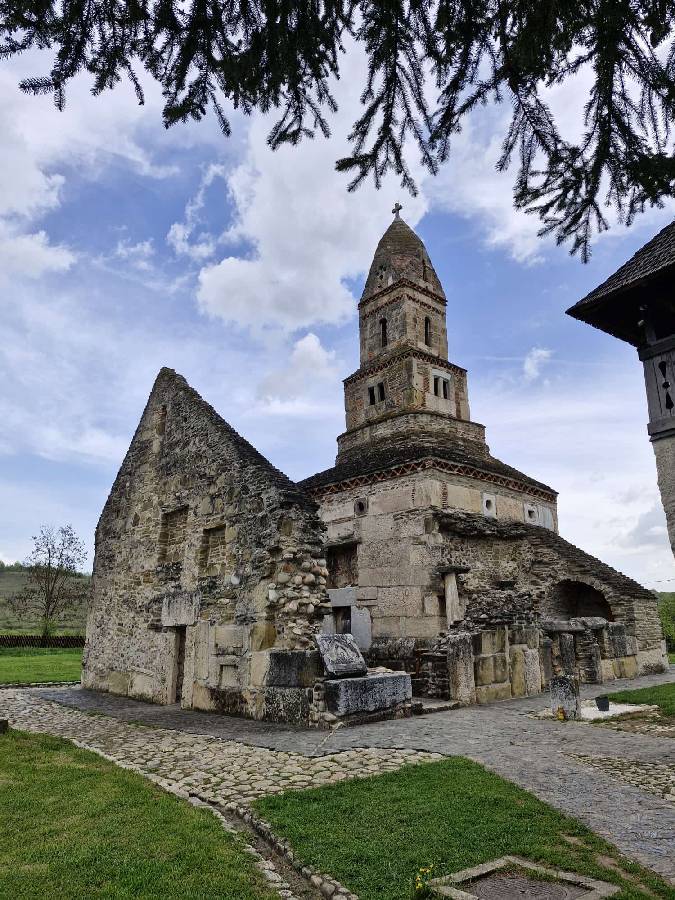
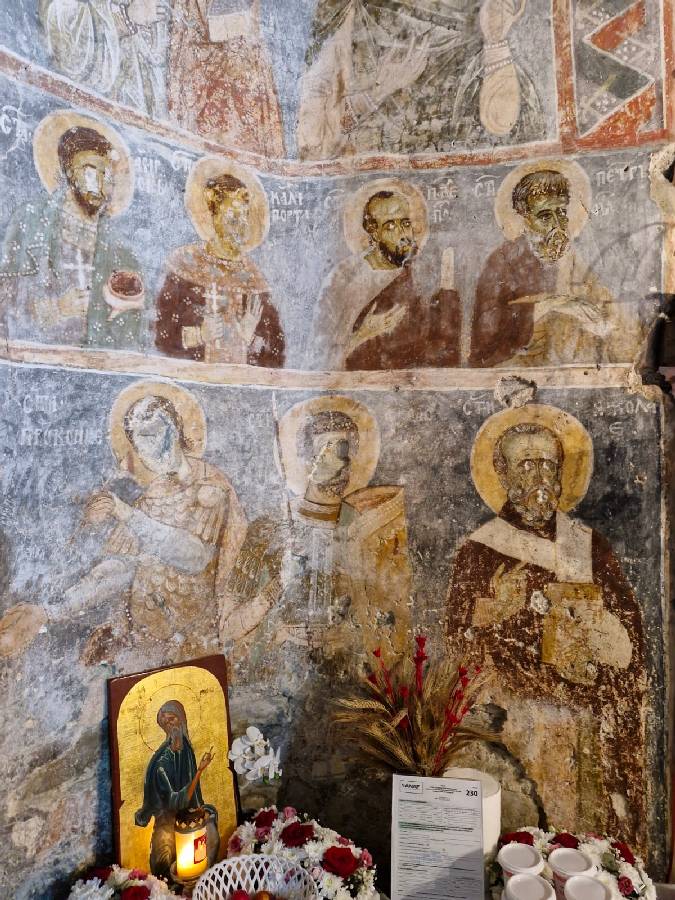
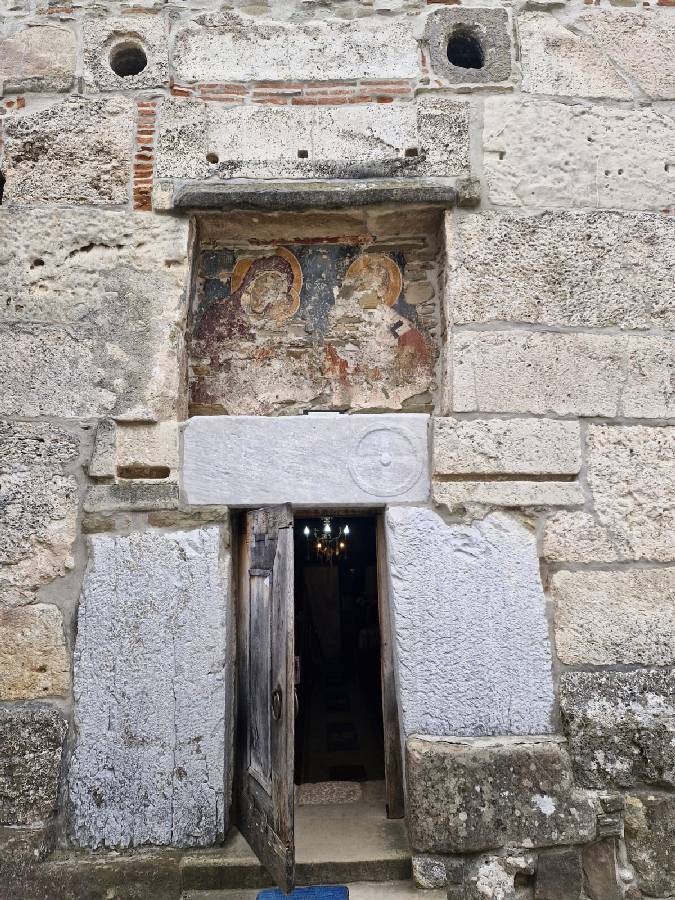
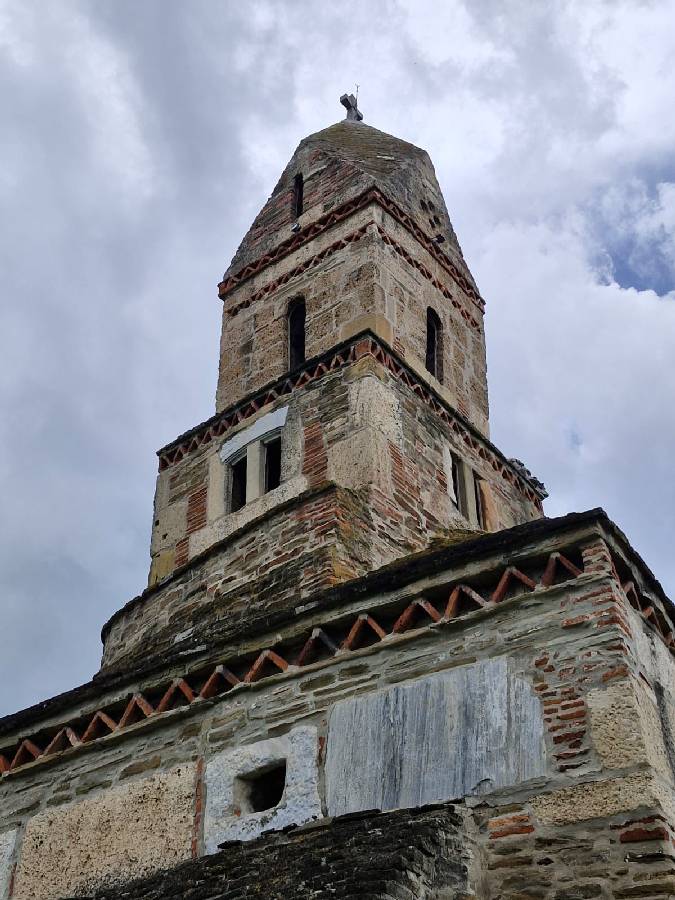
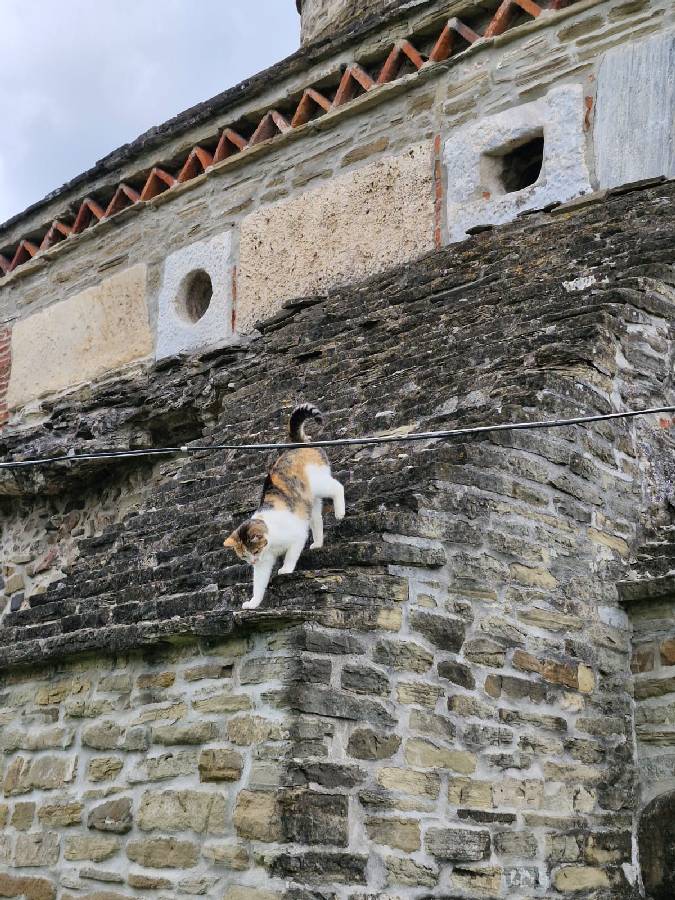
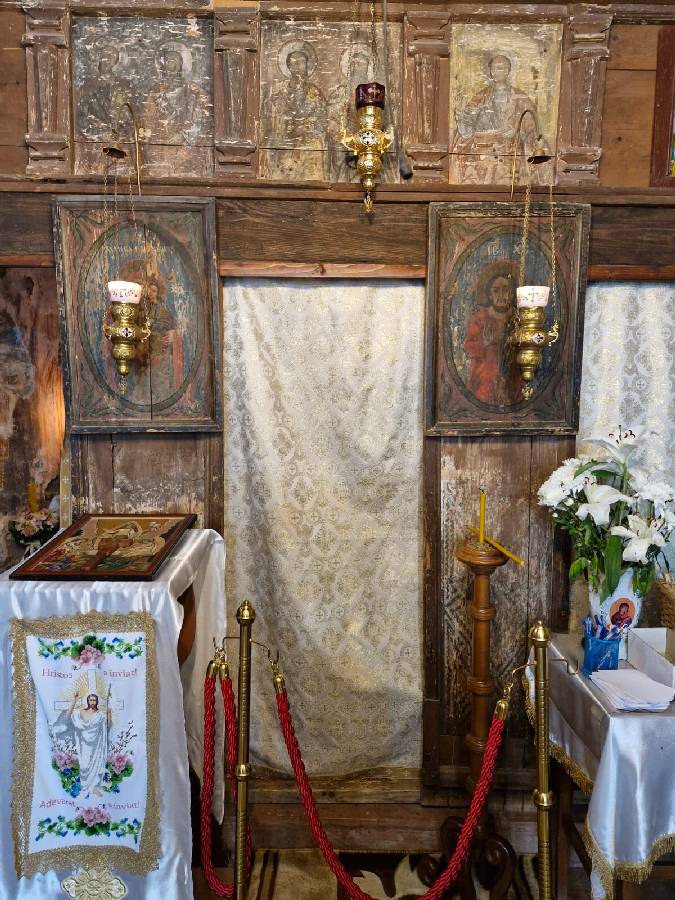
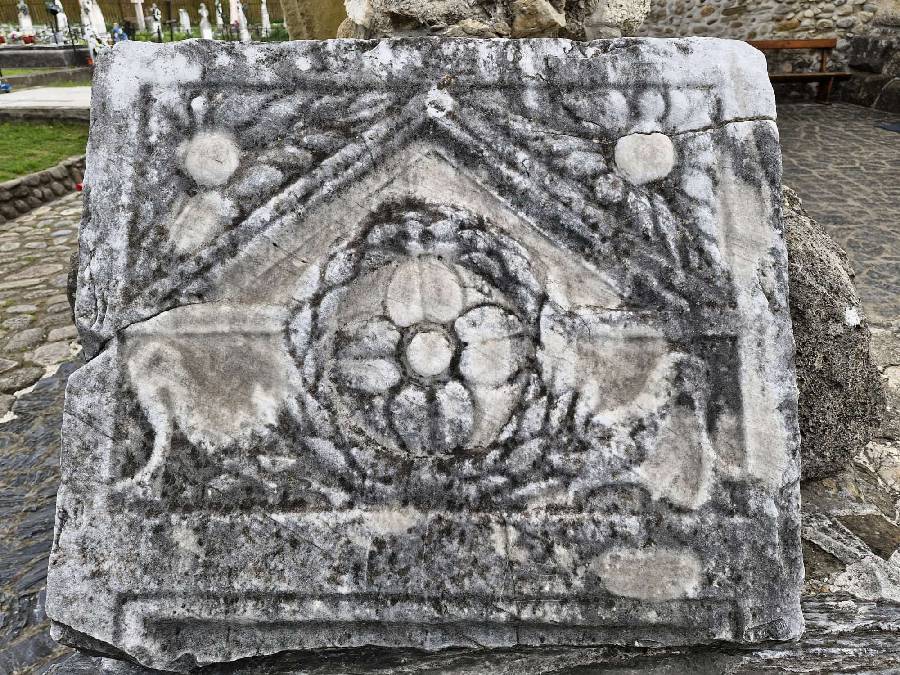
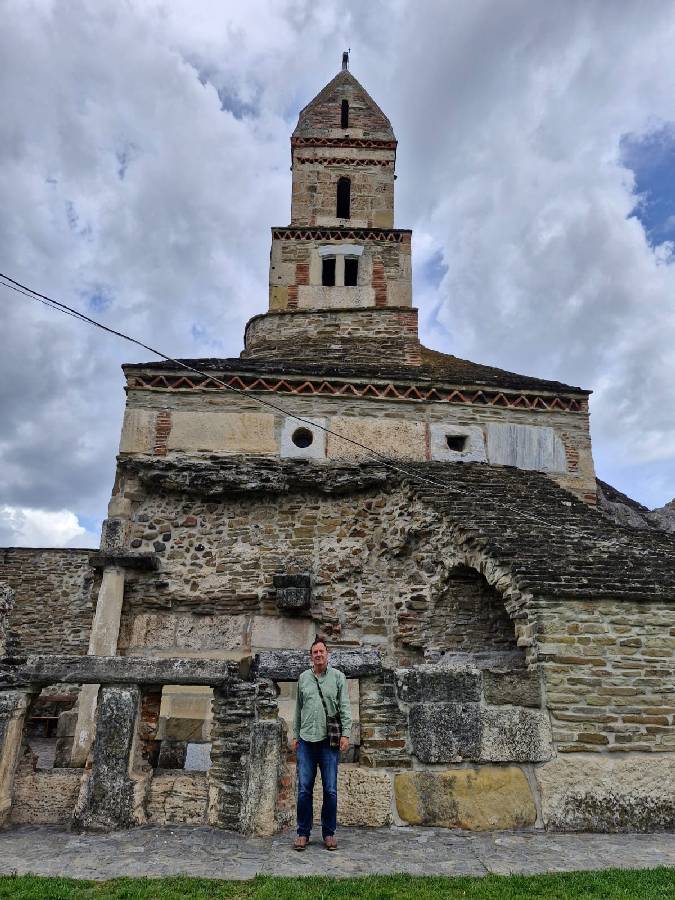
The Church of Saint Nicholas in Densuș (Demsdorf), Hunedoara County, in western Romania, is the oldest stone church in the country.
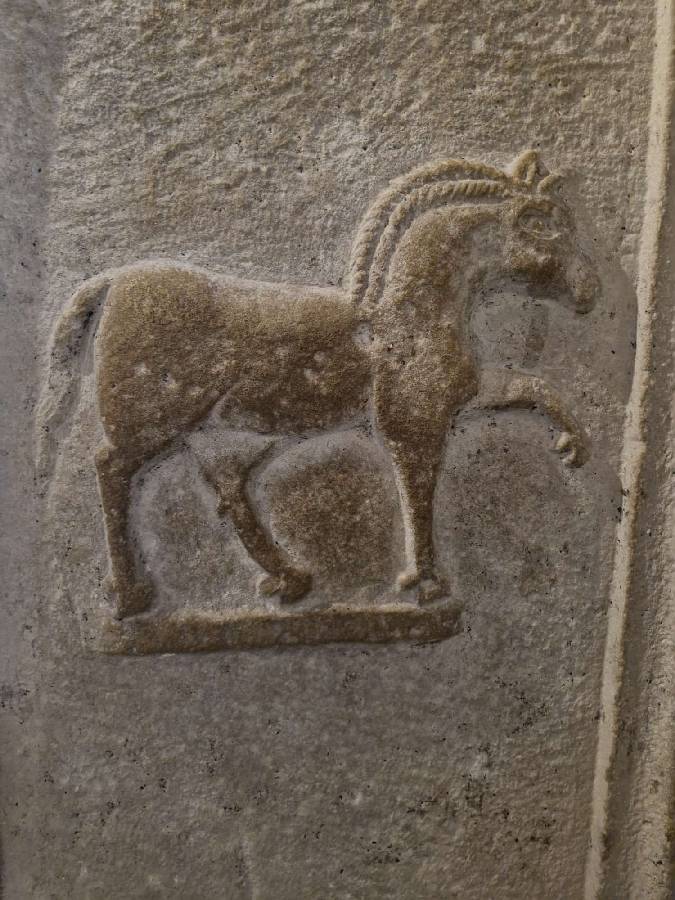
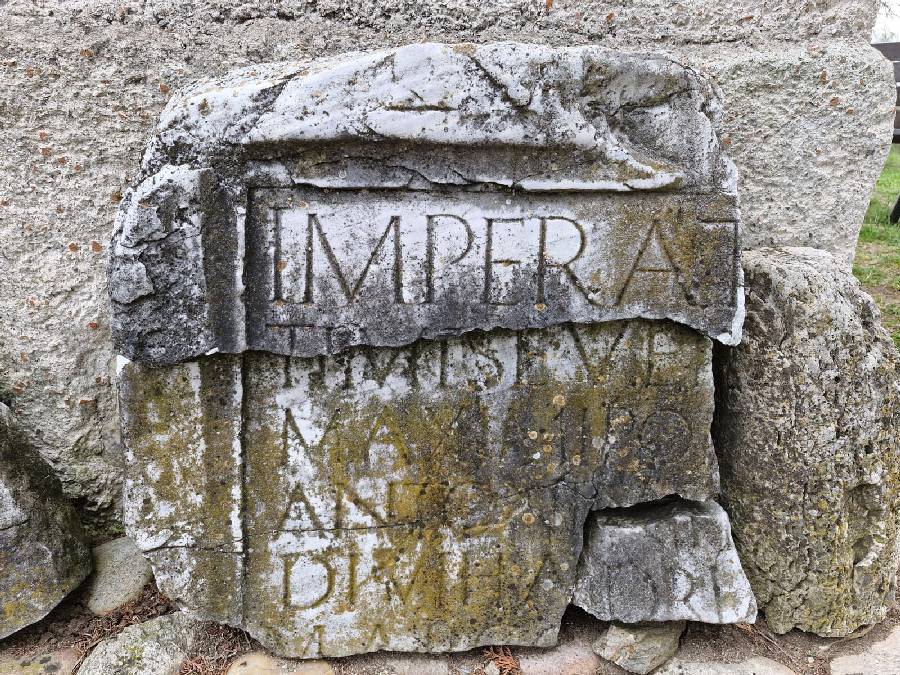
Built in its current form in the 13th century on the site of a 2nd-century Roman temple, it used materials from the Dacian fortress of Sarmizegetusa. The church interior features 15th-century frescoes depicting Jesus in traditional Romanian attire.
Historians suggest the site once housed a Dacian temple for the god Zamolxis, later turned into a Roman temple for Mars. The church’s origins trace back to the 4th century, making it the oldest church in Romania and Southeast Europe.
We thank Mr. Frank Schleßmann for sending these beautiful pictures (April 22, 2025).
(31 January 2026)
Curtea de Arges is a Romanian town in Arges County. It is located on the right bank of the Arges River, which flows here through a valley of the Southern Carpathians.
It is one of the oldest towns in Romania. According to a tradition, it was founded in the 14th century by Prince Radu Negru, who named it the first capital of the Principality of Wallachia.
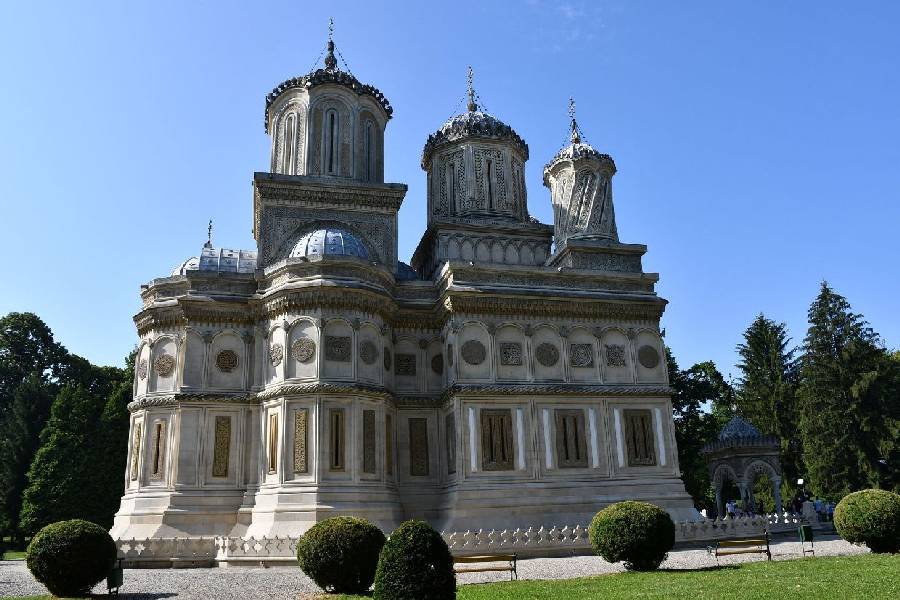
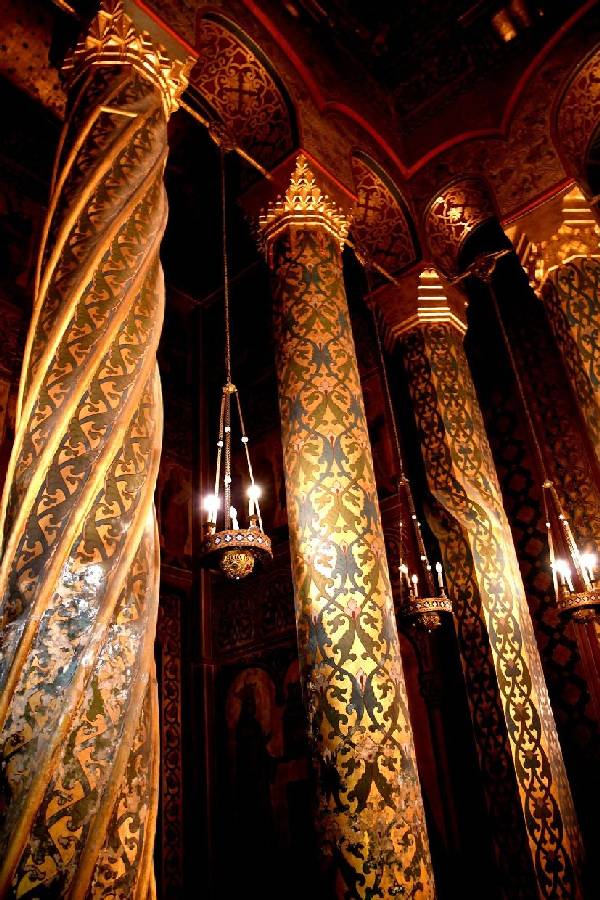
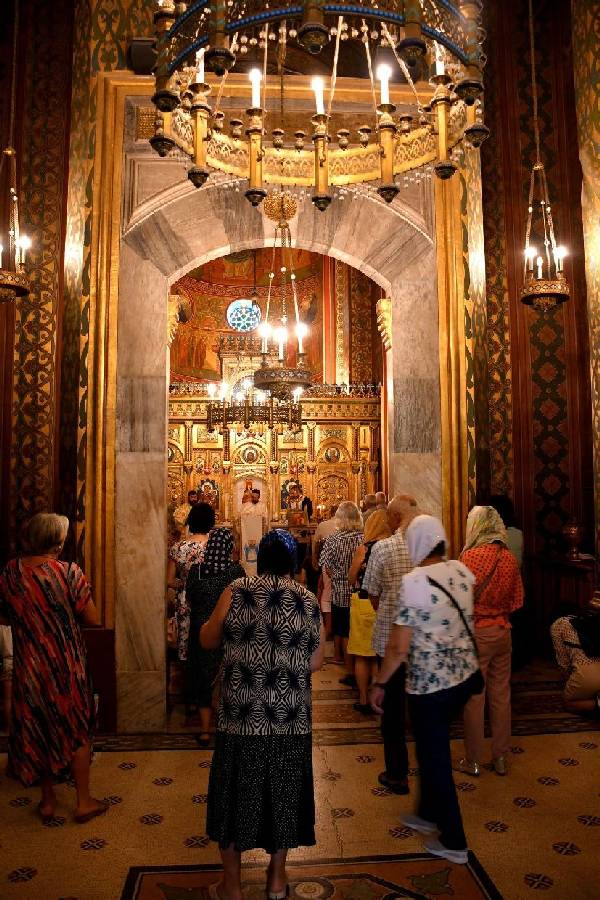
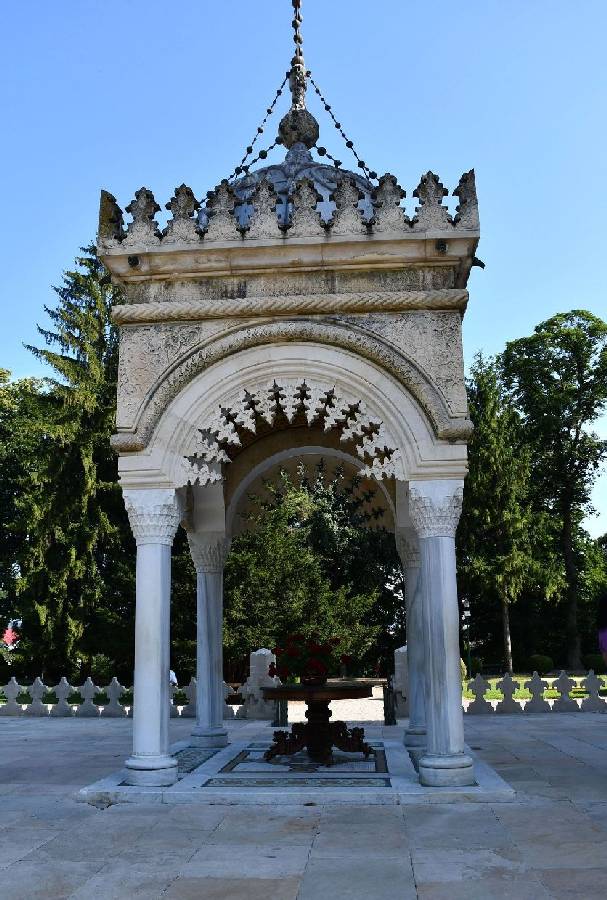
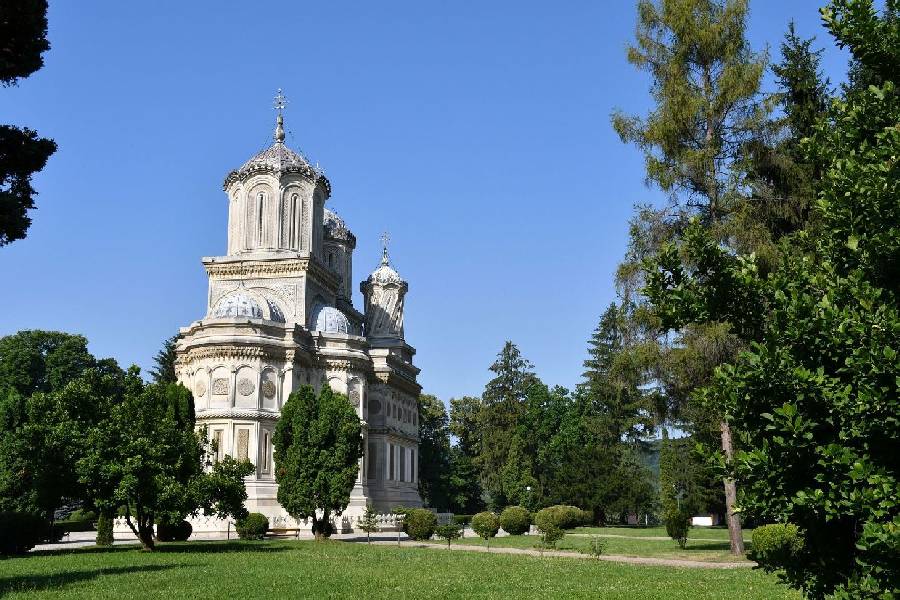
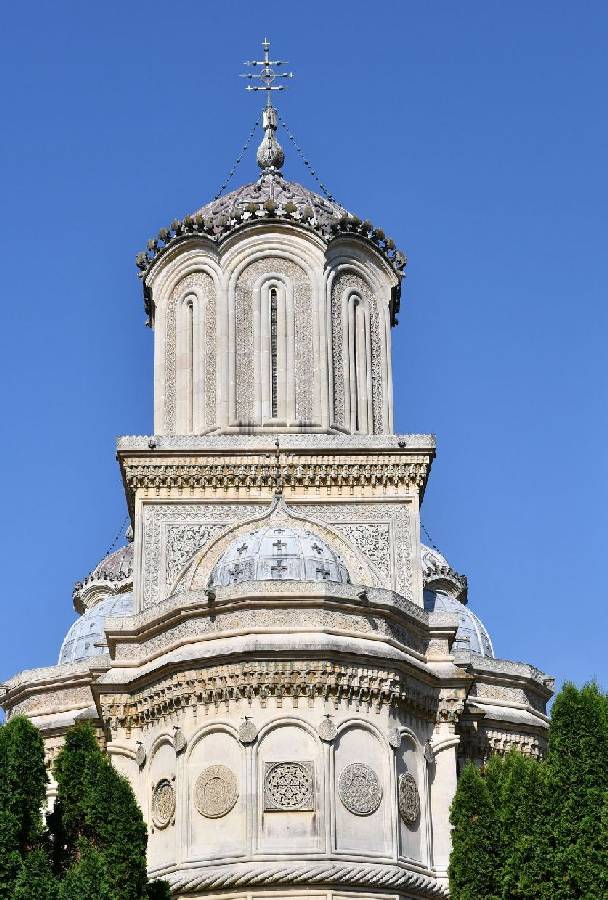
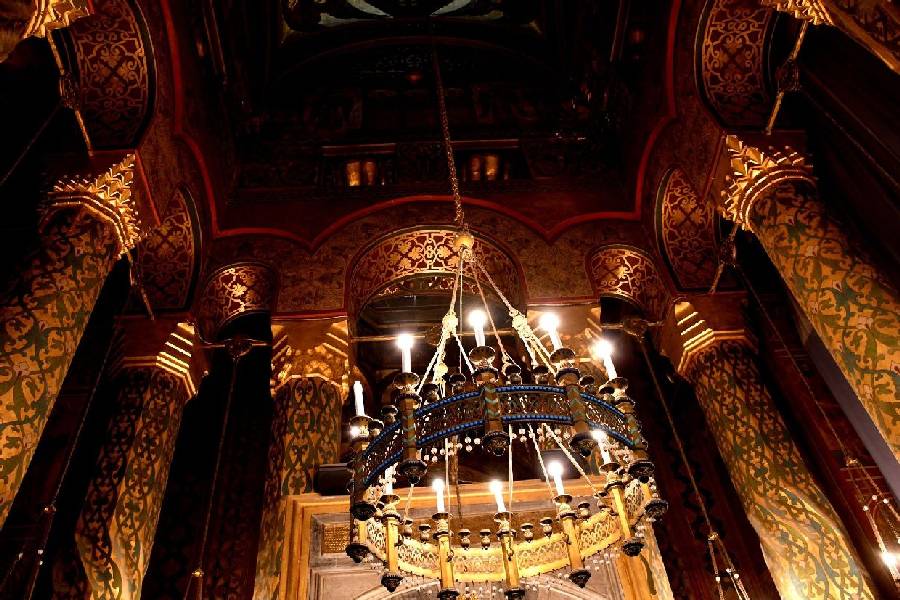
The Cathedral of Curtea de Arges (Manastirea Curtea de Arges, Catedrala Curtea de Arges) is one of the most famous buildings in Romania. It stands on the foundations of a monastery and is located about one and a half kilometers north of the city. It resembles a very large and ornate mausoleum and was built in Byzantine style with Moorish arabesques.
(31 January 2026)
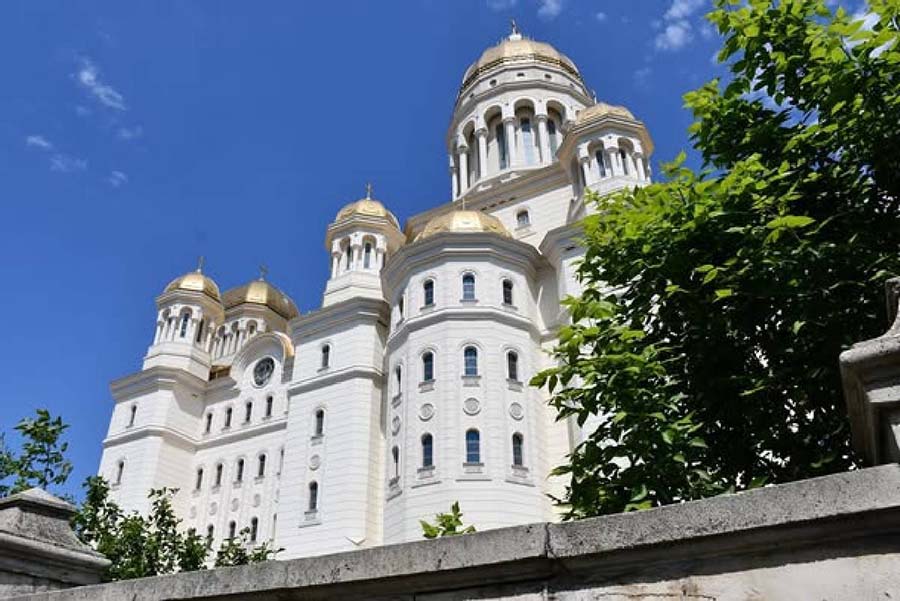
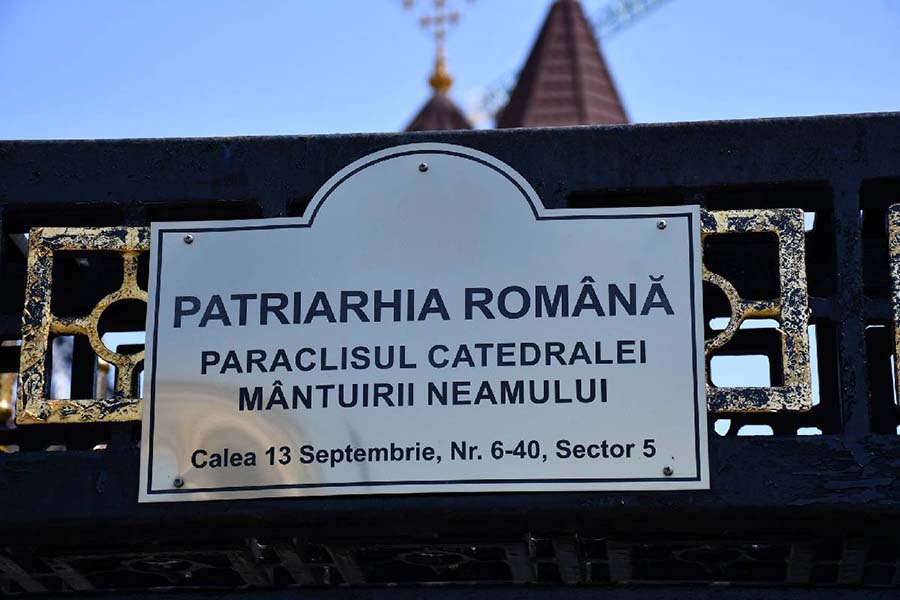
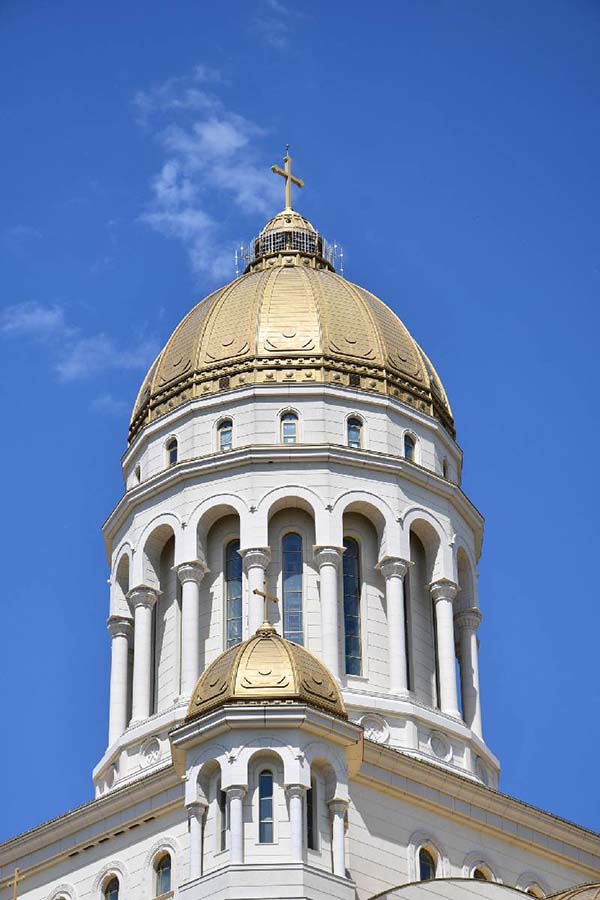
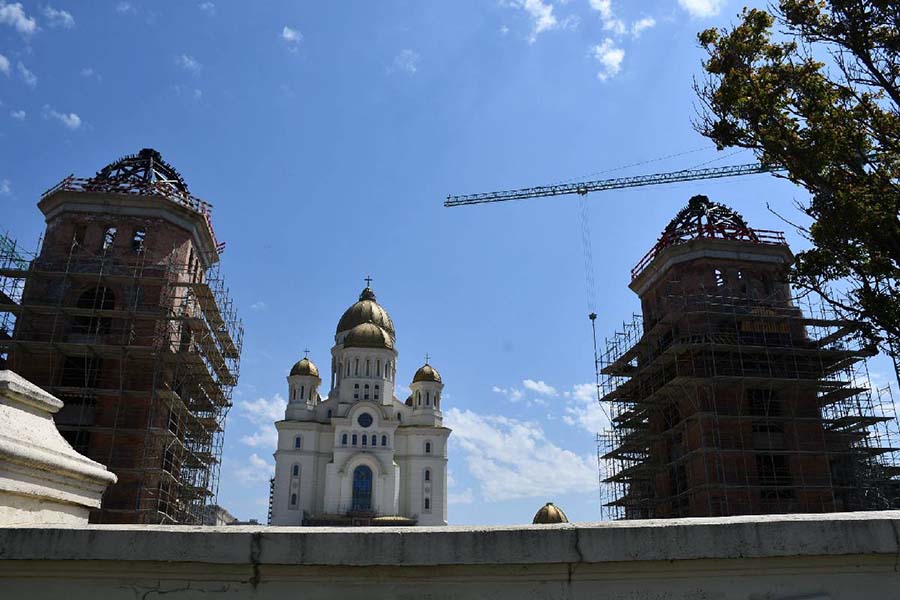
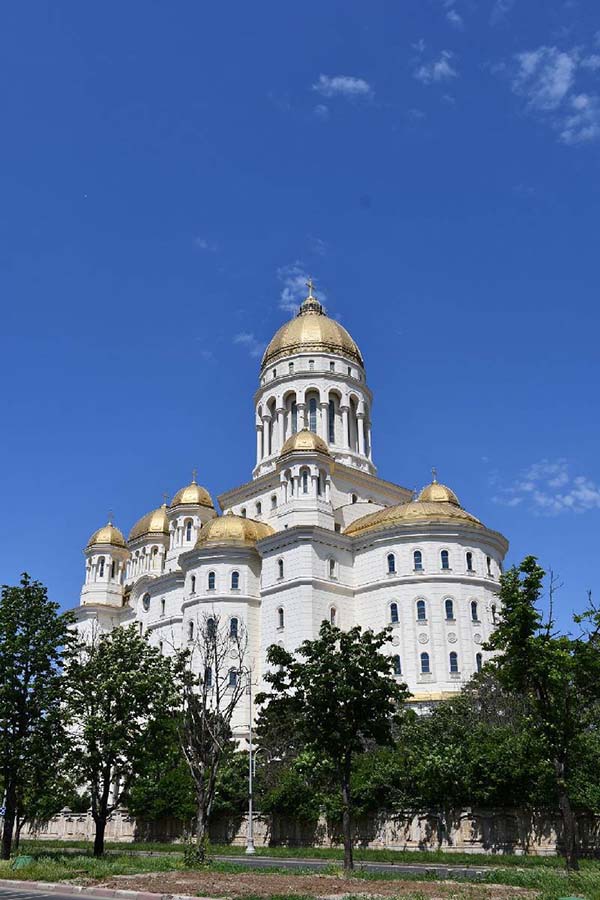
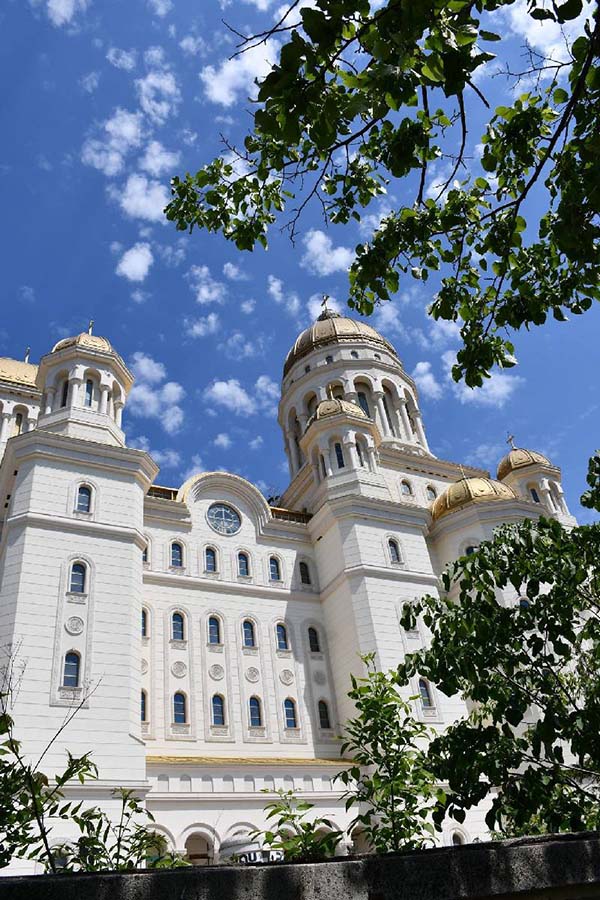
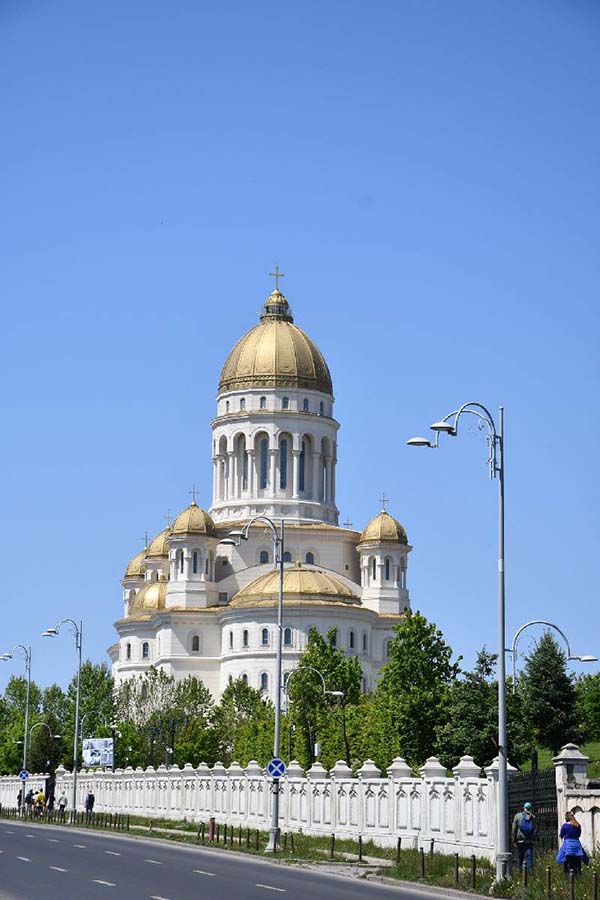
Certainly the largest cathedral in Romania and probably also, with its current construction date, the newest in this millennium in all of Europe. The cathedral is 127 meters high (Cologne Cathedral is 157 meters high) and has space for 5,000 people on 17,800 m² of interior area.
The total area of the complex, located in the center of Bucharest and right next to the Parliament building, covers almost 36,900 m². The cathedral/complex was started/planned in 2009, and it will be more or less fully completed (including all auxiliary buildings) in a few years.
(30 January 2026)
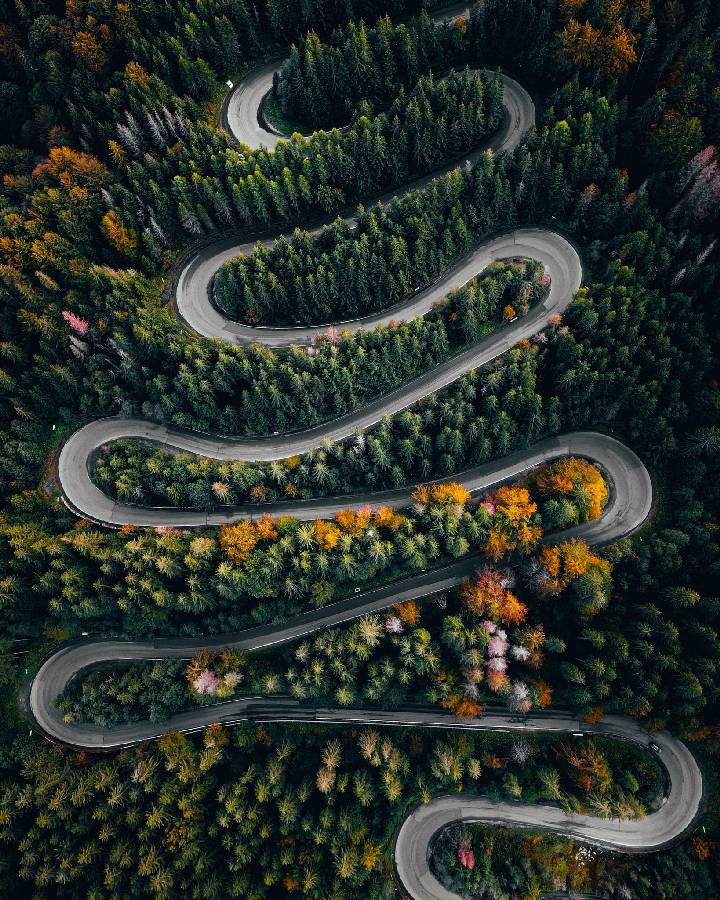
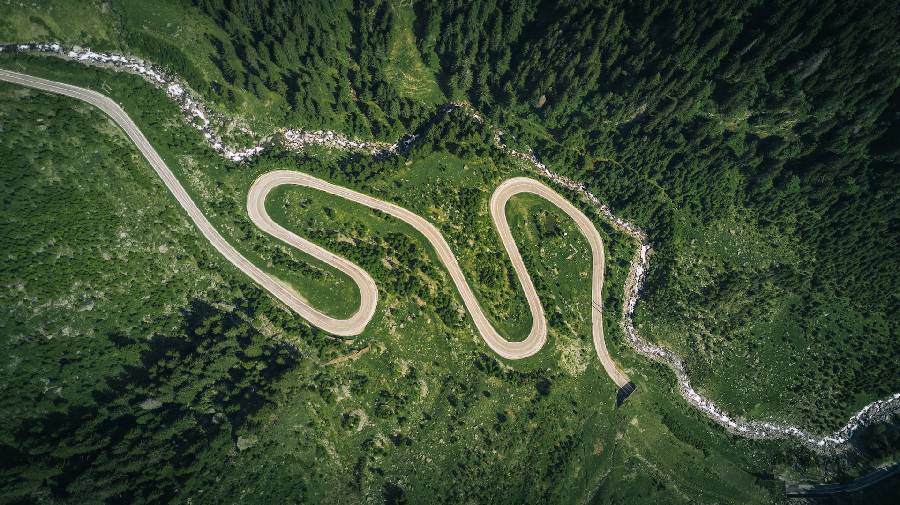
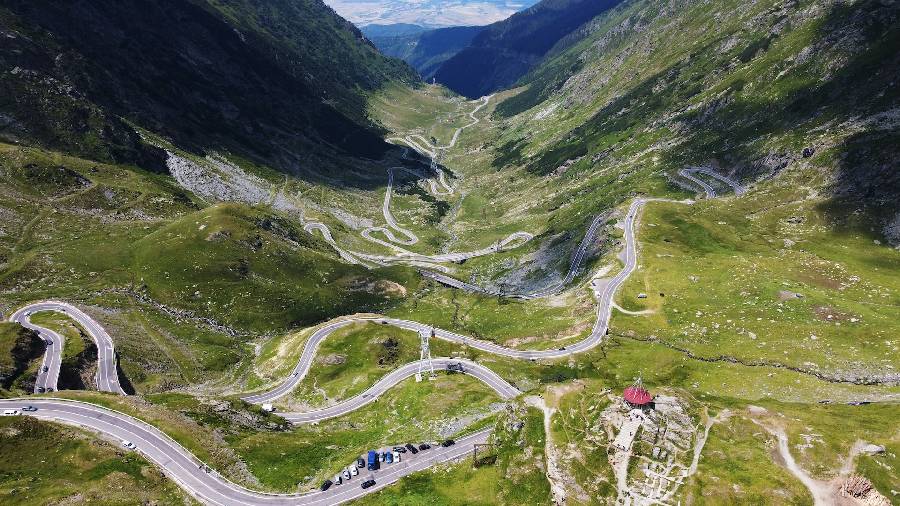
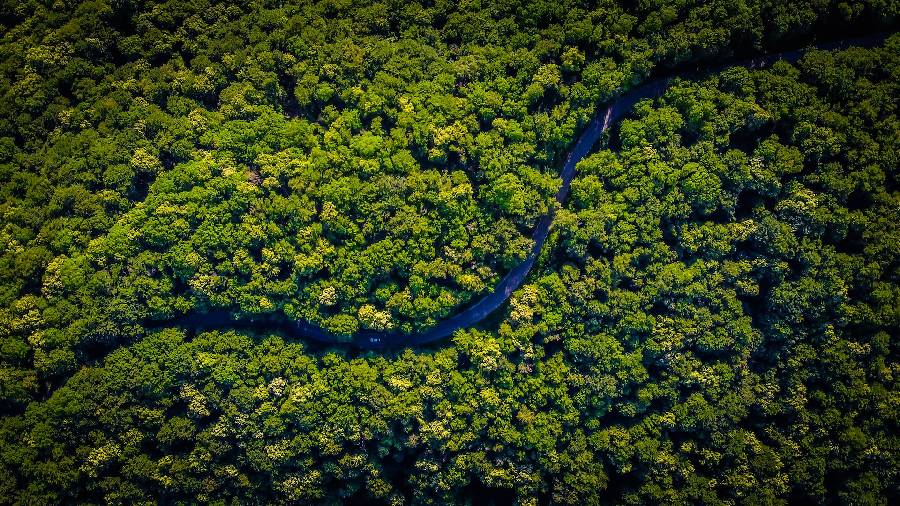
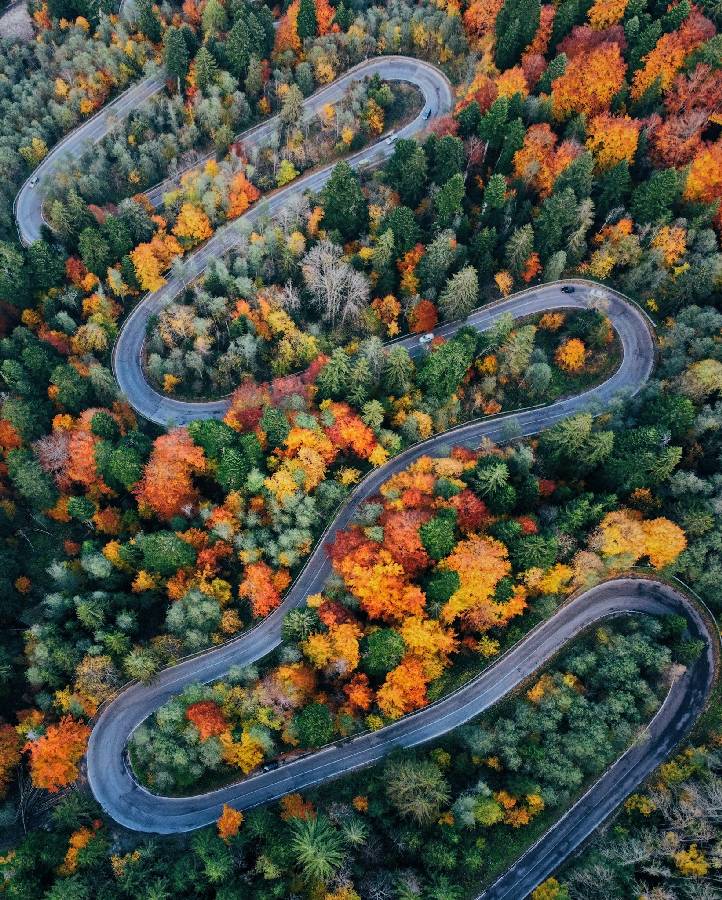
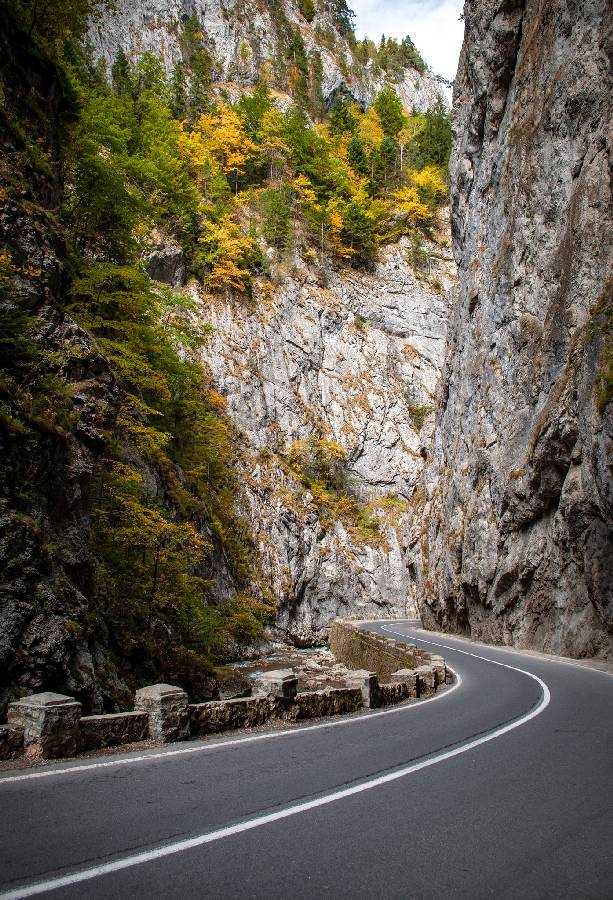
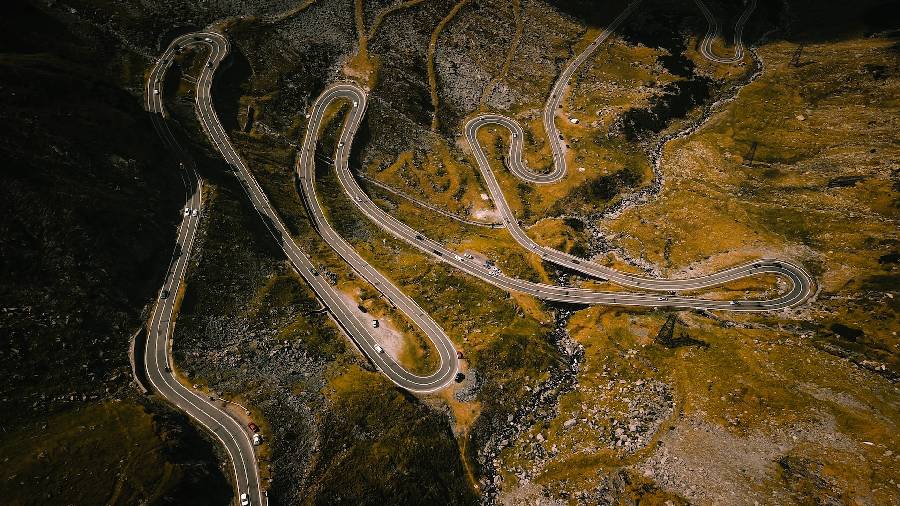
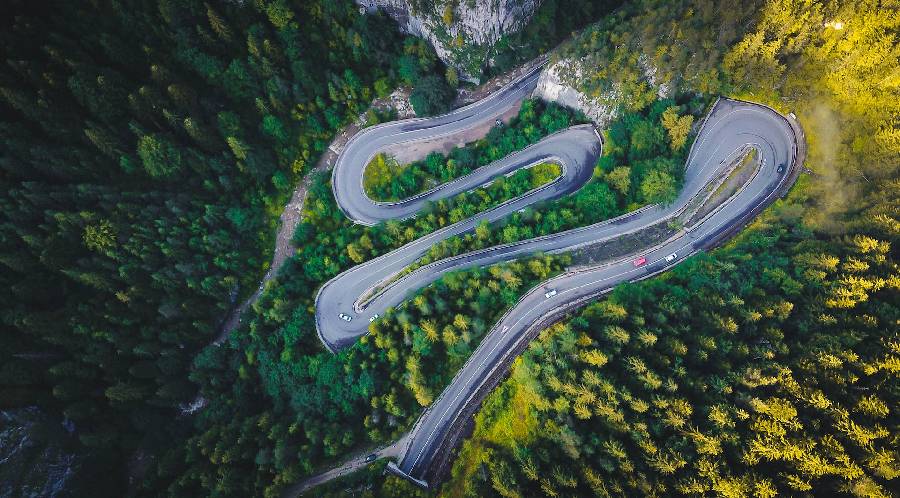
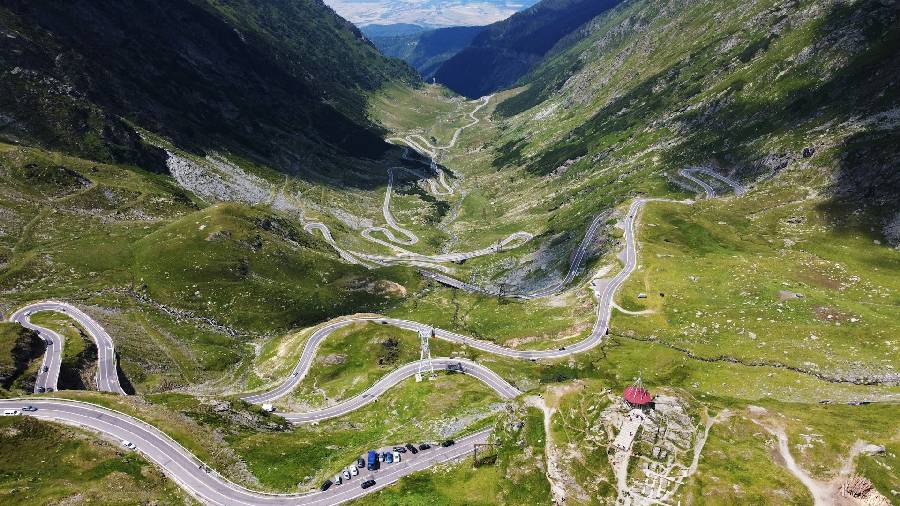
Transalpina, Transfăgărășan, Bucegi and Făgăraș Mountains and many others. There are many wonderful trails through Romania’s mountains and nature.
Let yourself be seduced and enchanted. Romania is looking forward to your visit.
https://willkommen-in-rumänien.de | https://urlaub-in-rumänien.de
(30 January 2026)
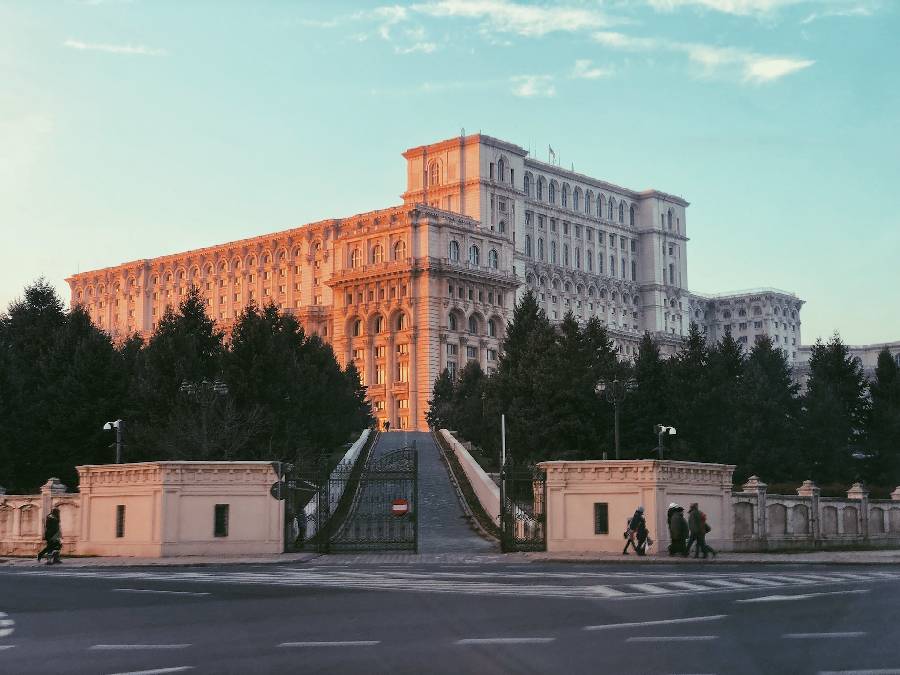
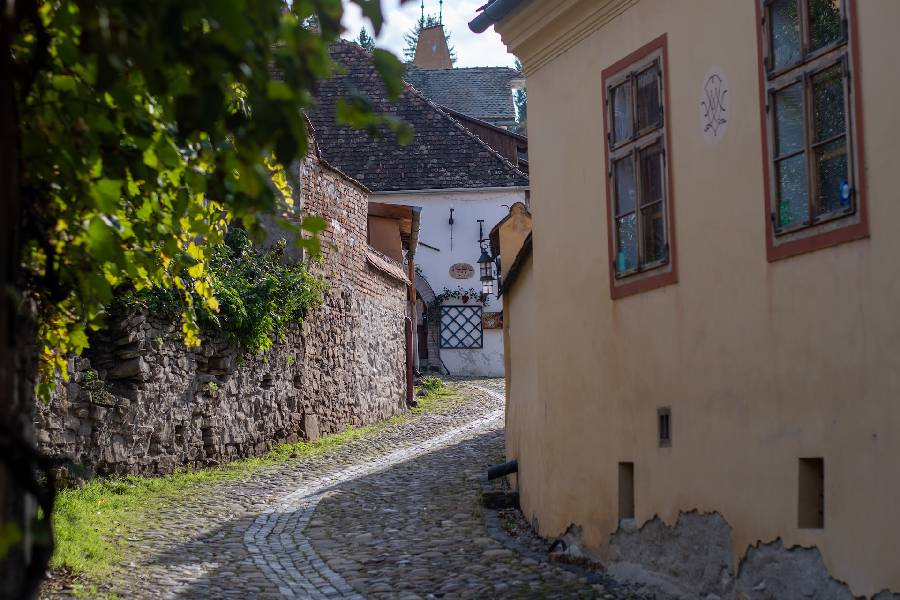
Welcome to Romania! Romania impresses with its magnificent nature, untouched landscapes, rich history, cities & villages, sights and so much more.
https://xn--urlaub-in-rumnien-2qb.de | https://xn--willkommen-in-rumnien-m2b.de
From the Carpathian Mountains and the Black Sea coast to the Danube Delta, Romania as a travel destination offers a multitude of possibilities for the perfect vacation. Modern cities, lots of history, interspersed with untouched nature and villages where people live according to centuries-old traditions enrich the “vacation in Romania” experience
(30 January 2026)
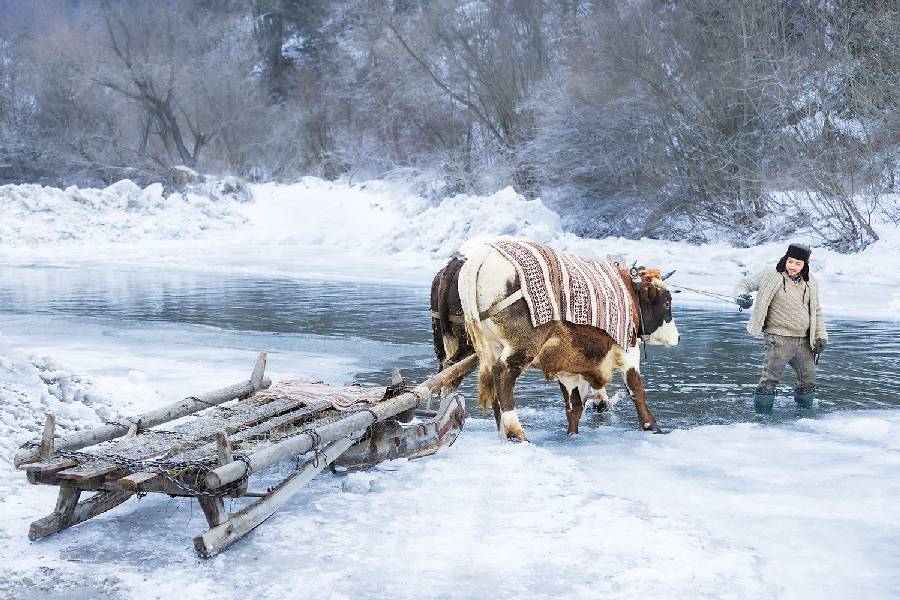
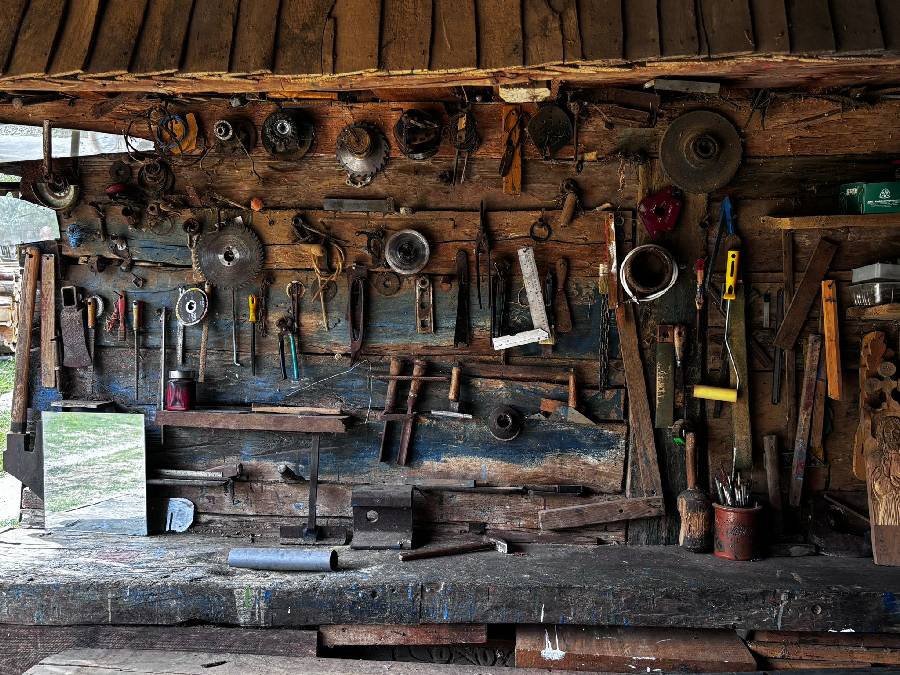
A wonderful picture straight from life, a hard life when you sit right next to the heater… and yet fascinating what people can achieve when they have to.
Taken by photographer Sorin Onisor in mid-January 2026 in Bukovina, northeastern Romania.
(30 January 2026)
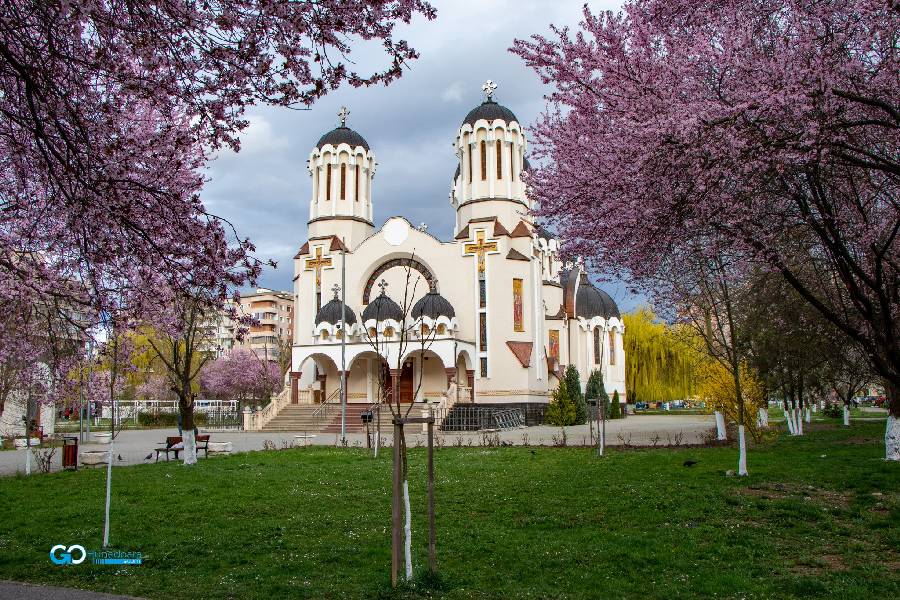
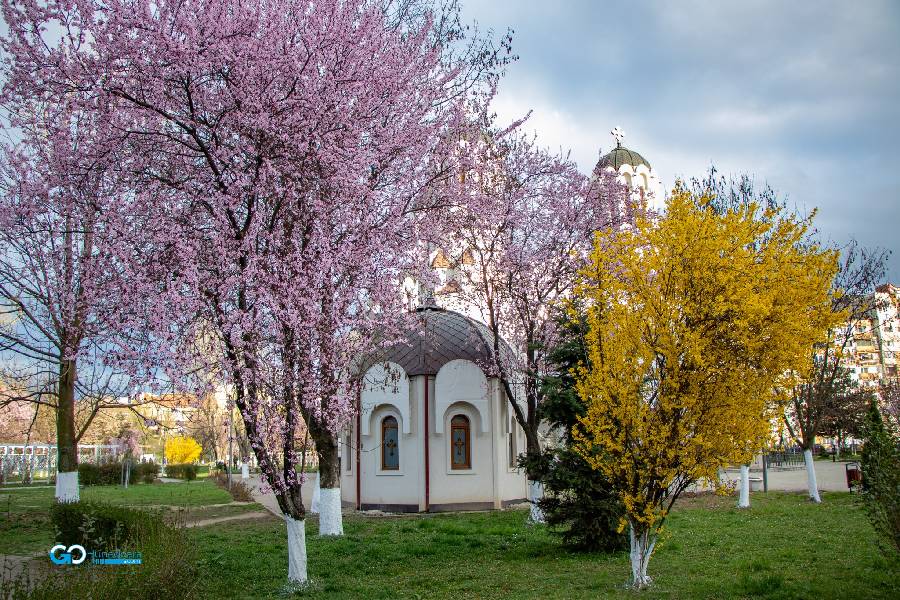
The Tineretului Park is located in the heart of the city of Hunedoara and is home to the Catedrala (Cathedral) Eroilor.
We thank Go Hunedoara for the permission to use these pictures (spring).
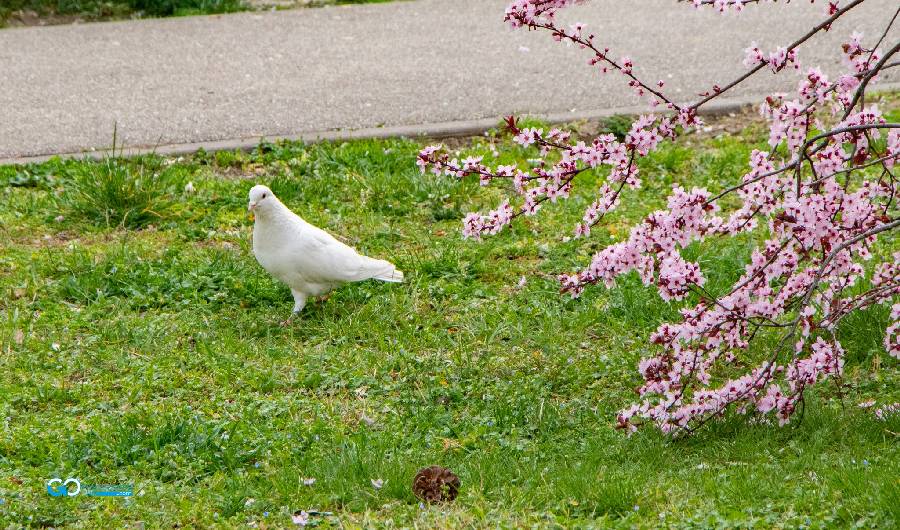
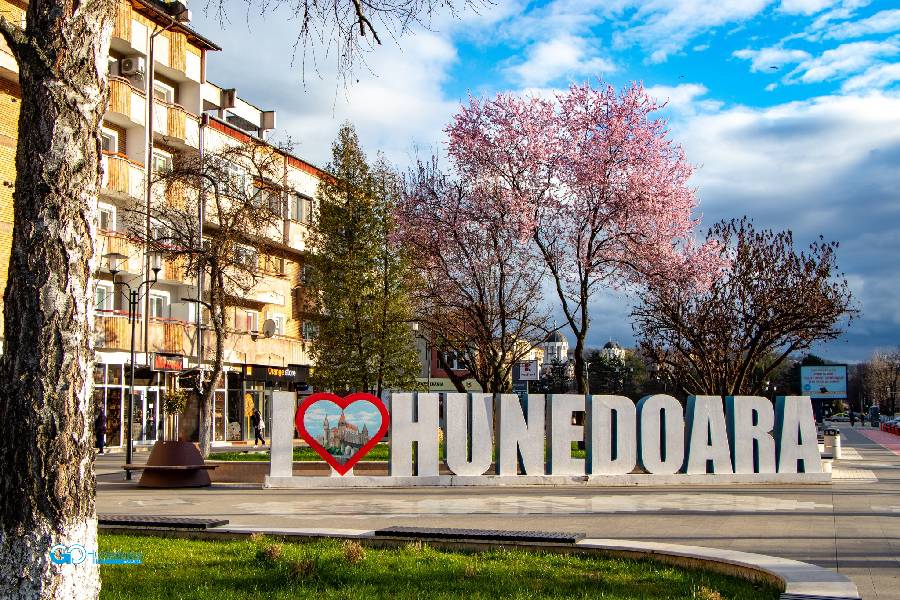
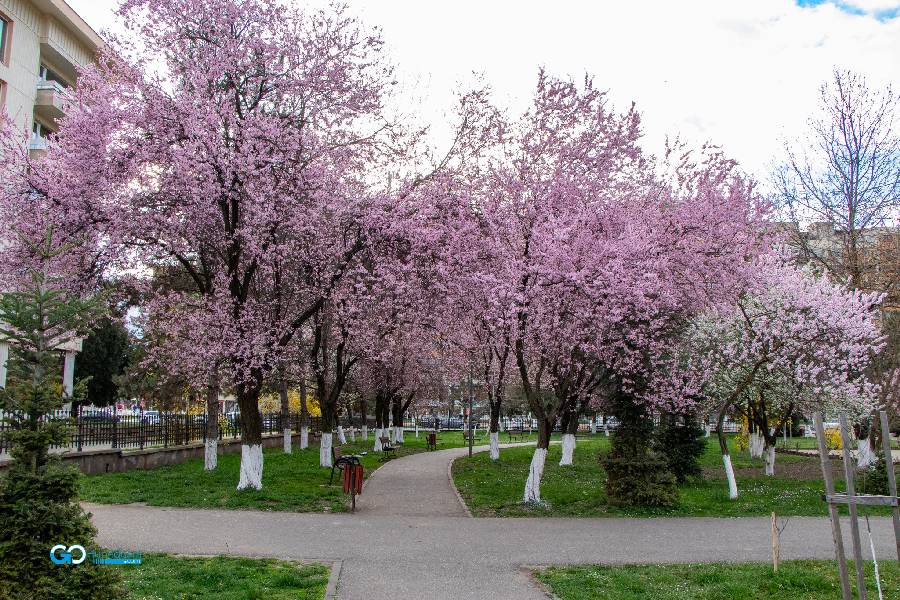
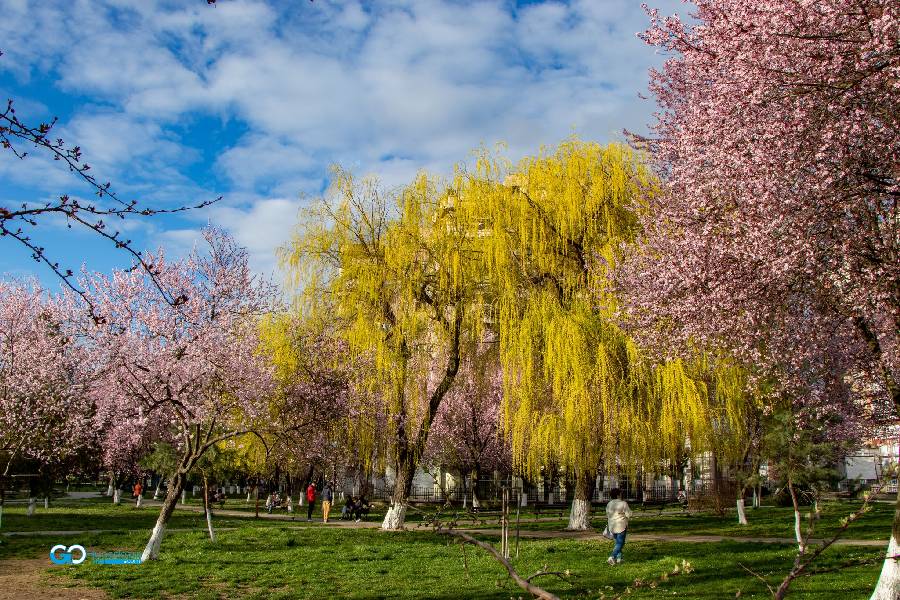
(29 January 2026)
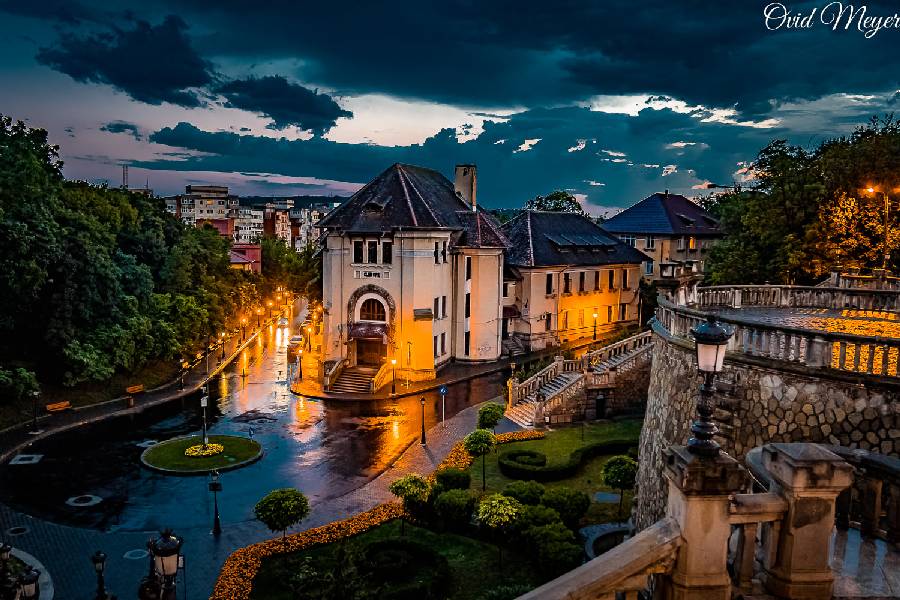
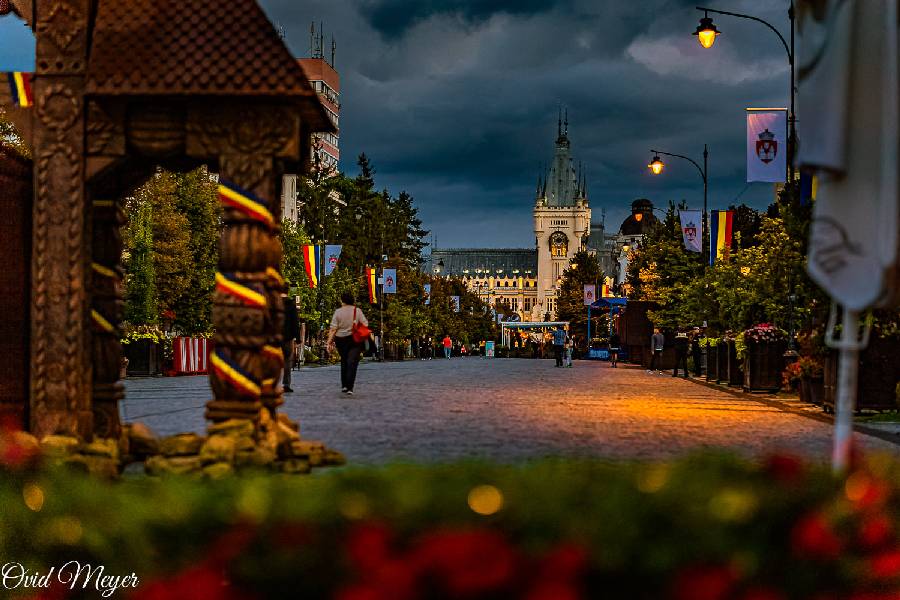
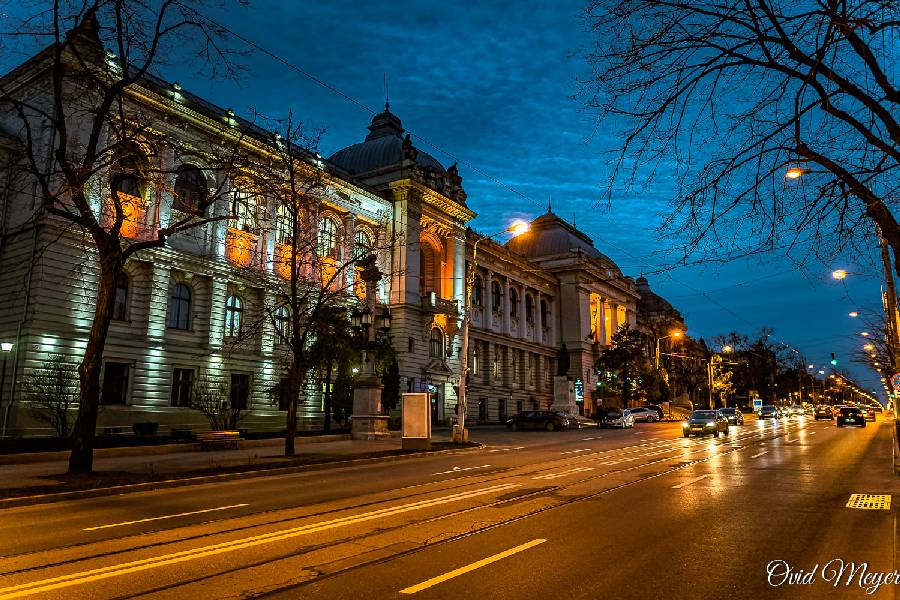
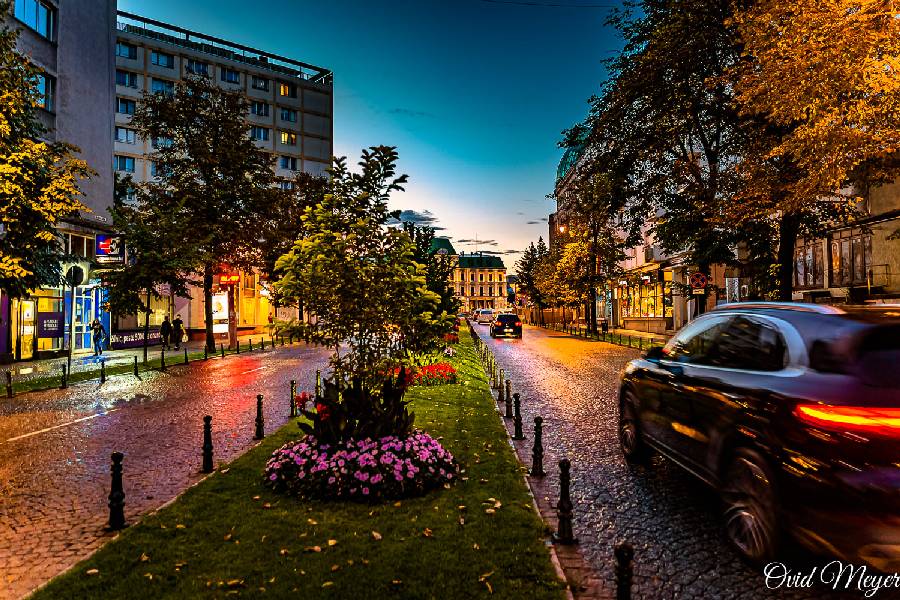
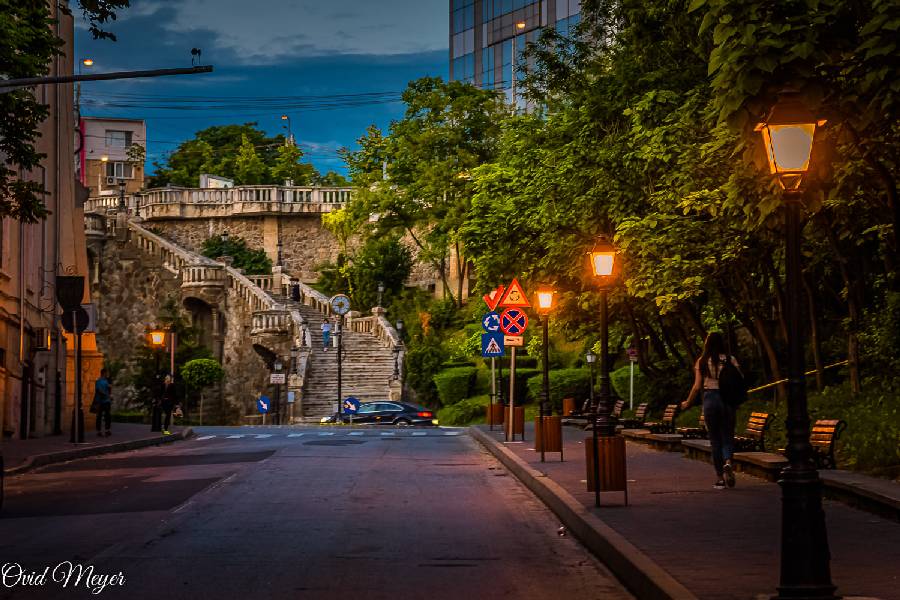
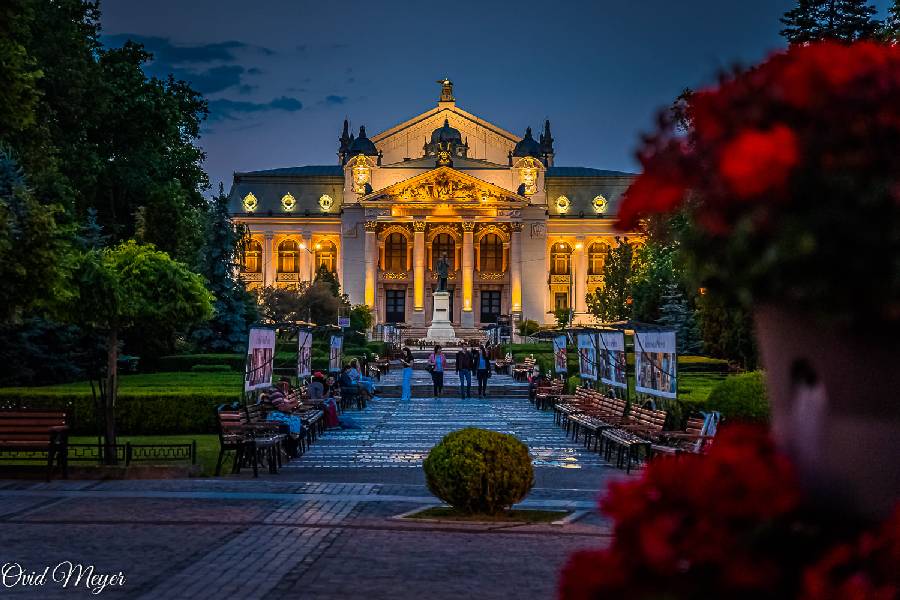
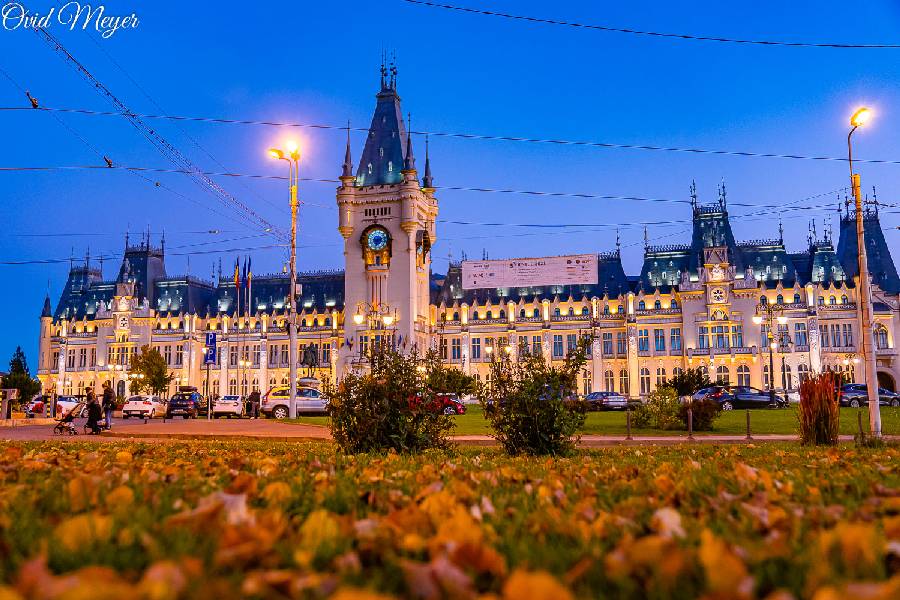
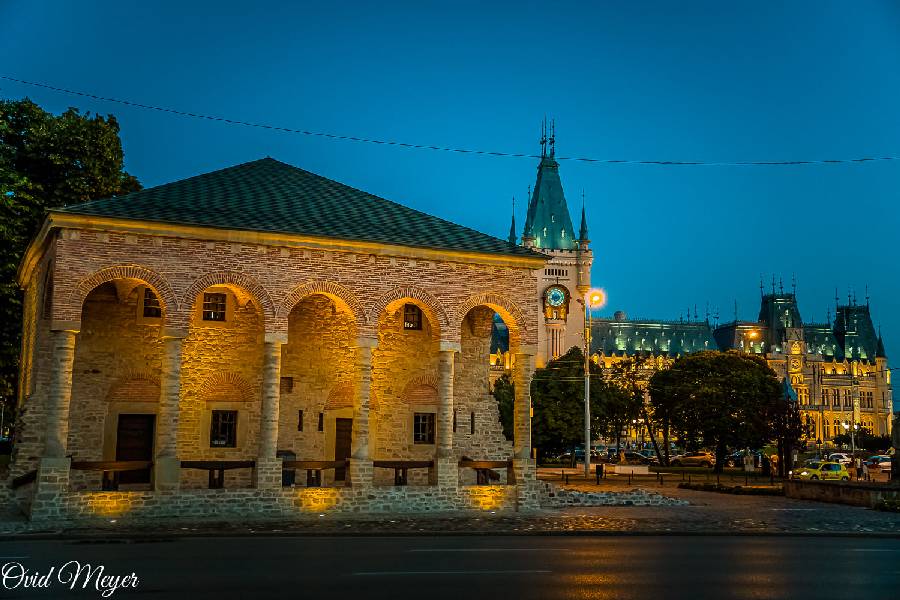
The university city of Iași (also known as Jassy and Jasch in German, formerly Jassenmarkt, Jaszvasarist in Hungarian) is located 20 kilometers west of the border with the Republic of Moldova in the northeastern part of Romania.
See images – from spring to winter – that will mesmerize and enchant. We thank photographer Ovid Meyer for allowing us to use these wonderful pictures.
(29 January 2026)
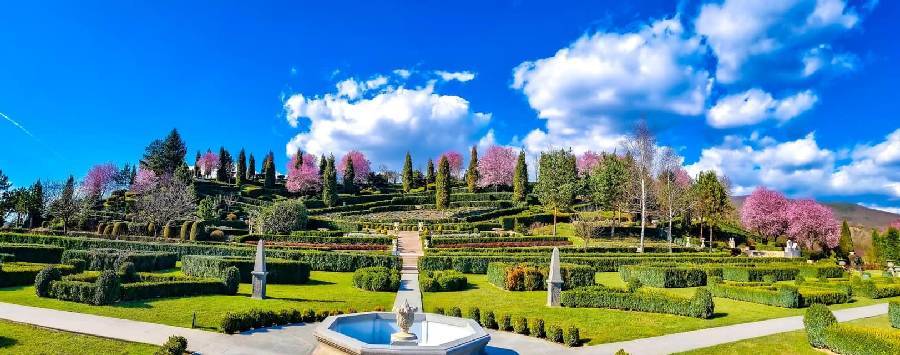
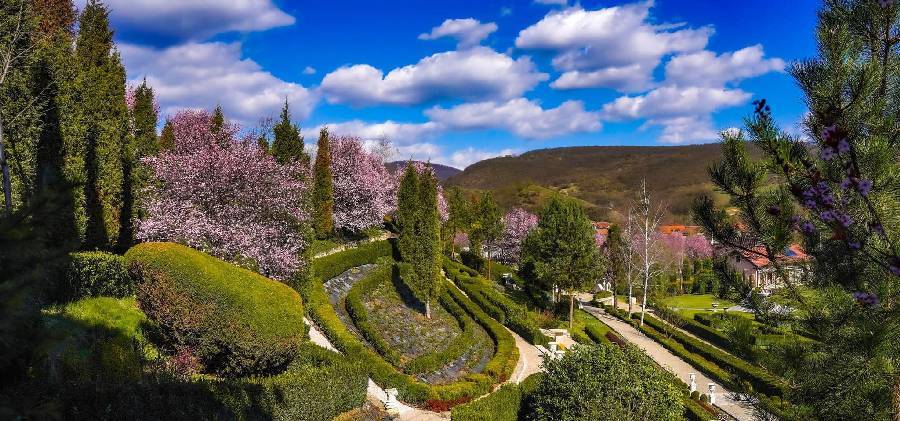
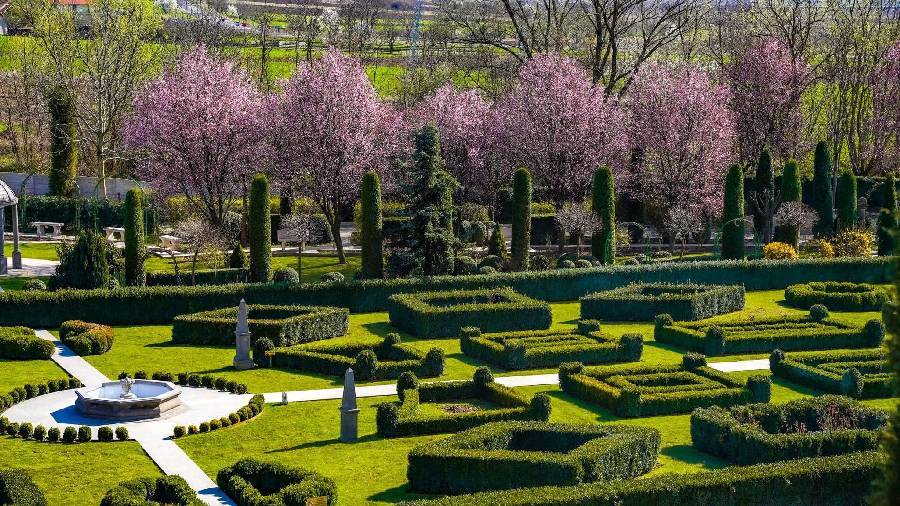
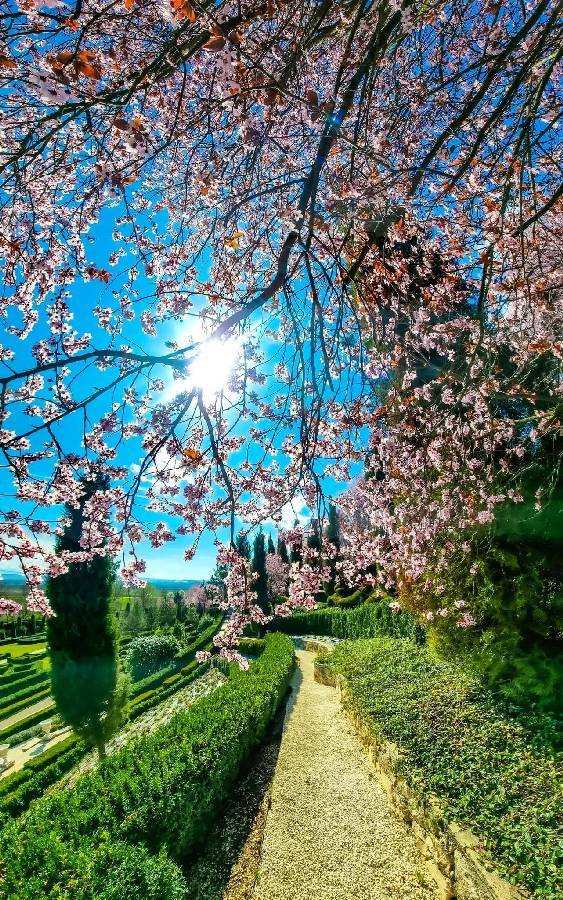
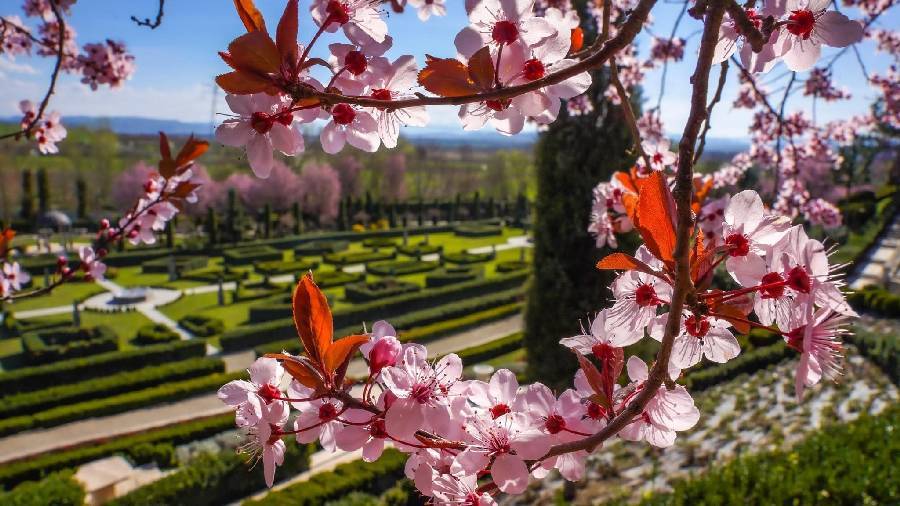
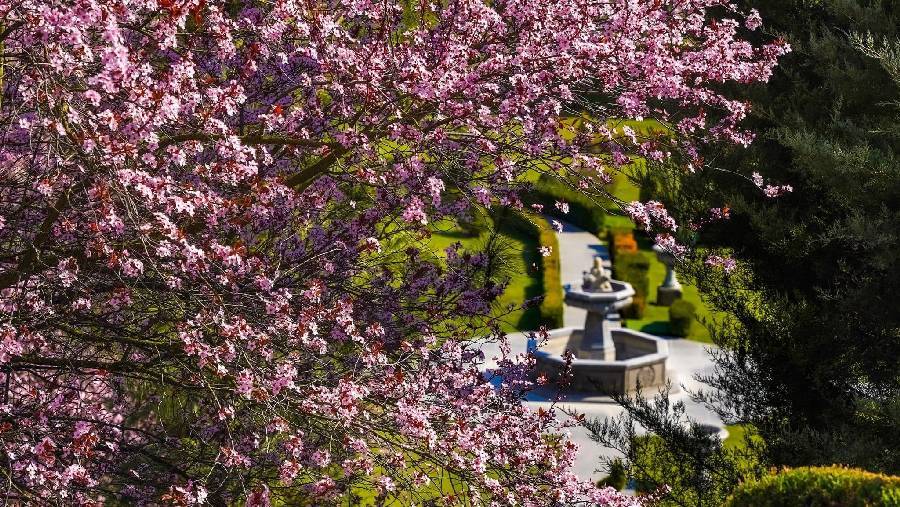
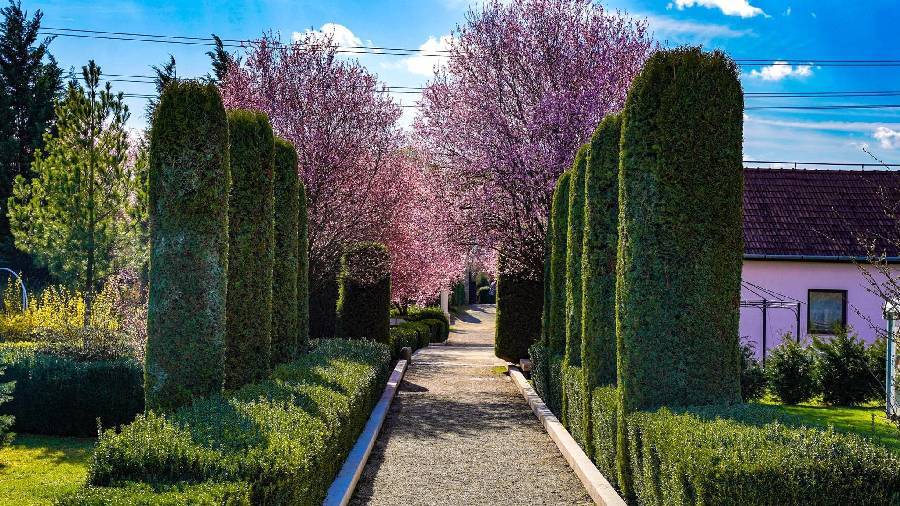
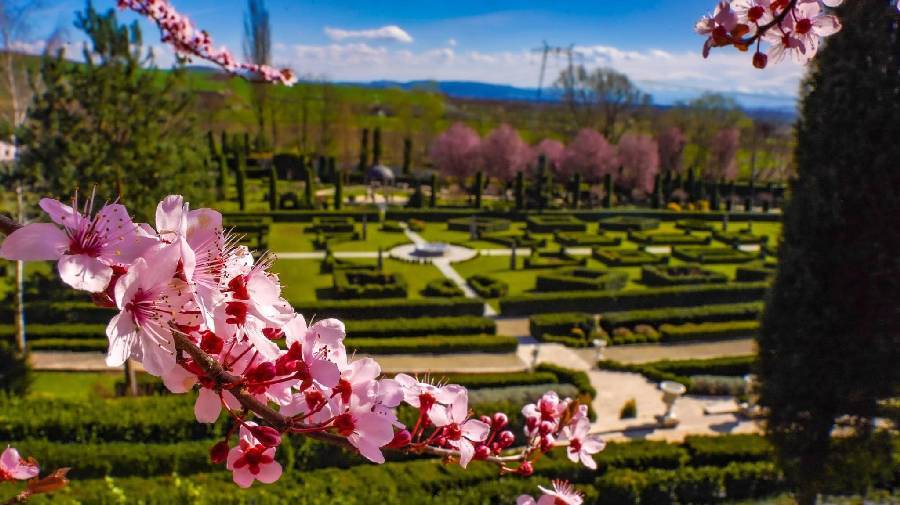
Beautiful pictures of the botanical garden “I Giardini di Zoe” from March 2024.
The garden, also known as Banpotoc Garden, is located east of the city of Deva (in German Diemrich), on the left side of the A1 motorway (heading towards Sibiu), in the Banpotoc village of Harau commune.
We thank Go Hunedoara for granting permission to use these images.
(29 January 2026)
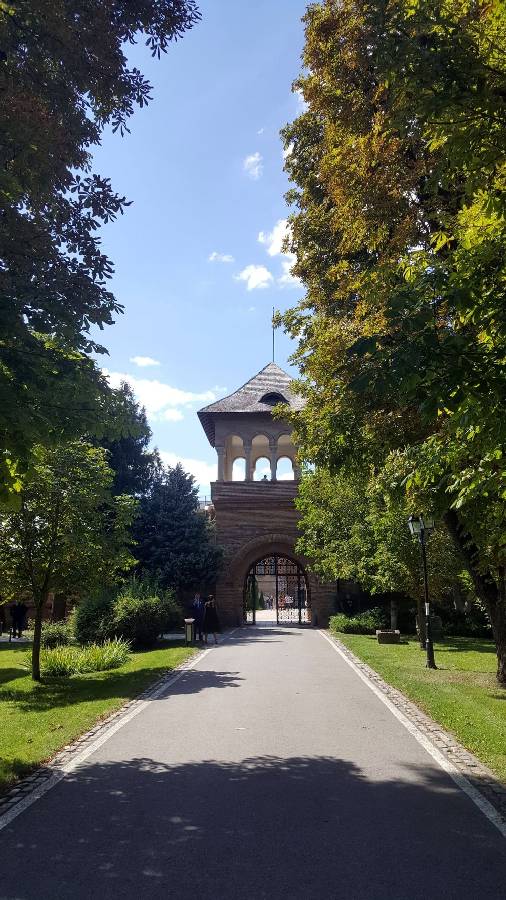
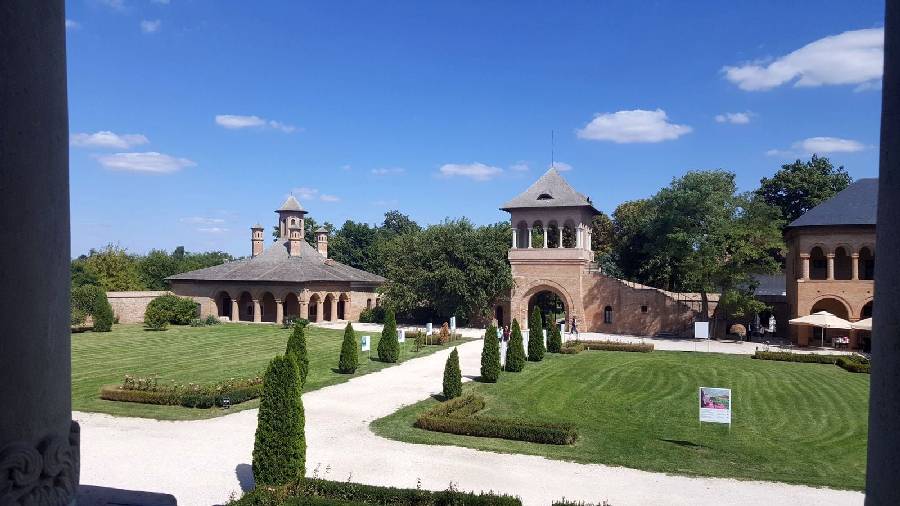
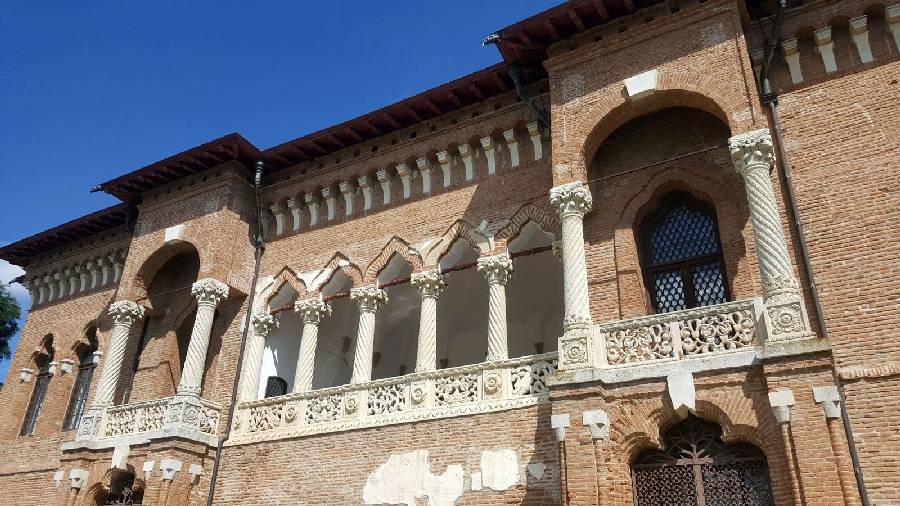
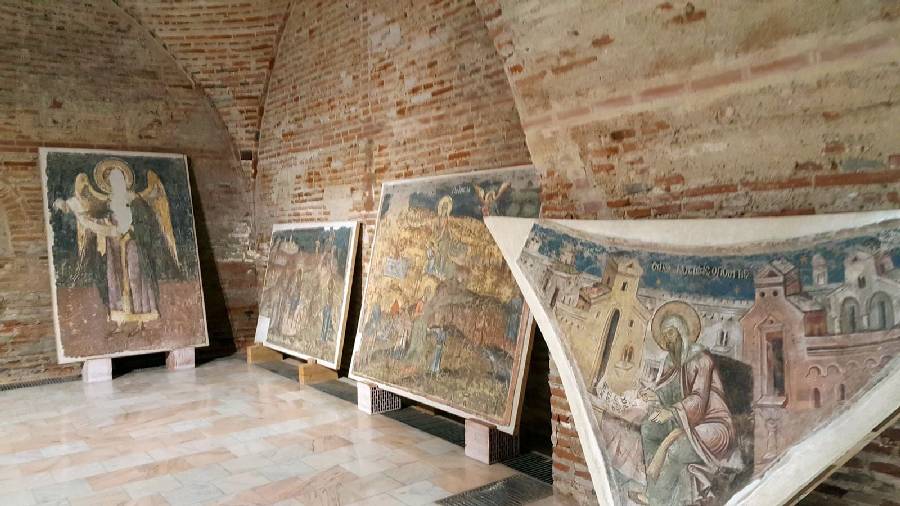
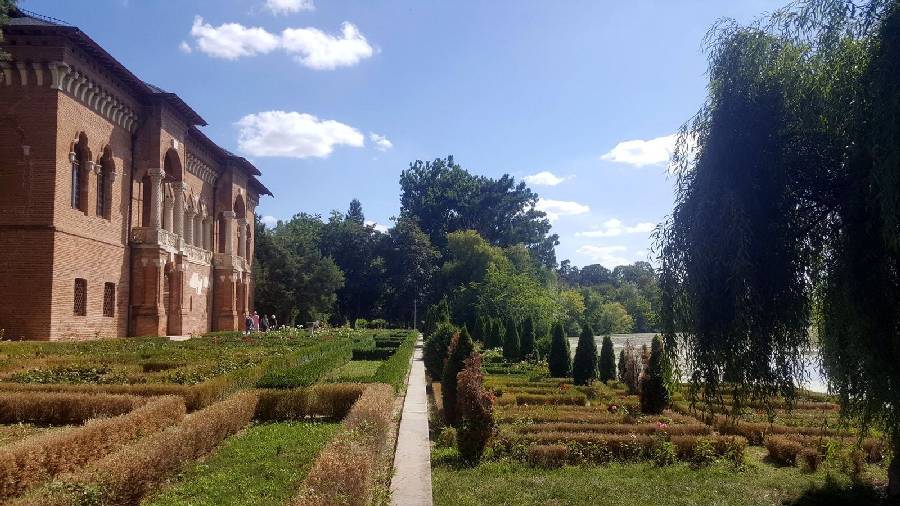
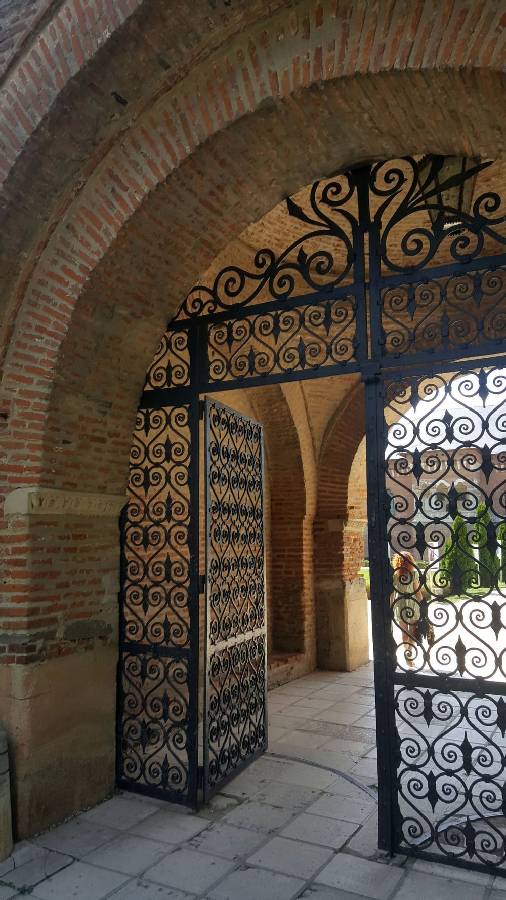
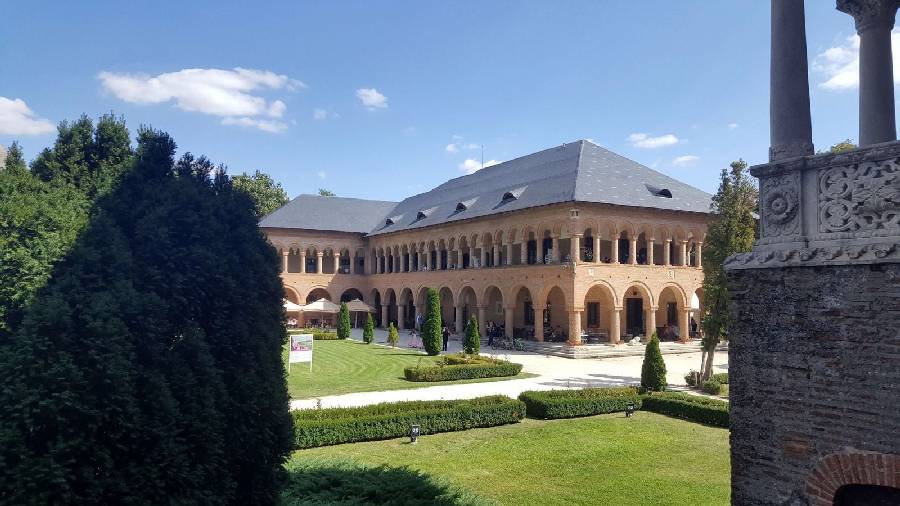
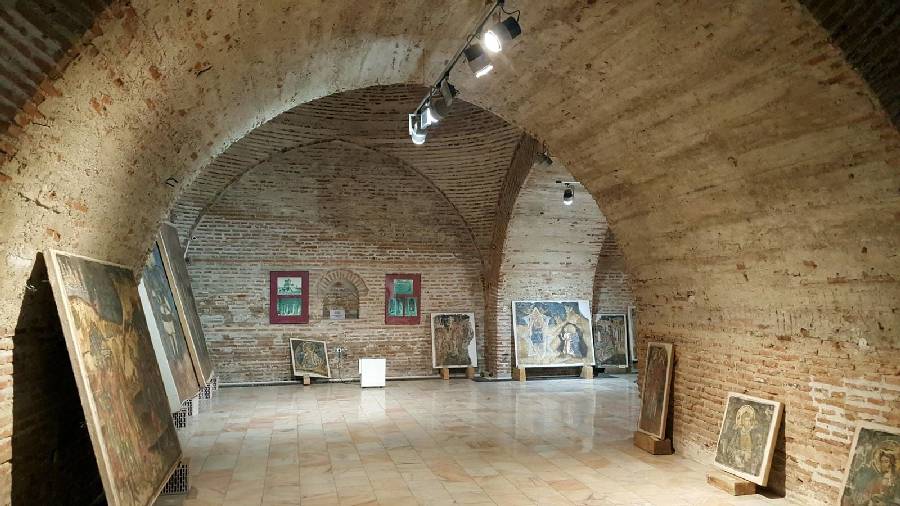
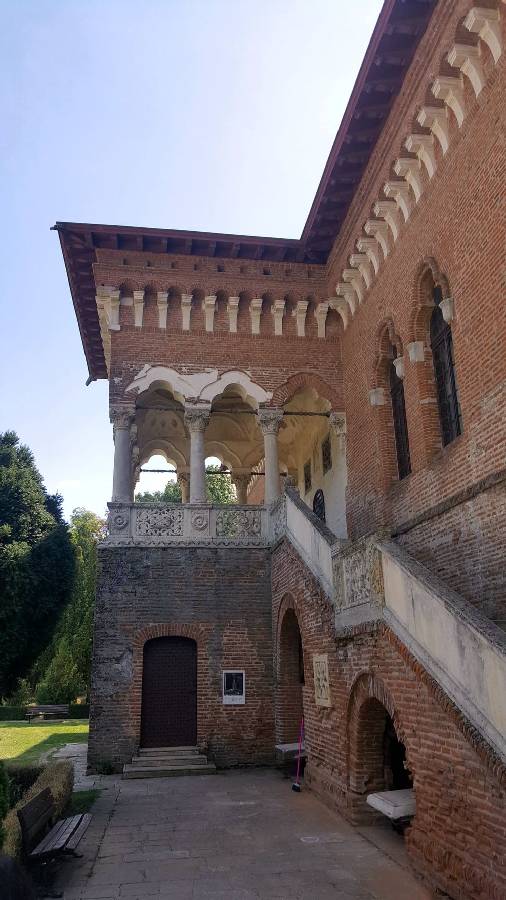
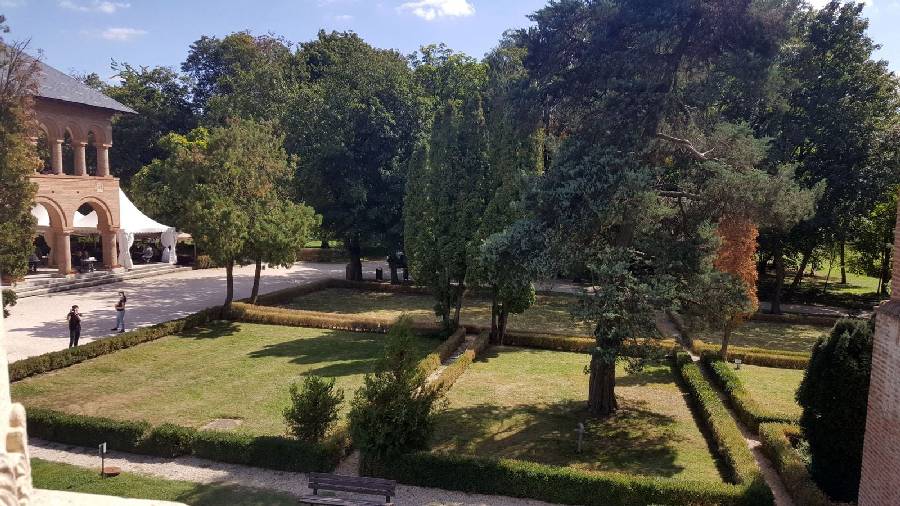
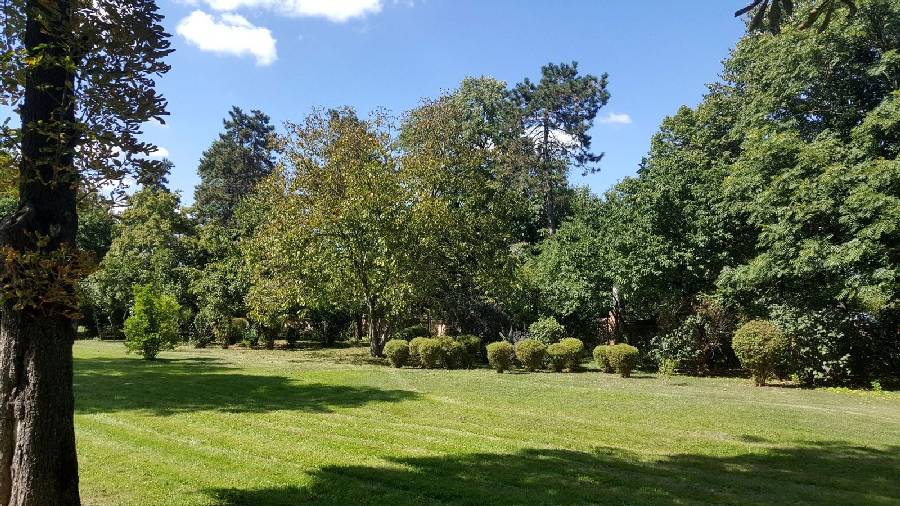
In Ilfov County, just a few kilometers northwest of Bucharest (the capital of Romania), lies Mogosoaia Palace on the banks of Mogosoaia Lake in the commune of Mogosoaia.
The palace complex includes a main courtyard and many buildings, such as the watchtower and the “St. George” church near the courtyard.
The Wallachian Prince Constantin Brancoveanu had the palace built between 1698 and 1702 on the estate of the widow Mogos (from which the later name Mogosoaia is derived) in the Brancoveanu architectural style named after him. In 1714, when Constantin Brancoveanu was executed in Constantinople with his entire family, the Ottomans confiscated all the family assets and converted the palace into a han (a type of inn).
In the following decades, the palace was conquered, destroyed, and rebuilt several times until it came into the possession of George III Valentin Bibesco in 1912, who was married to the French writer of Romanian noble descent, Marthe Bibesco. He gave the estate to his wife, and Marthe Bibesco subsequently had the palace extensively restored.
Pictures: early September 2021, almost blue sky at approx. 32 degrees.
(29 January 2026)
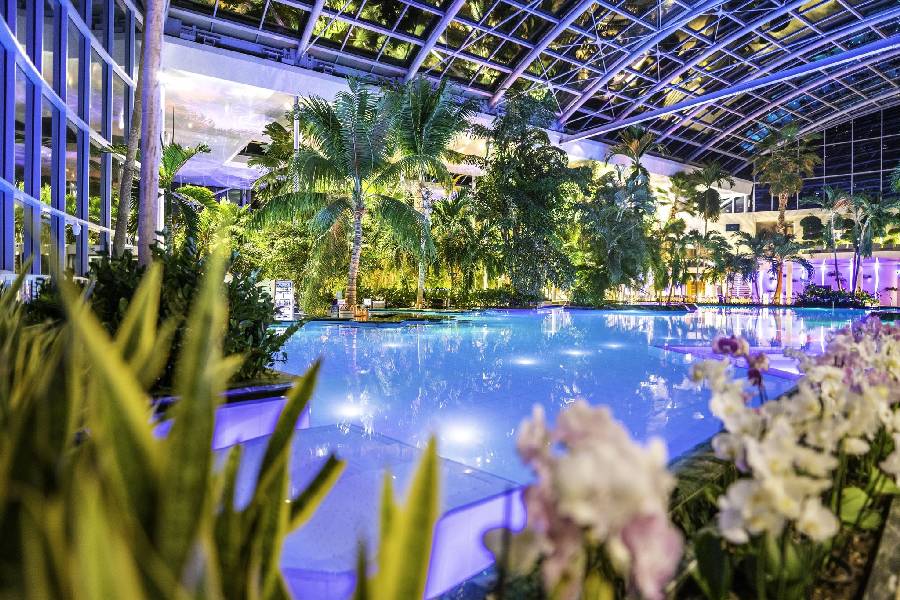
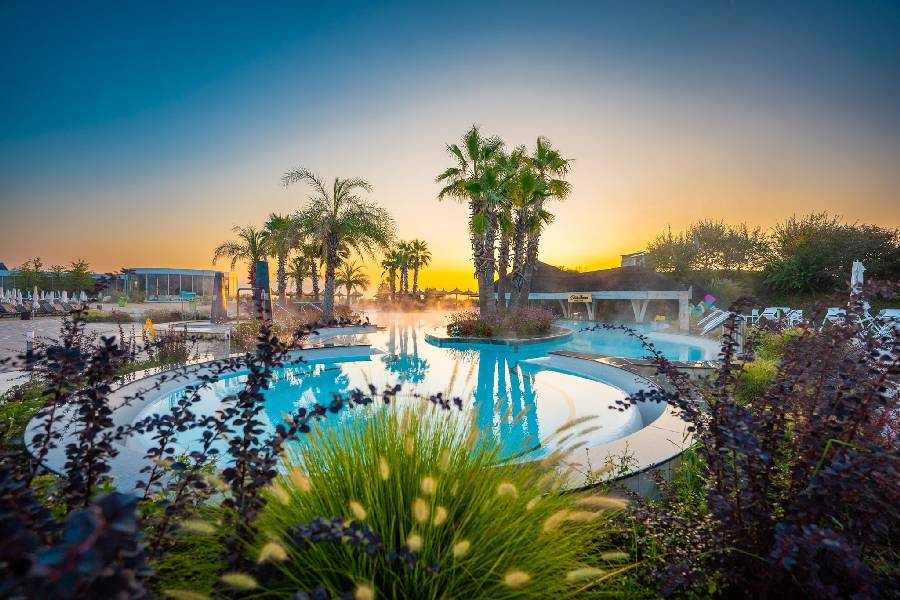
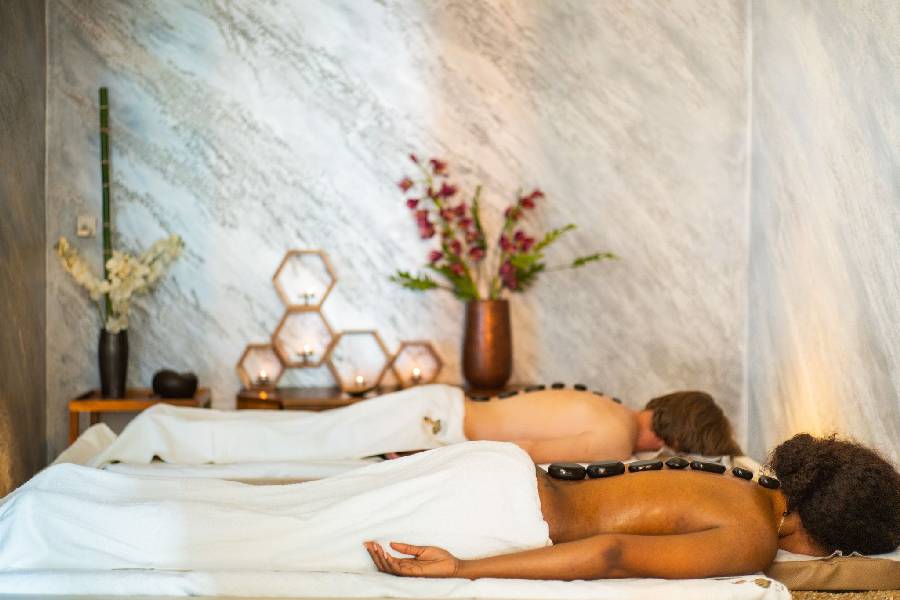
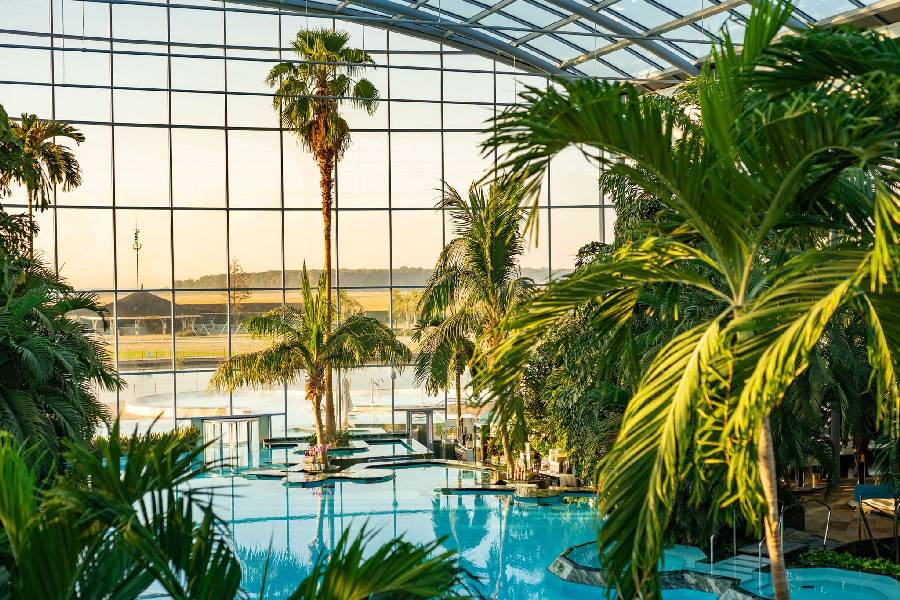
Located just a few minutes’ drive from Henri Coanda International Airport, Therme Bucharest is the perfect destination for an unforgettable vacation with your family, partner or friends. Open 365 days a year, the spa is the largest wellness, relaxation and entertainment complex in Europe.
https://urlaub-in-rumänien.de/en/uir/therme-bucharest/
The spa is also the largest indoor botanical garden in Eastern Europe, home to over 1,500 palm trees and 800,000 plant species.
Buy tickets online: https://therme.ro/magazin/wizard
We would like to thank Therme Bucharest for sending us these pictures and giving us permission to use them.
(29 January 2026)
The construction of Nicolae Romanescu Park in the city of Craiova (Dolj County) was planned and initiated in 1898, following the election of Nicolae Romanescu as mayor.
The French architect commissioned for this project was Édouard Redont, who designed the park, which was built between 1898 and 1903.
The park is considered the largest natural park in Eastern Europe. It was designed in the romantic style, a synthesis of landscape architecture and painting.
We thank photographer Corina E. Mateescu for allowing us to use these images.
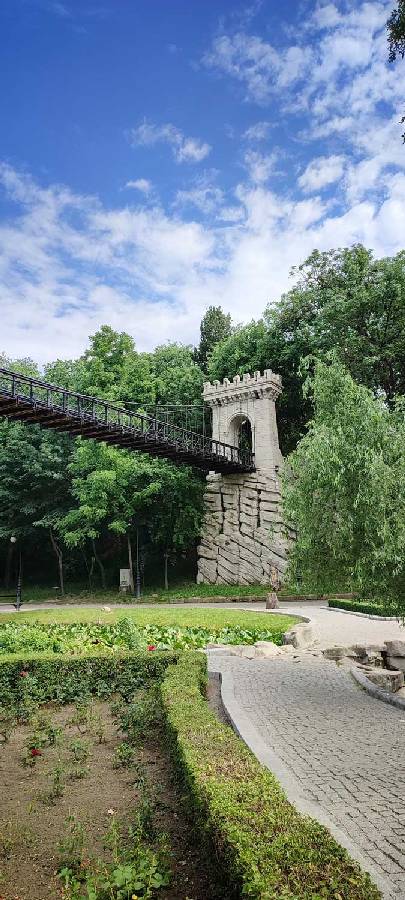
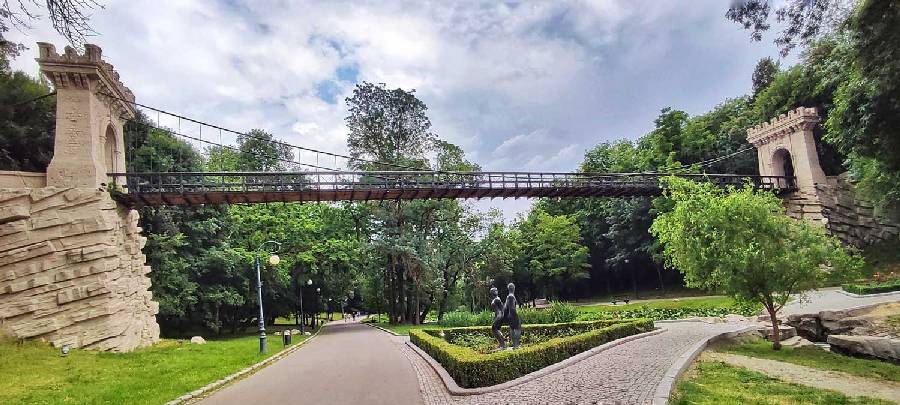
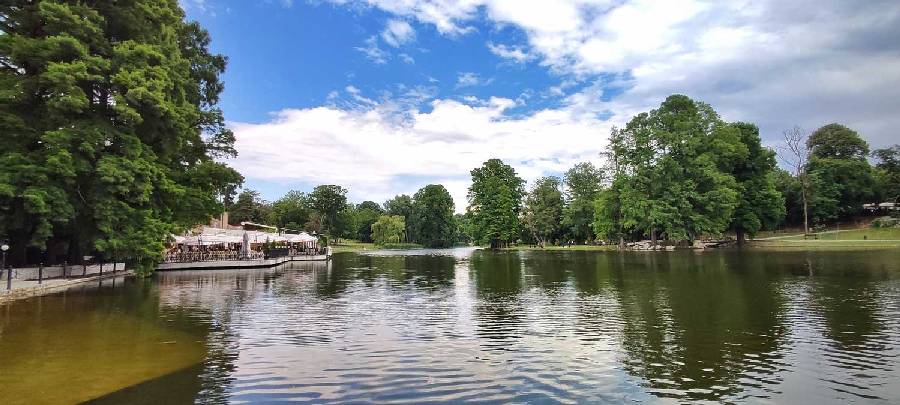
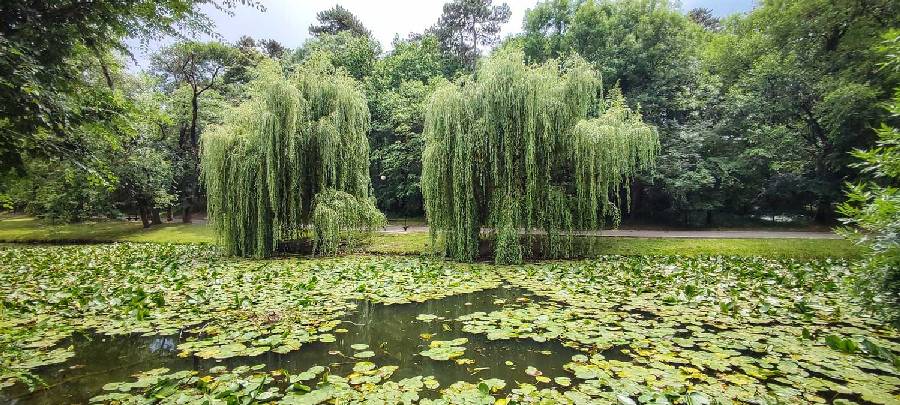
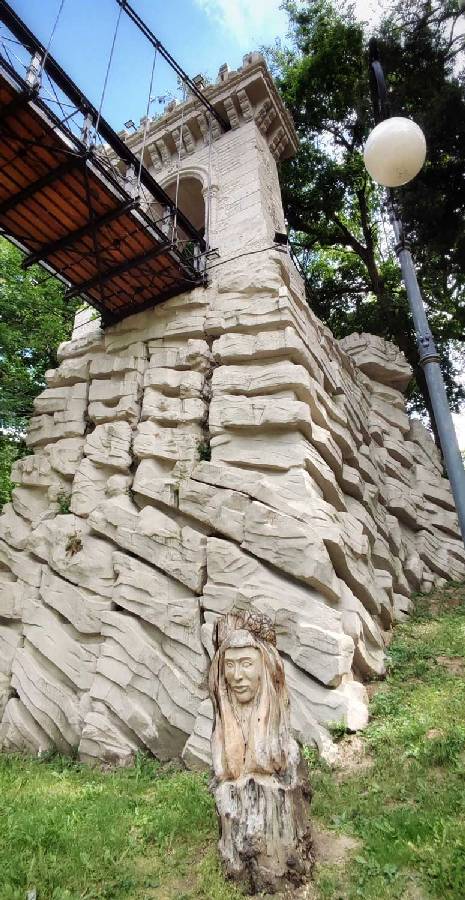
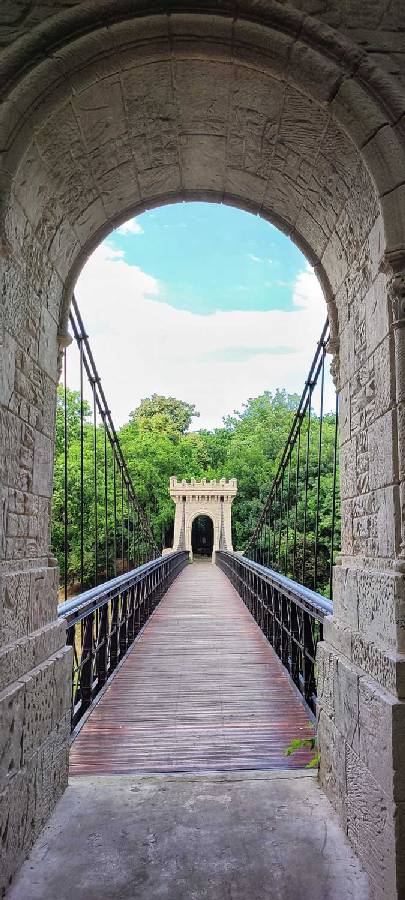
(28 January 2026)
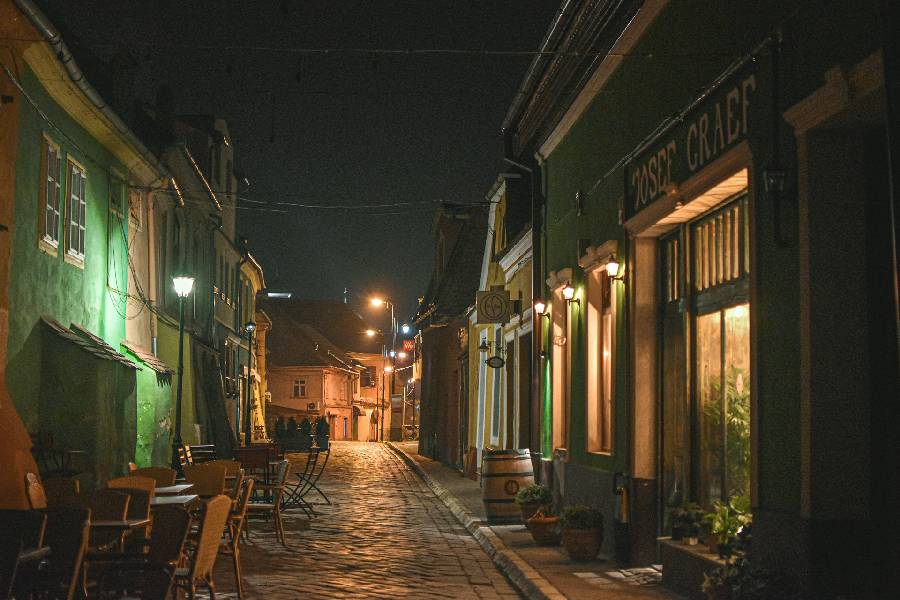
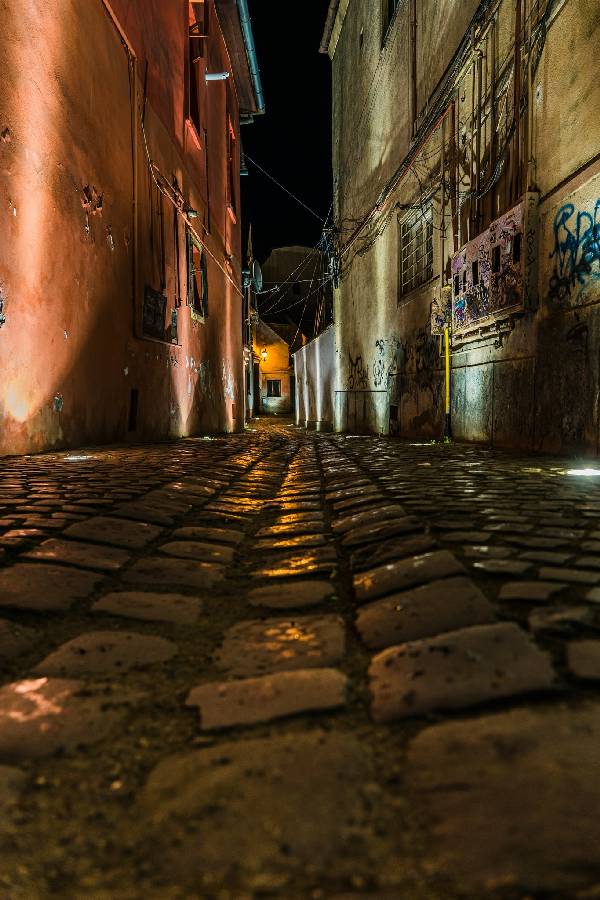
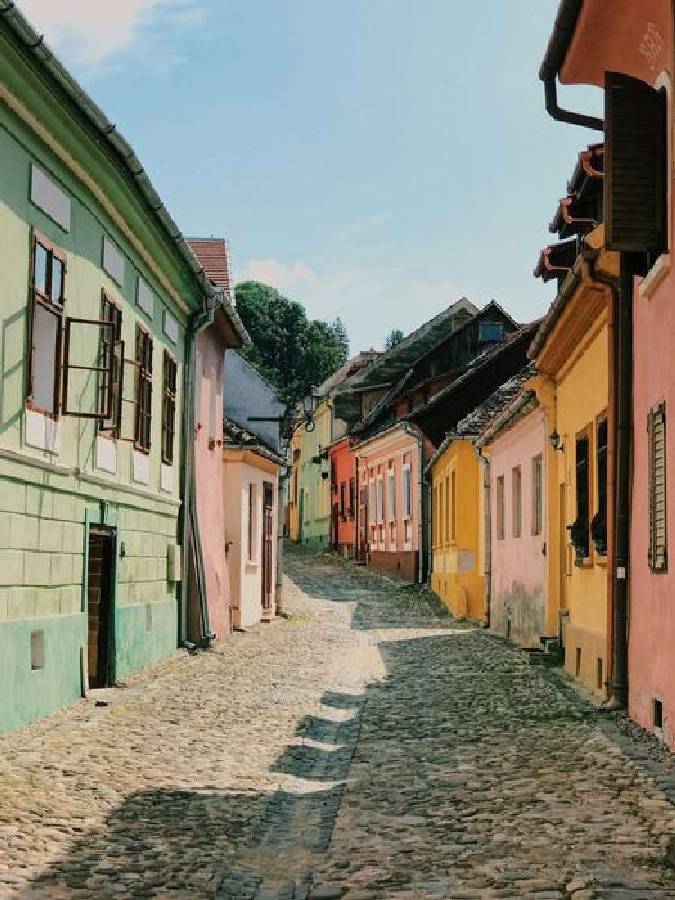
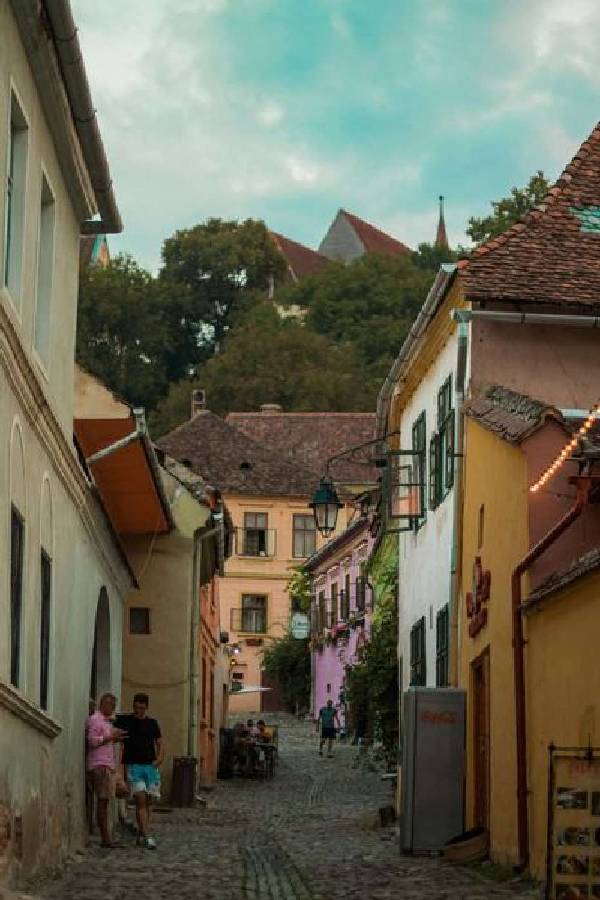
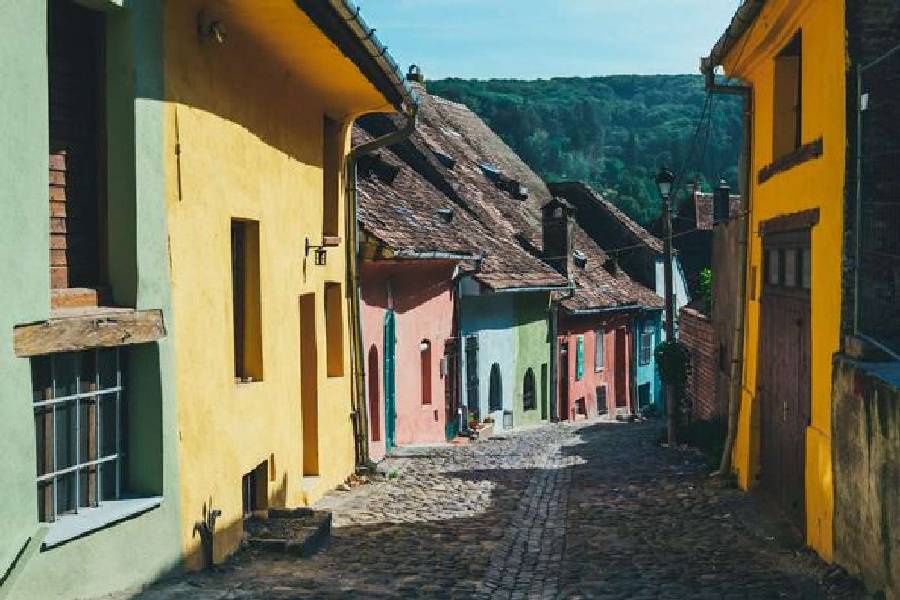
A beautiful town in Mures County and a perfect holiday destination at any time of the year.
Sighisoara, or Segesvar in Hungarian, lies in the heart of Transylvania and is one of the few fully preserved medieval towns in the world today.
https://urlaub-in-rumänien.de/en/uir/destinations-romania-sighisoara/
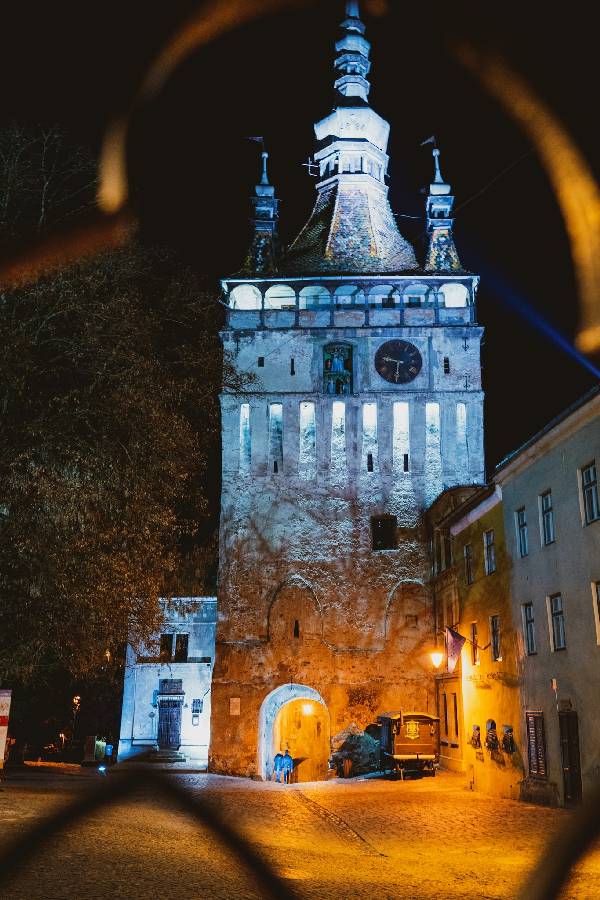
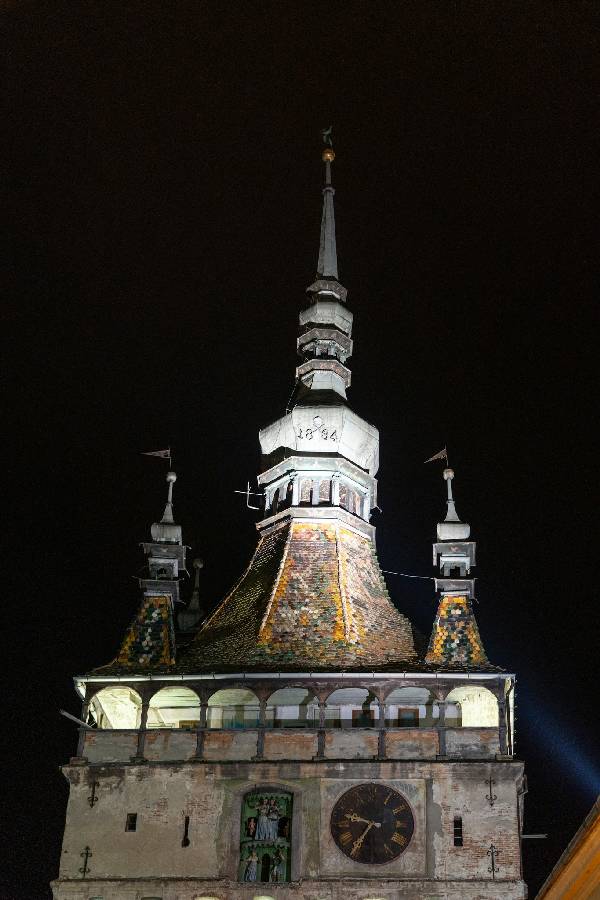
(28 January 2026)
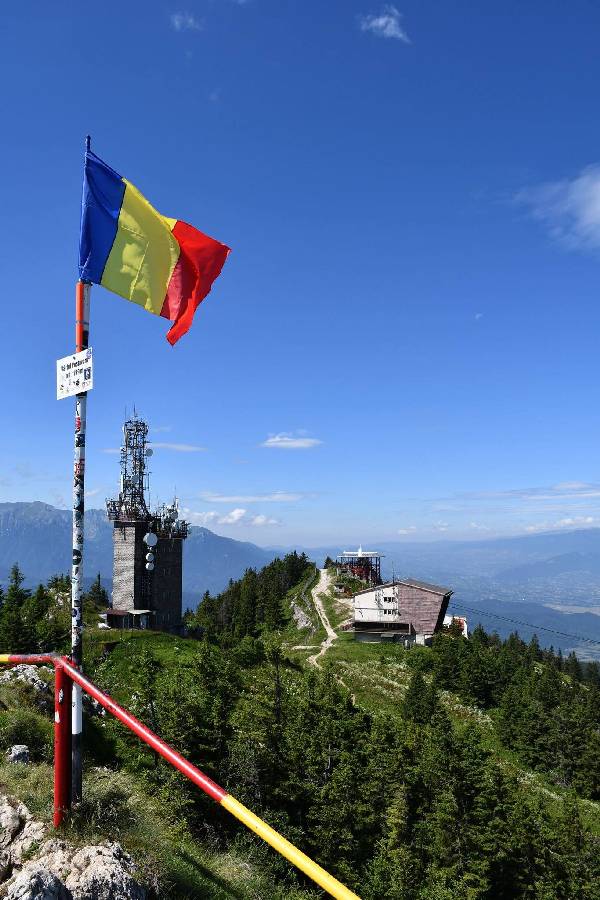
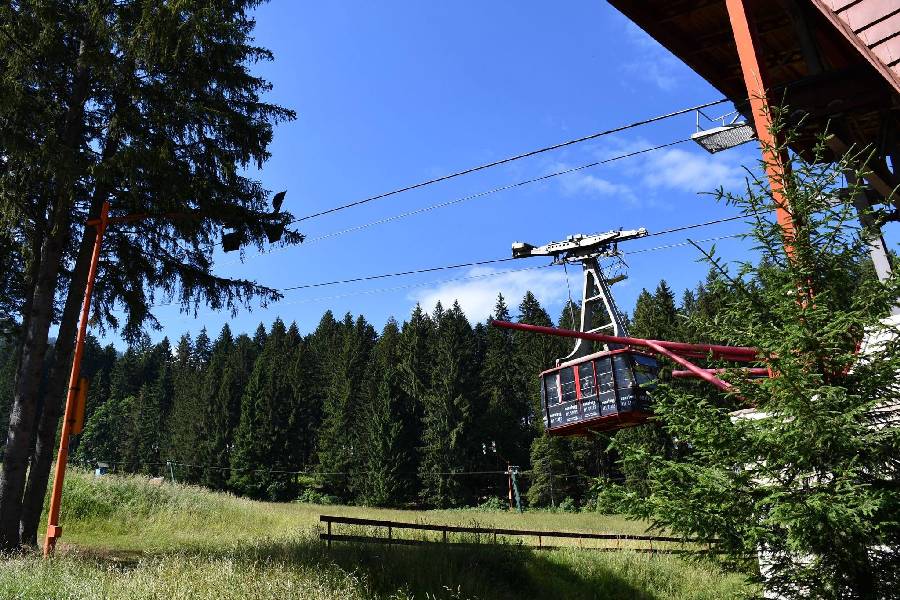
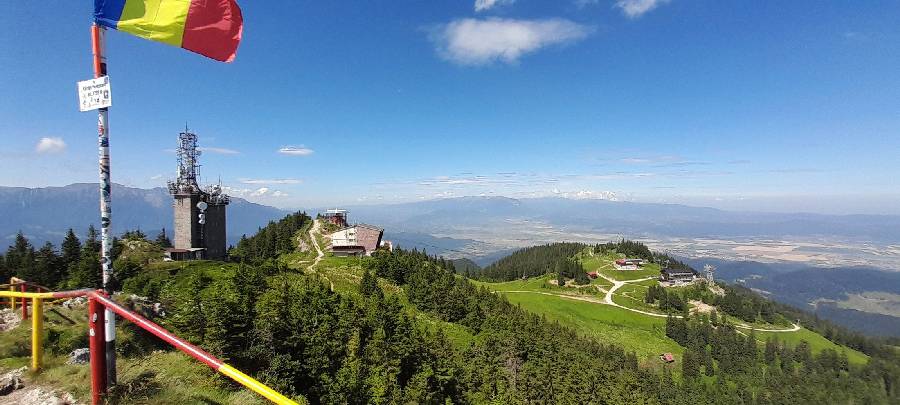
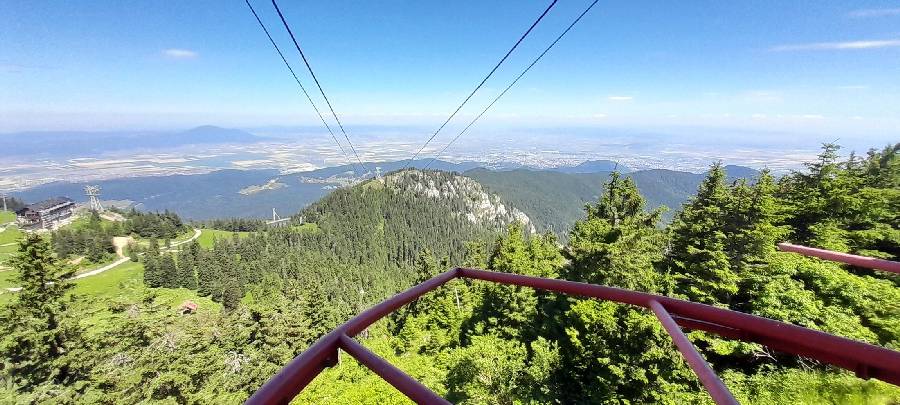
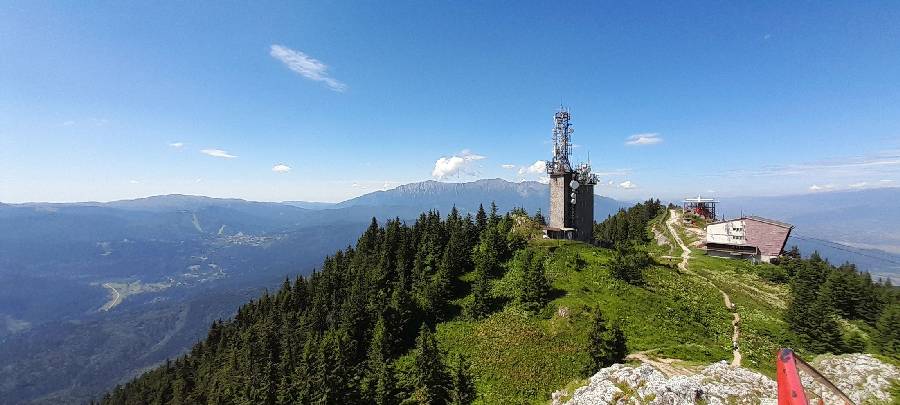
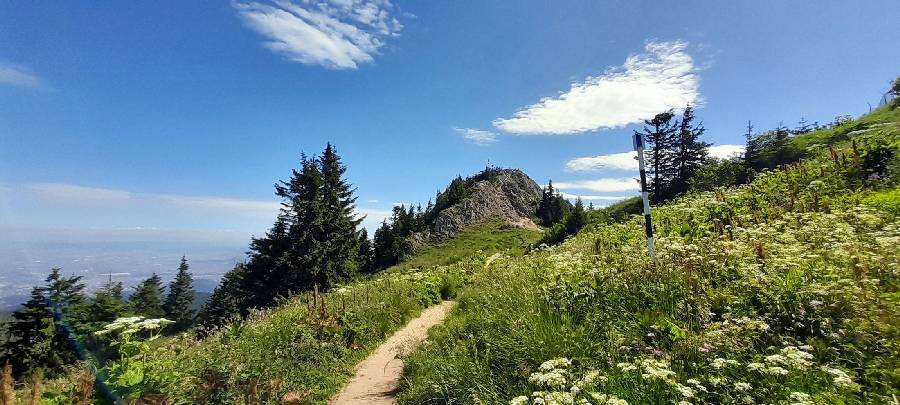
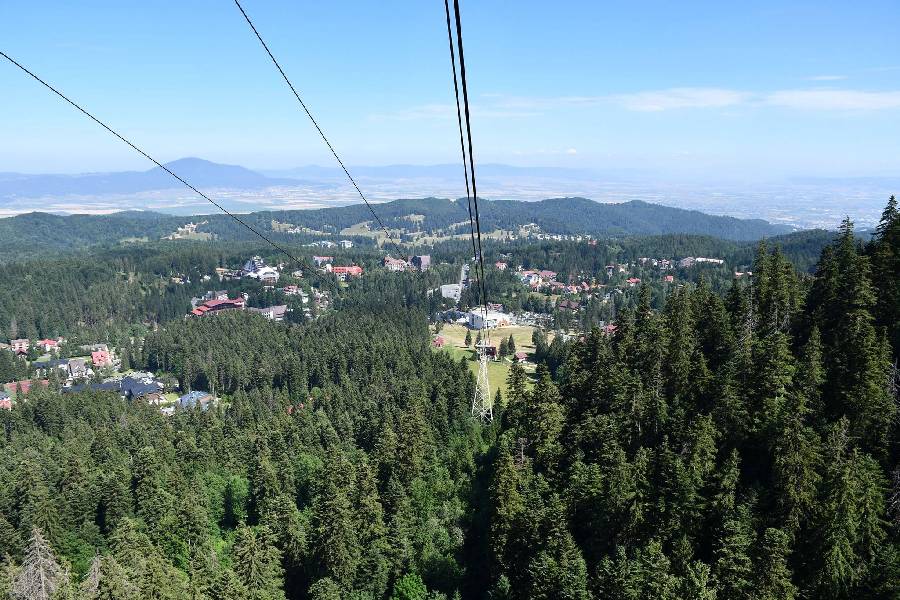
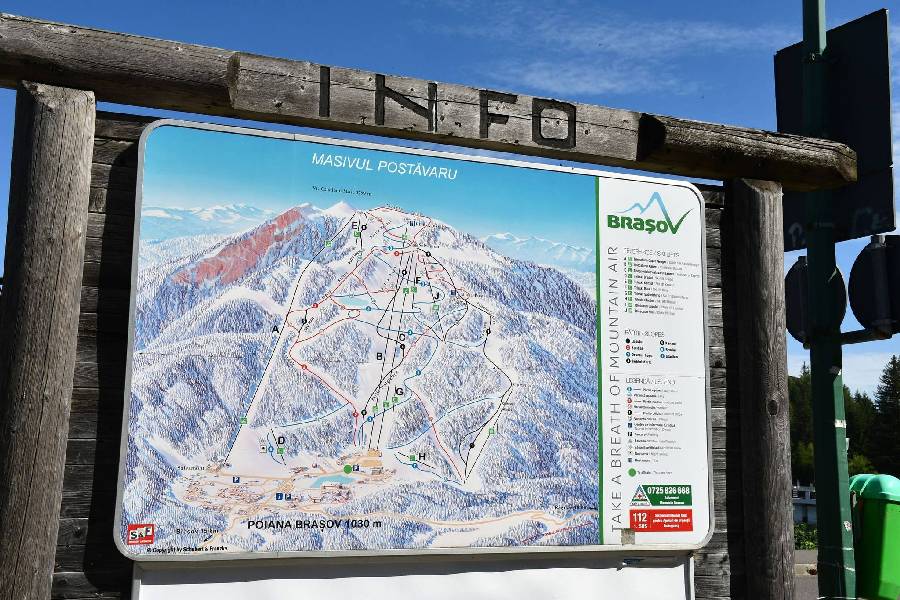
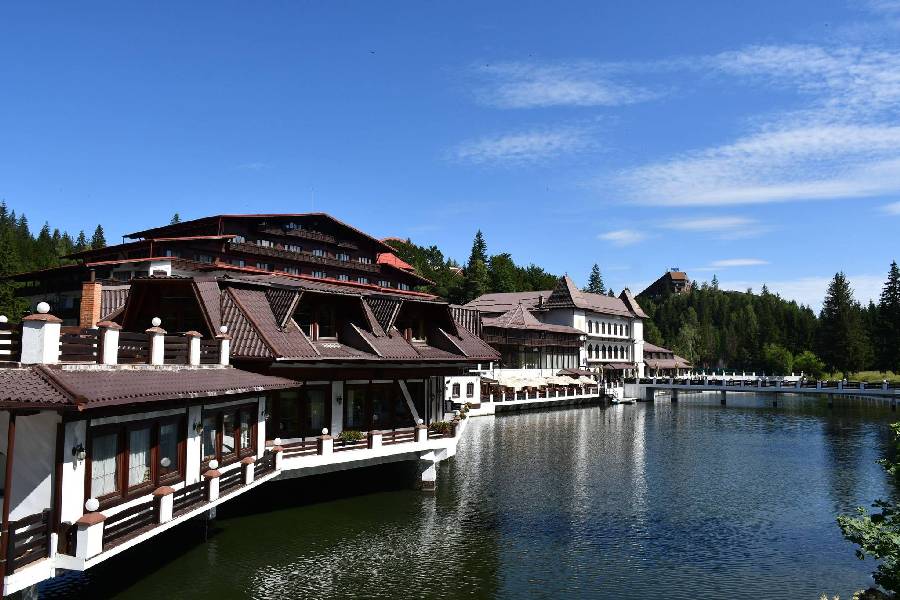
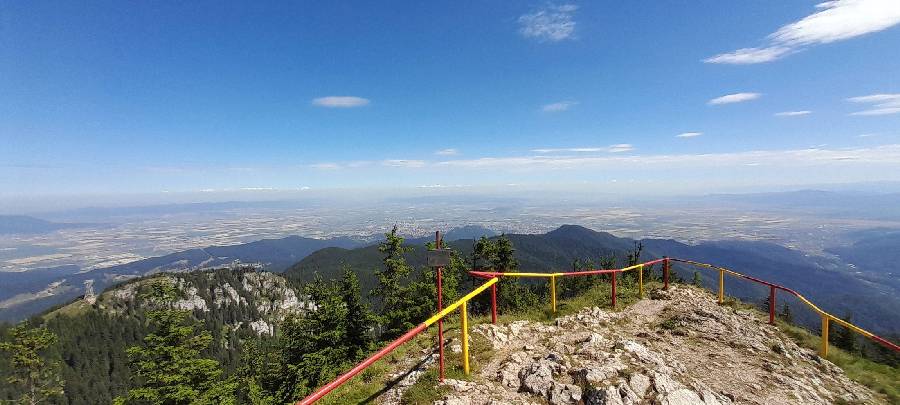
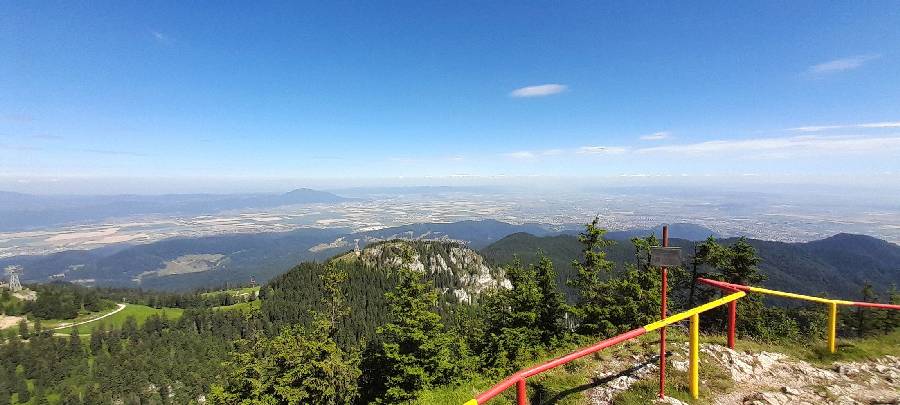
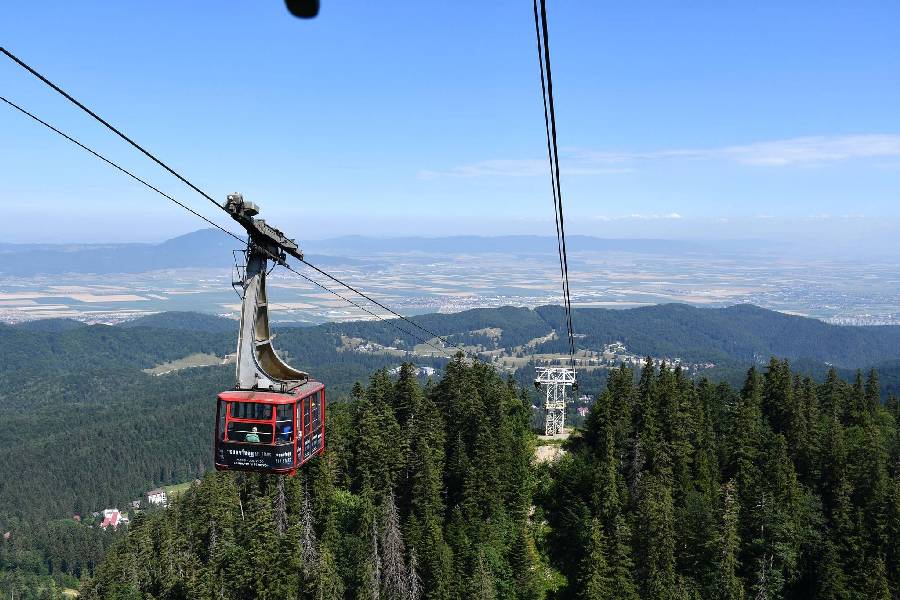
Poiana Brasov | Simply beautifuuuuuuuuuuul !!!
(28 January 2026)
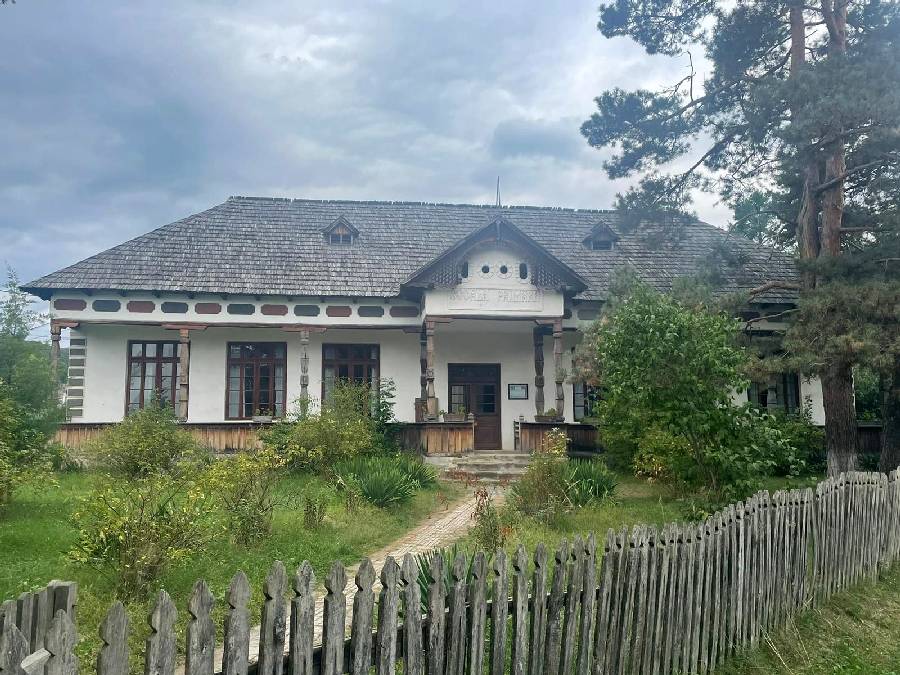
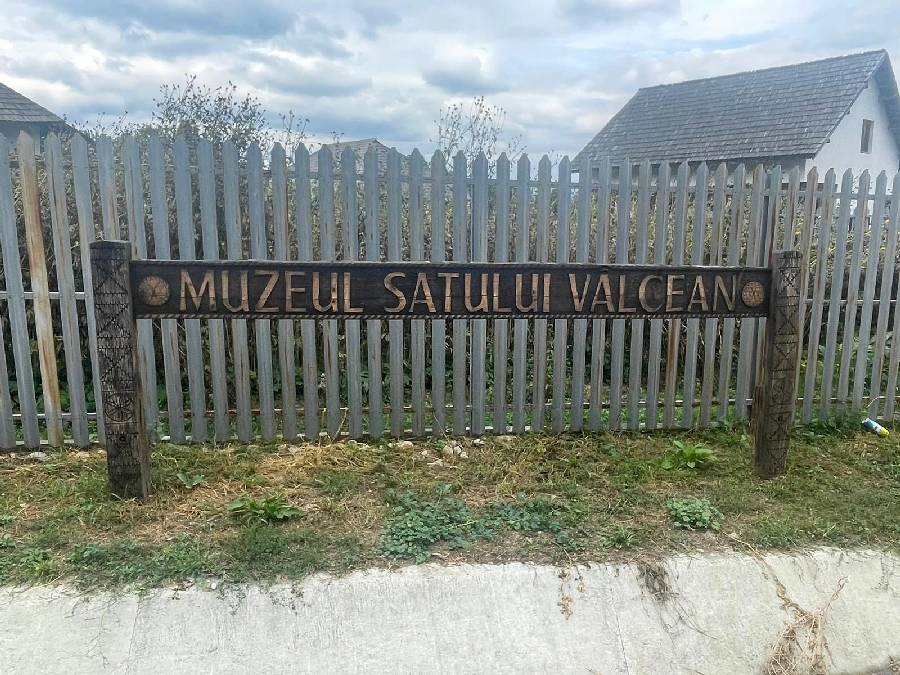
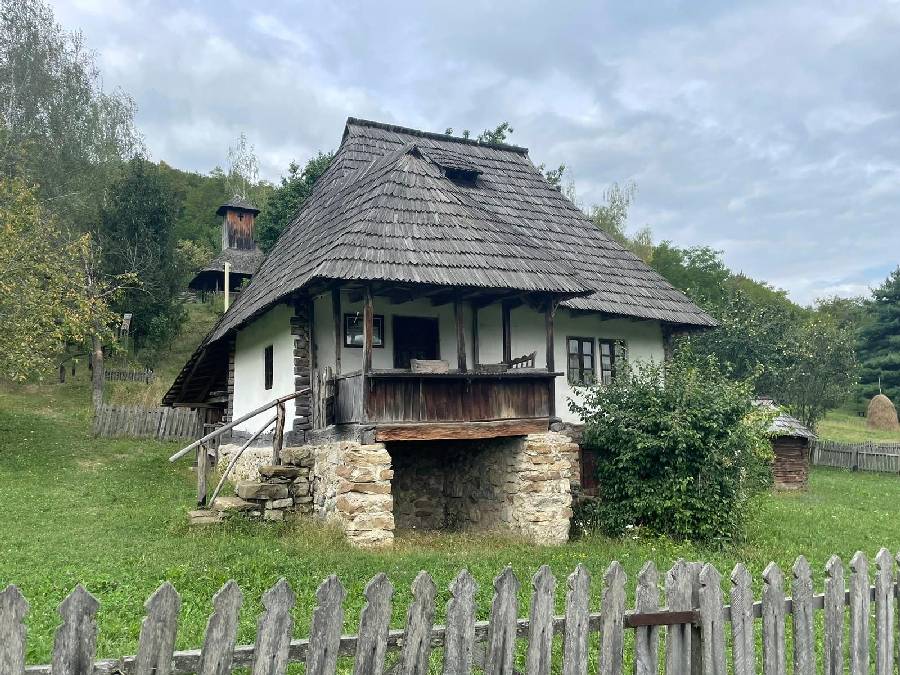
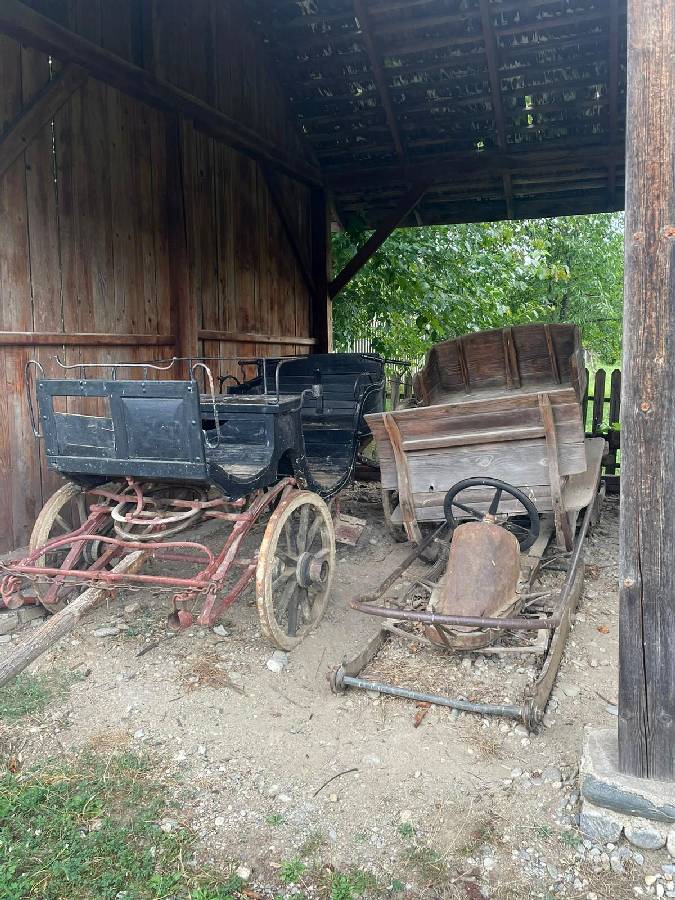
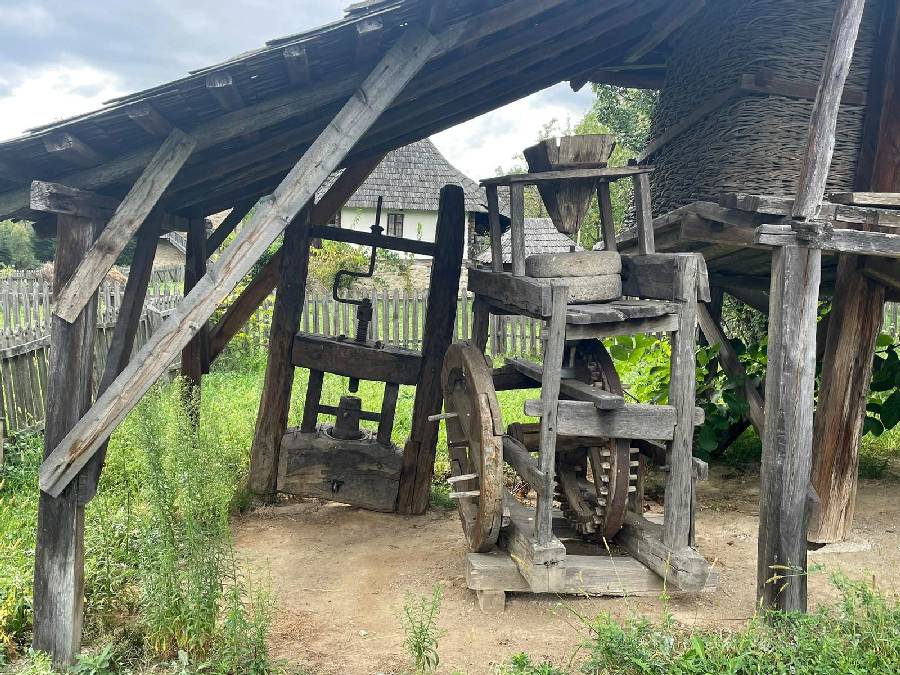
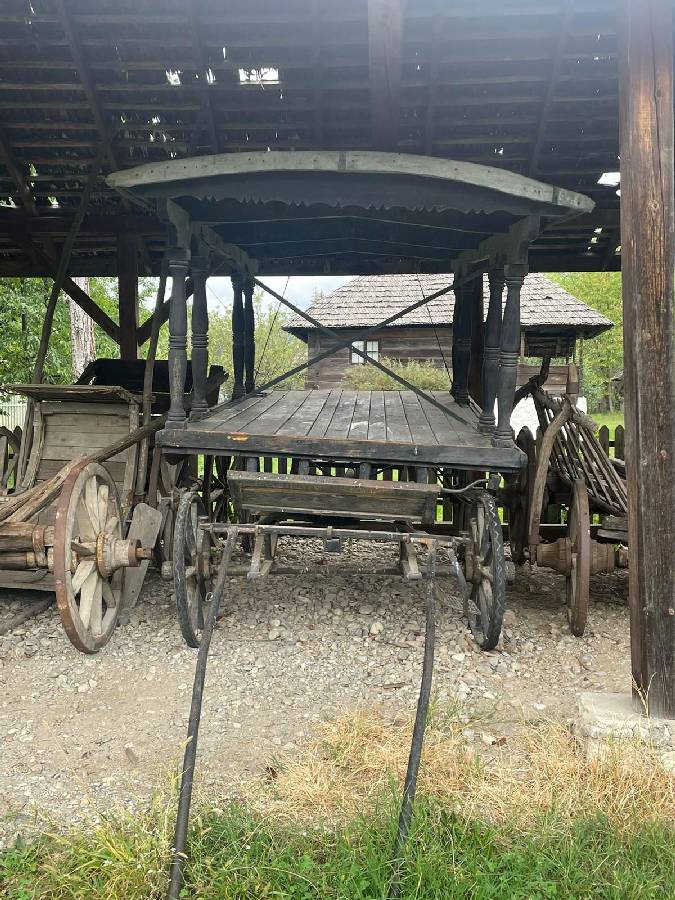
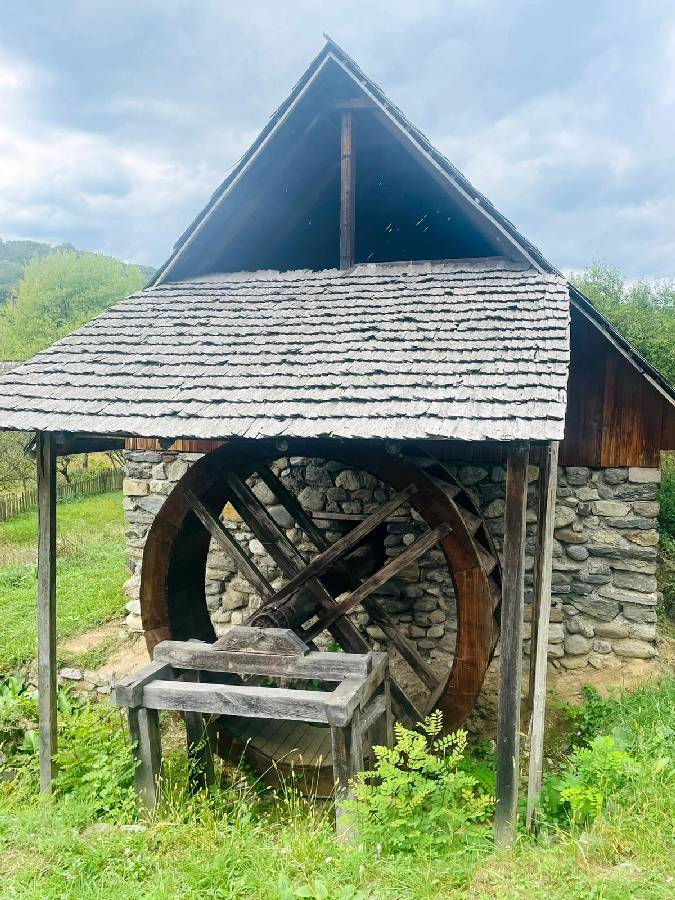
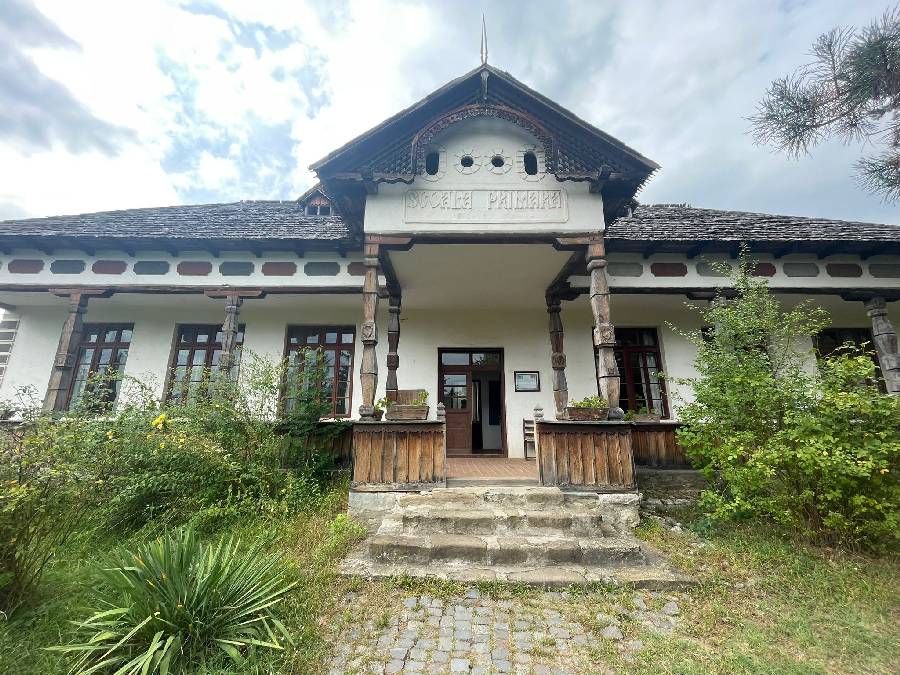
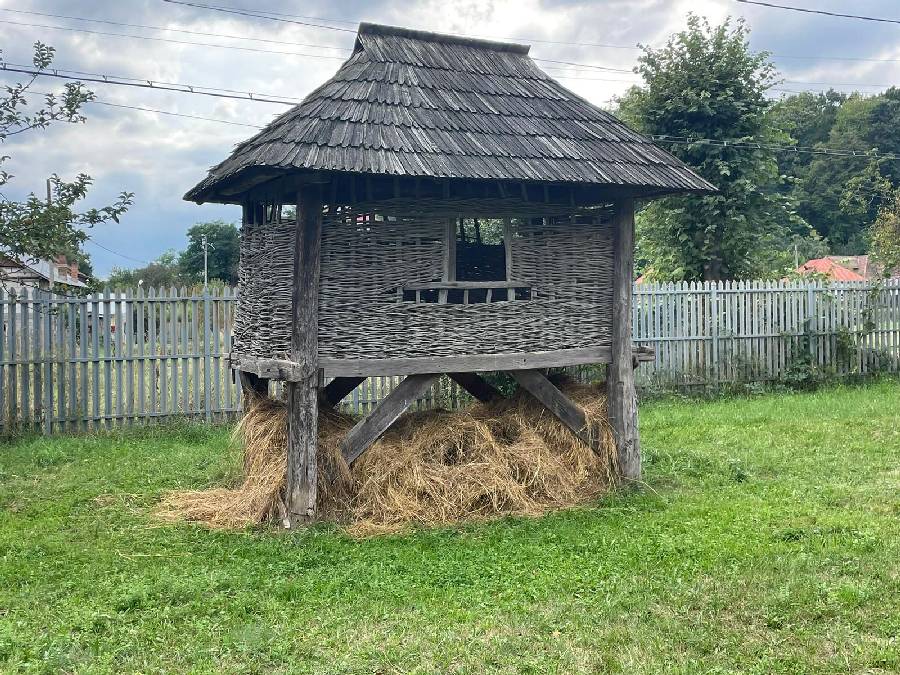
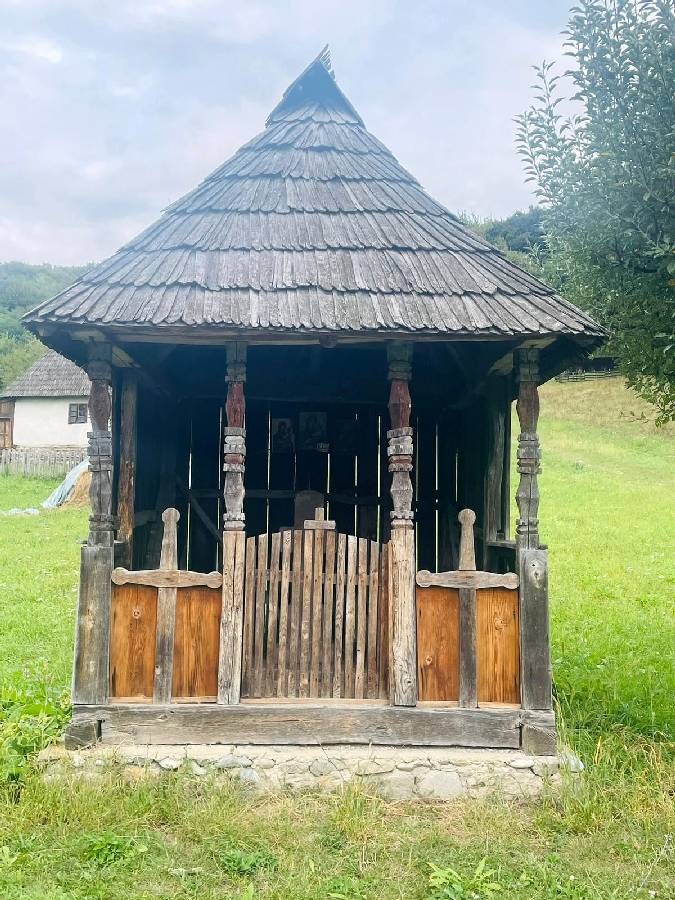
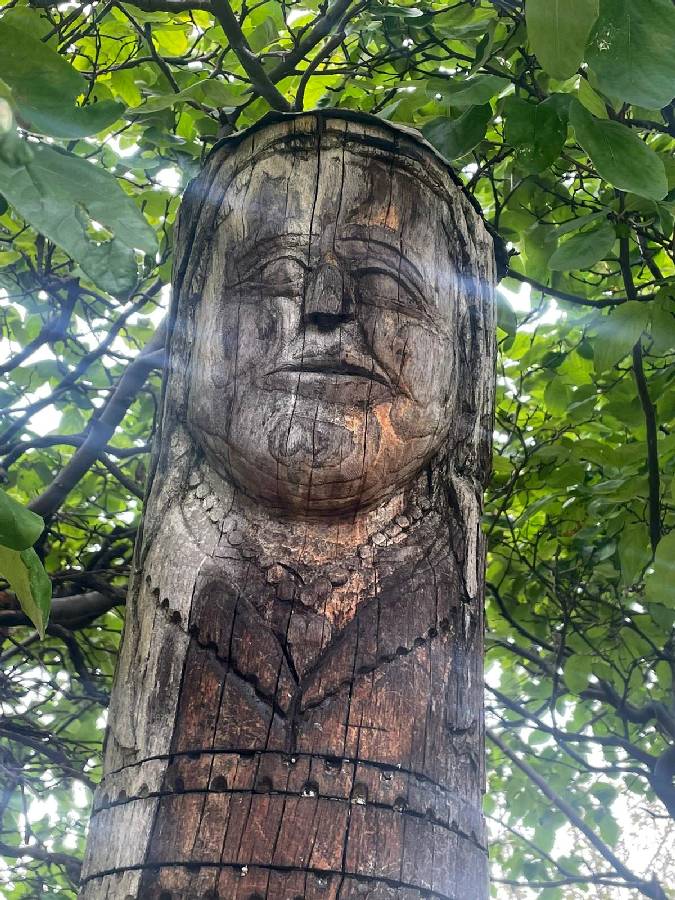
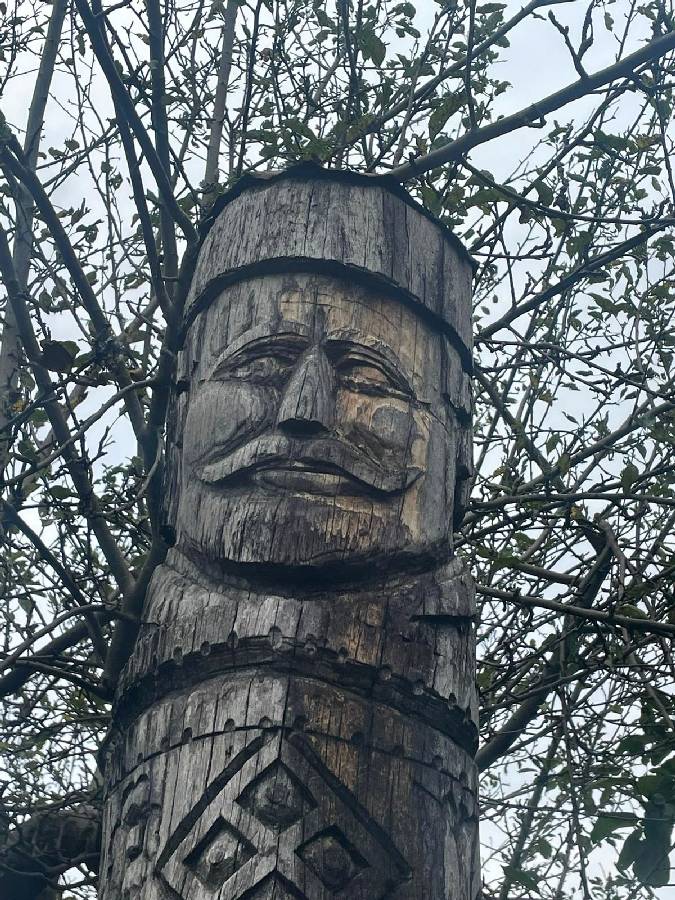
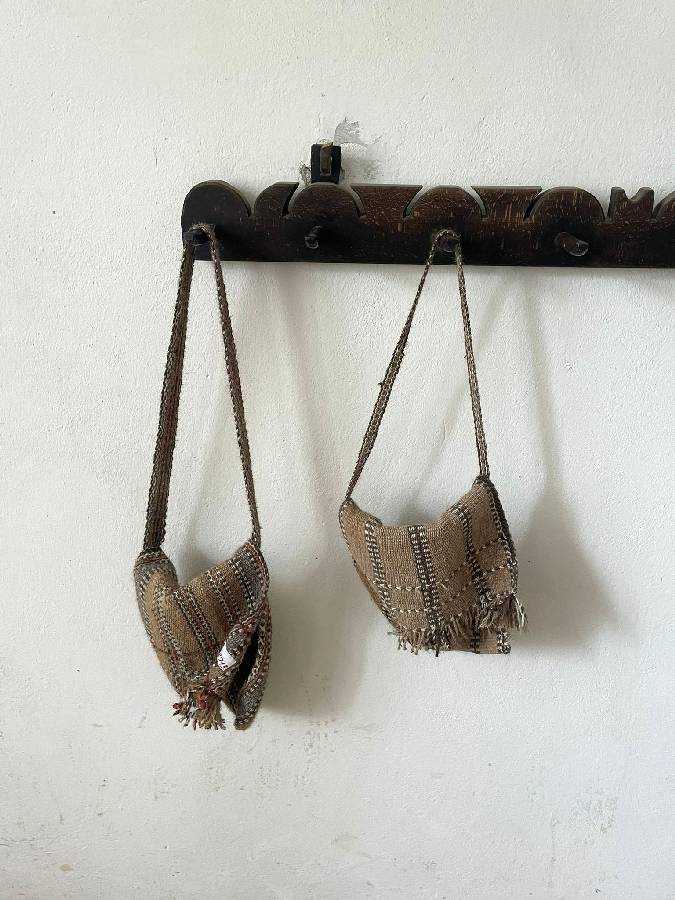
The Vâlcea Village Museum is located in the village of Bujoreni, about 4 km from the county capital, Râmnicu Vâlcea.
The museum is arranged like a village and showcases life in rural settlements in past times. The idea was developed in 1969 and gradually implemented. It is definitely worth a visit.
We thank Mr. Alexander Laszlo for his efforts and for sending these images (taken on 17 September 2023).
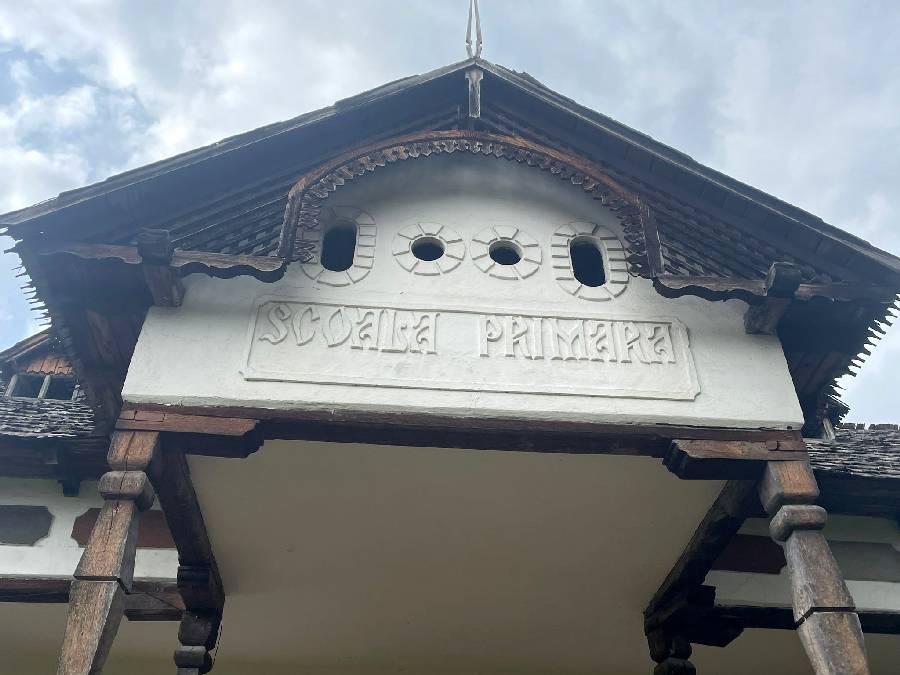
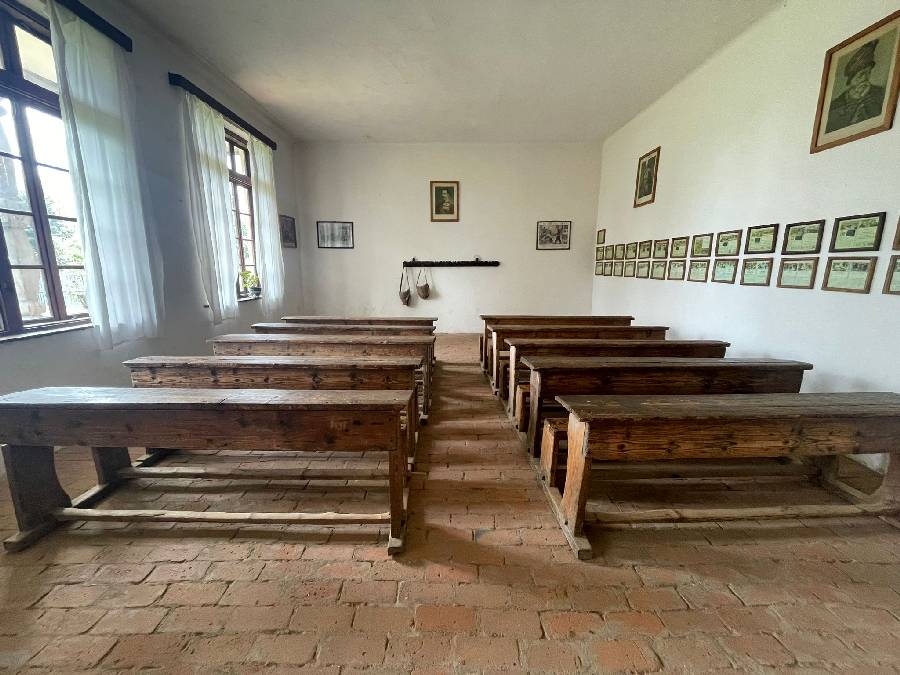
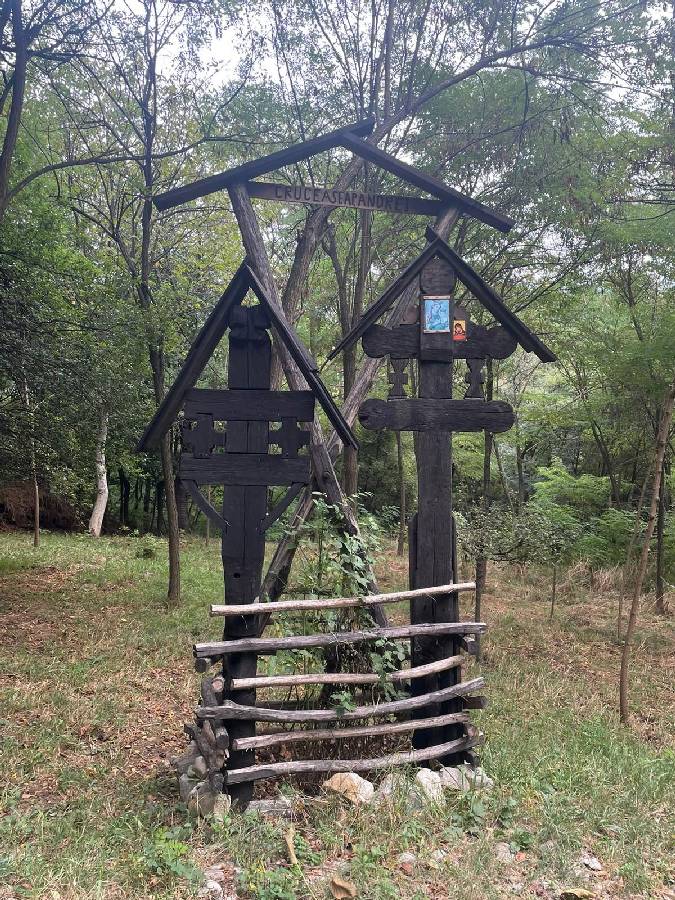
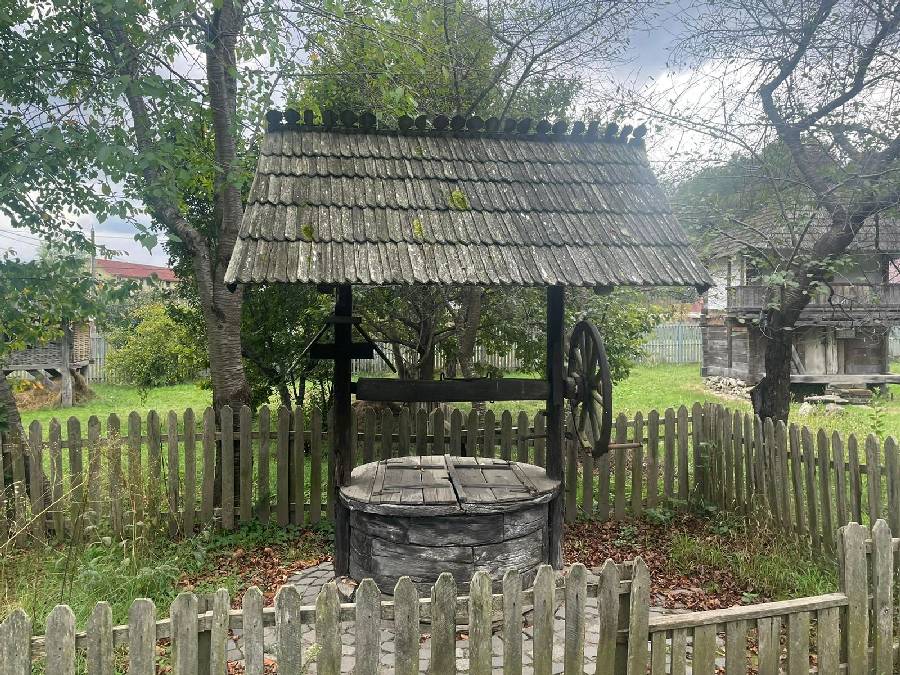
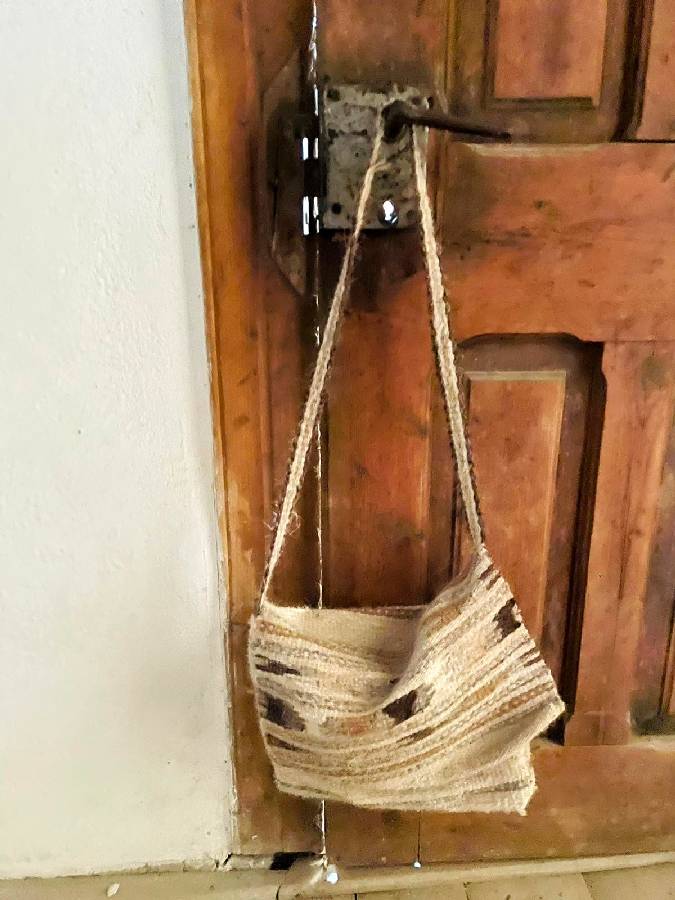
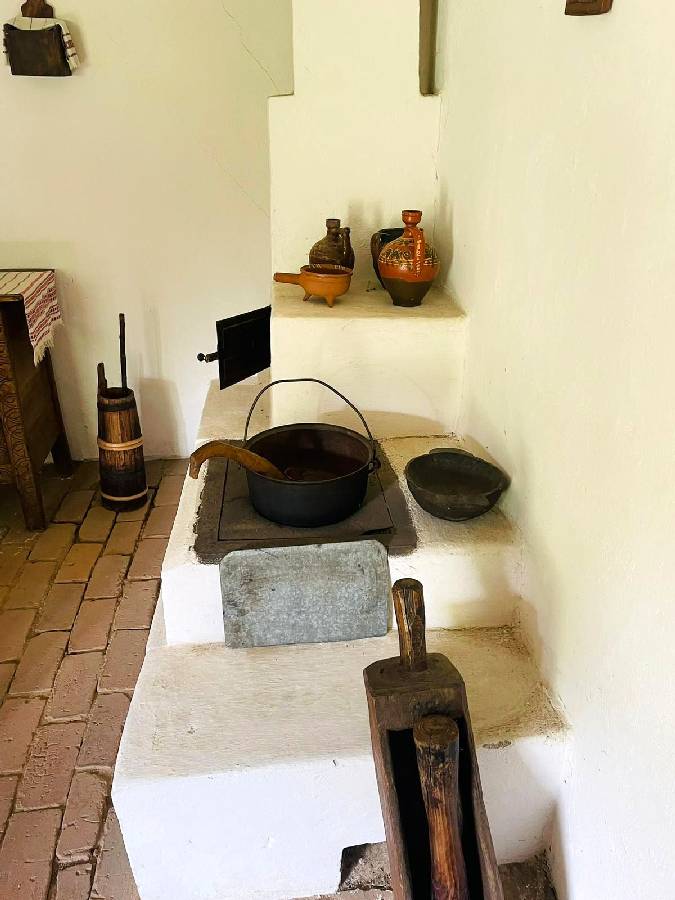
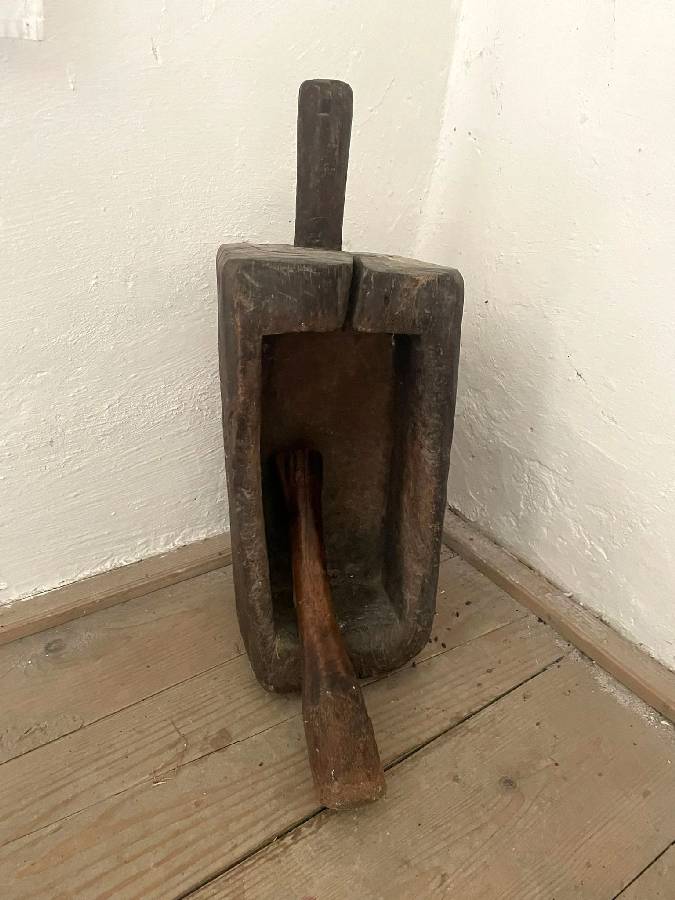
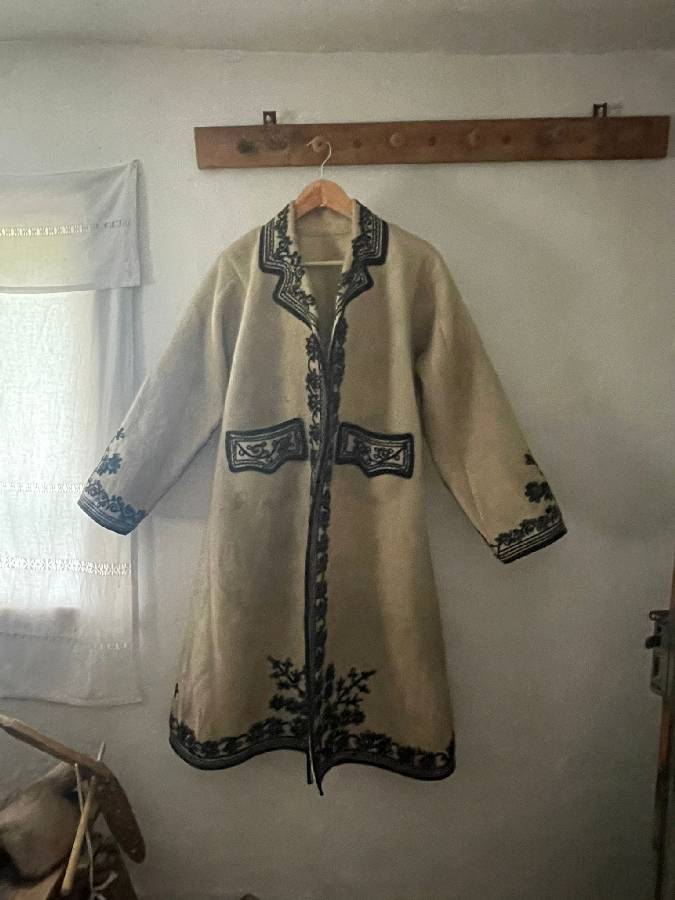
(28 January 2026)
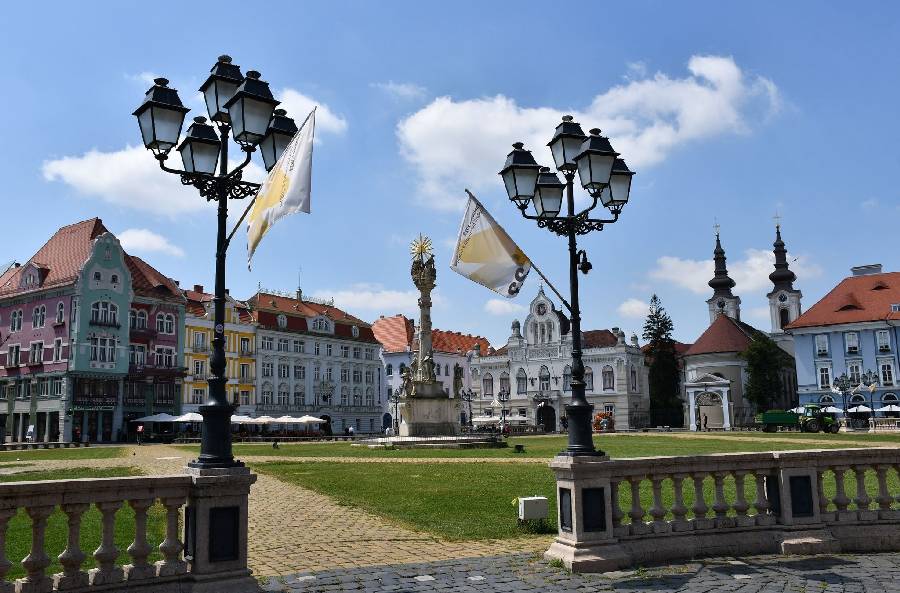
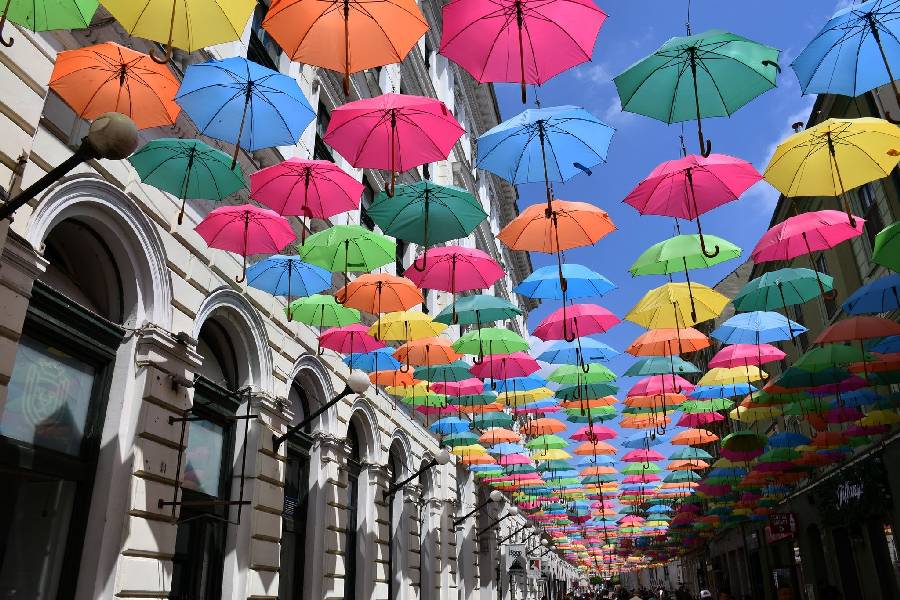
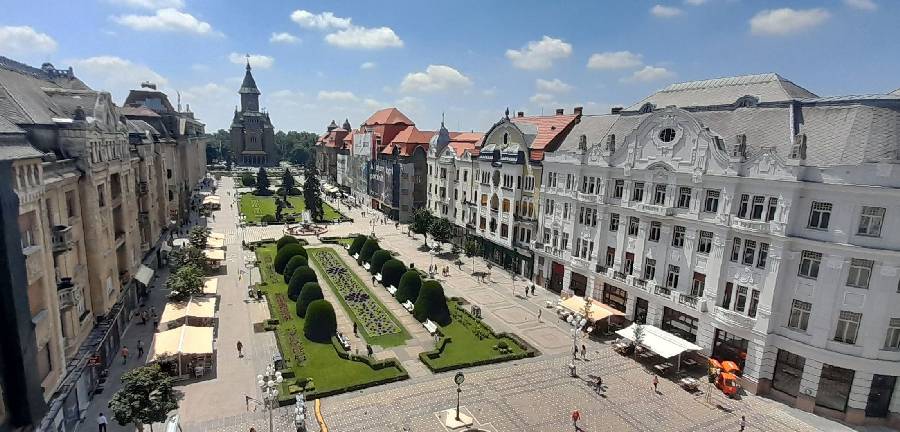
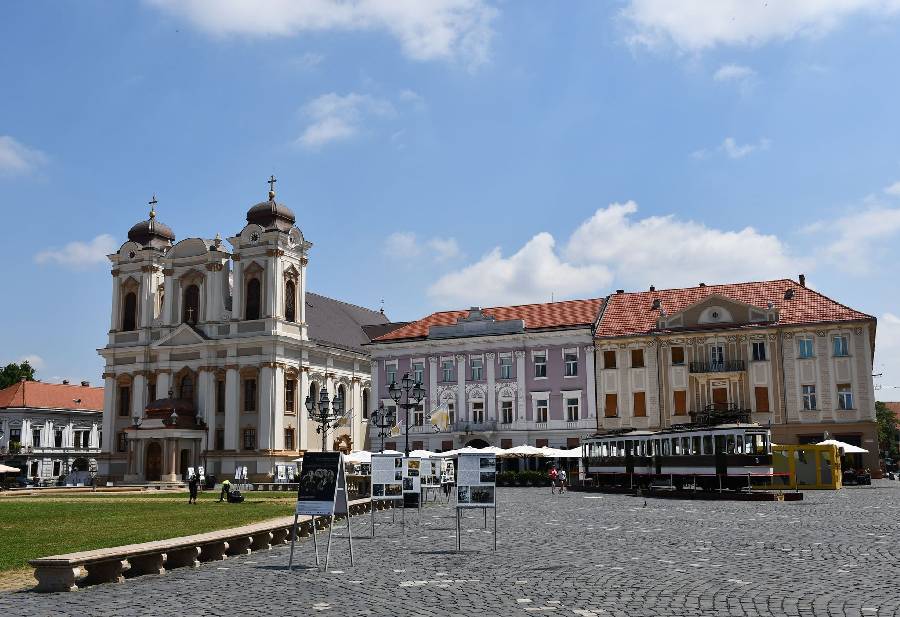
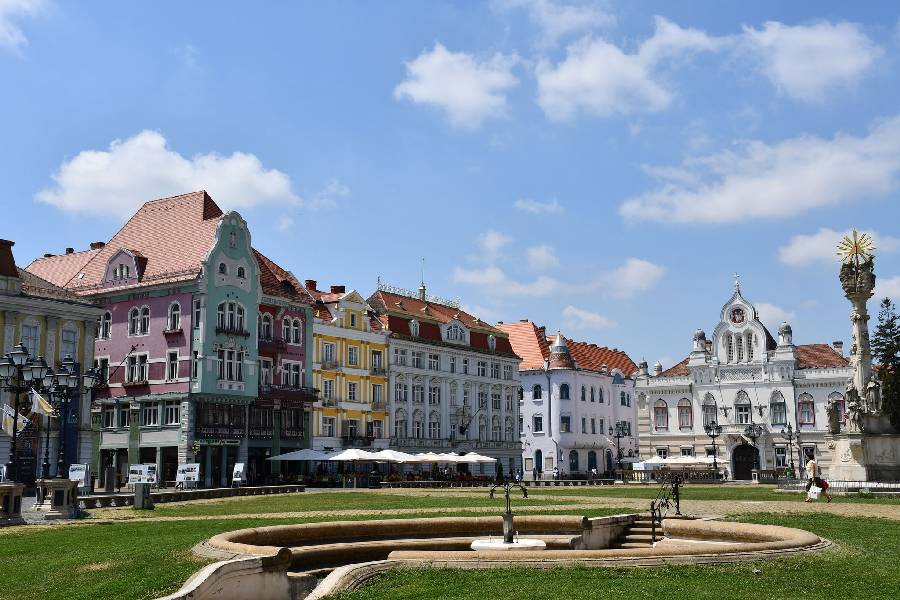
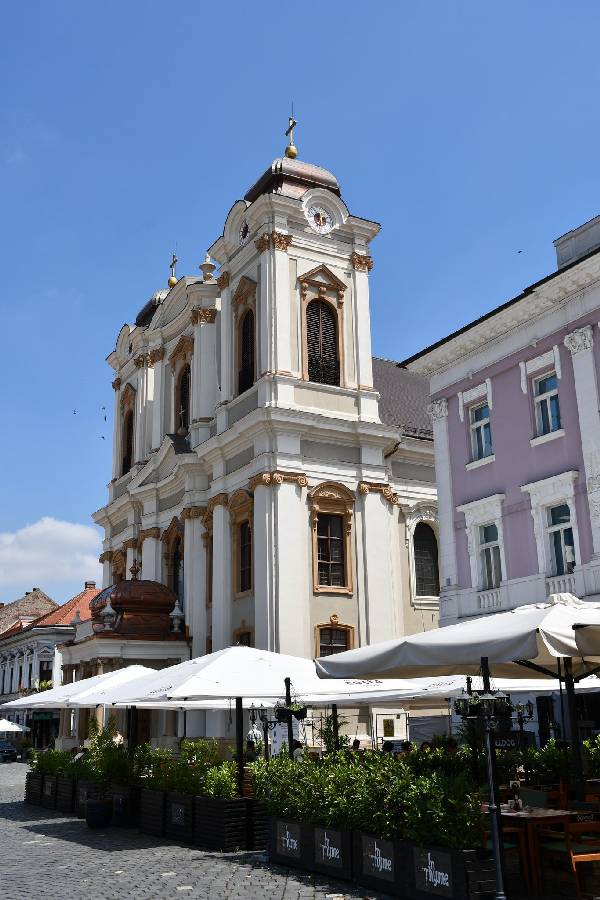
Pictures from the summer of previous years from Timisoara (German: Temeswar, also Temeschwar or Temeschburg), located in western Romania in the historical Banat region. Timisoara is the capital of Timis County.
https://discover-timisoara.com | https://welcome-to-romania.com
(27 January 2026)
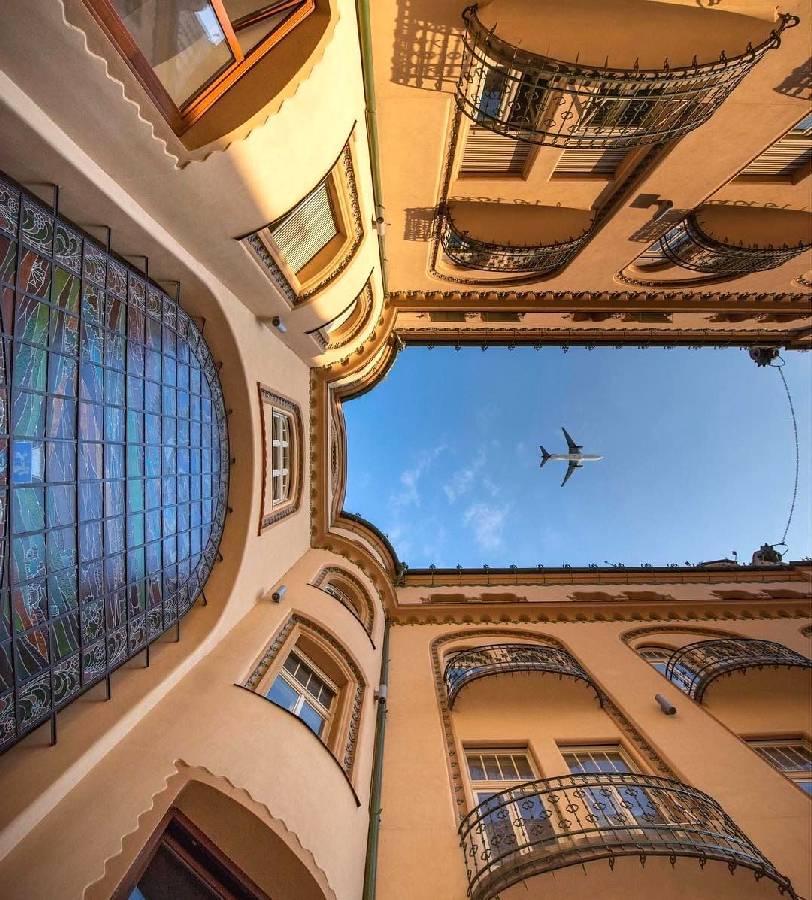
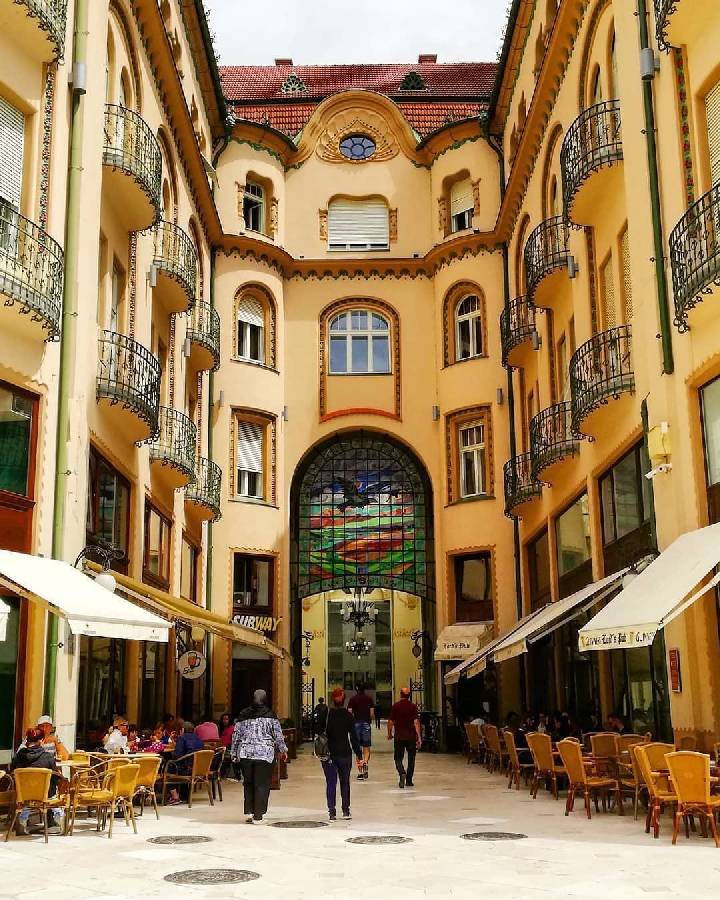
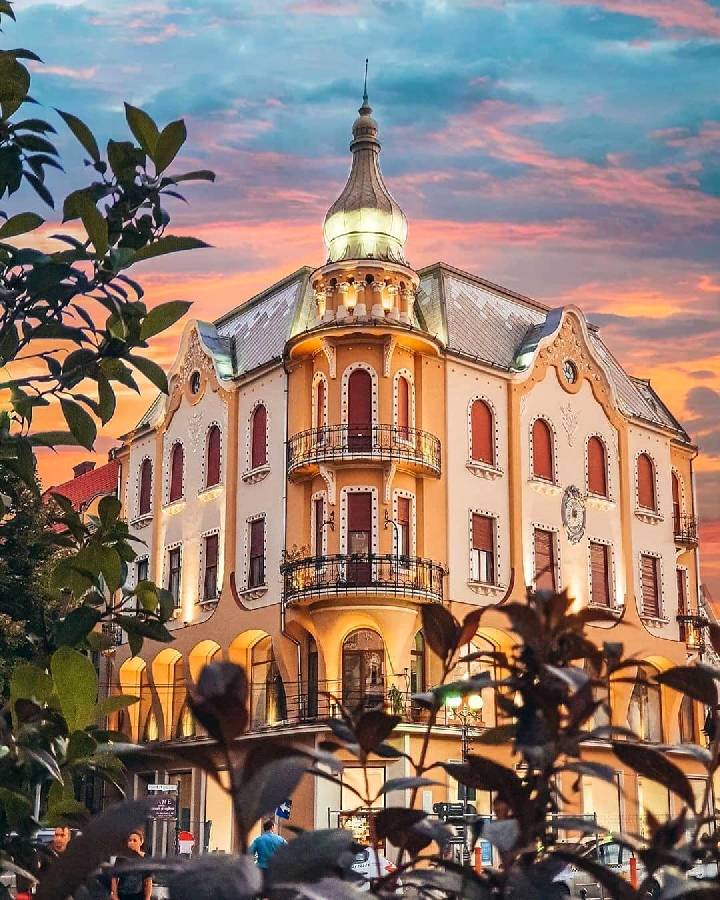
The city of Oradea ( Hungarian: Nagyvarad ) is the capital of the Bihor district in northwestern Romania.
The city is first mentioned as a seat of the Roman Catholic bishop in document 1080 ( of 1113 ) and belonged to the Kingdom of Hungary. After the First World War, Oradea left for the Great Romania and later back to Hungary. It was recaptured in October 1944 and has been part of Romania since then.
Just a few kilometers away are Băile Felix ( German: Bad Felix ), an internationally renowned spa town with hot springs. Famous guests of the bathroom included Marlene Dietrich, Charlie Chaplin and the painter Salvador Dali. Today Bad Felix is the largest spa town in Romania with 200 springs.
See more information / images about Oradea:
https://xn--urlaub-in-rumnien-2qb.de/…/ausflugsziele…/
We thank you for the permission to use these pictures: https://www.instagram.com/oradea.de.poveste/, https://www.instagram.com/oradeainimagini/
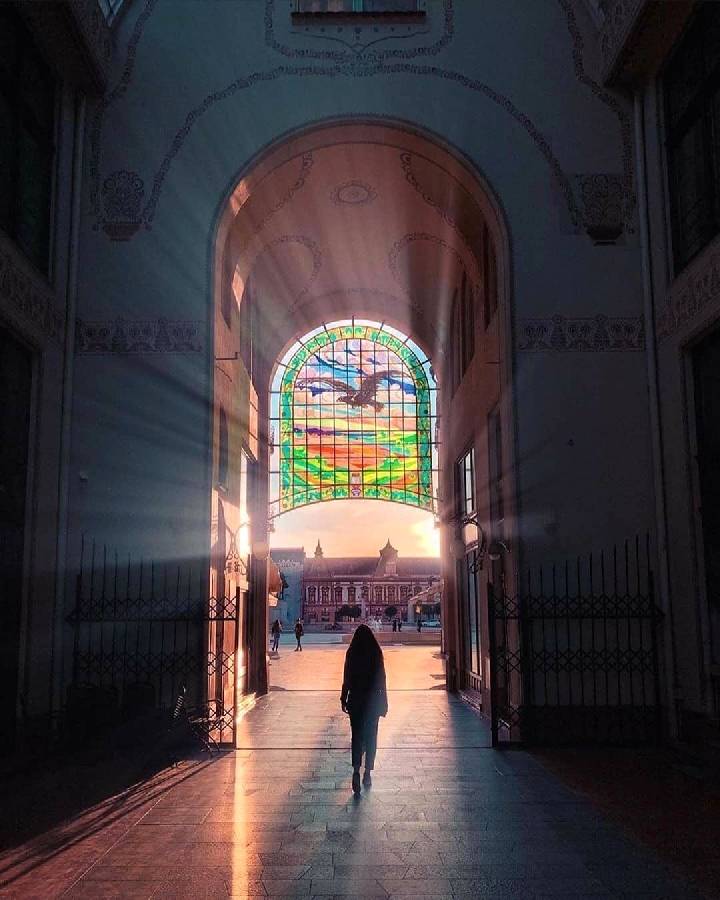
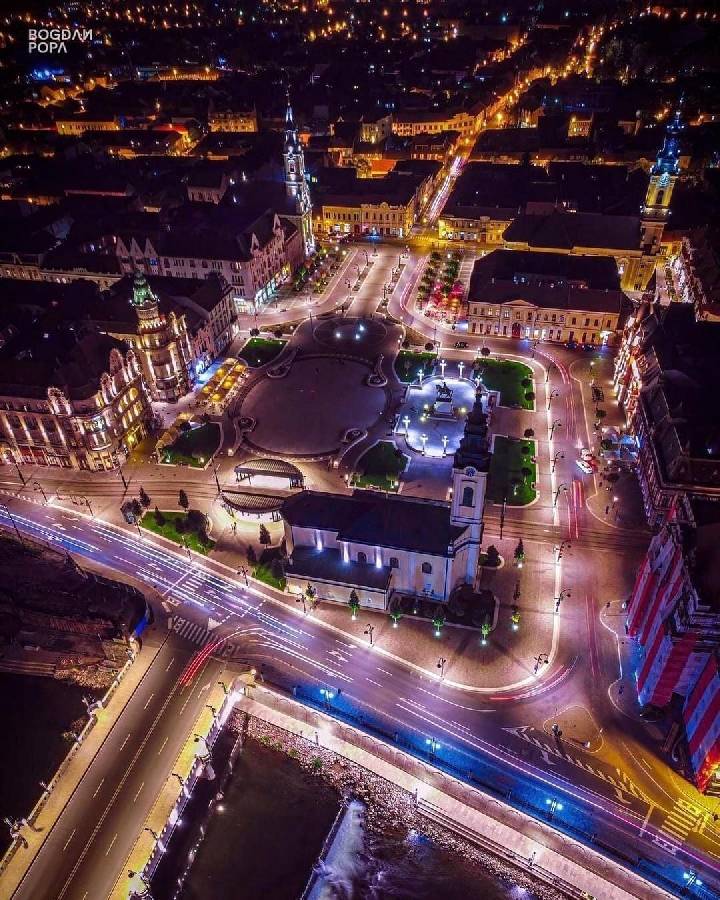
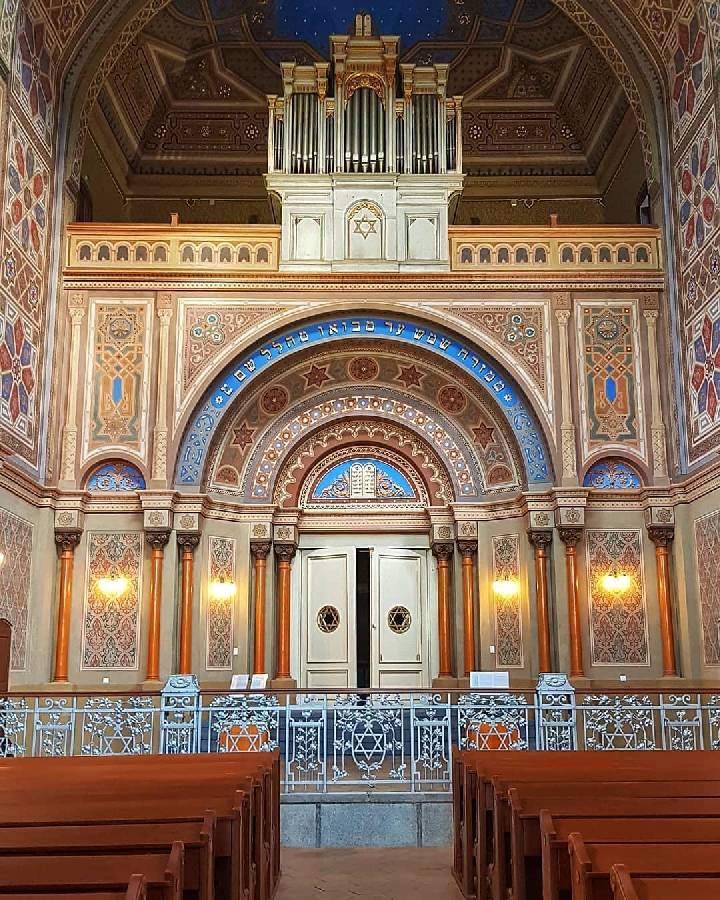
(27 January 2026)
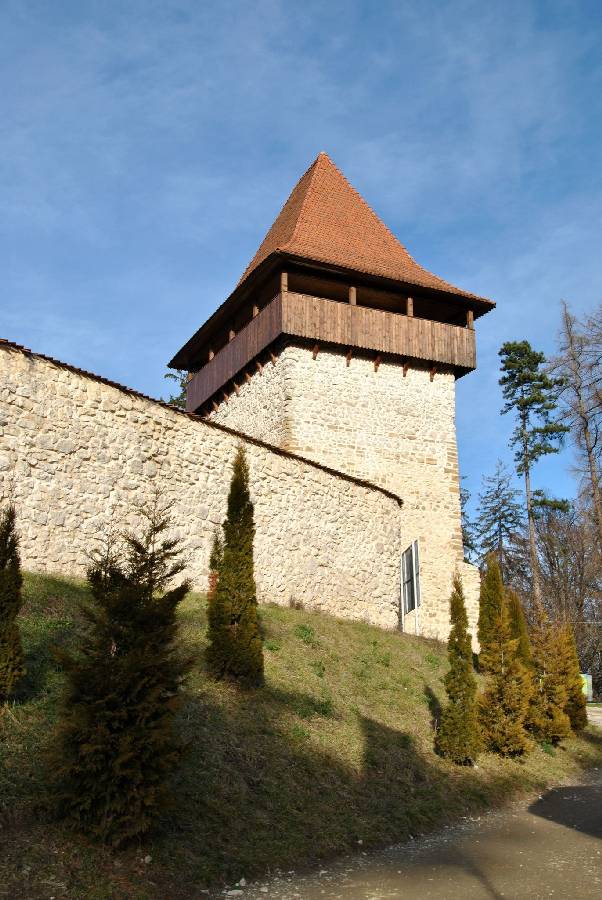
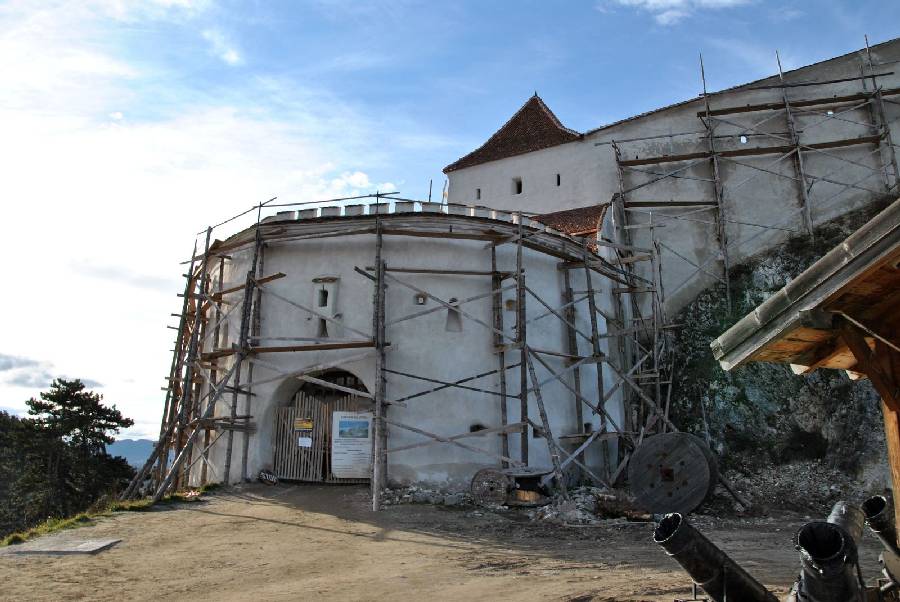
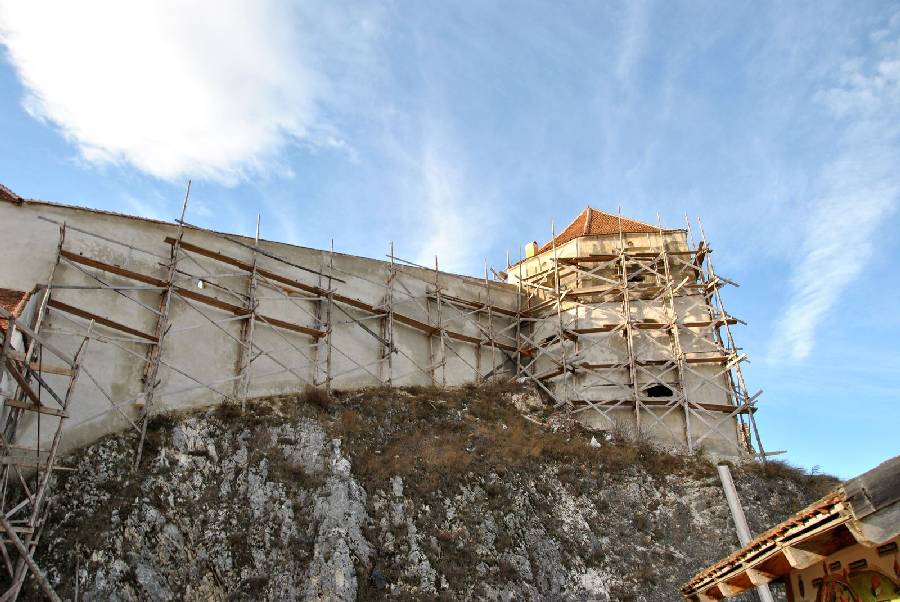
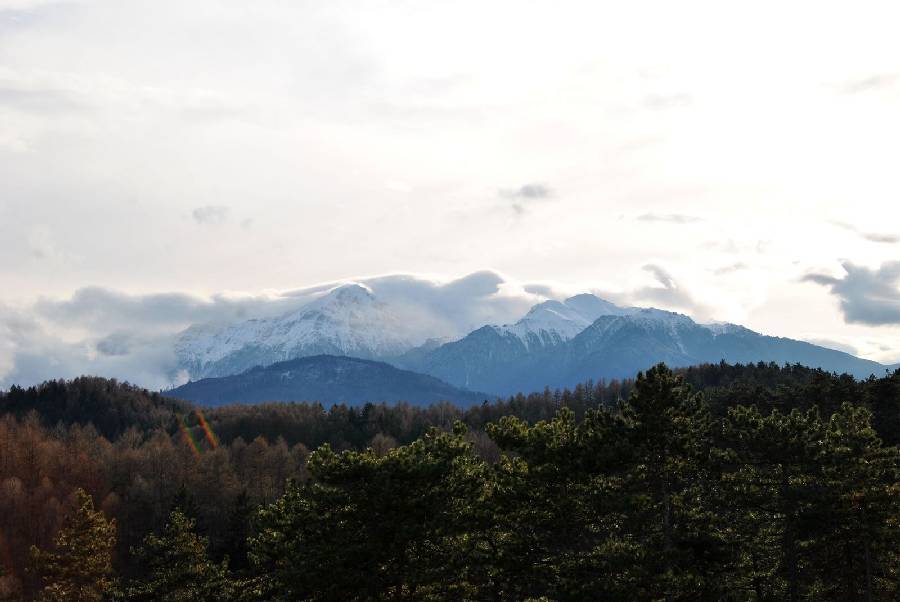
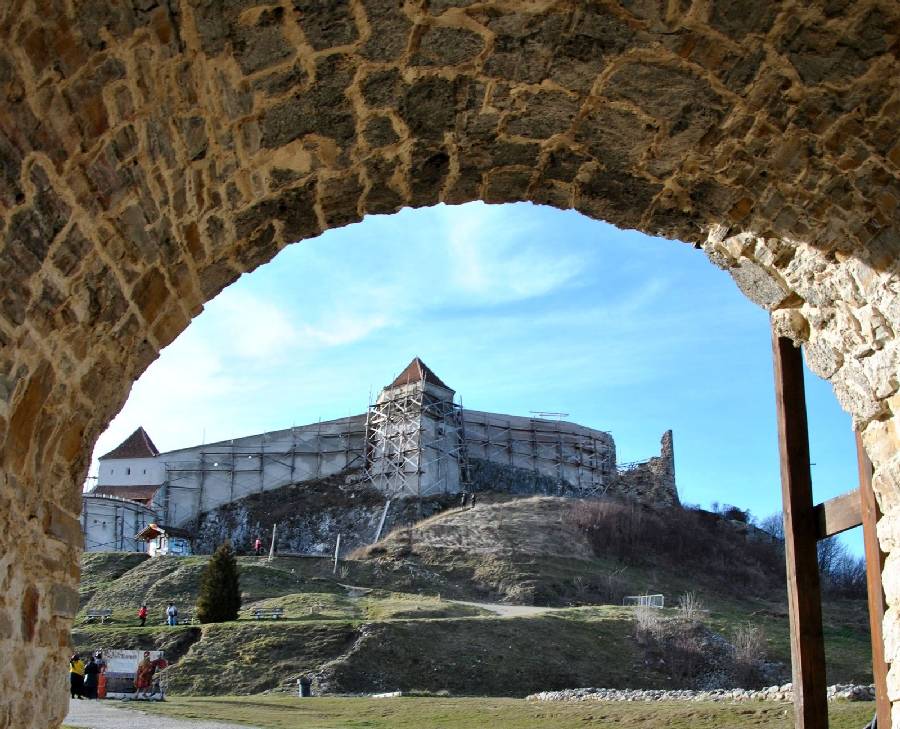
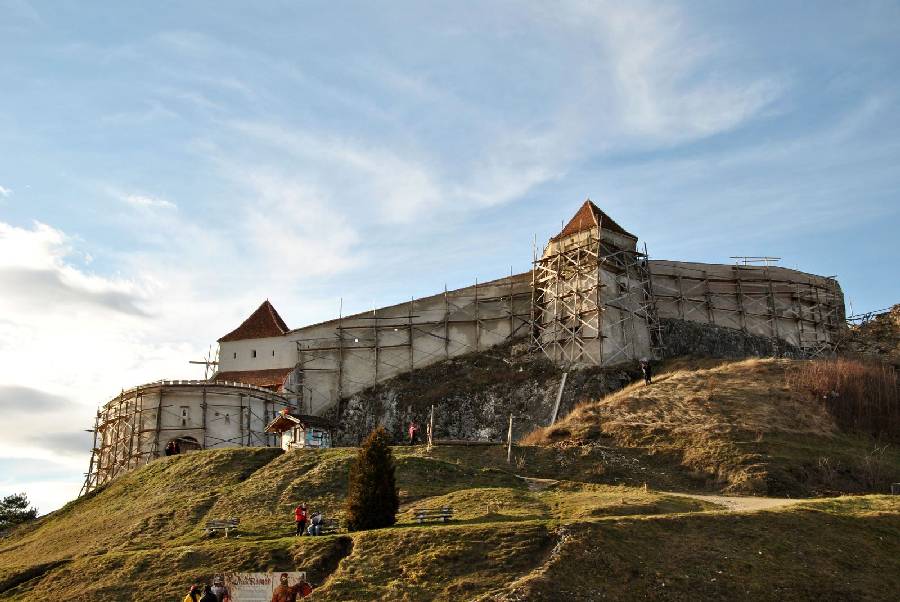
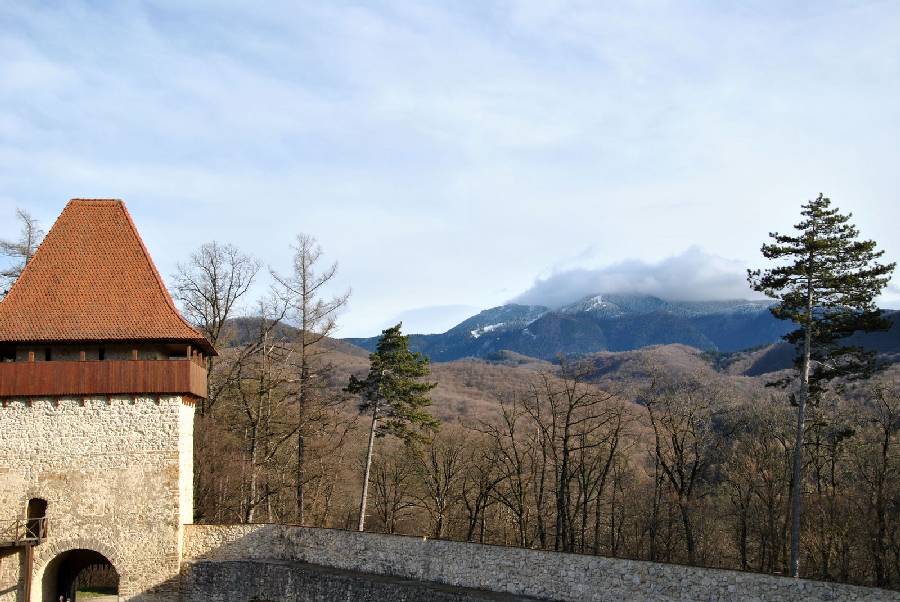
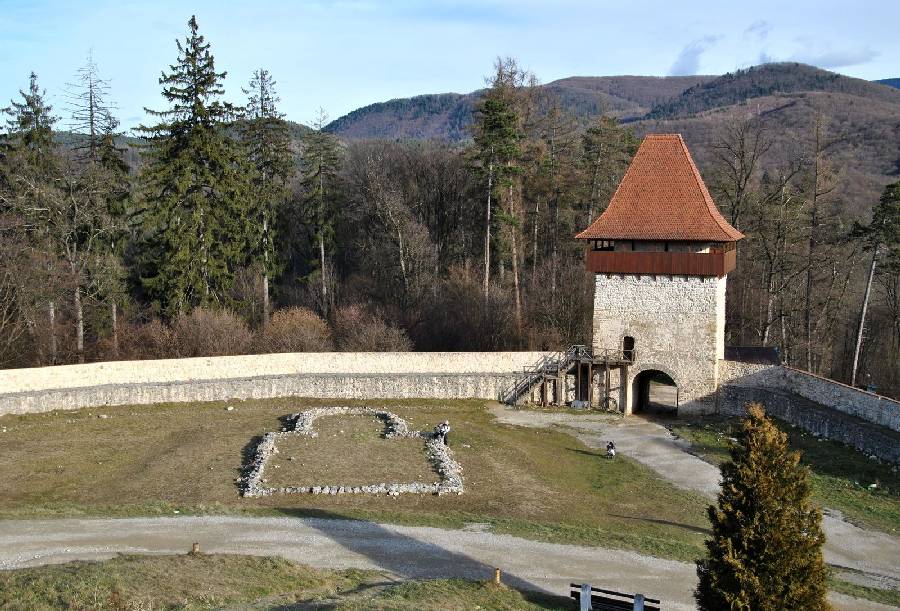
The Rasnov Fortress (German: Rosenauer Burg) is a historical monument and landmark in Romania. It is located in Rasnov (Rosenau), Brasov County, about 20 km from Brasov (Kronstadt).
Information: Currently, this fortress is (probably) still being renovated, and access to the interior is therefore not possible. The pictures are from the accessible part of the castle. However, the renovation should be completed soon.
The fortress was built as part of a defense system for the Transylvanian villages. Today’s medieval fortress was likely built between 1211 and 1225 during the rule of the Teutonic Knights in Burzenland.
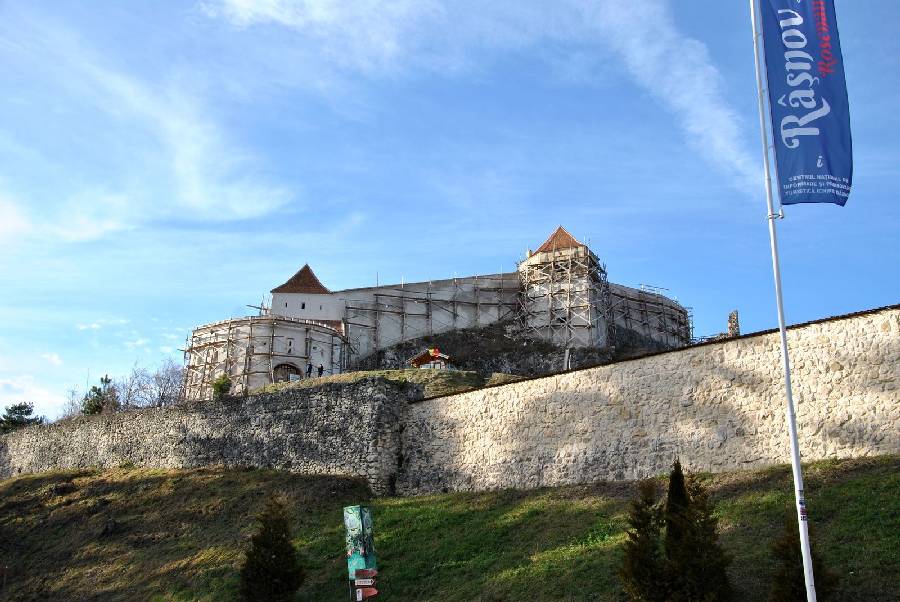
(27 January 2026)
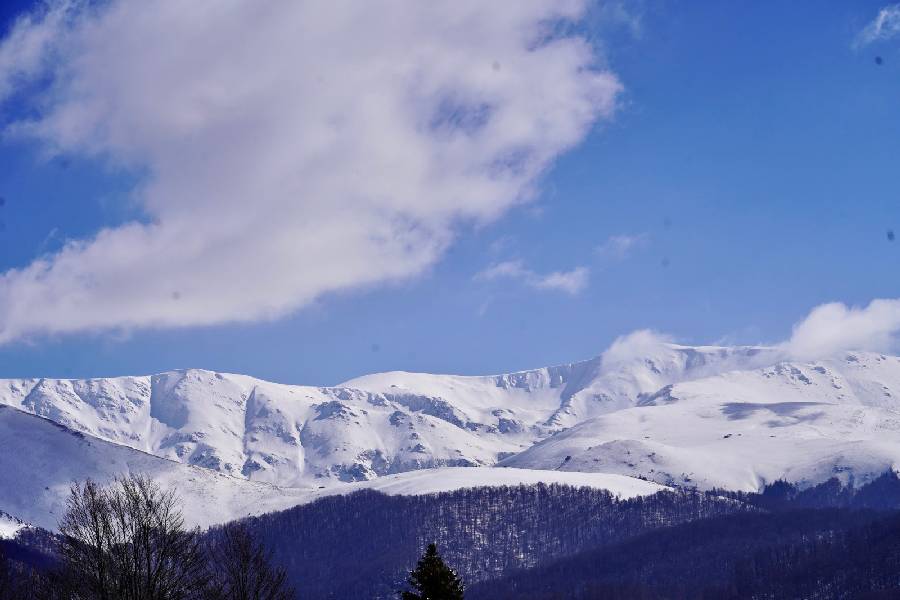
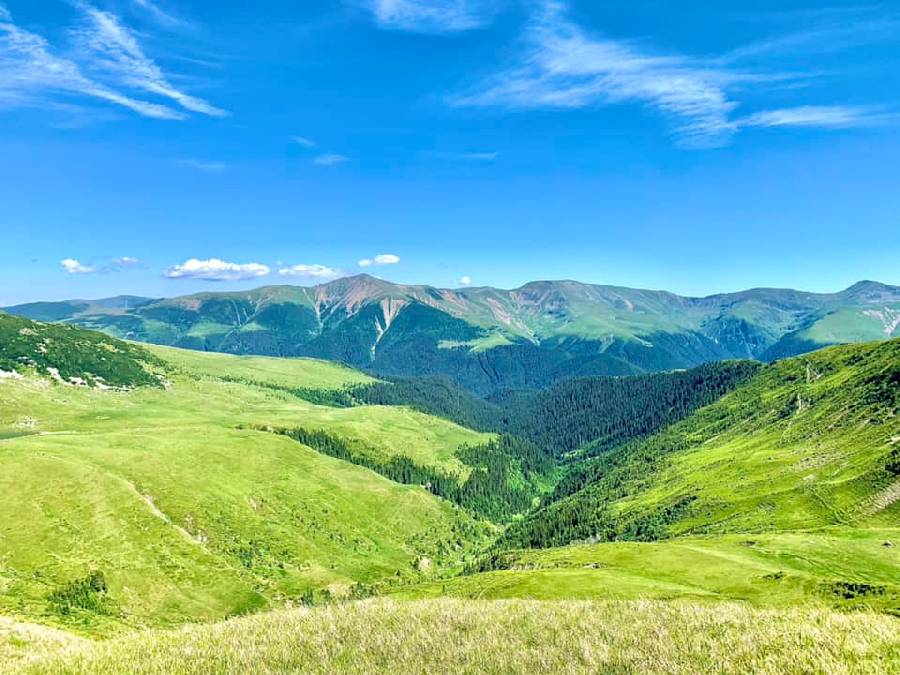
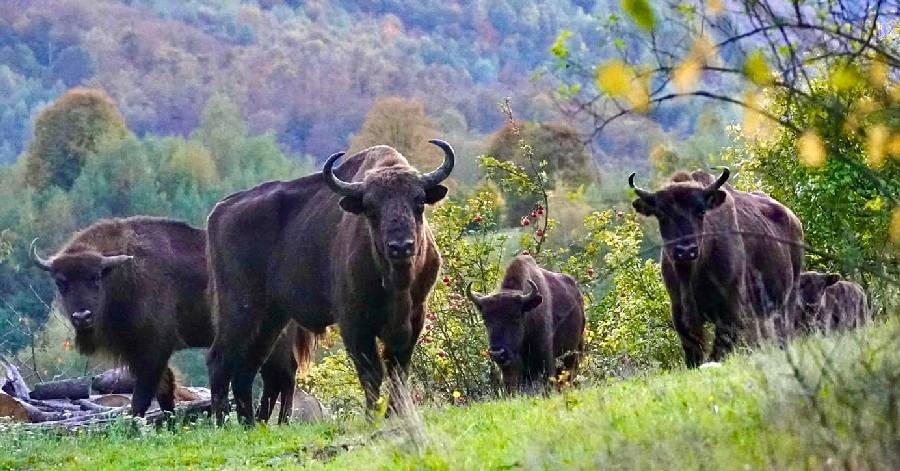
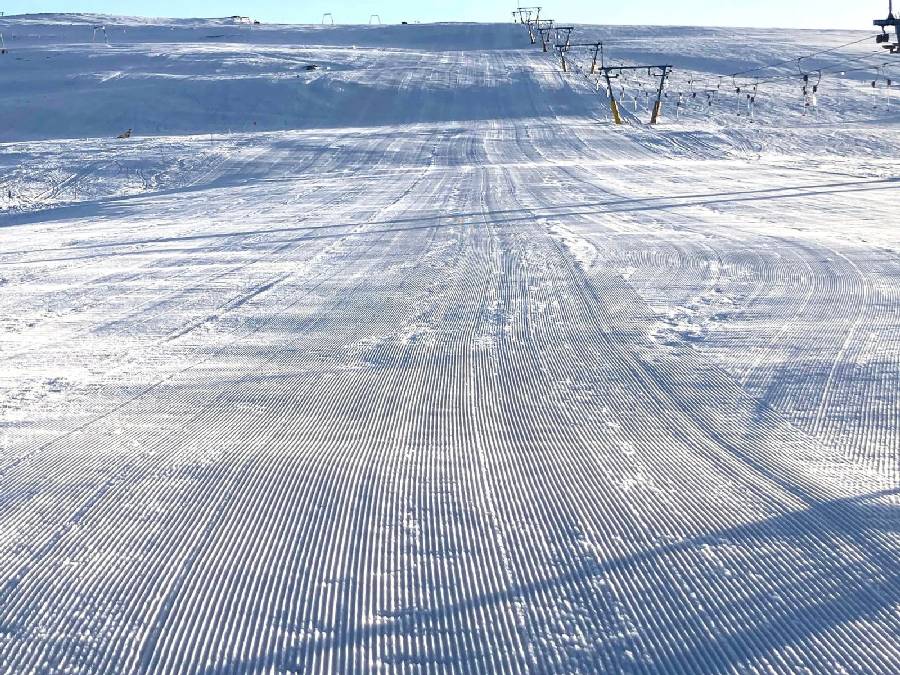
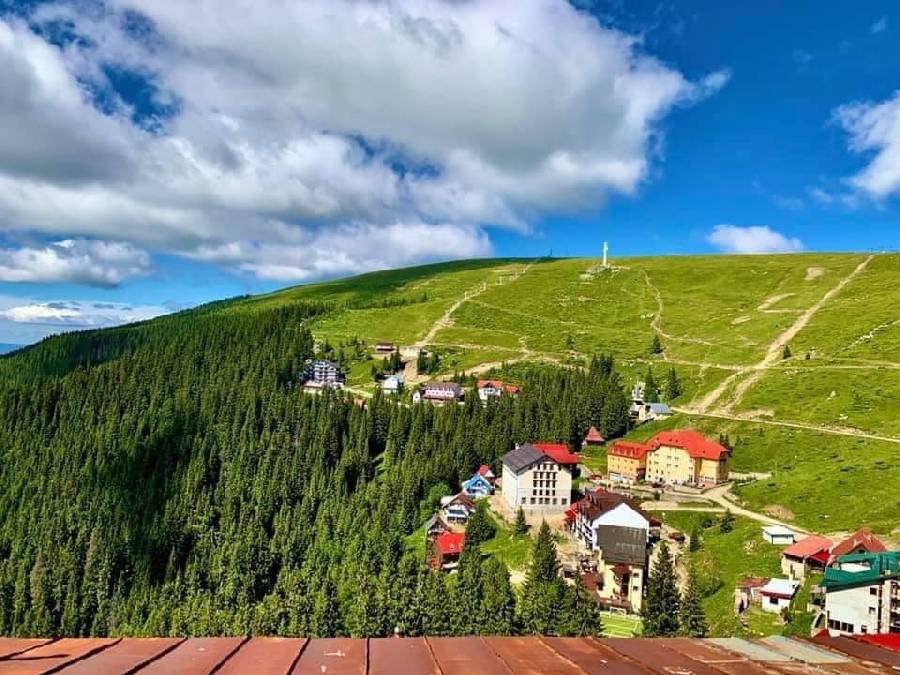
The Muntele Mic massif is a mountain group from the Retezat-Godeanu mountains, which belongs to the south of the Carpathians.
It is located between the Tarcu Mountains, the Godeanu Mountains and the Retezat Mountains. The highest peak is Mount Peak ( ) Small Mountain with a height of 1802 Mettern. It is a small but popular ski resort in Banat, 130 km from Timișoara. There are six slopes ( 6 ) with different levels of difficulty: Borlova 1, Borlova 2, Valsanu, Nordica, Isai, Felix.
Small Mountain is also popular with summer hiking and easily accessible by car.
We would like to thank Mrs Corinna Haisch Coliev for sending us the pictures / text. We would also like to thank Muntele Mic Online for permission to use the images.
(27 January 2026)
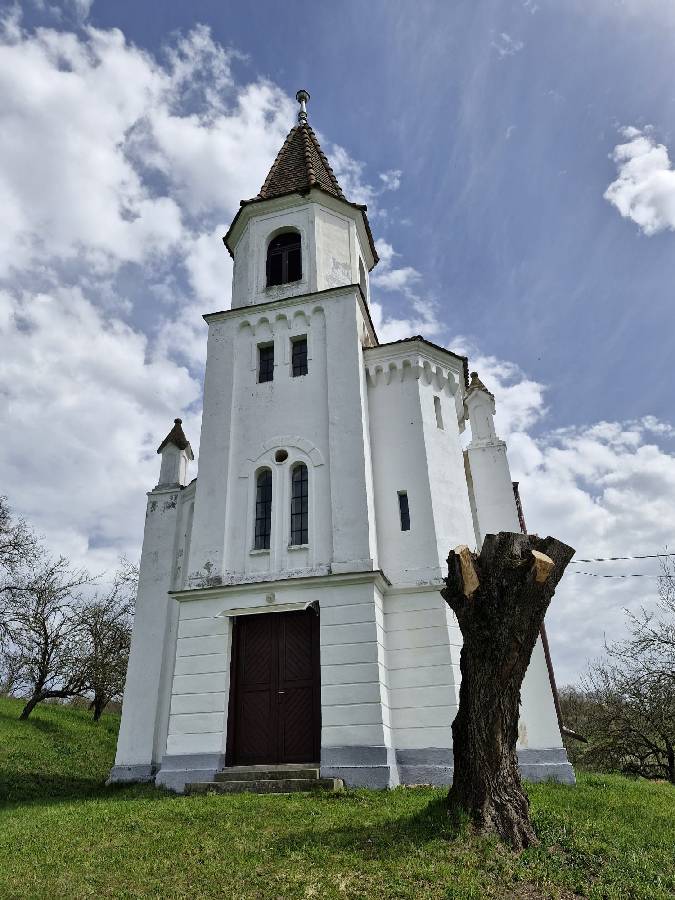
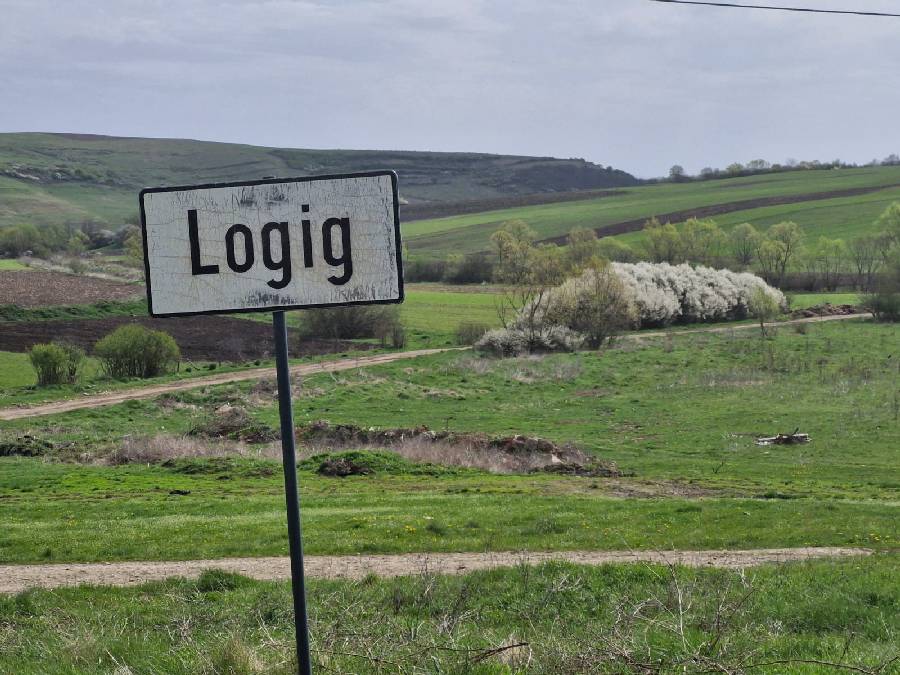
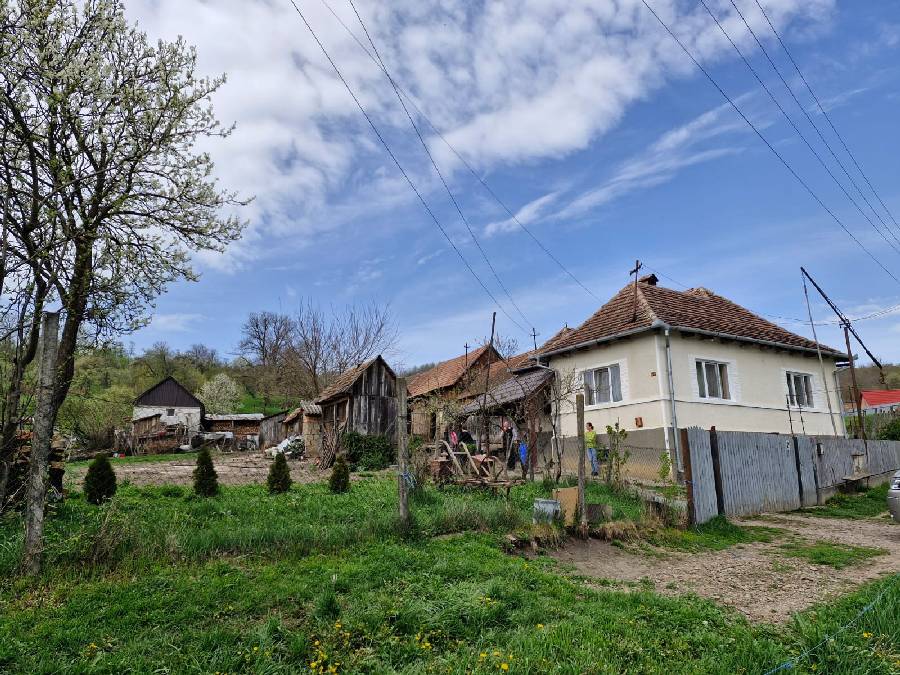
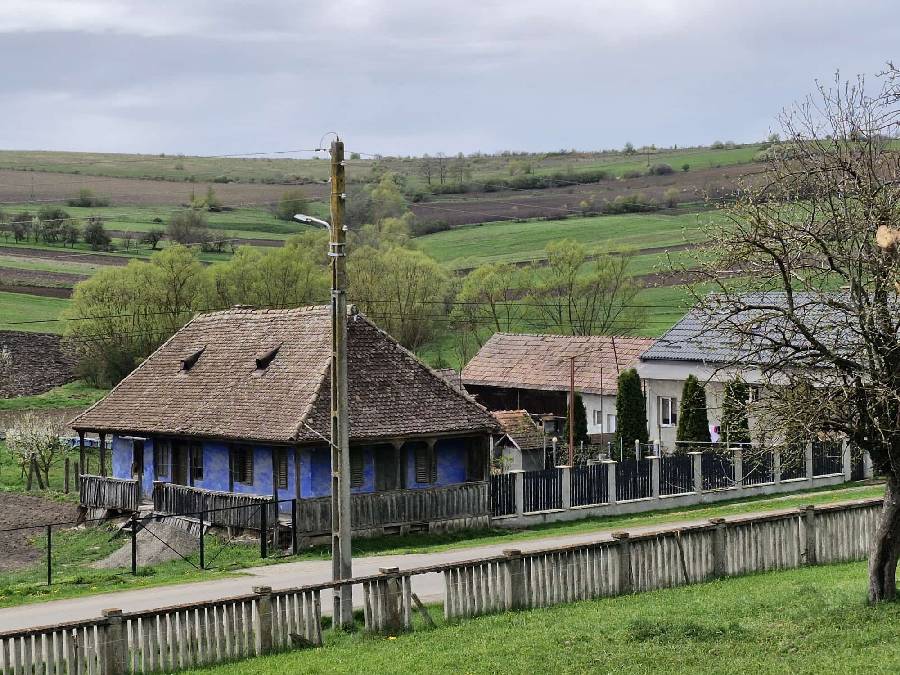
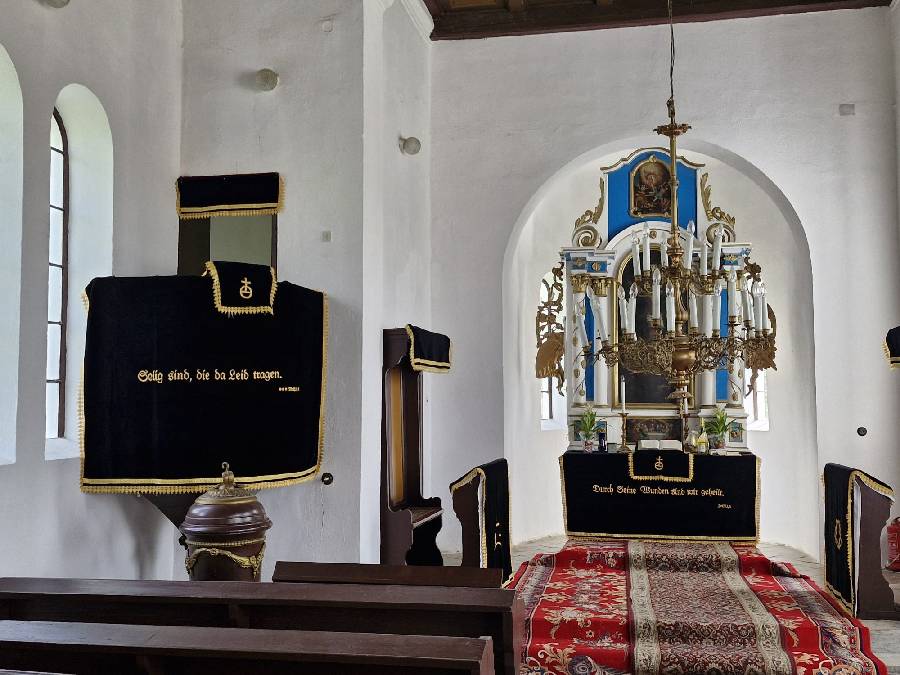
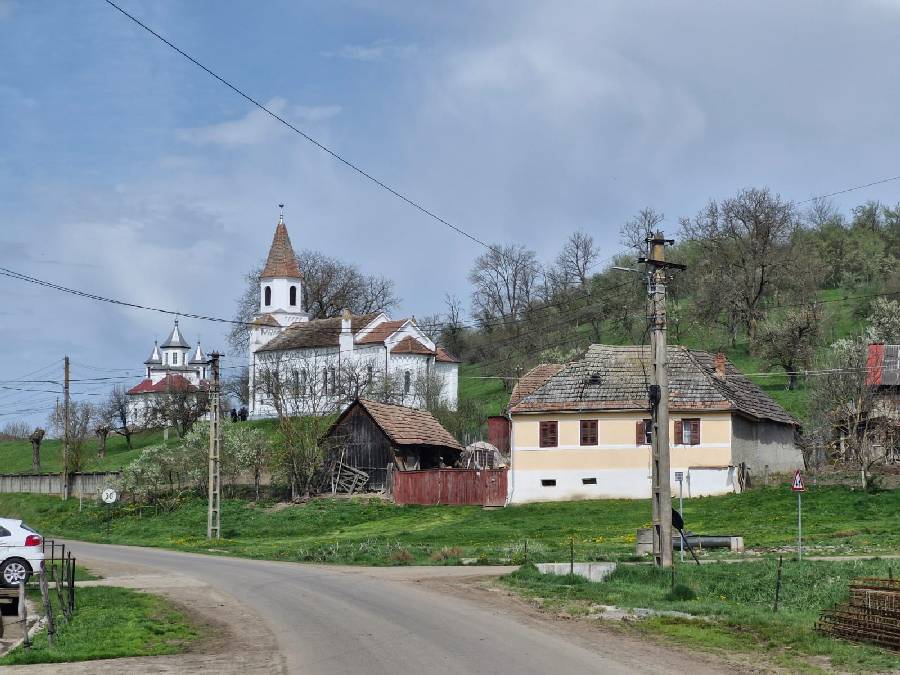
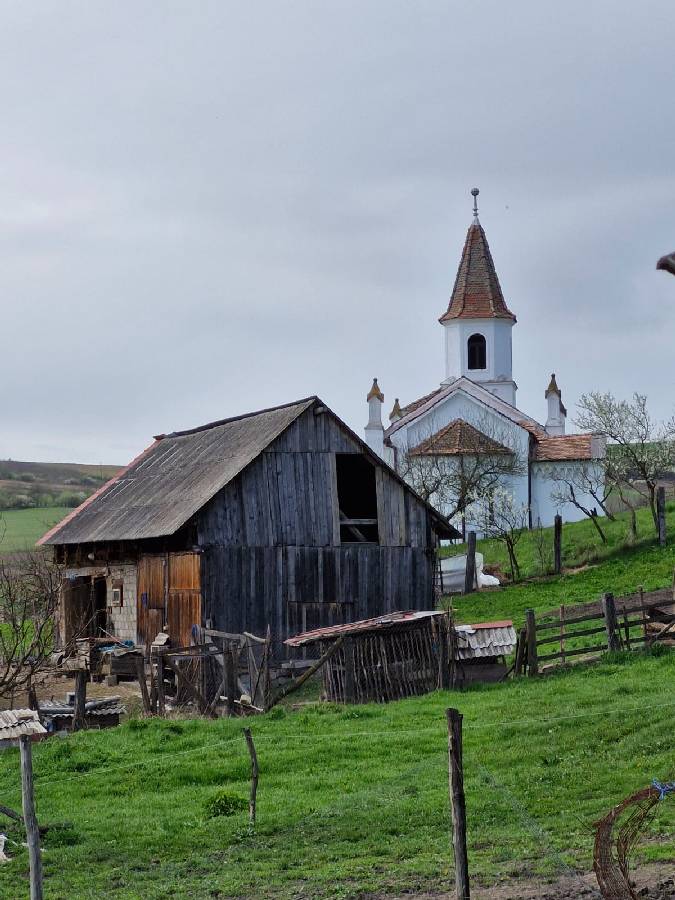
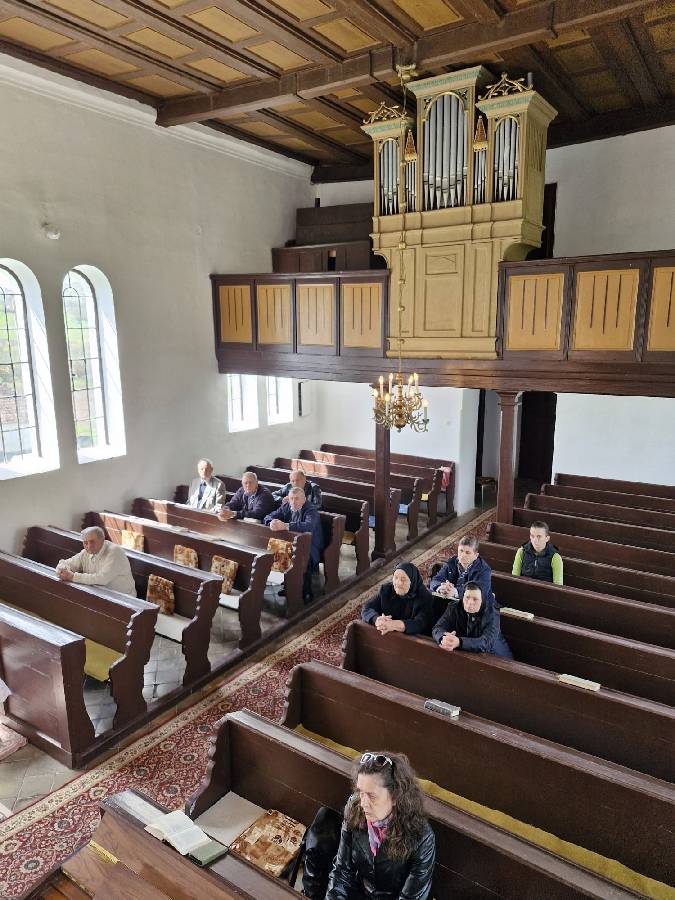
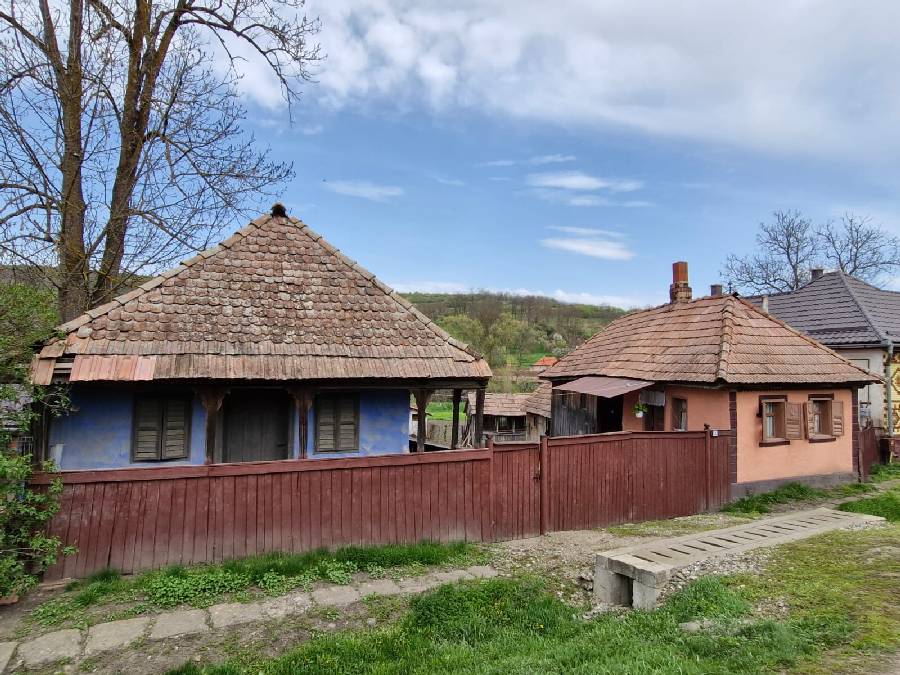
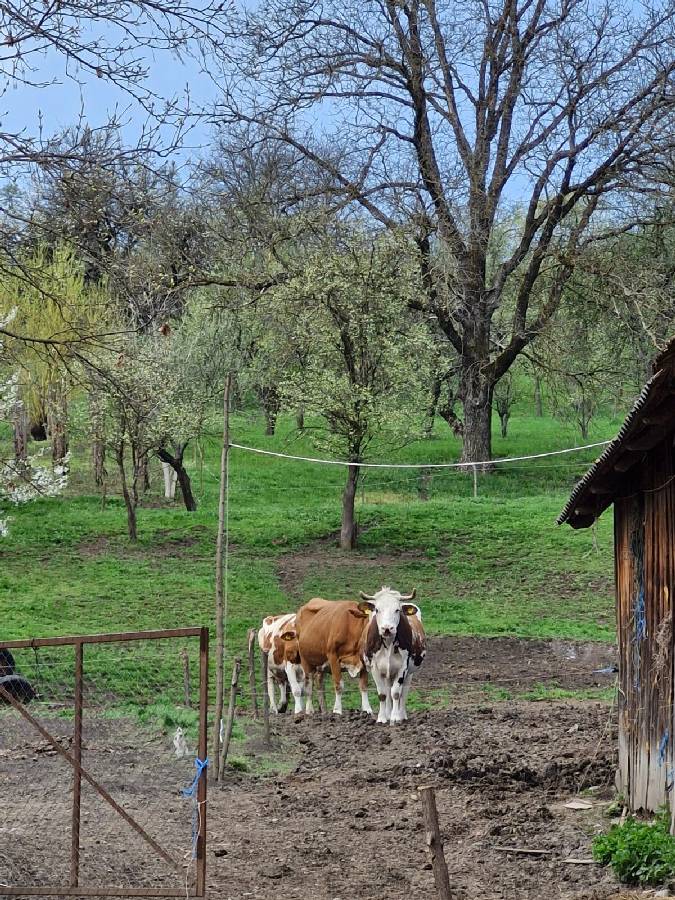
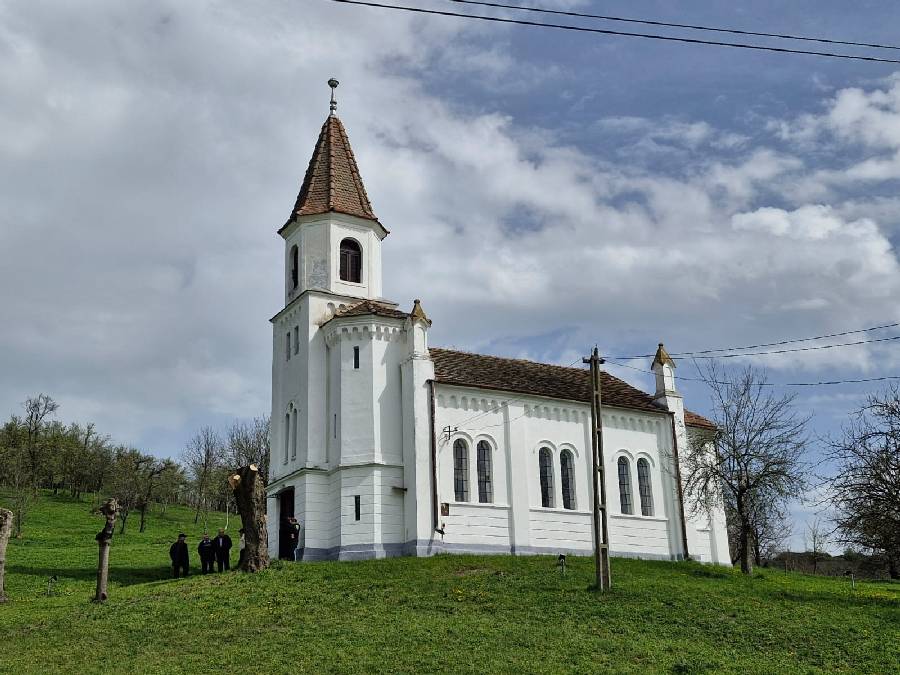
Logig village (in Romanian Logig, in Hungarian Szaszludveg) is located in Mureș County, in northern Transylvania.
This small village, situated in a side valley on the route from Reghin to Bistrița, is home to Romanians, Hungarians, and Germans. In the beautiful small Evangelical church, a German-language service is held every two weeks on Sunday at 12 o’clock.
https://urlaub-in-rumänien.de | https://welcome-to-romania.com
We thank Mr. Frank Schleßmann for sending these beautiful pictures (April 15, 2025) and the corresponding text/explanation.
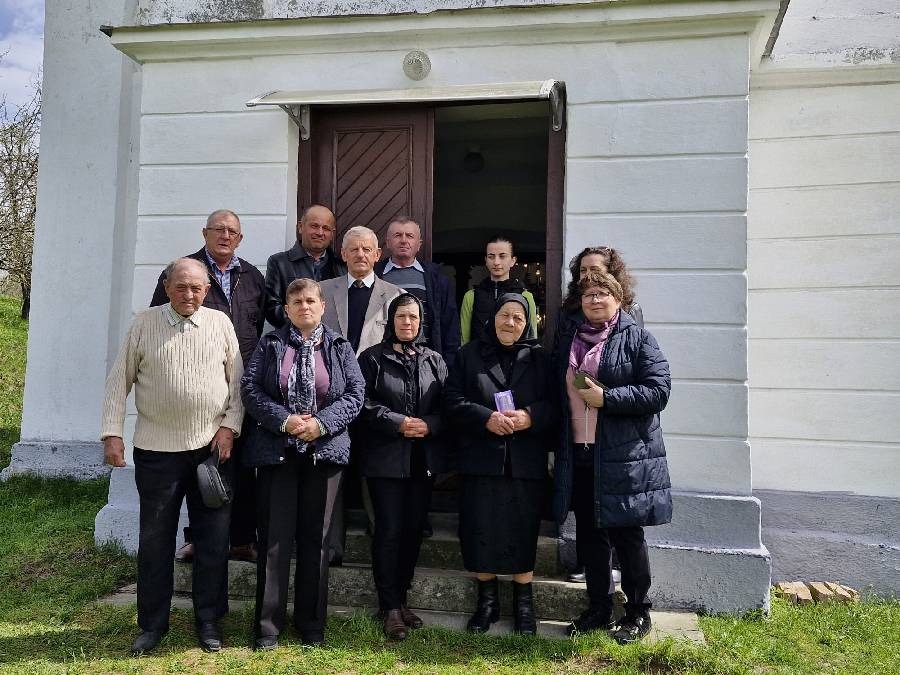
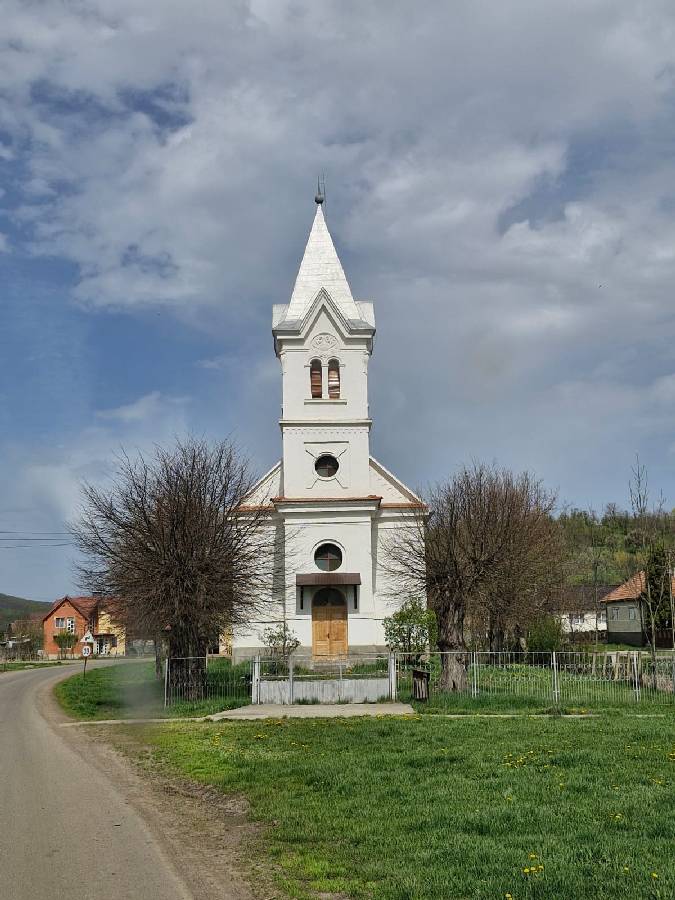
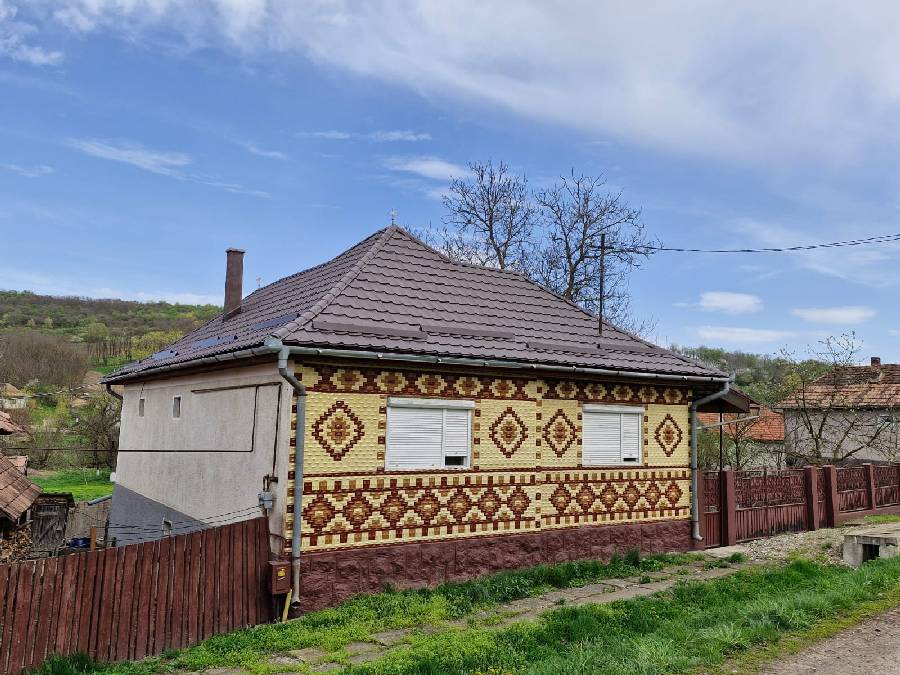
(26 January 2026)
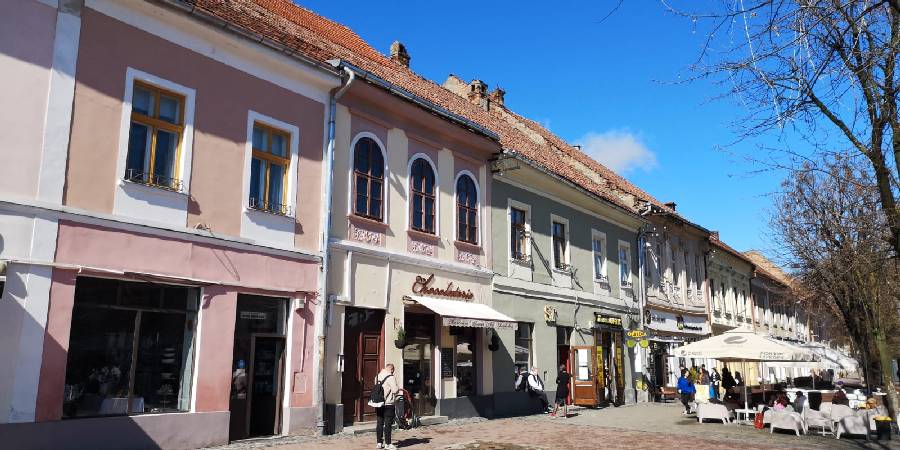
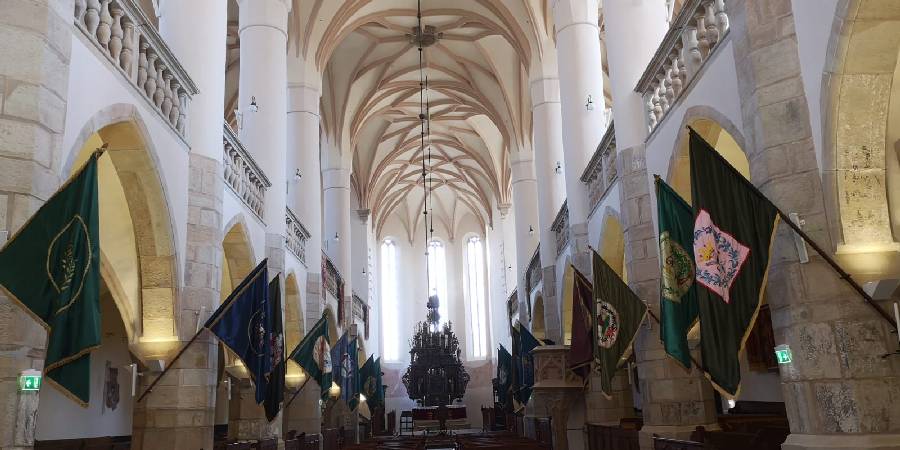
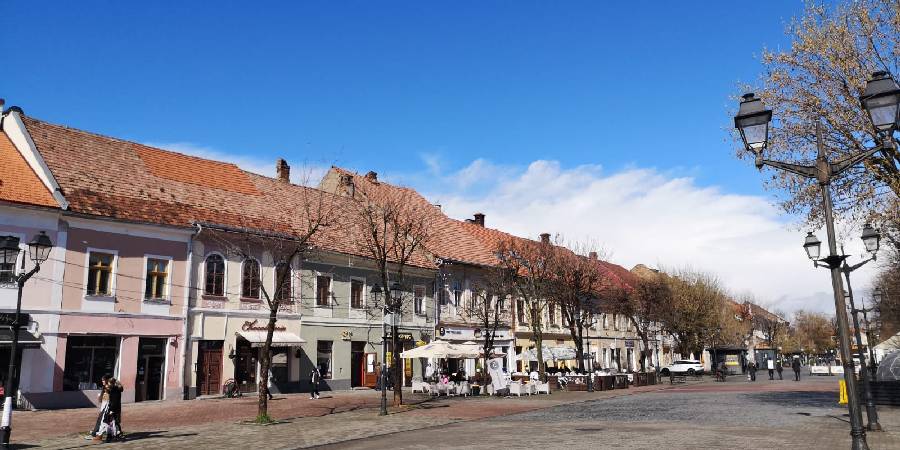
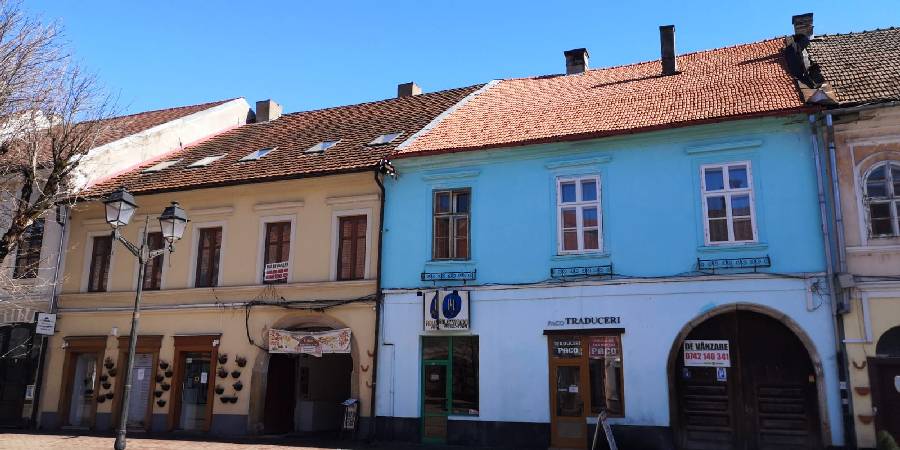
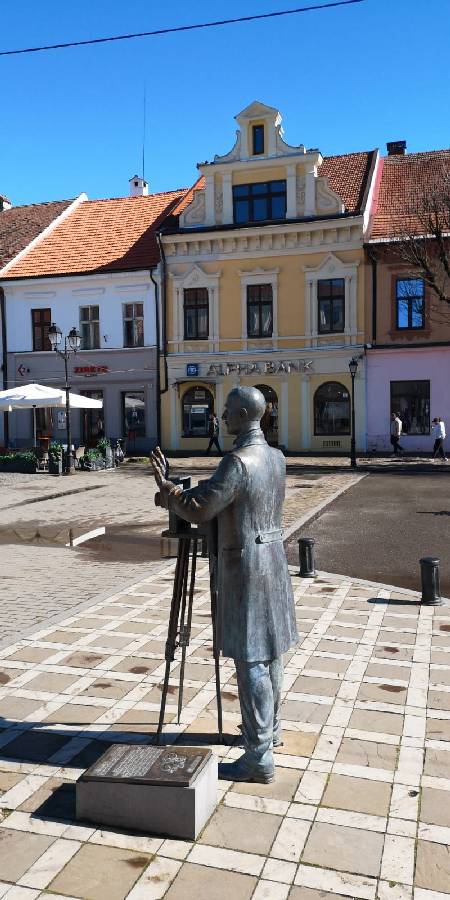
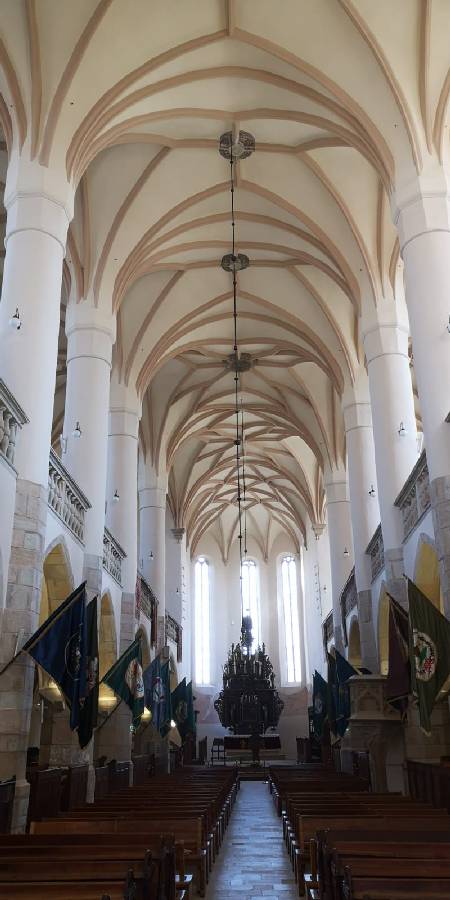
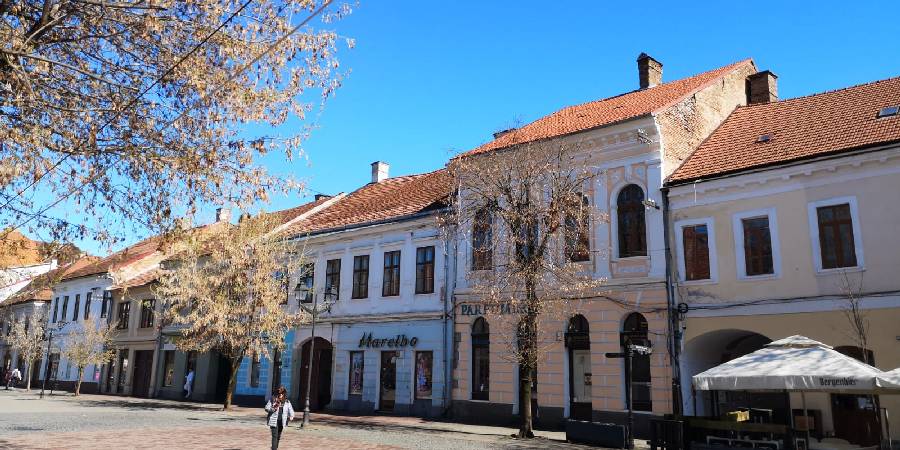
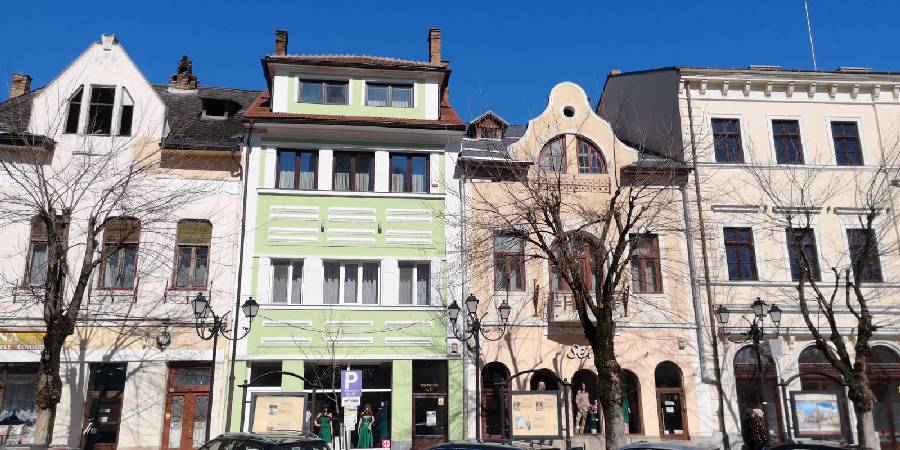
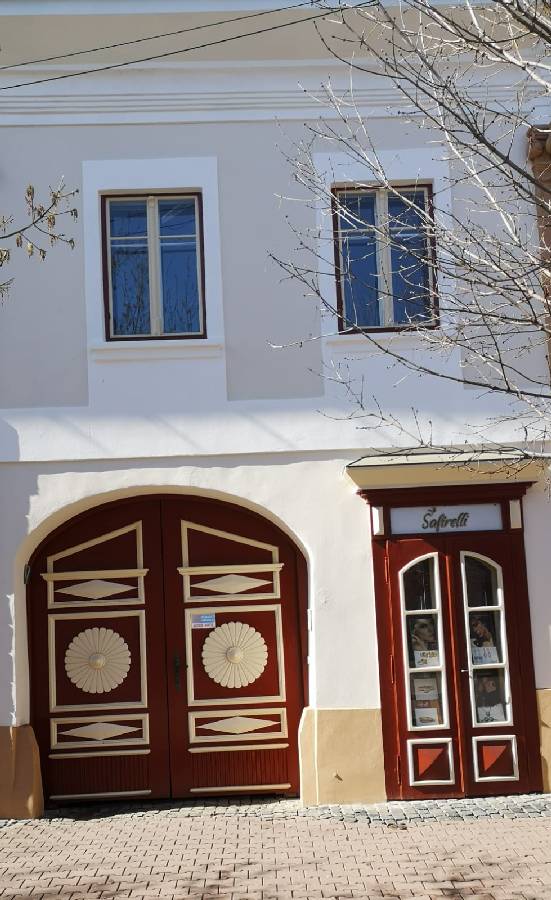
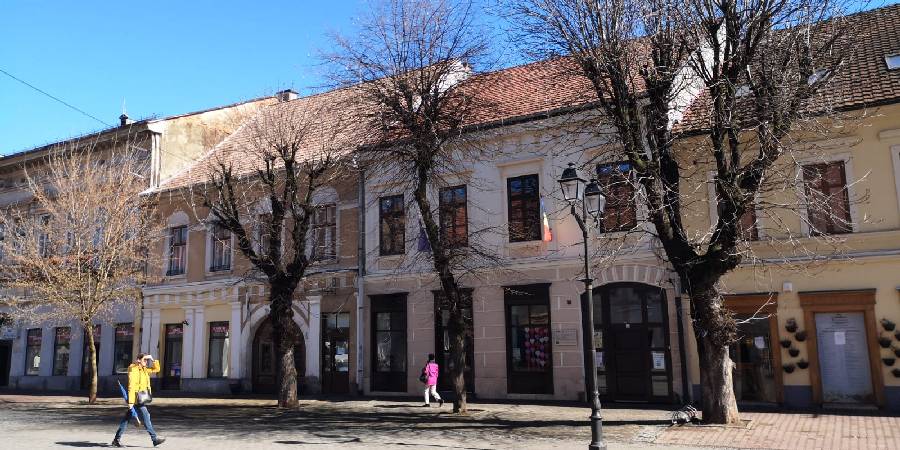
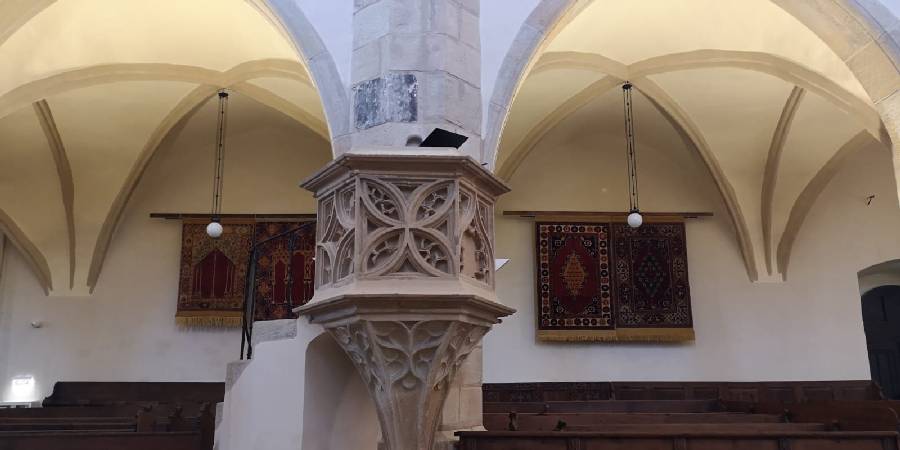
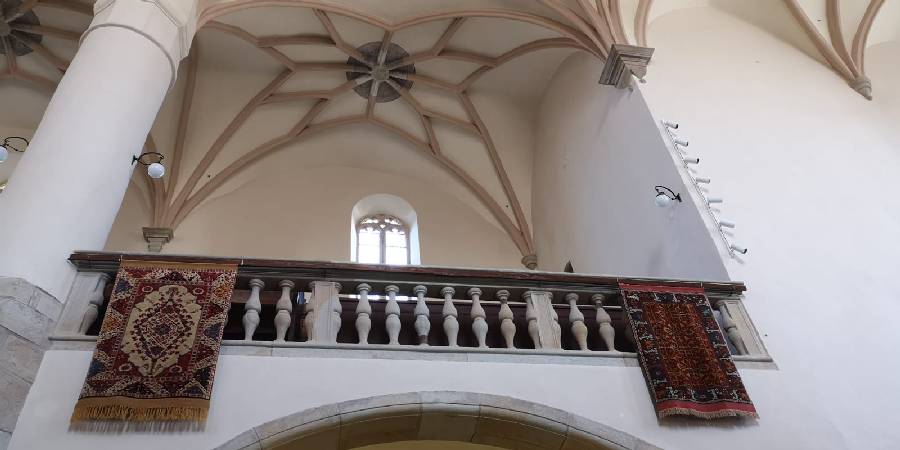
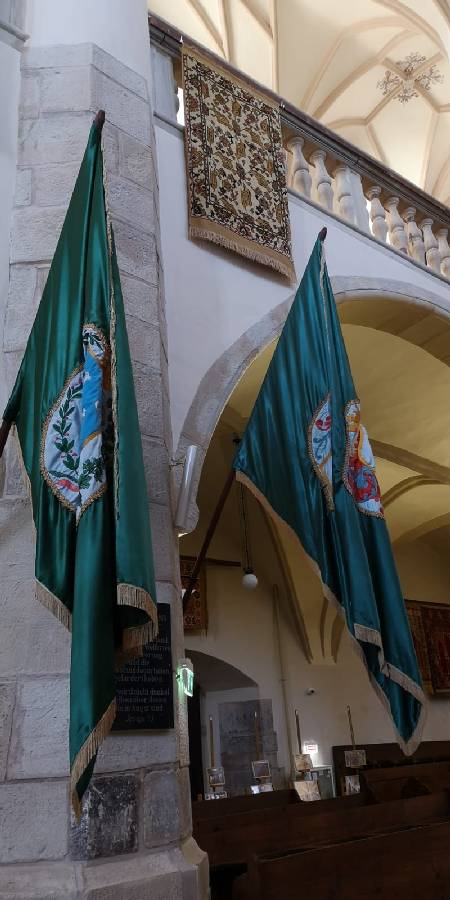
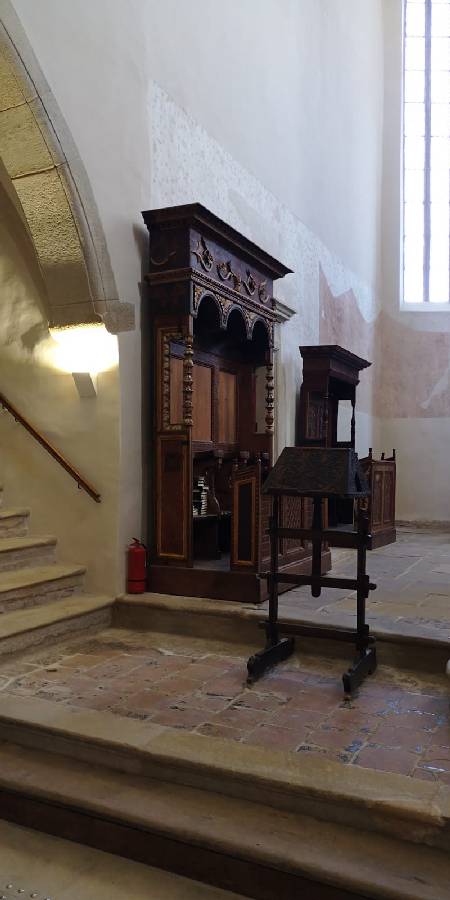
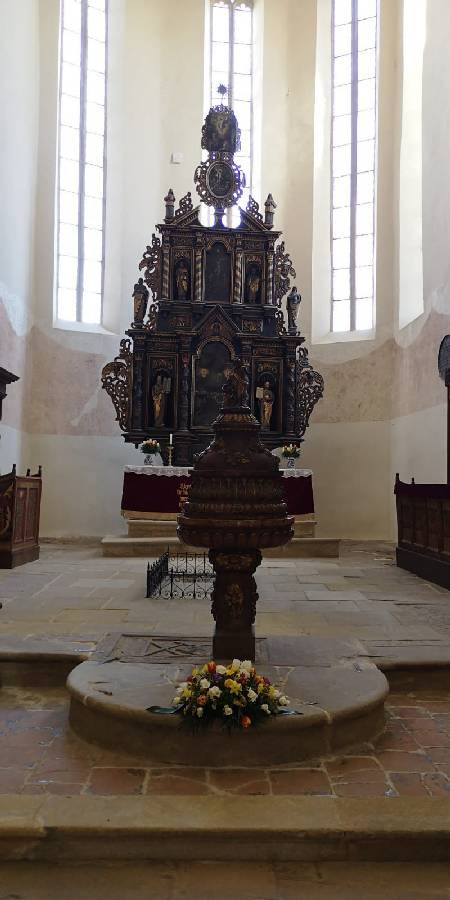
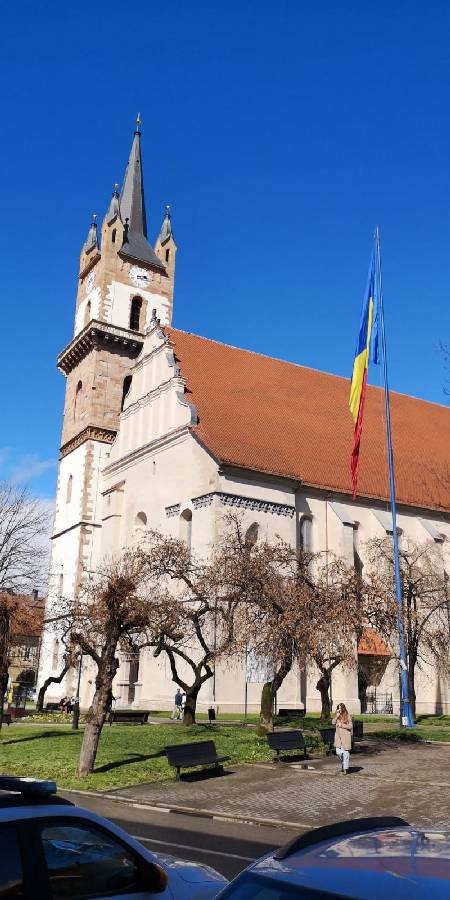
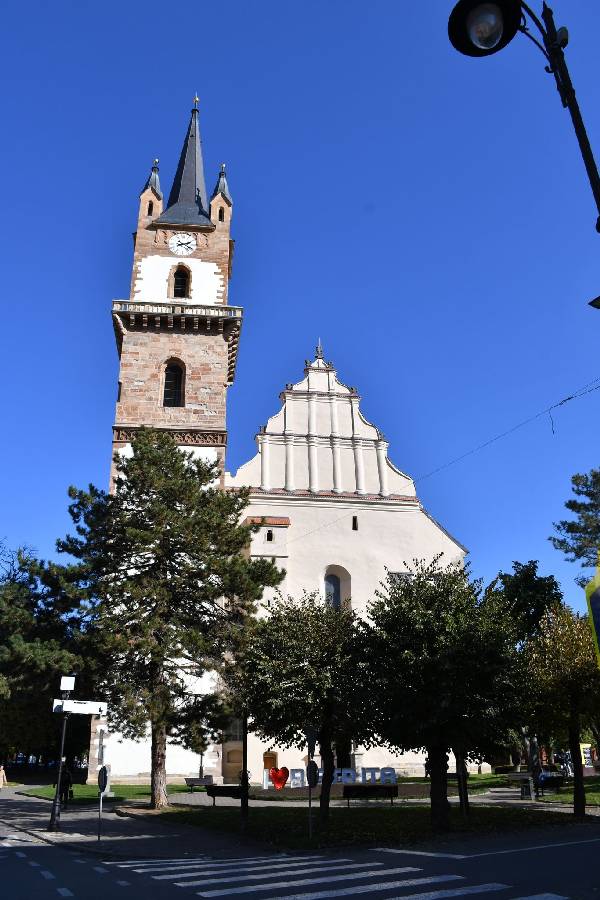
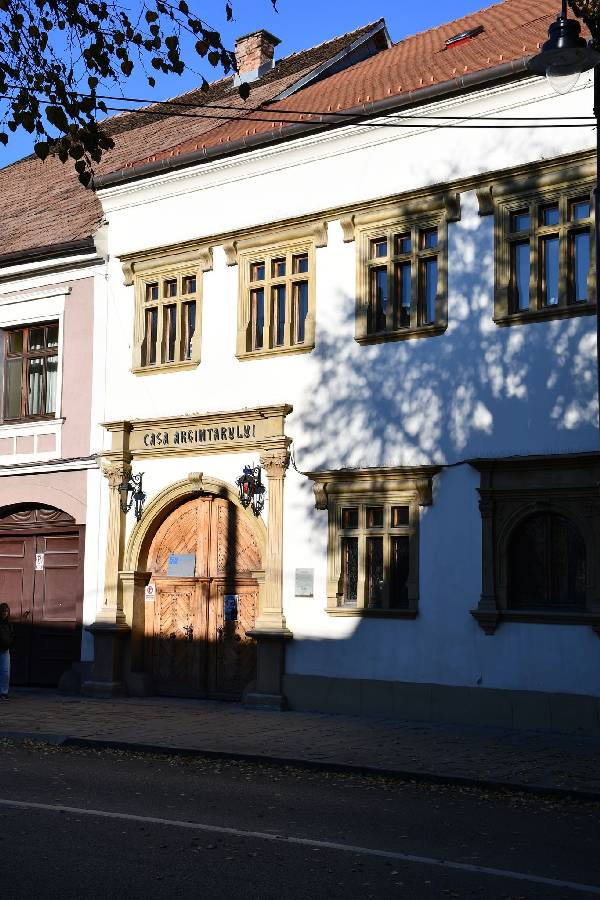
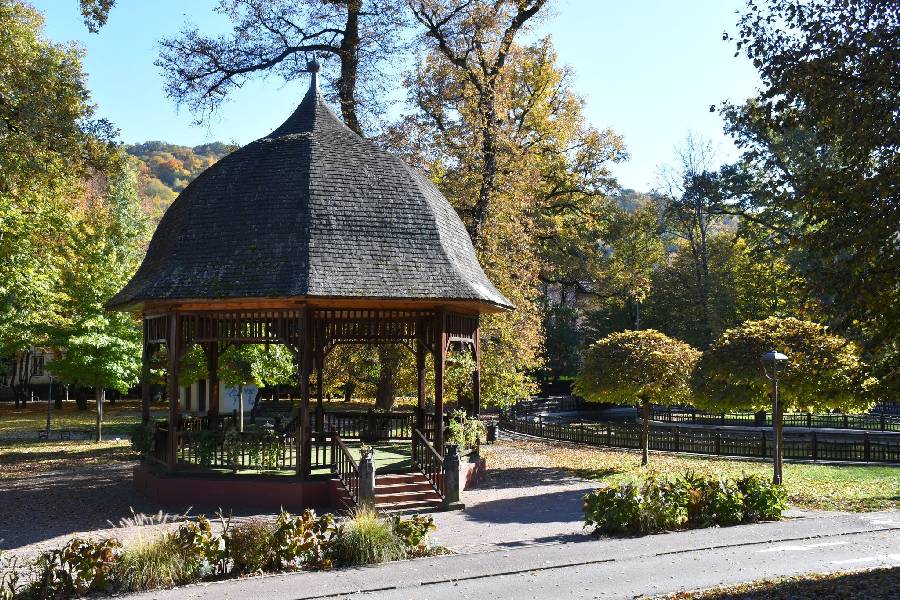
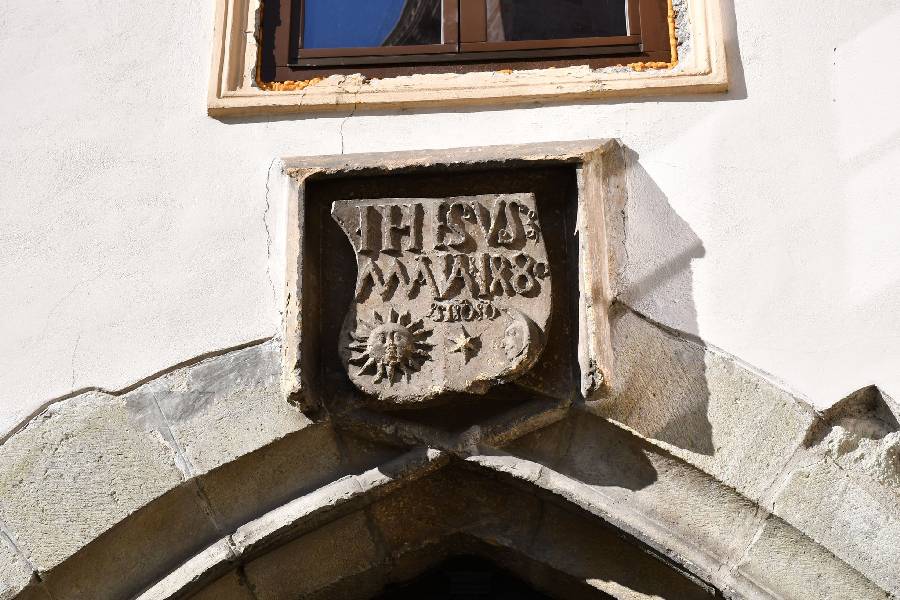
Bistritz, Romanian Bistrita, Hungarian Beszterce, in the county of Bistrita-Nasaud, in the north of Transylvania, is the capital of the so-called Nösnerland.
The town’s landmark is the Protestant parish church with the highest church tower in Romania (75 m). The church was badly damaged in a major fire in 2008. The extensive restoration and renovation work was completed this year. From the tower of the parish church, which can be reached by elevator, you have a fantastic view over the town and the surrounding mountains.
We would like to thank Mr. Frank Schleßmann for sending us these wonderful pictures and the corresponding text/explanation.
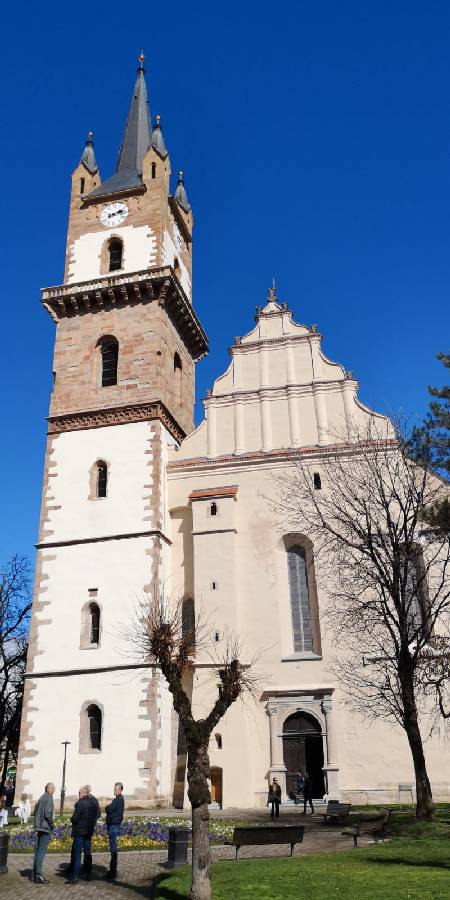
(26 January 2026)
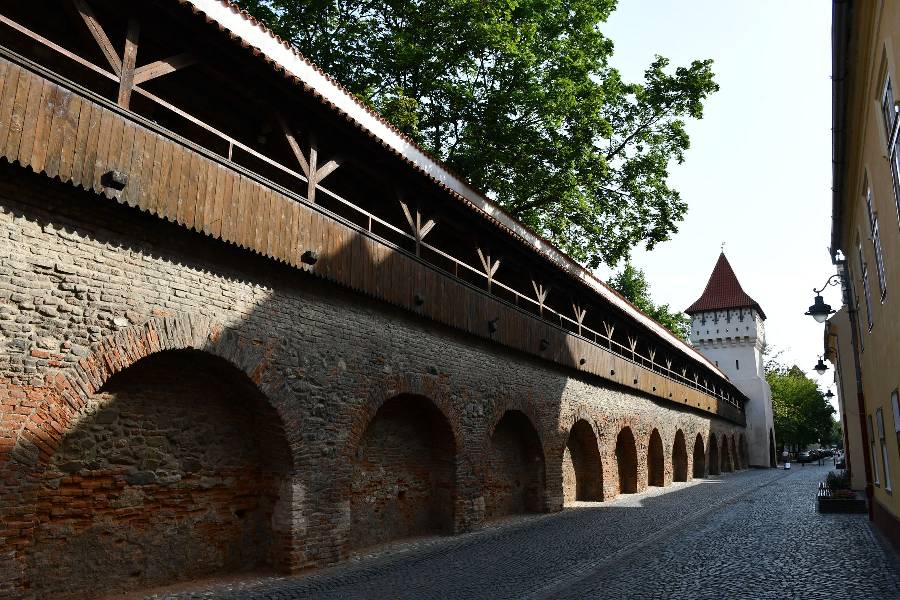
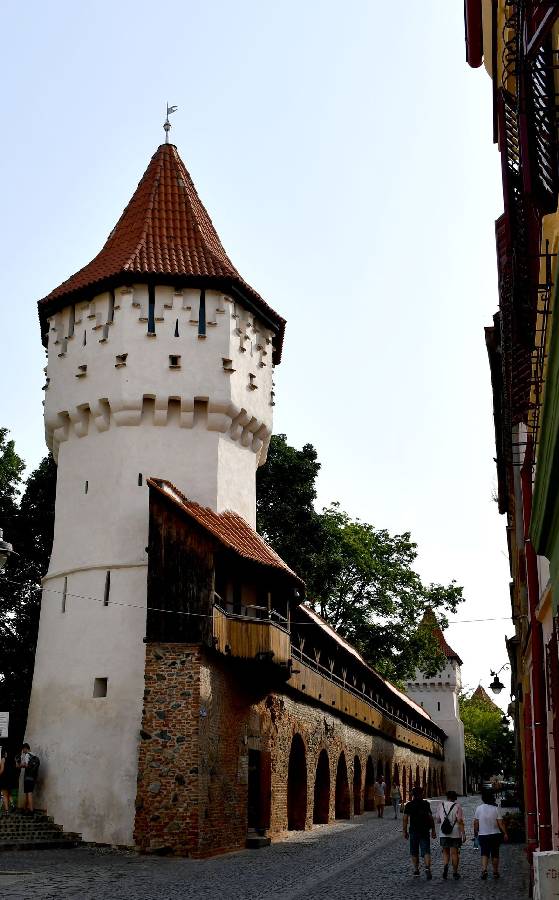
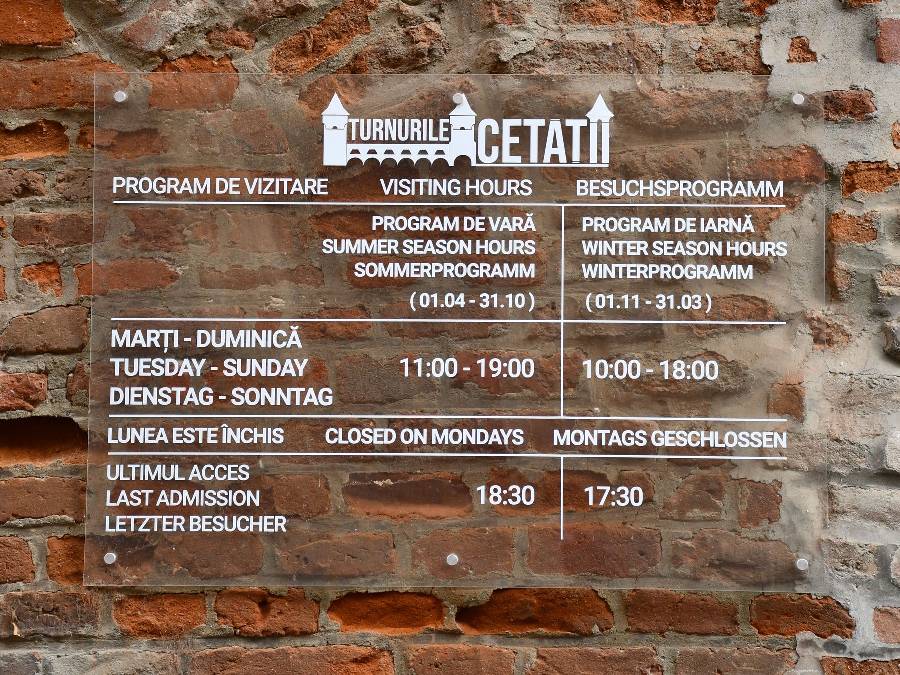
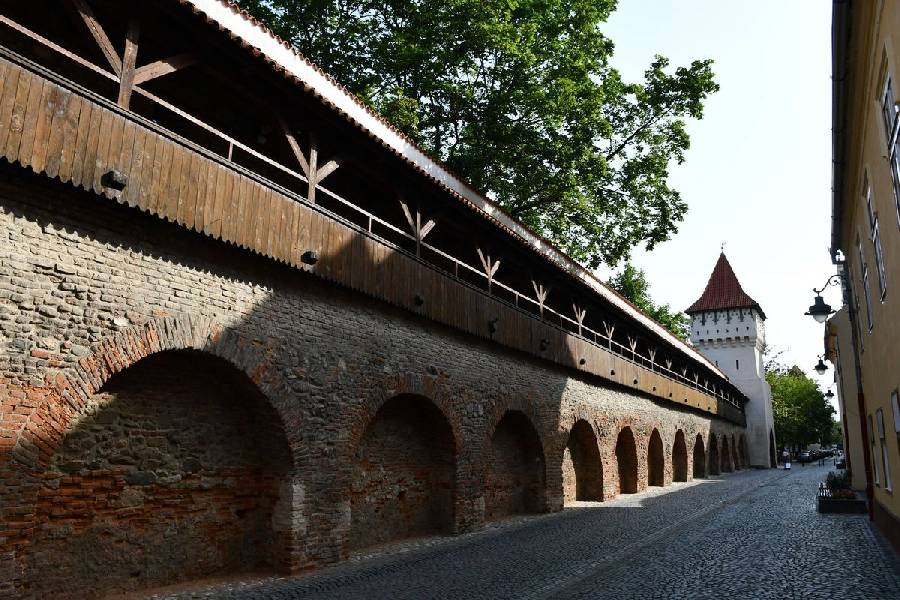
The Carpenters’ Tower in Sibiu (German: Zimmermannsturm) was built in the 14th century by the Saxon carpenters’ guild in Sibiu. The tower was part of the city’s third fortification belt and is today the left tower of the preserved defensive and fortress wall. It is located on Citadel Street (Harteneckgasse, named after Mayor Johann Sachs von Harteneck).
The Potters’ Tower (Romanian: Turnul Olarilor) was built in the 15th century by the Saxon potters’ guild. It was also part of the city’s third fortification belt and is located to the right of the preserved defensive and fortress wall.
(26 January 2026)
The Tineretului Park is located in the heart of the city of Hunedoara and is home to the Catedrala (Cathedral) Eroilor.
We thank Go Hunedoara for the permission to use these pictures (spring).
(26 January 2026)
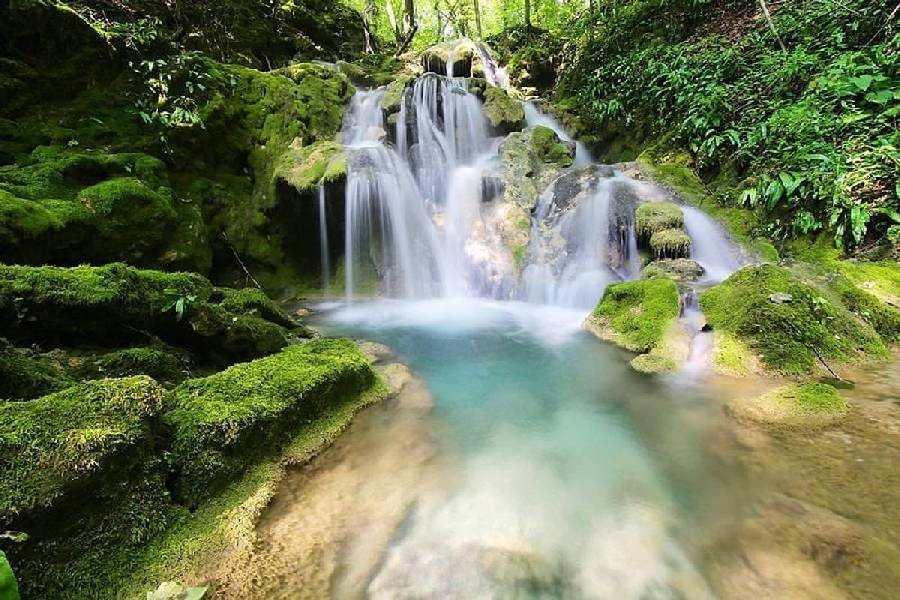
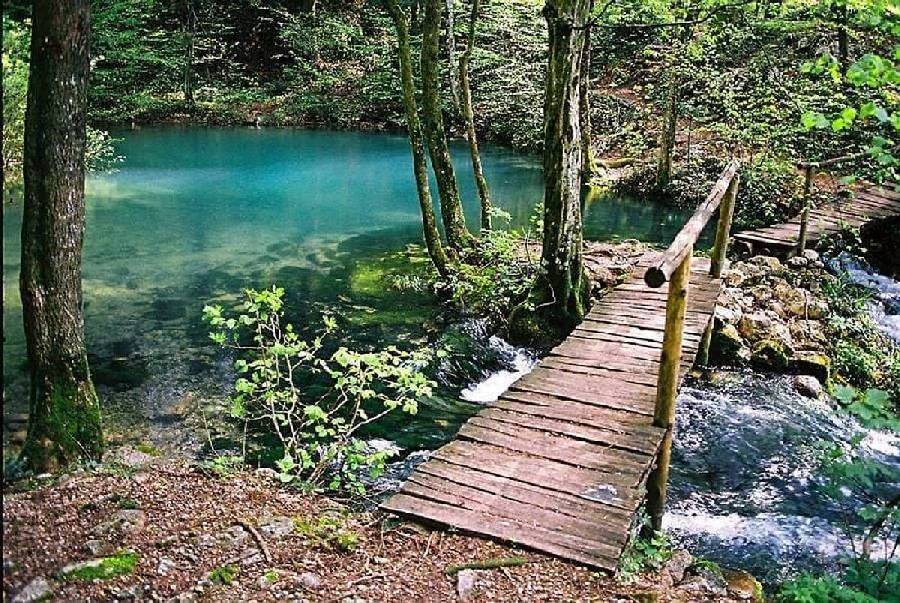
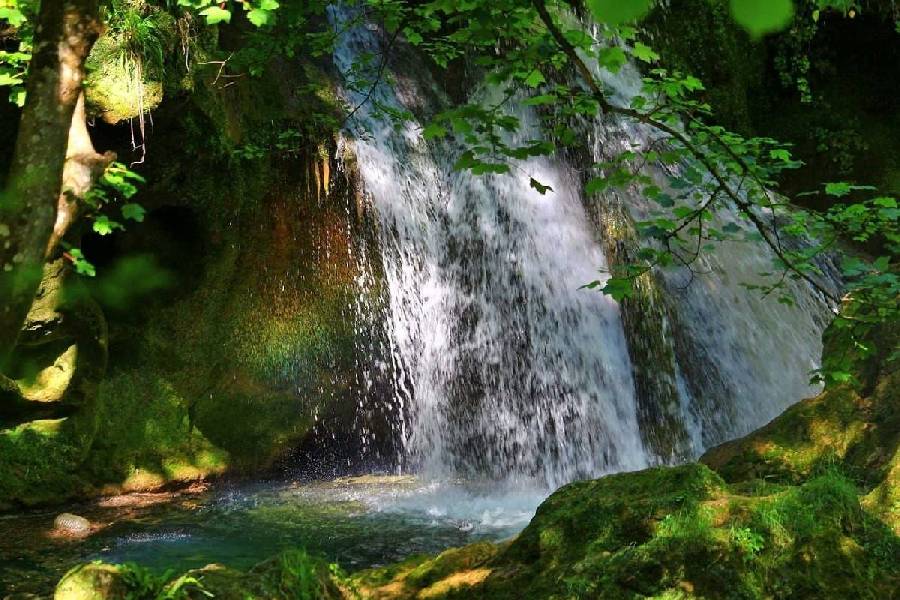
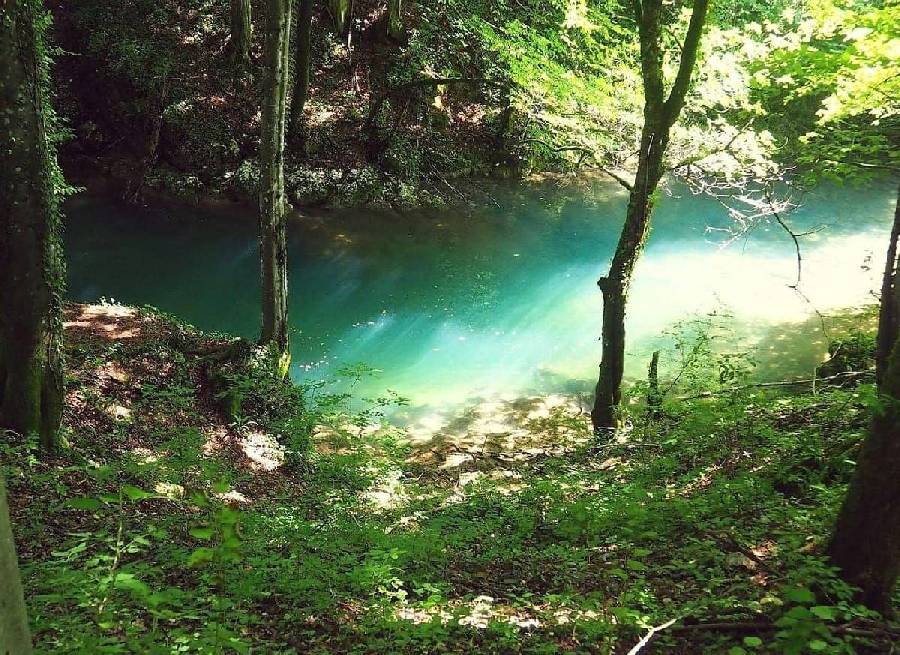
Lake Ochiul Beiului (The Eye of the Bei) is located in the Cheile Nerei-Beusnița National Park in the southwest of Romania (County: Caras-Severin), near the border with Serbia and the villages of Deutsch-Orawitz (Oravita) and Steierdorf (to the west and east, respectively).
It has a depth of up to 3.6 meters and a diameter of about 15 meters. The fairytale-like green-blue water never freezes in winter, as the lake is constantly supplied with water from a spring.
We thank Ochiu Bei for allowing us to use these beautiful pictures.
(26 January 2026)
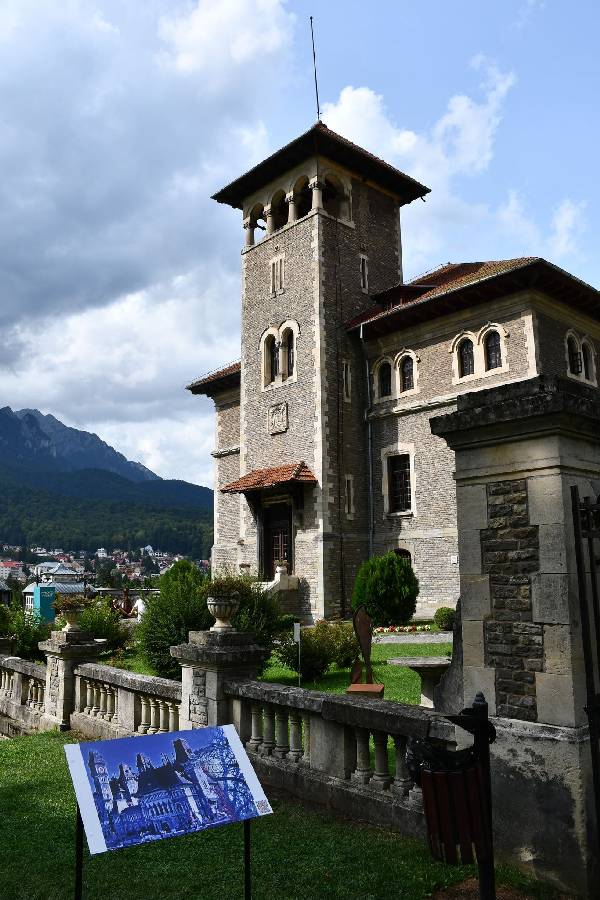
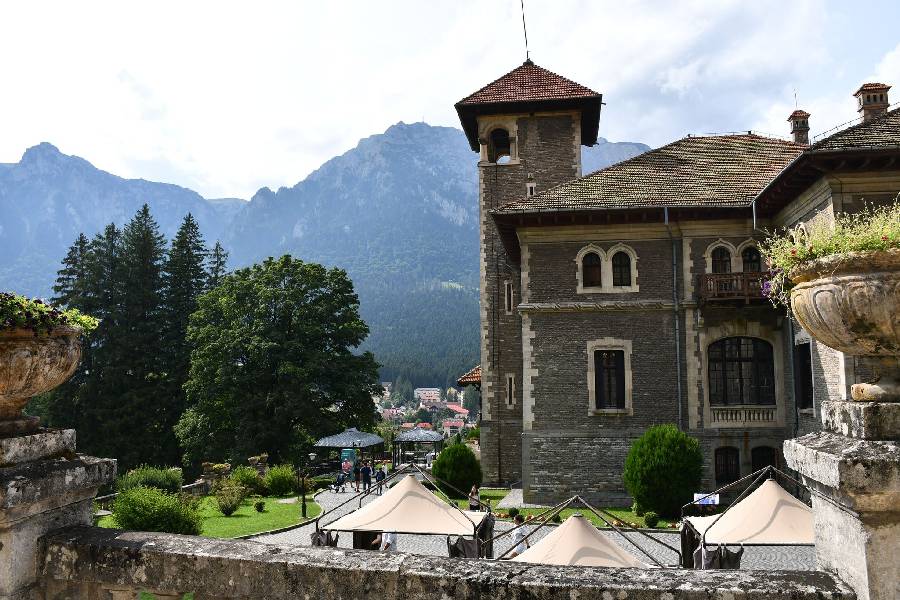
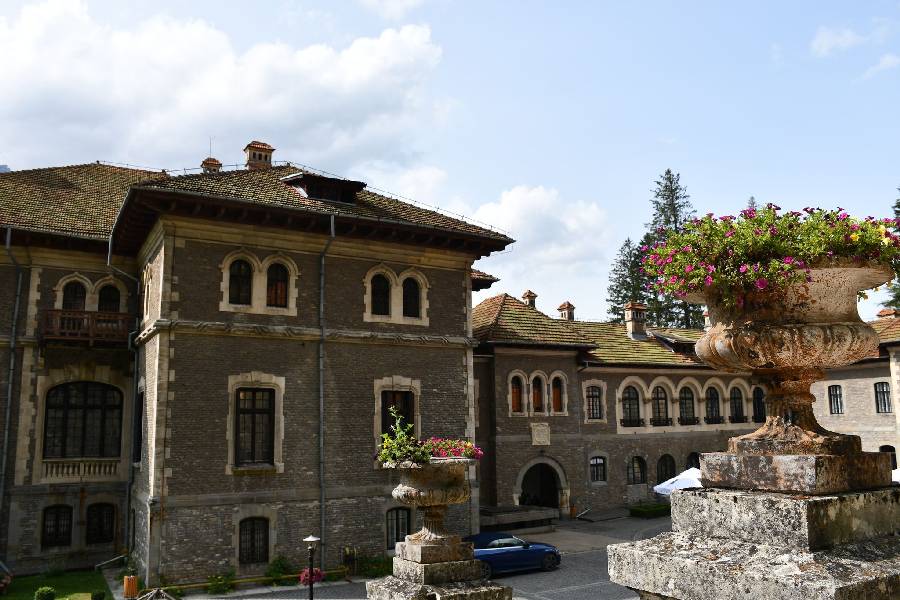
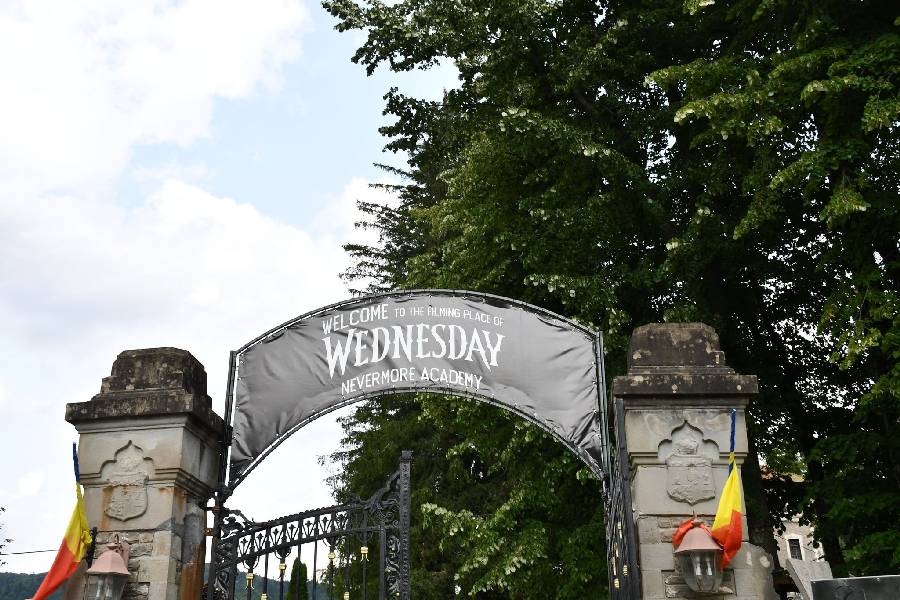
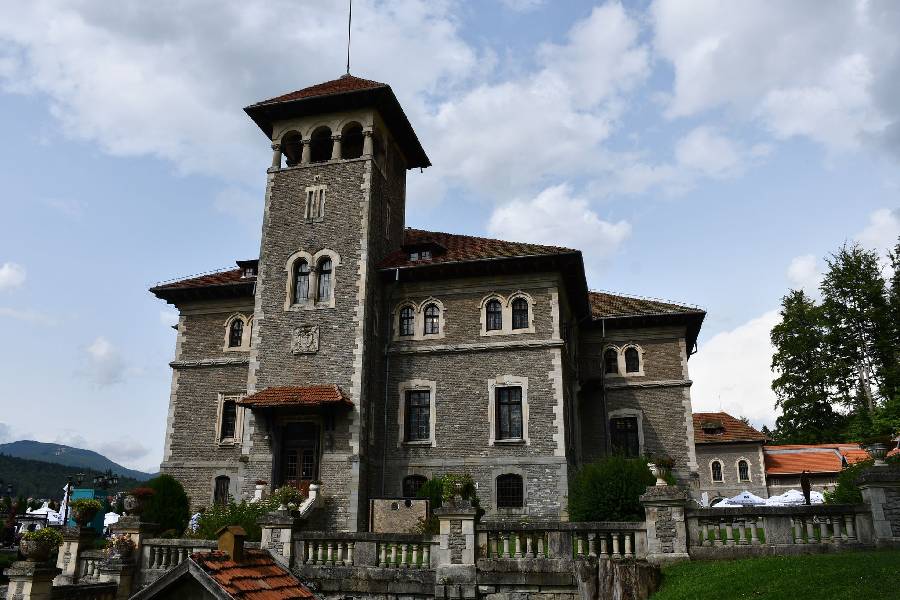
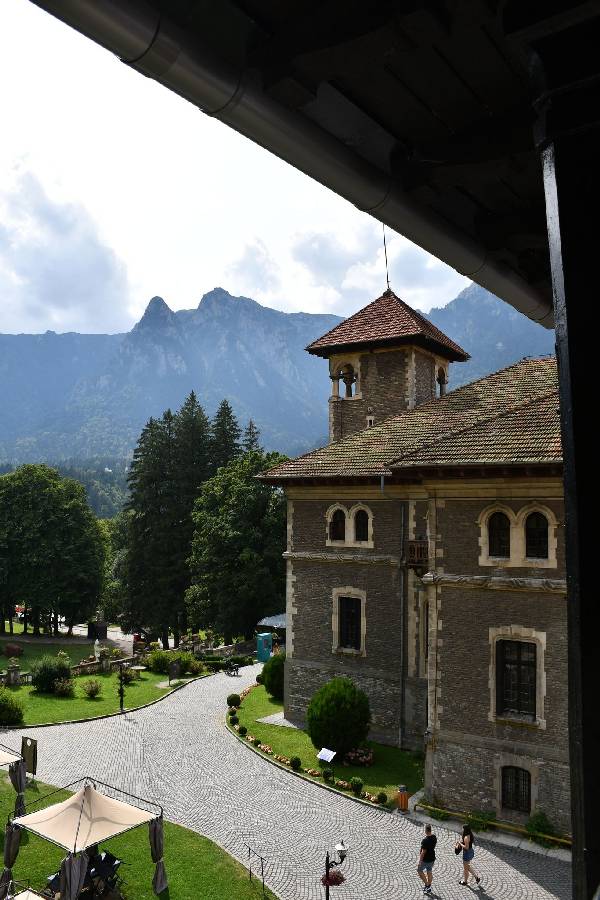
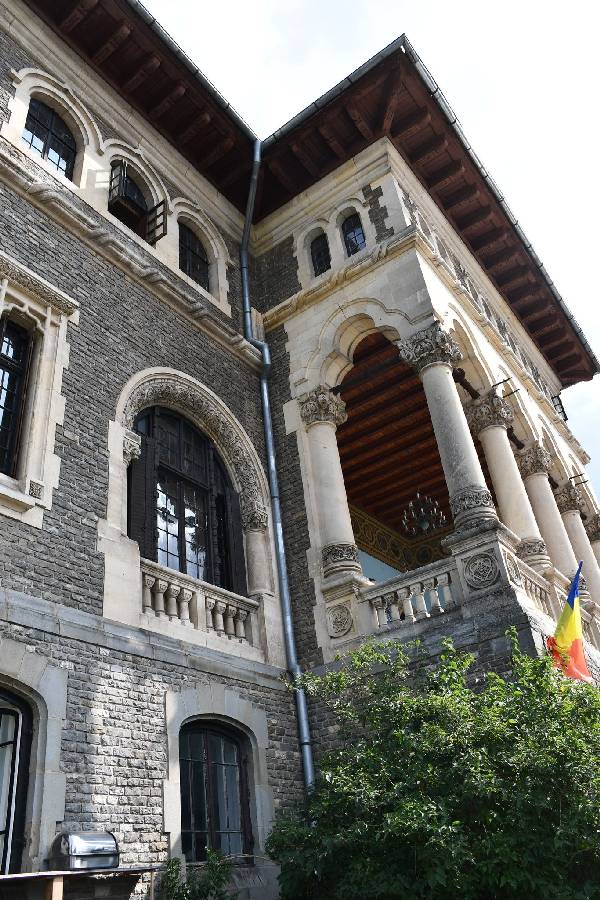
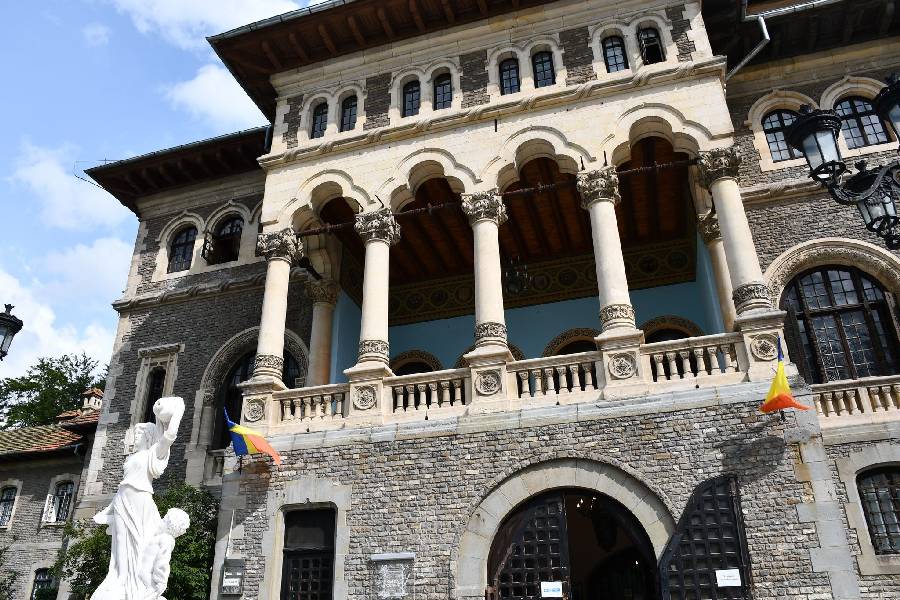
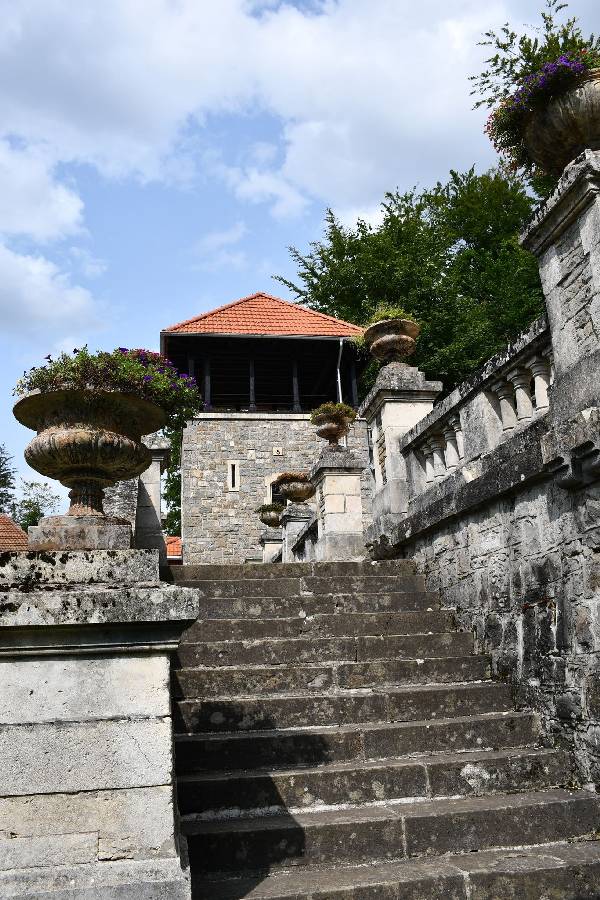
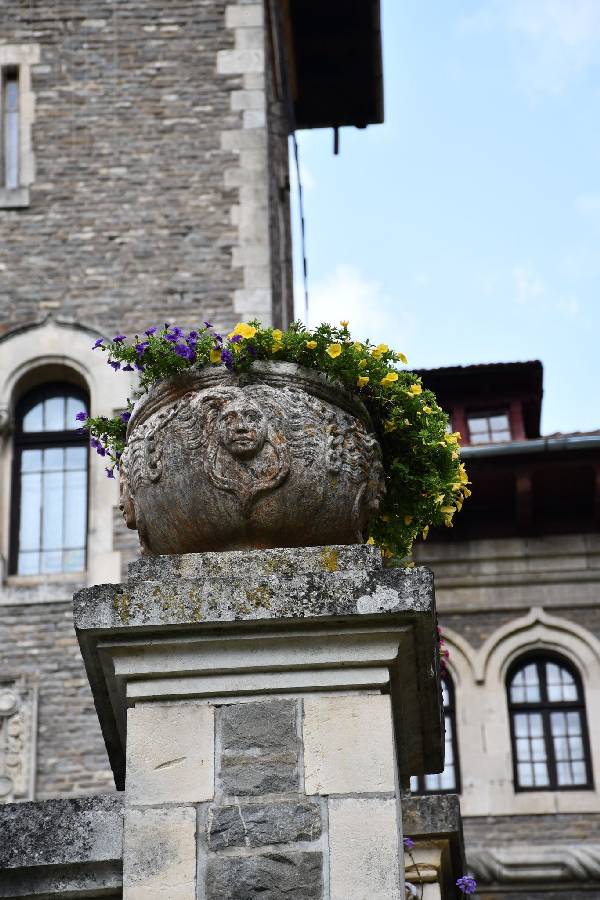
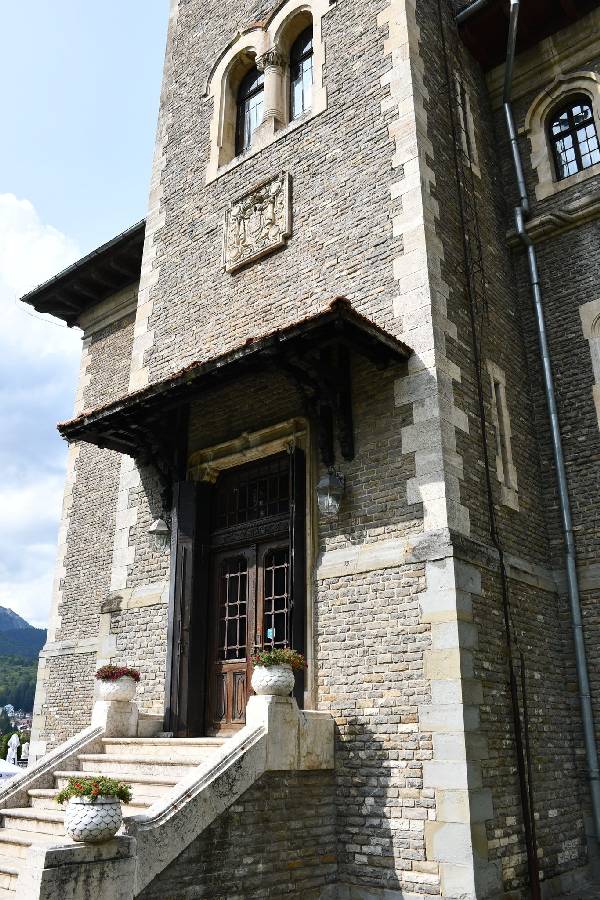
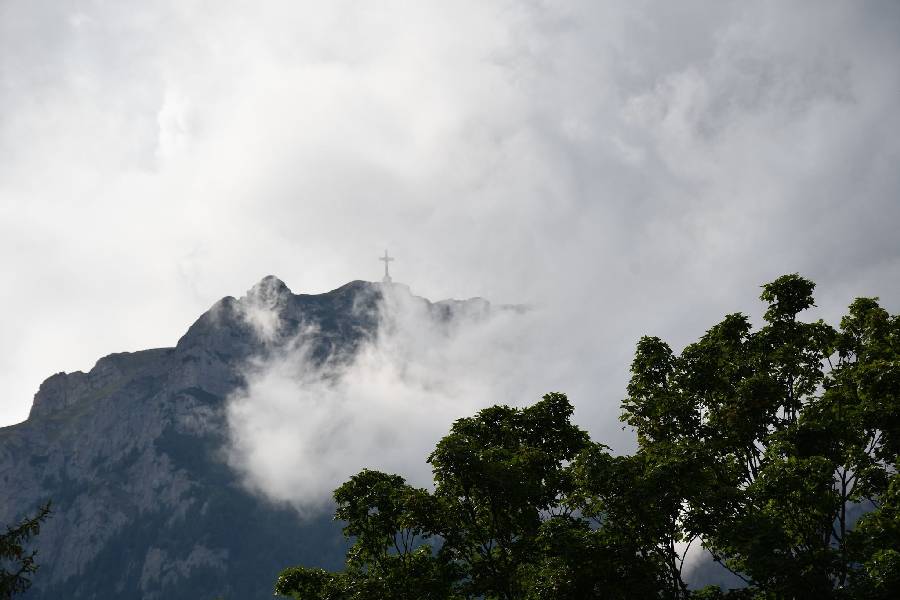
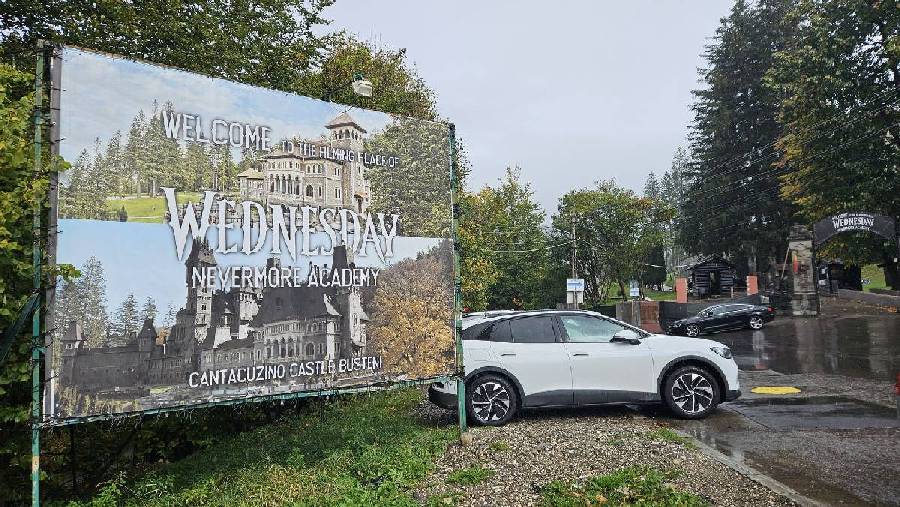
Cantacuzino Castle was not only the filming location for the “Nevermore Academy” from the series Wednesday, but it is also one of the most beautiful and important historical buildings / castles in Romania.
https://welcome-to-romania.com | https://urlaub-in-rumänien.de
The 60,000 sqm castle park, framed by its own 1,000-hectare private estate, invites you to linger and is now one of the most visited sights both in the resort of Busteni and in the Prahova Valley.
(25 January 2026)
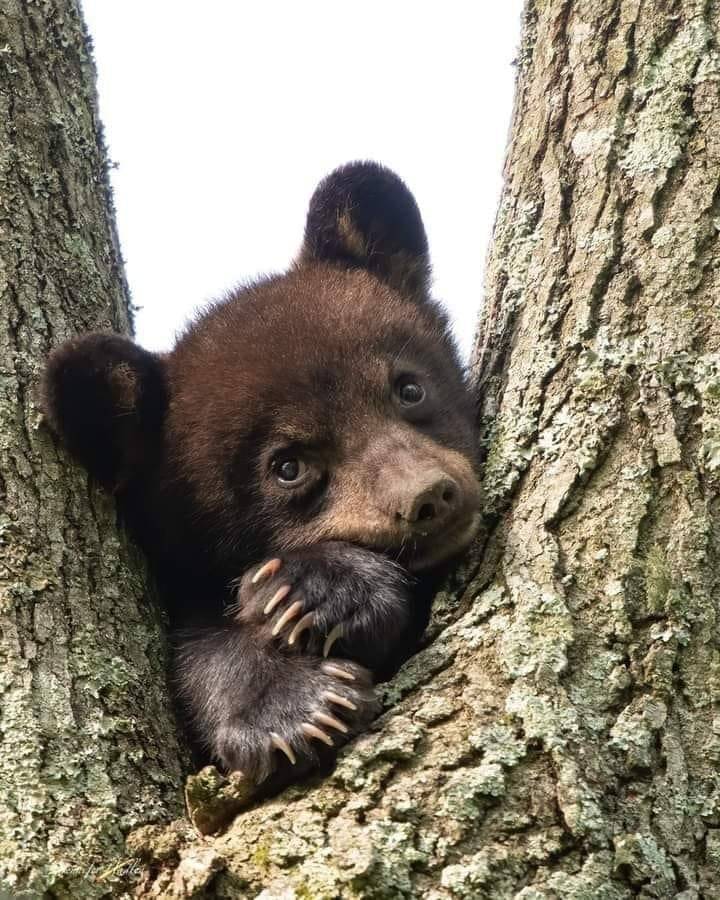
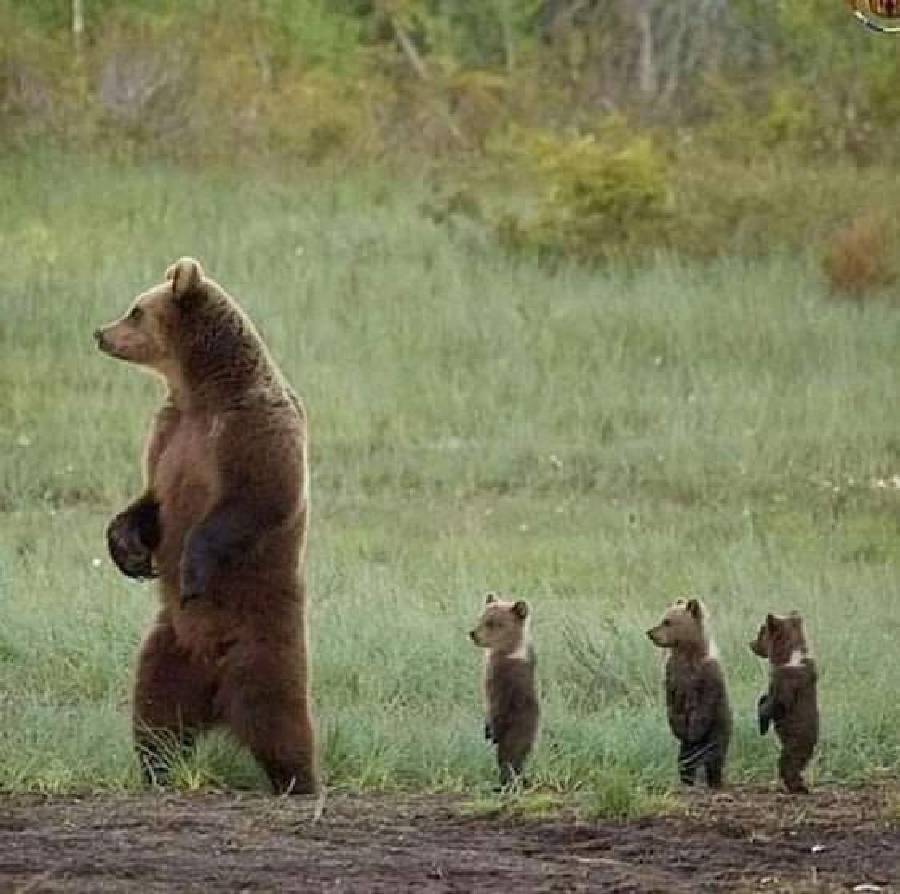
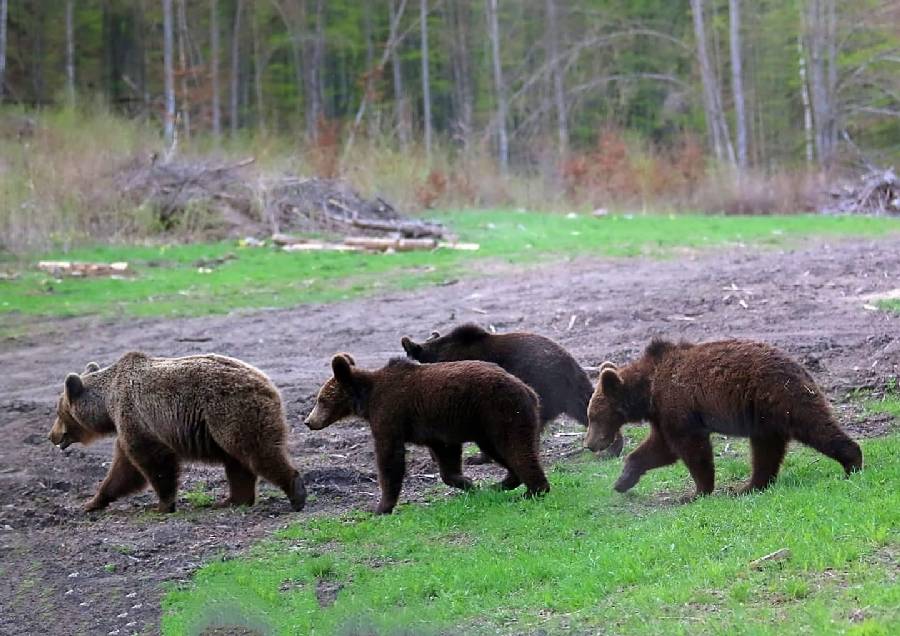
About 35 km from the city of Brasov, to the northeast in the direction of Sfântu Gheorghe, lies the bear-watching site Medveles találkozóhely in Covasna County. And yes, the name doesn’t just sound Hungarian – it actually is Hungarian… because in this part of Romania, although deep in the east of Transylvania, the main spoken language is Hungarian.
Info and more (in English)
https://medveles.hu/en/programs/tourist-bear-watching
According to current estimates, about 8,000 to 10,000 brown bears live in the forests and mountains of the Romanian Carpathians / Transylvania. If you have ever wanted to come face to face with a bear in a safe way, this is your chance. The bear-watching site offers visitors and photographers guided, professional experiences, including many activities – from bear observation to off-road tours.
We thank Observator de ursi for allowing us to use these wonderful images.
(25 January 2026)
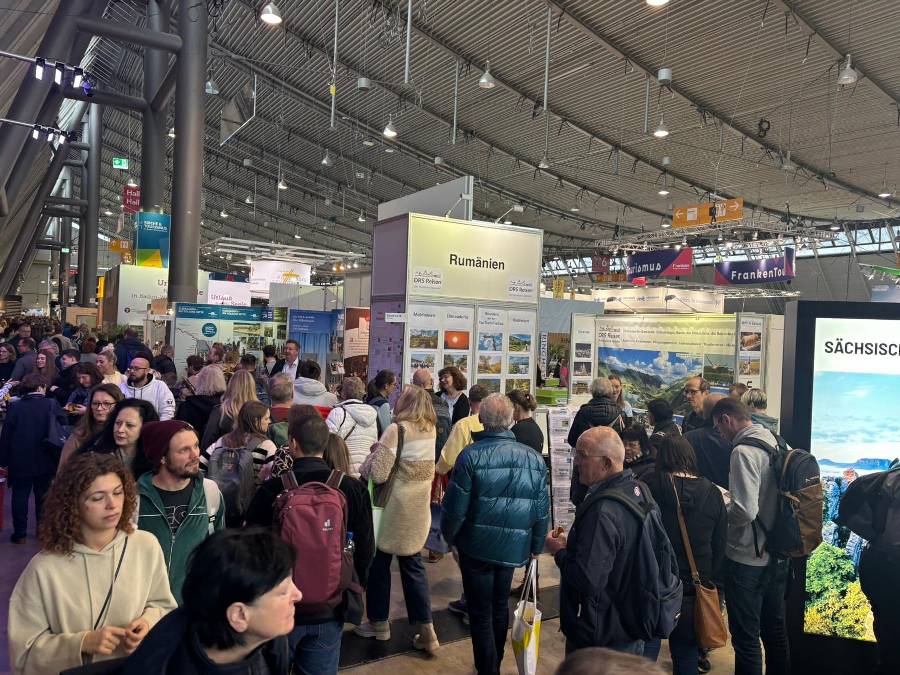
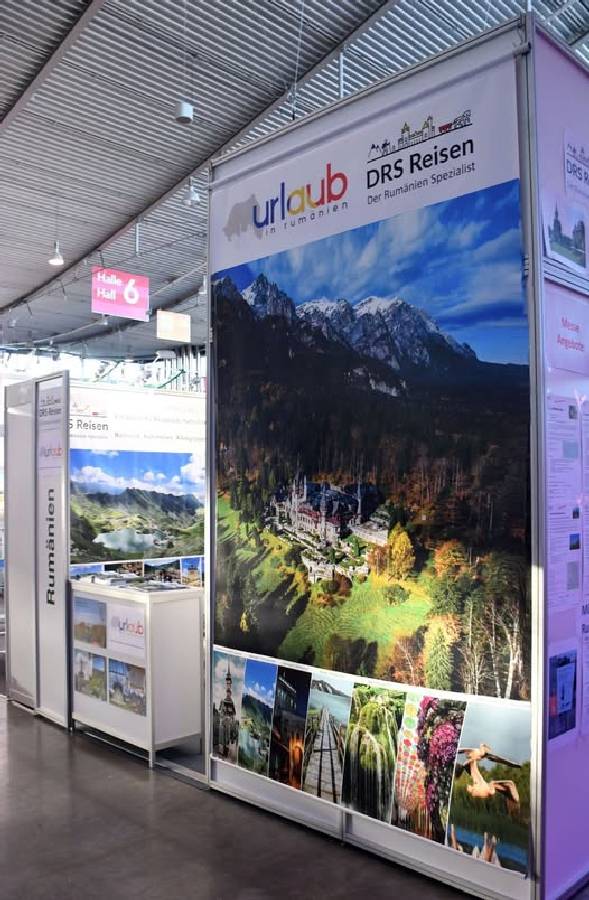
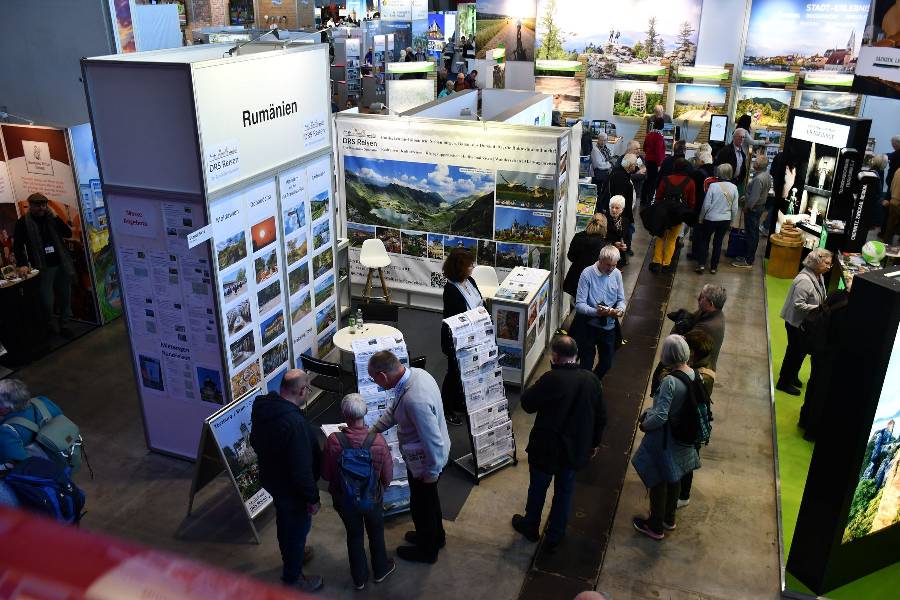
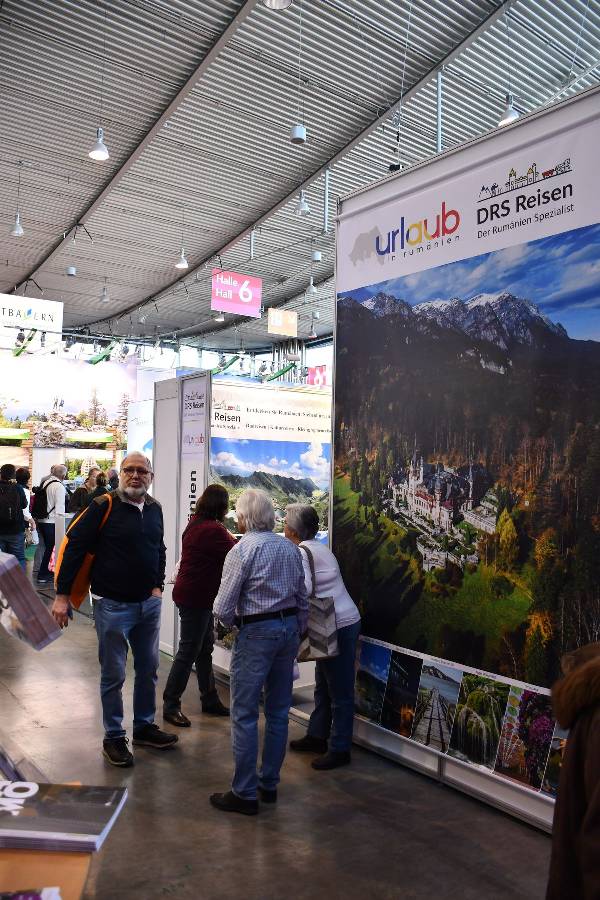
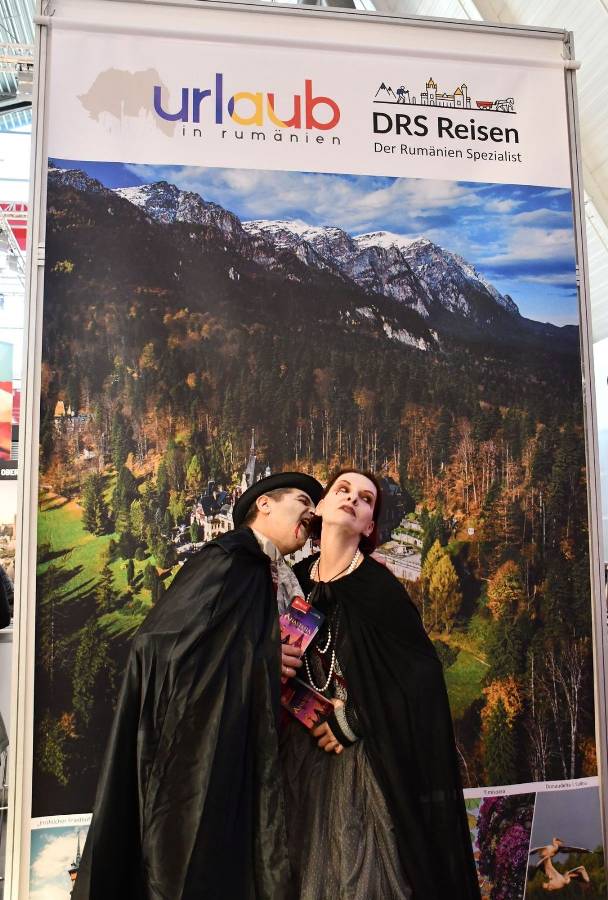
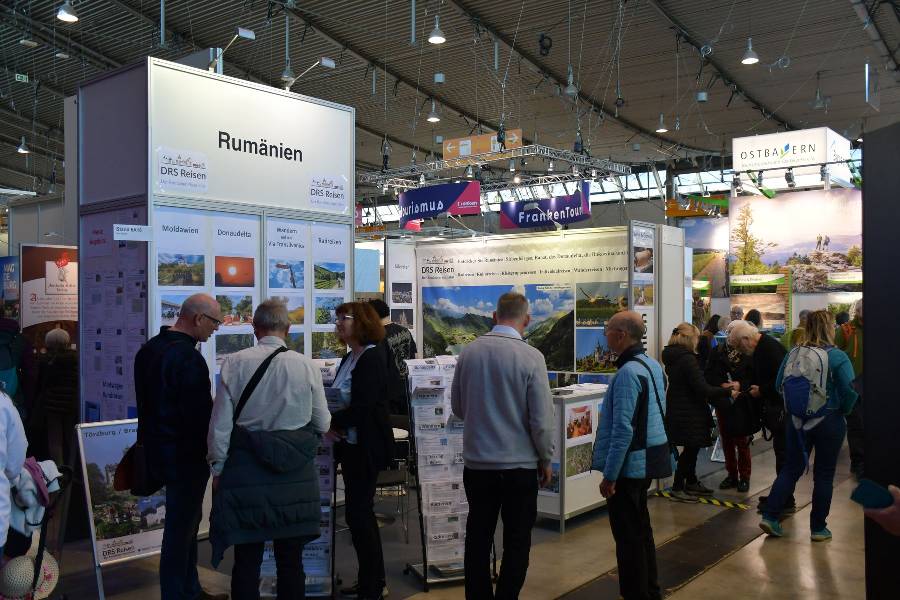
9 days, with 72,000 visitors on the first weekend alone and about 260,000 visitors over the entire duration of the fair, probably the largest B2C fair in all of Europe. Together with DRS Reisen GmbH from Stuttgart, more than 10,000 printed products (brochures, flyers, information) were distributed to interested visitors in 9 days. About 3,000 individual consultations were conducted by a total of six employees and… it was never boring.
https://willkommen-in-rumänien.de | https://drs-reisen.de
The concept of broad information (Urlaub in Rumänien), bundled with the right offers (DRS Reisen GmbH), proved to be a complete success here in Stuttgart.
(25 January 2026)
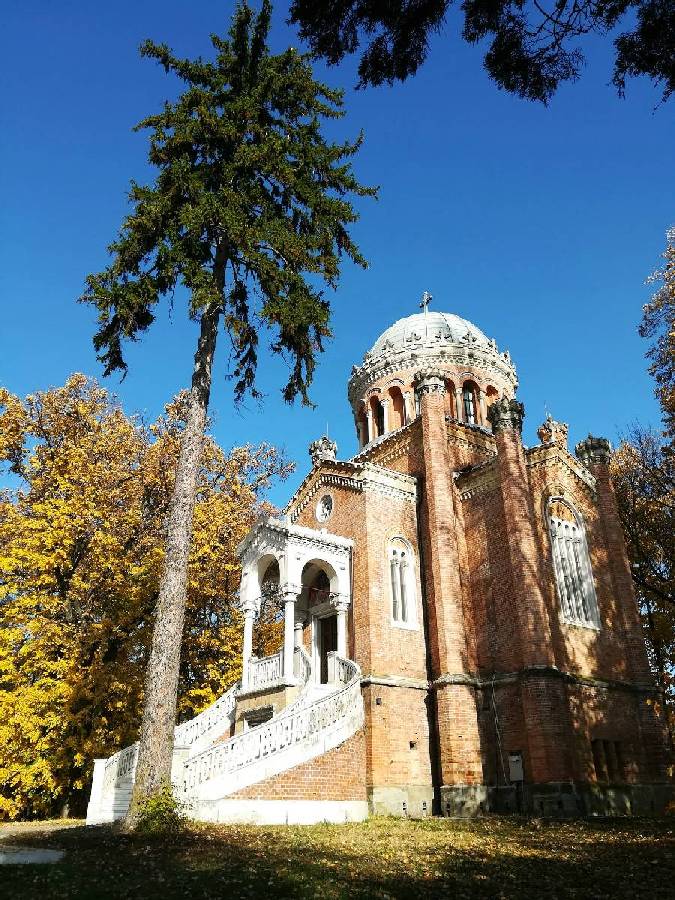
The Holy Trinity Chapel was built at the end of the 19th century by Barbu Stirbey for his wife, in the eclectic style. It is located in the city of Buftea, Ilfov County.
https://welcome-to-romania.com | https://willkommen-in-rumänien.de
(25 January 2026)
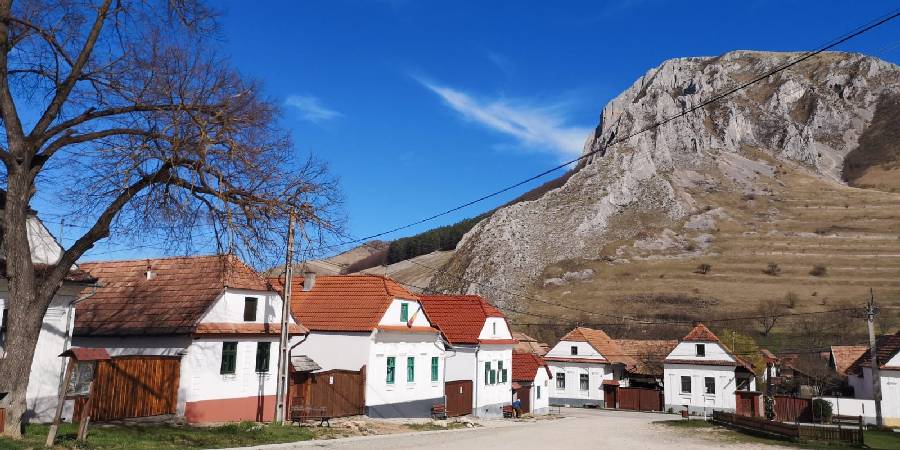
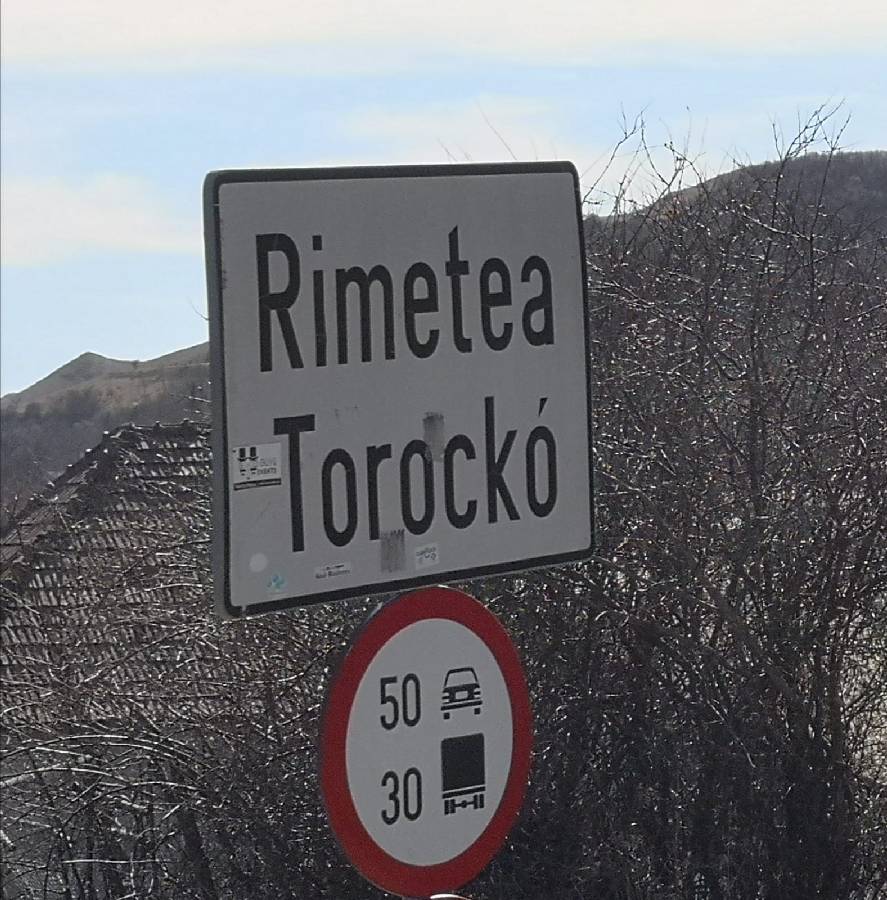
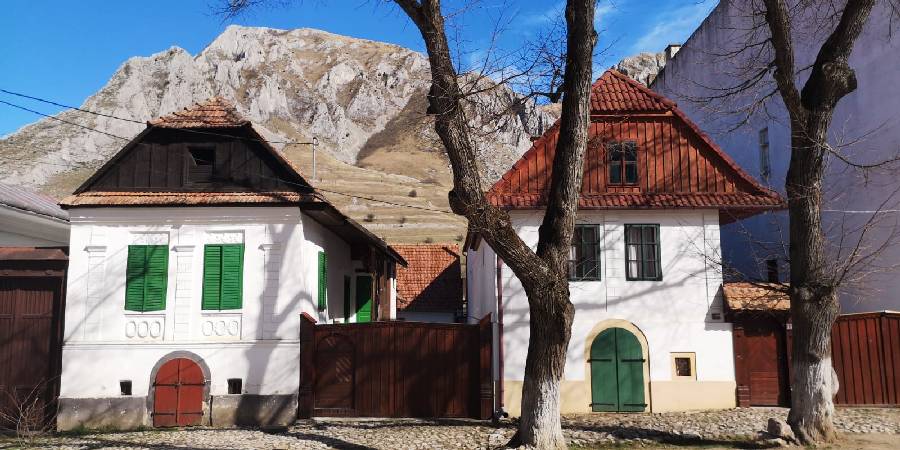
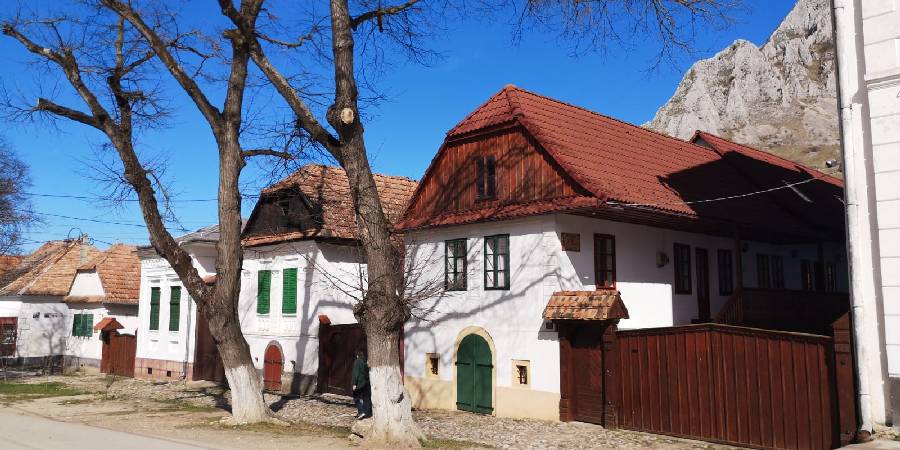
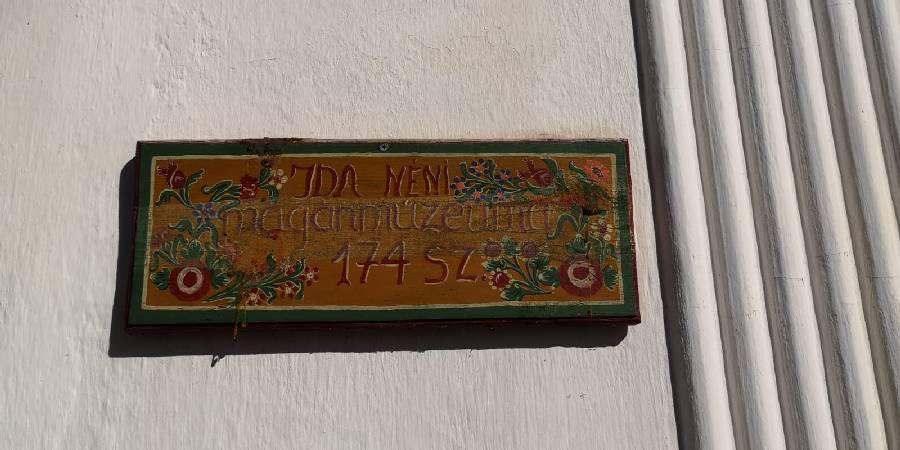
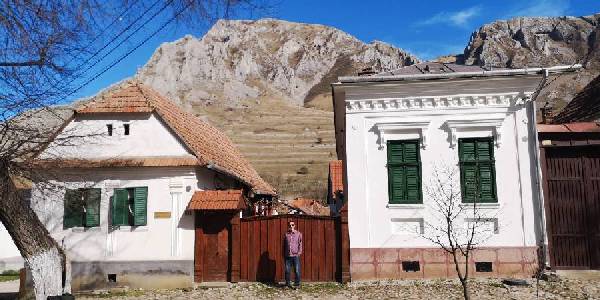
The village of Rimetea, or Torocko in Hungarian, is located in the district of Alba in Transylvania.
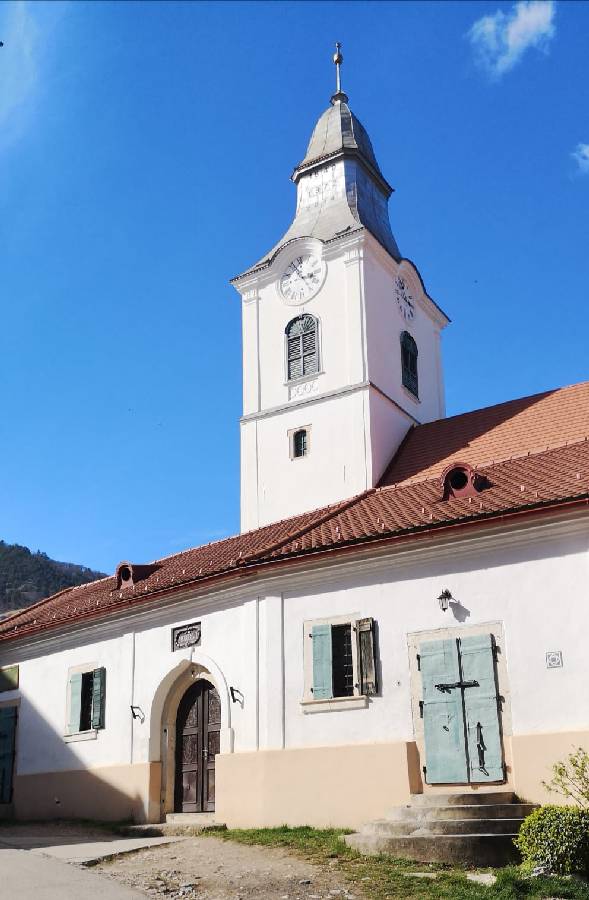
This village, inhabited mainly by Hungarians, is also one of the most beautiful villages in Transylvania. Beautiful houses, embedded in a wonderful landscape and the Hungarian Unitarians* are worth a visit.
We would like to thank Mr. Frank Schleßmann for sending us these beautiful pictures and the corresponding text/explanation.
*Unitarians > Religious community of free faith
(25 January 2026)
The Danube is the border river between Romania and Serbia, Bulgaria and Ukraine.
Near the cities of Socol and Bazias begins the Romanian part of the Danube, until Mila 0, the so-called zero mile, the Danube estuary in the city of Sulina. It is worth seeing that it is on the river road, until after a long journey behind the cities of Brăila and Galati in southeastern Romania, in the Danube delta, it ended approximately. 60 kilometers further in the Black Sea.
https://xn--urlaub-in-rumnien-2qb.de/ | https://urlaub-im-donaudelta.de | https://discover-sulina.com
(24 January 2026)
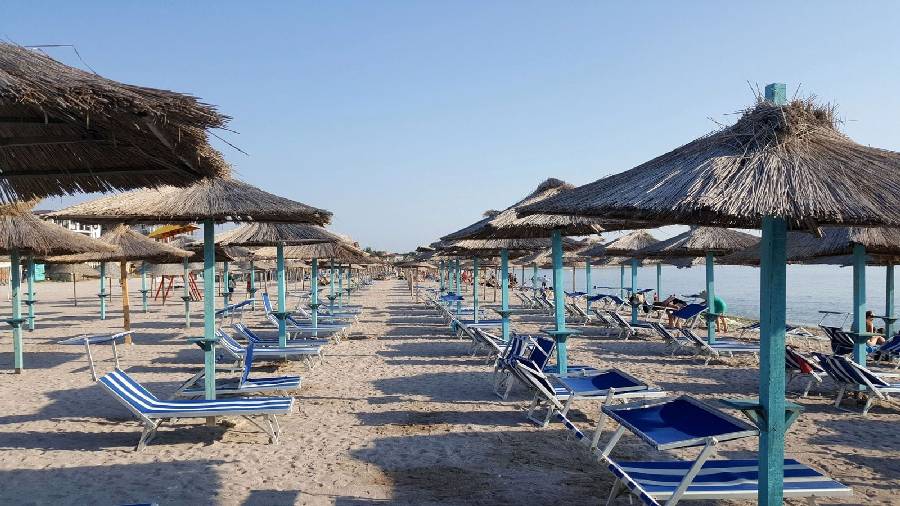
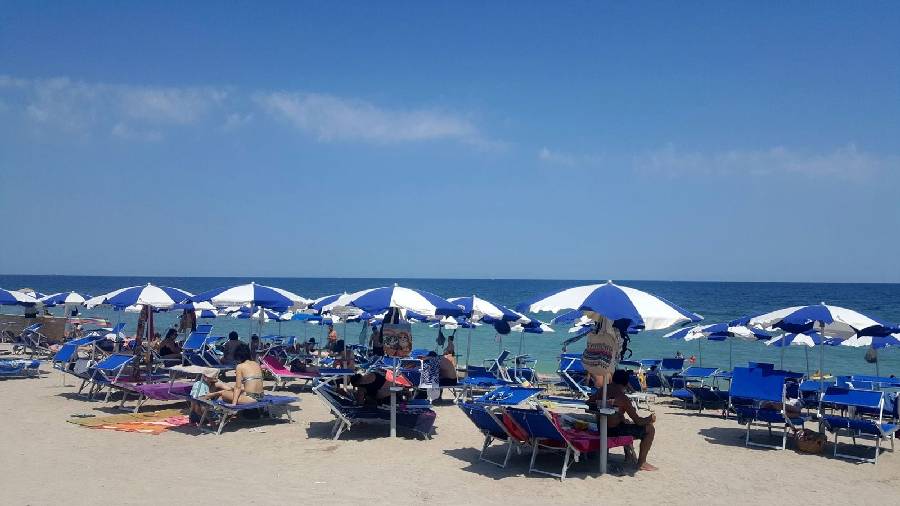
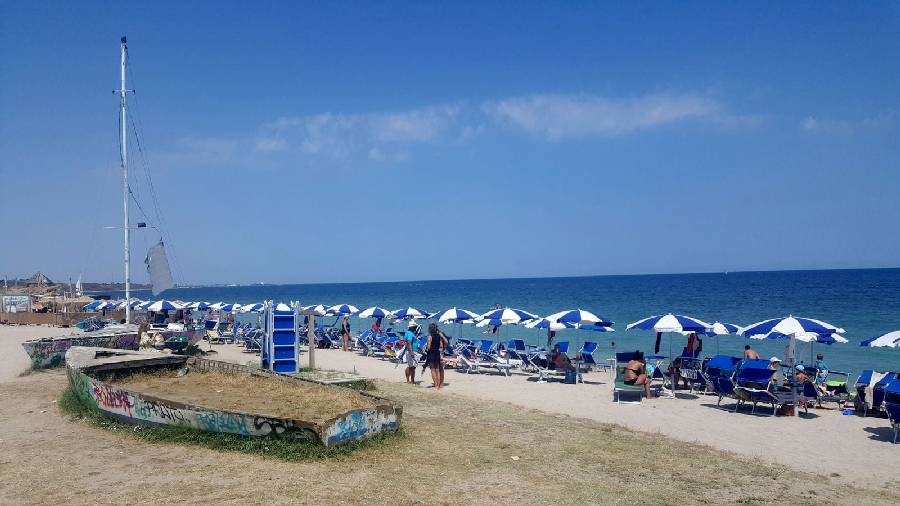
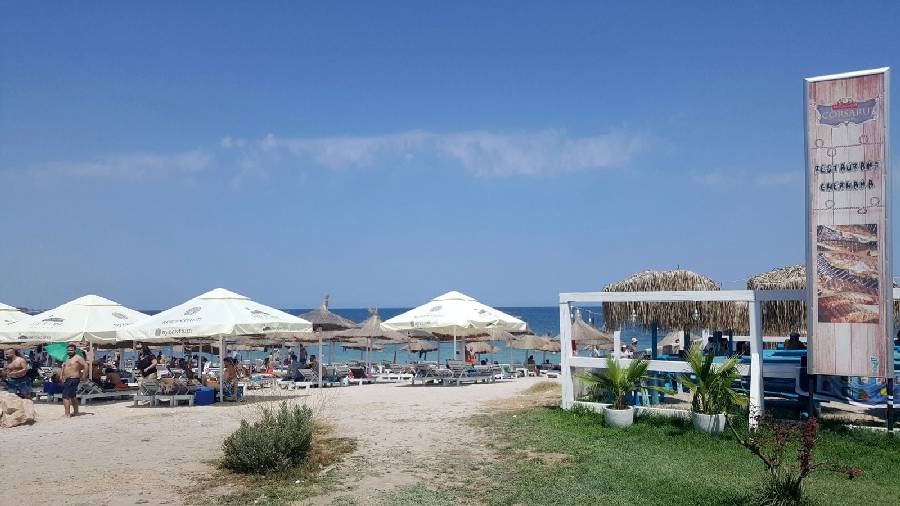
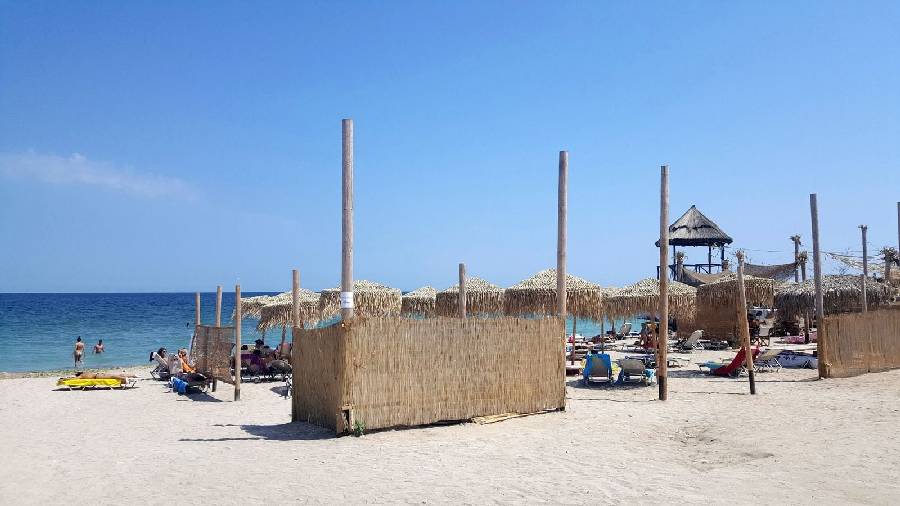
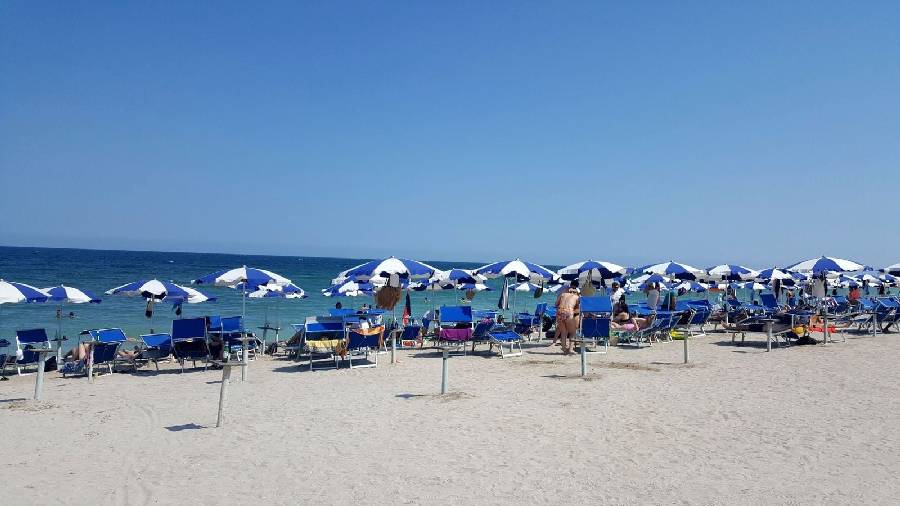
Pictures from August of previous years, which are currently repeating themselves. The sun is shining, it is hot, and the water is wonderfully fresh.
https://welcome-to-romania.com | https://urlaub-in-rumänien.de
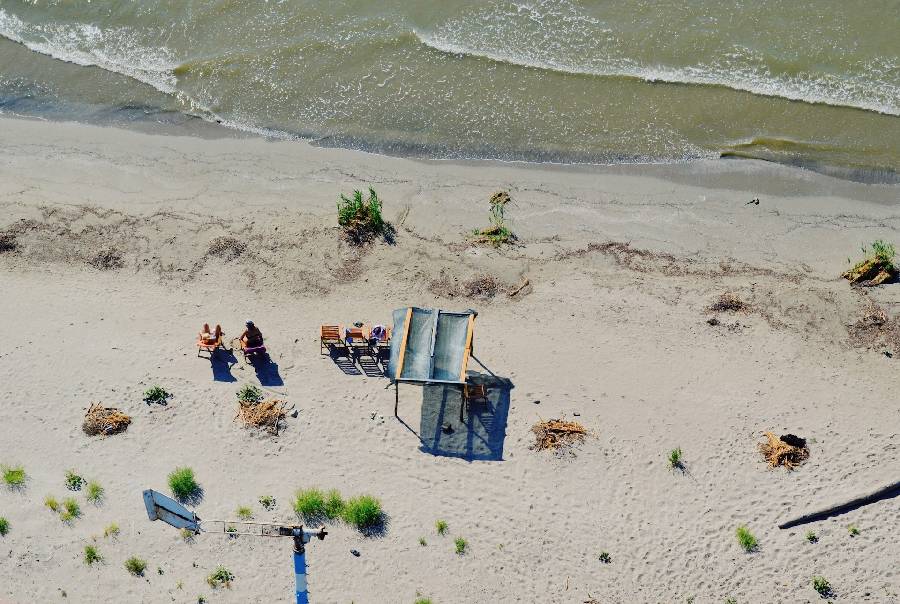
The Romanian seaside stretches over about 70 km and includes, besides Vama Veche, places like Constanta, Mamaia, Mamaia-Sat, Eforie Nord and Sud, Costinesti, Olimp, Neptun, Mangalia, and several more. Likewise, long (and lonely) beaches are located in the Danube Delta region, between Sulina and Sf. Gheorghe.
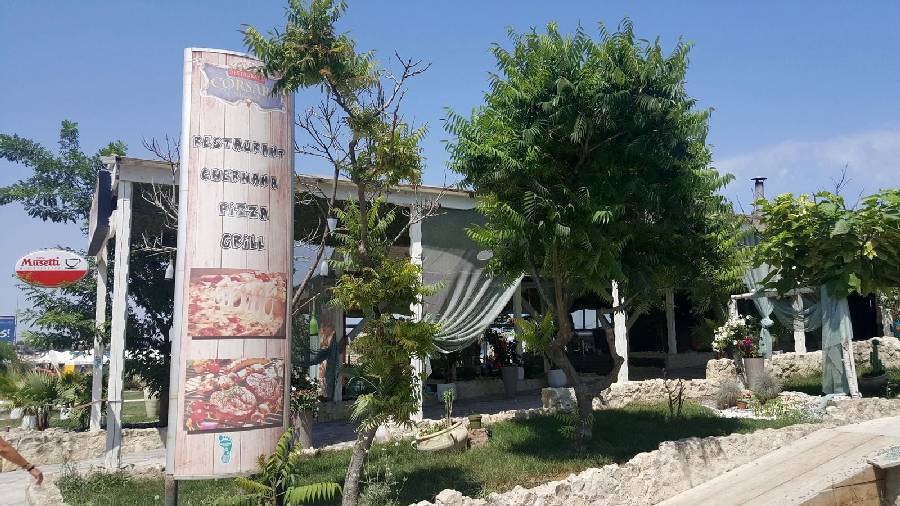
Our destination (the pictures) was Vama Veche , the southernmost place on the Romanian Black Sea coast, only a few hundred meters from the border with Bulgaria.
Vama Veche is primarily visited by a younger audience; it is the party mile, seen as the “Malle” of Romania, with about 3,000 – 4,000 visitors on weekends and loud music around the clock.
(24 January 2026)
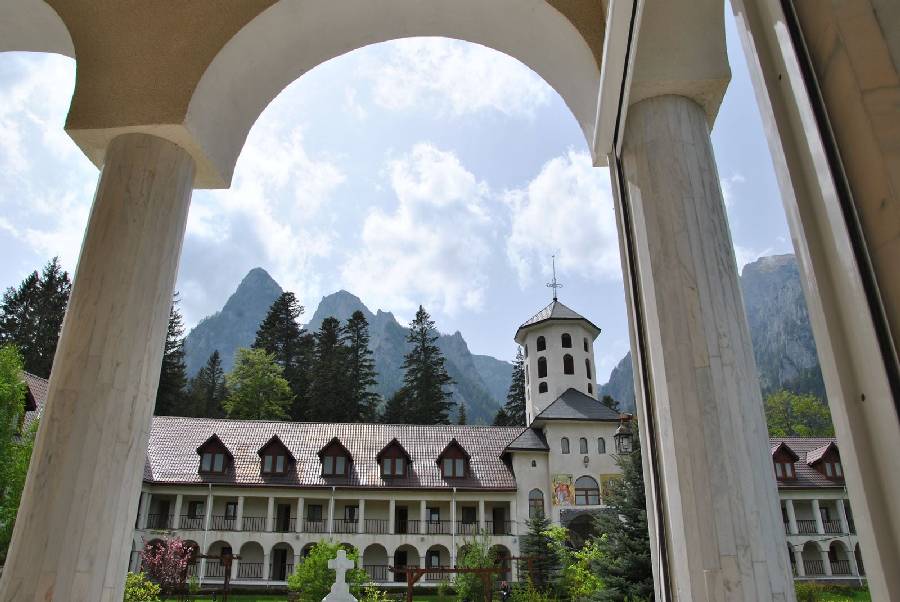
Caraiman Monastery is an Orthodox monastery founded in 1998 in Busteni, Prahova District, at the foot of the Caraiman Massif.
https://welcome-to-romania.com | https://urlaub-in-rumänien.de
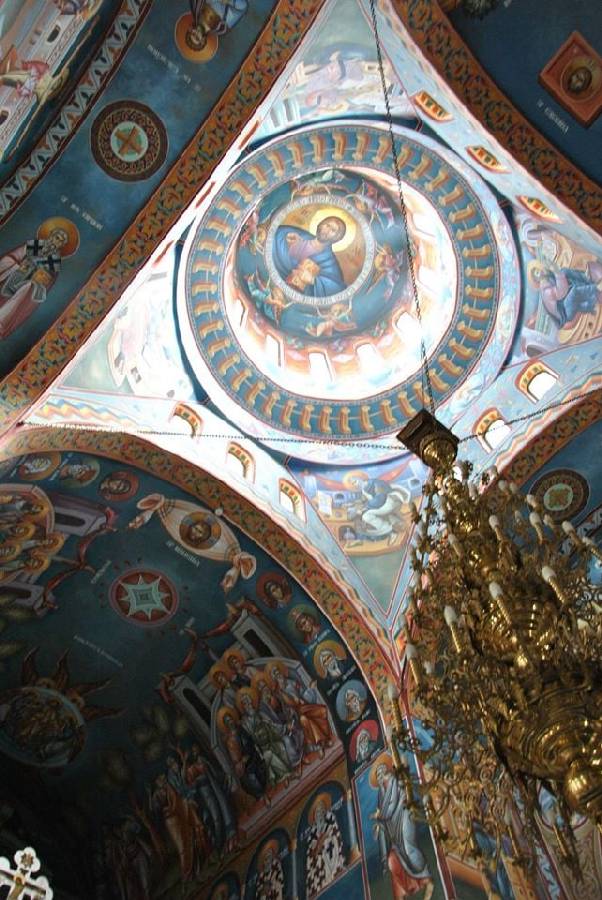
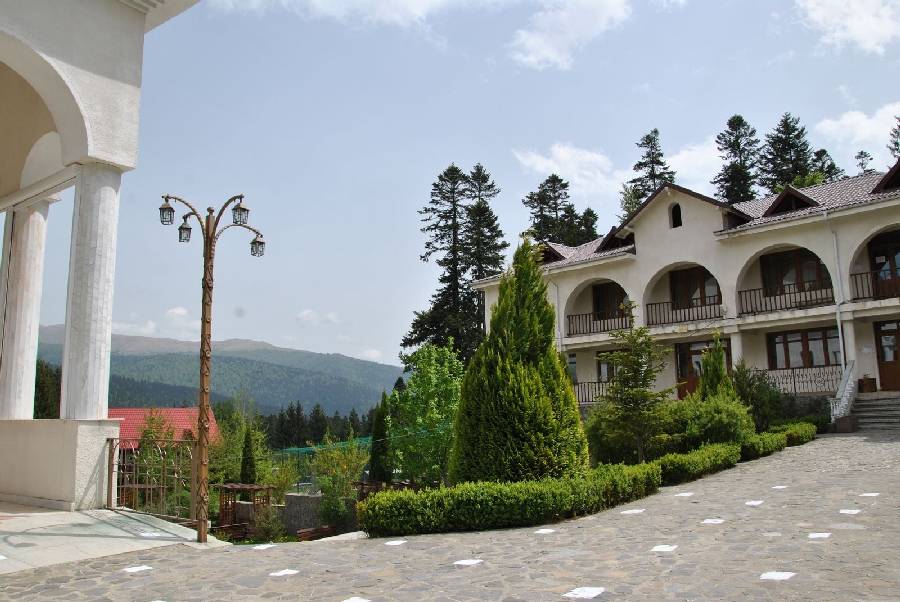
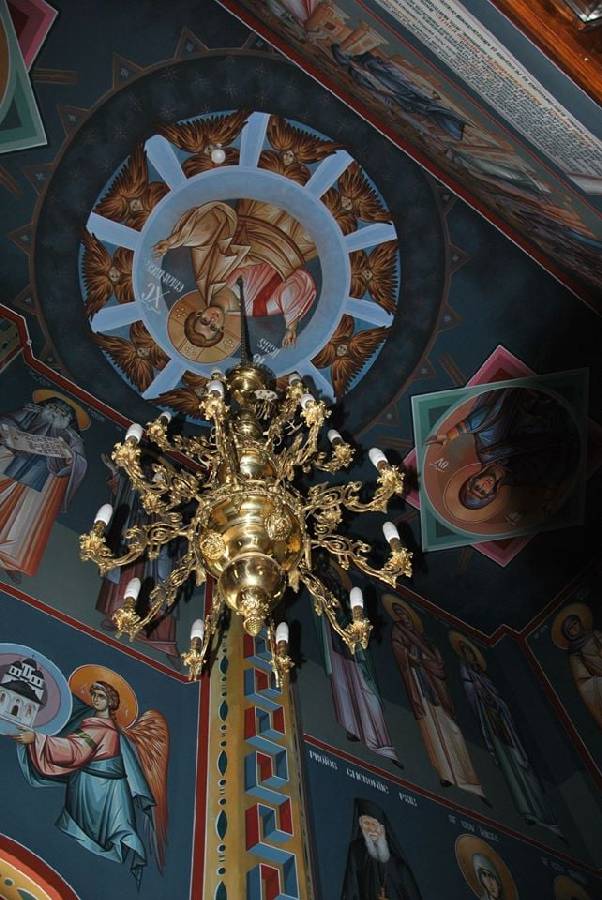
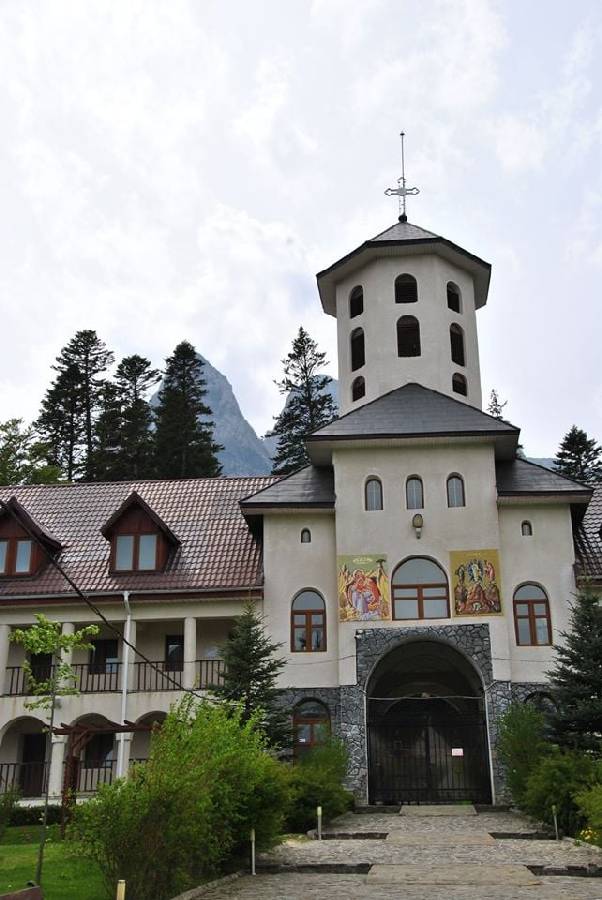
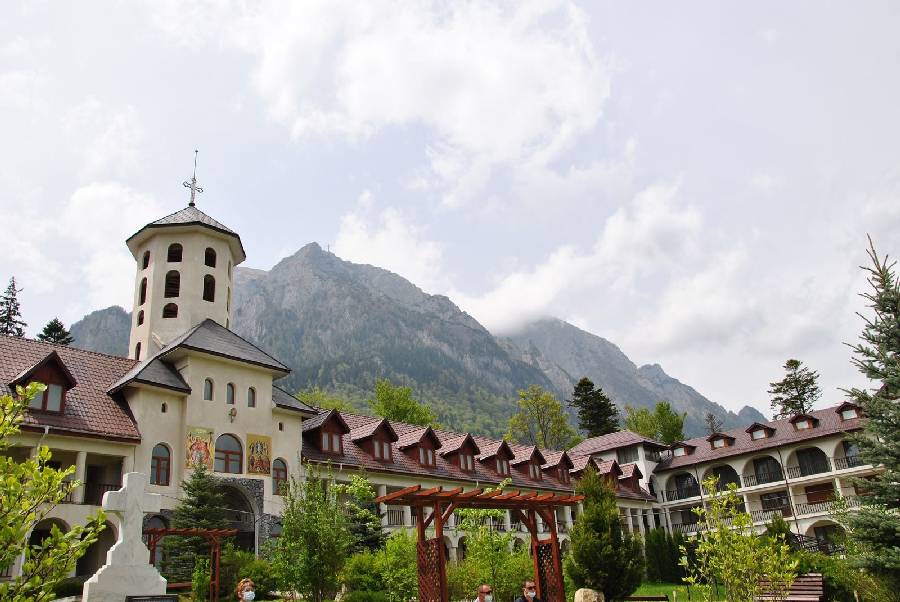
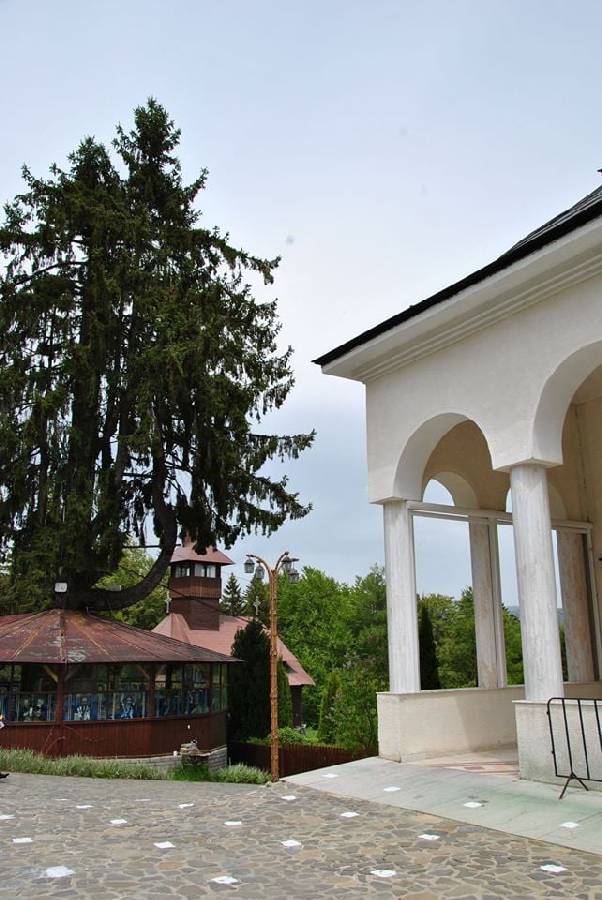
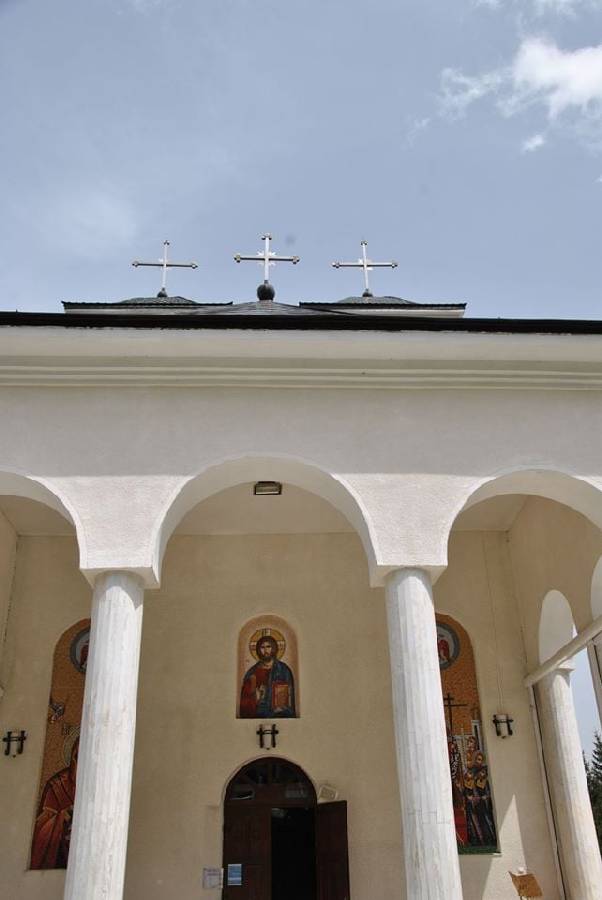
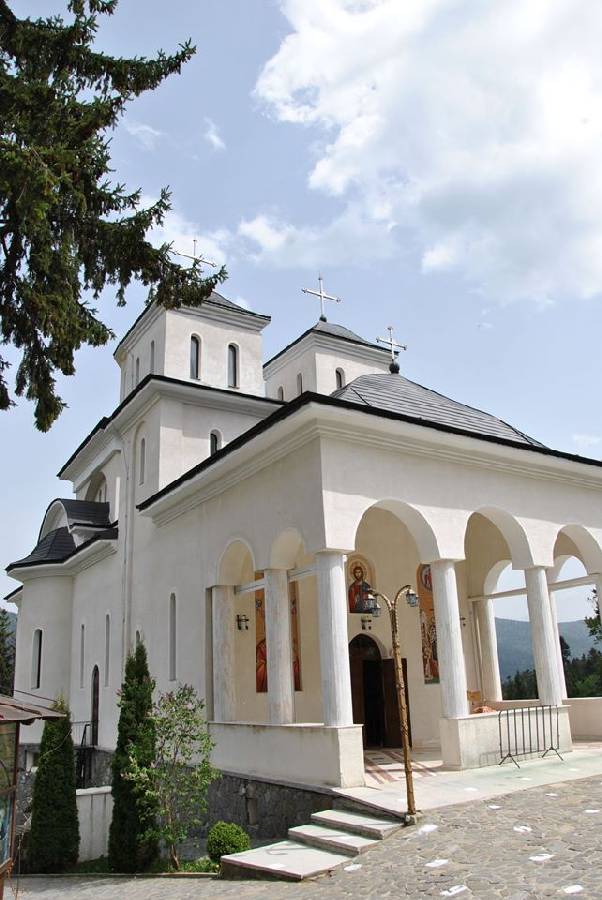
(24 January 2026)
Beautiful, recent pictures from yesterday (September 23, 2025) from Schässburg / Sighisoara in Mures County, from our dear Roland, who is currently actively exploring the region around the city of Medias.
Discover more destinations in Romania and create your own travel plan online > https://rotravel24.com
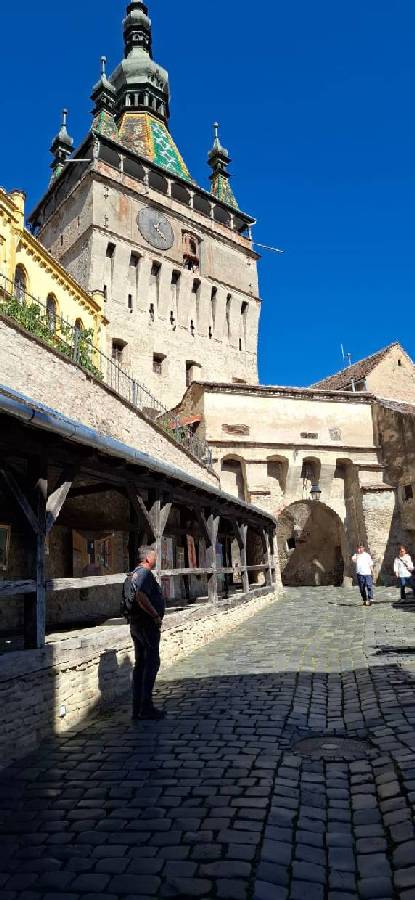
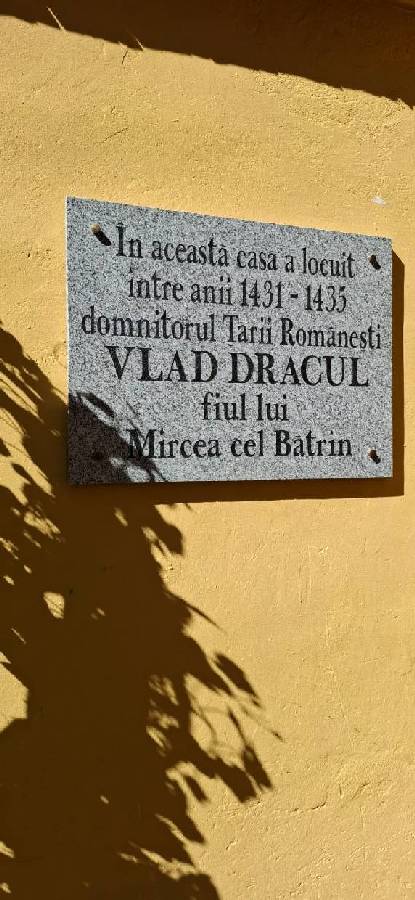
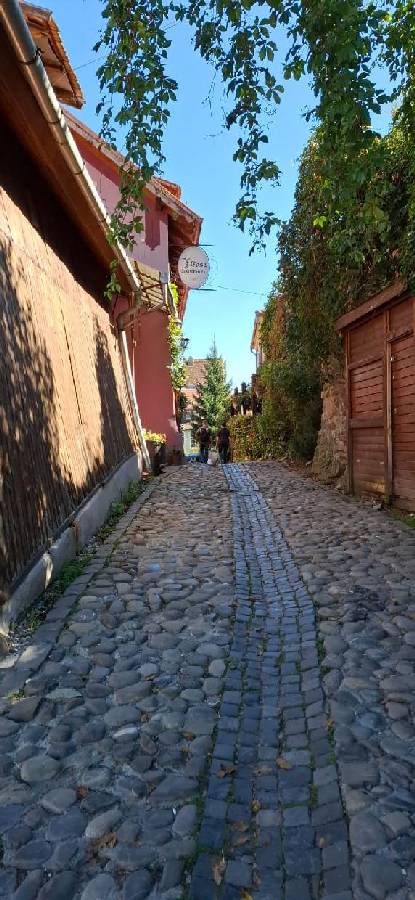
(24 January 2026)
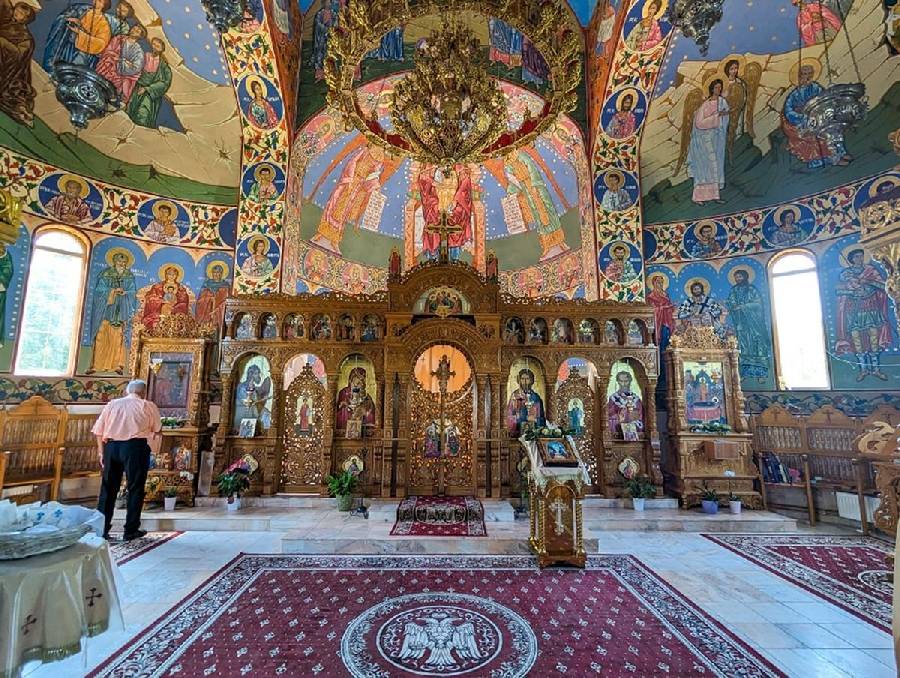
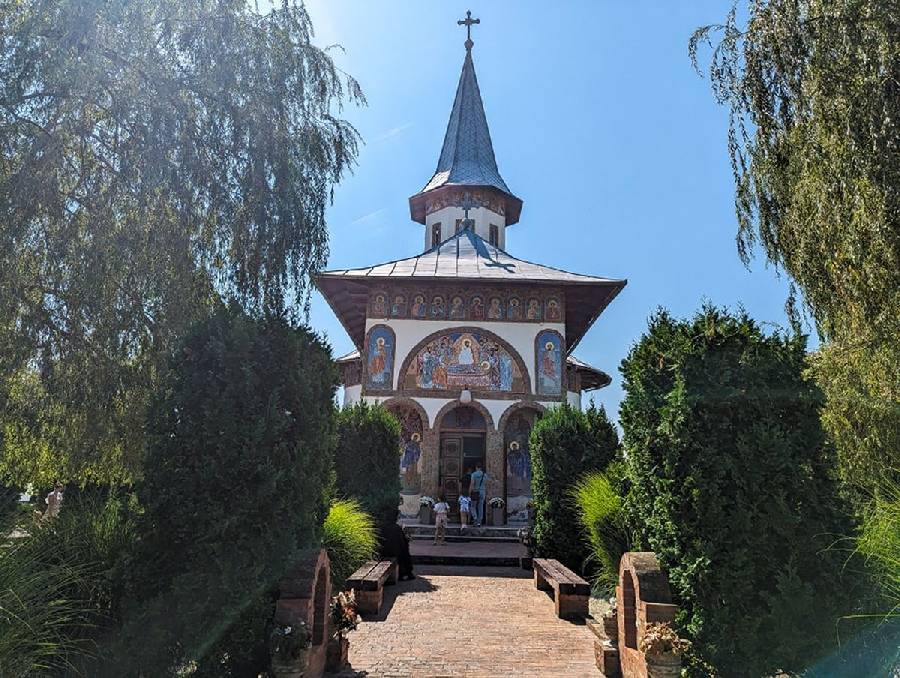
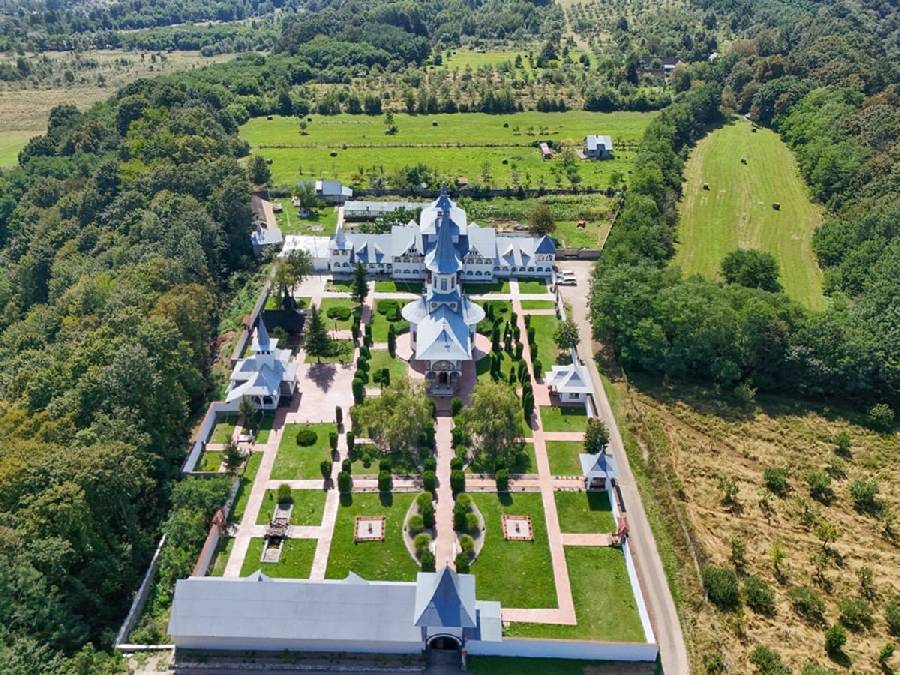
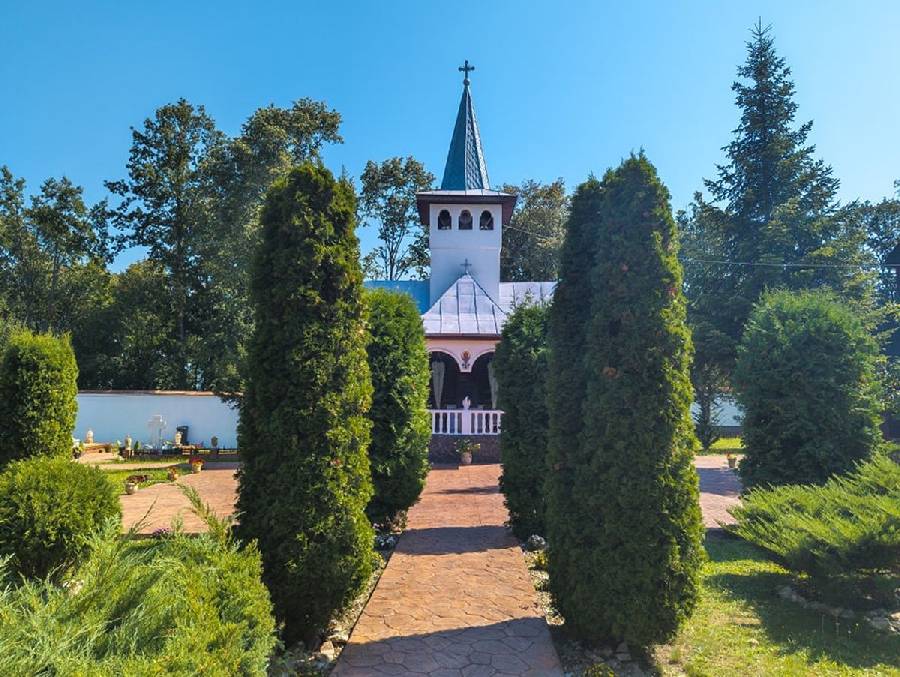
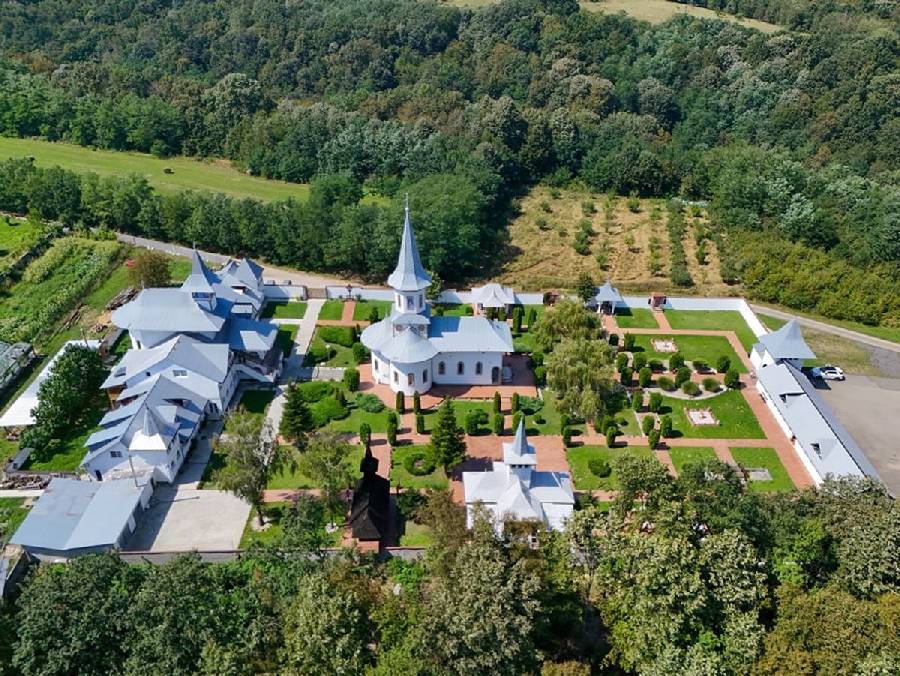
The Teiuș Monastery in Caraș-Severin County was built in 1999. It includes several small churches surrounded by an impressive garden with roses and trees.
We thank Banatul Montan for the permission to use these images.
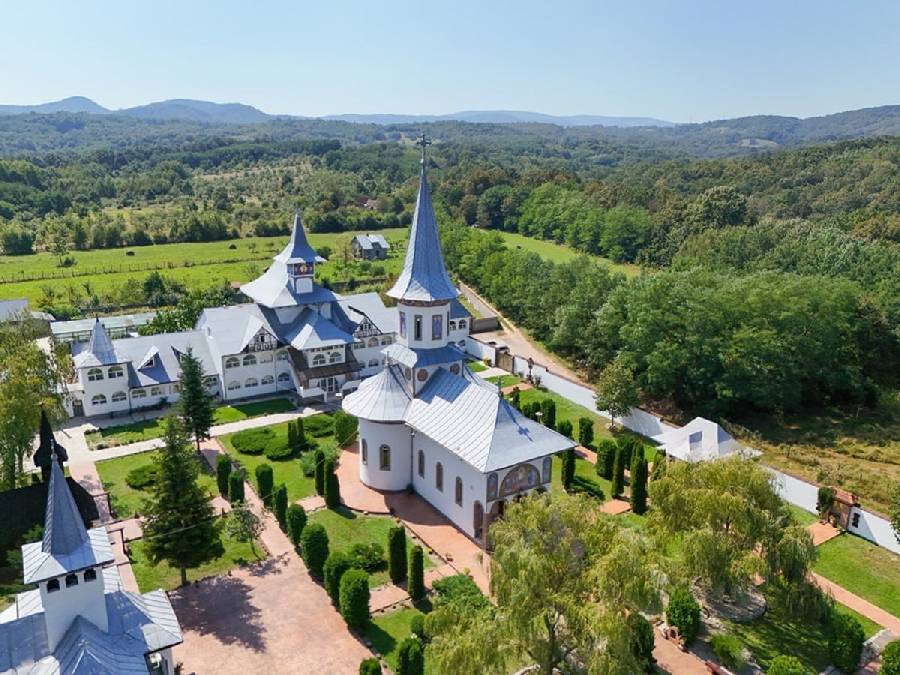
(24 January 2026)
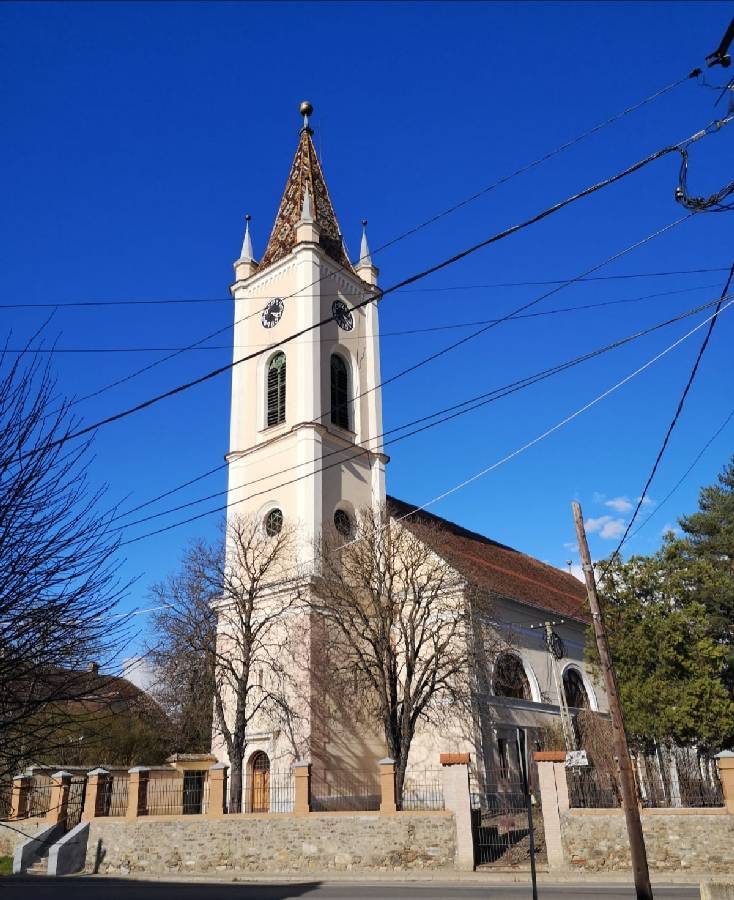
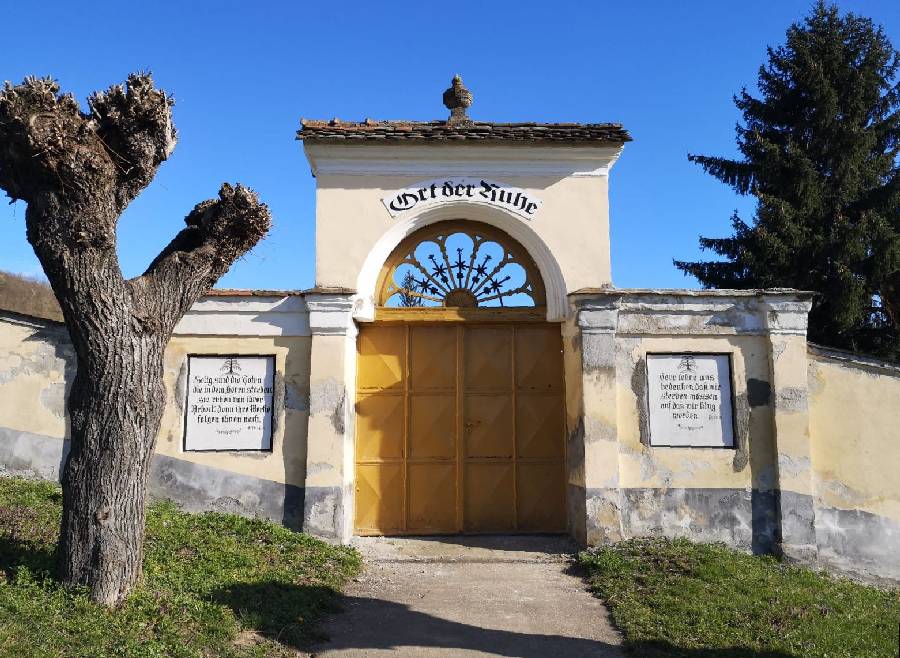
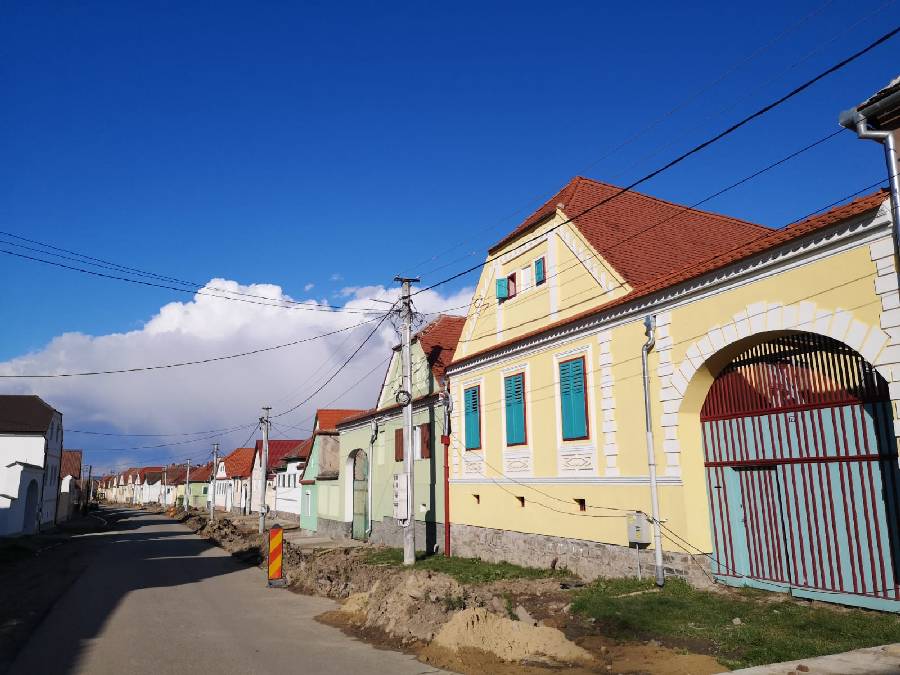
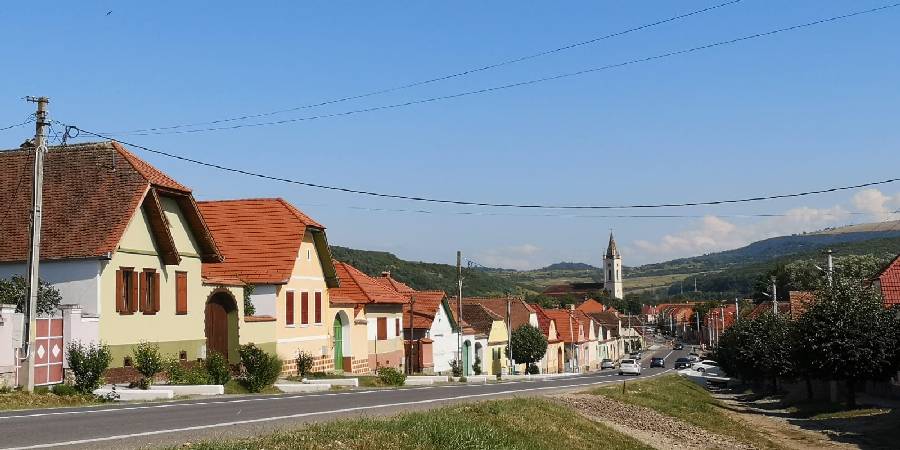
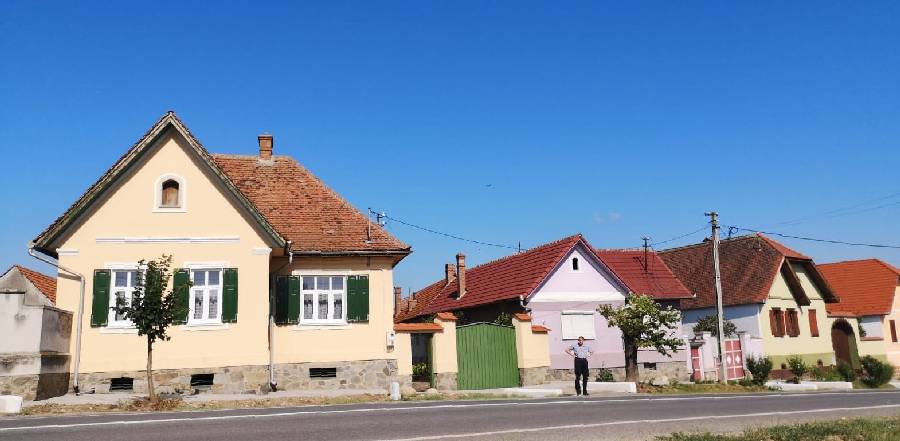
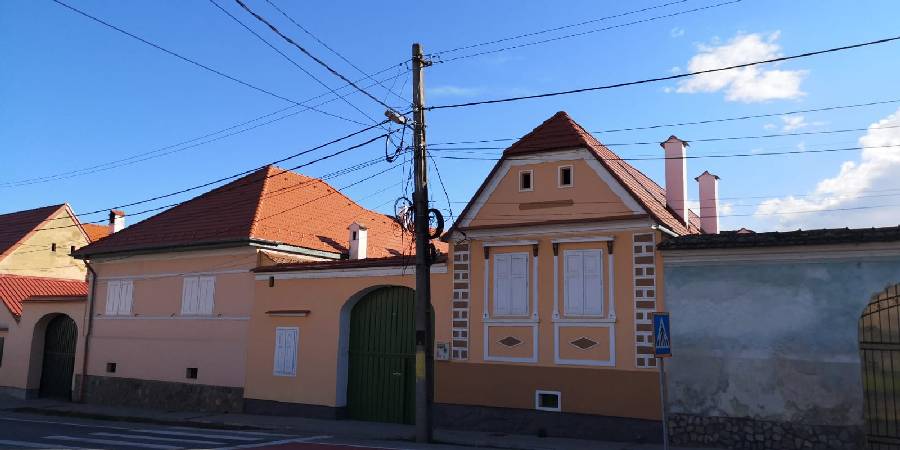
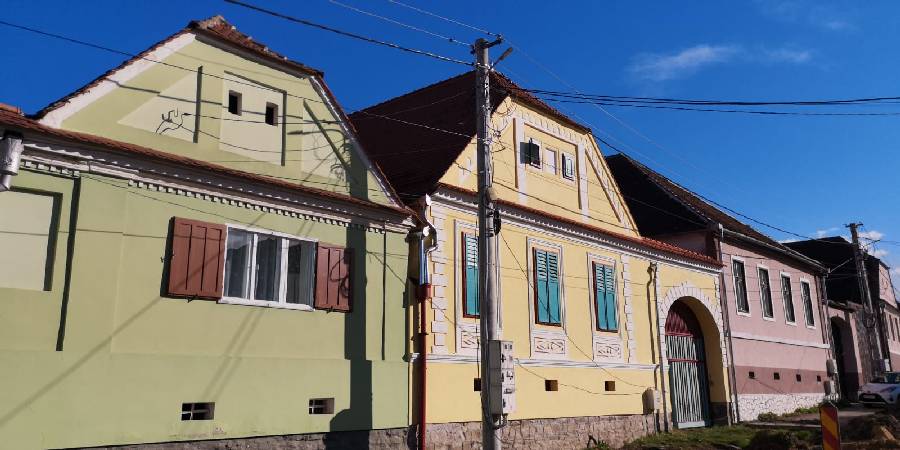
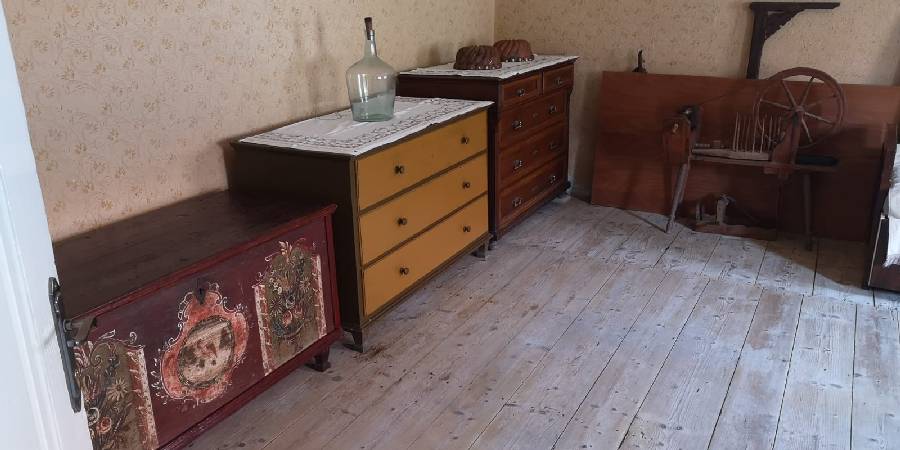
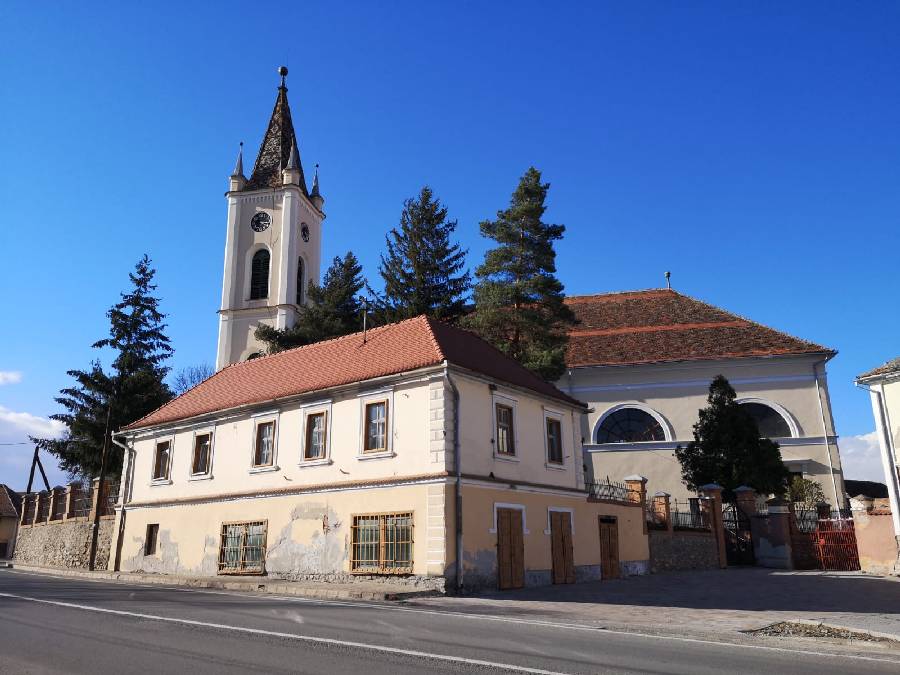
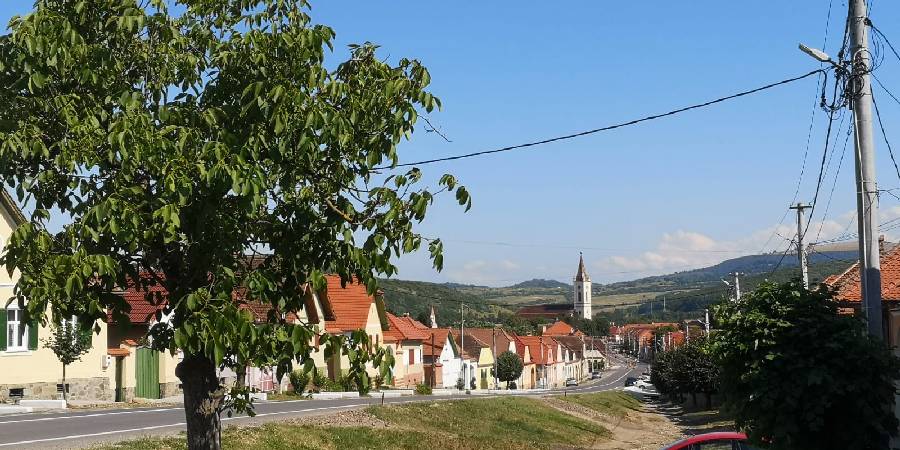
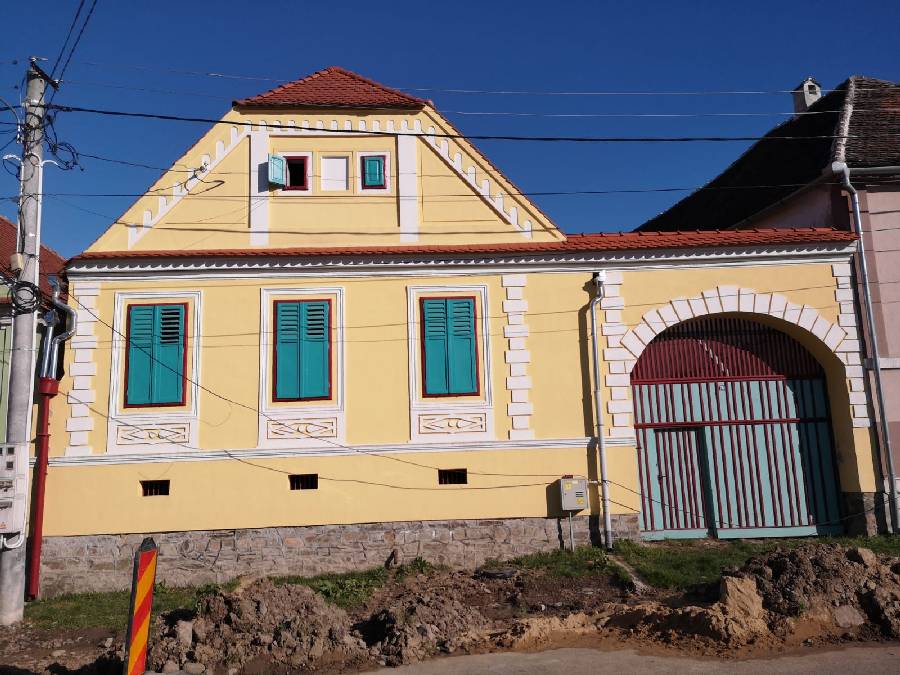
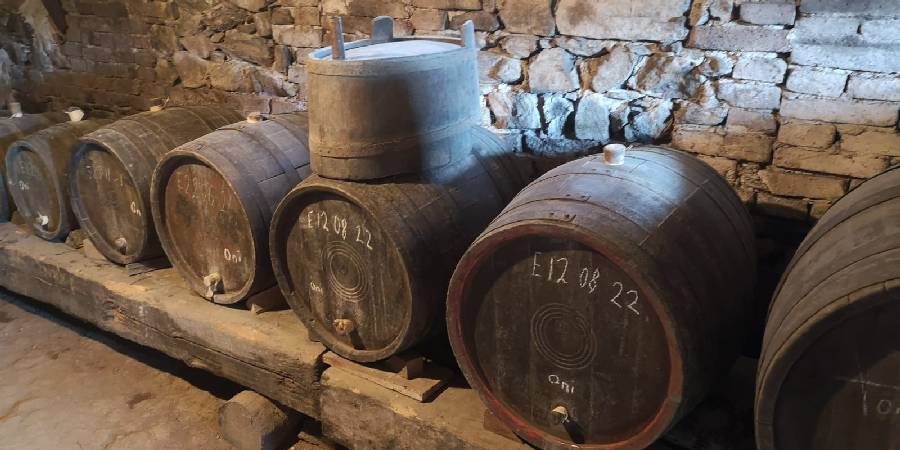
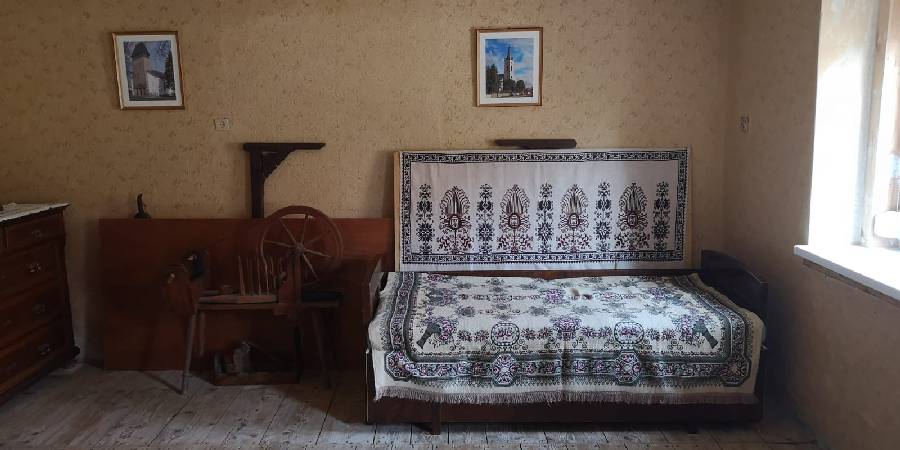
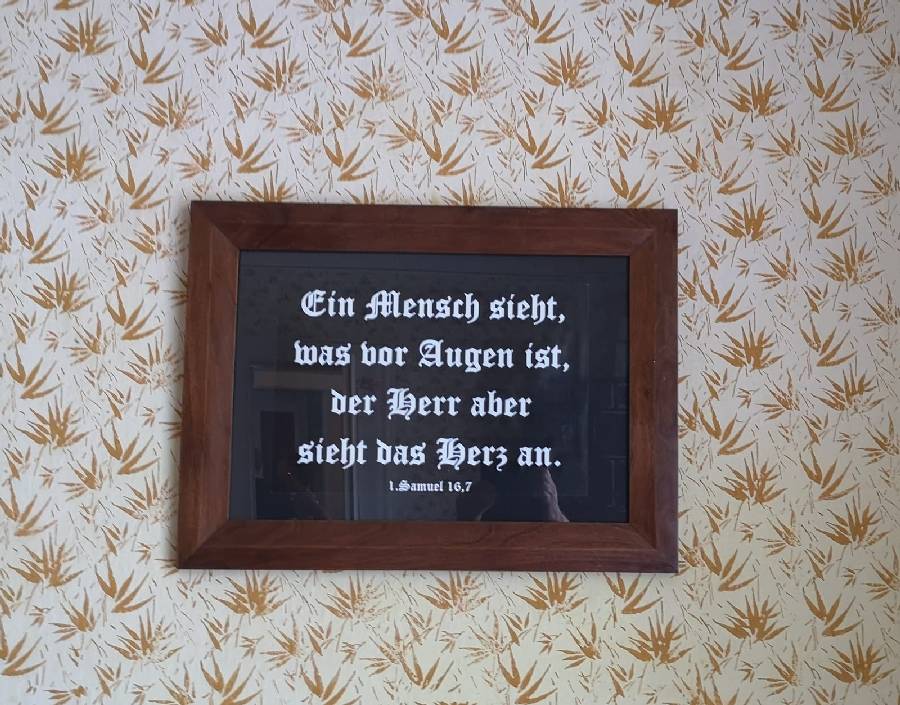
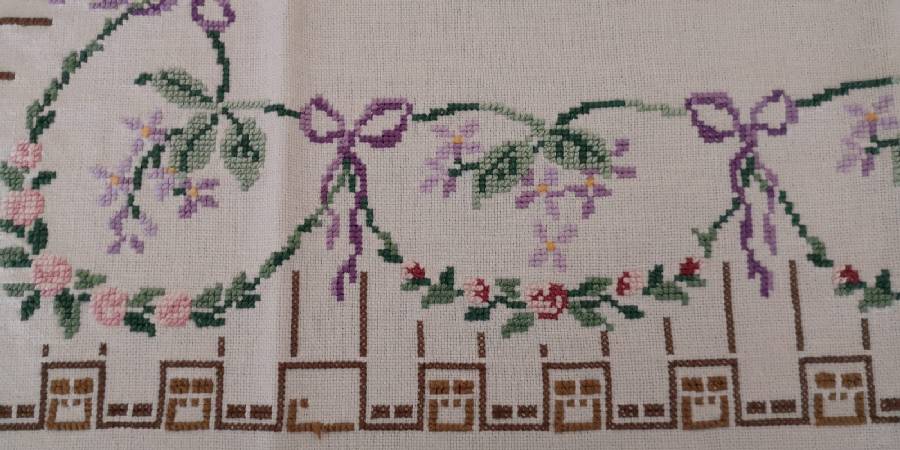
The village of Großpold, in Romanian Apoldu de Sus, is located in the county of Sibiu and is one of the three so-called Landler villages in Transylvania.
The Landler were forced to leave their Austrian homeland in the 18th century due to their Protestant faith and settled mainly in three villages near Sibiu. They have preserved their language and traditional costumes to this day. In Großpold, the typical architecture of the houses has largely been preserved. The two other Landler villages are Neppendorf, in Romanian Turnisor, today incorporated into Sibiu, and Großau, in Romanian Cristian.
We would like to thank Mr. Frank Schleßmann for sending us these beautiful pictures and the corresponding text/explanation.
(23 January 2026)
Pictures from Sibiu / Hermannstadt from yesterday evening. Always a beautiful city
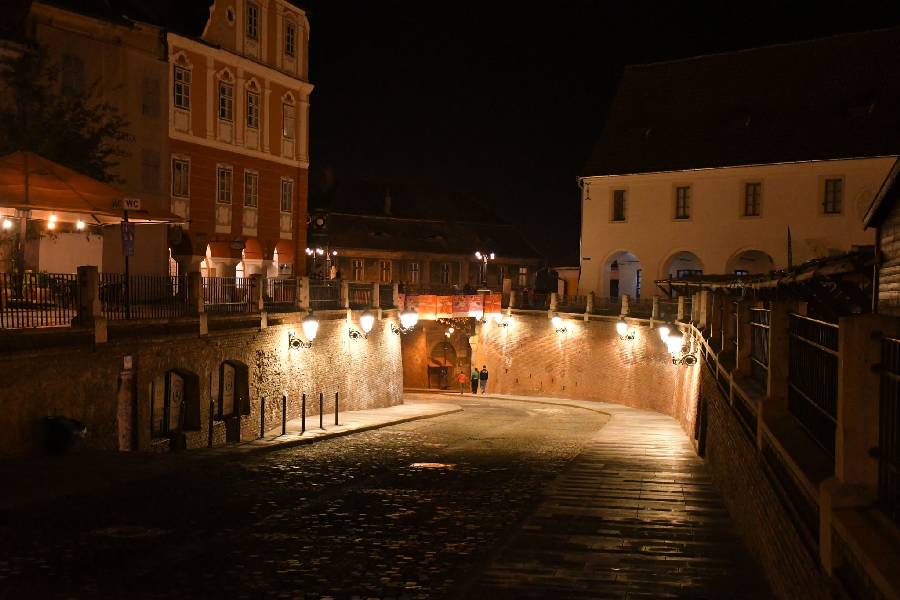
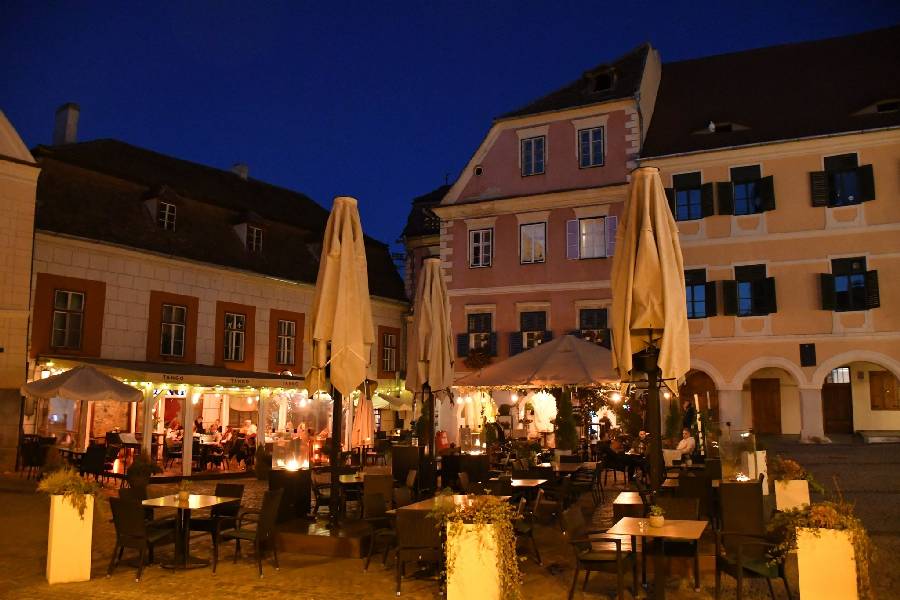
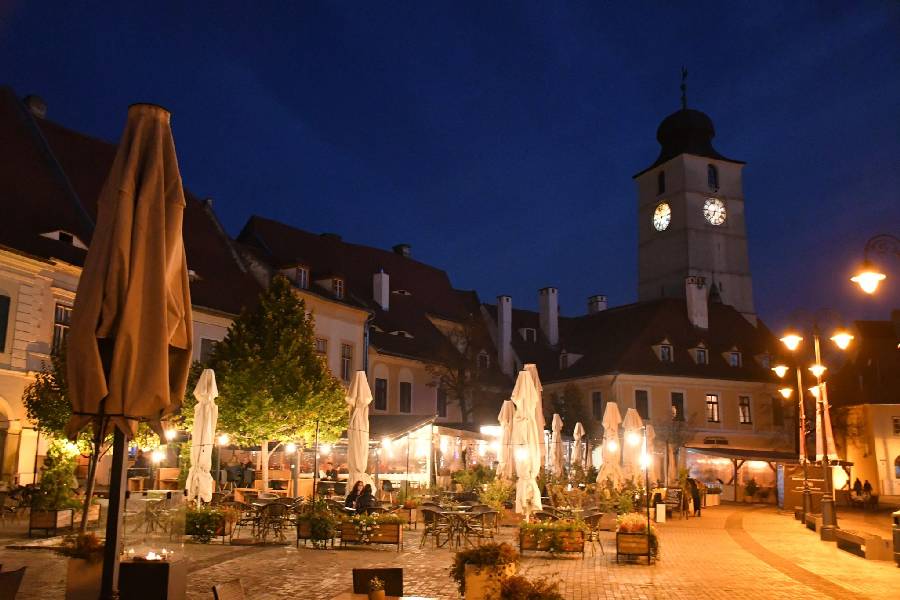
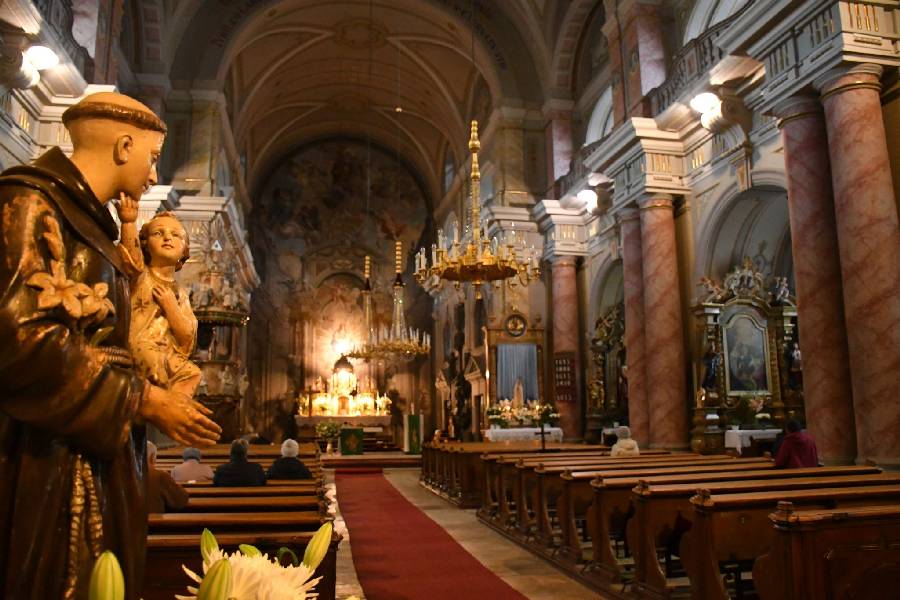
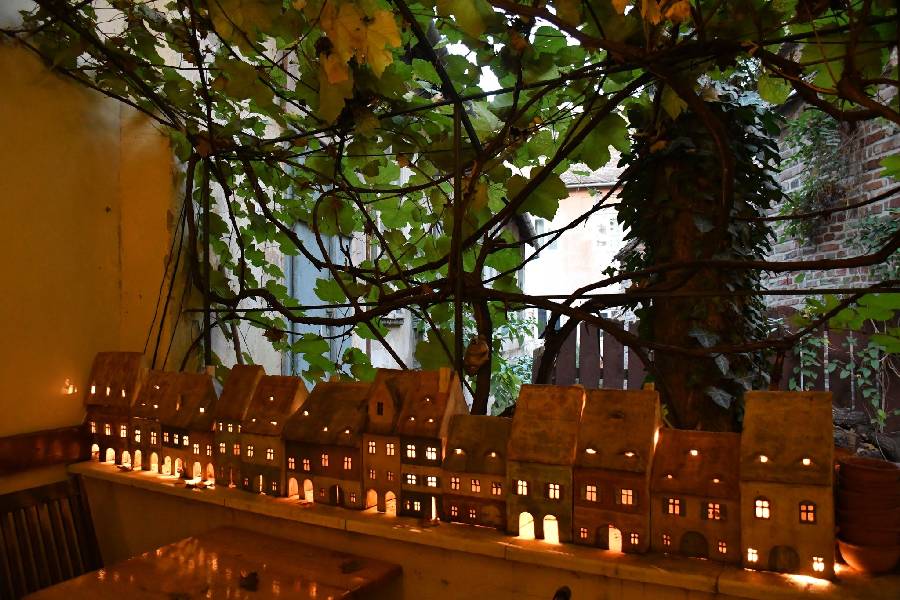
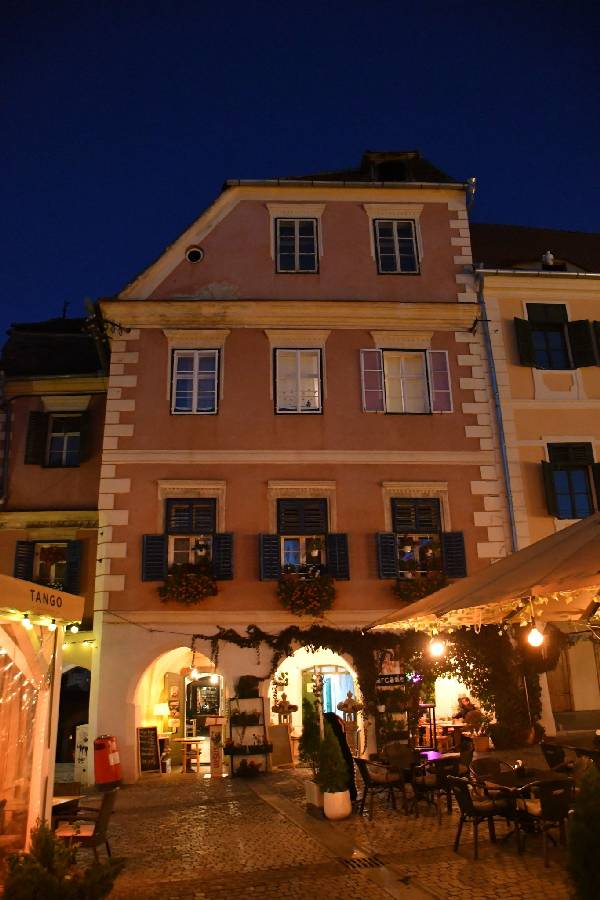
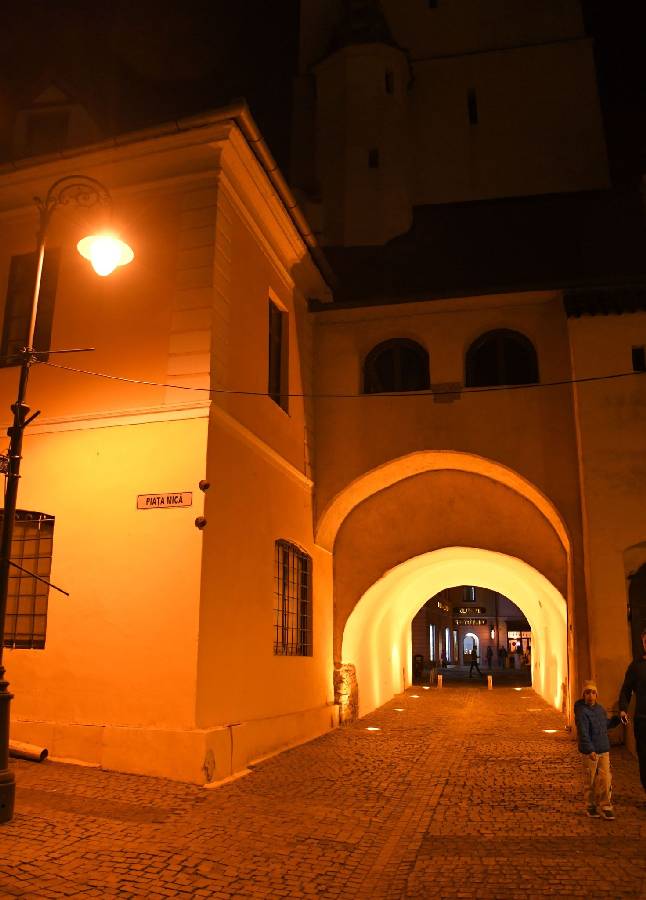
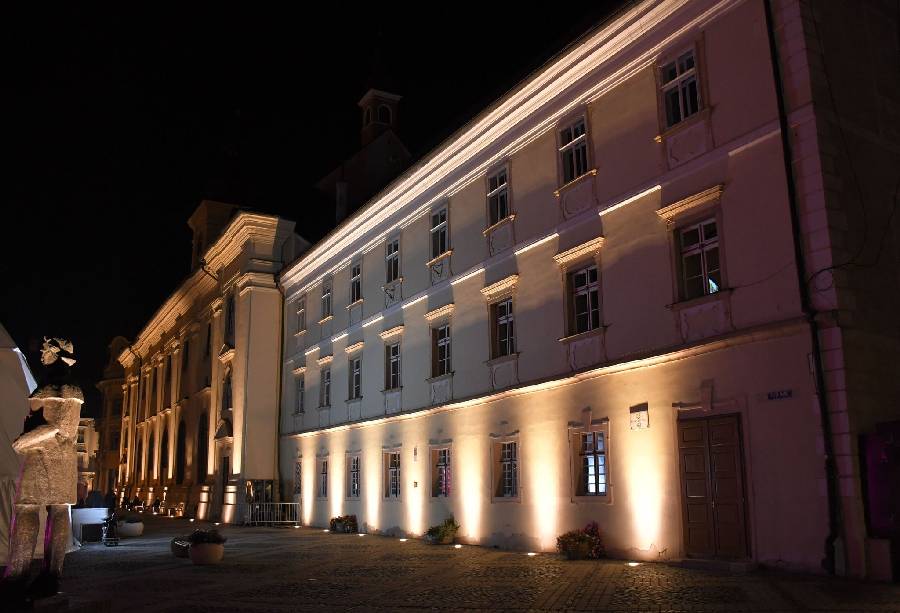
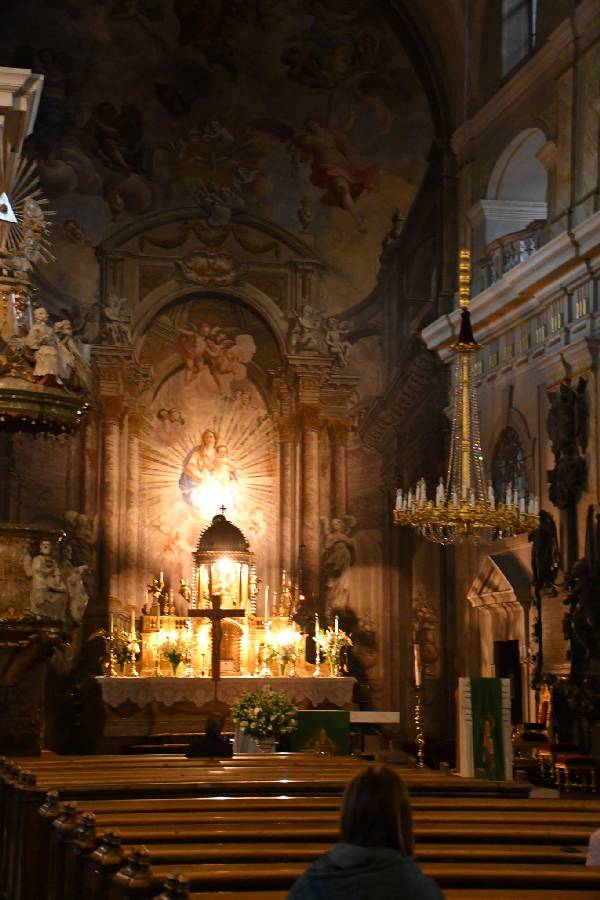
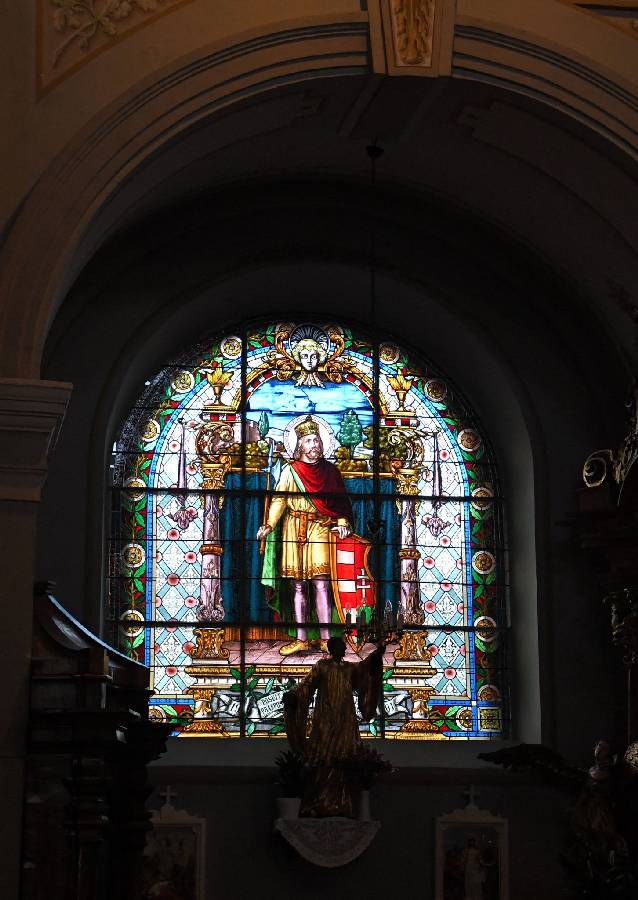
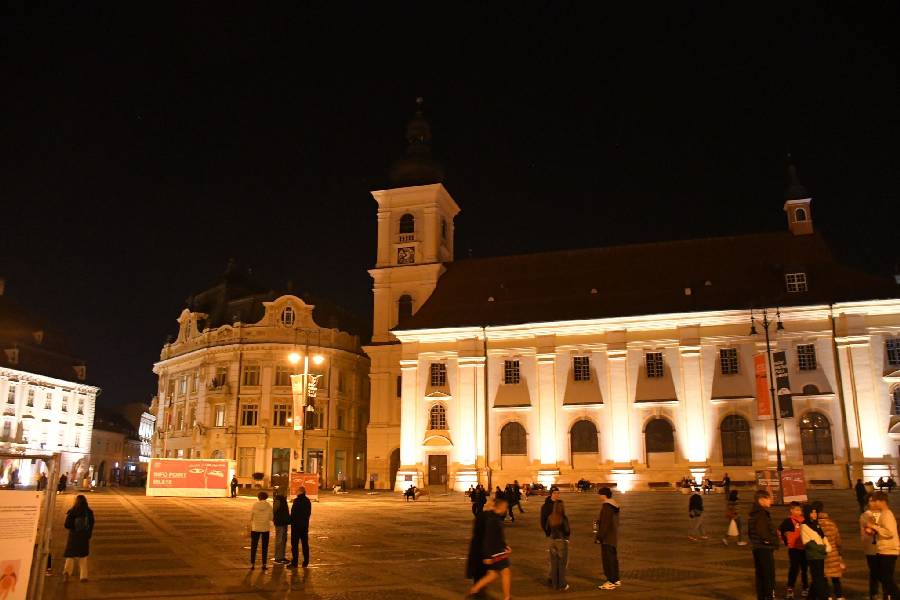
(23 January 2026)
The Church of Saint Nicholas in Densuș (Demsdorf), Hunedoara County, in western Romania, is the oldest stone church in the country.
Built in its current form in the 13th century on the site of a 2nd-century Roman temple, it used materials from the Dacian fortress of Sarmizegetusa. The church interior features 15th-century frescoes depicting Jesus in traditional Romanian attire.
Historians suggest the site once housed a Dacian temple for the god Zamolxis, later turned into a Roman temple for Mars. The church’s origins trace back to the 4th century, making it the oldest church in Romania and Southeast Europe.
We thank Mr. Frank Schleßmann for sending these beautiful pictures (April 22, 2025).
(23 January 2026)
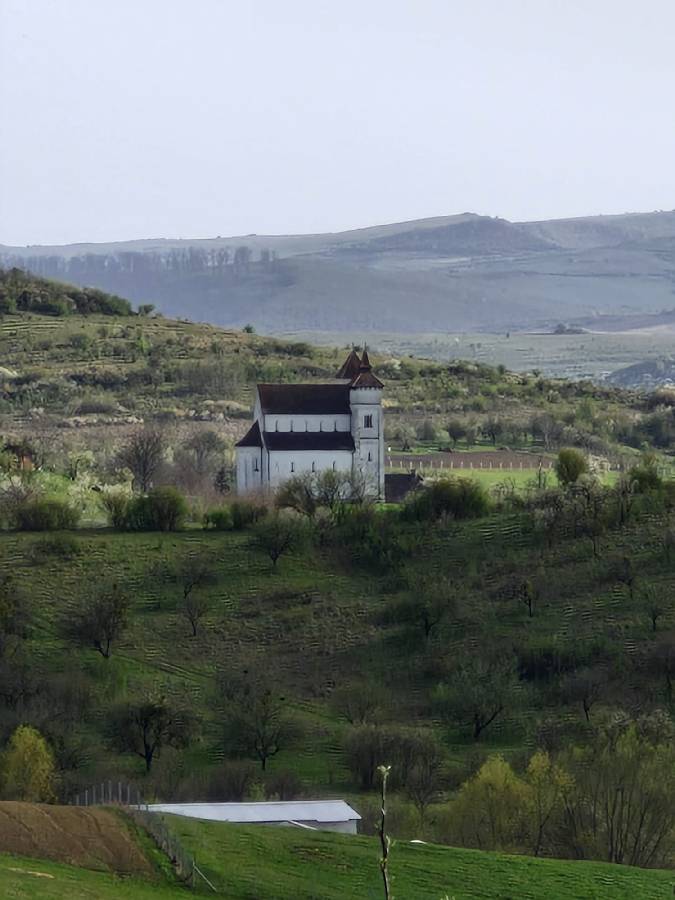
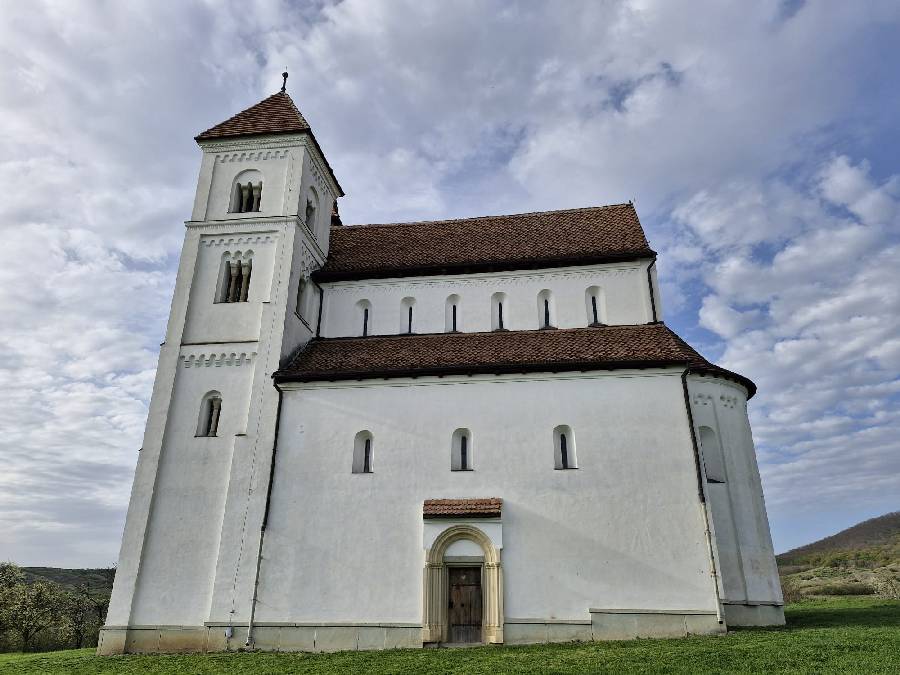
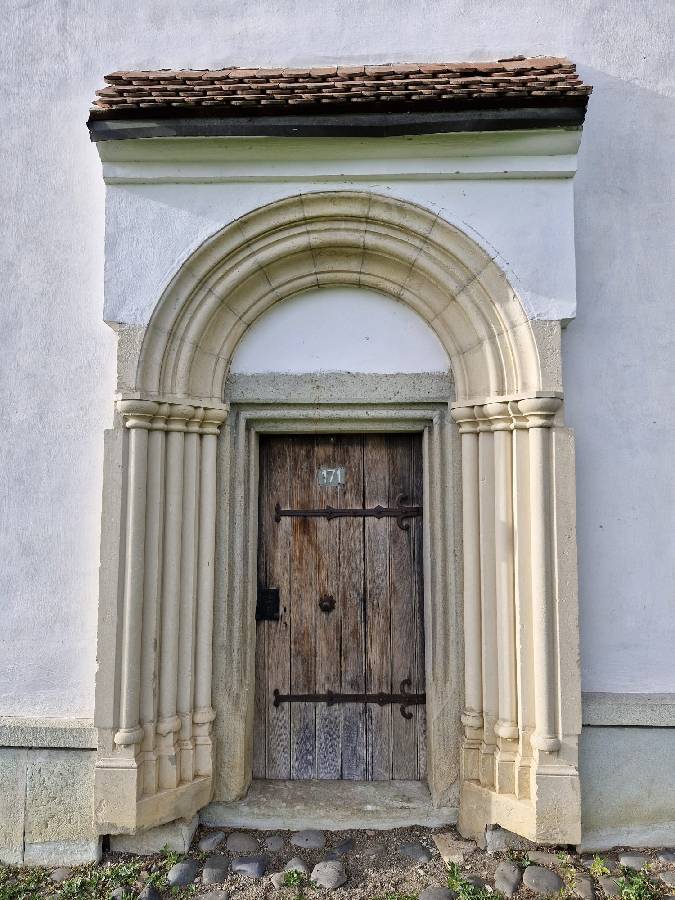
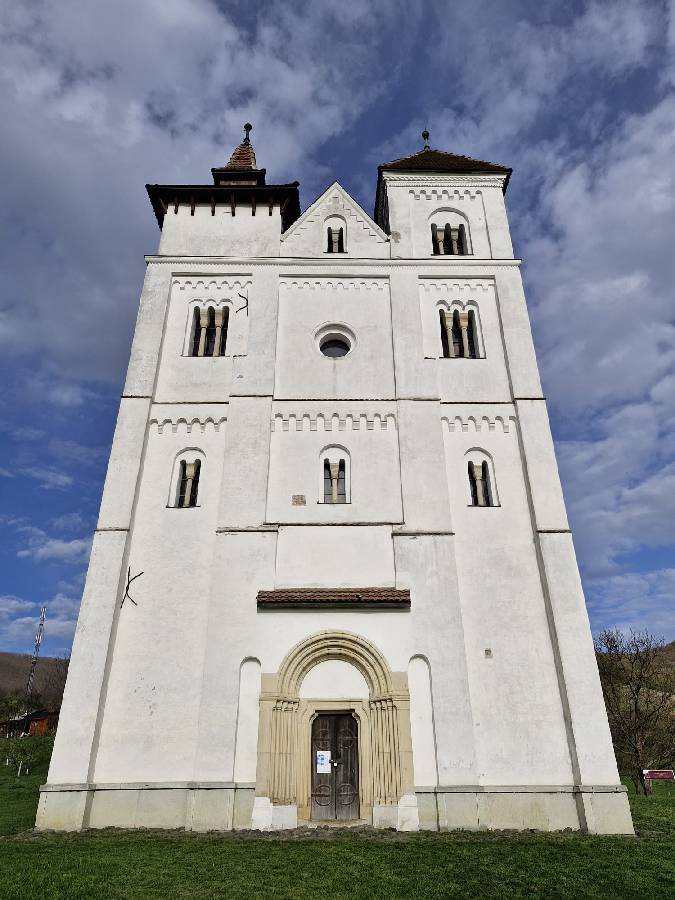
Mönchsdorf (in Romanian Herina) is a village in the community of Galatii Bistritei in Bistrita-Nasaud County in Northern Transylvania. The Evangelical church, built in the 13th century, has been an Evangelical place of worship since the Reformation.
https://urlaub-in-rumänien.de | https://welcome-to-romania.com
We thank Mr. Frank Schleßmann for sending these beautiful pictures (April 17, 2025) and the corresponding text / explanation.
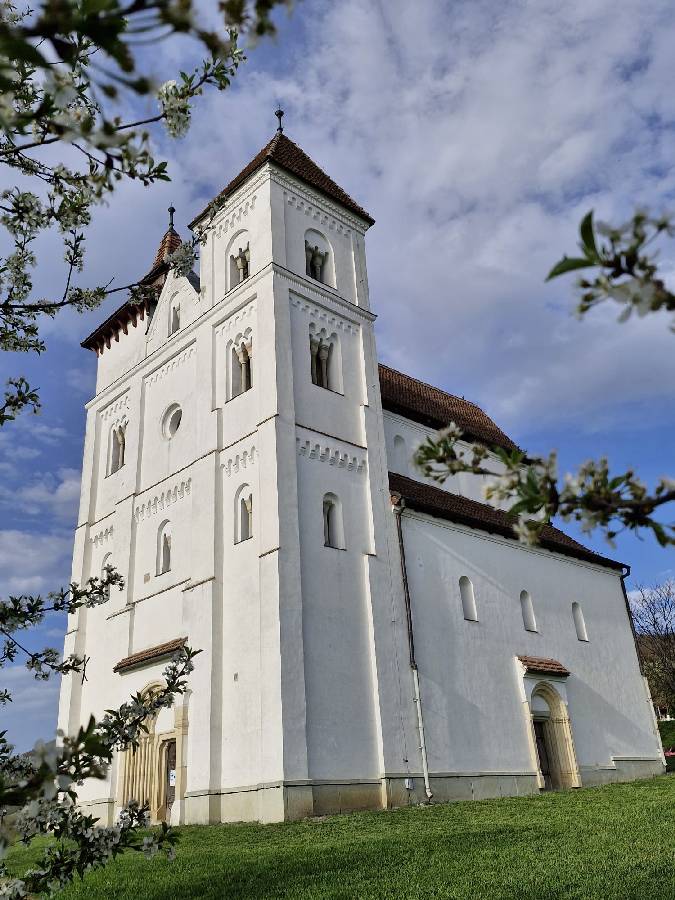
(23 January 2026)
Simply beautifuuuuuuuuuuul !!!
(23 January 2026)
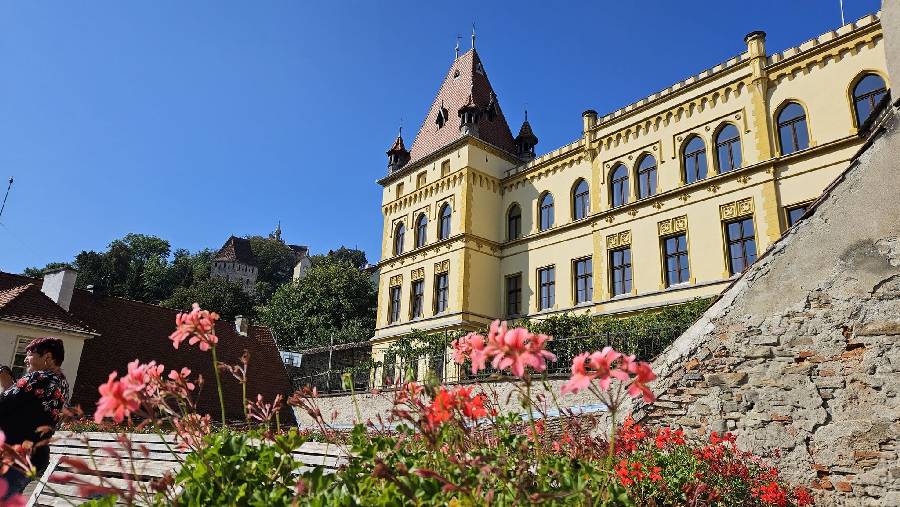
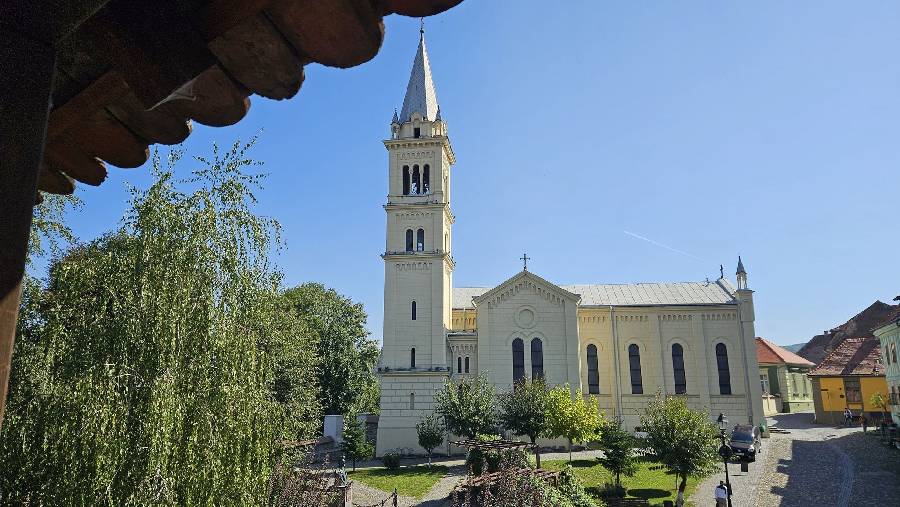
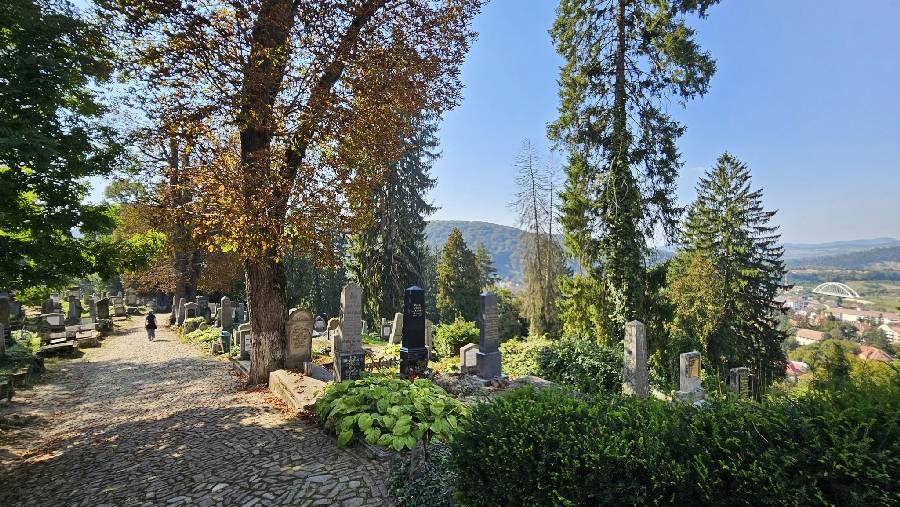
Pictures from Schässburg / Sighisoara in Mures County from Tom and Helga’s Romania tour in September and October 2024.
Discover more destinations in Romania and create your own travel plan online > https://rotravel24.com
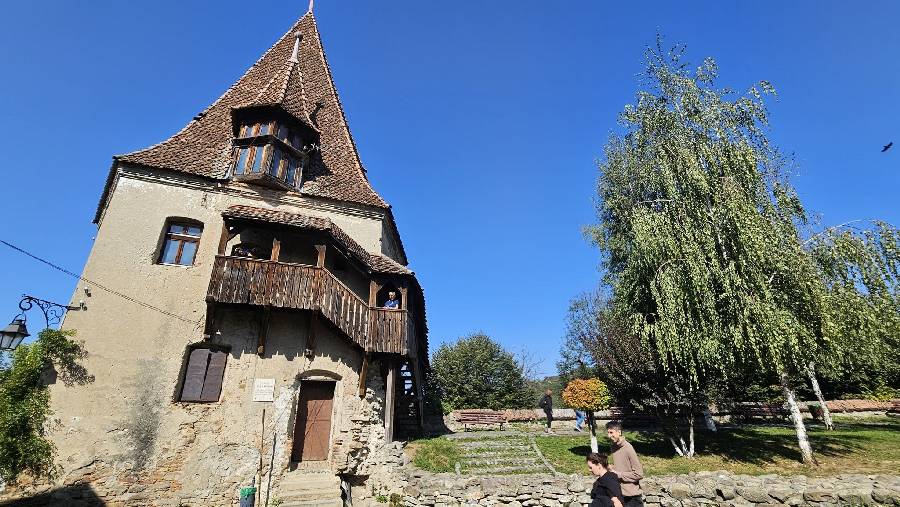
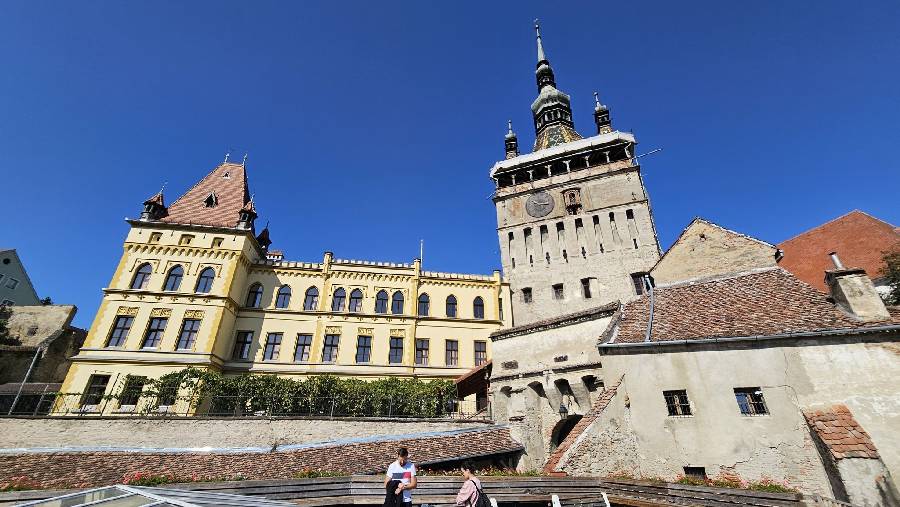
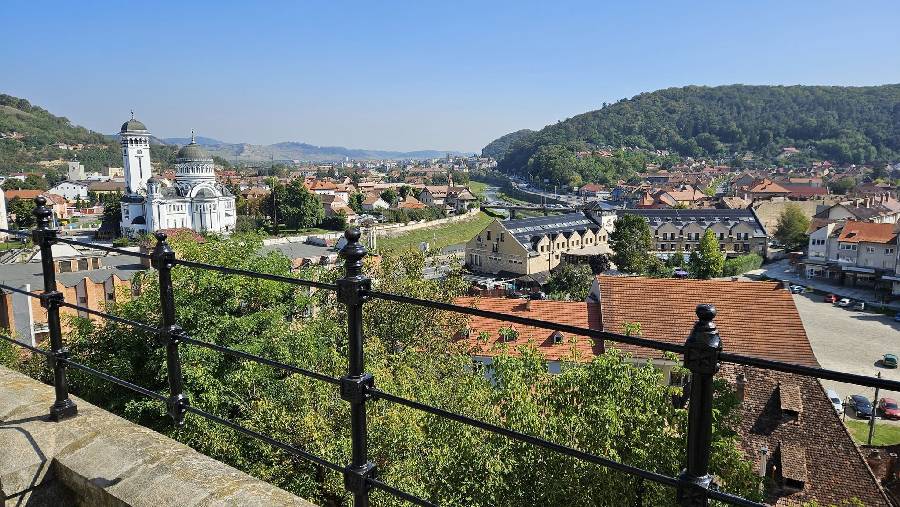
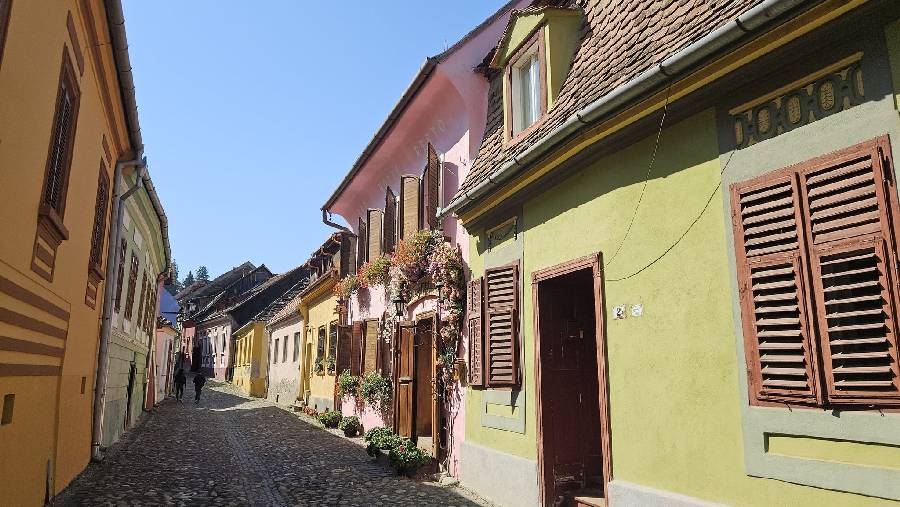
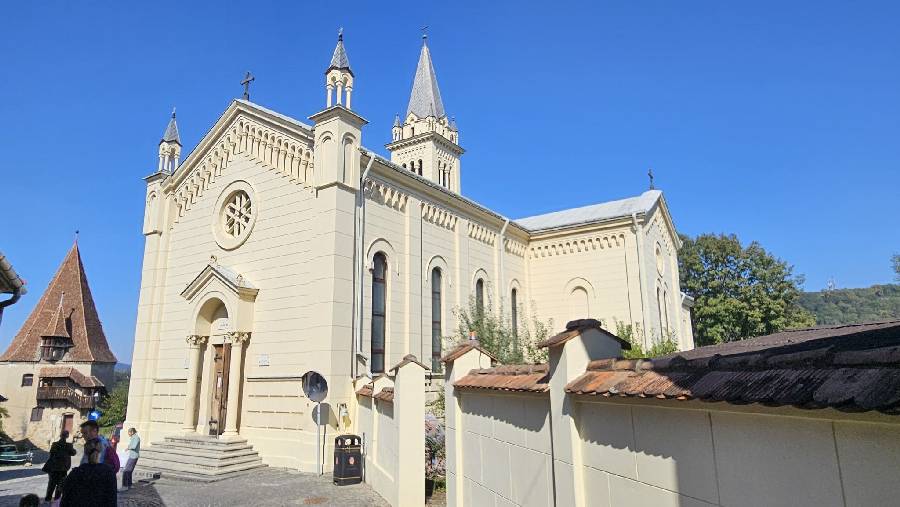
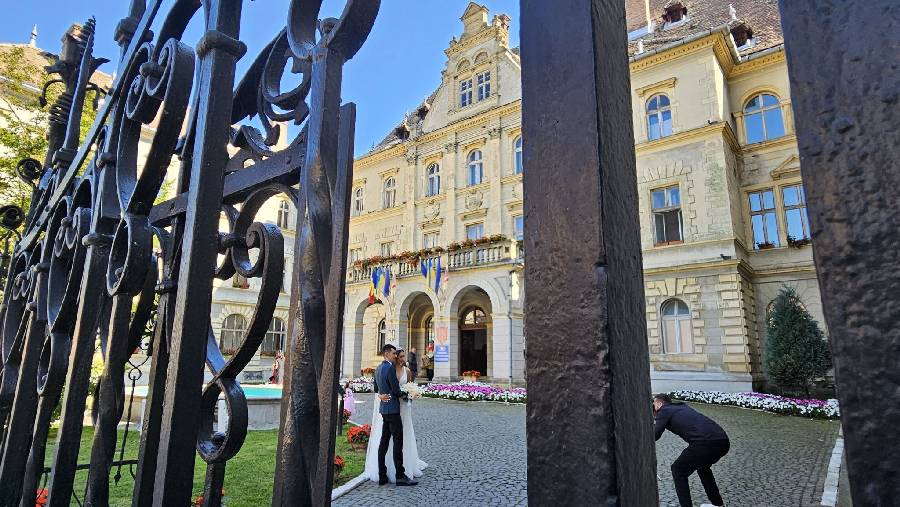
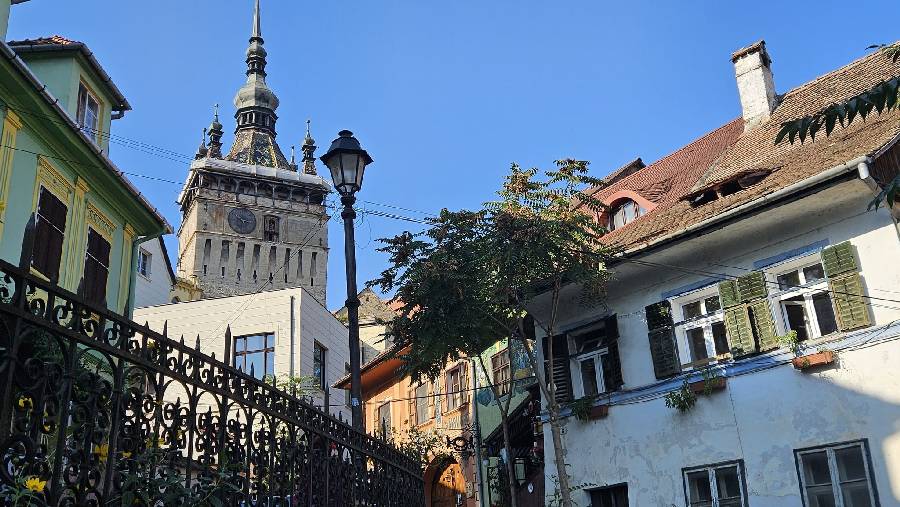
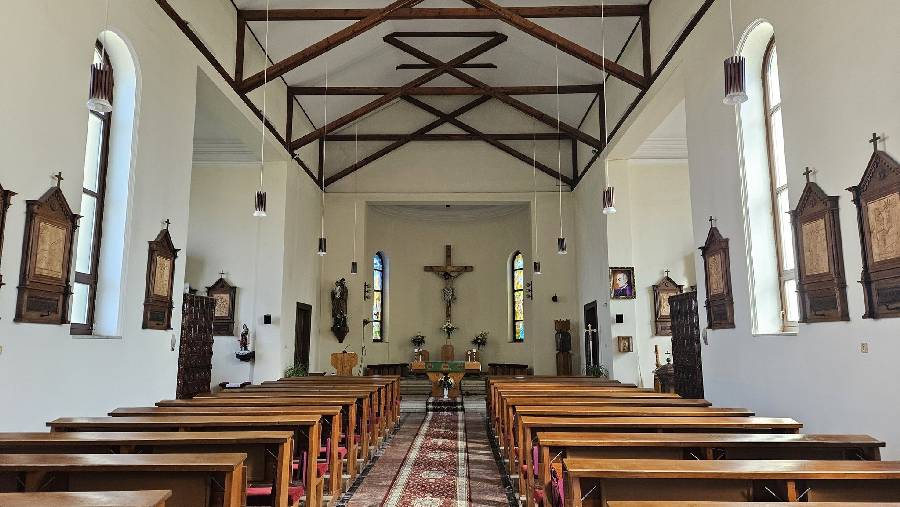
(22 January 2026)
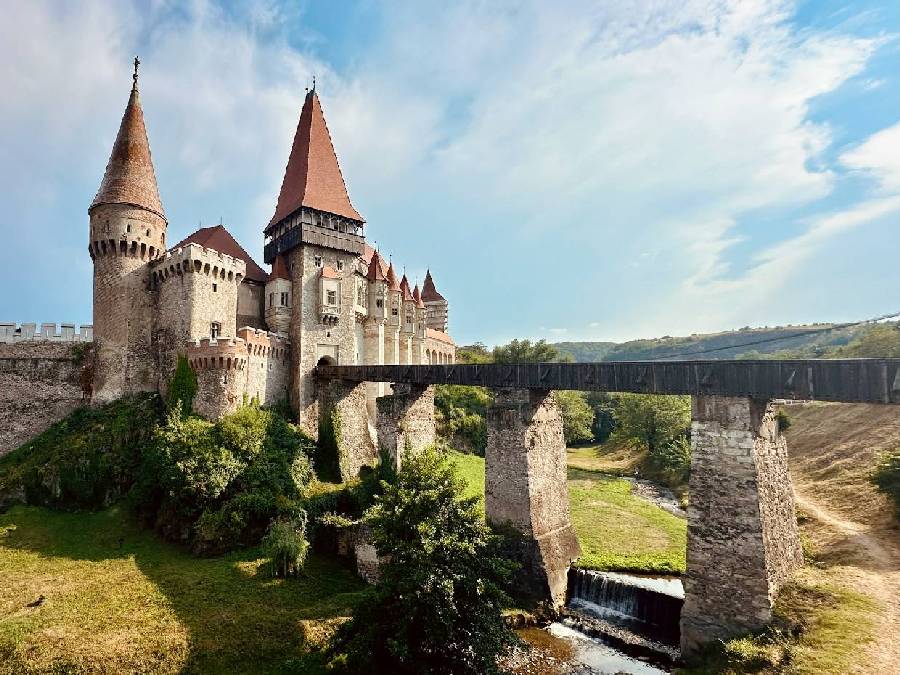
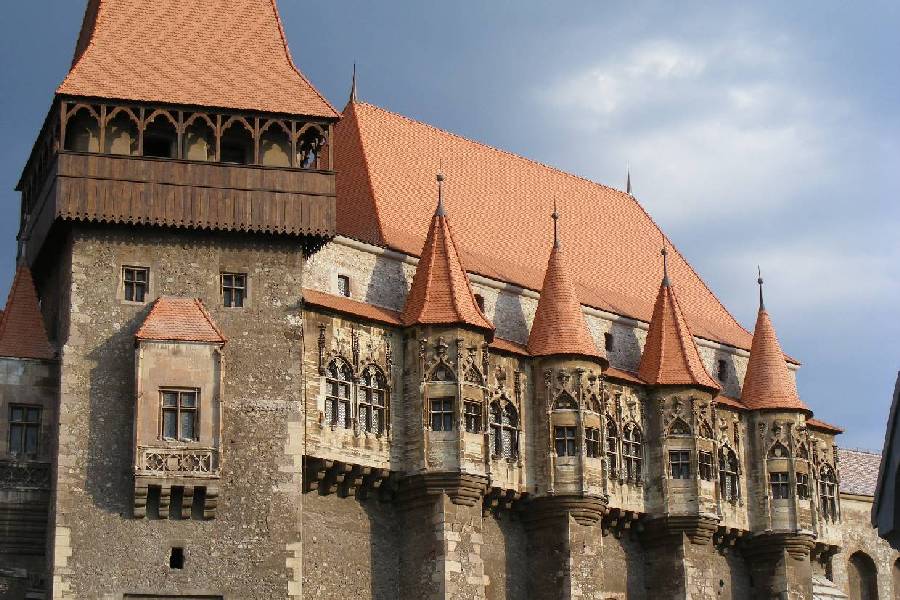
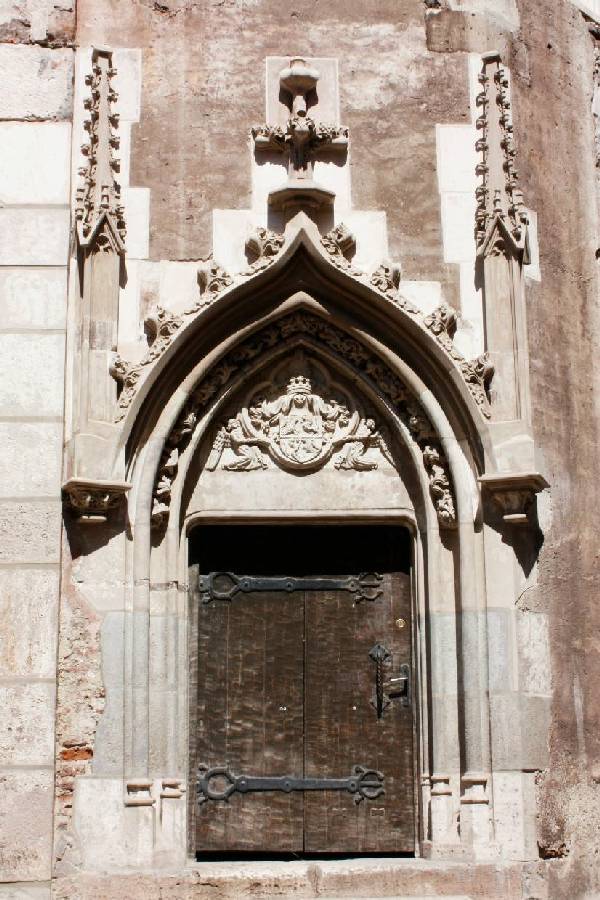
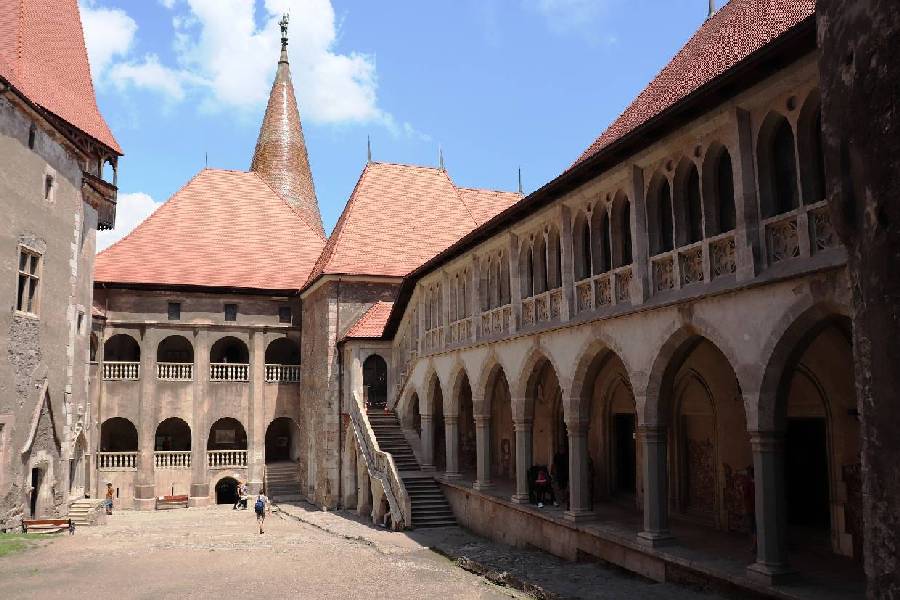
Hunedoara Castle (also known as Hunedoara Fortress, in German Burg Eisenmarkt, in Romanian Castelul Corvinilor or Castelul Huniazilor, in Hungarian Vajdahunyadi vár) is one of the most important non‑ecclesiastical buildings in Transylvania.
The stone fortress was built on the remains of a 14th‑century fortification and is located in the southwestern part of the city of Hunedoara (German name: Eisenmarkt) in western Romania.
https://welcome-to-romania.com | https://urlaub-in-rumänien.de
The castle, a listed historic monument, is also known under many other names (Corvin Castle, Castle of the Corvins, Corvinus Castle, Corvinesti Castle, Corvin Castle, Eisenmarkt Castle, Black Castle, Vajdahunyad Castle, Hunyadi Castle), which trace back to its location or owners.
The Hungarian statesman and military leader John Hunyadi transformed an existing fortification after 1440 into the ancestral seat of the Hunyadi family. During the second construction phase, starting in 1458, the castle was expanded under King Matthias Corvinus. At the beginning of the 17th century, further significant modifications were made under Prince Gábor Bethlen. Today, the castle therefore displays a mix of architectural styles.
From 1724 the castle was in Austrian possession, and since 1918 it has belonged to the Romanian state. Aside from being a tourist attraction, the castle has been (and still is) used as a backdrop for numerous Romanian and international film productions. Today, it houses a museum.
(22 January 2026)
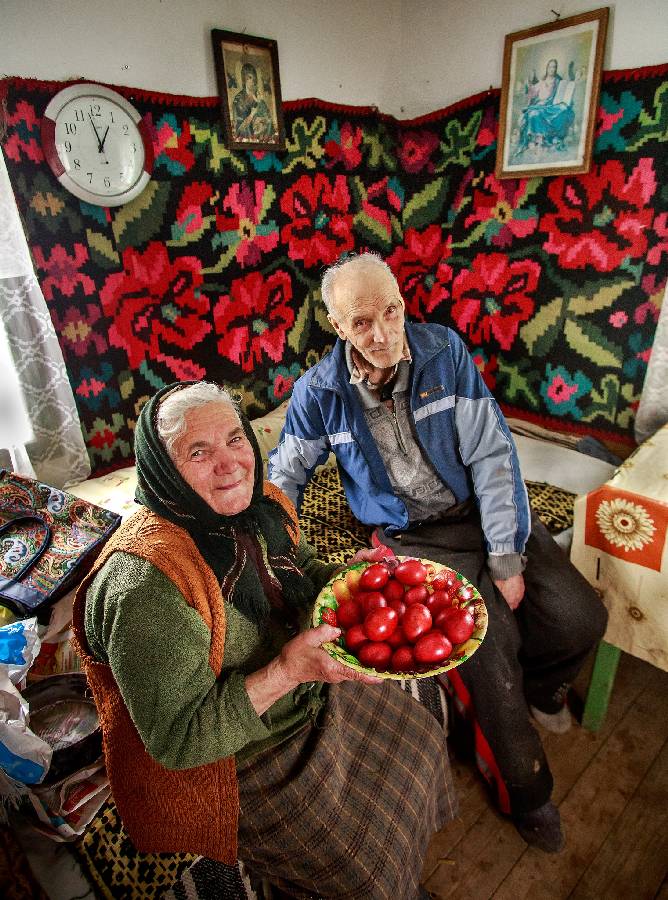
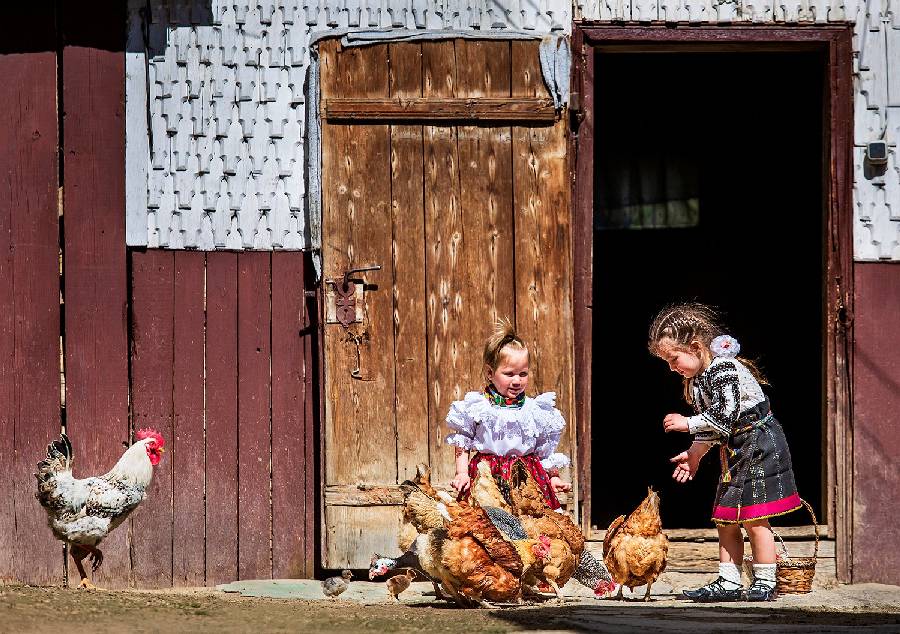
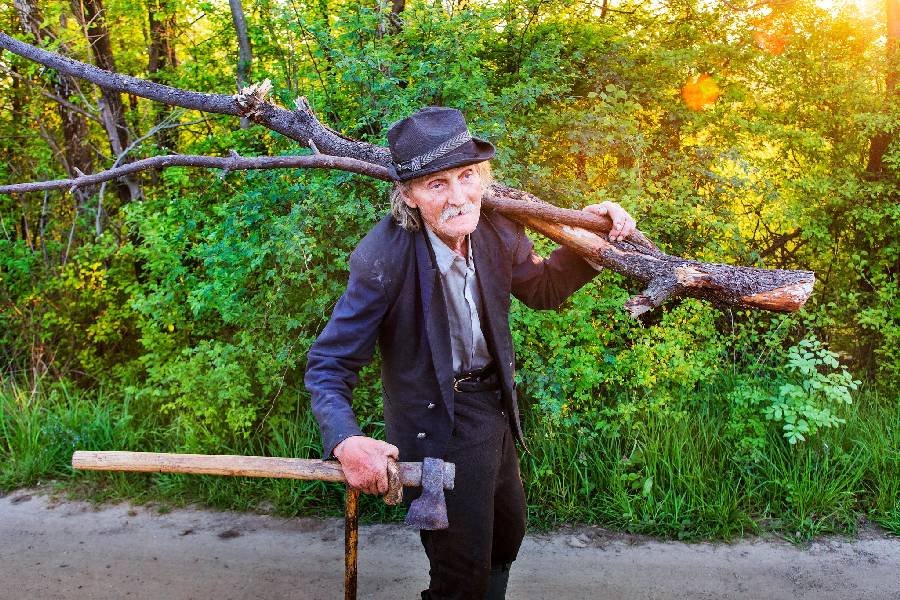
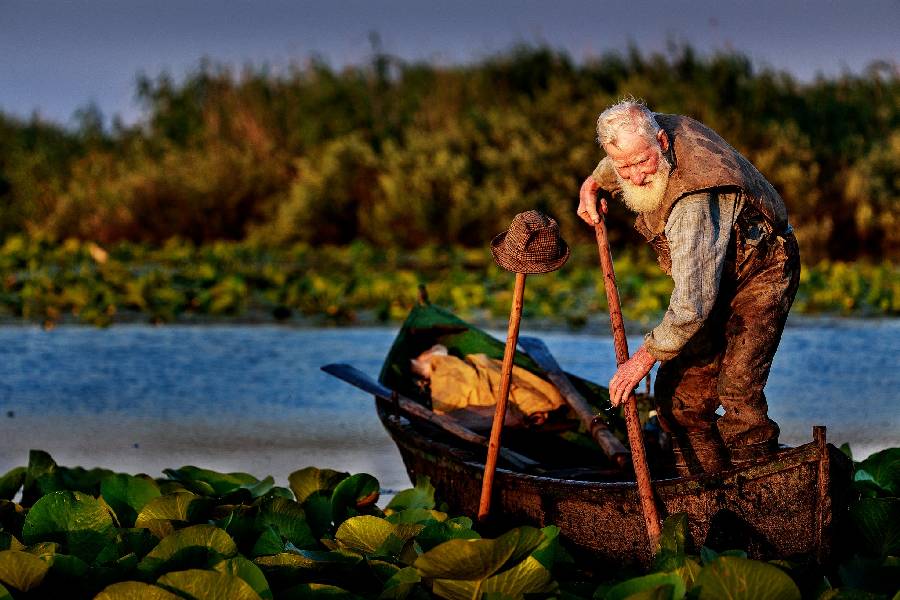
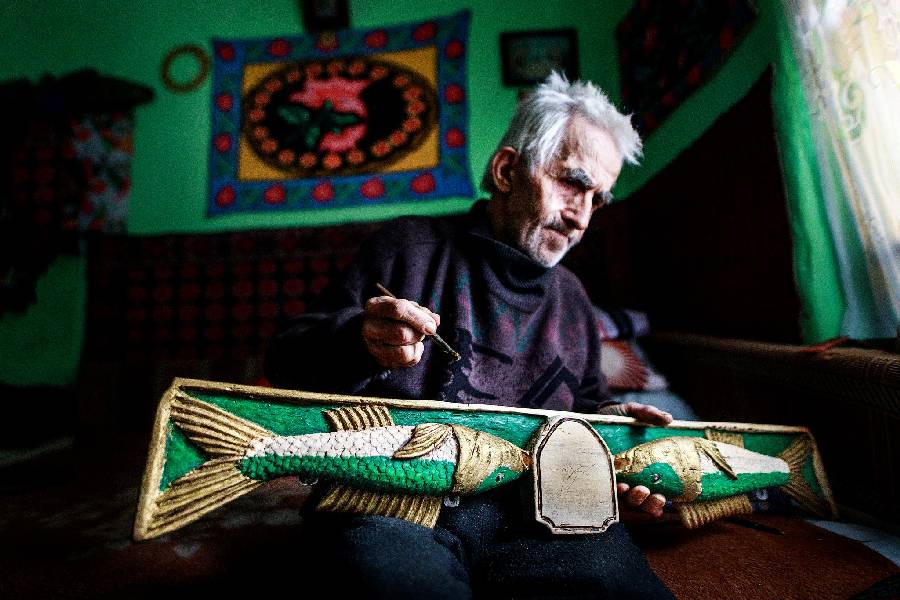
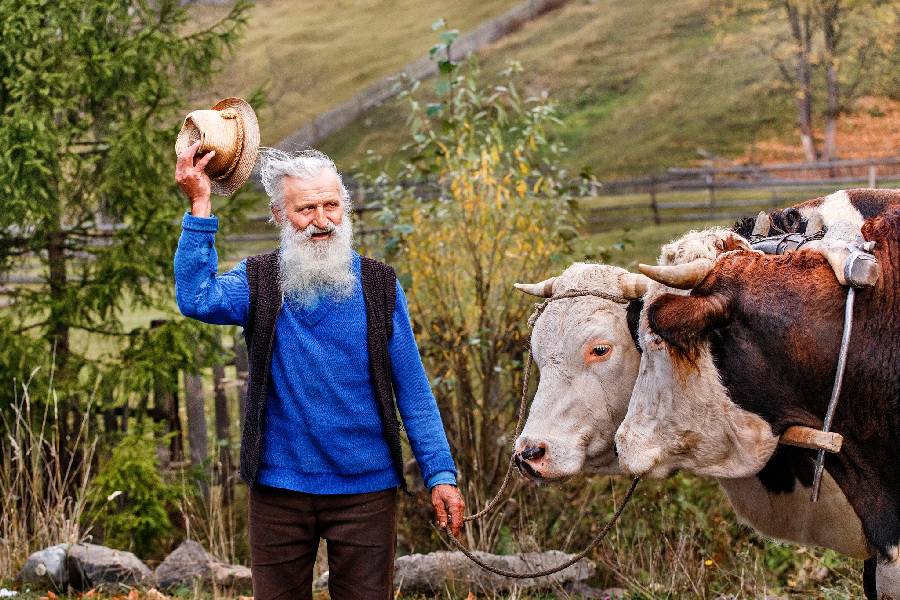
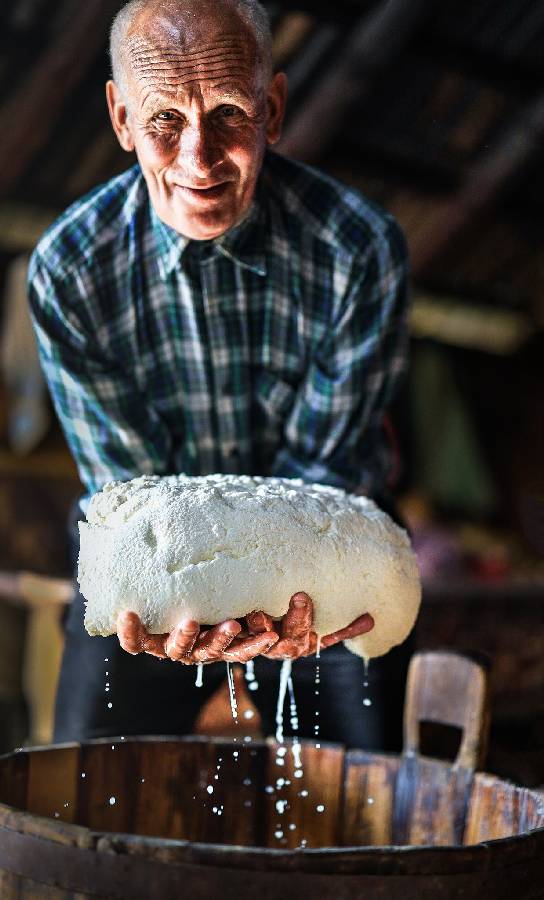
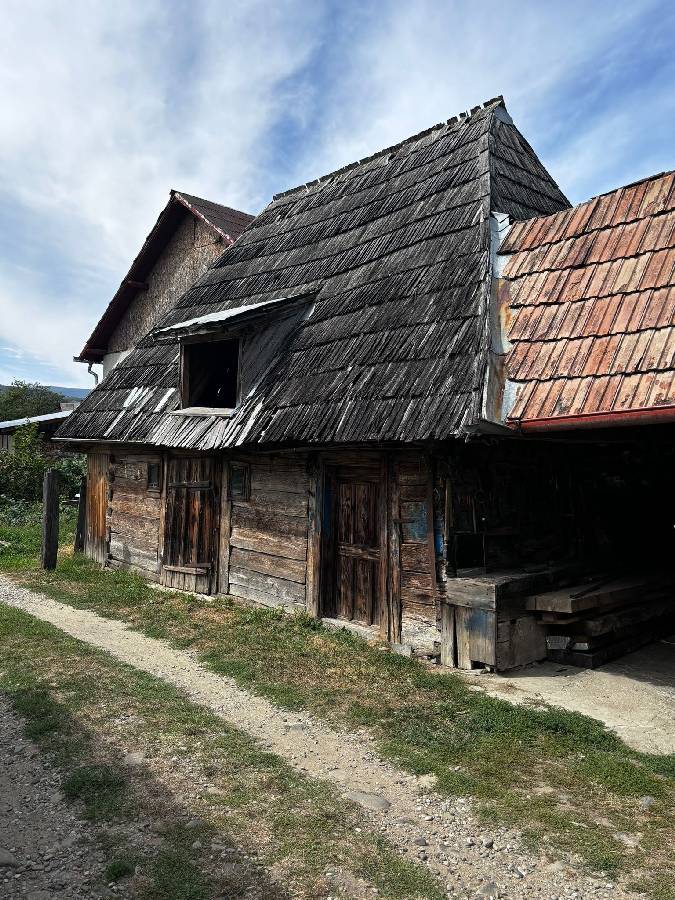
Life in the countryside is very different from life in the cities. It is characterized by family, hospitality, traditions, hardships, and hard work well into old age.
And … it is often a happier life than we imagine. Those who have little worry less, and the many daily news updates of the world, which we constantly receive on our phones (and don’t really need), reach these people less often or perhaps not at all.
We thank the photographer Sorin Onișor ( Sorin Onișor ) for the permission to use these atmospheric images.
(22 January 2026)
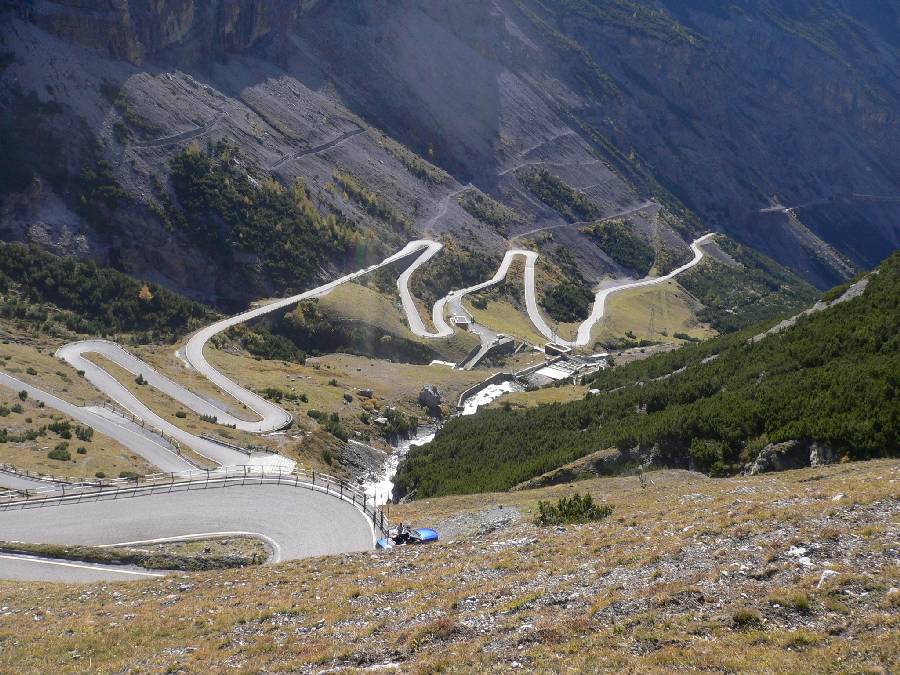
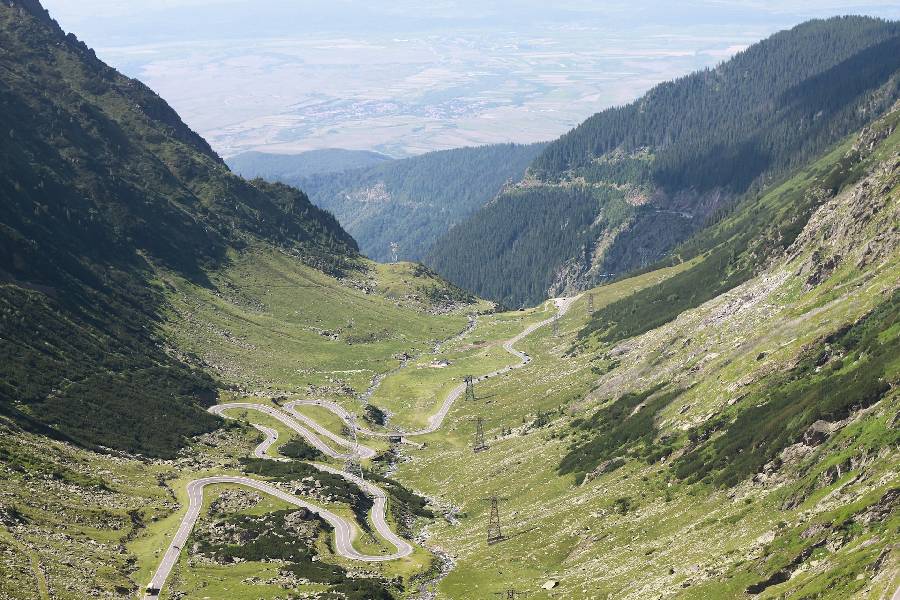
Two pictures, one from the Stelvio Pass in Italy, the second highest mountain pass in the Alps, and one from the Transfagarasan in Romania, the second highest mountain pass over the Carpathians (in Romania).
We thank Mr. Thomas Götten for the suggestion and the picture from the Stelvio Pass.
(22 January 2026)
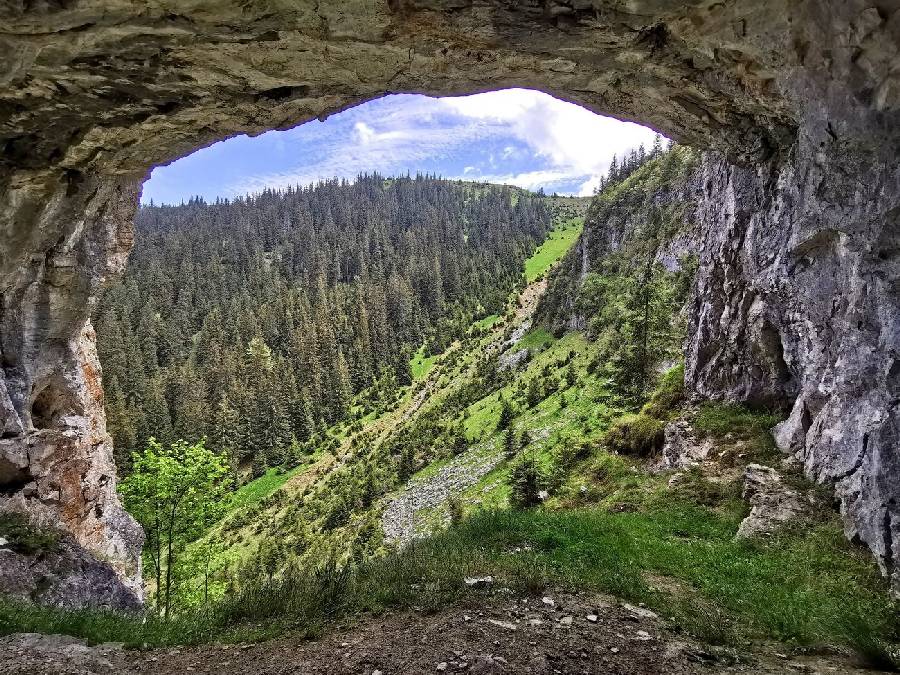
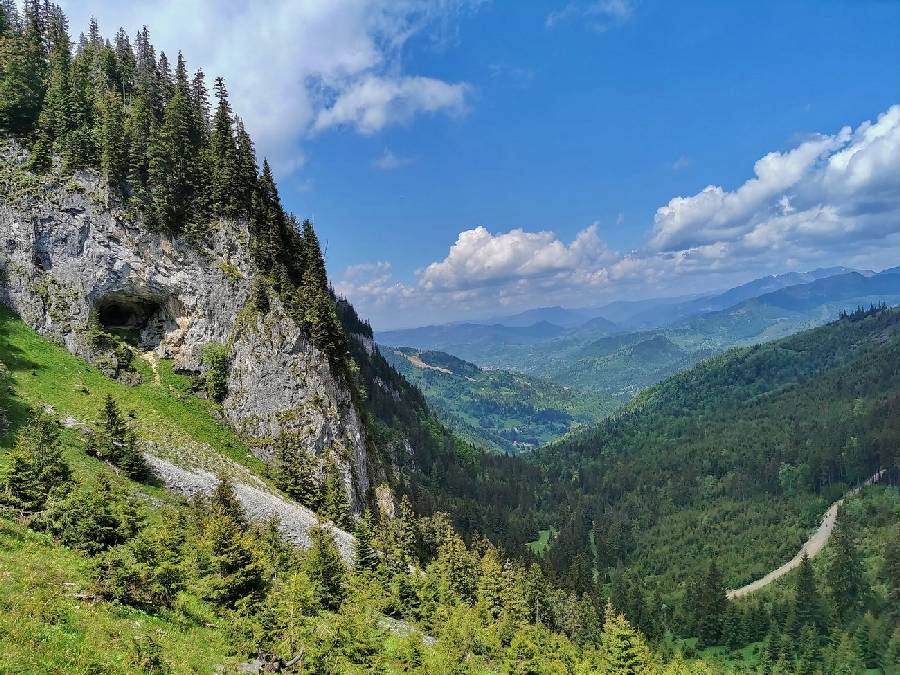
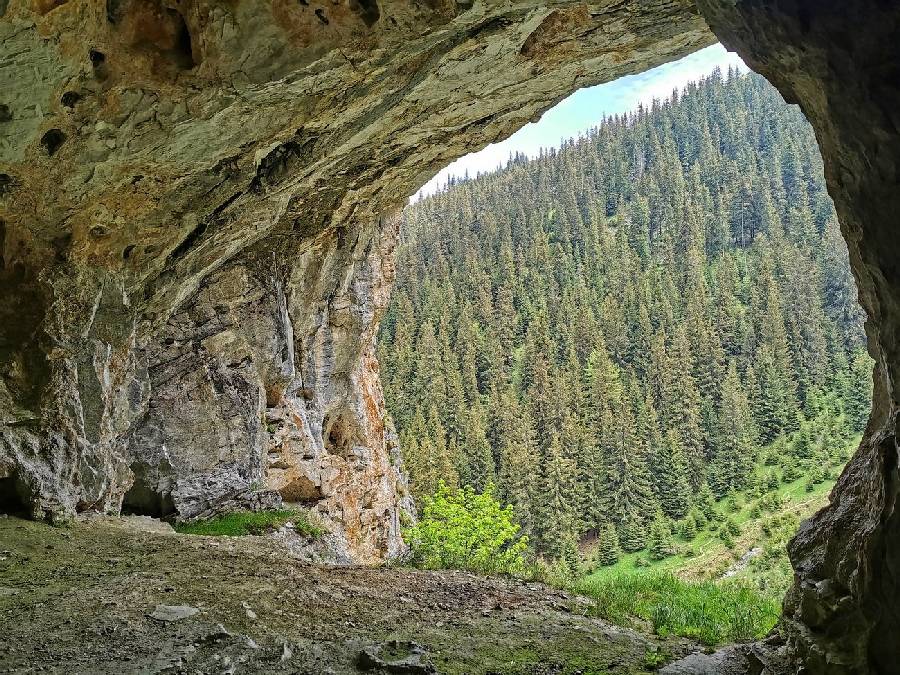
The cave is located at an altitude of 1,640 meters in the Piatra Rea nature reserve ( in the Rodna Mountains ), near the Horse waterfall.
In the Piatra Rea nature reserve you will find a diverse vegetation, with rare species of subalpine and alpine plants.
Text / image source: https://www.destinatiaanului.ro/
(22 January 2026)
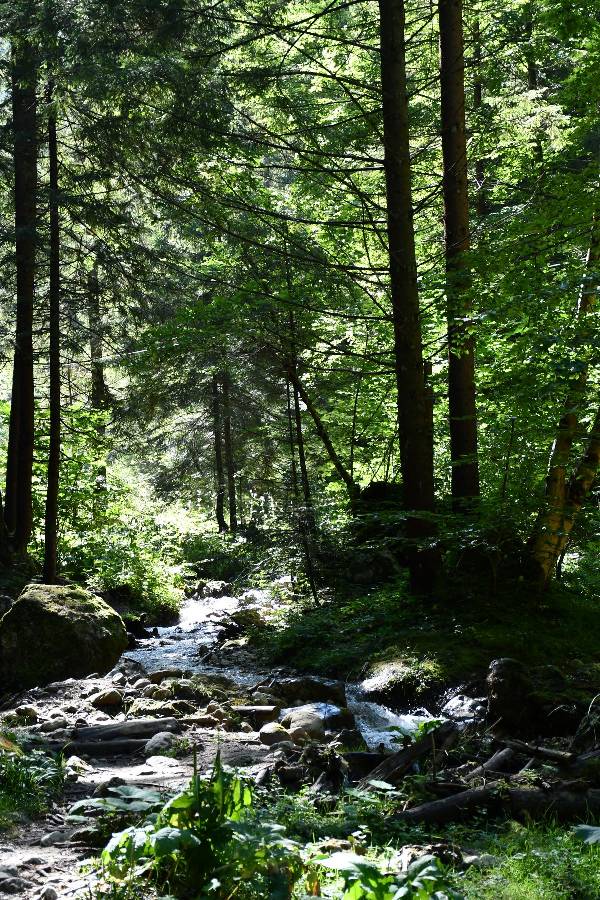
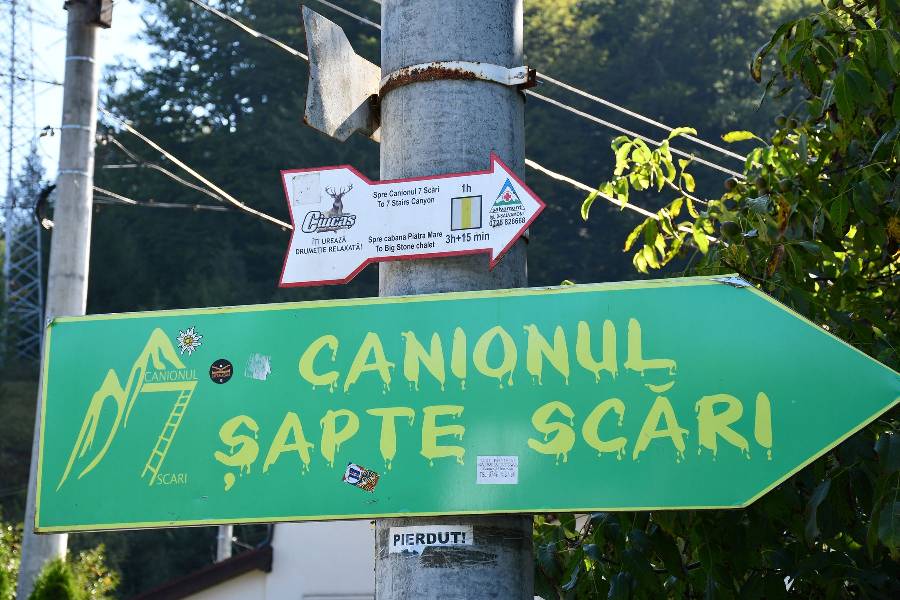
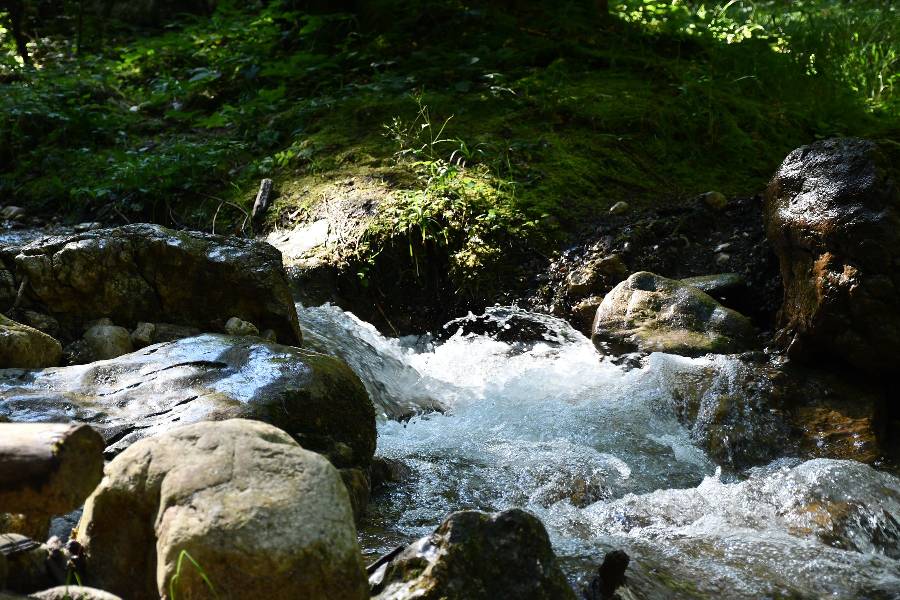
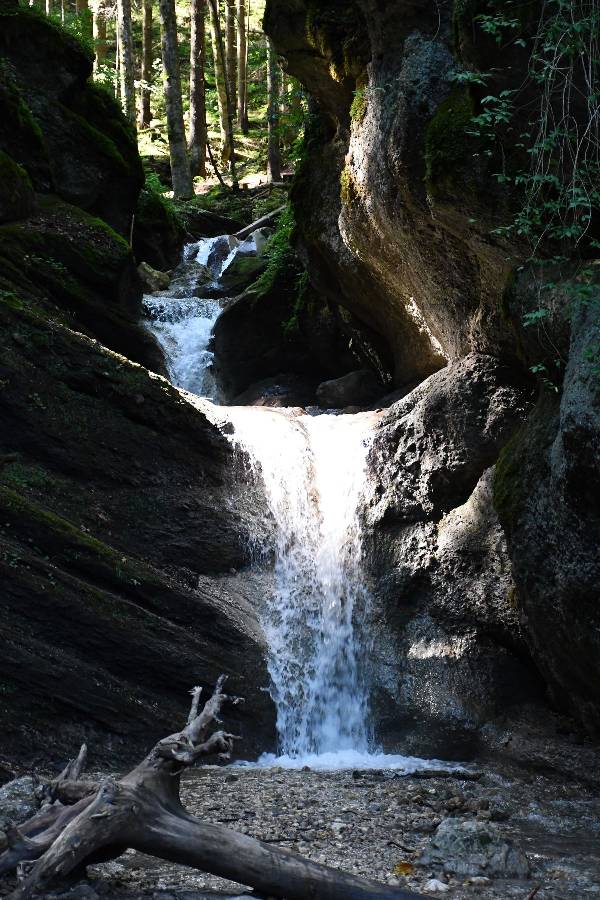
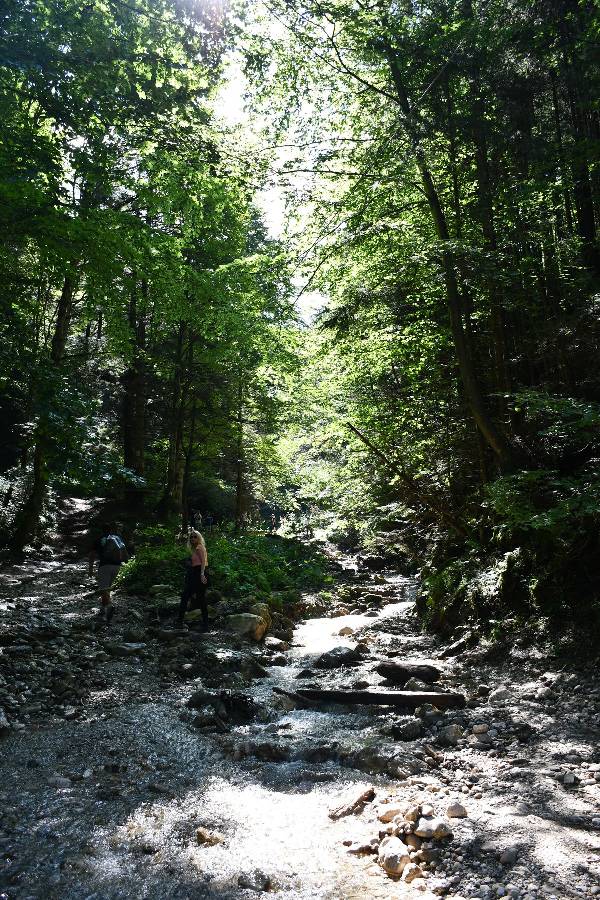
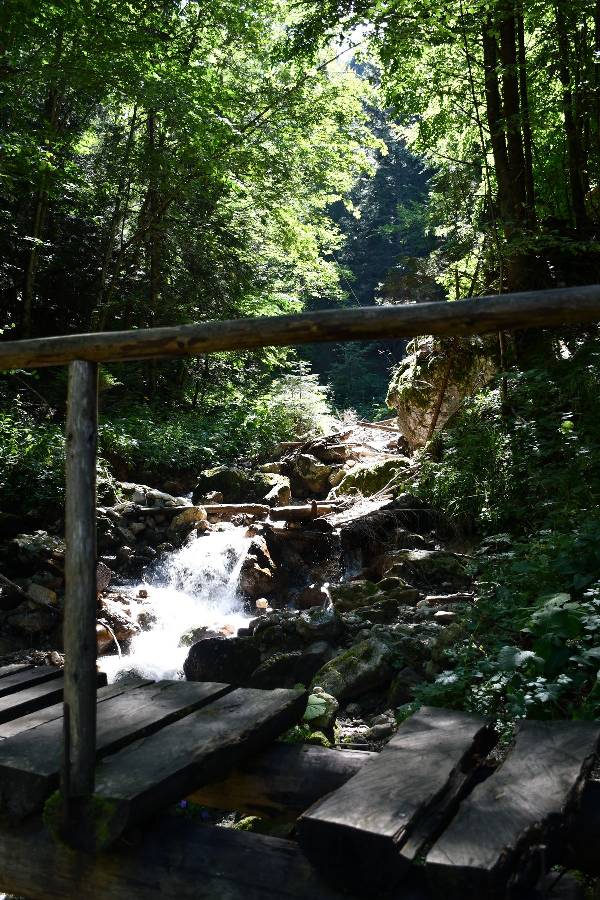
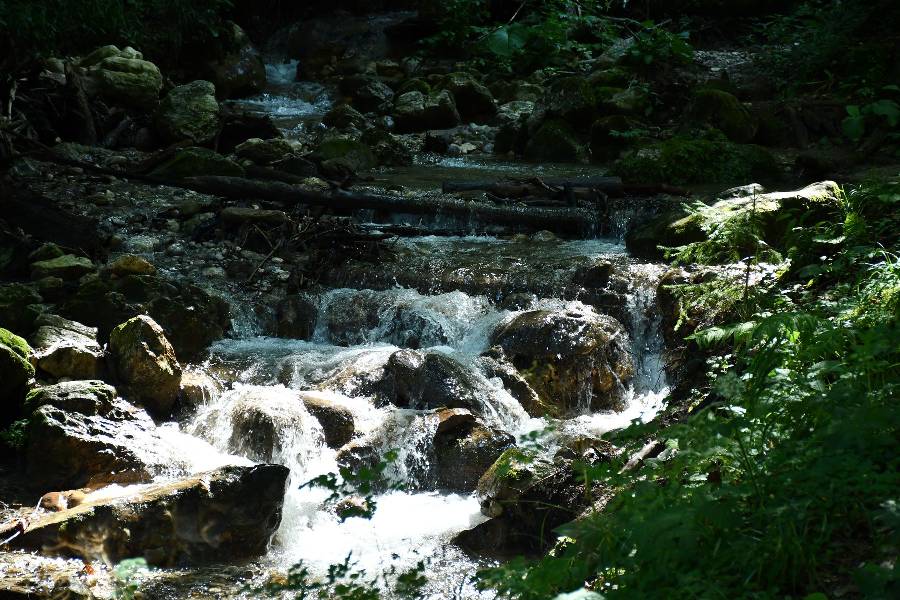
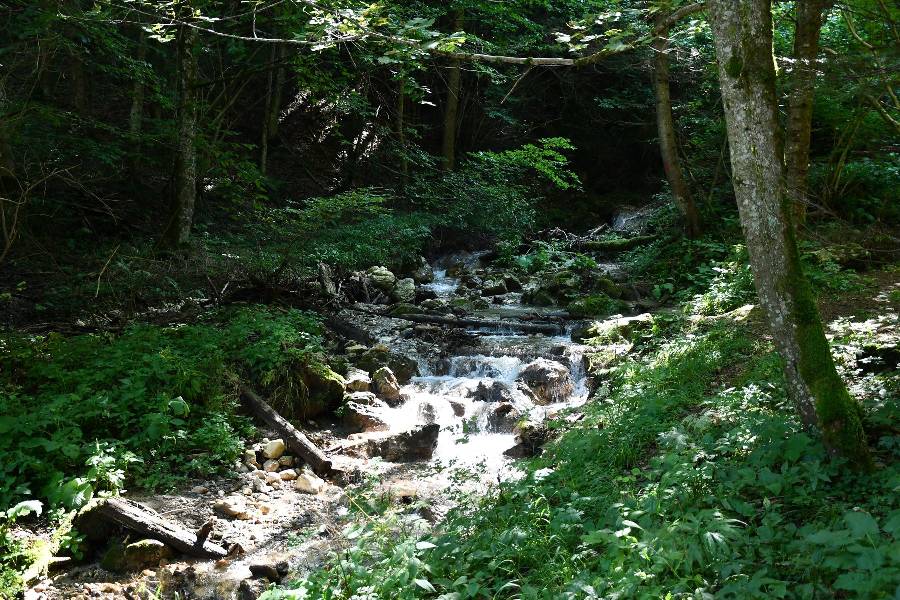
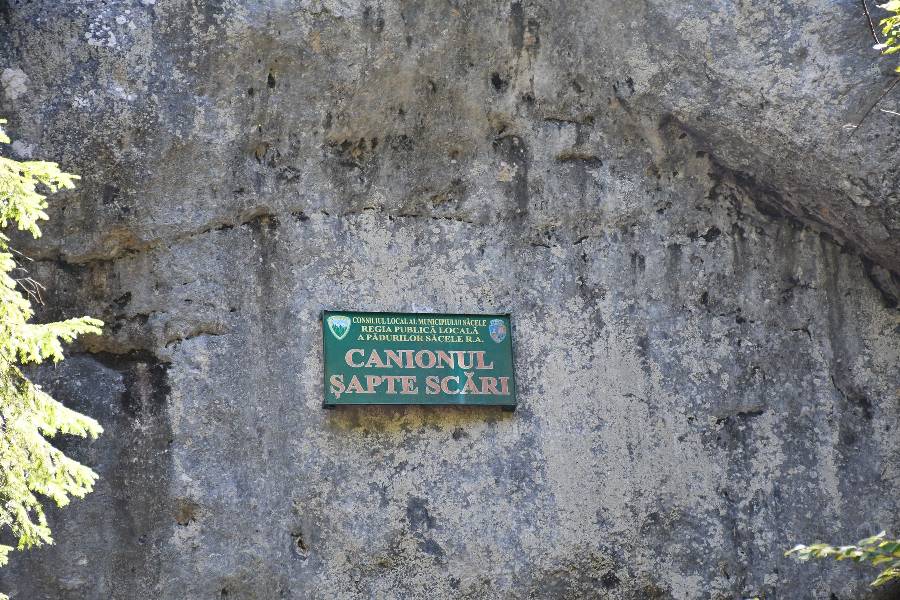
Shortly after leaving Brasov in the direction of Sinaia (Bucharest), turn left towards the Sapte Scari (Seven Ladders) gorge.
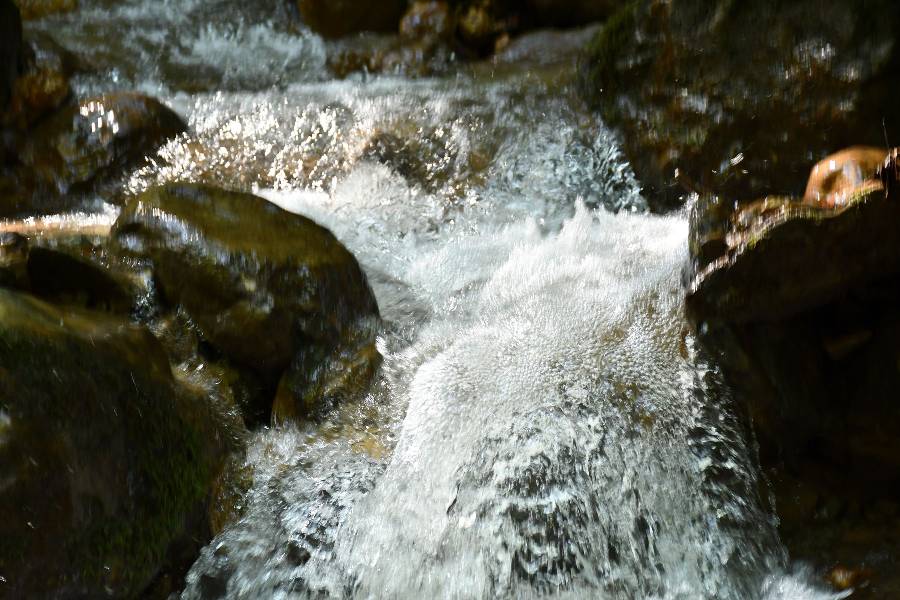
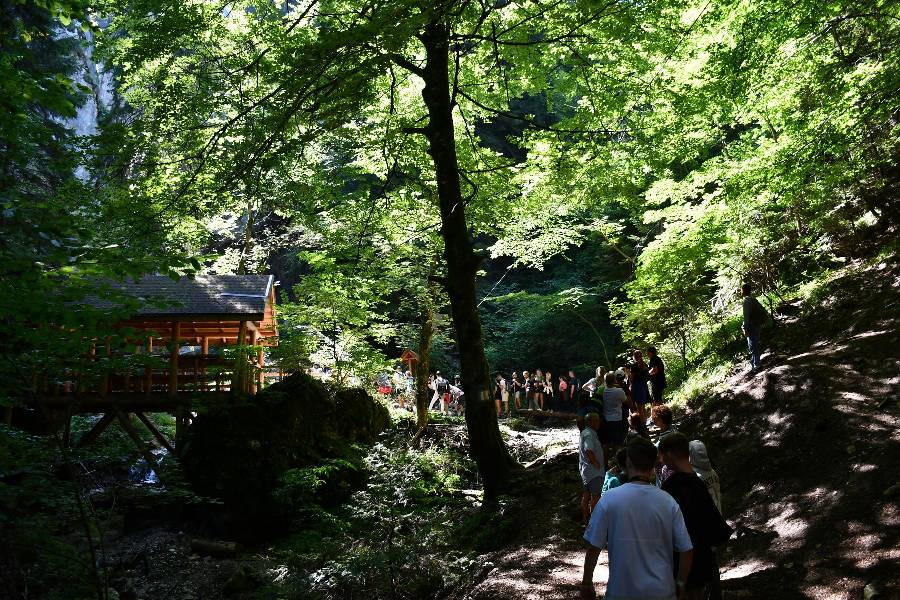
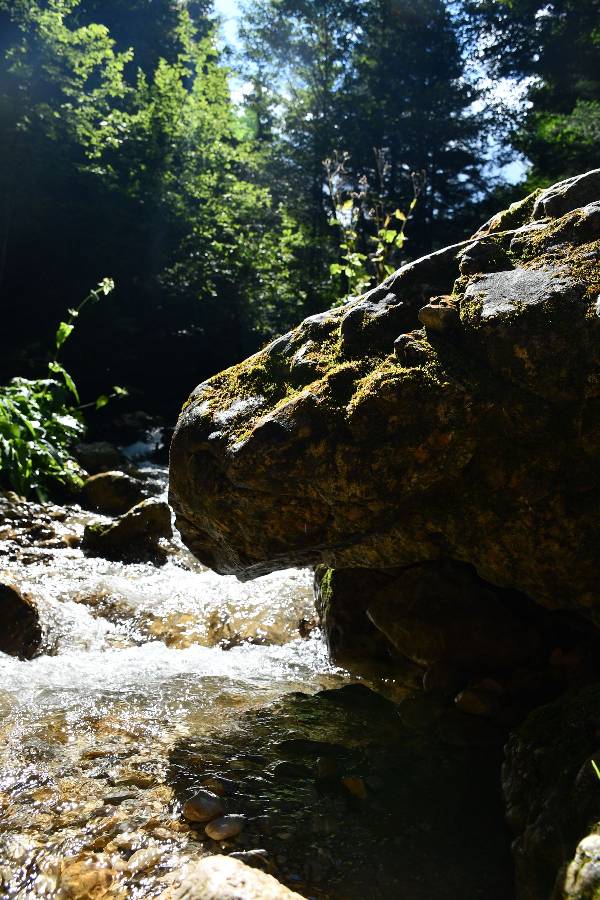
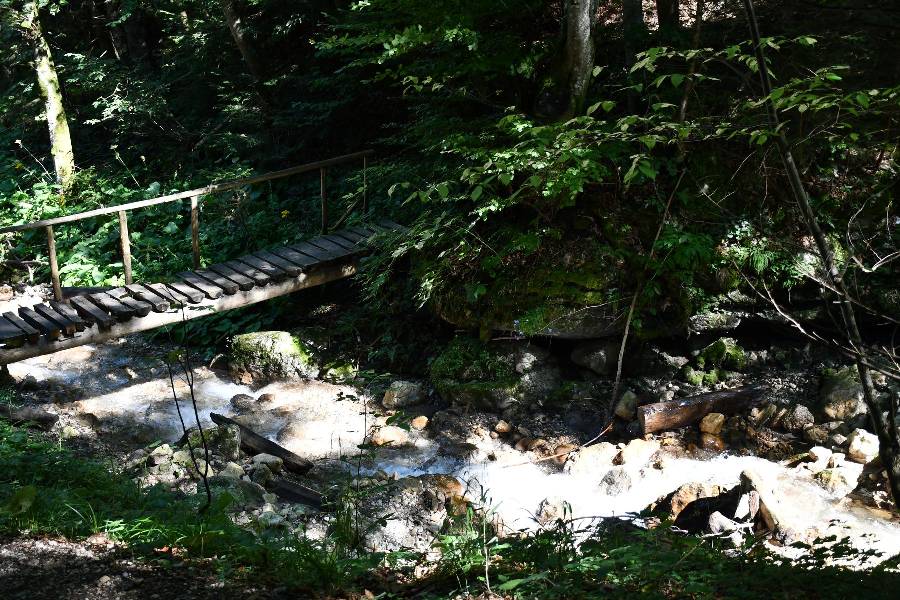
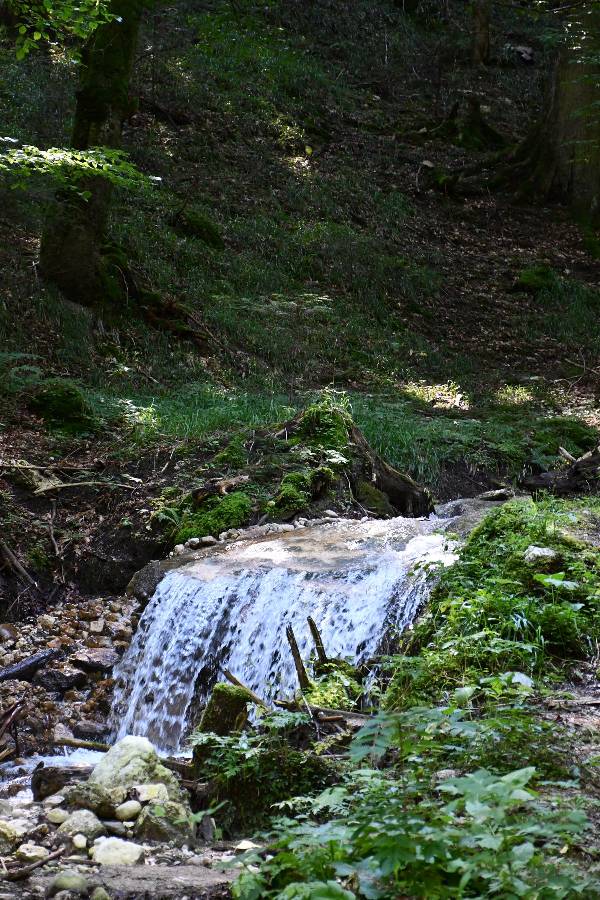
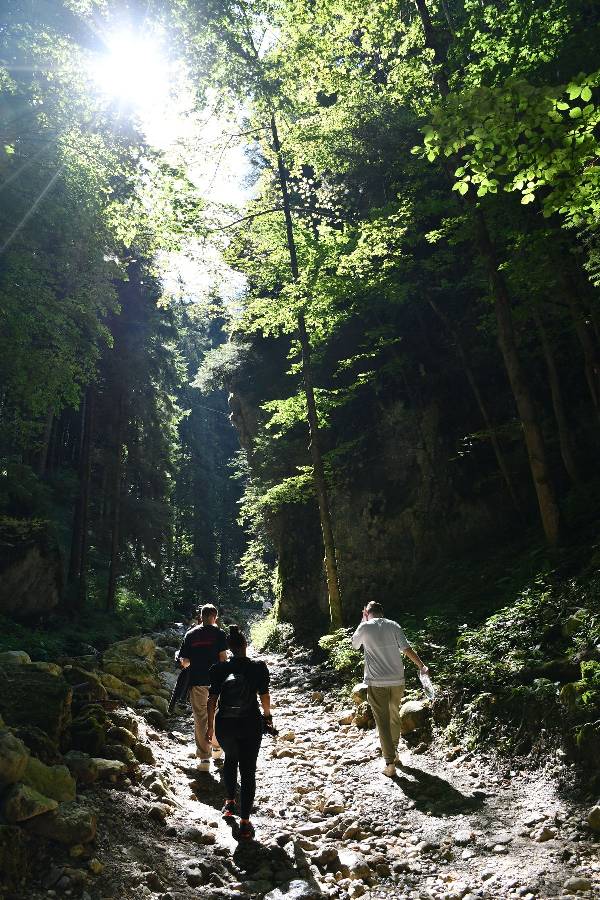
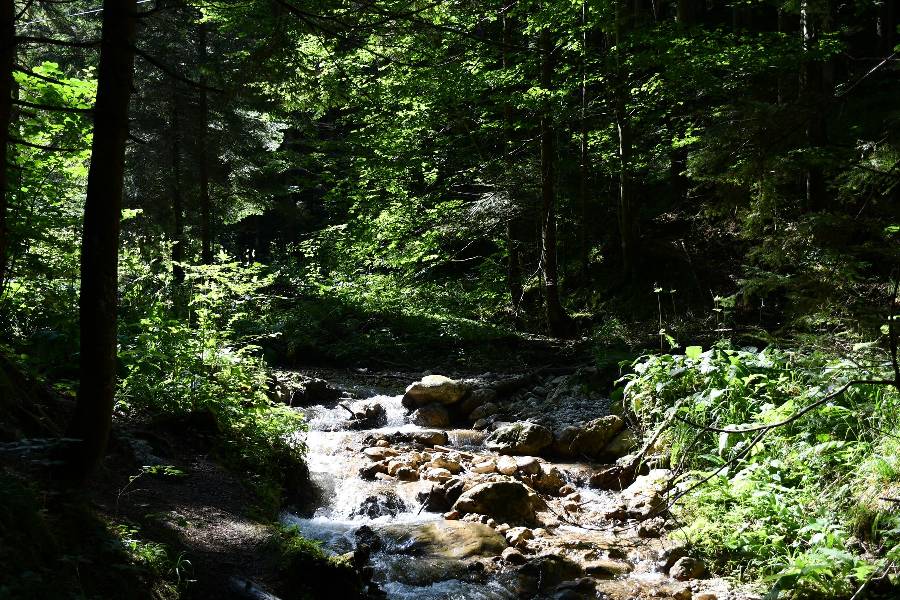
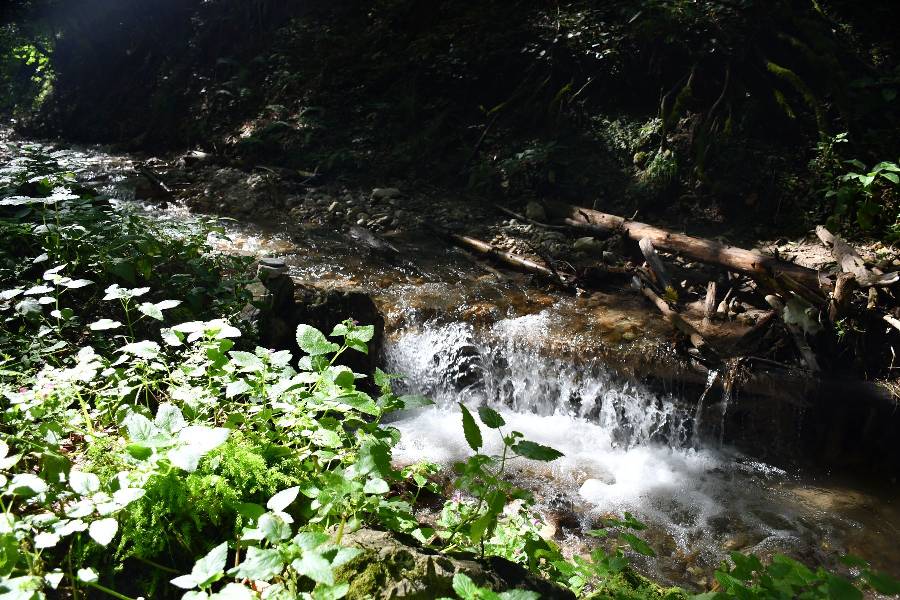
It is a good hour’s walk to the gorge or the seven ladders, which is lined by a stream with clear, cold water and lots of nature. Even if you don’t enter the gorge via the ladders (there’s a charge, another three hours’ walk!), the hike there and back is definitely beautiful.
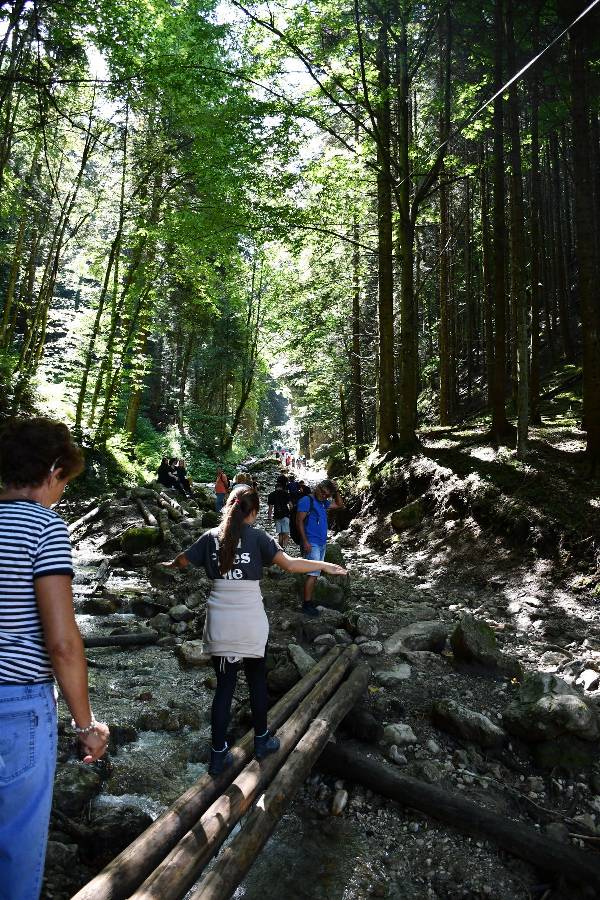
For the hike: sturdy footwear is highly recommended. In places, you walk over tree trunks, small wooden bridges and loose stones or you walk directly in the stream bed or on a stony path. You should definitely take something to drink with you.
(21 January 2026)
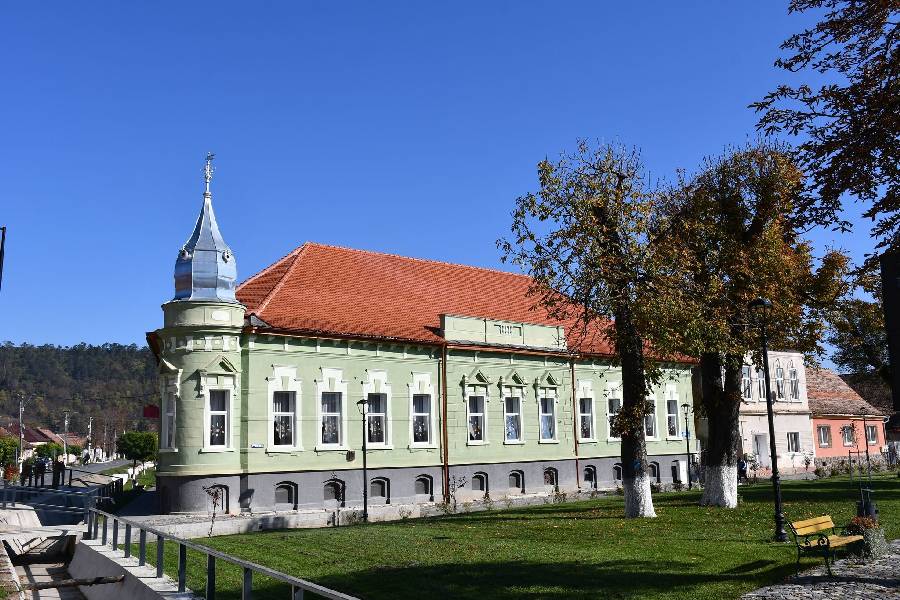
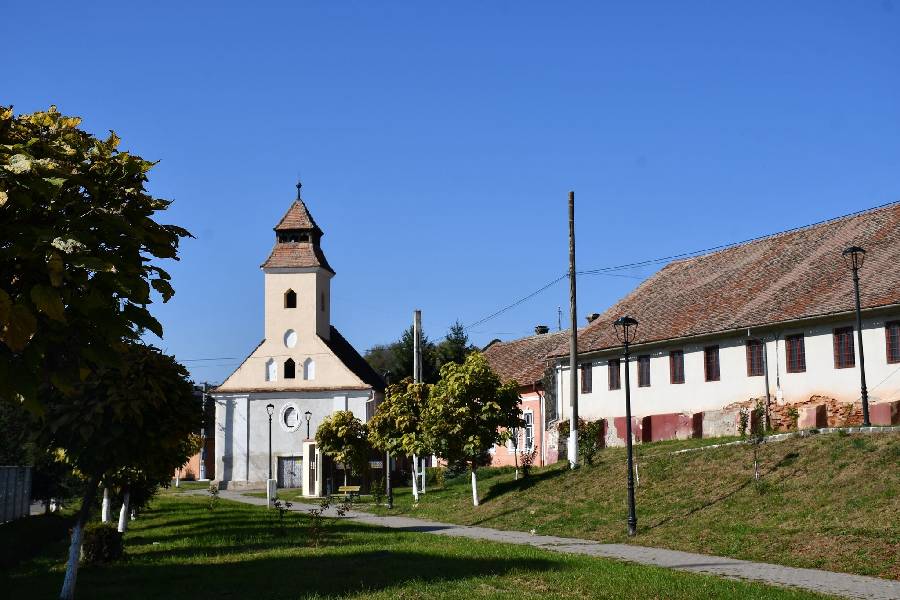
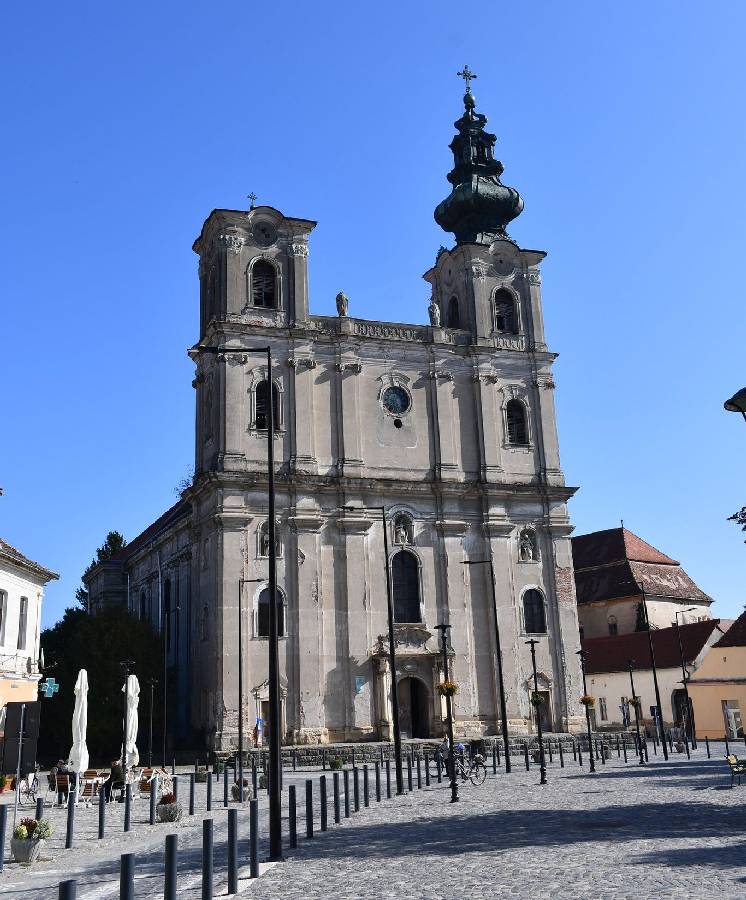
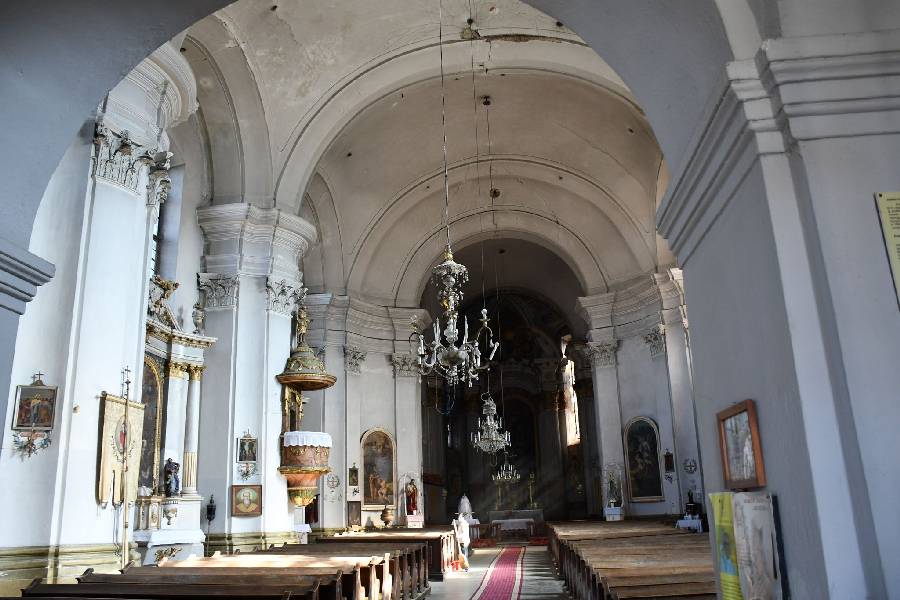
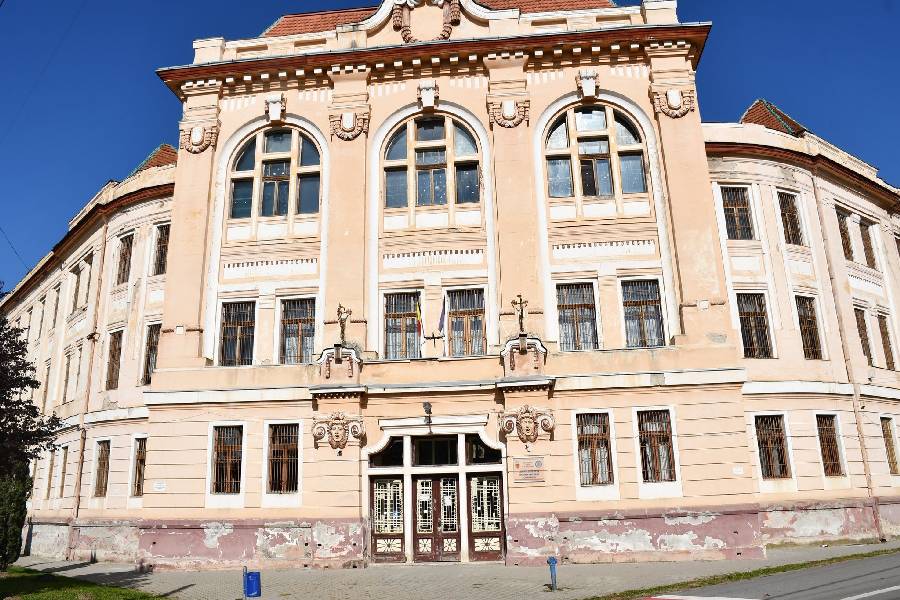
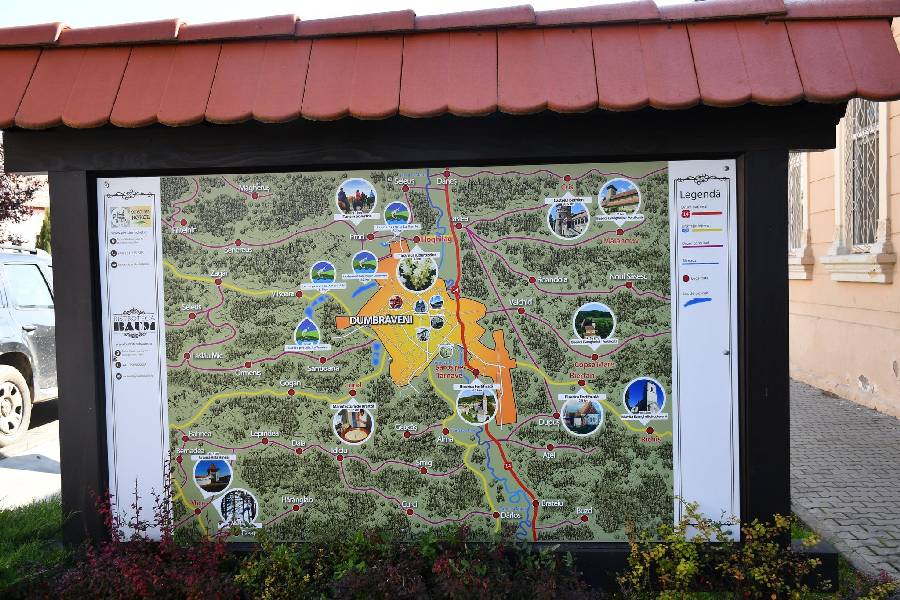
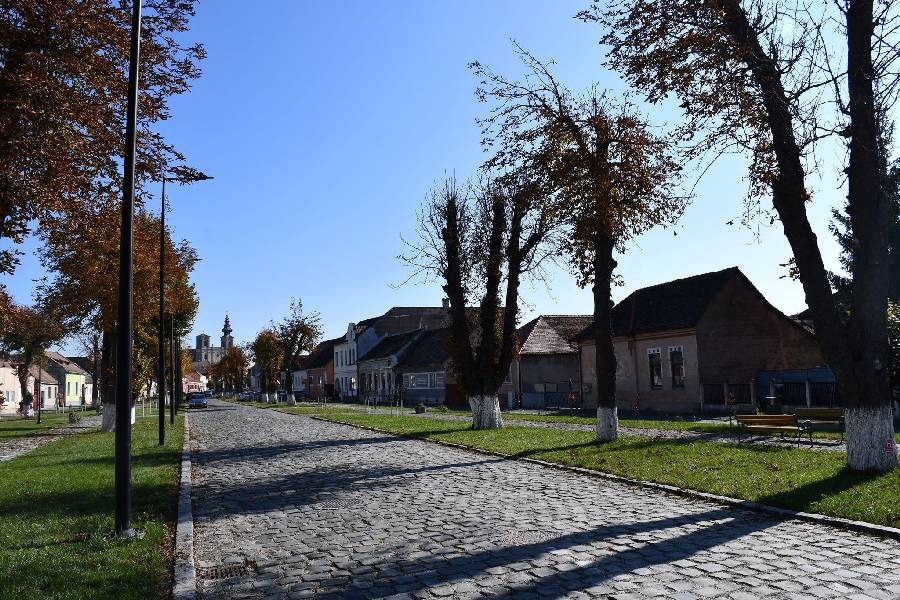
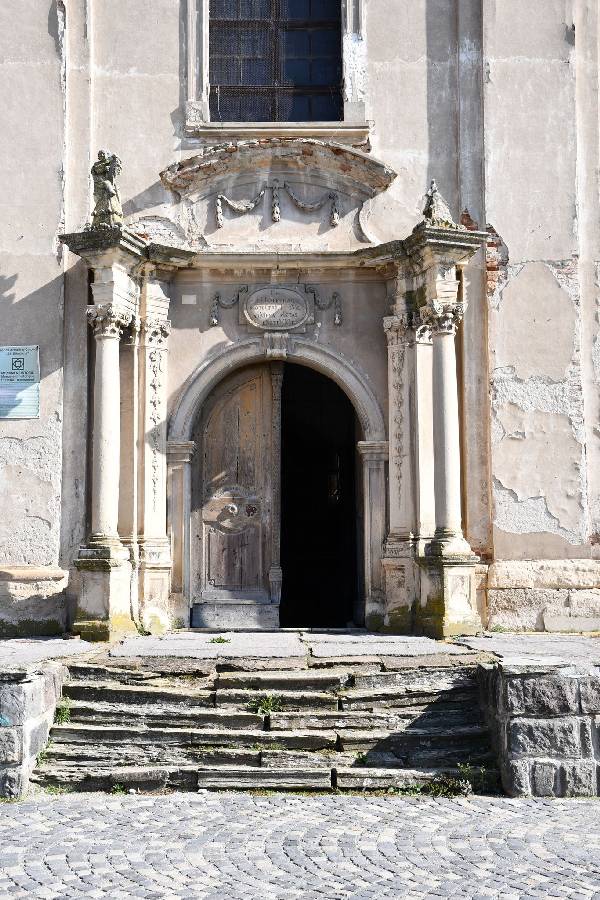
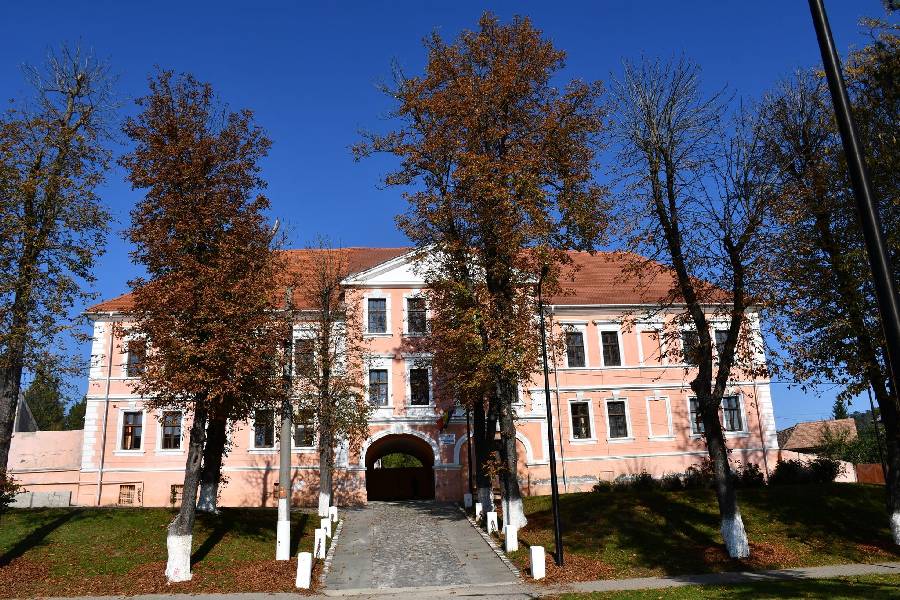
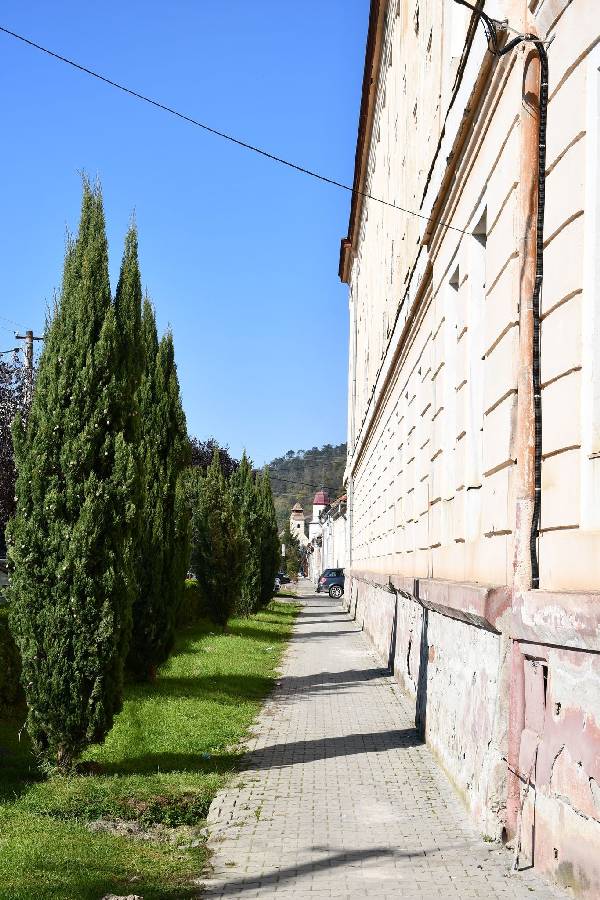
Autumn impressions from Dumbraveni (German: Elisabethstadt; Saxon dialect: Eppeschdorf, Hungarian: Erzsébetváros), a town in the north of Sibiu County.
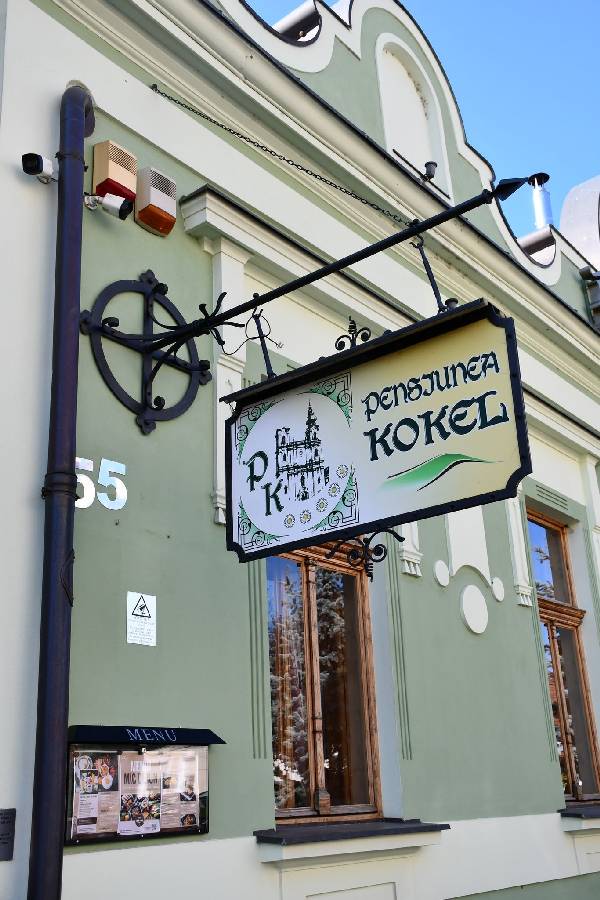
You can find good accommodation and delicious regional specialties here:
https://pensionkokel.ro | https://bistrotecabaum.ro
The town lies on the banks of the Tarnava Mare river and is located about 20 km east of the city of Medias. It is situated on the Transylvanian Plateau, on the border with Mures County, halfway between Medias and Sighisoara / Schässburg.
(21 January 2026)
Brateiu, formerly known as Bratei, is the main village of the commune with the same name in Sibiu County.
Pictures: Buildings and the sale of copper items by the local ethnic minority of the Roma community.
The village is located in the valley of the Tarnava Mare River, 5 km from Medias. It was first mentioned in a document from 1283. The German name Pretai and the Romanian name Bratei derive from the Latin word “protodiaconus,” which also influenced the Hungarian name of the village, Barathely (Village of the Monk).
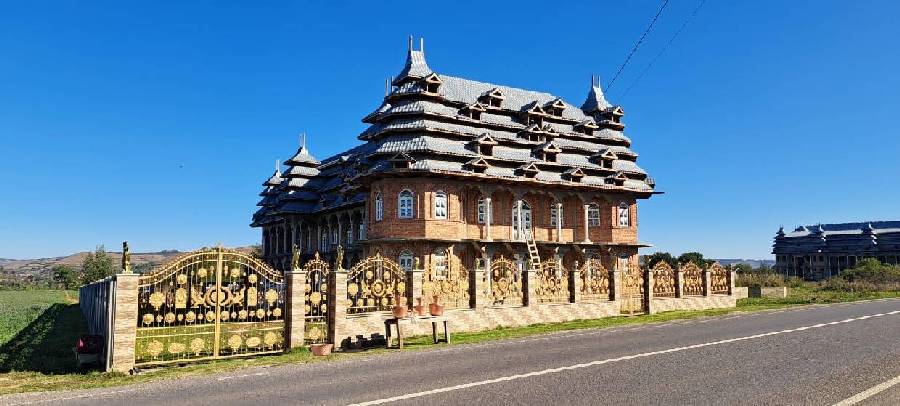
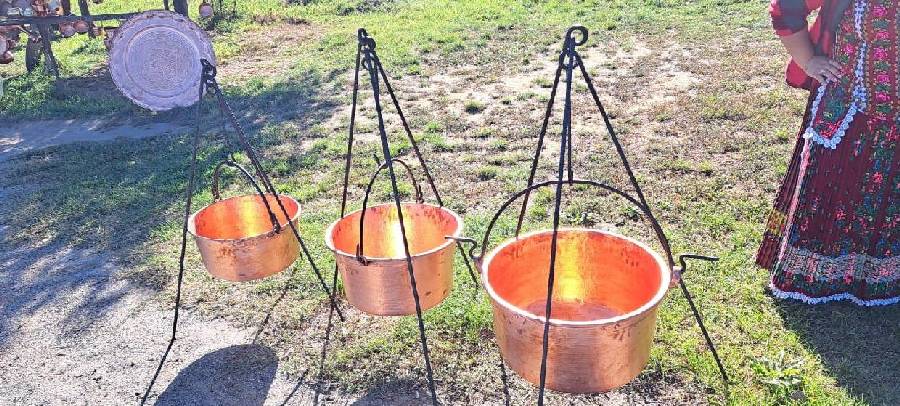
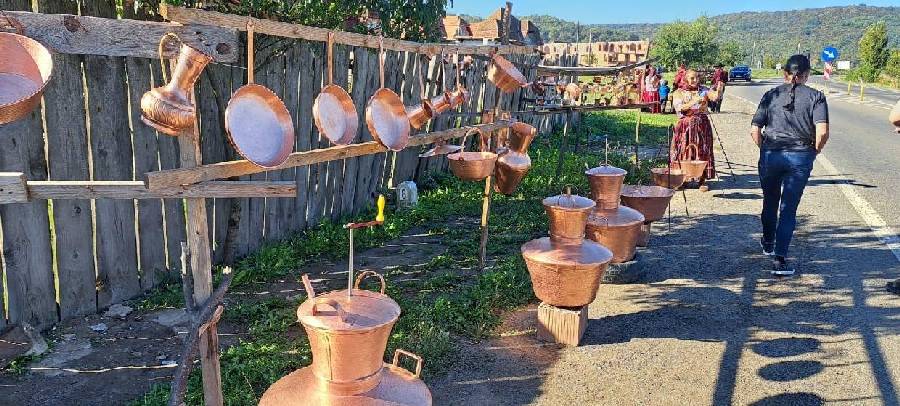
(21 January 2026)
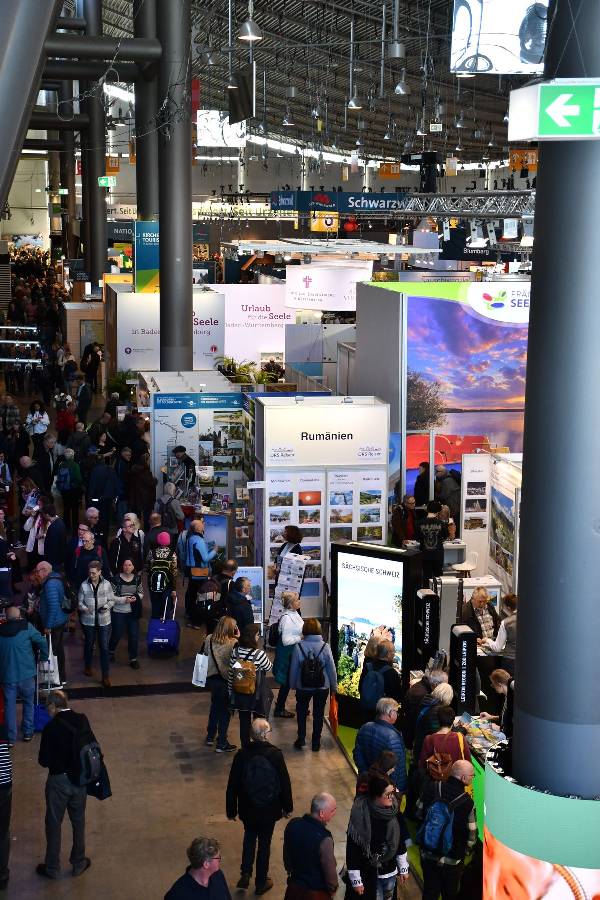
(21 January 2026)
Visit us at the CMT holiday exhibition in Stuttgart from January 17 to 25, 2026
You can find us in Hall 6, Stand 6A18.
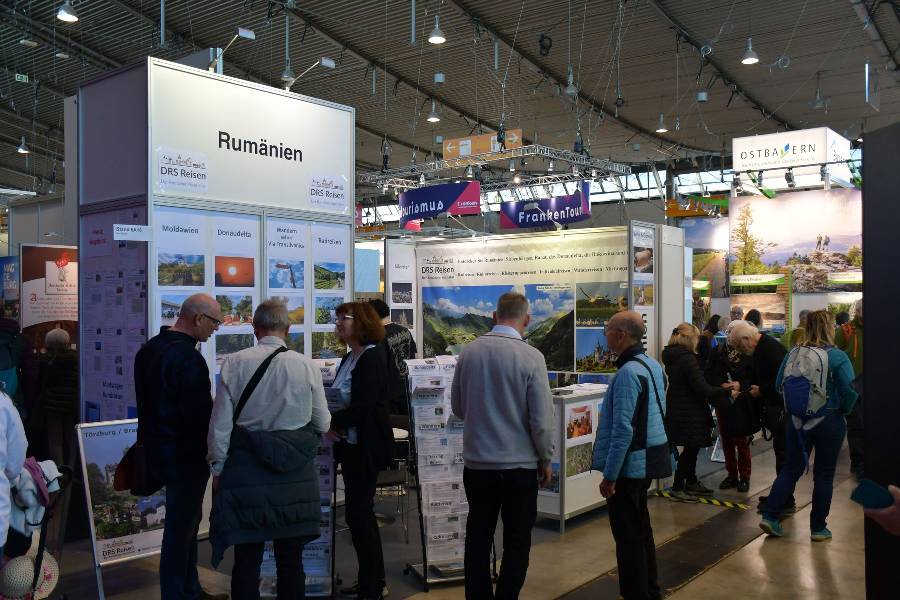
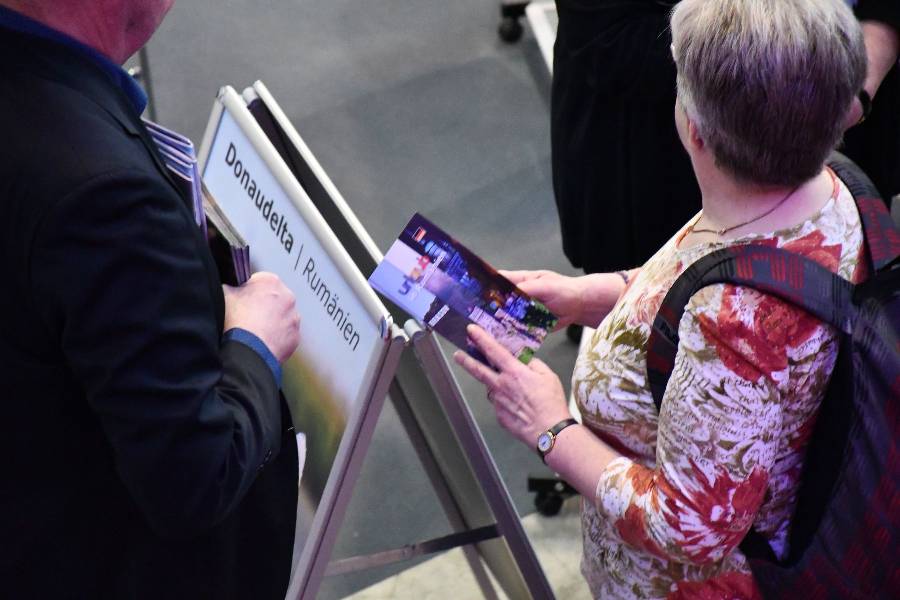
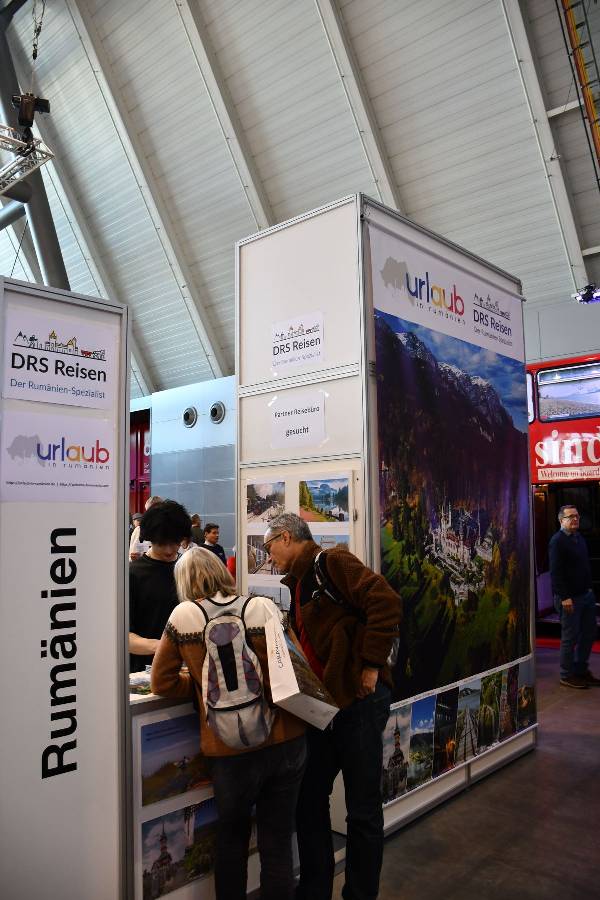
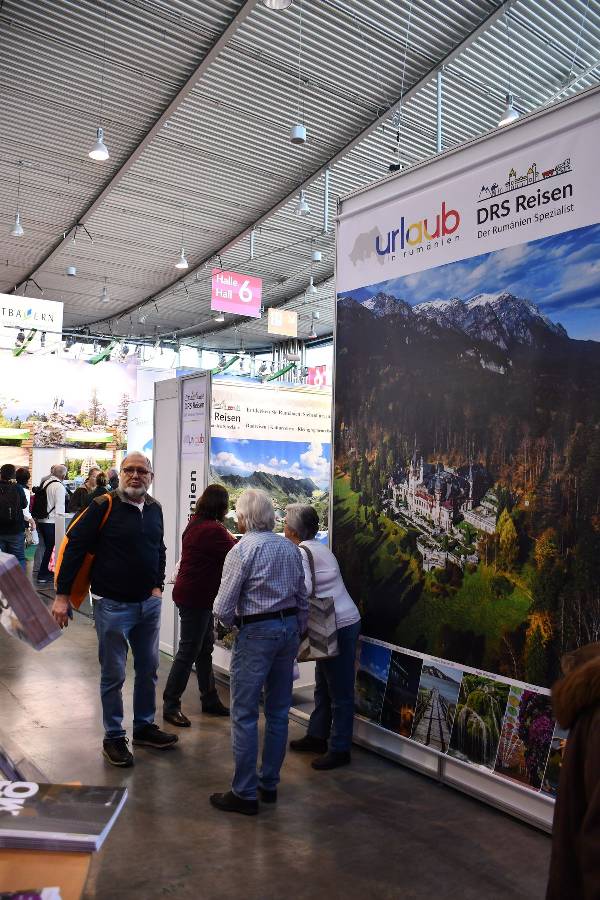
(21 January 2026)
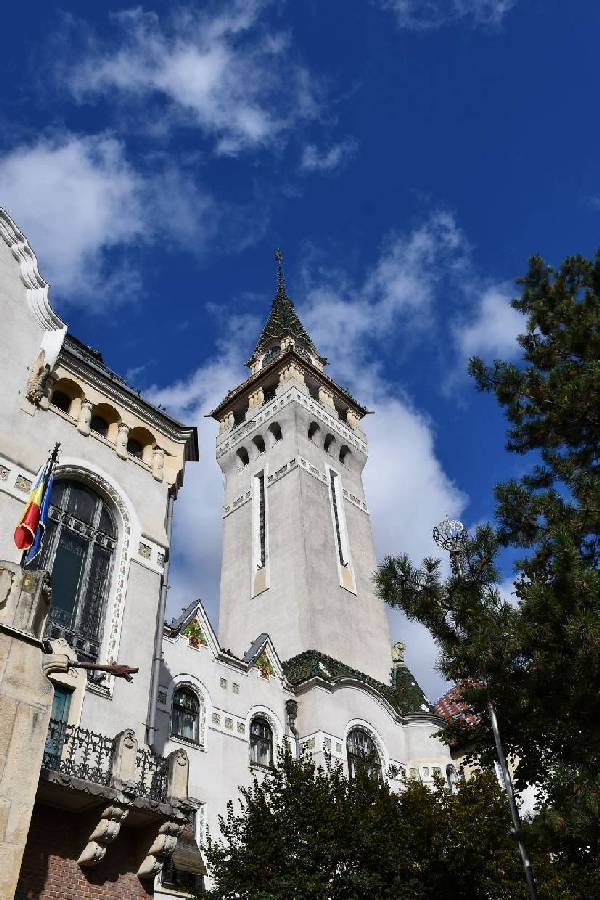
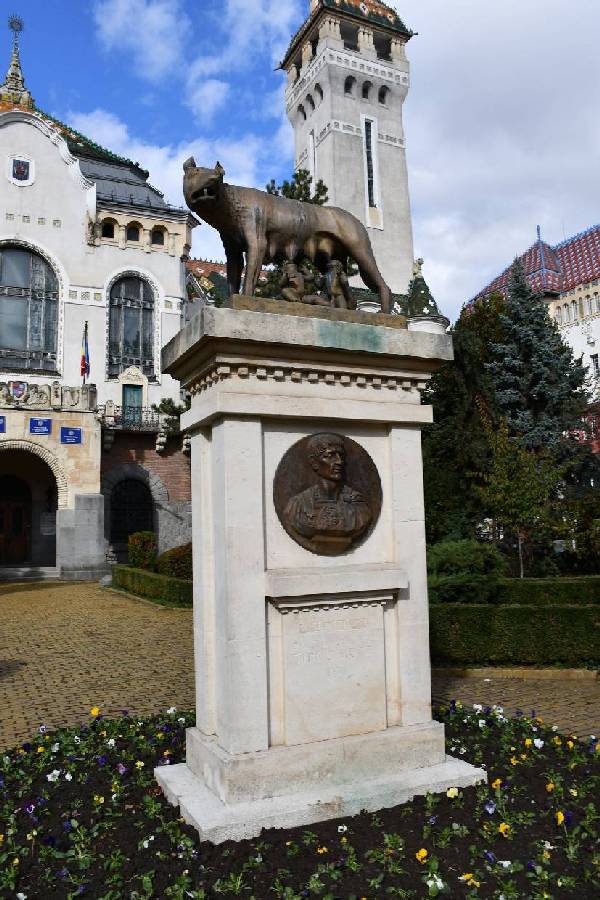
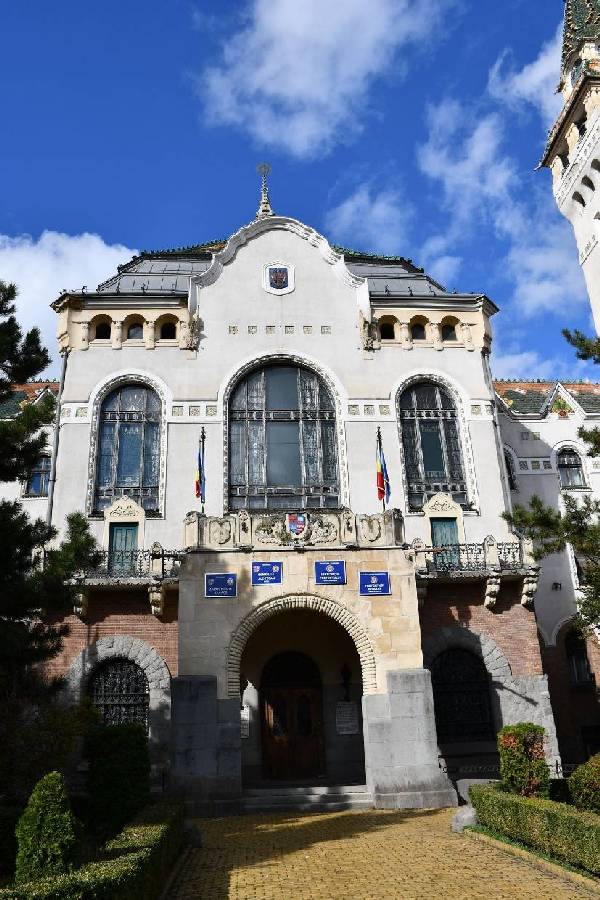
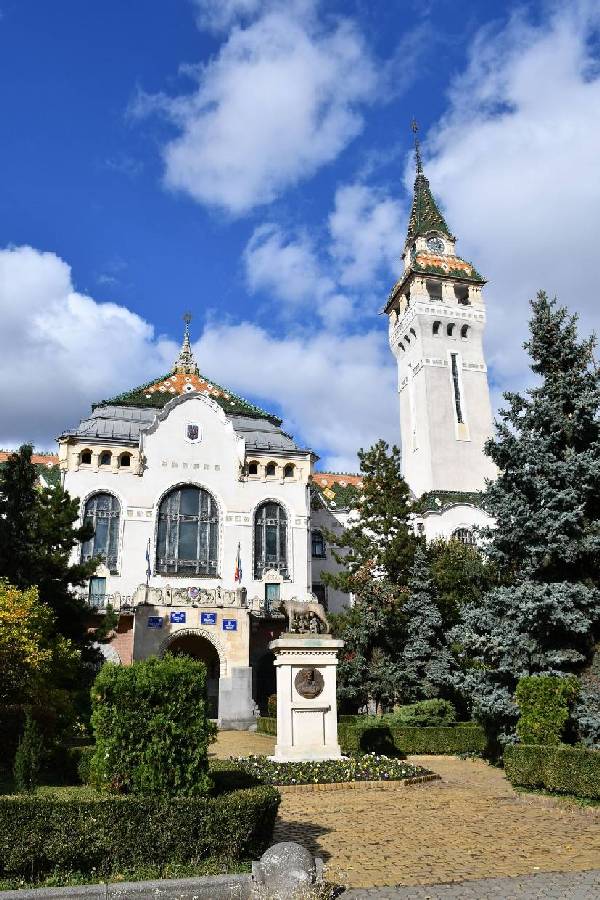
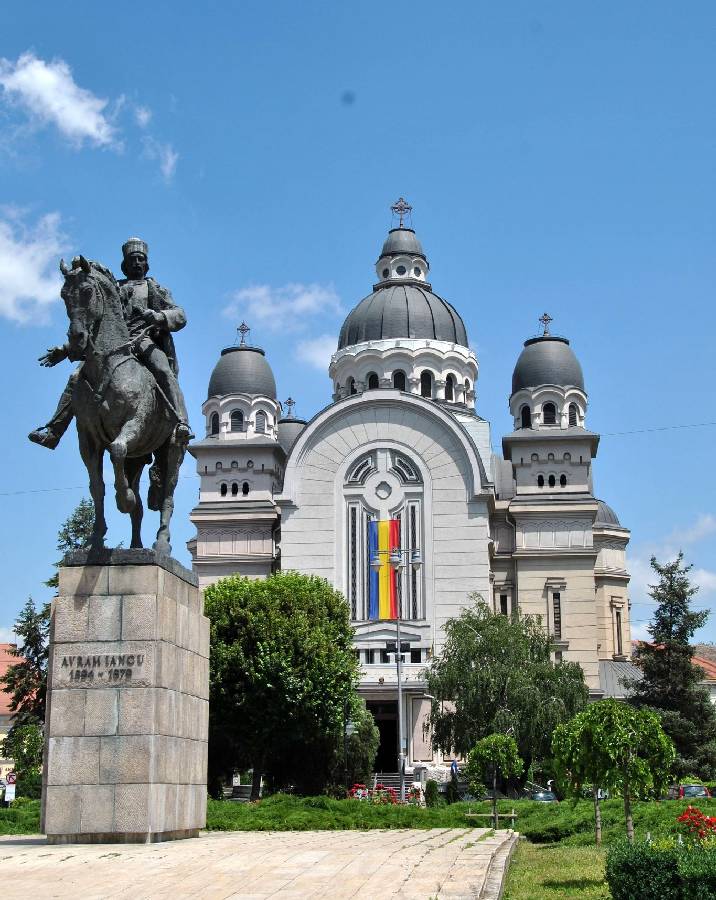
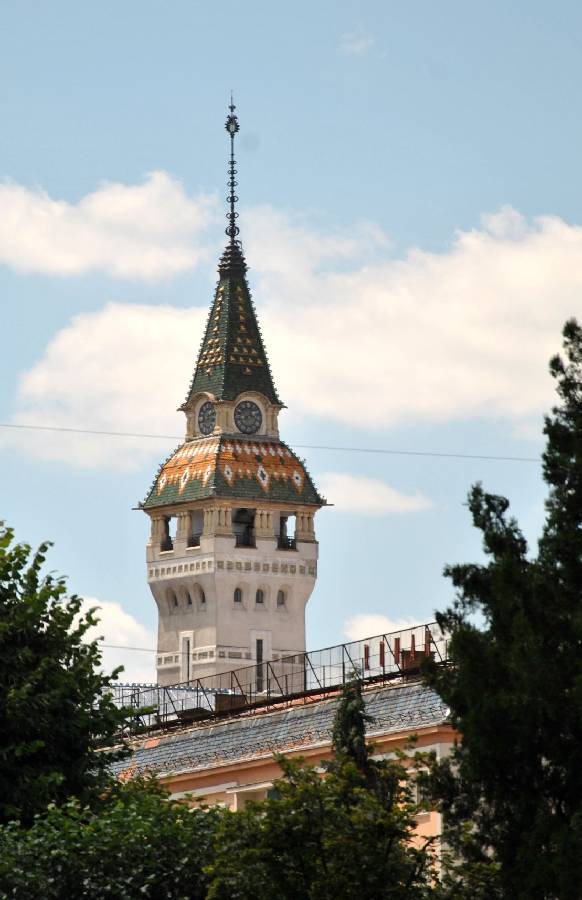
The Administrative Palace (originally the Town Hall of the Free Royal City of Targu Mures, in Hungarian Közigazgatási Palota, originally Varoshaza) was built between 1905 and 1907 at the initiative of Mayor György Bernady as the seat of the city administration of Targu Mures.
It was the first building at the beginning of the 20th century to give the city center a new look and is distinguished by its Art Nouveau style.
(20 January 2026)
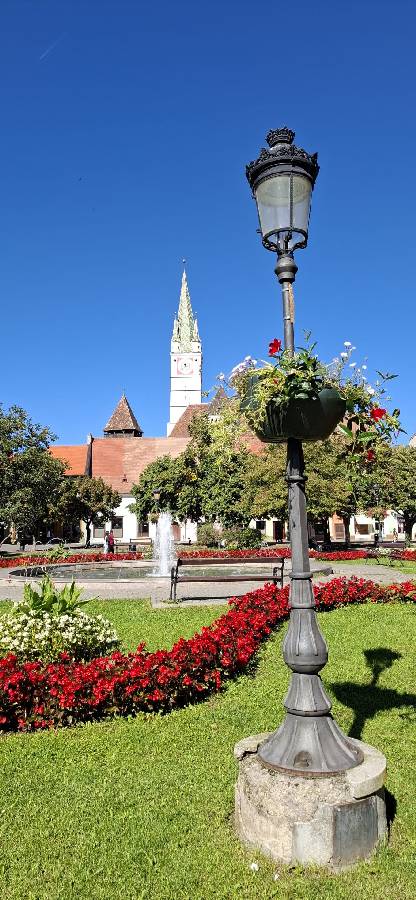
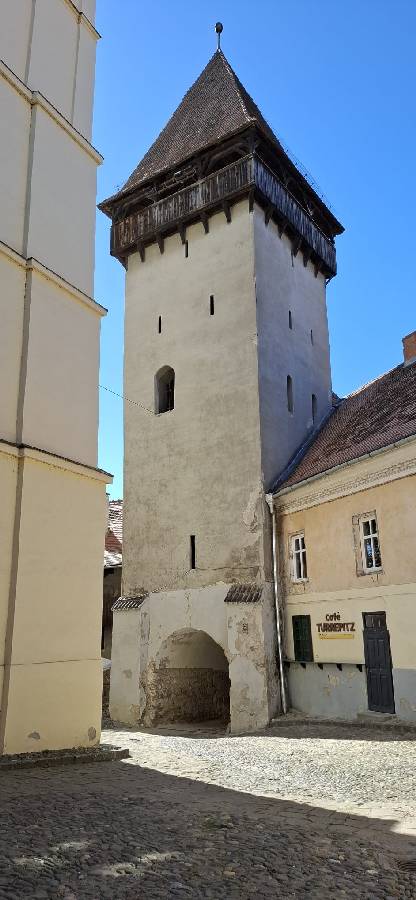
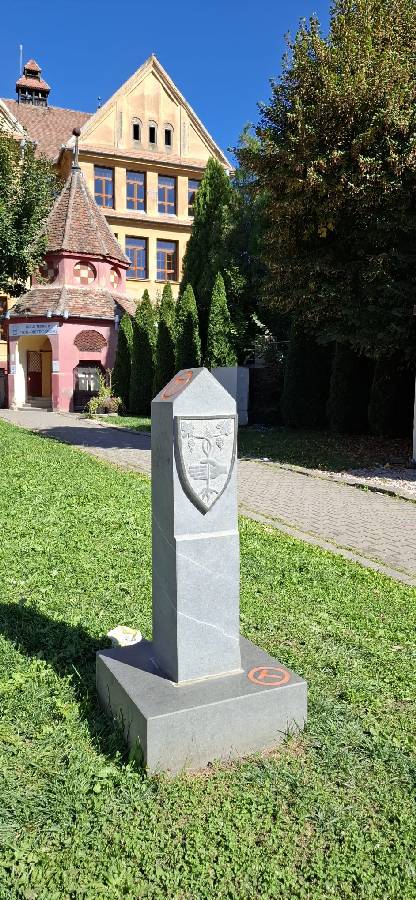
Very fresh and many beautiful pictures from the city of Medias (Sibiu County) from our dear Roland on site
We are always happy to receive current pictures and travel reports from all over Romania. Anyone who wants to share them with us (and our readers / followers), please simply send them to us as a private message or via WhatsApp (+40 (0)773 947 438), including your name. Thank you
(20 January 2026)
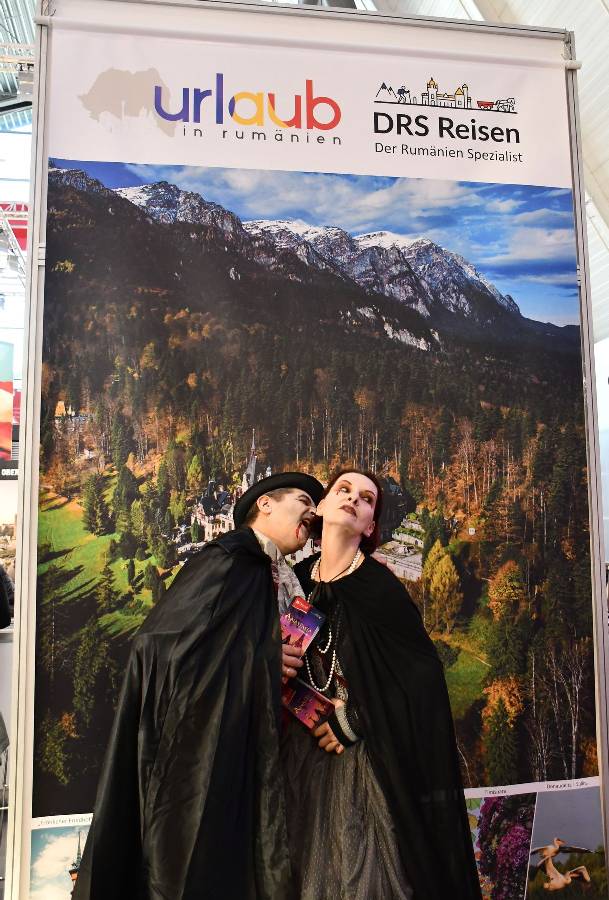
Visit us at the CMT holiday exhibition in Stuttgart from January 17 to 25, 2026, Count Dracula is already here
You can find us in Hall 6, Stand 6A18.
We thank the “Theater unter den Kuppeln” from Leinfelden-Echterdingen / Stetten for the visit > https://tudk.de
Our current brochure “Holiday in Romania 2026” (view online, but also available for delivery order): https://willkommen-in-rumänien.de
(20 January 2026)
Pictures / impressions from 20 October 2025 from Bistrita, the county seat of Bistrita-Nasaud County.
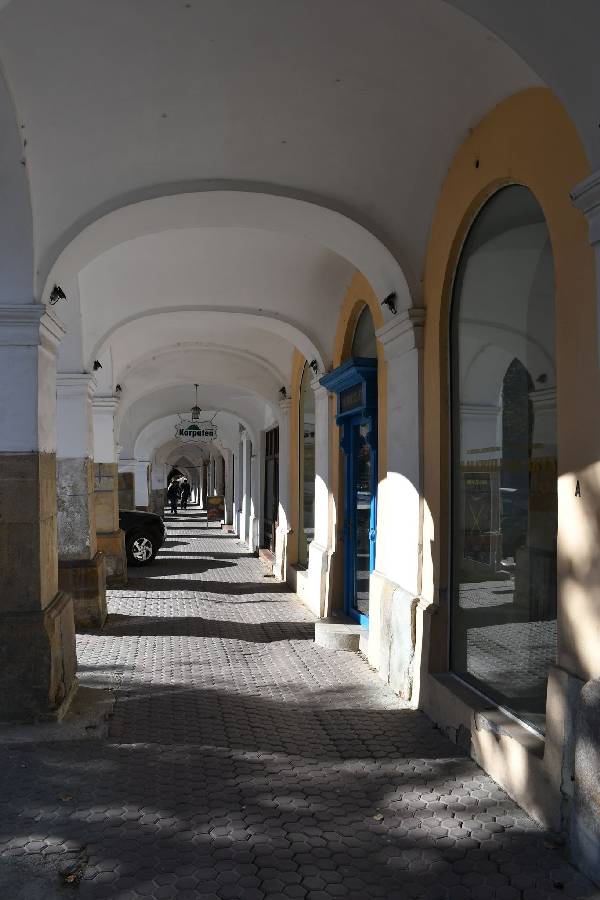
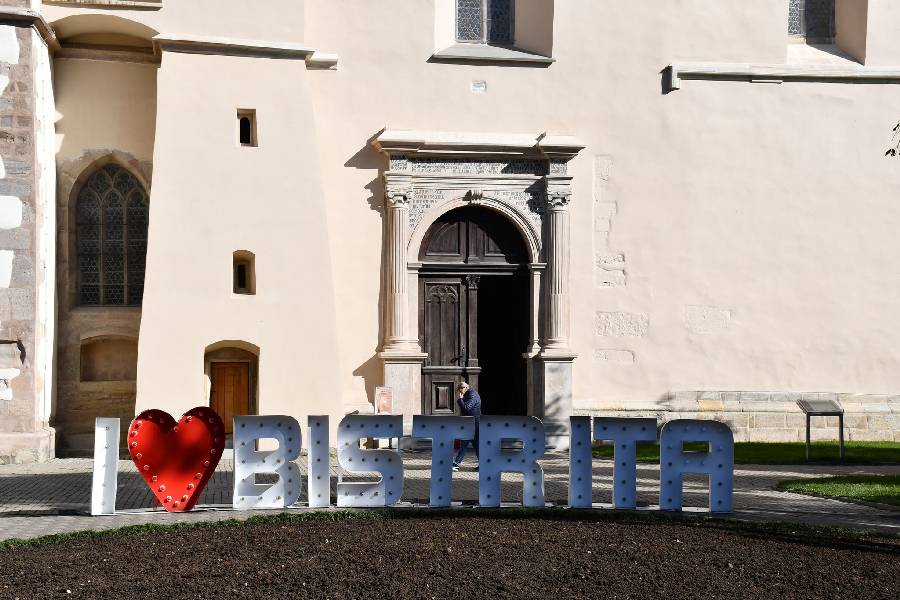
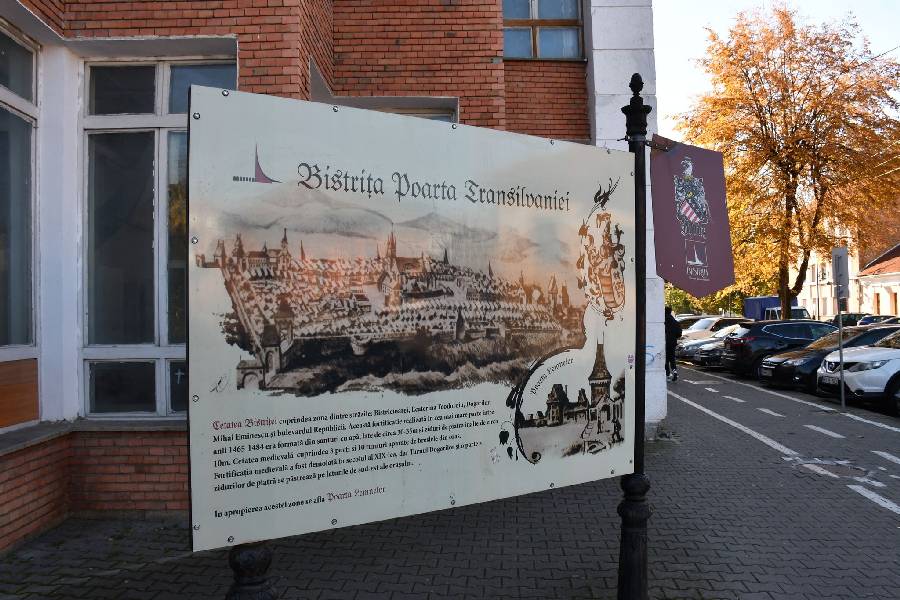
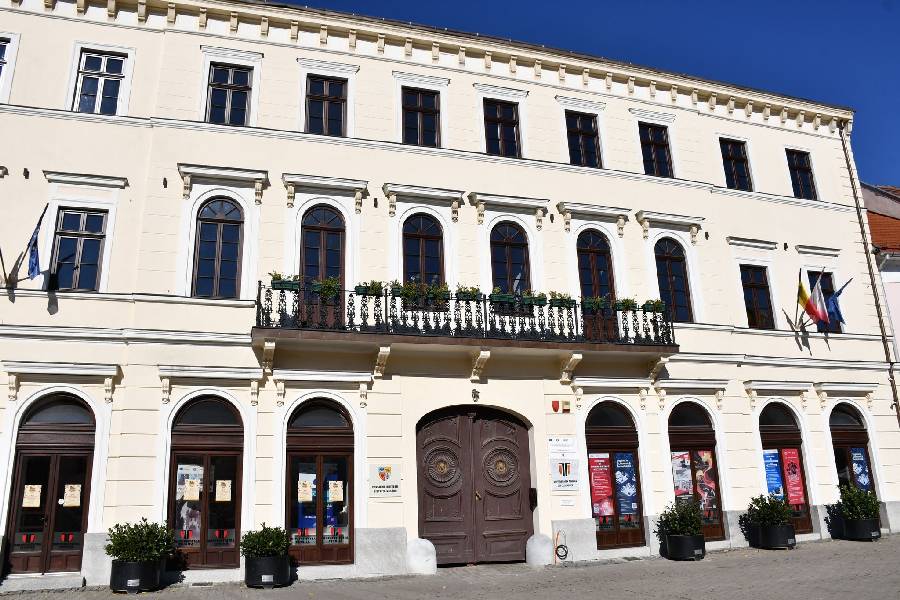
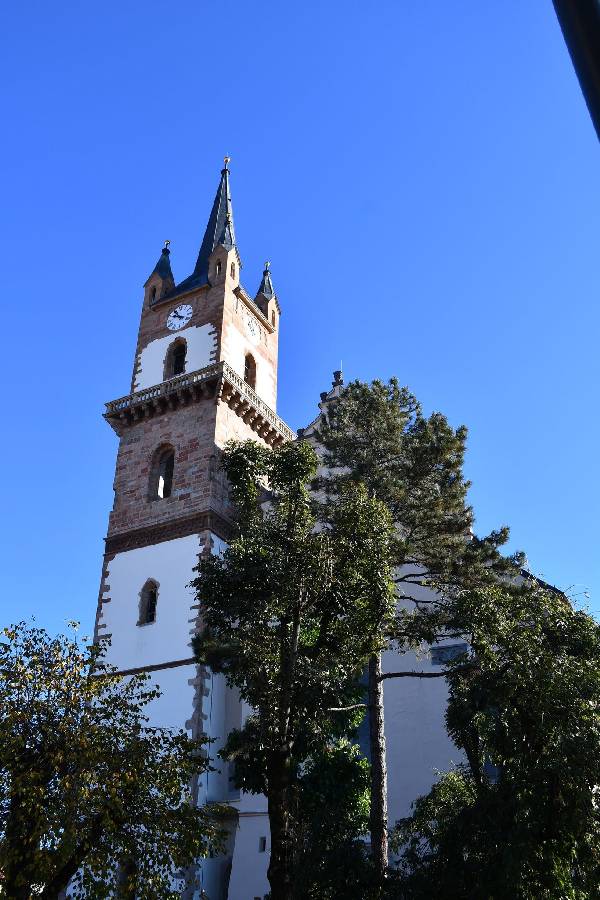
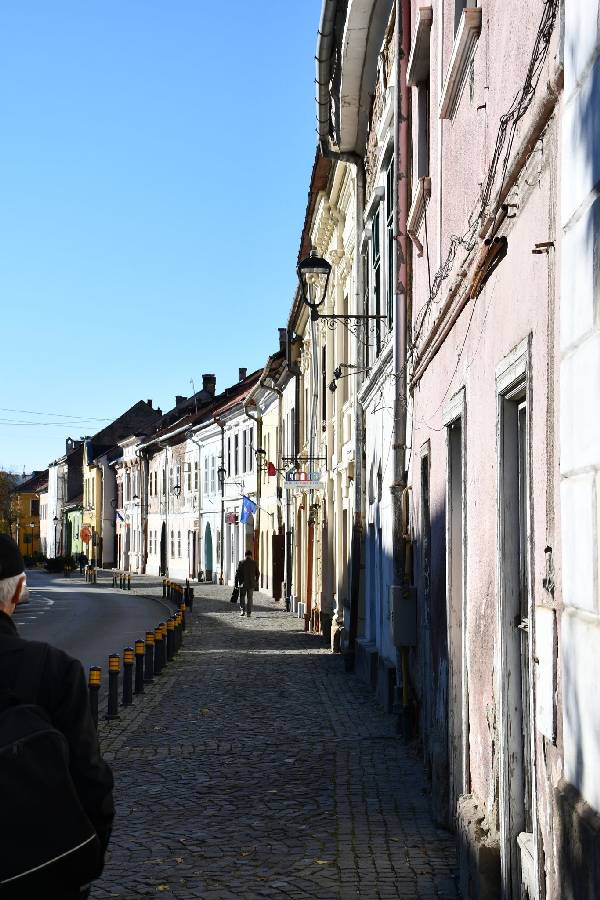
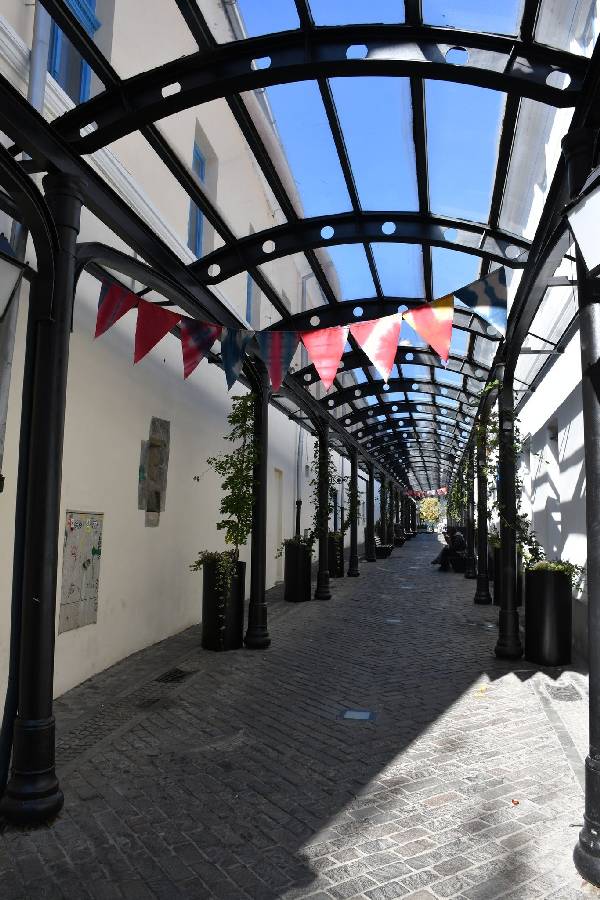
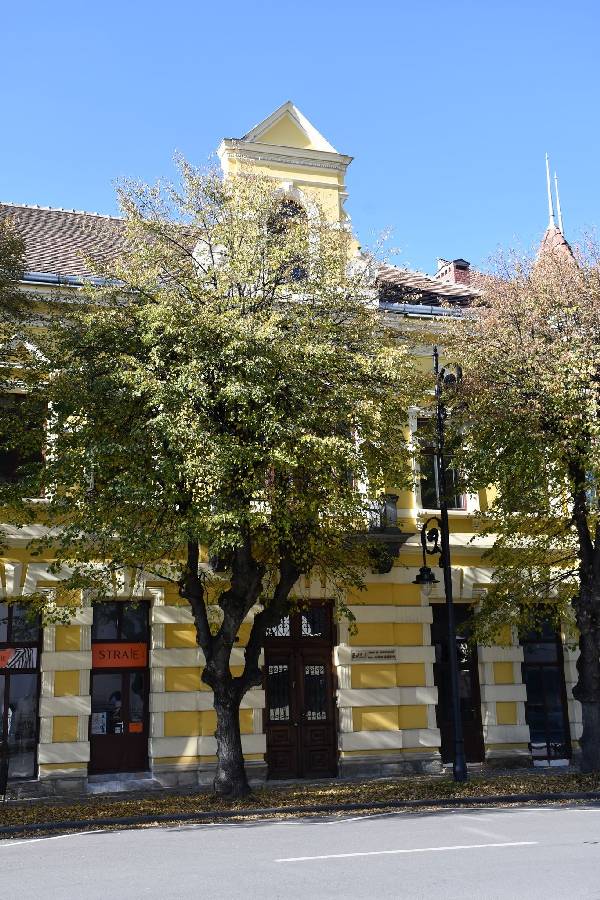
(20 January 2026)
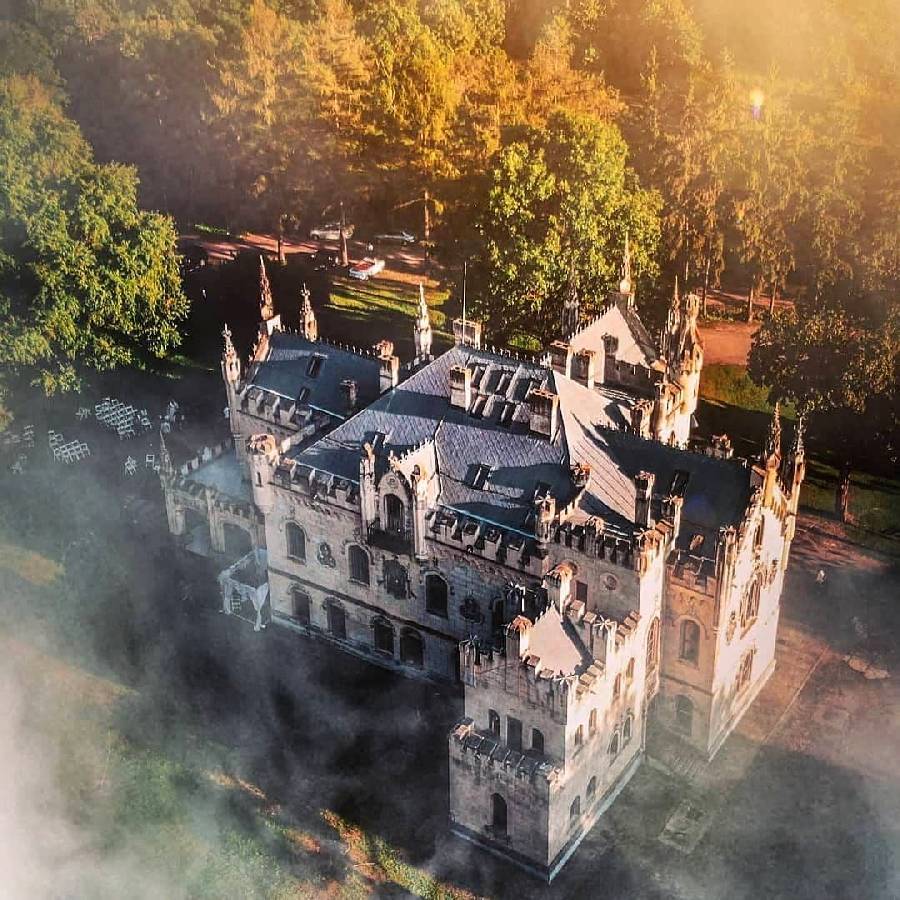
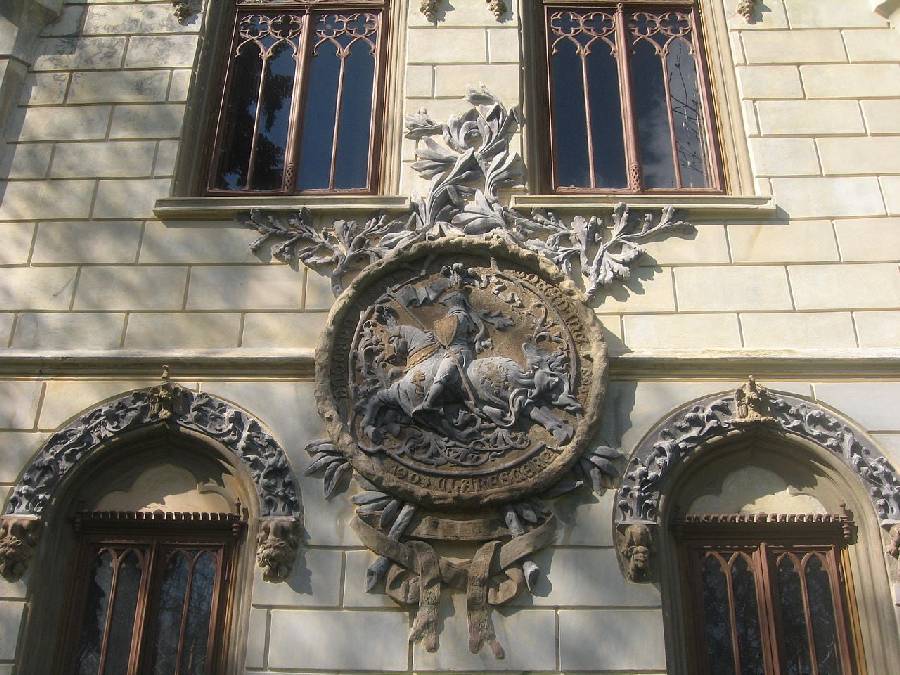
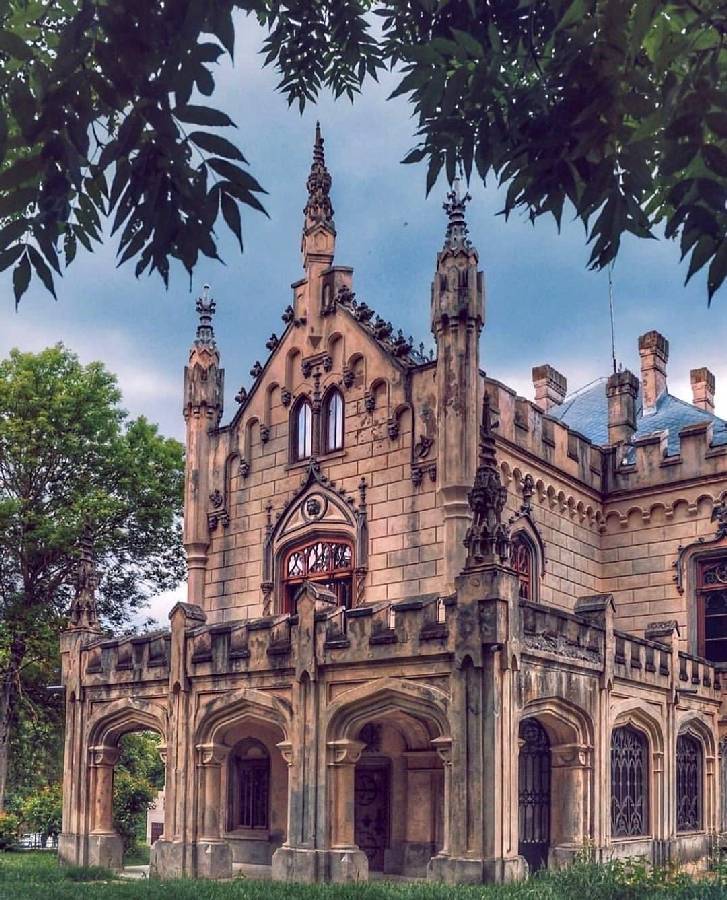
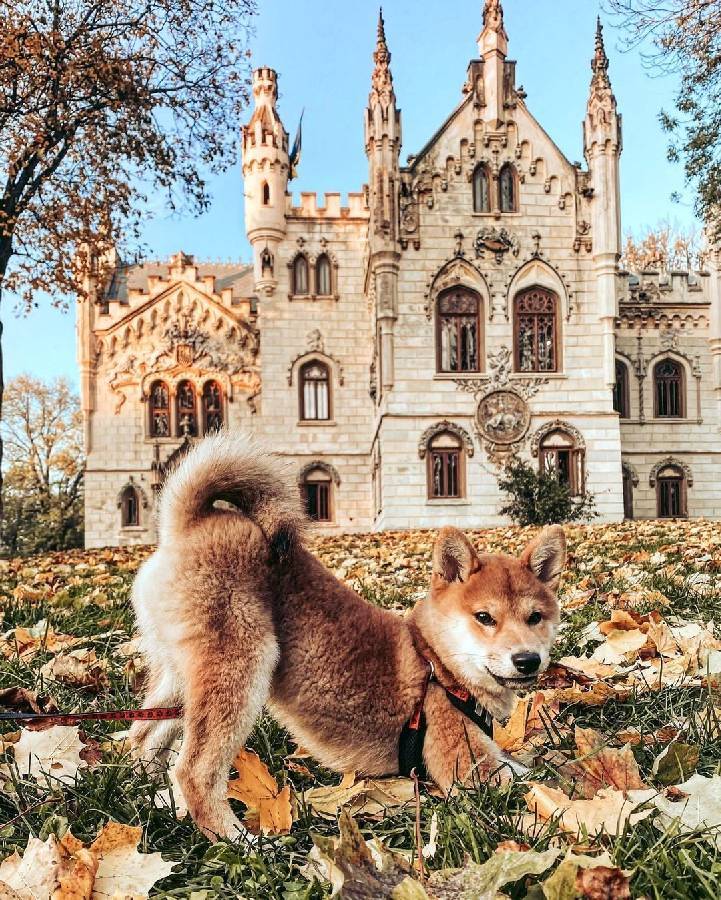
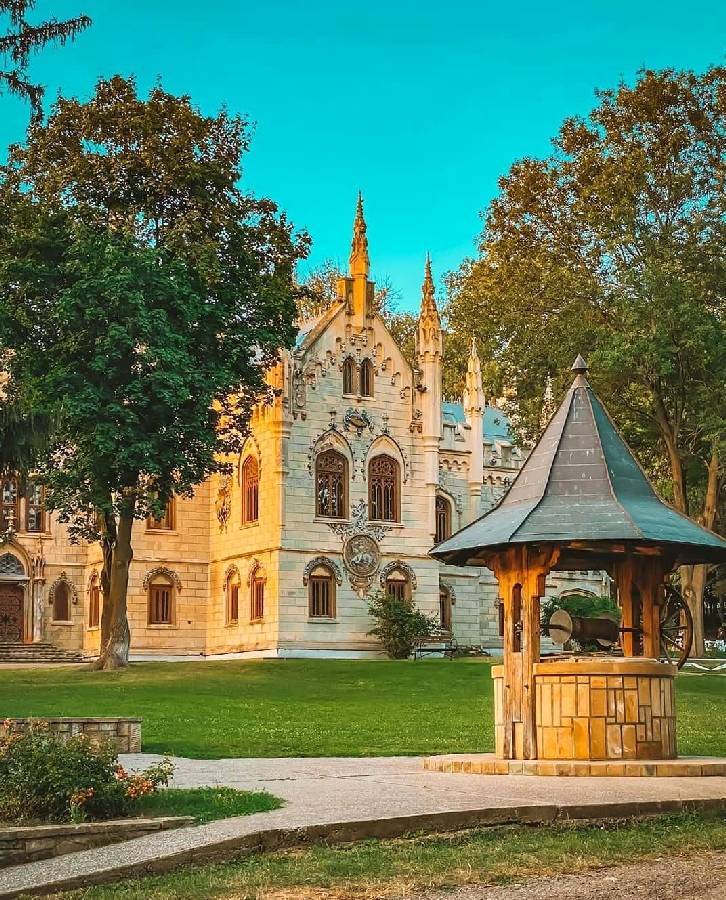
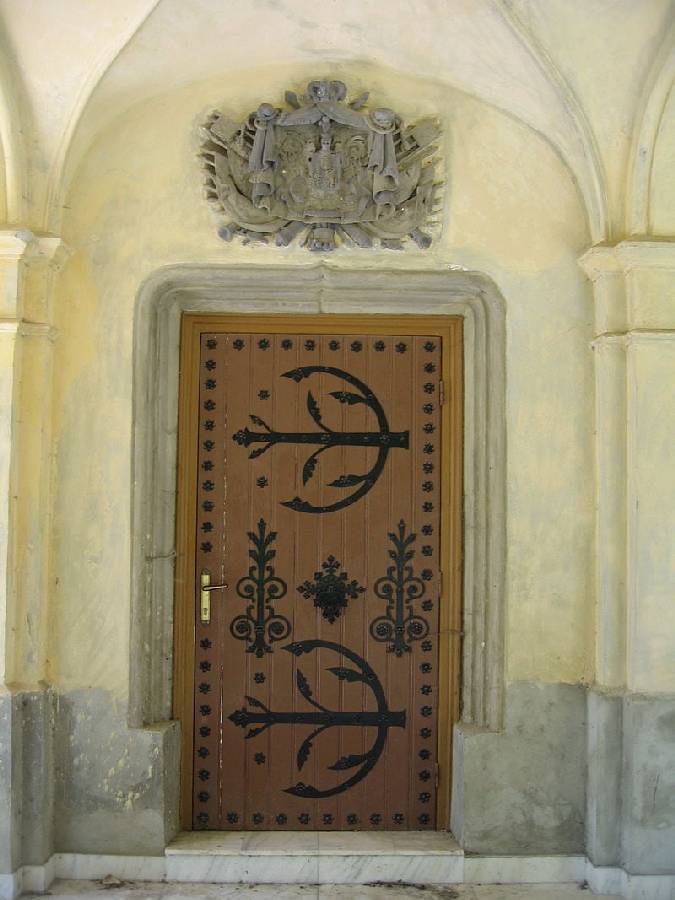
This castle, also called the Strudza Palace, was built in its current form between 1880 and 1904 by Gheorghe Sturdza and his wife Maria in the village of Miclăușeni. It is located in northeastern Romania, about 65 km from the city of Iași.
The building was constructed at the end of the 19th century on the site of a boyar house, and the exterior walls were adorned with numerous relief decorations. The castle features marble staircases, rosewood furniture, terracotta and porcelain stoves. It houses an extensive library and several collections, including medieval weapons and costumes dating back to the 16th century. It can be visited daily and is also available for weddings and events. A restaurant is located on the castle grounds, and accommodation is also available.
We thank them for allowing us to use these images: https://www.instagram.com/go_out_romania/ and https://www.instagram.com/romania_ig/
(20 January 2026)
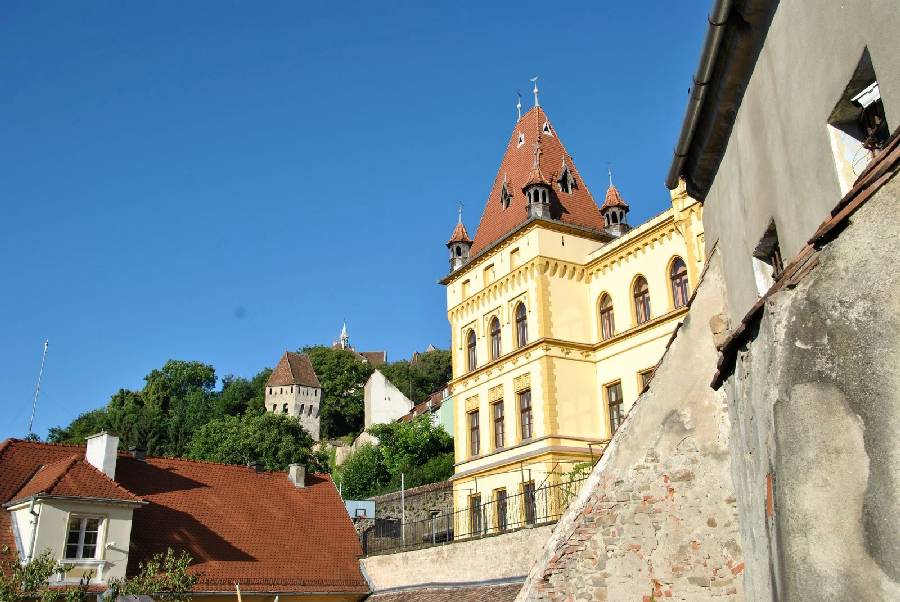
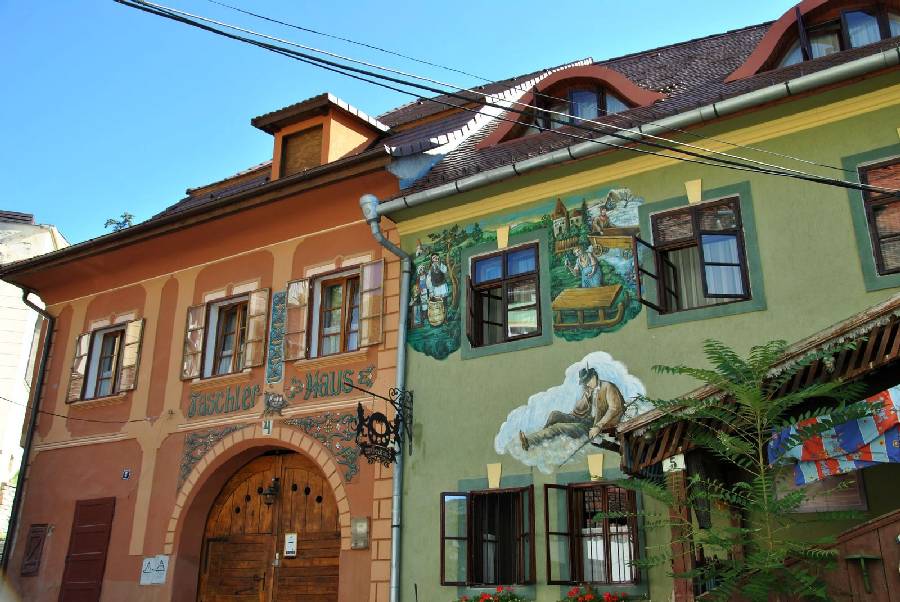
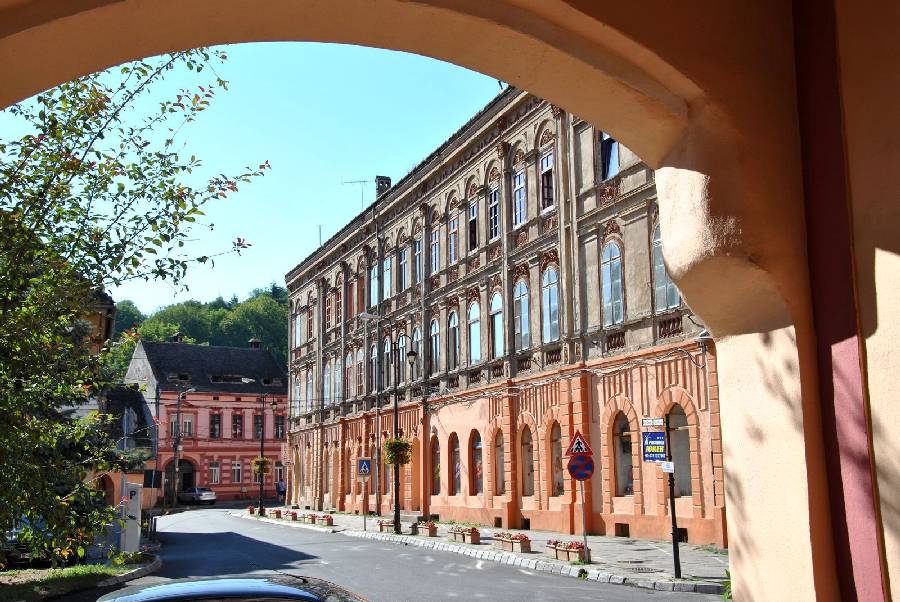
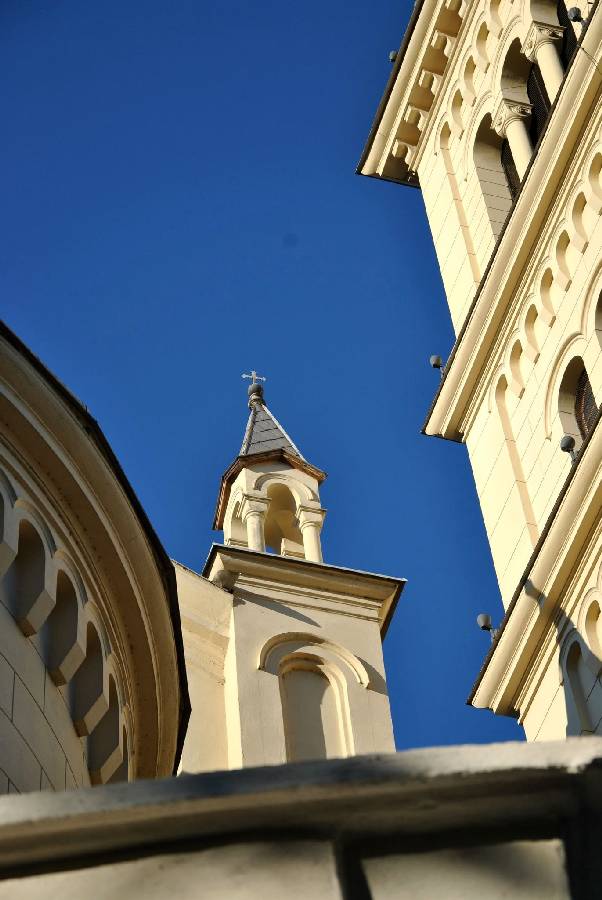
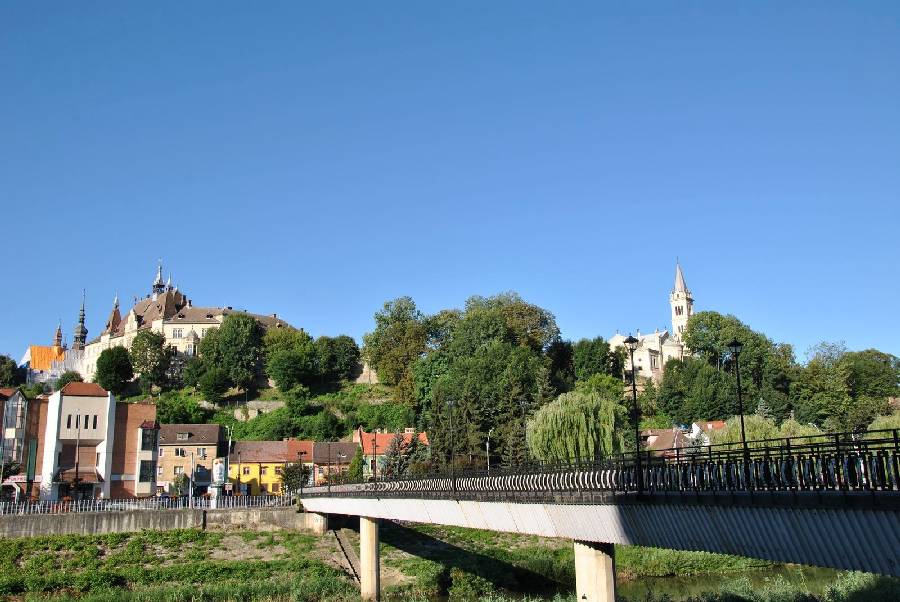
The city of Sighisoara (in German Schäßburg) is located in Mures County, in the heart of Transylvania, and is one of the largest inhabited medieval fortress settlements in Europe.
https://welcome-to-romania.com | https;//urlaub-in-rumänien.de
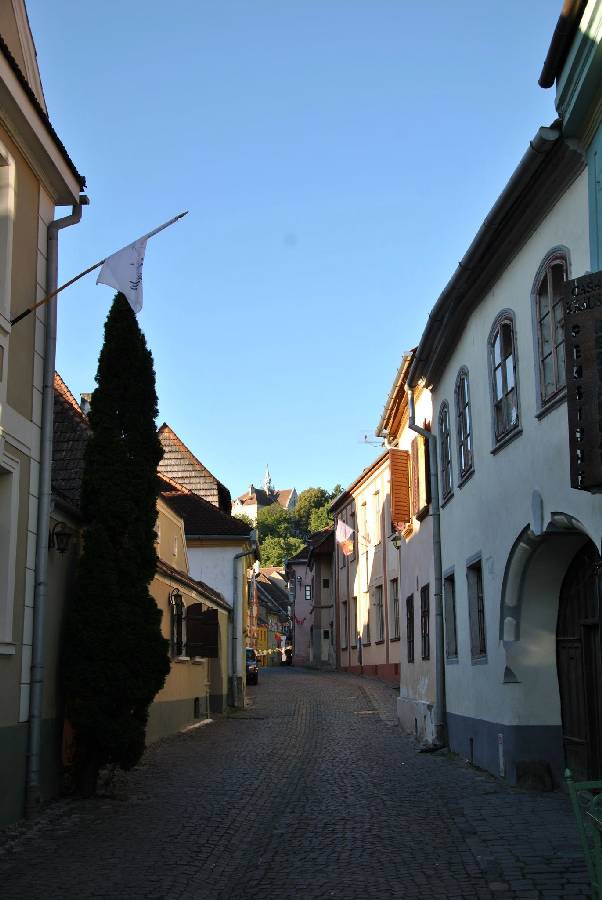
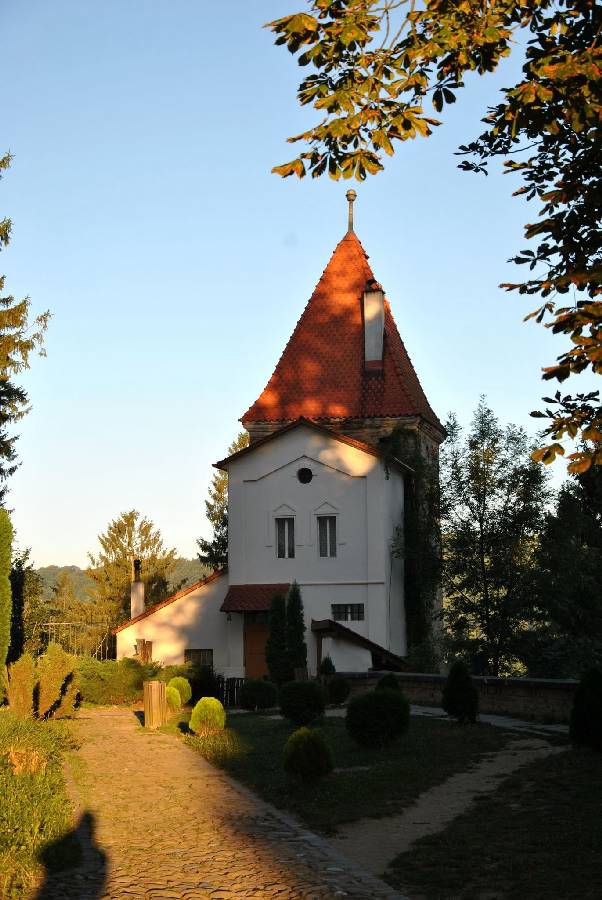
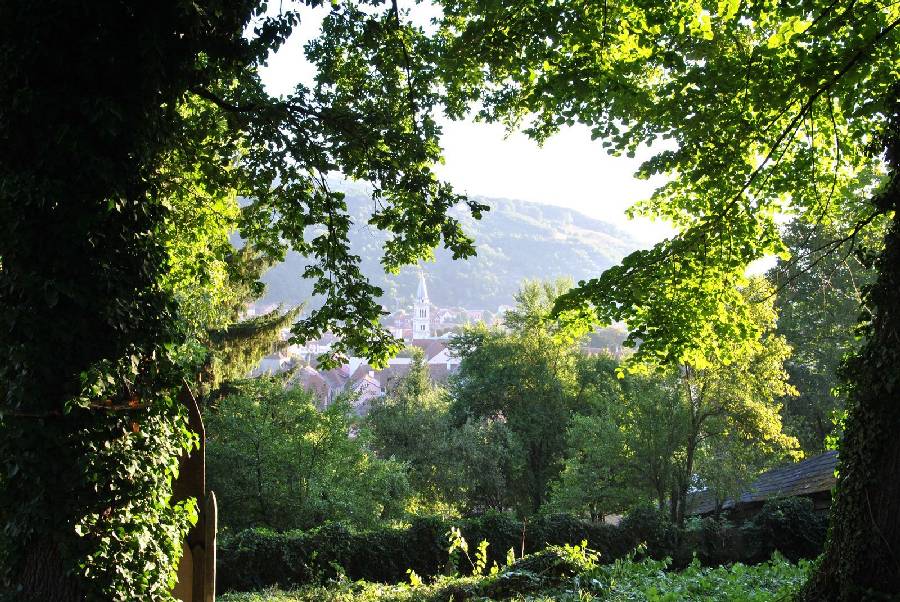
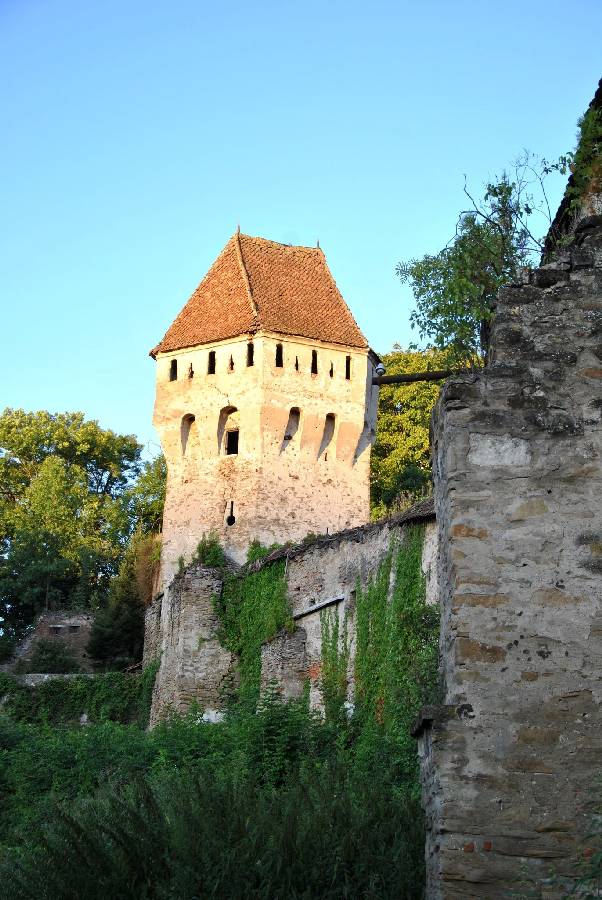
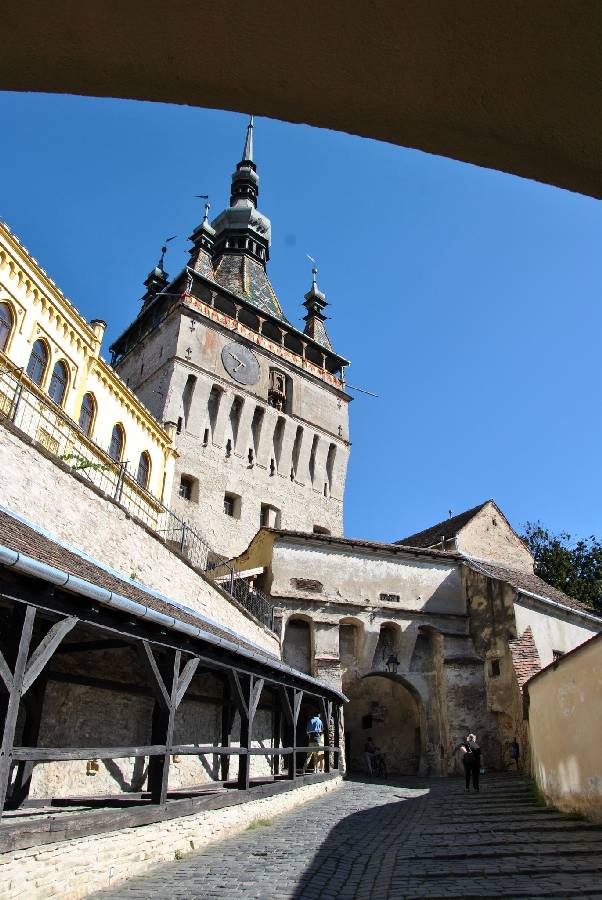
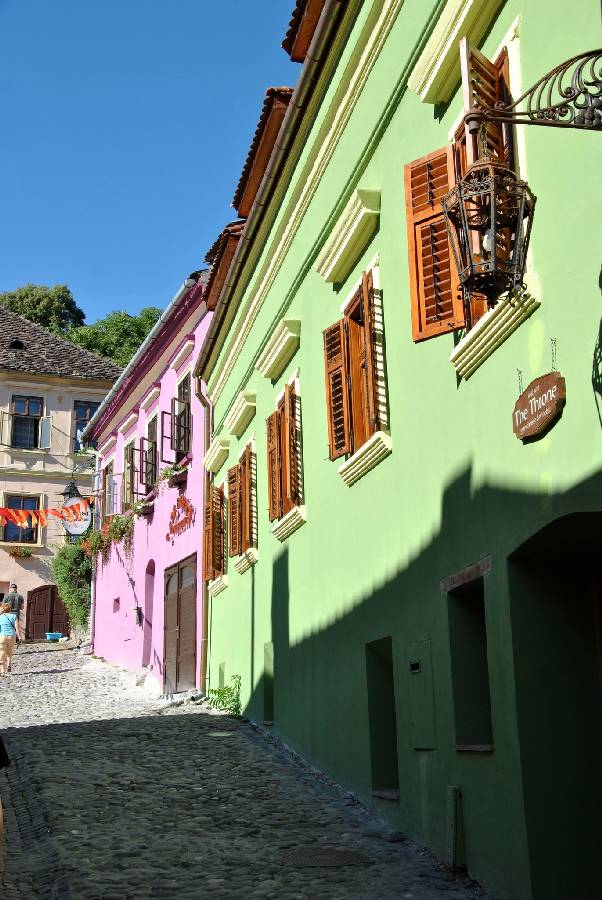
(19 January 2026)
Lake Ochiul Beiului (The Eye of the Bei) is located in the Cheile Nerei-Beusnița National Park in the southwest of Romania (County: Caras-Severin), near the border with Serbia and the villages of Deutsch-Orawitz (Oravita) and Steierdorf (to the west and east, respectively).
It has a depth of up to 3.6 meters and a diameter of about 15 meters. The fairytale-like green-blue water never freezes in winter, as the lake is constantly supplied with water from a spring.
We thank Ochiu Bei for allowing us to use these beautiful pictures.
(19 January 2026)
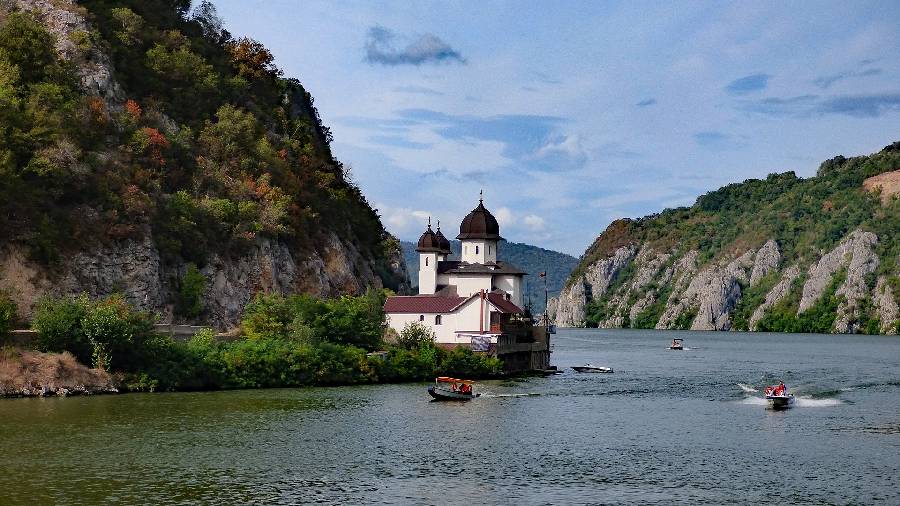
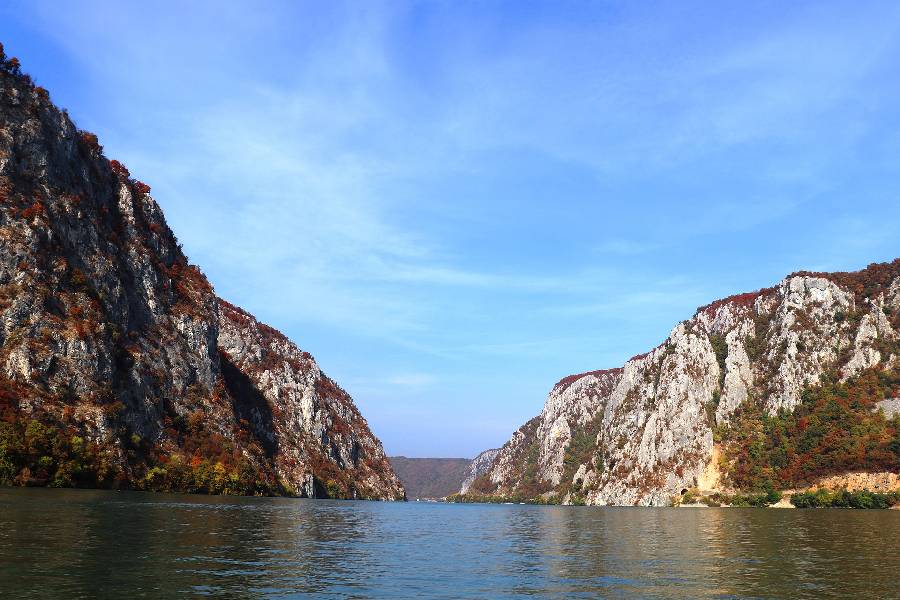
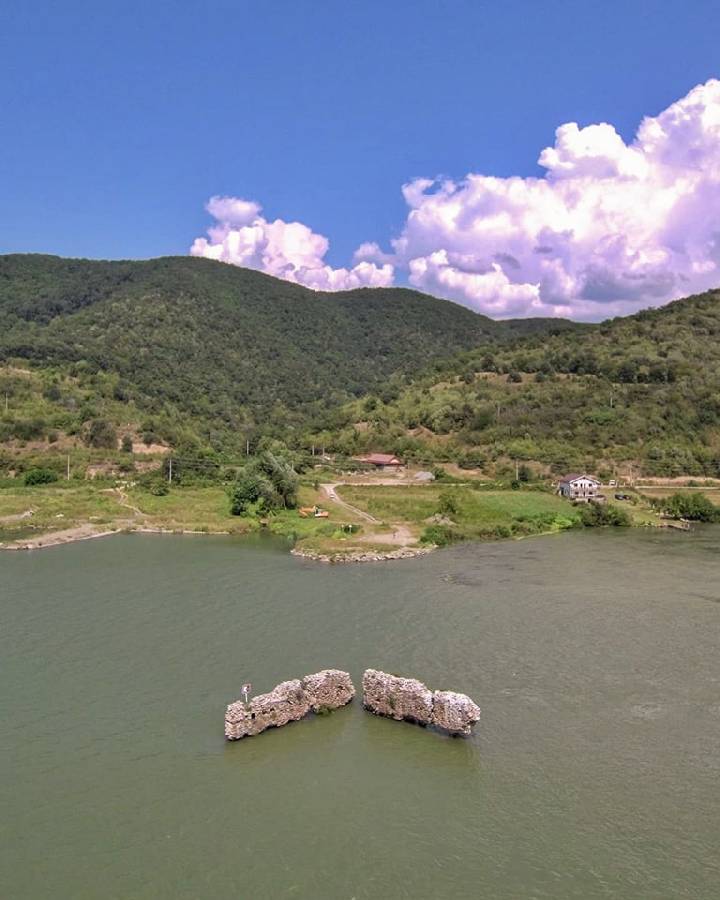
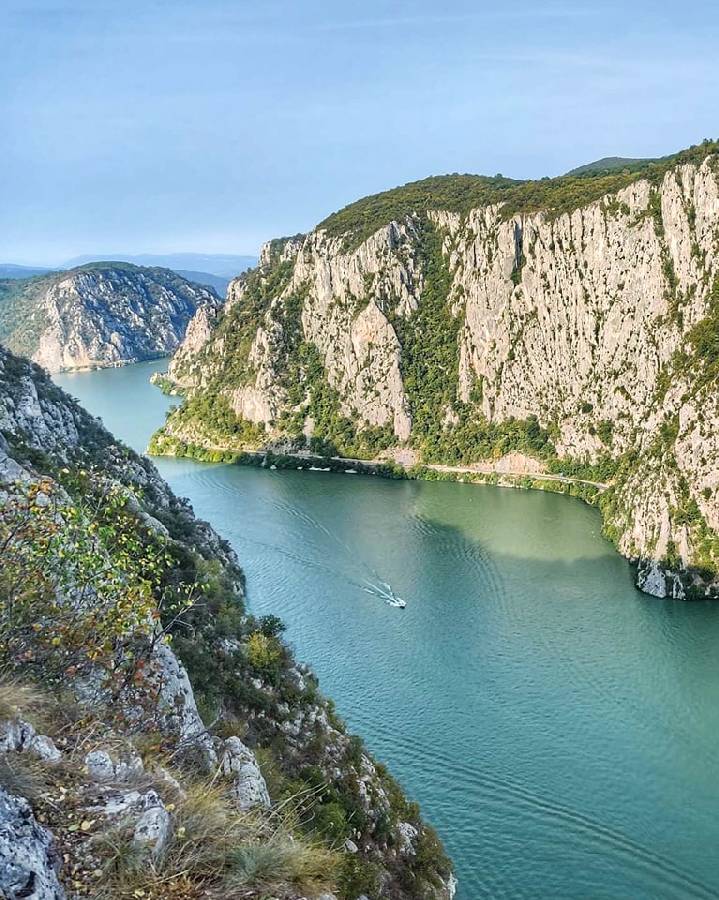
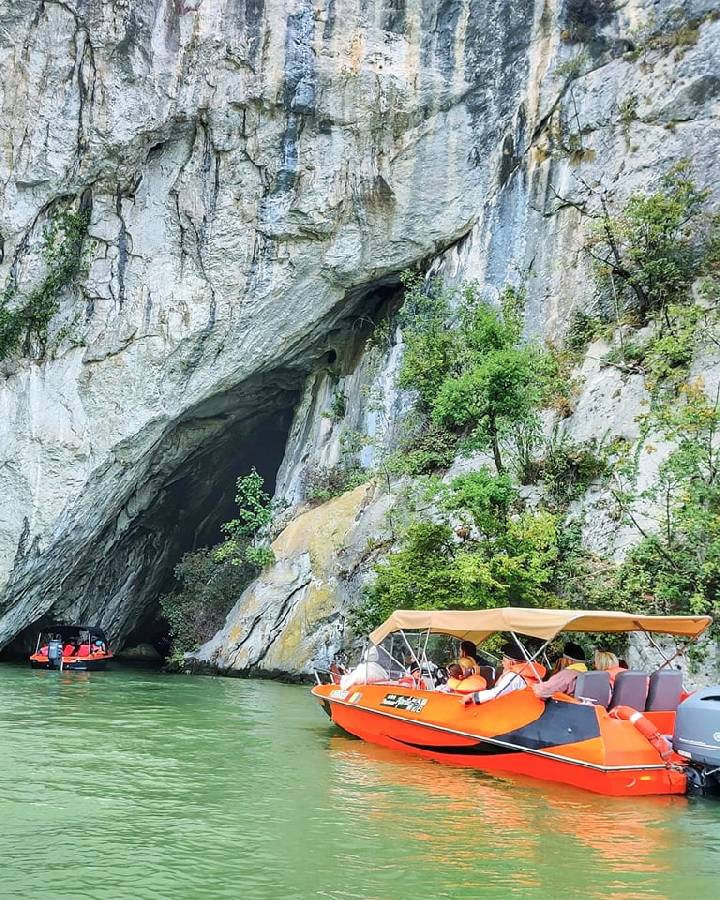
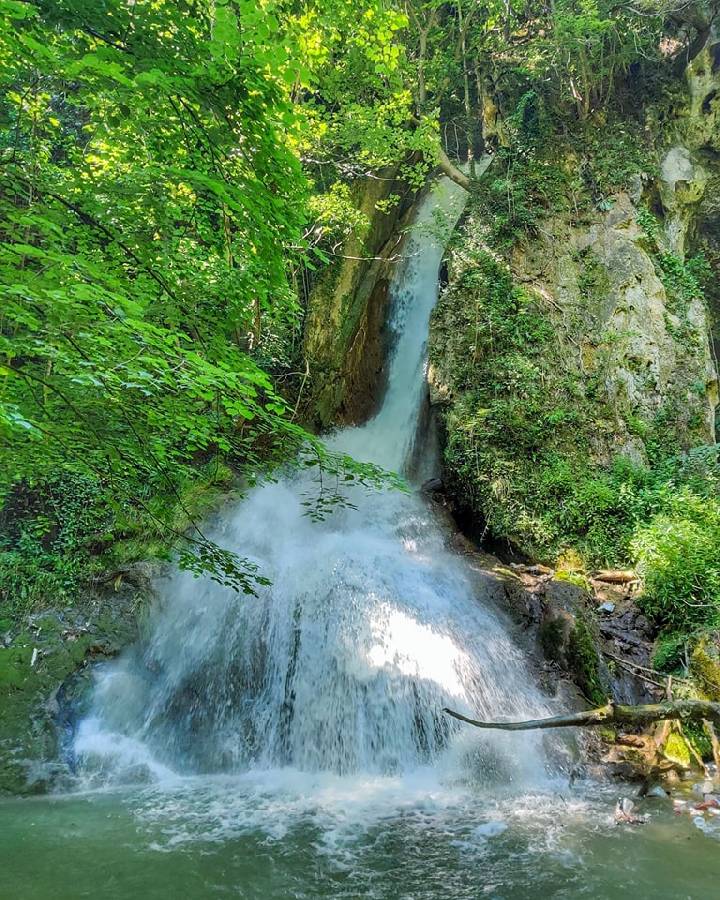
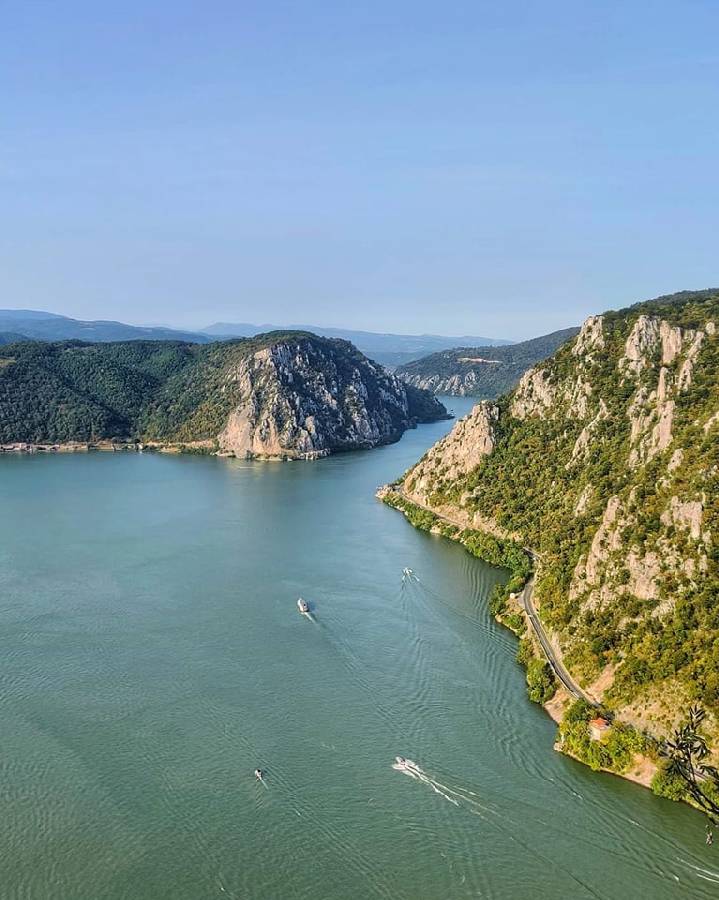
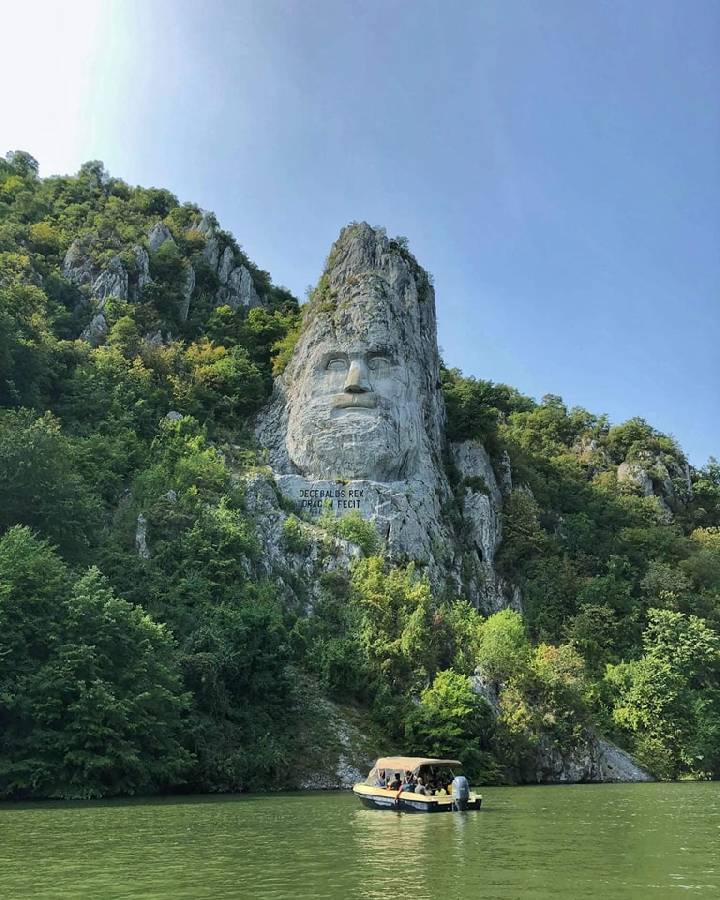
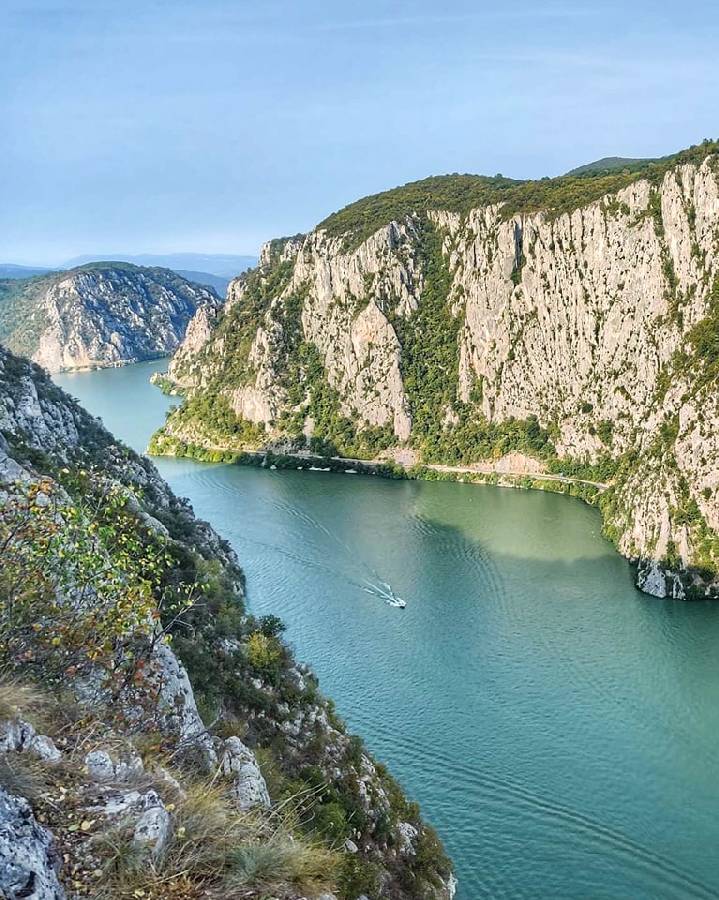
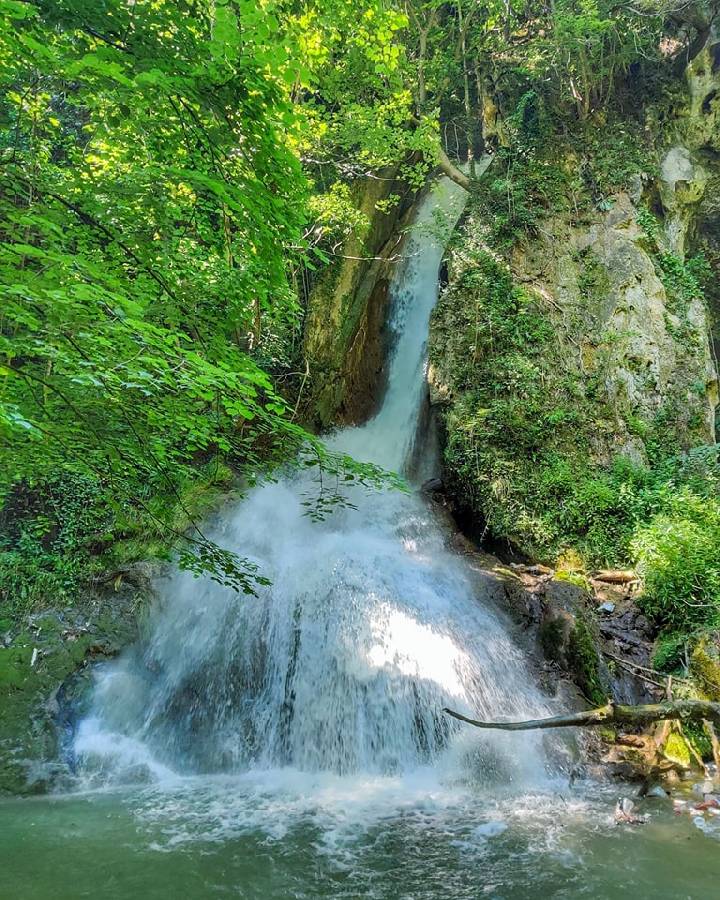
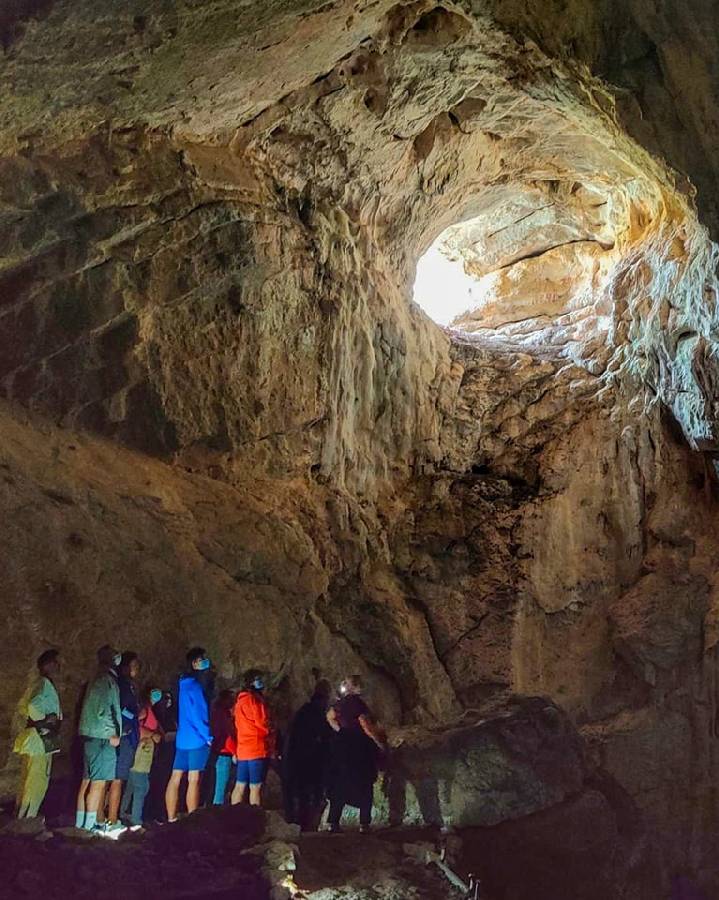
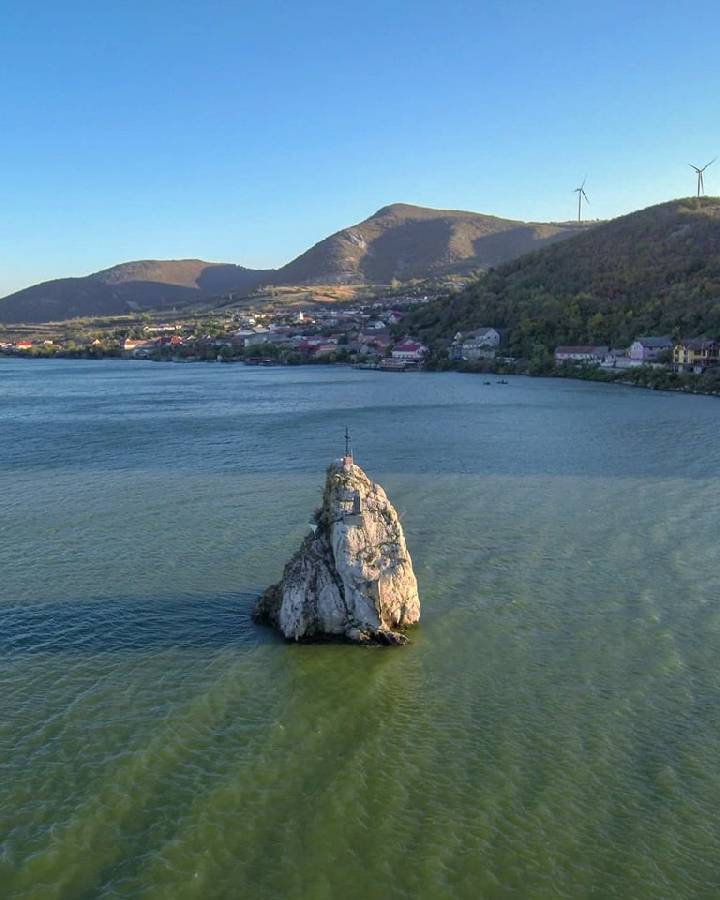
Beautiful pictures from the Iron Gate Nature Park (Parcul Natural Portile de Fier).
Decebalus, the Danube basin, Ponicova cave, Modavita waterfall and Buraul mare, Veterani cave, Drencova fortress, Trescovat mountain and much, much more!
We thank Banatului Montan for the permission to use these pictures.
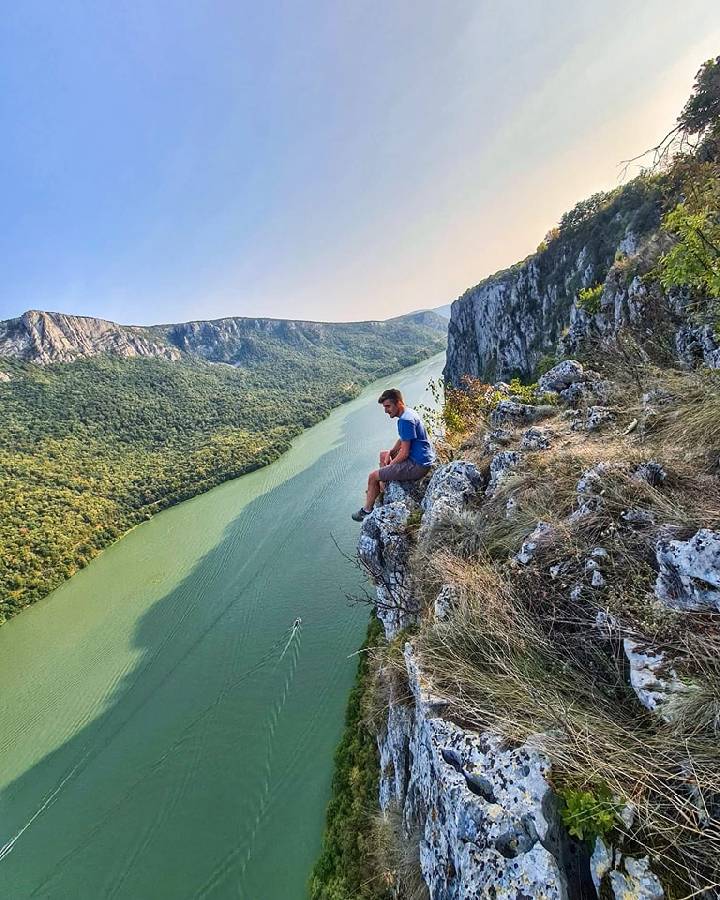
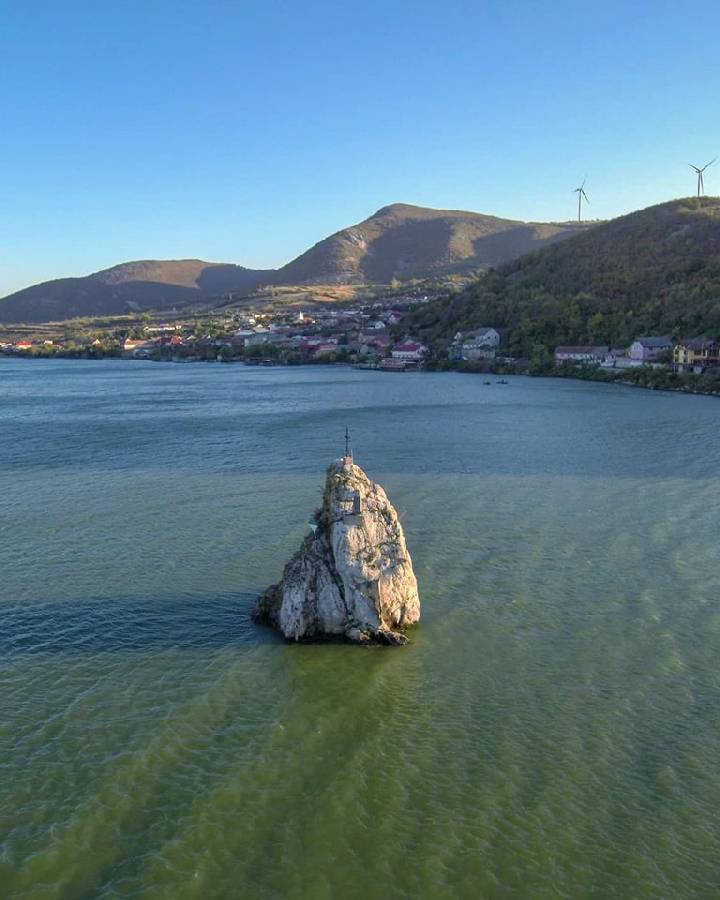
(19 January 2026)
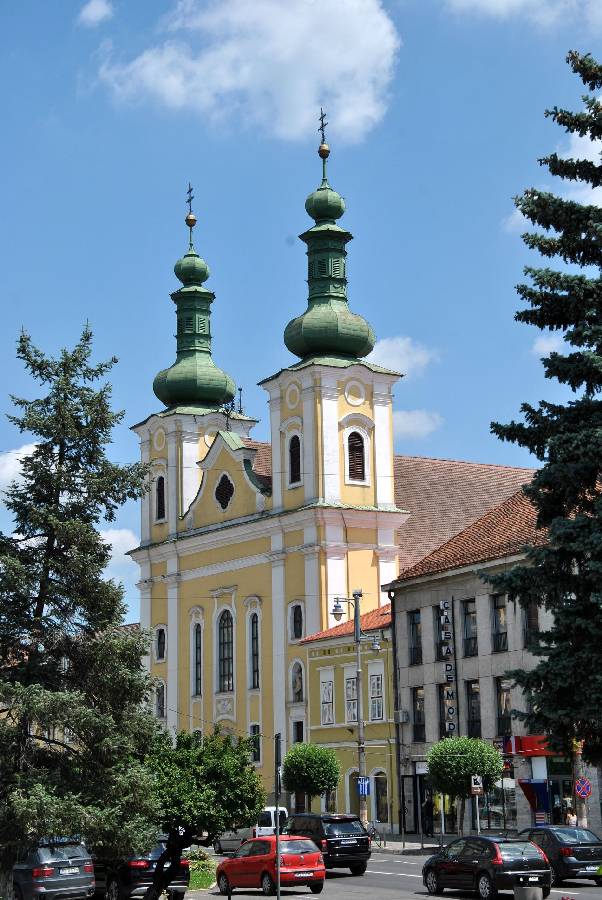
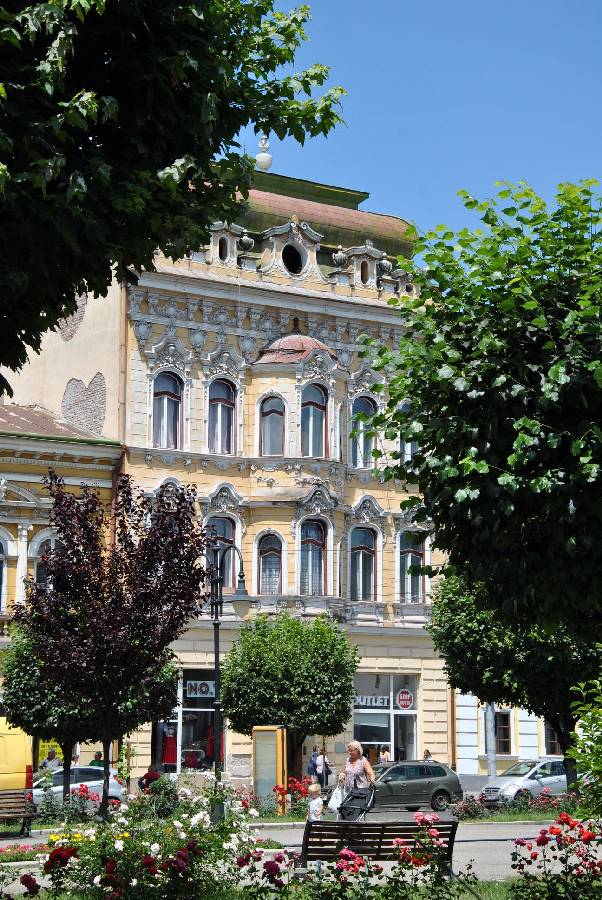
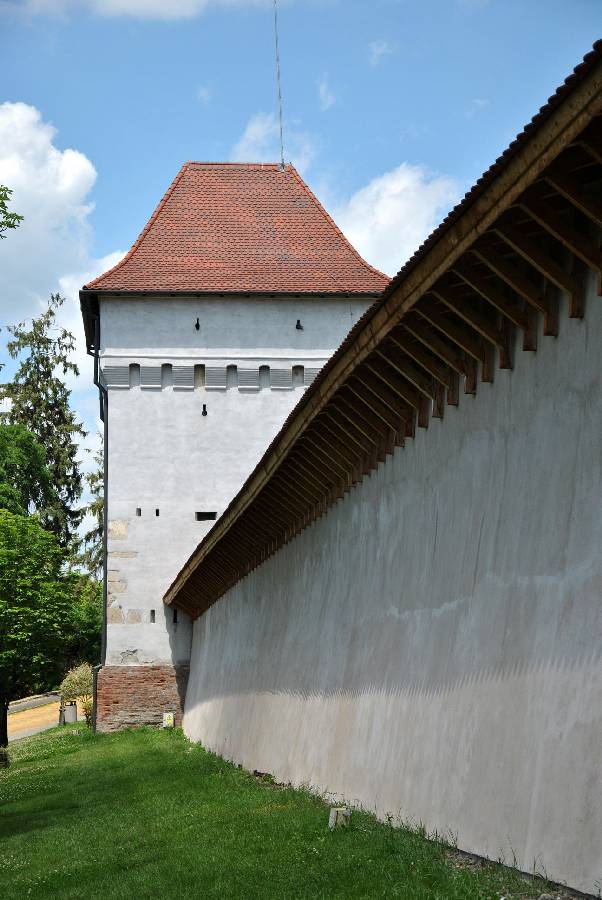
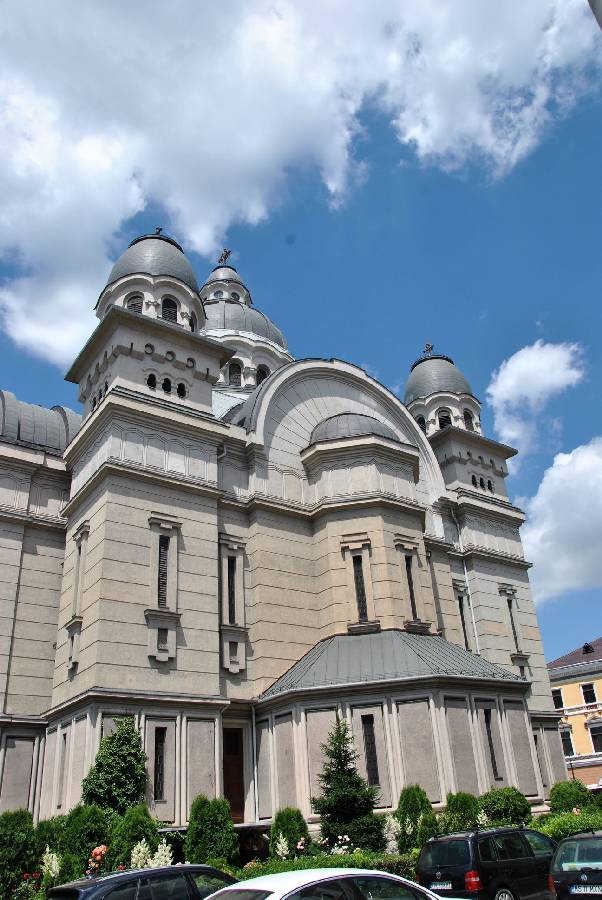
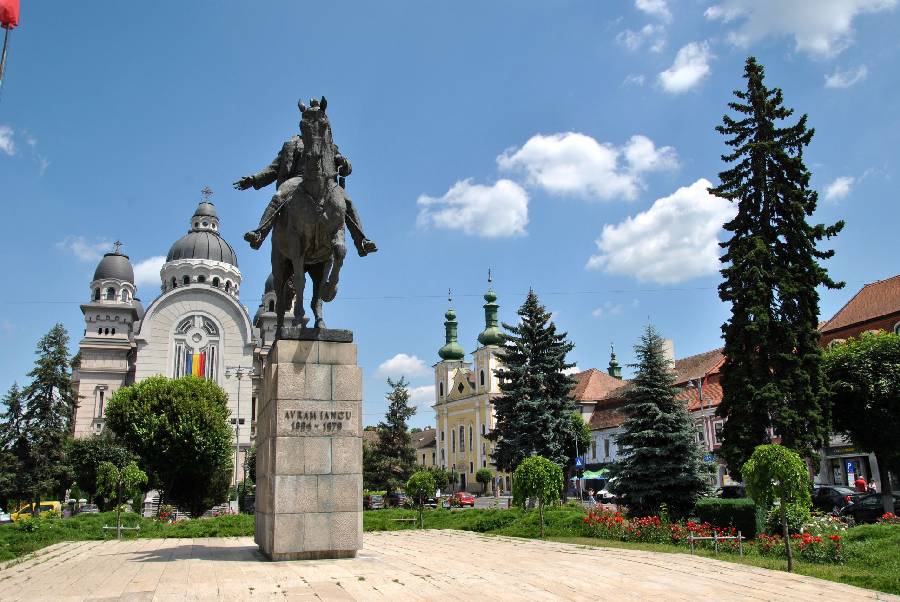
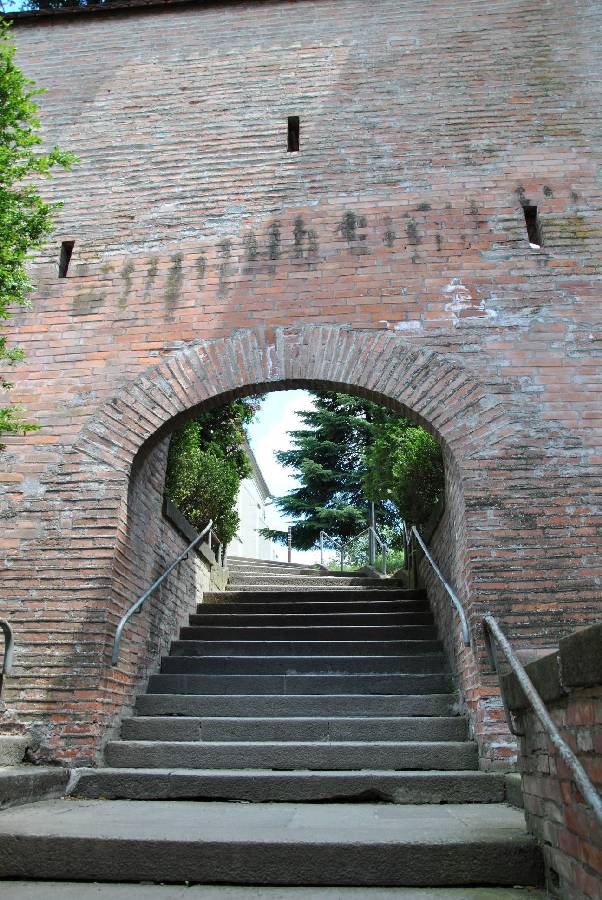
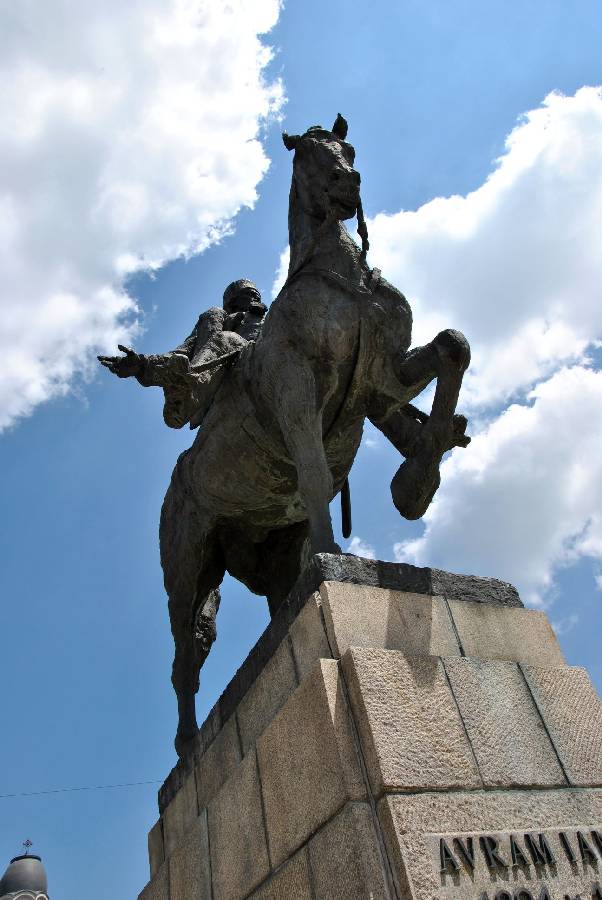
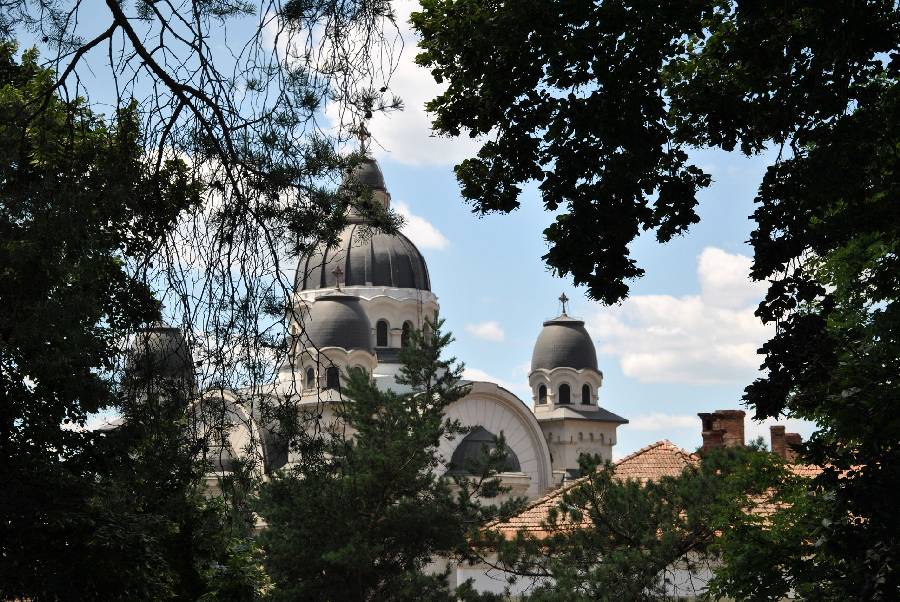
Targu Mures, first mentioned in documents in the year 1300, is located on the Mures River (in German Mieresch, in Hungarian Maros) in the historical county* of Maros-Torda, on the route from Brasov to Cluj-Napoca.
https://xn--willkommen-in-rumnien-m2b.de/ | https://welcome-to-romania.com
* County: name for an administrative district in Hungary
(19 January 2026)
Beautiful pictures from the Iron Gate Nature Park (Parcul Natural Portile de Fier).
Decebalus, the Danube basin, Ponicova cave, Modavita waterfall and Buraul mare, Veterani cave, Drencova fortress, Trescovat mountain and much, much more!
We thank Banatului Montan for the permission to use these pictures.
(19 January 2026)
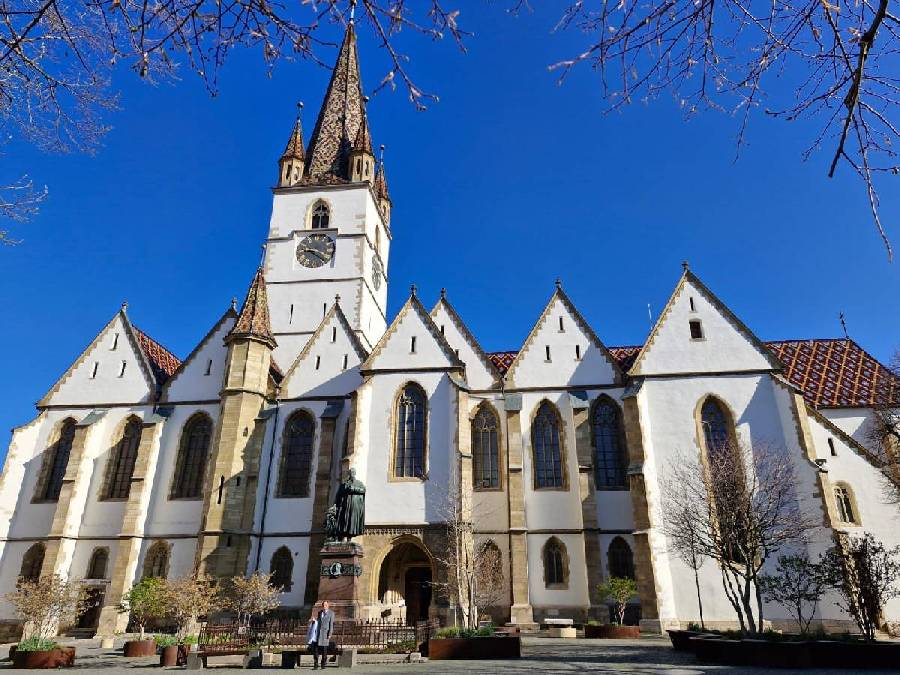
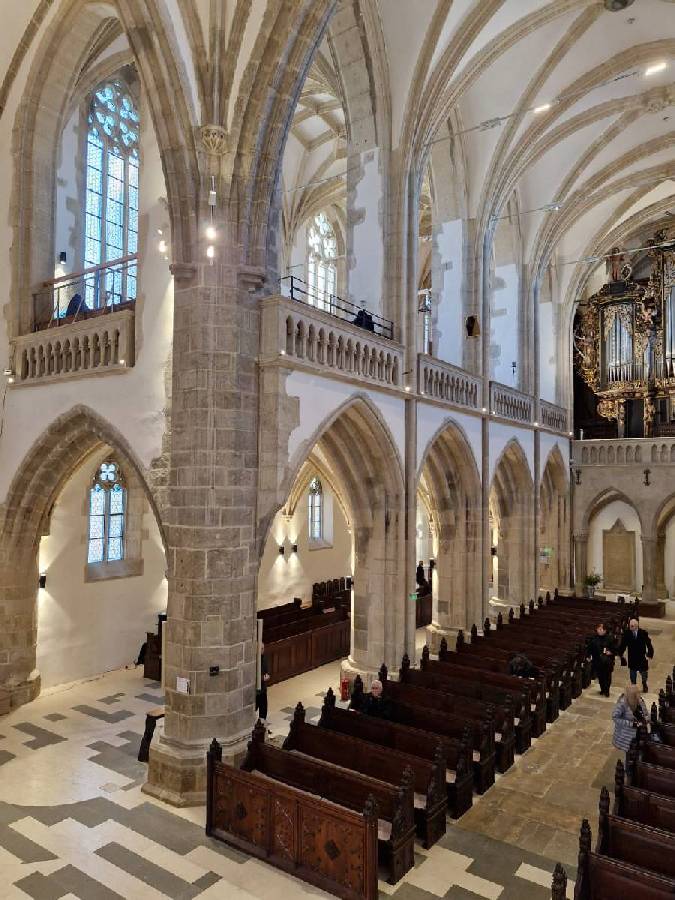
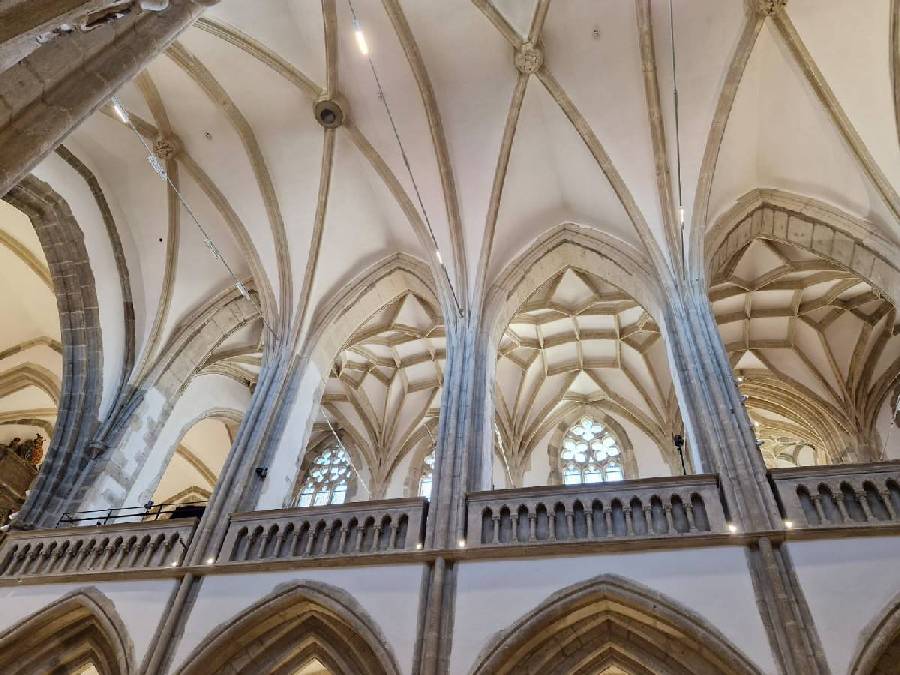
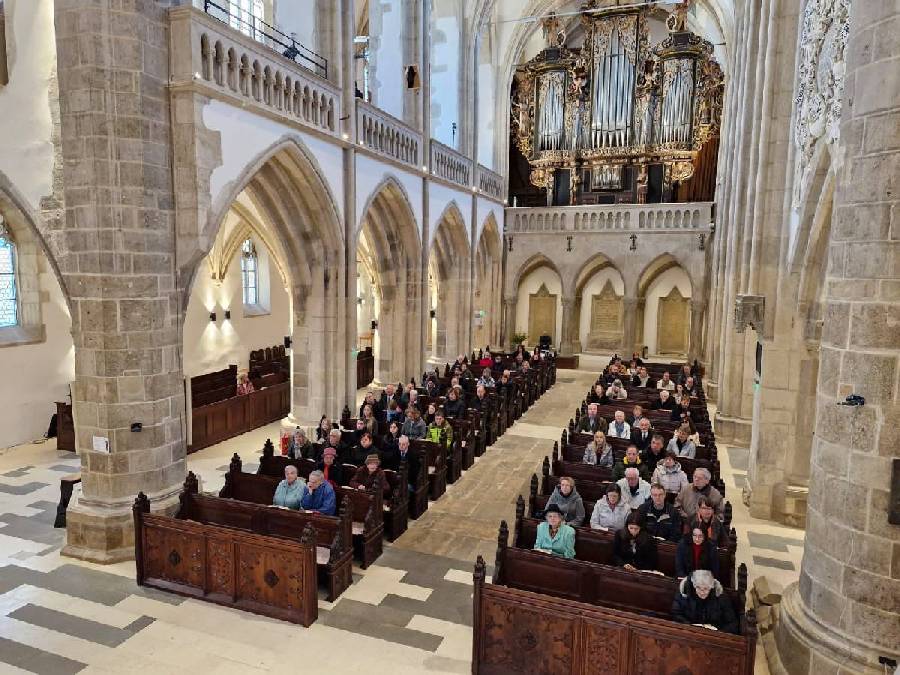
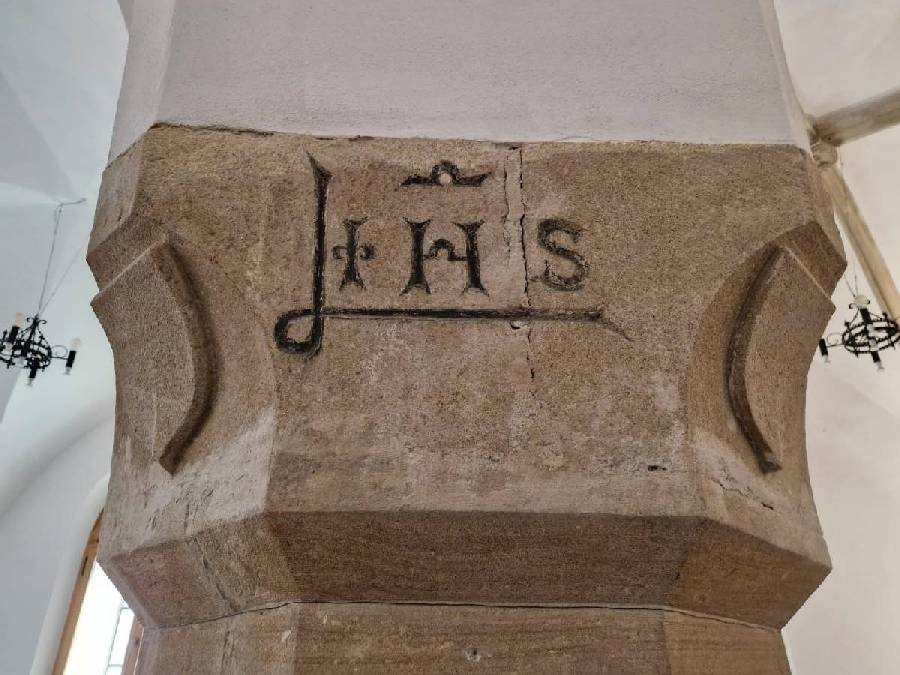
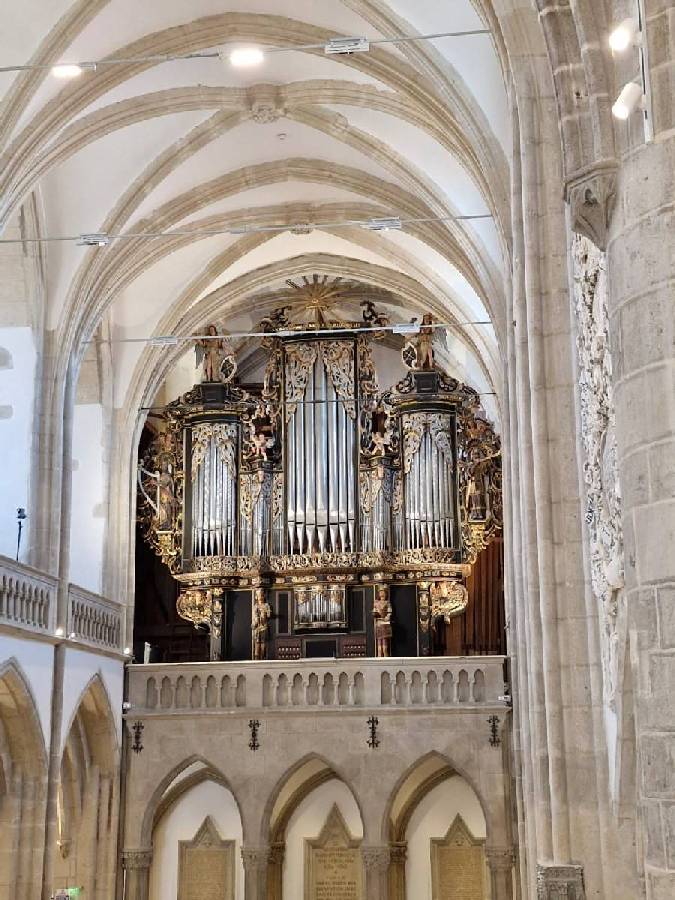
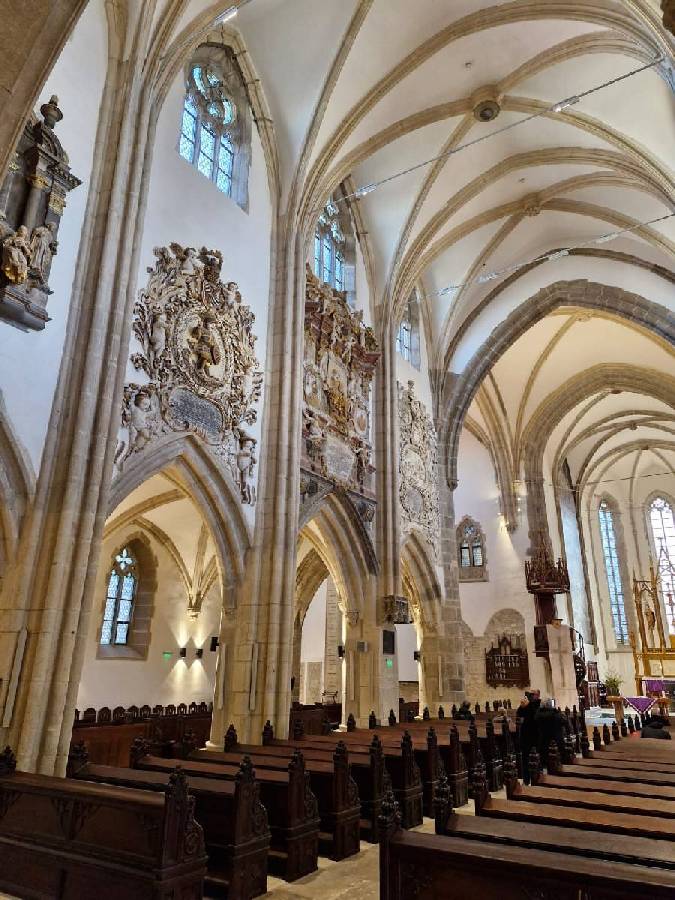
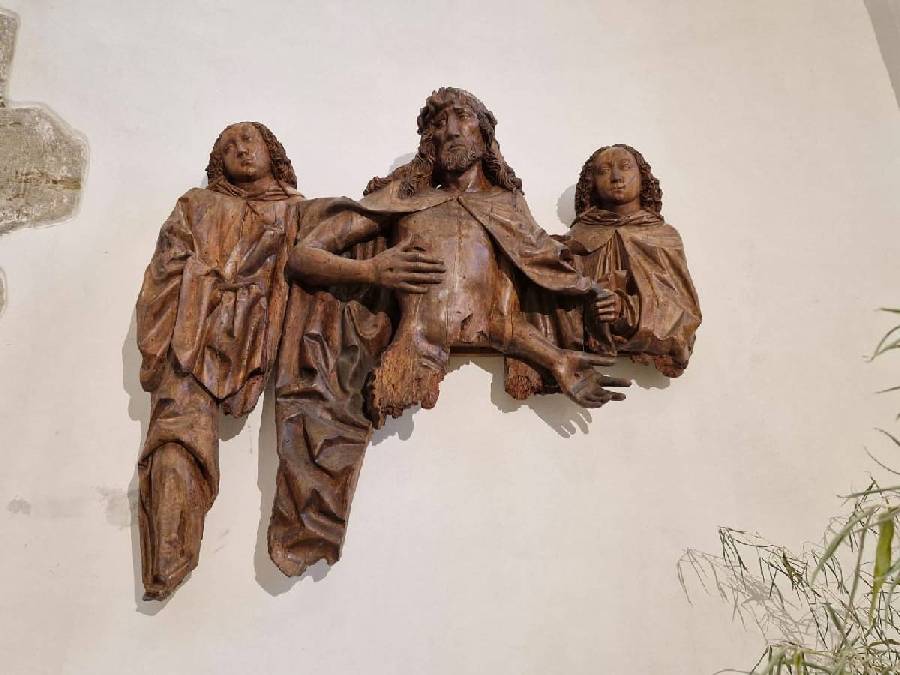
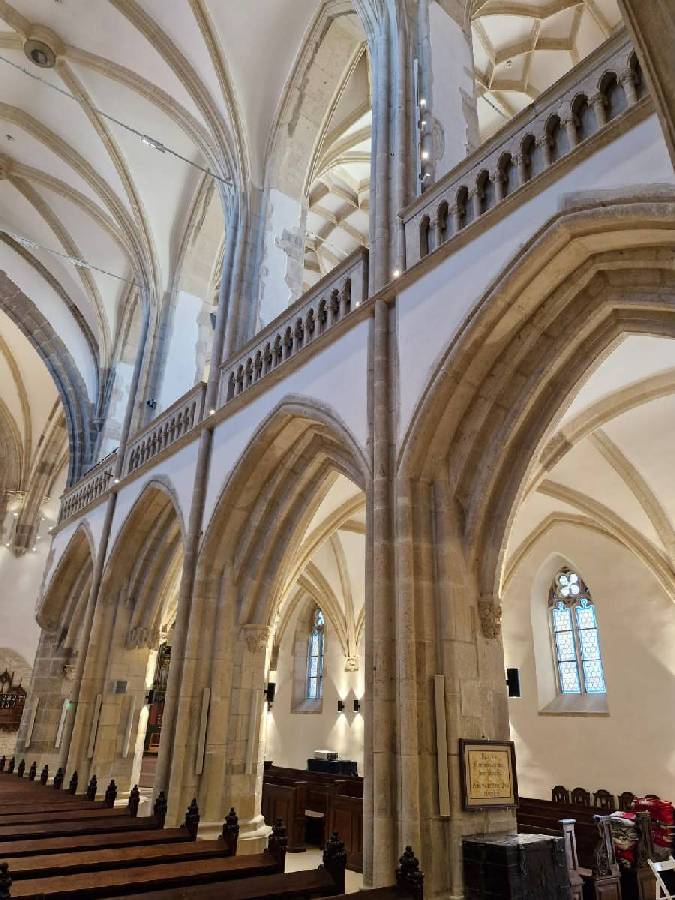
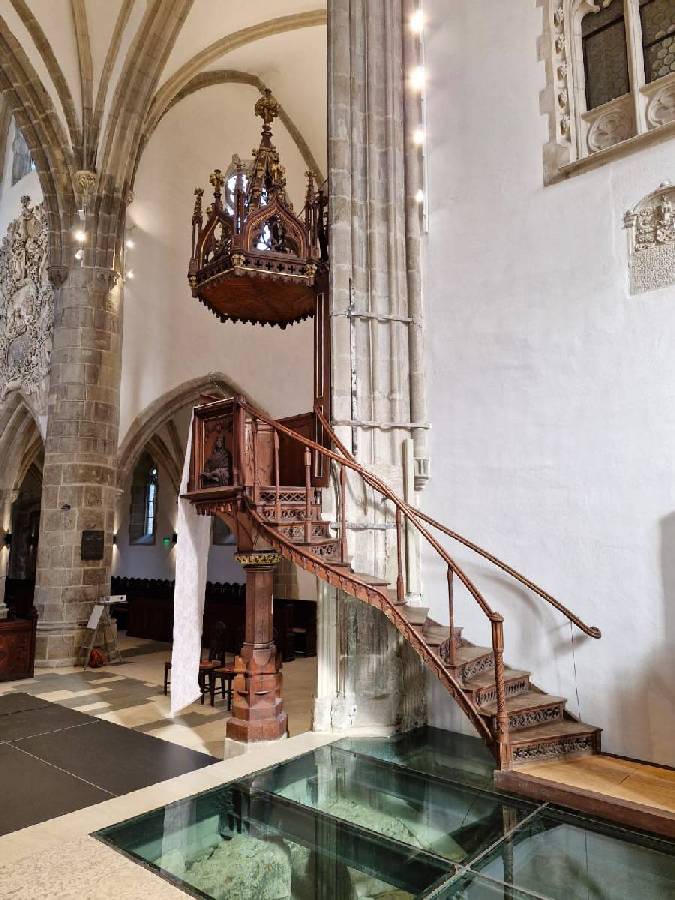
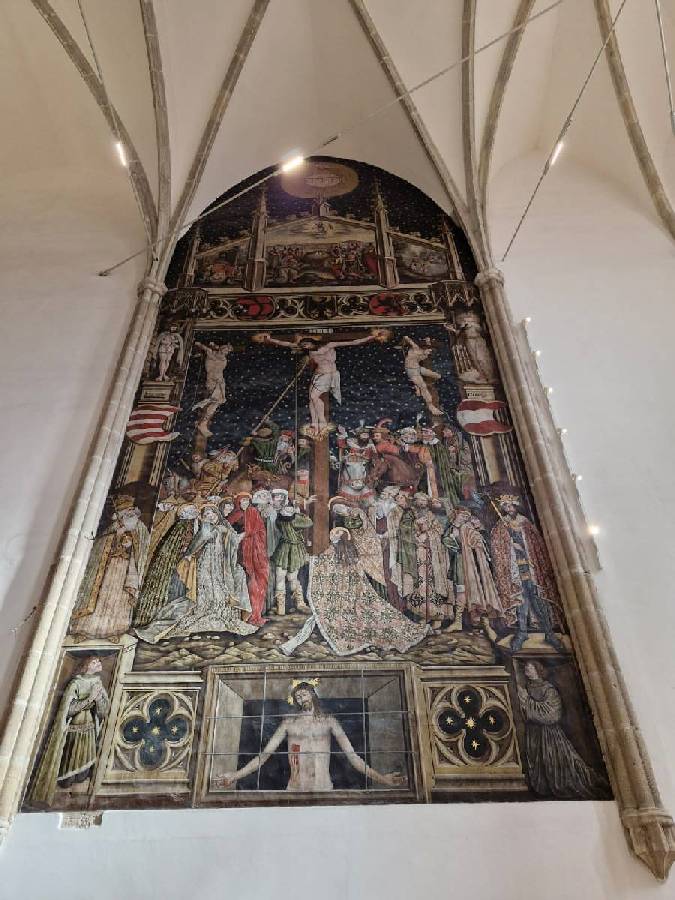
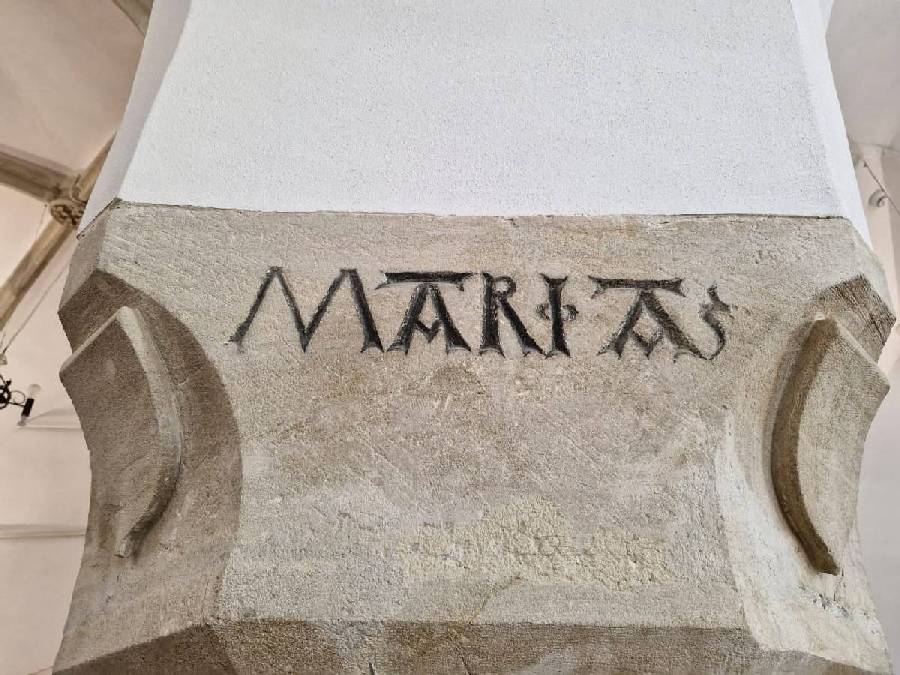
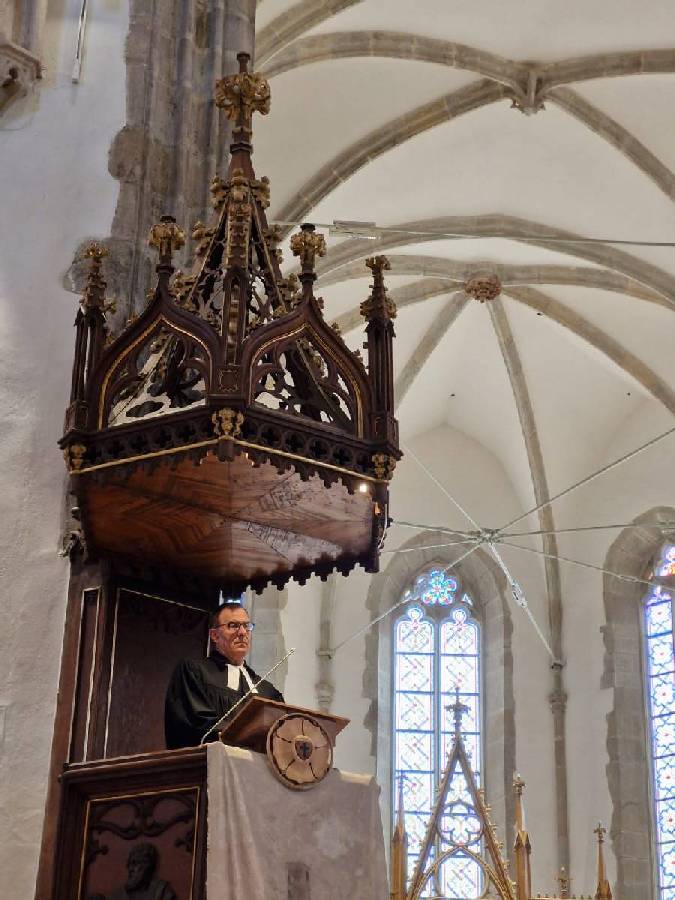
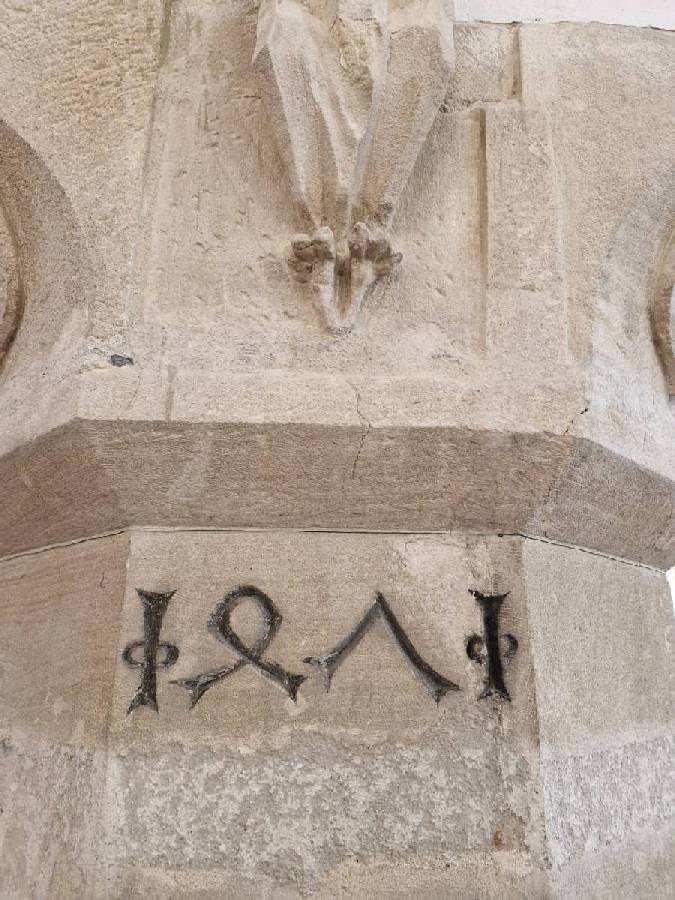
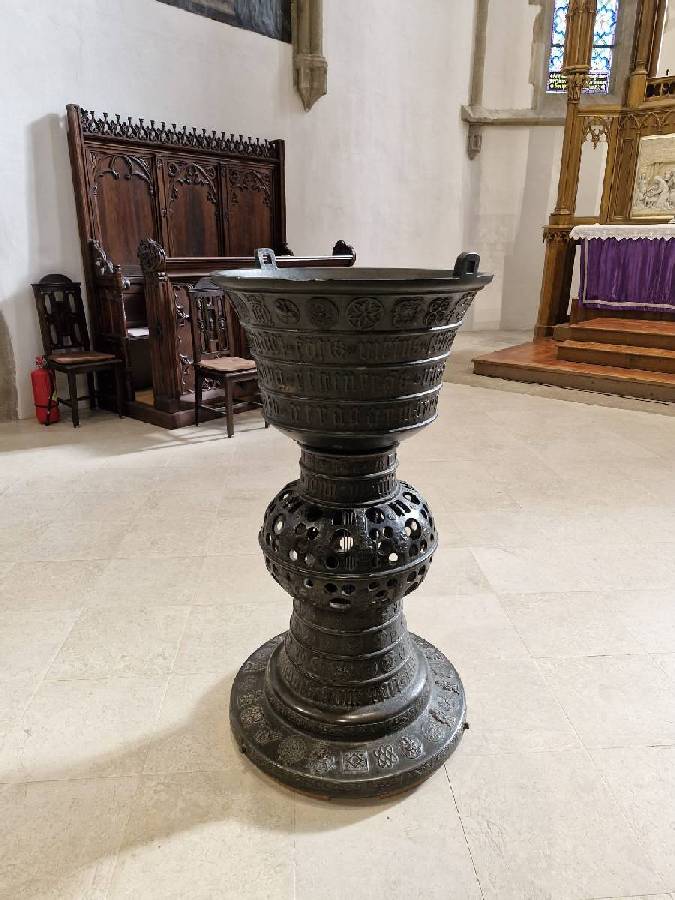
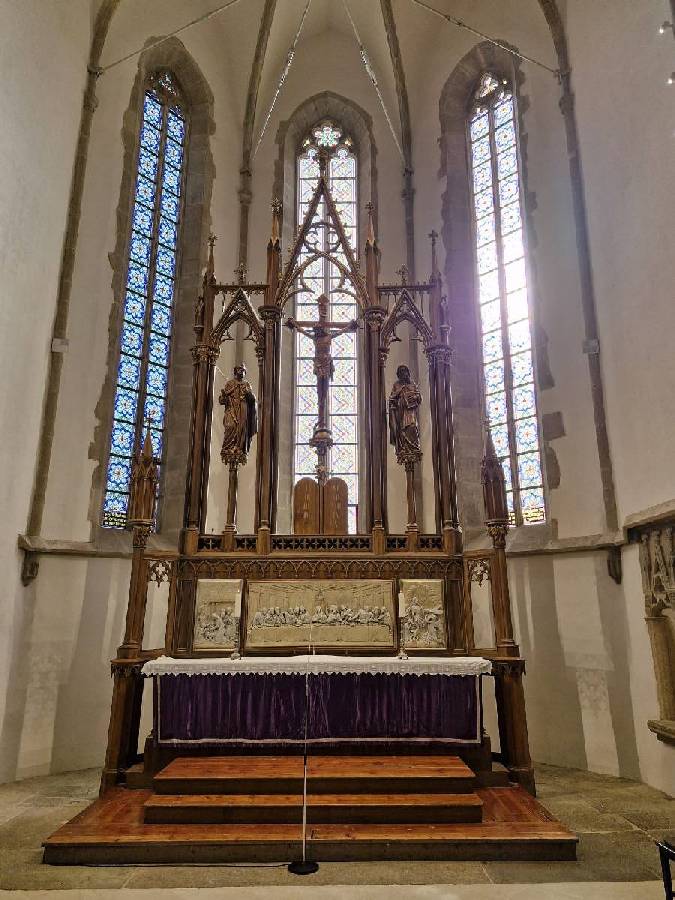
Evangelical church since the Reformation. Regular German-language services are held here. There are also many concerts throughout the year.
We thank Mr. Frank Schleßmann for sending these wonderful pictures (13 April 2025) and the corresponding text / explanation.
(18 January 2026)
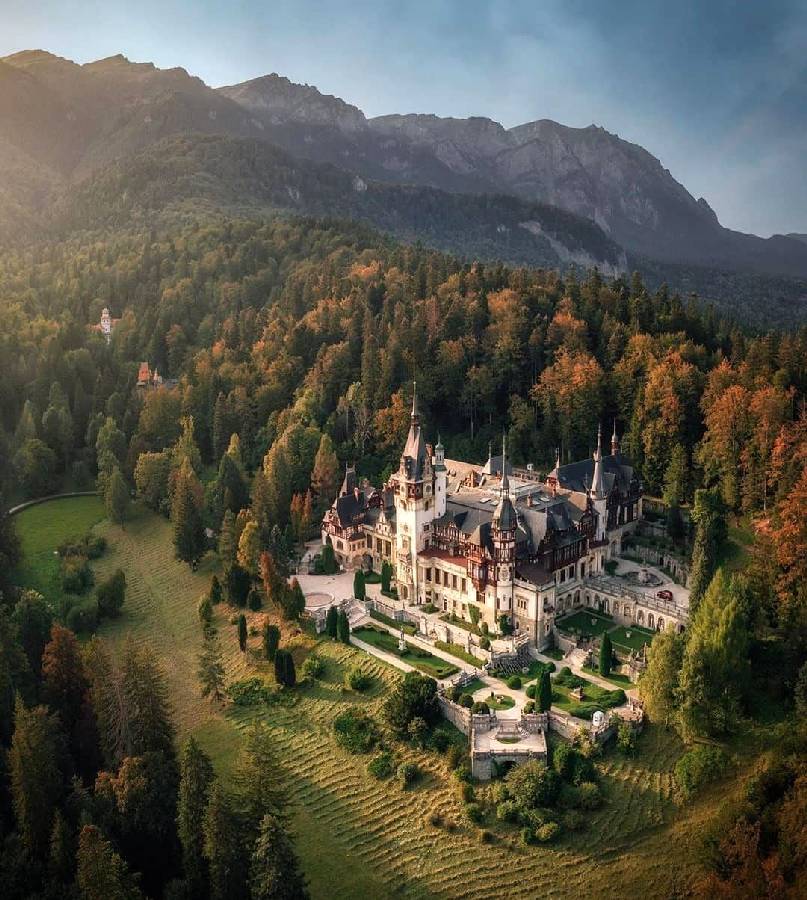
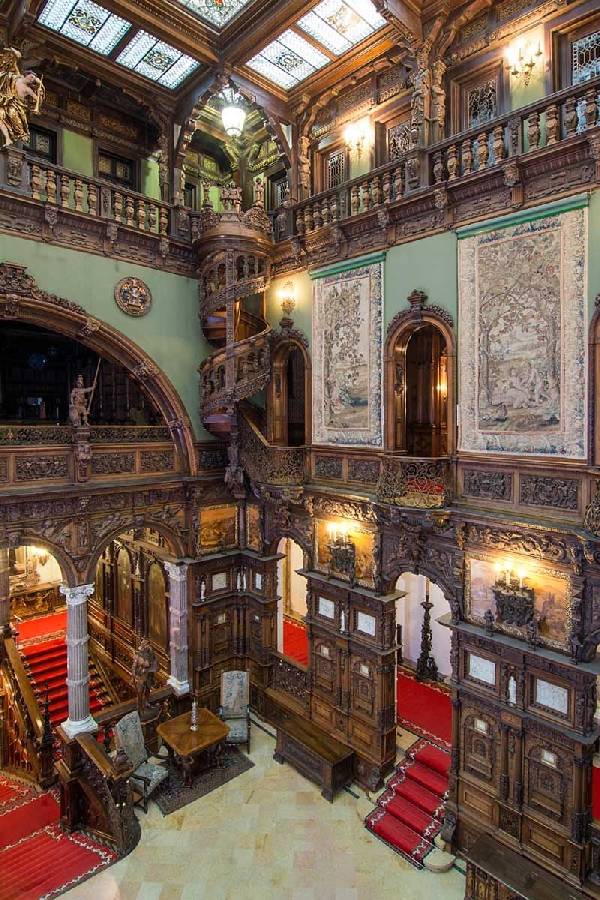
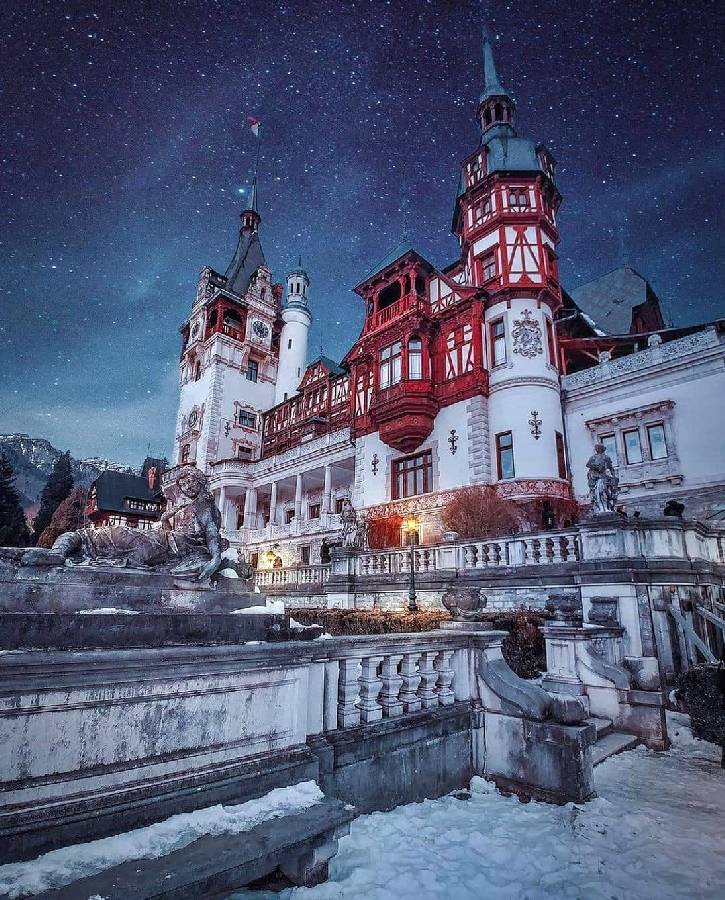
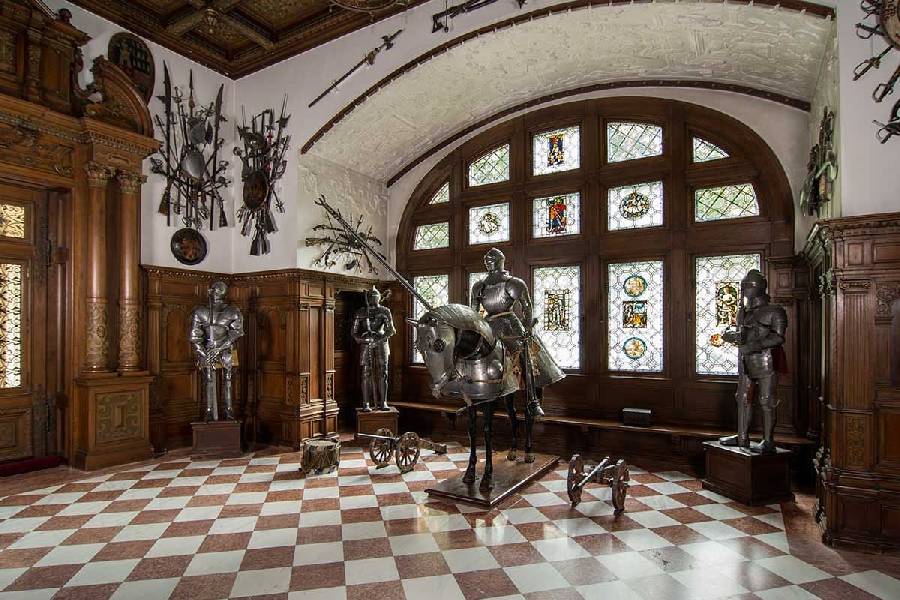
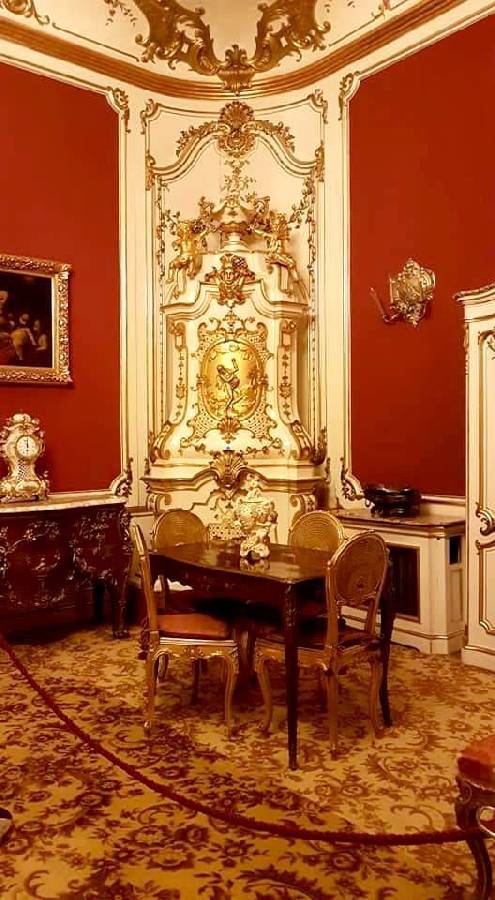
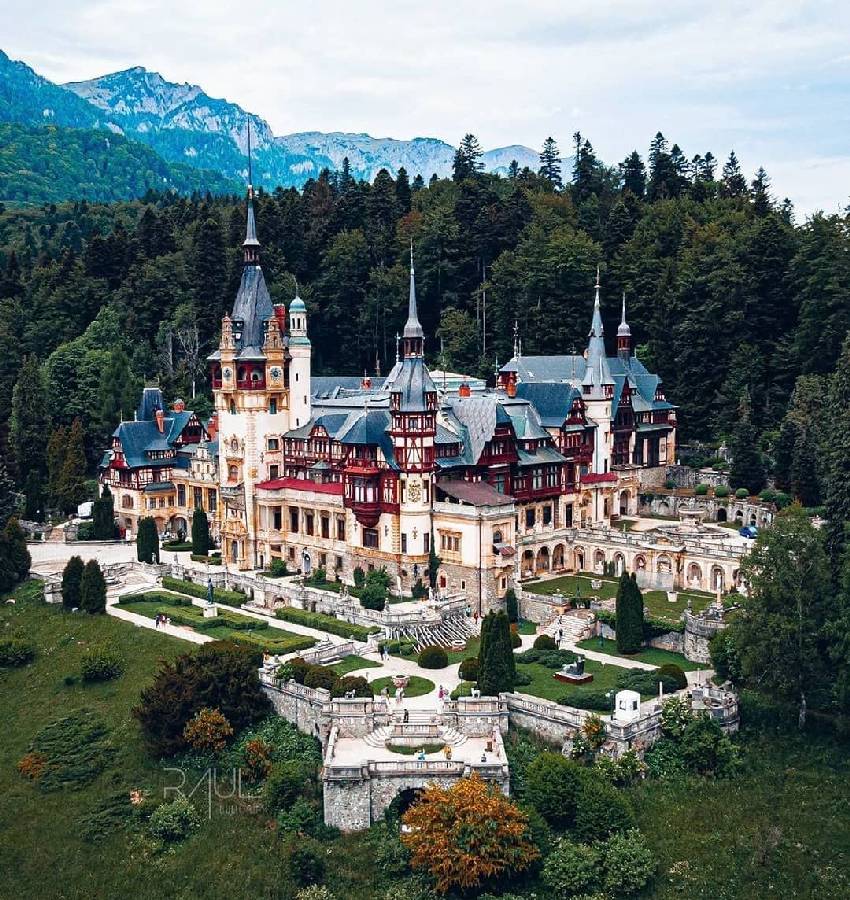
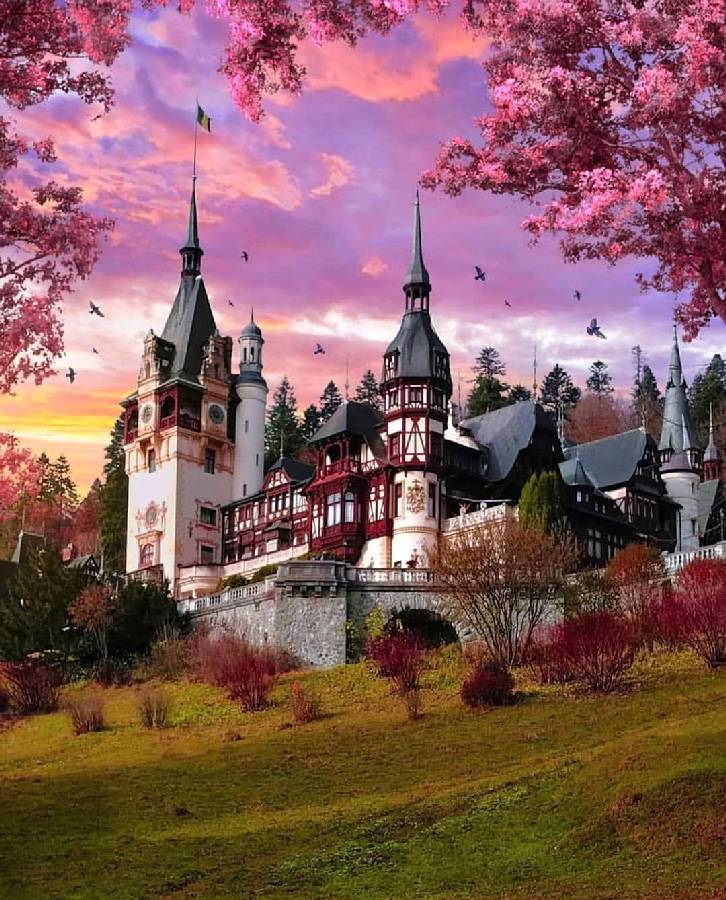
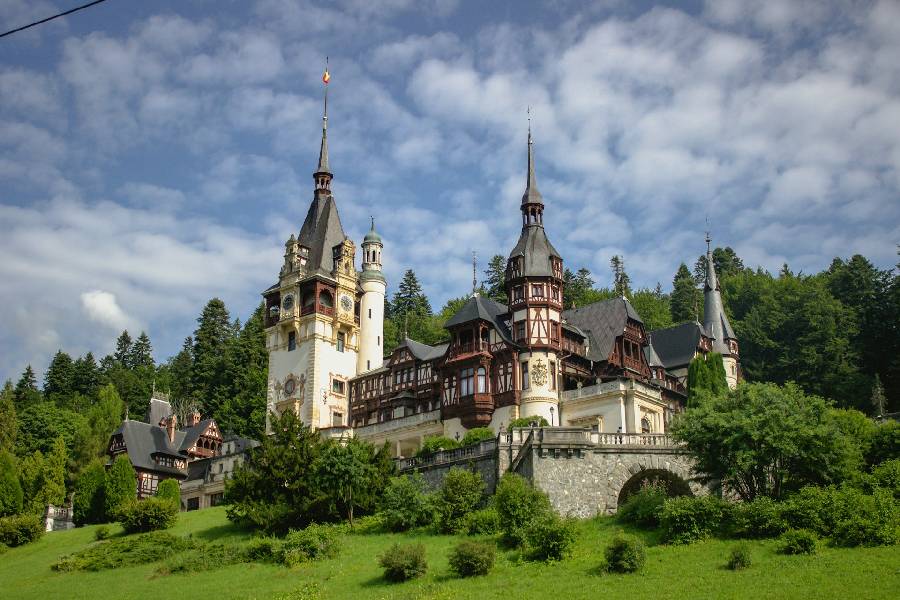
Peles Castle is located about 1.5 kilometers northwest of the town of Sinaia, which lies on the route from Bucharest to Brasov (and of course vice versa), in the Prahova Valley, framed by the Bucegi Mountains.
https://welcome-to-romania.com | https://urlaub-in-rumänien.de
We thank Mr. Georg Schenk and https://www.instagram.com/romania_ig/ for allowing us to use these pictures.
(18 January 2026)
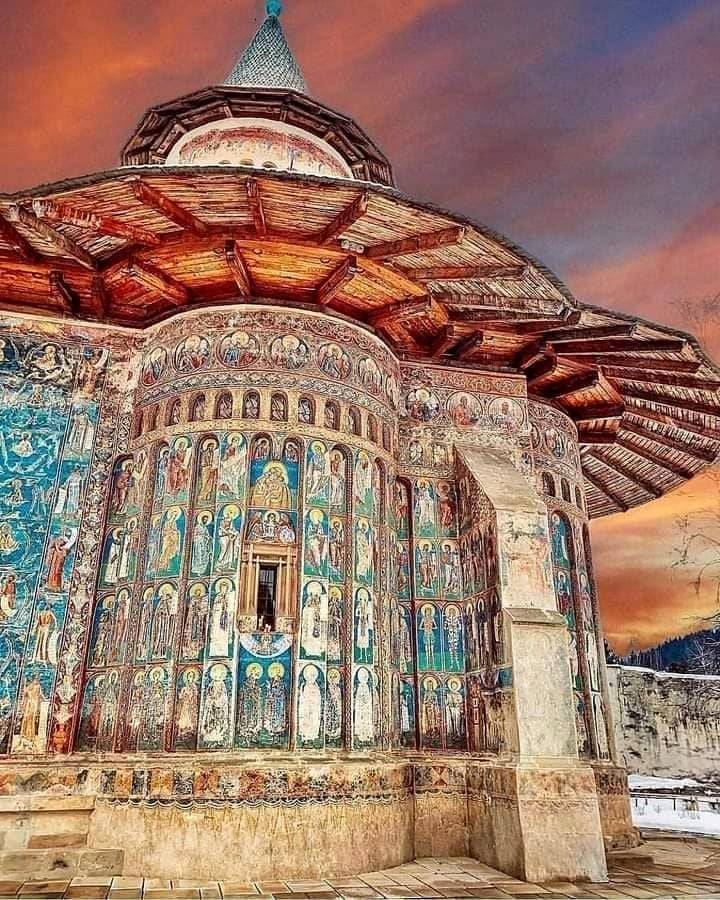
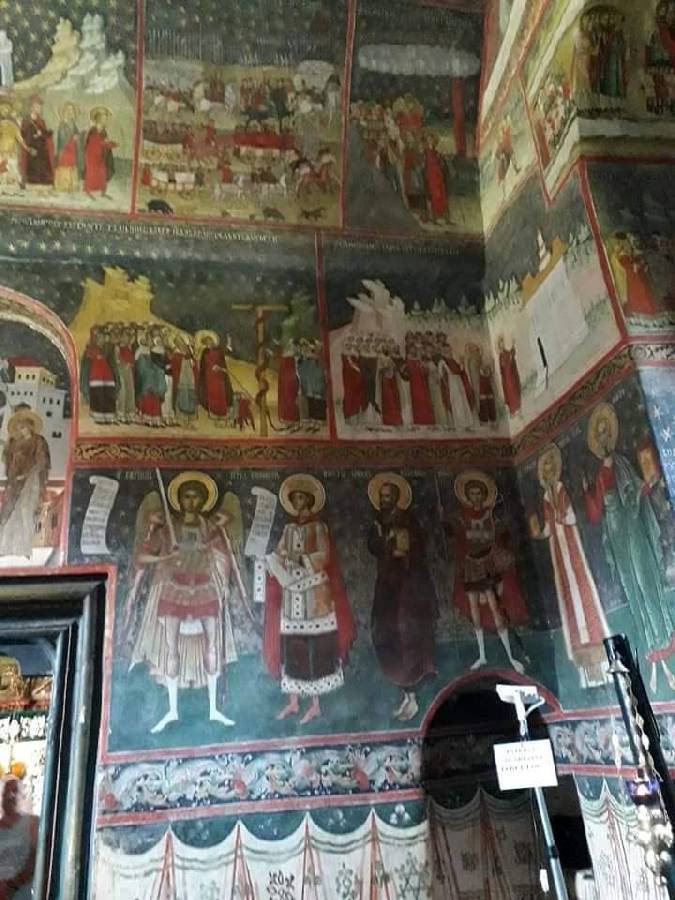
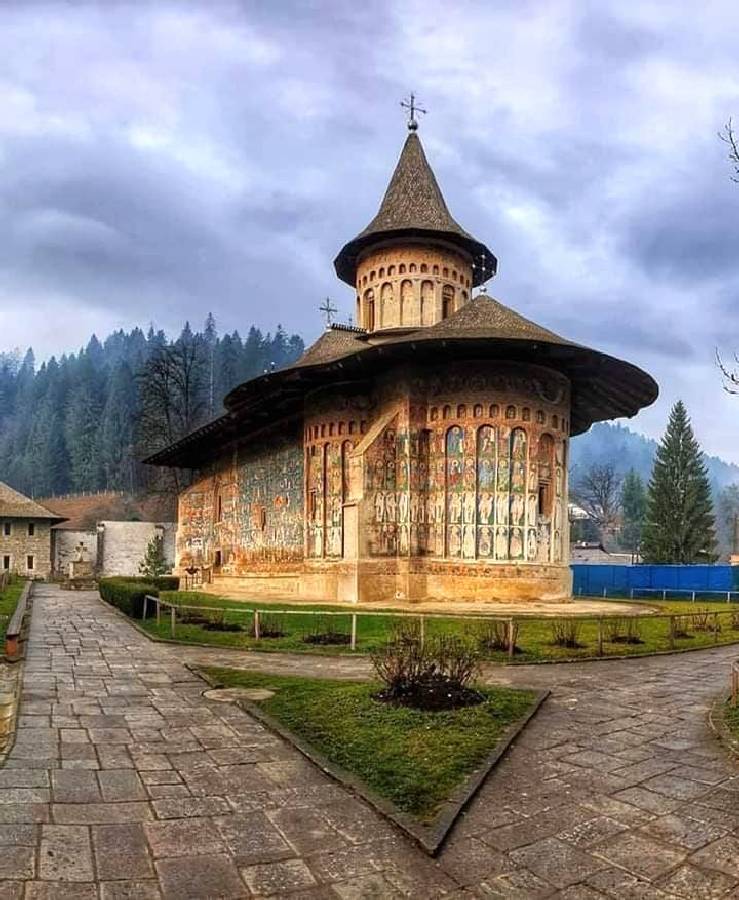
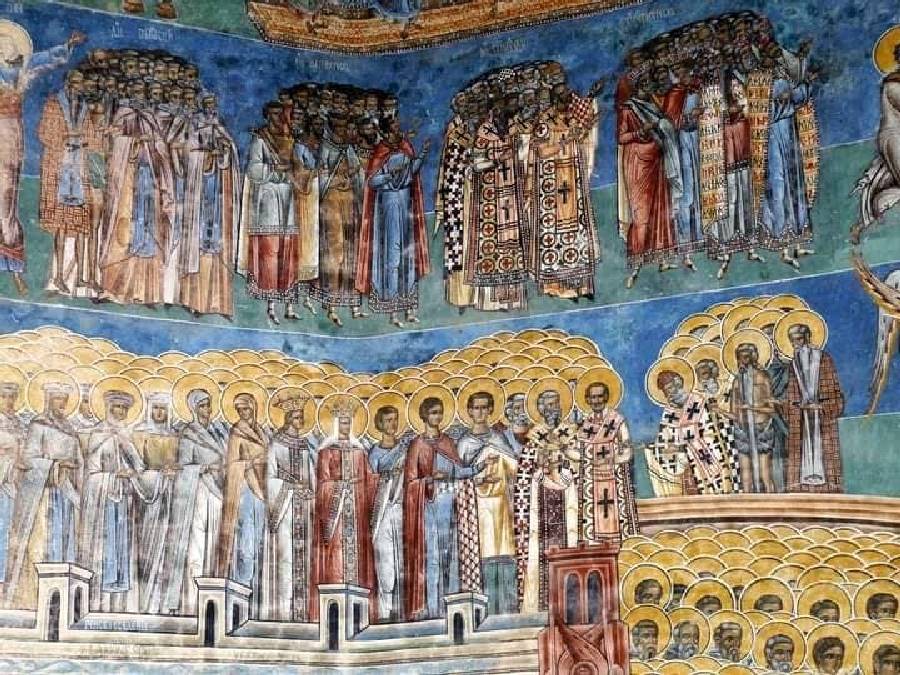
Voroneț Monastery is located in the municipality of Gura Humorului in Suceava County in the historical region of Bucovina (Bucovina) in Romania.
It was built in 1488 by Stephen the Great in a period of just under four (4) months to commemorate the victory at the Battle of Vaslui.
Find out more about Romania, landscapes, sights and cities: https://xn--urlaub-in-rumnien-2qb.de/
We thank Vlad the Impaler – Dracula for the permission to use these marvellous pictures.
(18 January 2026)
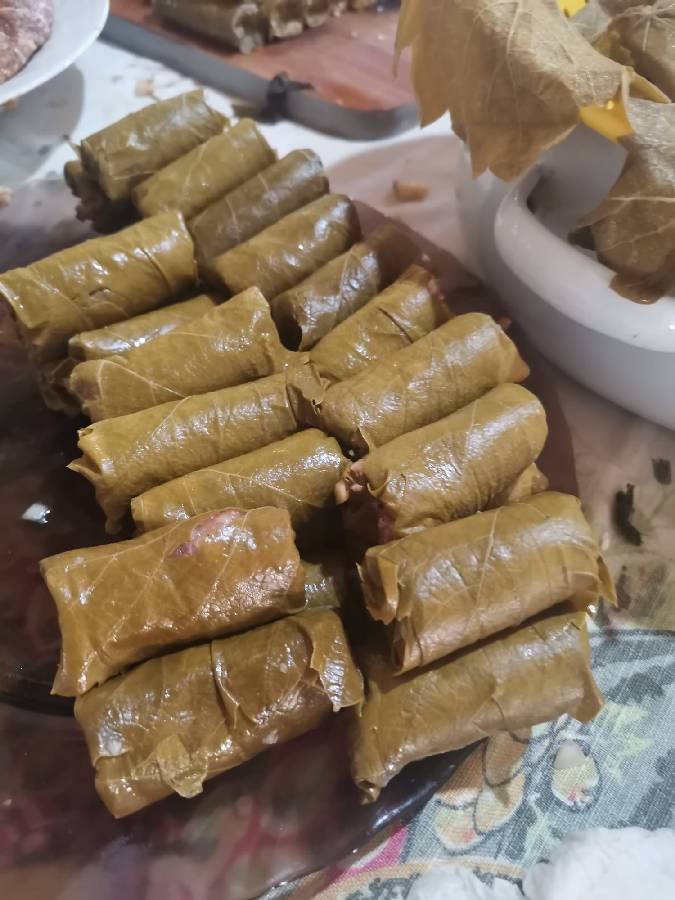
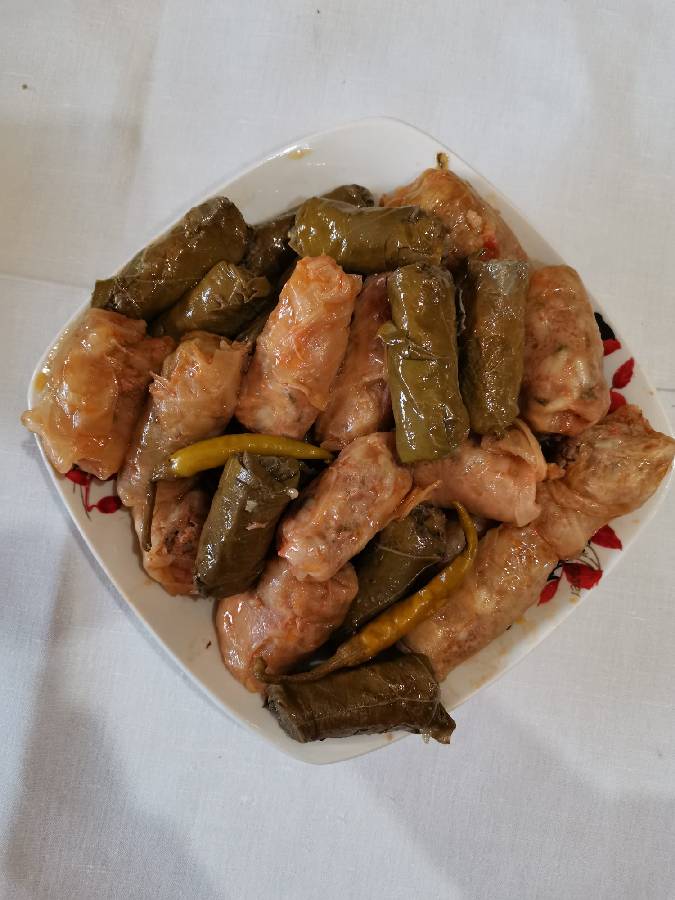
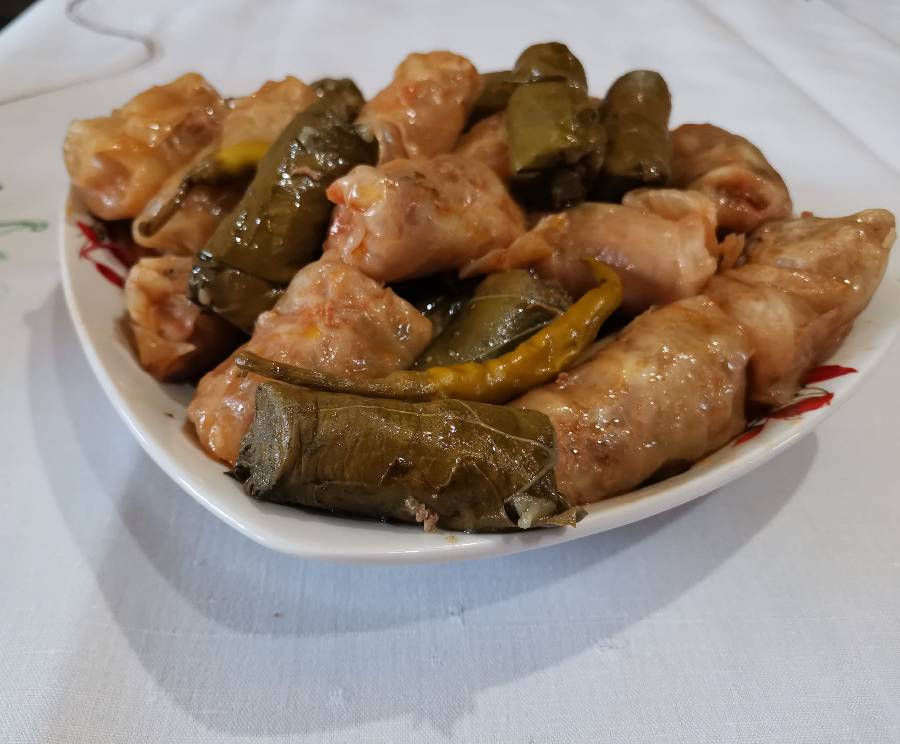
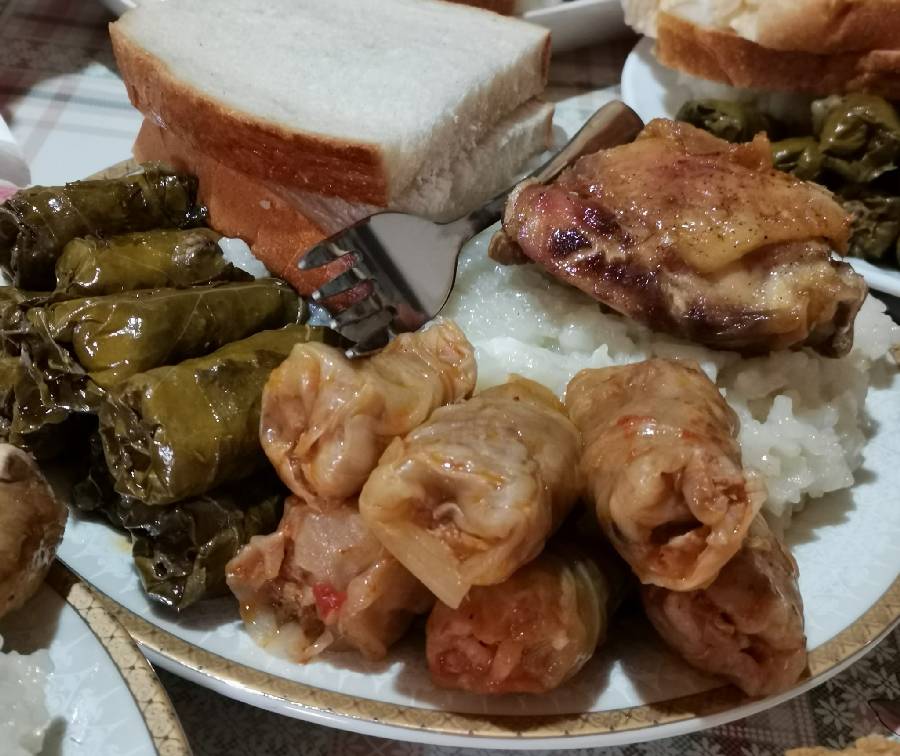
Sarmale, DELICIOUS!! Sarmale are not prepared everywhere in Romania according to the same recipe. Depending on the region and personal taste, they vary from place to place, including in size.
Sarmale contain meat mixed with other ingredients, wrapped in grape leaves or pickled cabbage. They can also be meatless (vegetarian) with vegetables. We present a special recipe from Moldova with meat filling.
For 1 kg ground meat (pork, beef, chicken, or a mix), add:
– 4–5 medium onions
– 100 g rice
– salt, pepper – 1 tsp each
– dill and parsley – to taste
– tomato broth (150 g)
– 4 tbsp oil (with chicken meat)
If using lean meat, add a few tbsp breadcrumbs or cornmeal to bind better. Mix well and wrap in grape leaves or cabbage, as preferred.
Cook for about 2 hours. Place sarmale tightly in a pot, cover with water. When liquid reduces, add hot water. Check after the first hour and as needed.
The recipe matches the pictures. Thanks to “Mama” Postolache for the recipe and her daughter for the work and pictures.
The ingredients make about 120 sarmale. They are usually eaten with smântână (sour cream) and ardei iute (hot peppers). Depending on the region, white bread and mămăligă (made from cornmeal, similar to Italian polenta) are also served.
Enjoy your meal!
(18 January 2026)
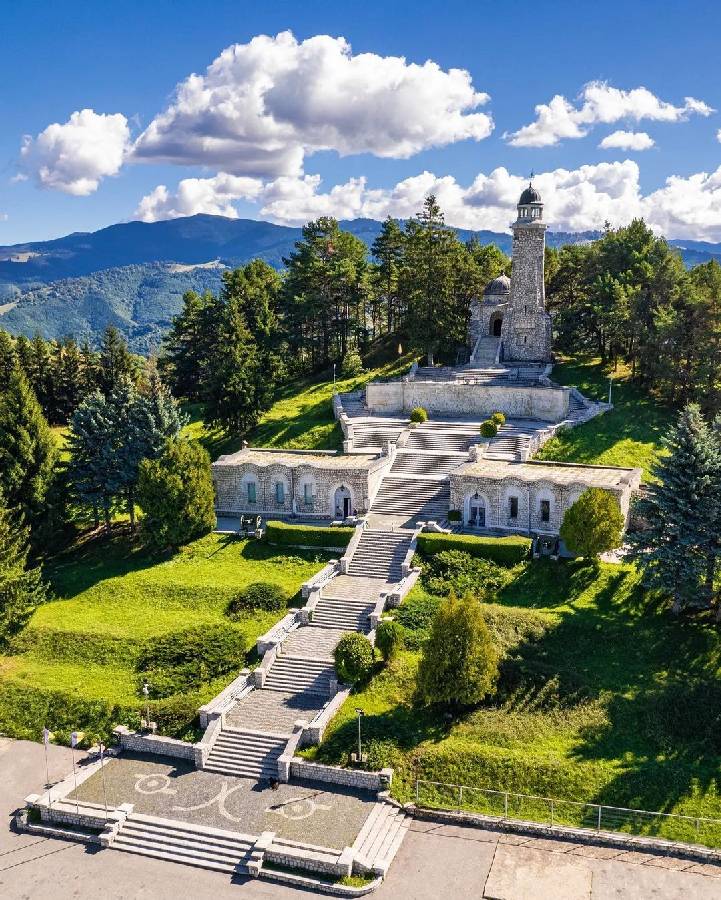
The Heroes’ Mausoleum in the commune of Valea Mare-Pravat in Arges County is dedicated to the heroes of the National Integration War between 1916 and 1918. The building houses the remains of over 2,300 Romanian soldiers in 31 crypts.
The mausoleum was built between 1928 and 1935 according to the plans of architects Dumitru Ionescu-Berechet and State Balosin, by the builder De Nicolo. Mainly Albesti limestone was used for the construction.
Between 1980 and 1984, the mausoleum was expanded by the construction of a parade terrace, imposing access stairs, museum rooms, a bas-relief 16 m long and 3.5 m high. The Albesti stone cup was also erected, in which an eternal flame burns in memory of the fallen heroes in Mateias.
Image source: https://www.destinatiaanului.ro/
Photos: nafetsaenihg
(17 January 2026)
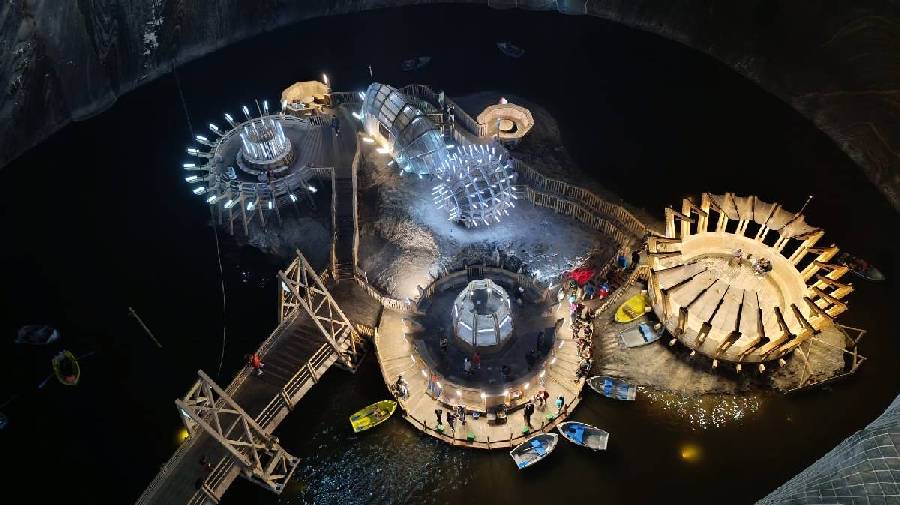
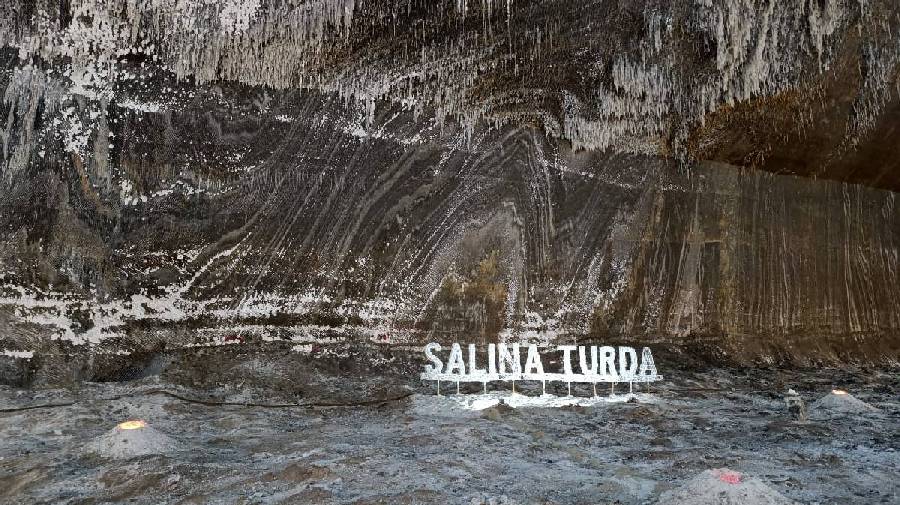
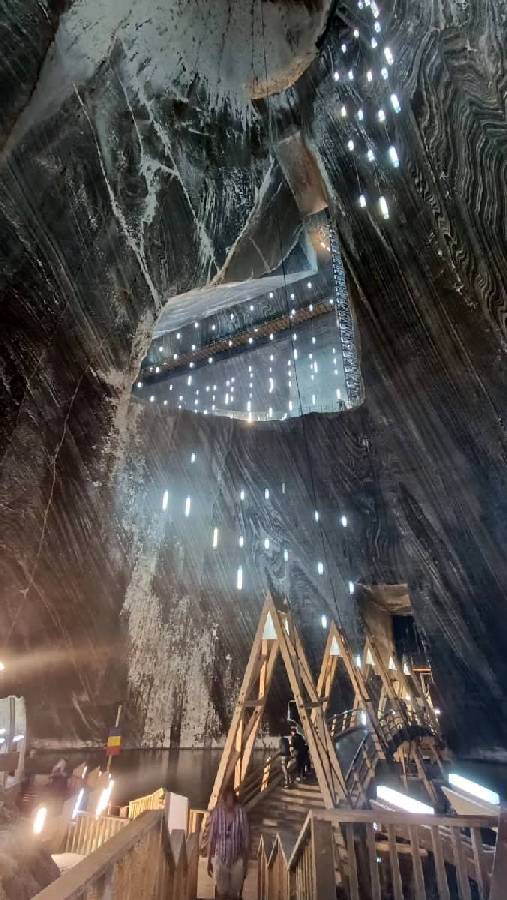
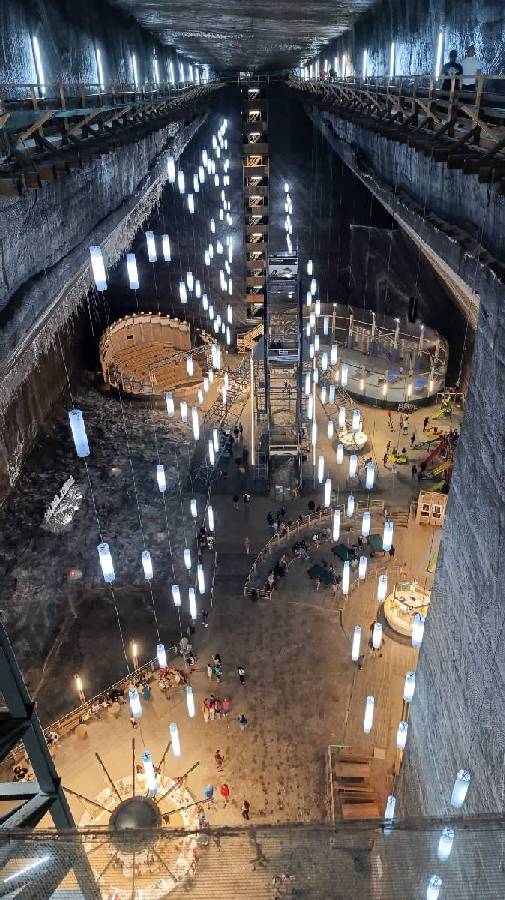
A weekend from a year ago and we are happy to be able to show these pictures. The Turda Salt Mine is located in the town of the same name in Cluj County, southeast of the city of Cluj-Napoca.
We thank Mr. Camille Feller and his wife, Katja Feller, for sending these wonderful pictures and for allowing us to use them Thank you
(17 January 2026)
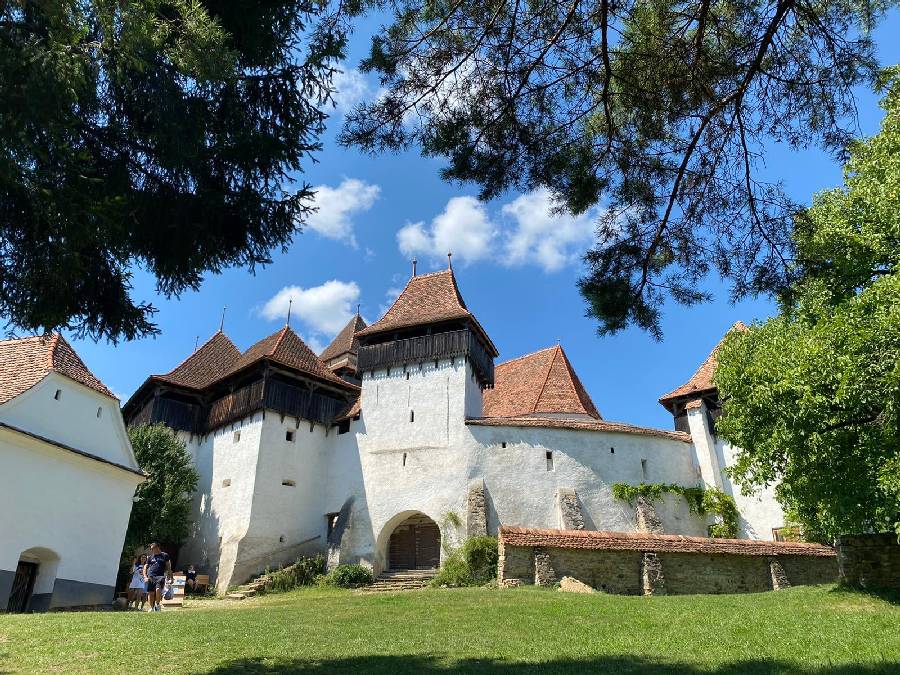
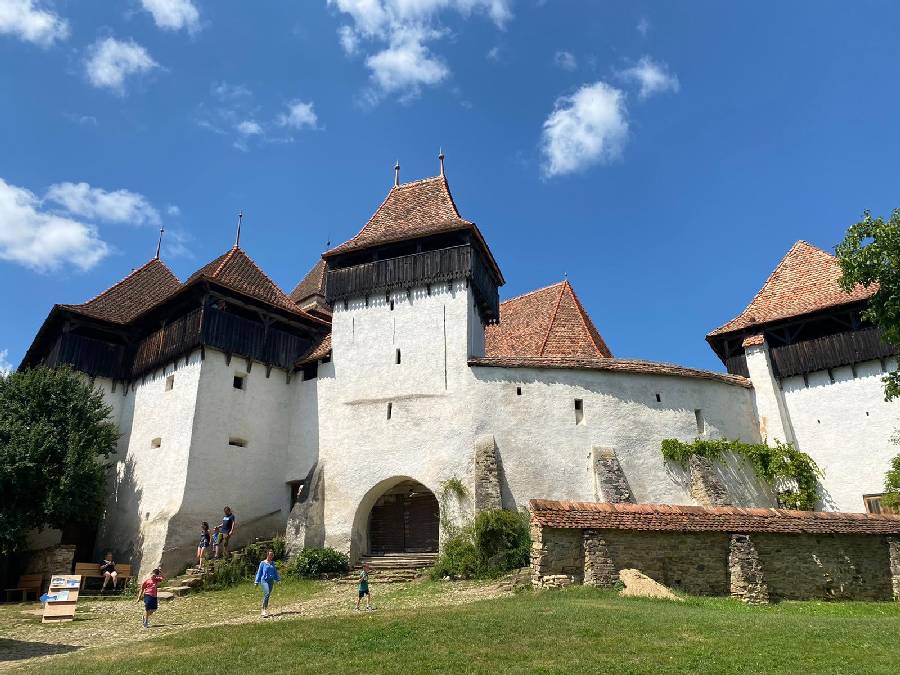
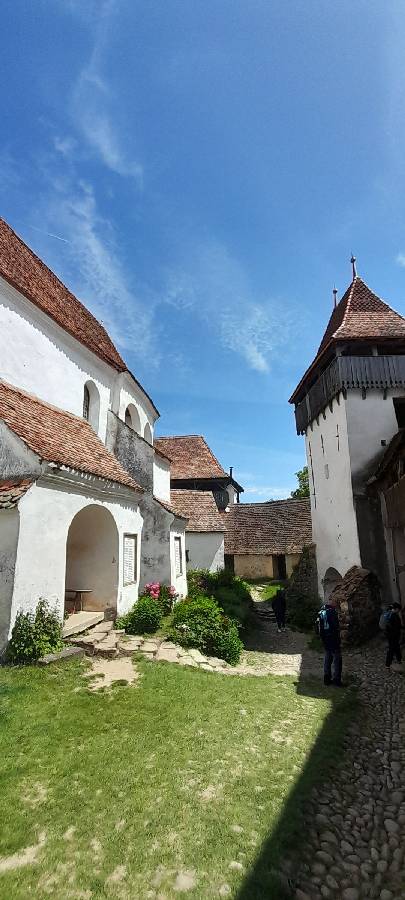
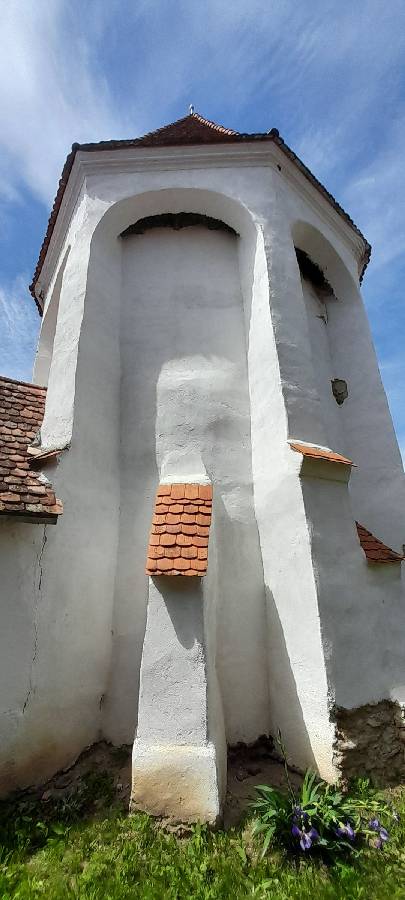
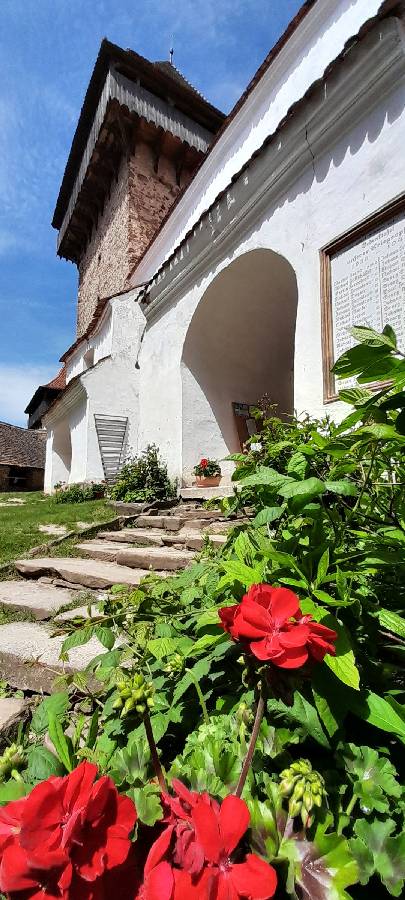
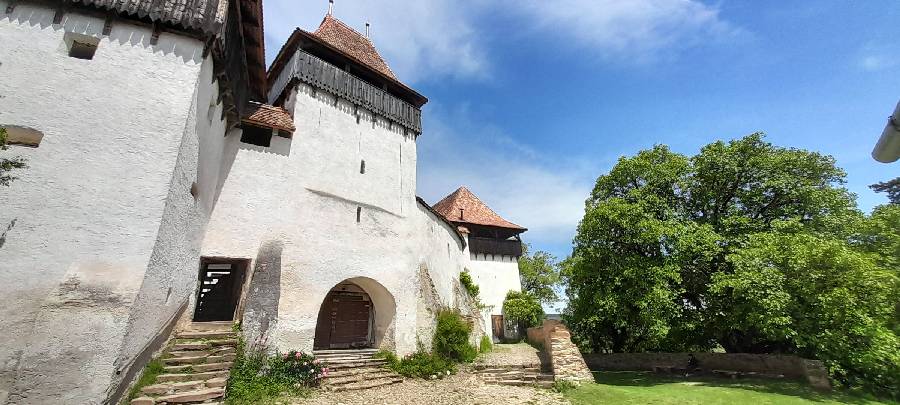
The village of Viscri (in German: Deutsch-Weisskirch, in Hungarian: Szaszfeheregyhaza) is located in Brașov County in Transylvania.
It lies northwest of the town/citadel of Rupea and southeast of the city of Sighișoara. Between the 18th and 20th centuries, the village had about 700 inhabitants, mainly Transylvanian Saxons and a Romanian village section. Viscri is notable for its fortified church and the typical Saxon village layout.
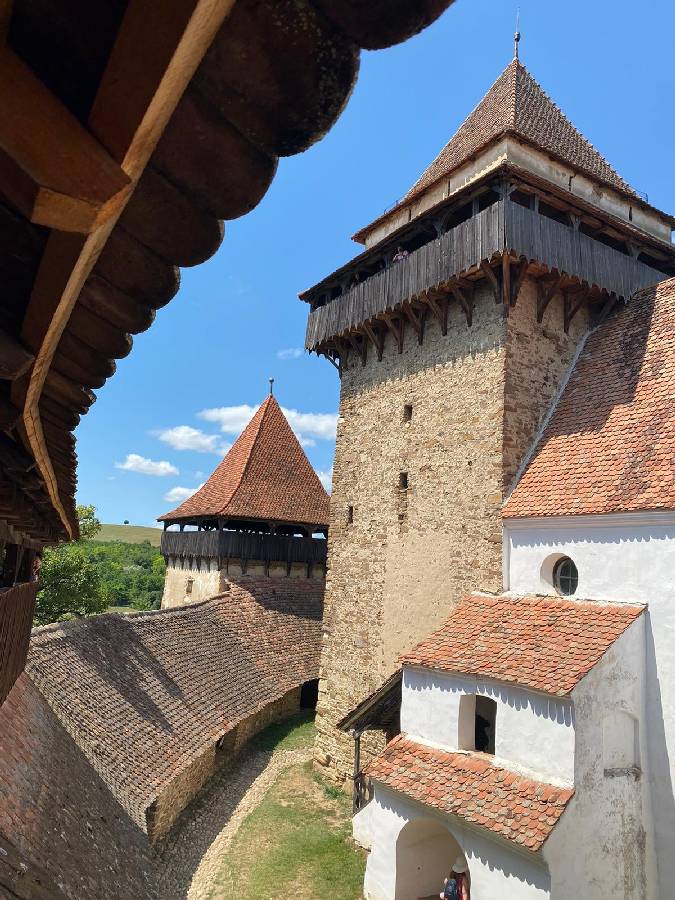
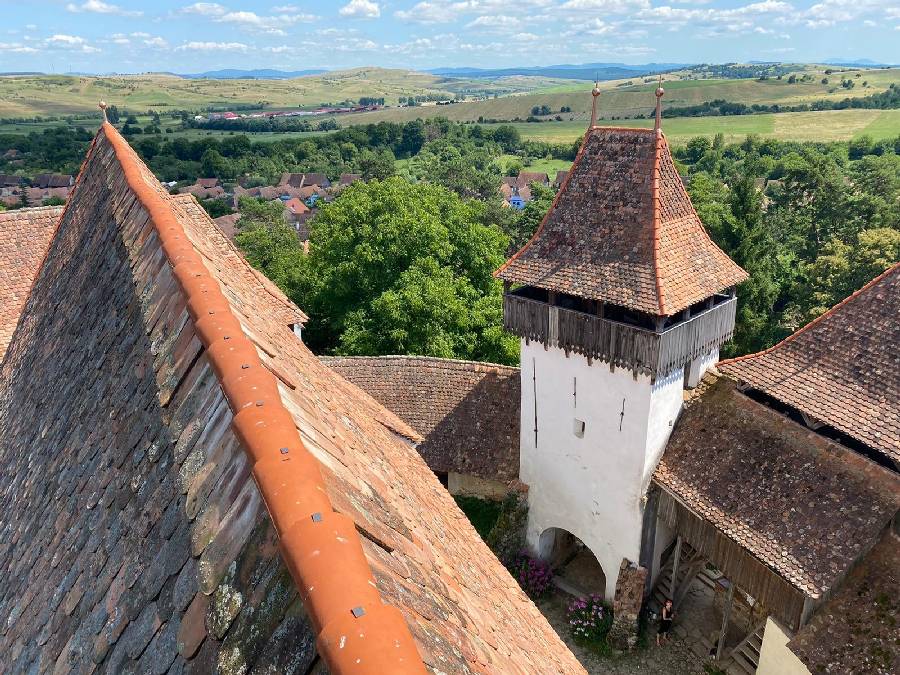
The village was founded by Transylvanian Saxons at the end of the 12th century and was first mentioned in documents in 1185. At the northwest end of the village stands the fortified church.
In the 12th century, before the German settlers arrived, the Székelys (a Hungarian-speaking ethnic group in eastern Transylvania) built a small Romanesque hall church here. In the 13th century, it was expanded. After the first Turkish incursions, the church was fortified in the 14th century, and a defensive wall with towers was built.
We thank photographer Brian Randall for the permission to use these pictures (early September 2021).
(17 January 2026)
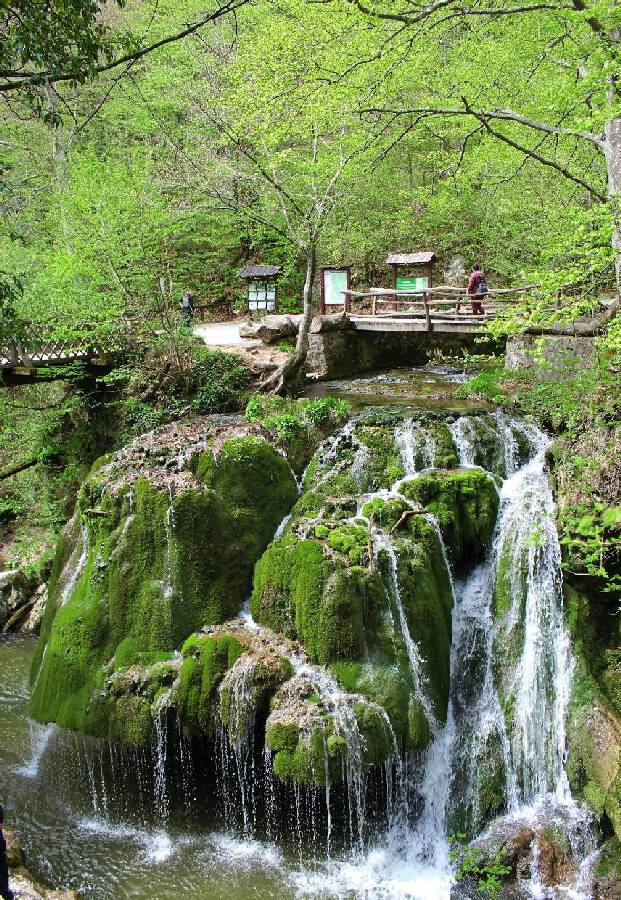
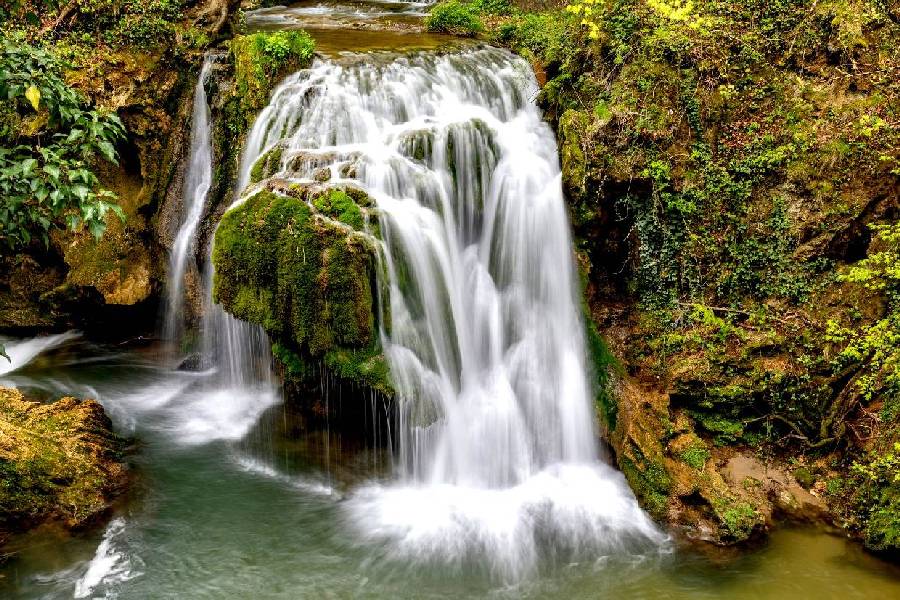
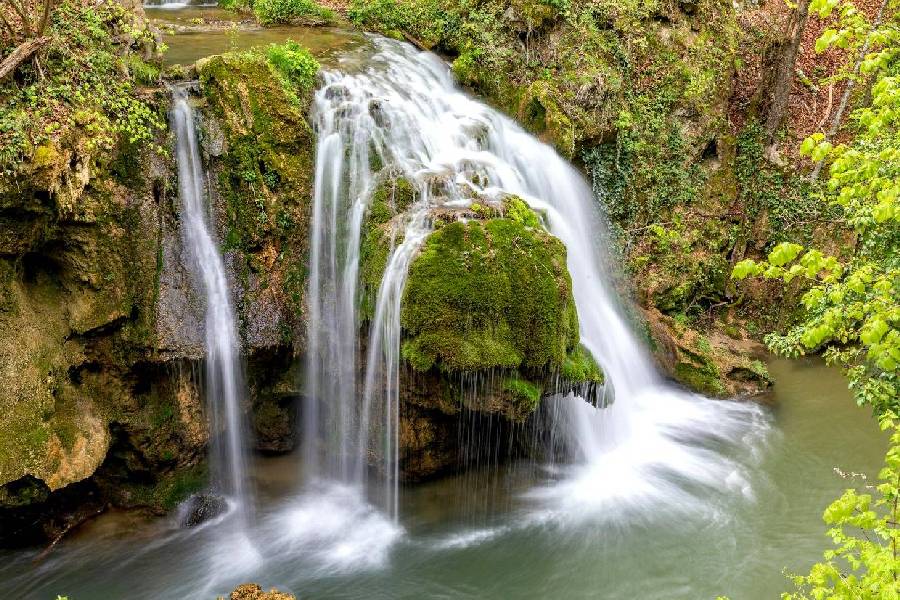
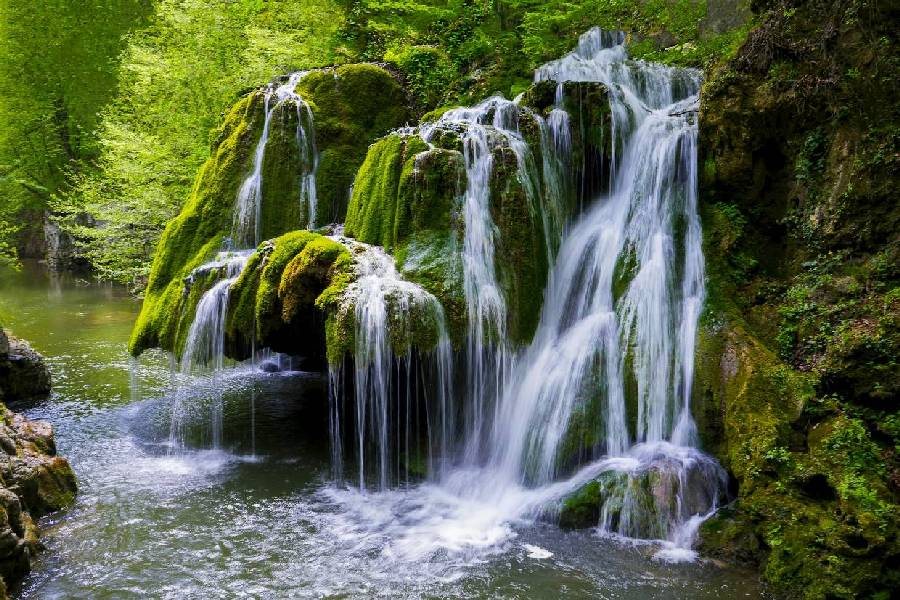
Near the town of Anina lies the Bigar Waterfall, formed on travertine (limestone tuff), which in 2013 topped the list of the most impressive waterfalls in the world on the World Geography website.
(17 January 2026)
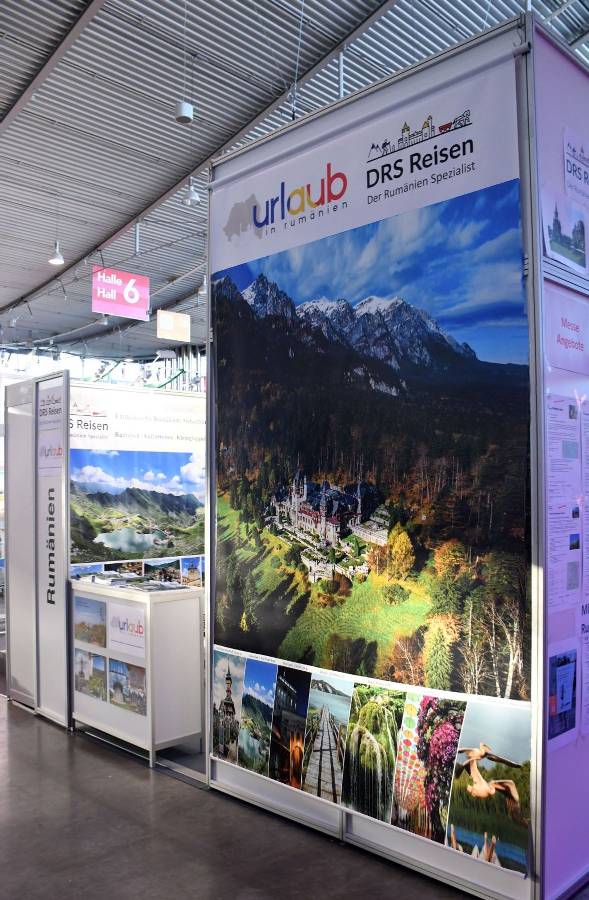
Visit us at the CMT holiday exhibition in Stuttgart from January 17 to 25, 2026. You can find us in Hall 6, Stand 6A18
Our current brochure “Holiday in Romania 2026” (view online, but also available for delivery order): https://willkommen-in-rumänien.de
(16 January 2026)
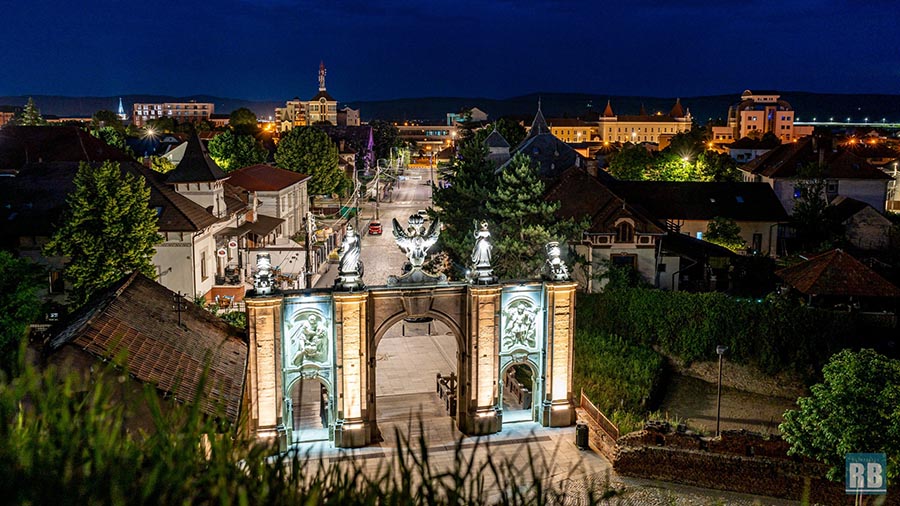
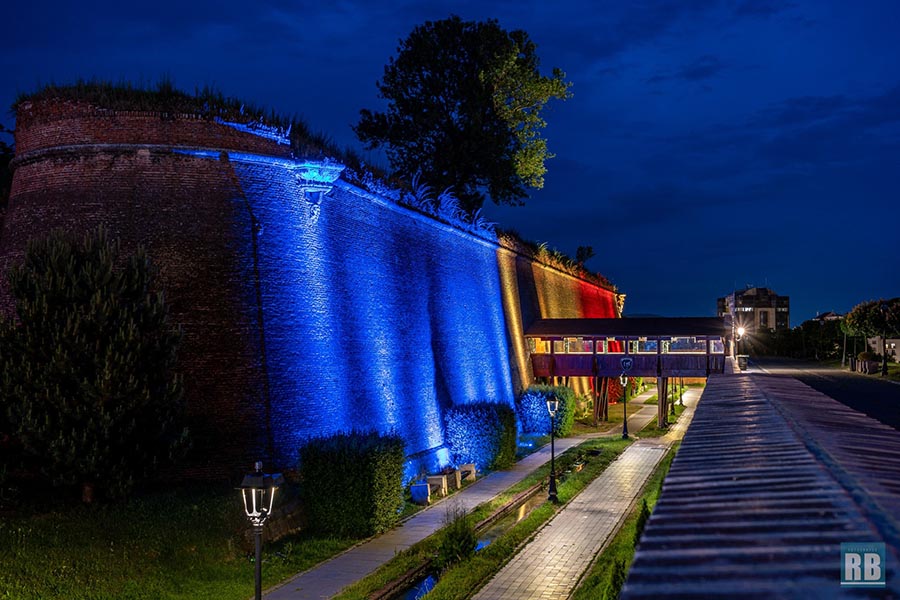
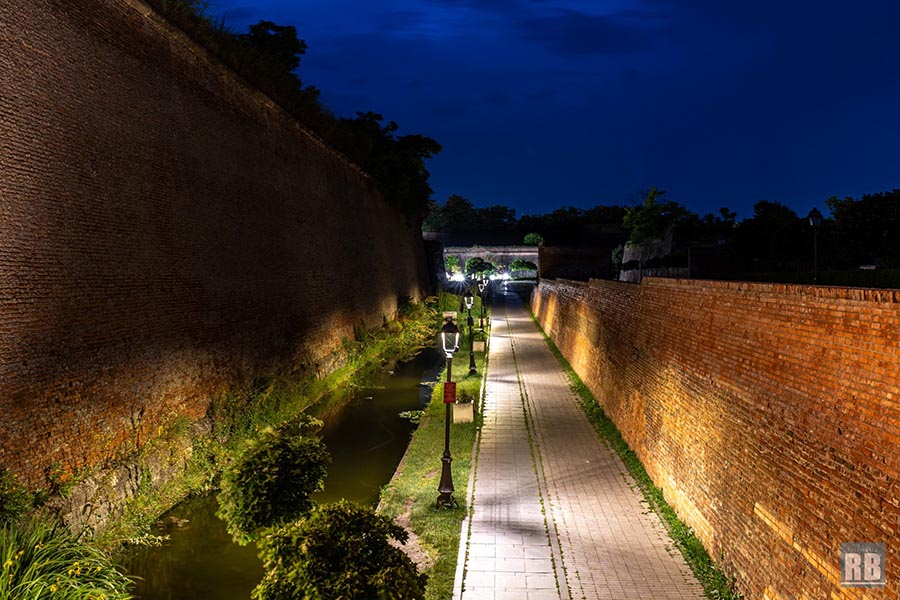
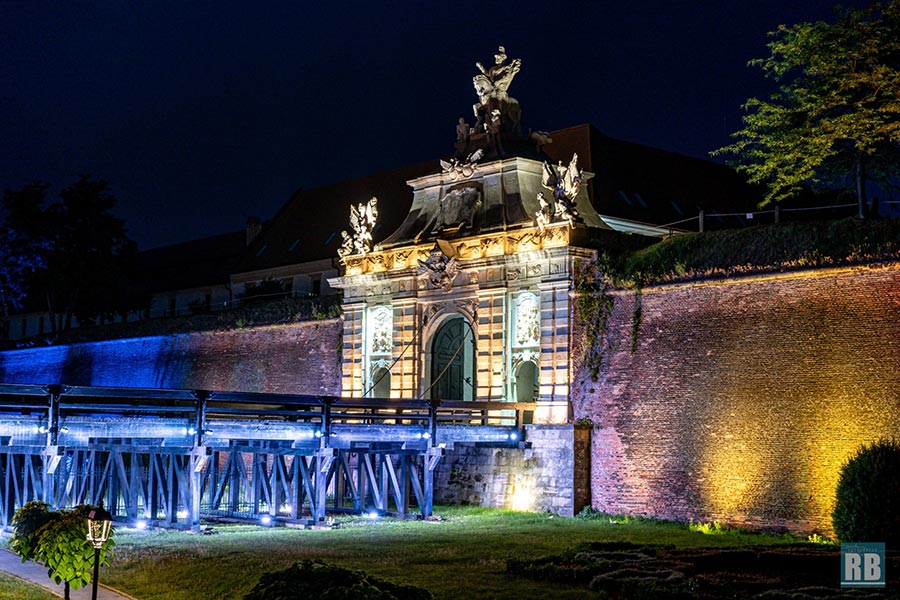
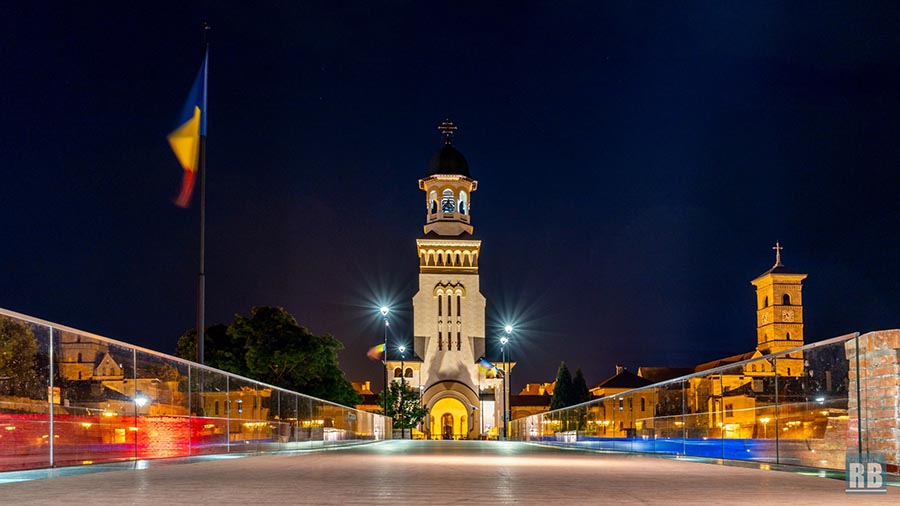
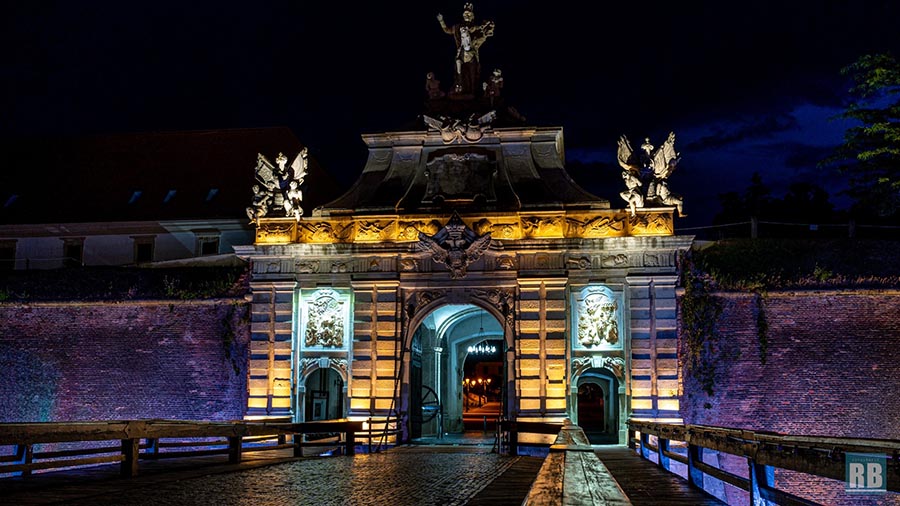
The Alba Carolina Citadel in Alba Iulia (Karlsburg) was built between 1715 and 1738 under the rule of Emperor Charles VI as a fortification with seven bastions.
It served the Habsburgs as a strategic defense point along the military border with the Ottoman Empire. Alba Iulia is located near the highway on the route to or from Sibiu (Hermannstadt). A visit is definitely worthwhile.
We thank photographer Rene Benner ( facebook.com/rene.benner.1 ) for sending these beautiful images. Thank you!
(16 January 2026)
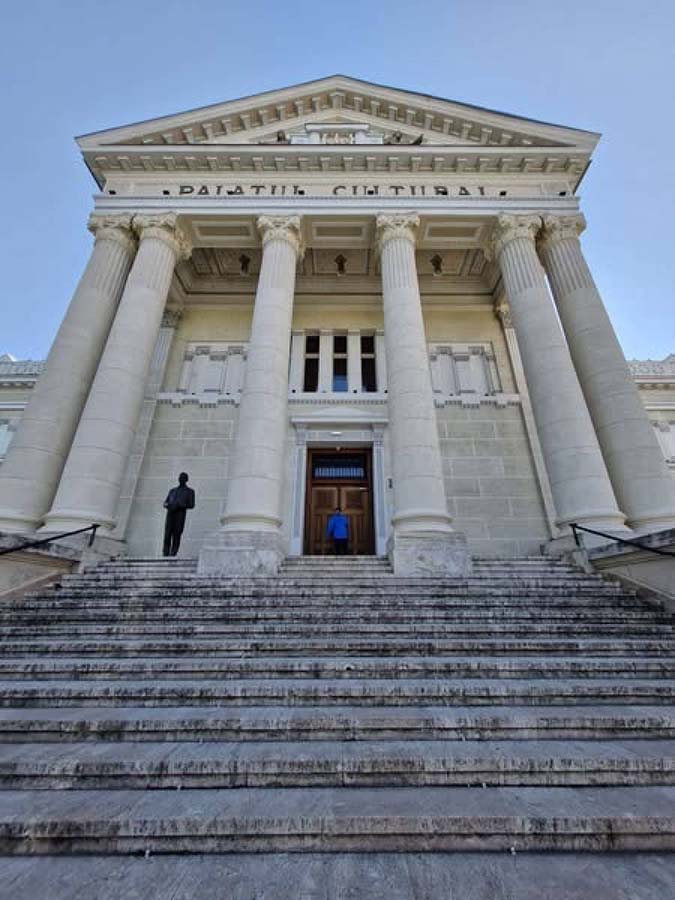
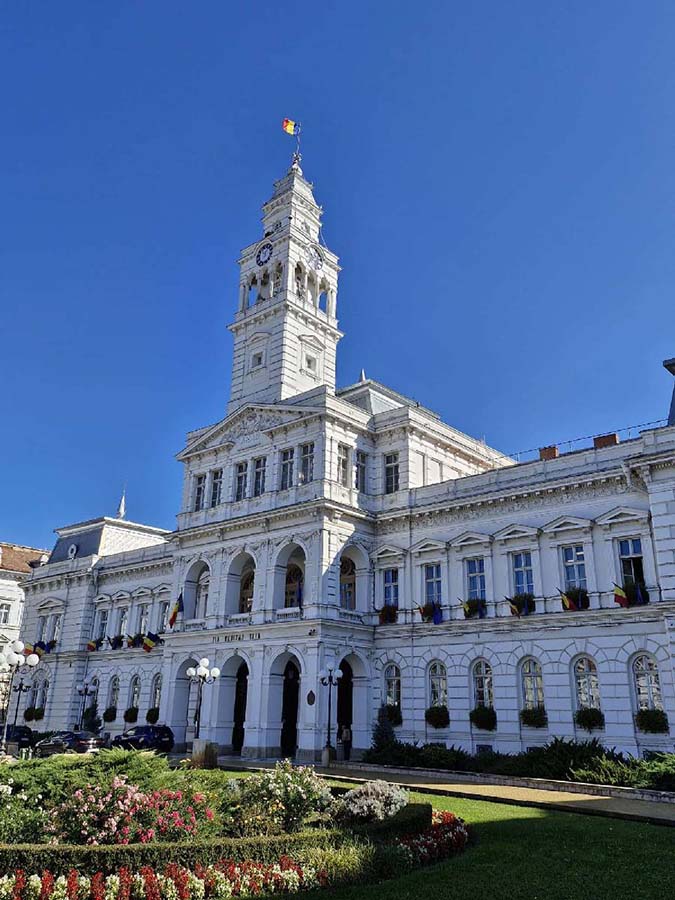
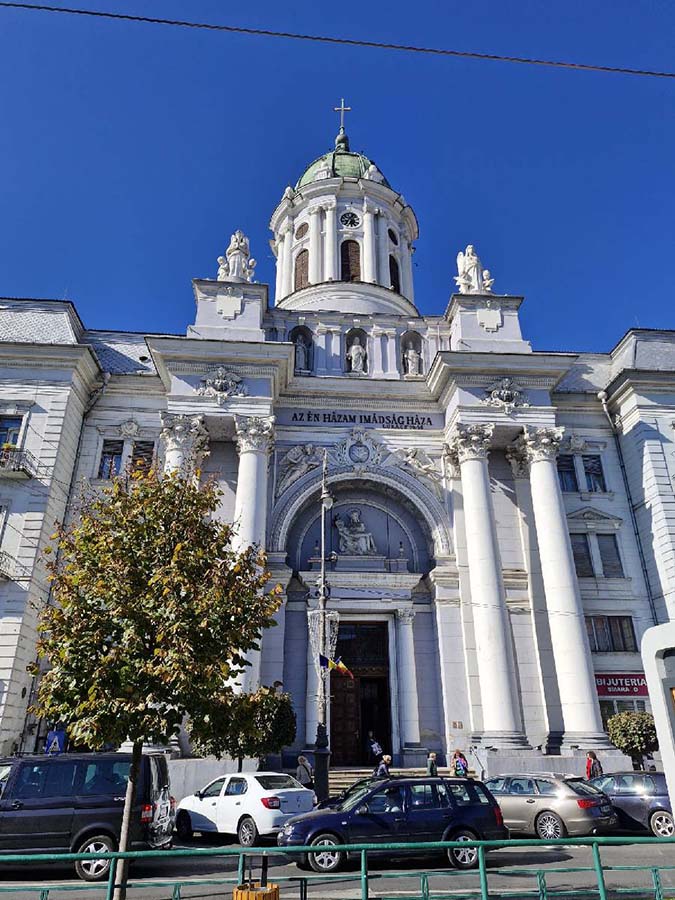
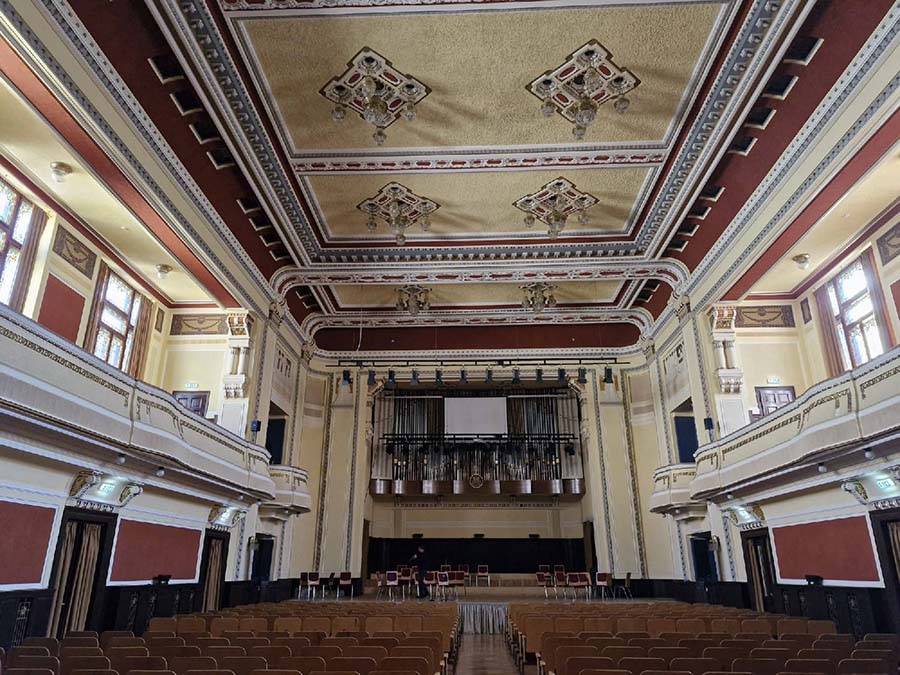
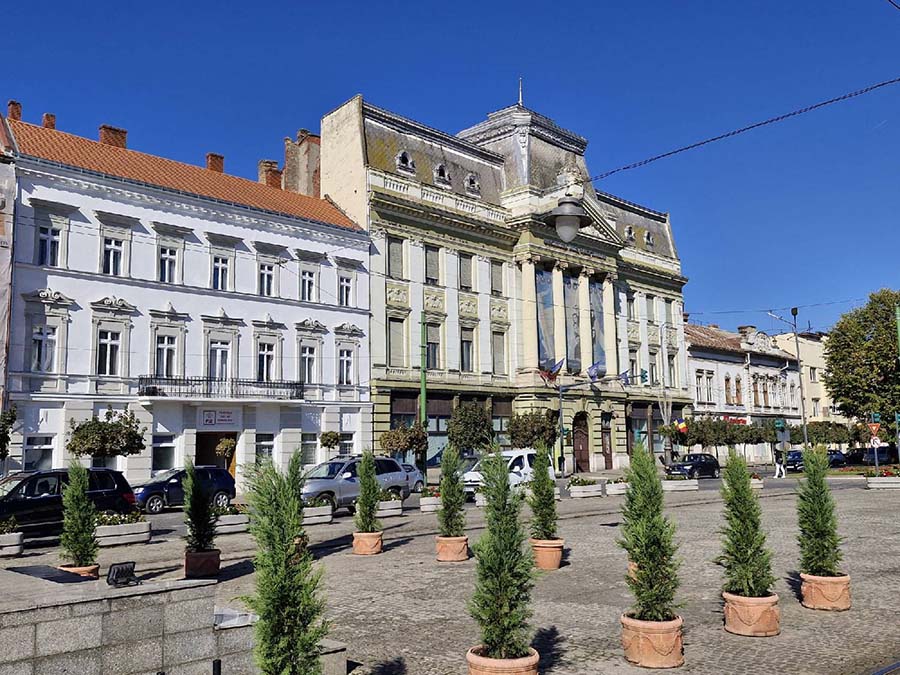
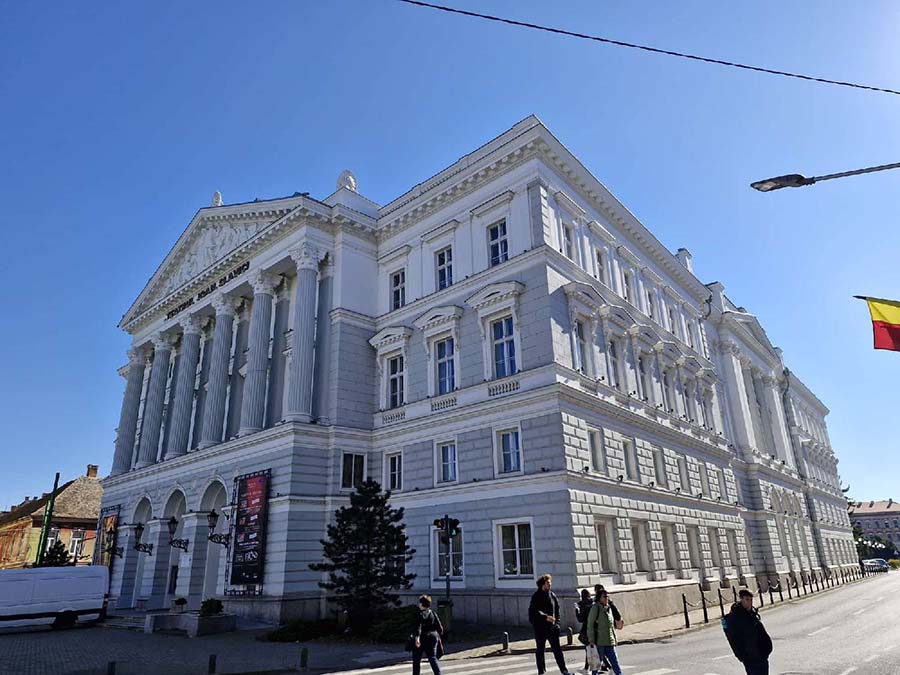
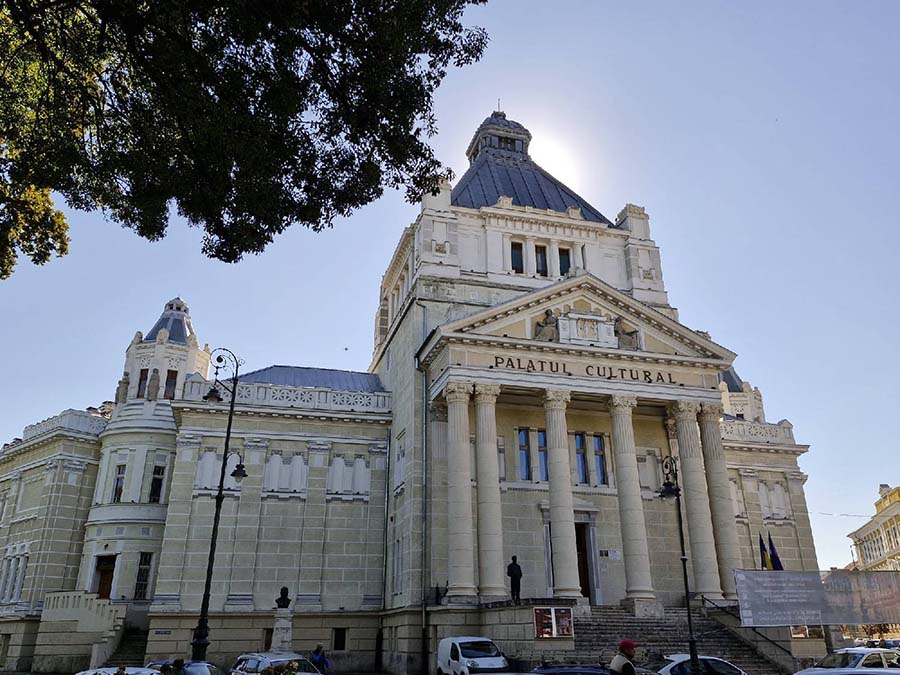
The city of Arad was first mentioned in 1078 and has a rich cultural and historical heritage with architectural styles from the 18th, 19th, and 20th centuries.
In addition to a wide range of cultural events throughout the year, visitors will find a large number of art and historical monuments, as well as buildings in Baroque, Renaissance, eclectic, Classical, Neo-Gothic, or Secession styles in and around Arad.
We thank Mr. Frank Schleßmann for sending these beautiful pictures (photos from October 2024) and for granting permission to use them.
(16 January 2026)
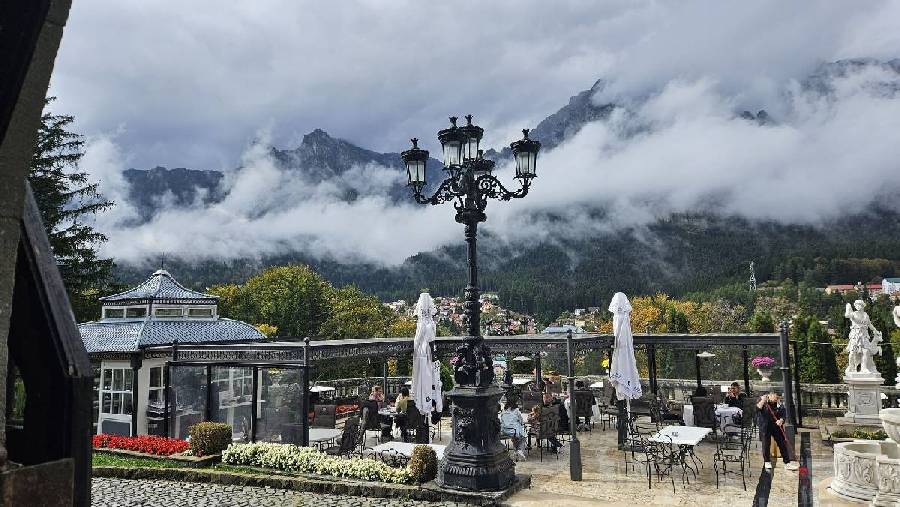
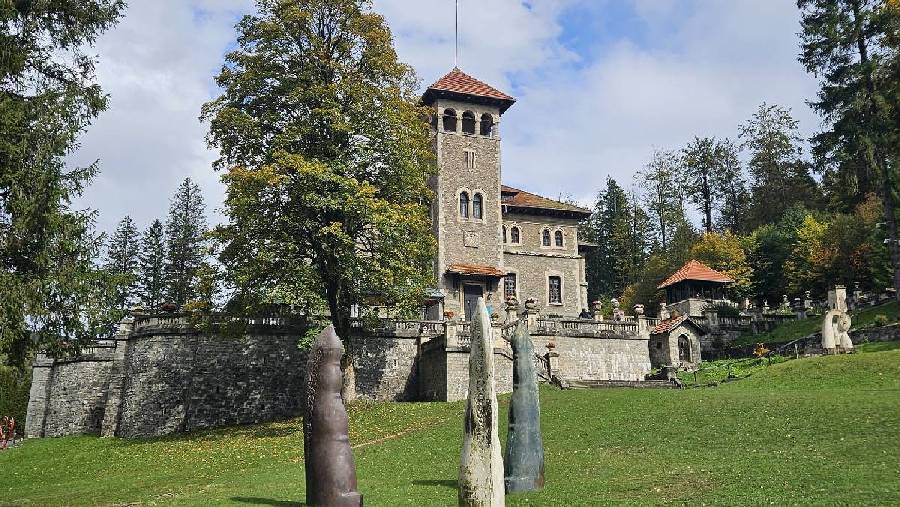
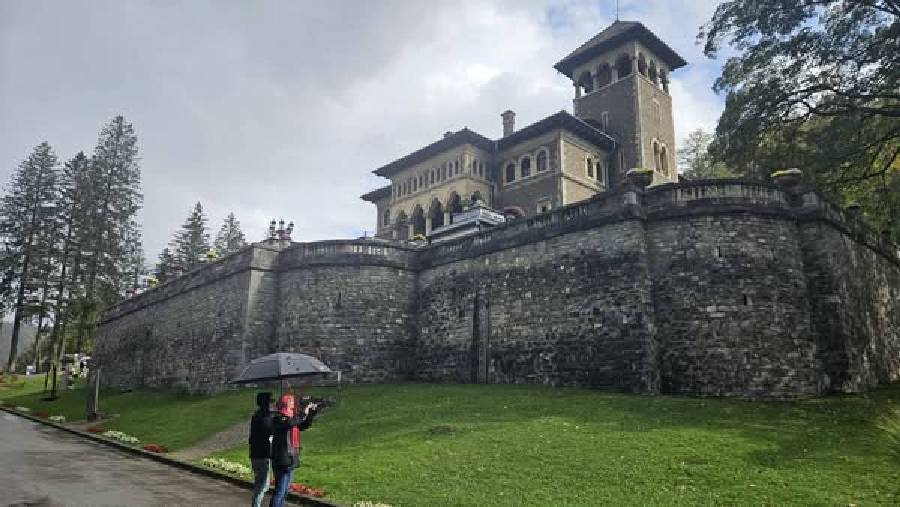
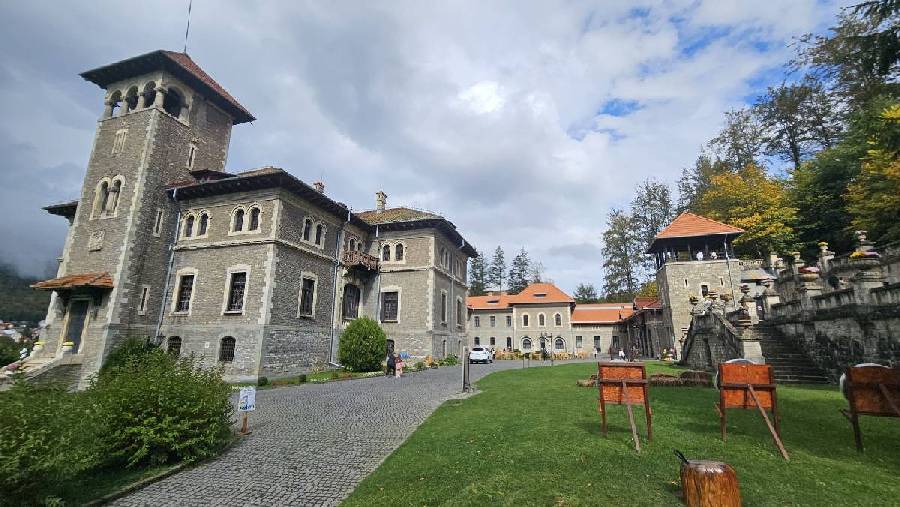
Cantacuzino Castle is one of the most beautiful and important historical buildings in Romania. The castle park, covering 60,000 sqm and surrounded by its own 1,000 ha of private land, invites visitors to relax and is now one of the most visited attractions, both in the resort of Bușteni and throughout the Prahova Valley.
We thank Tom & Helga for these beautiful pictures of their Romania tour in September and October 2024. Thank you very much
(16 January 2026)
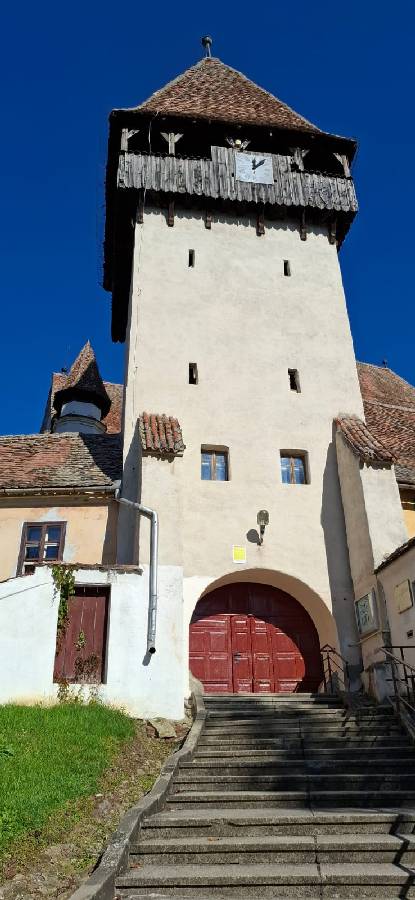
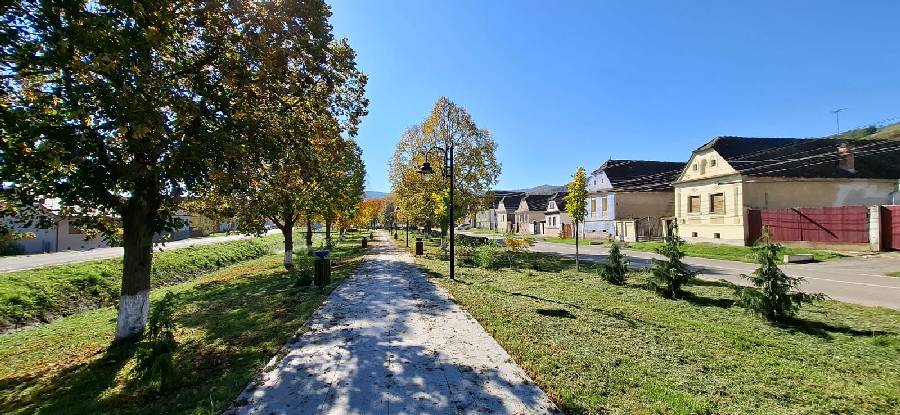
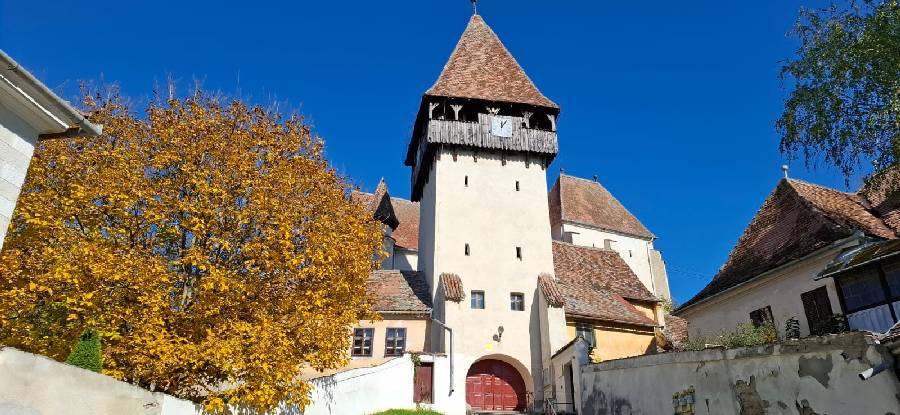
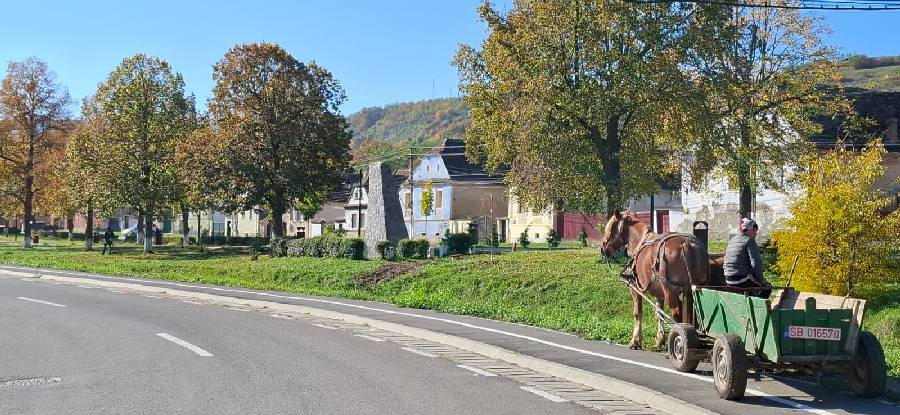
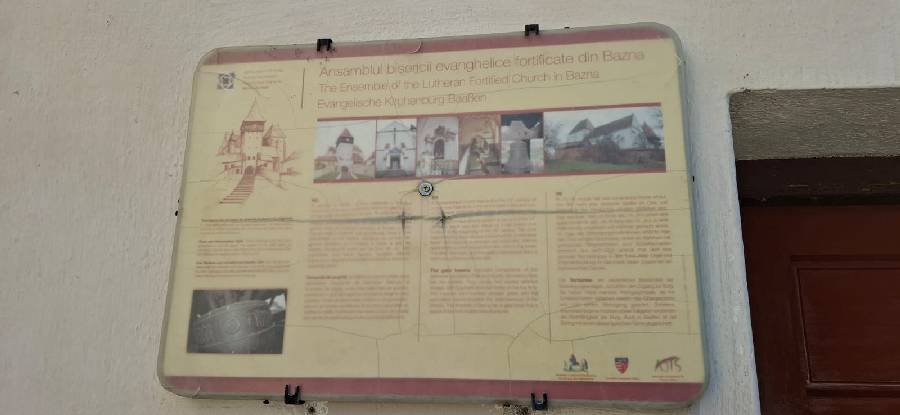
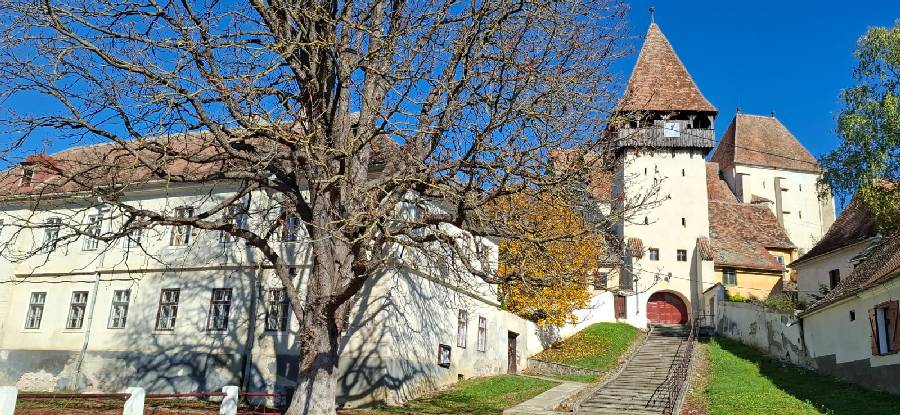
Pictures from yesterday (16.10.2025) from Bazna (German: Baaßen or Baassen, Transylvanian Saxon: Baußen or Boassen, Hungarian: Bazna or Felsőbajom), located in the historical region of Siebenbürgen / Transylvania.
The commune is situated in the Kokel valley in the north of Sibiu County, about 15 kilometers northwest of the town of Medias and about 70 kilometers north of the county capital Sibiu / Hermannstadt.
King Stephen V (King of Hungary from 1270 to 1272) gave the place to the son of Count Bozouch. In 1302, Baaßen was mentioned for the first time in a document. In 1359 it was referred to as a free commune of the “Königsboden”, belonging to the Medias seat. The German colonists first settled on the hill at the back, and later the village developed in the front valley.
Thanks to dear Roland for the wonderful pictures from 16.10.2025
(16 January 2026)
Visit the CMT holiday exhibition in Stuttgart from January 17 to 25, 2026. Visit the Romania specialist, DRS Reisen GmbH from Stuttgart, in Hall 6, Stand 6A18 and benefit from free admission tickets now.
How to get your free admission ticket?
Simply send an email to info@drs-reisen.de with your contact details and you will receive – as long as available – a code for a free admission ticket to the fair.
More info and current Romania offers: https://drs-reisen.de

(15 January 2026)
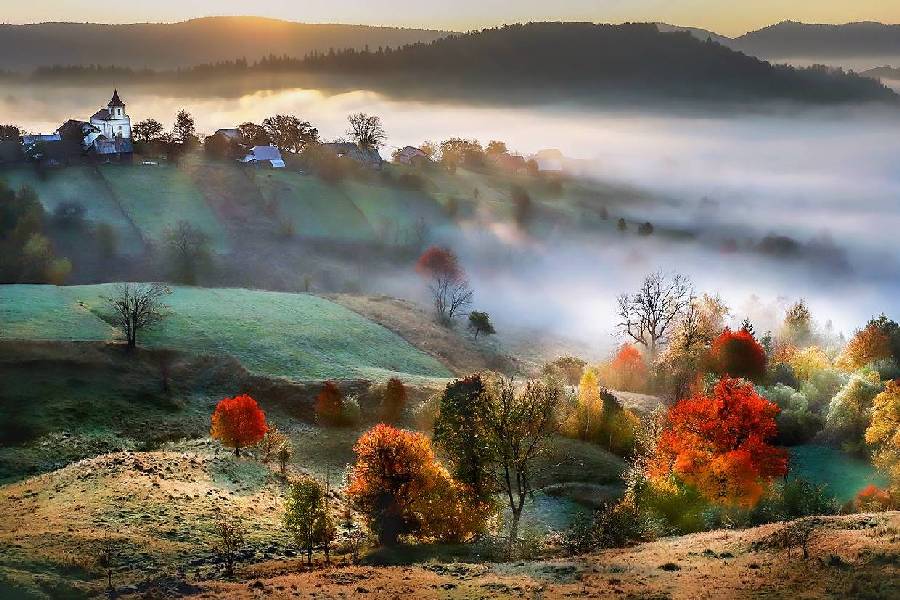
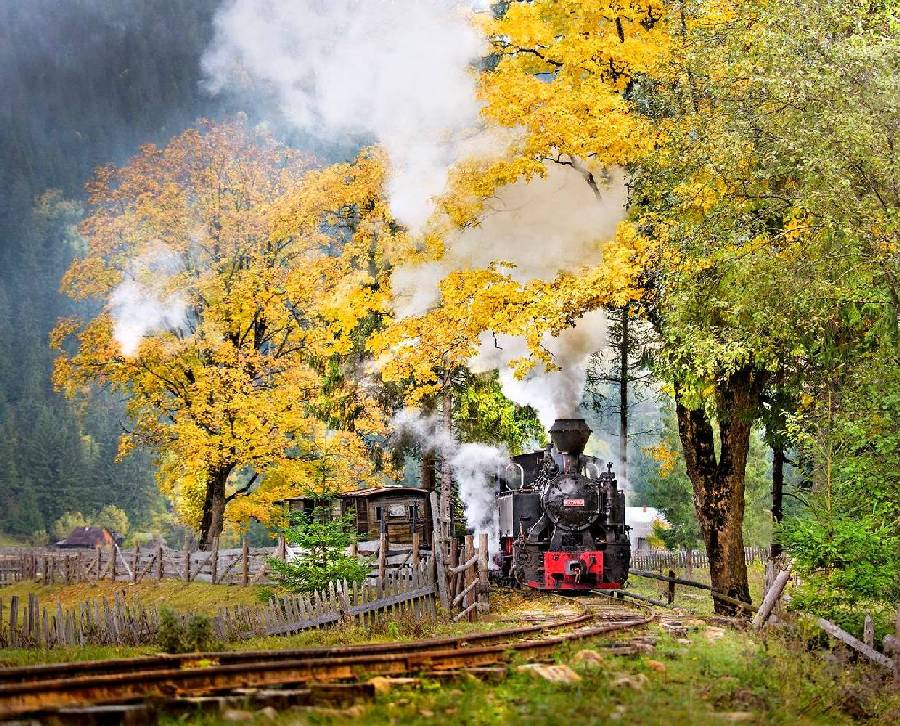
Beautiful autumn pictures of Romania by photographer Sorin Onisor. Impressive, colorful, and simply … wonderful
We thank the photographer Sorin Onisor ( facebook.com/sorinonisor ) for granting permission to use these wonderful pictures.
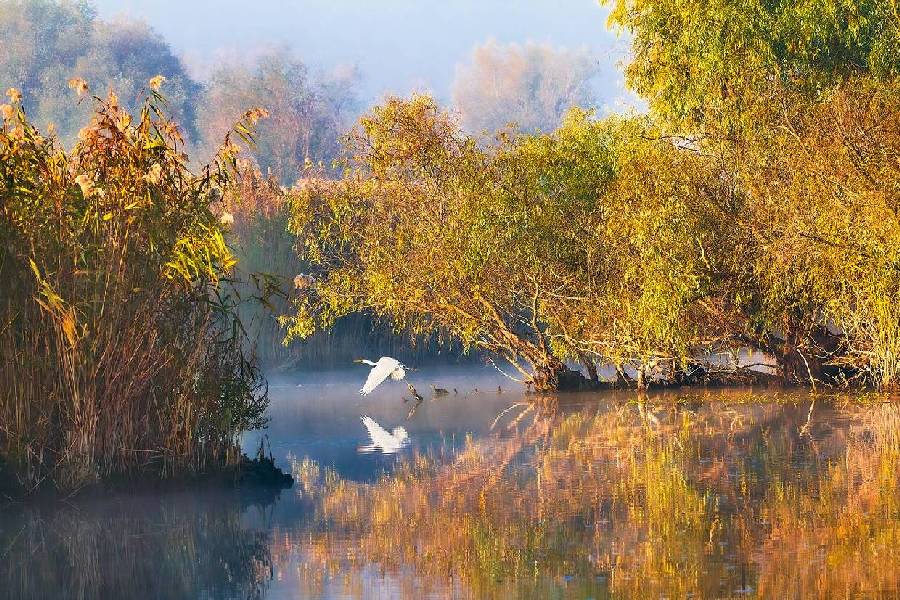
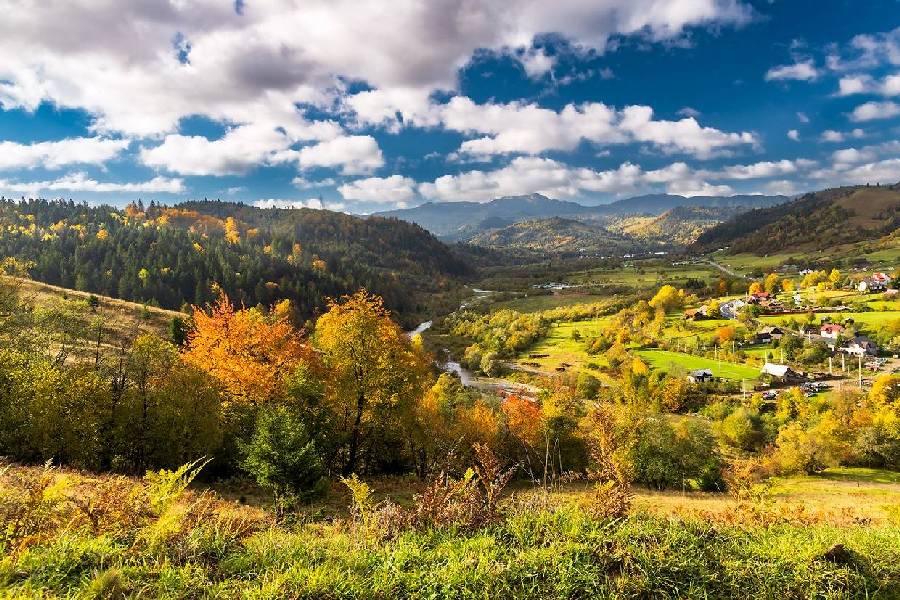
(15 January 2026)
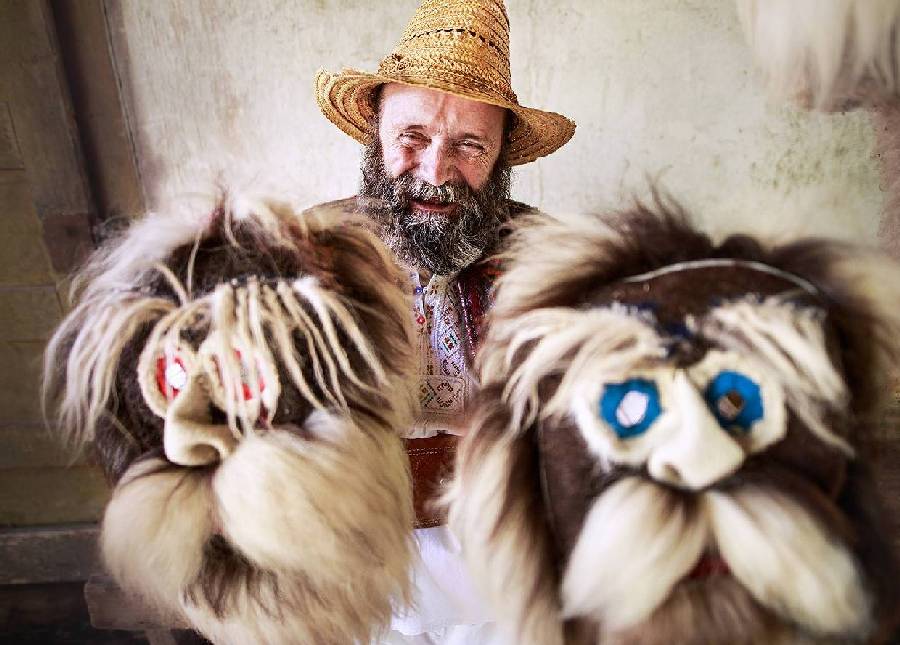
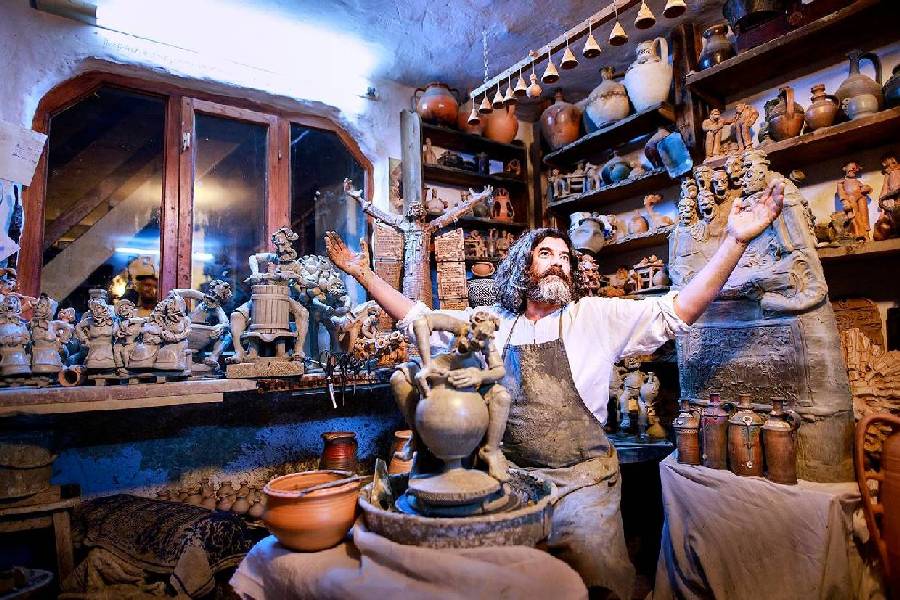
Pictures from Maramureș County in the northwest of Romania. Colorful, full of customs, traditions, history, and stories.
We thank the photographer Sorin Onisor ( facebook.com/sorinonisor ) for granting permission to use these wonderful pictures.
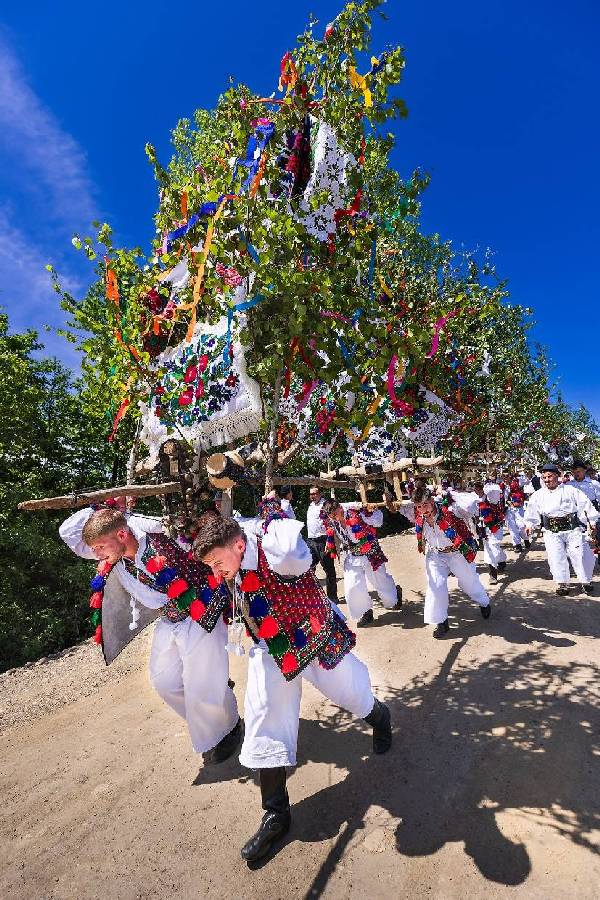
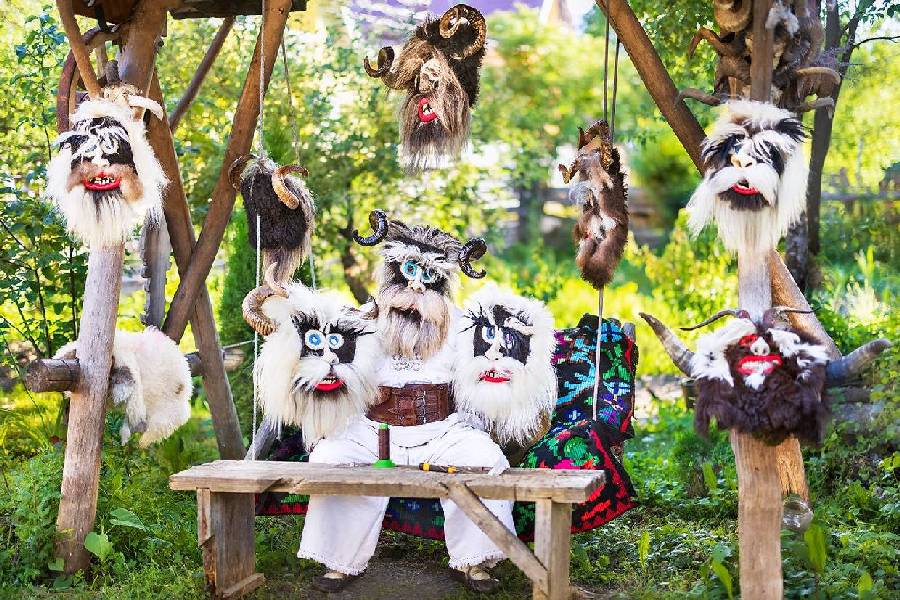
(15 January 2026)
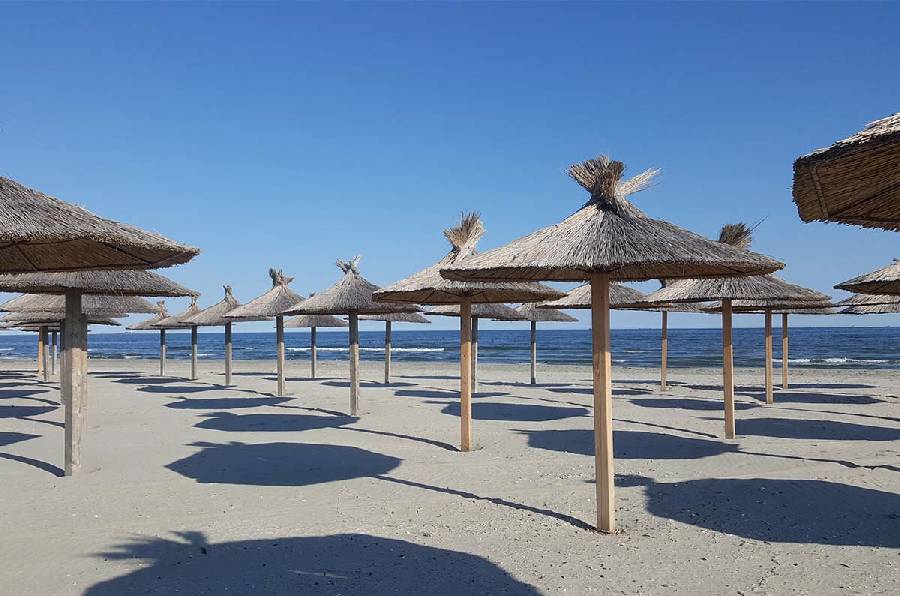
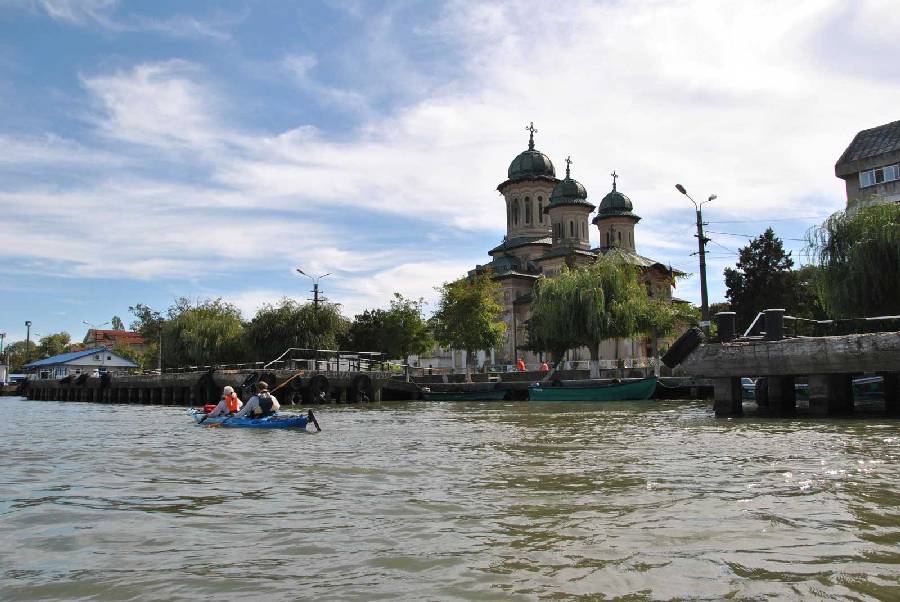
The small town of Sulina is located at the mouth of the Danube into the Black Sea, in the Danube Delta.
https://discover-sulina.com (in German, English, French, Dutch, Japanese, and Romanian)
It can only be reached by boat / ships, but it is a dream destination for holidays, nature, tours into the delta, relaxation, and a variety of activities (e.g., kayak tours on the Danube or in the Danube Delta) almost all year round.
Since Sulina is in the southeast of Romania, it is really hot in summer (over 35 degrees), ideal for the more than 40 km long beach on the Black Sea. In spring and autumn, the Danube Delta with its wildlife and nature, the wild horses of the Letea Forest, the Sulina promenade, and much more invite you to stay.
Discover Sulina, you will love it!
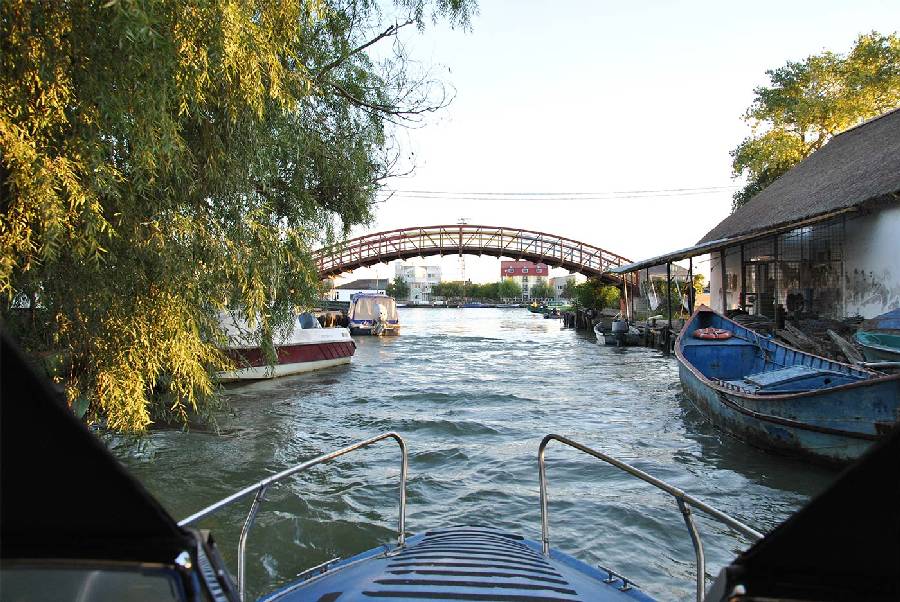
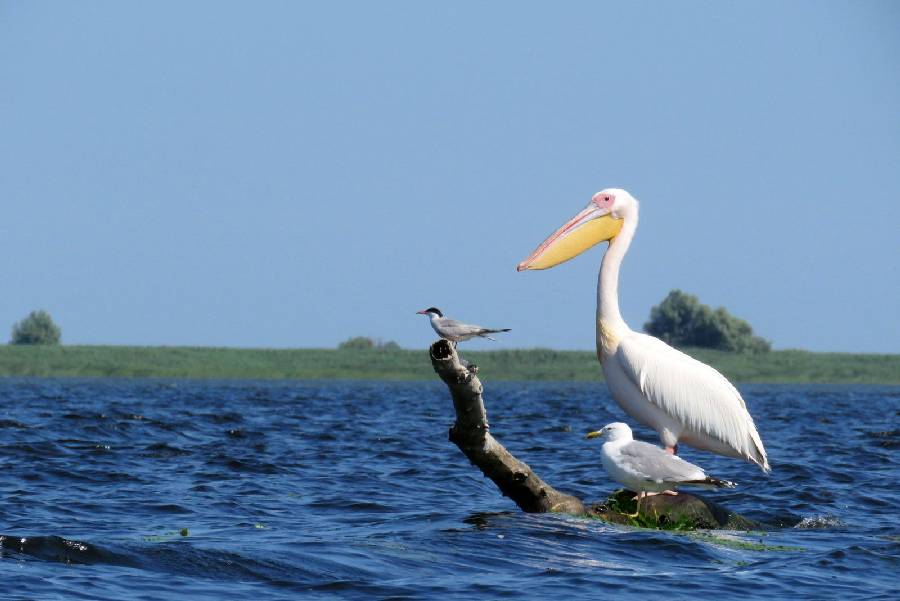
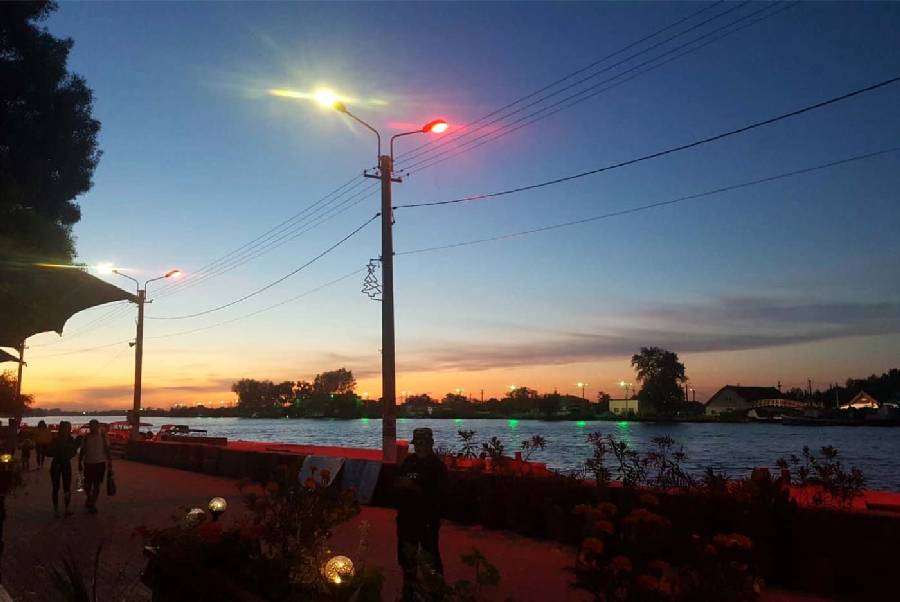
(15 January 2026)
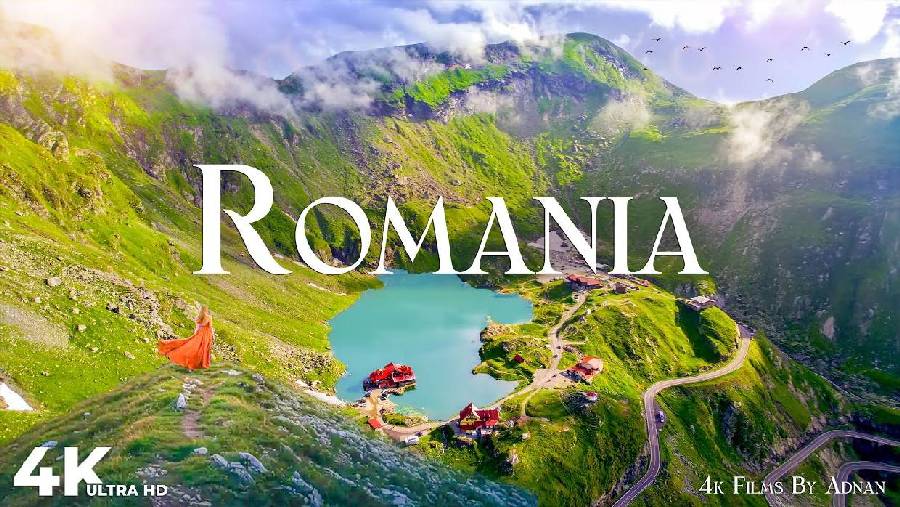
(15 January 2026)
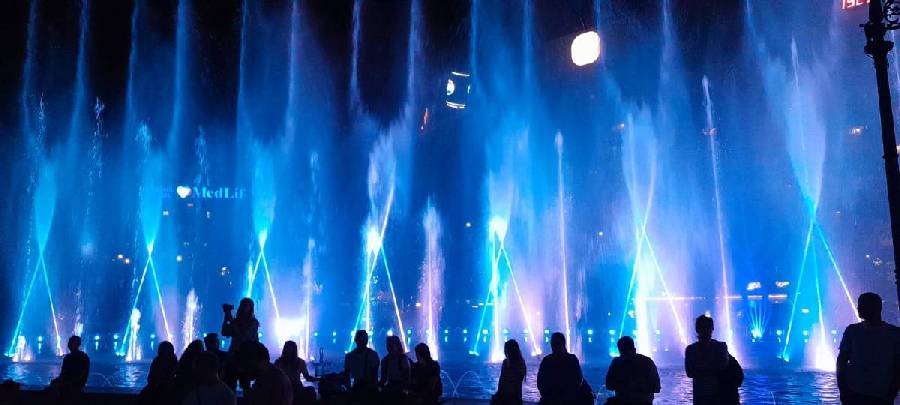
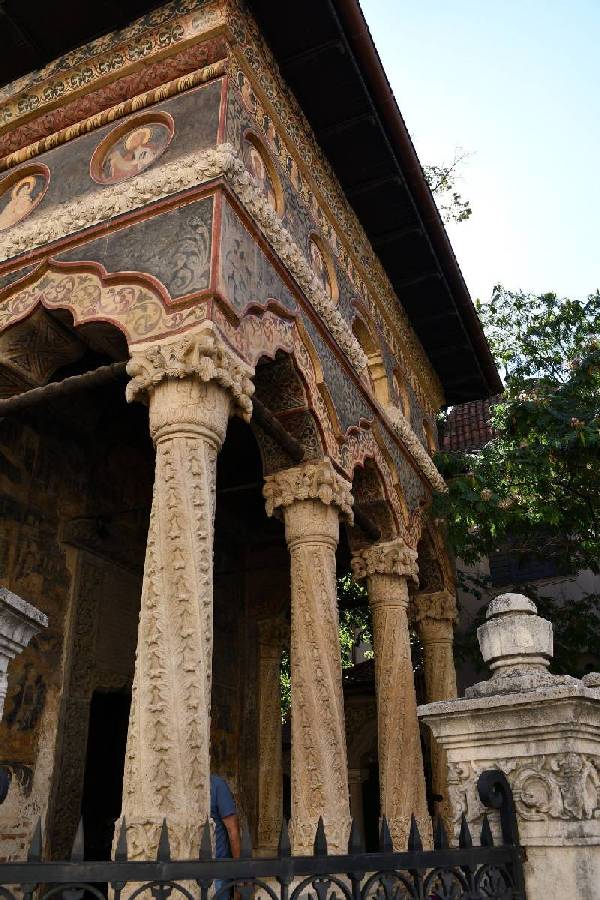
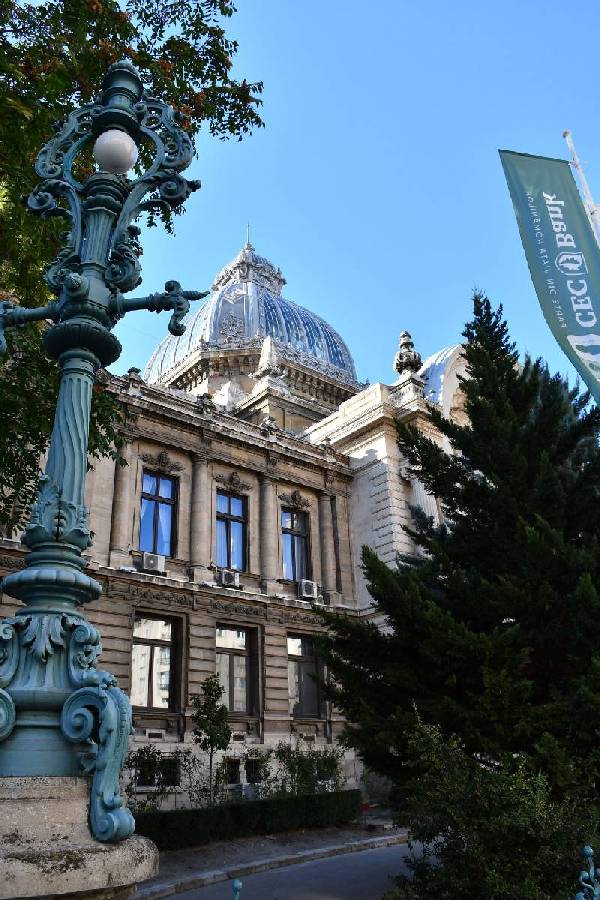
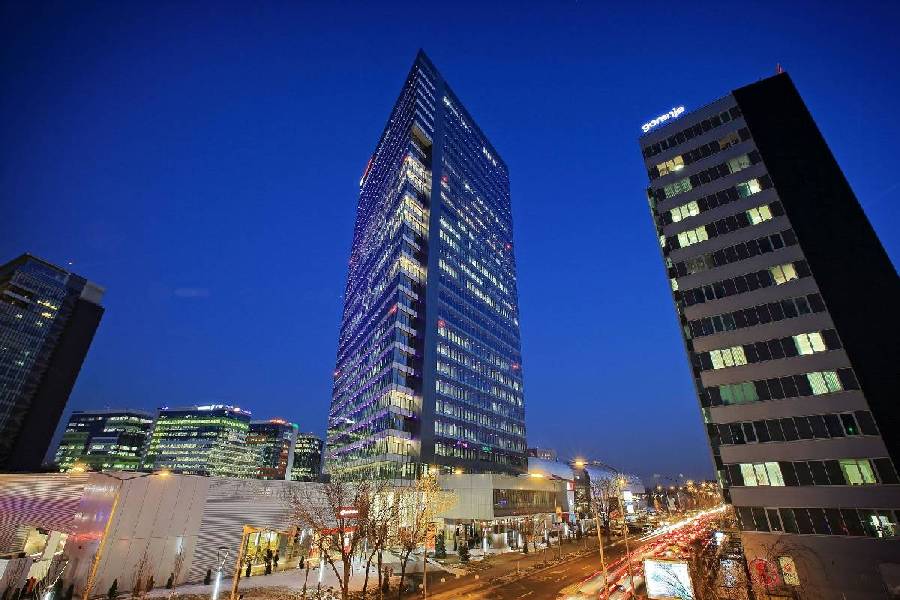
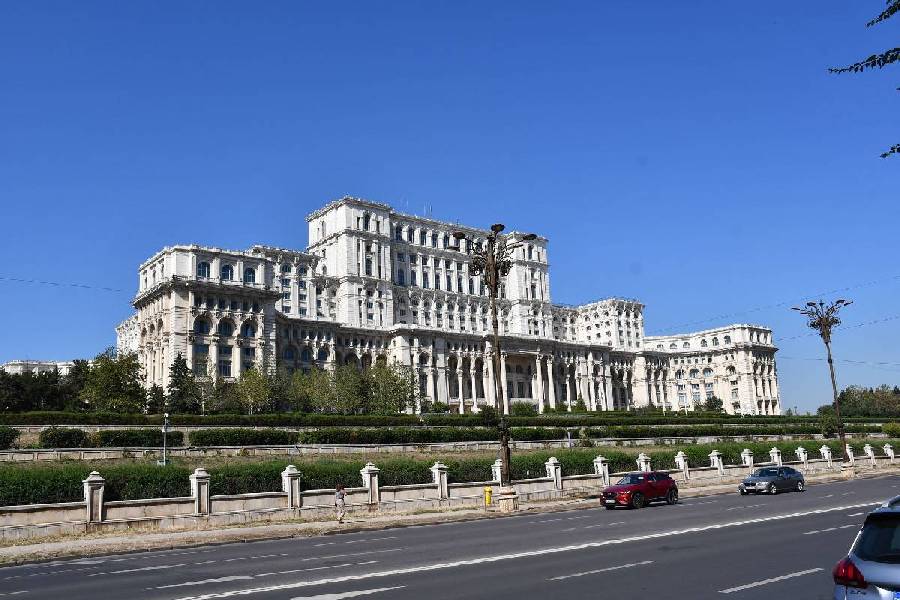
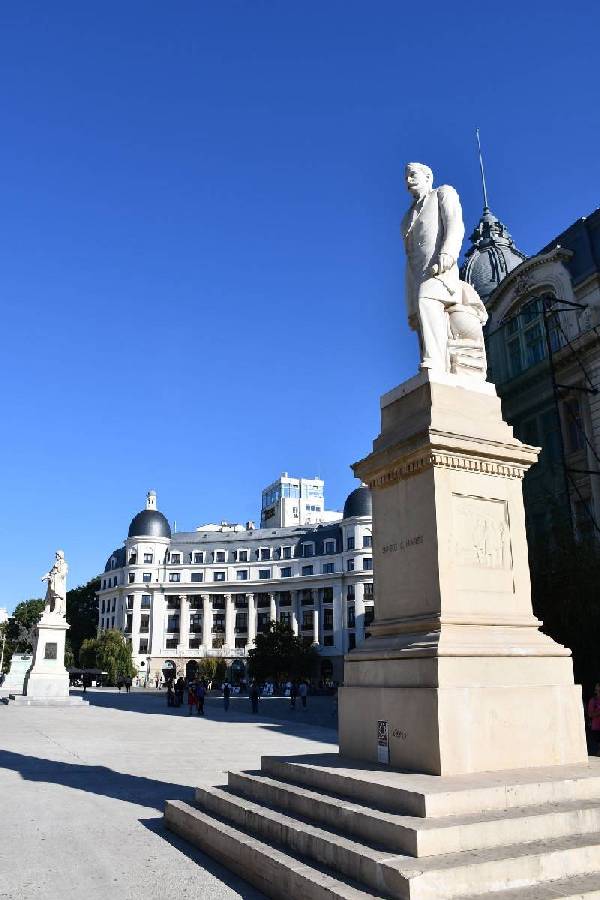
A small selection of cities, places, and destinations that you should definitely visit at least once on a trip through Romania (Part 1 of 500 ).
Here: Bucharest, the capital of Romania
https://welcome-to-romania.com | https://willkommen-in-rumänien.de
(14 January 2026)
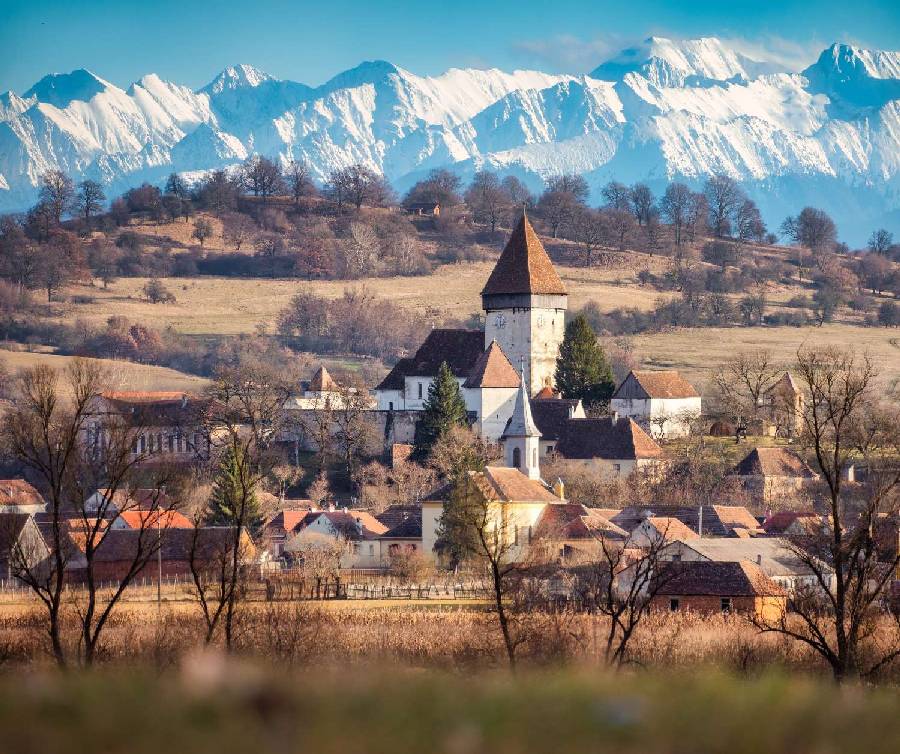
The village of Hosman ( in German Holzmengen ) is located in the Sibiu district of Transylvania and is part of the municipality of Nocrich ( Leschkirch ).
We thank Your Guide in Transylvania (photo: Adrian Arsu Films) for permission to use this image (January 2022).
(14 January 2026)
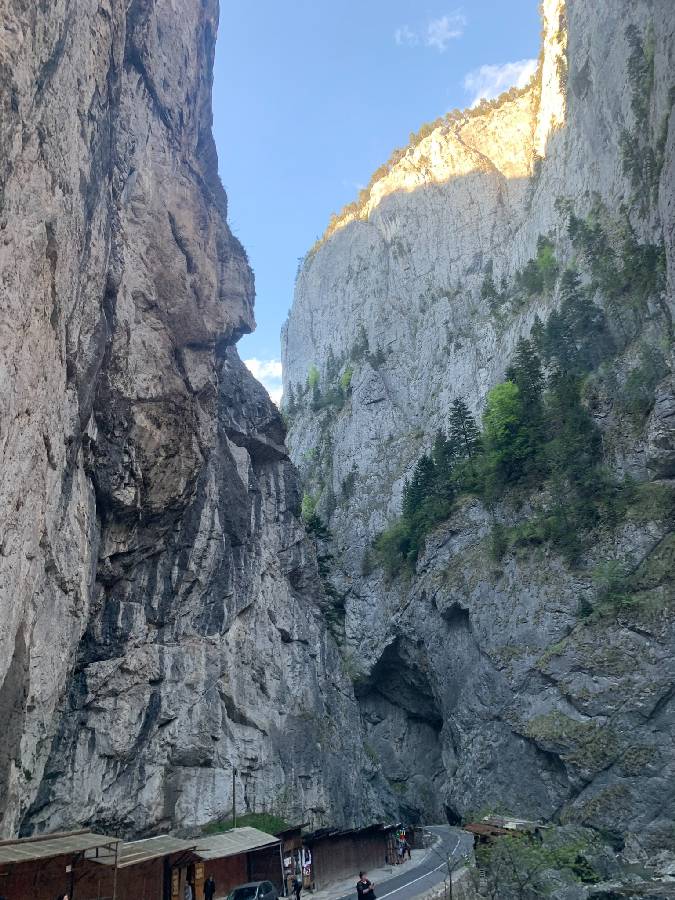
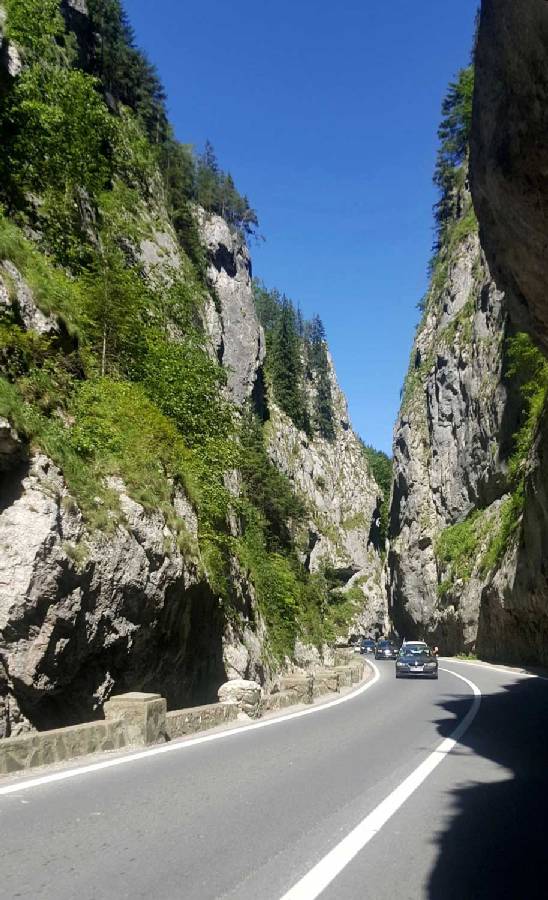
The small town of Bicaz is located in Neamț County on the eastern edge of the Ceahlău Mountains, which is part of the Eastern Carpathians.
Through the deeply cut gorge of the Bicazului Gorge, 10 kilometers long, whose rock faces sometimes rise more than 100 meters vertically, a passage road leads in the southwest direction to the Red Lake, about 30 meters. kilometers away.
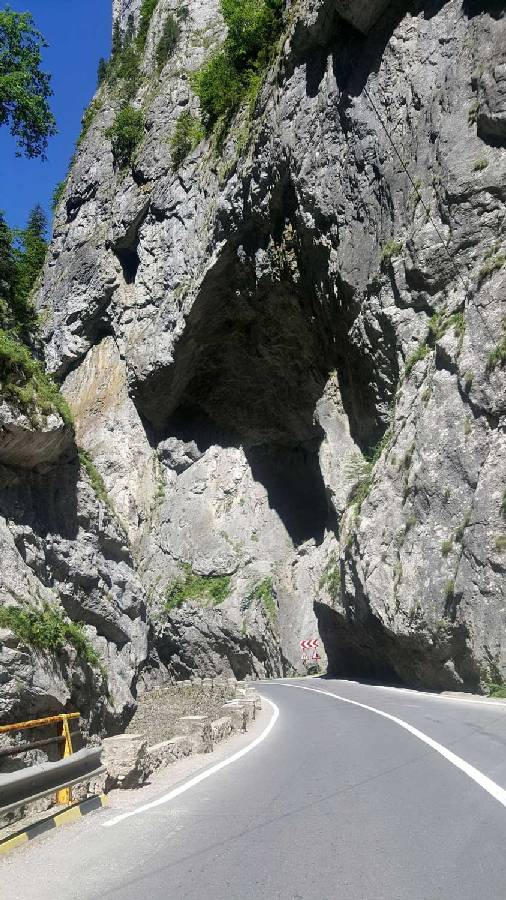
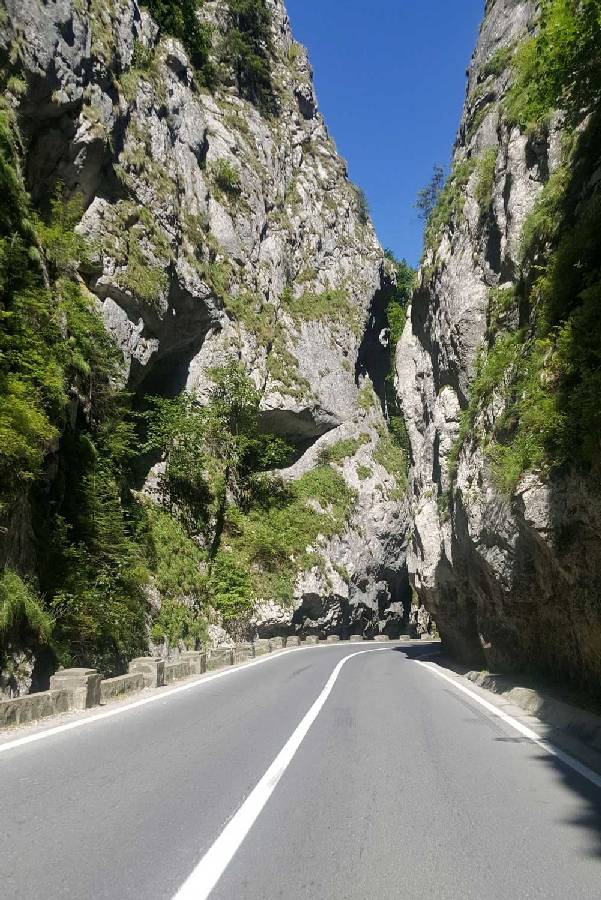
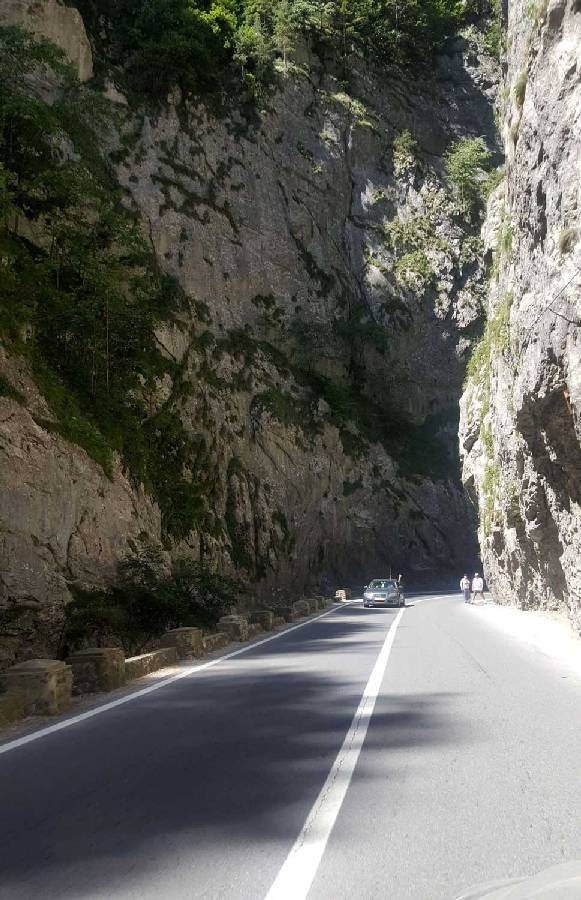
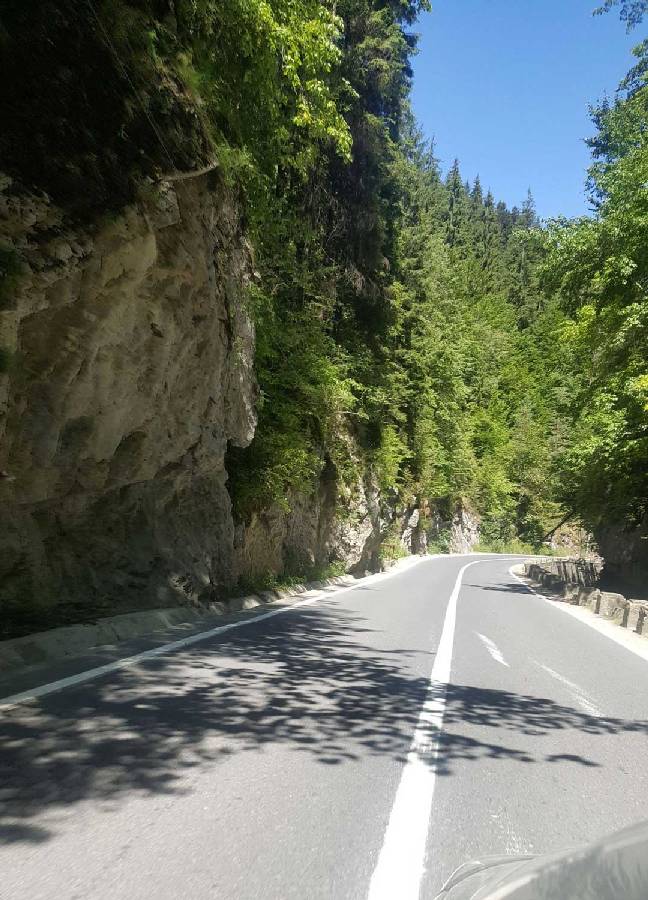
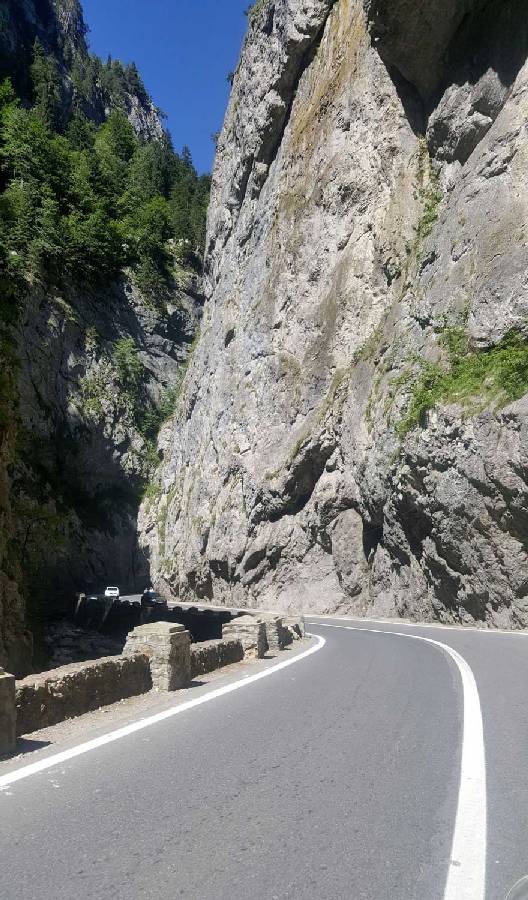
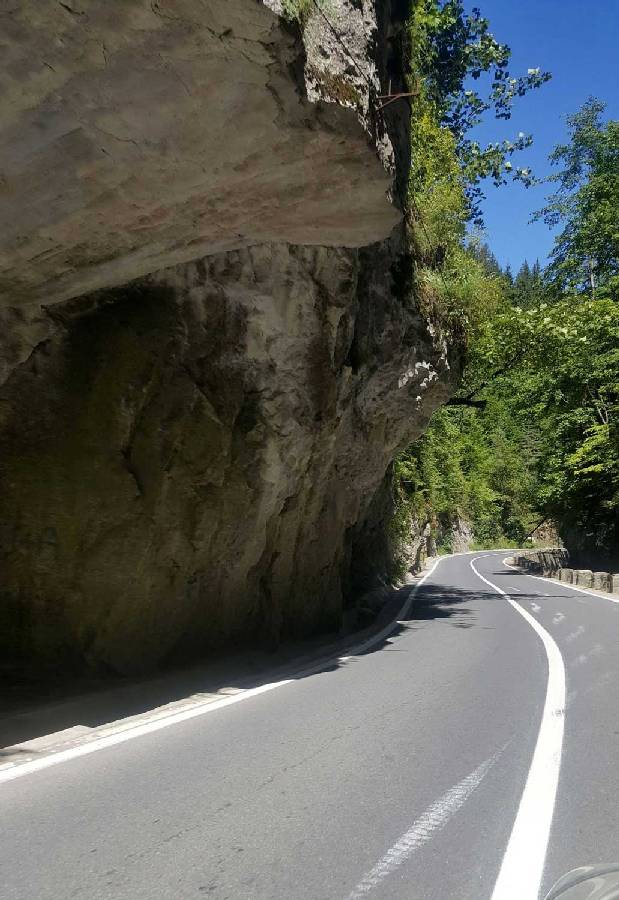
(14 January 2026)
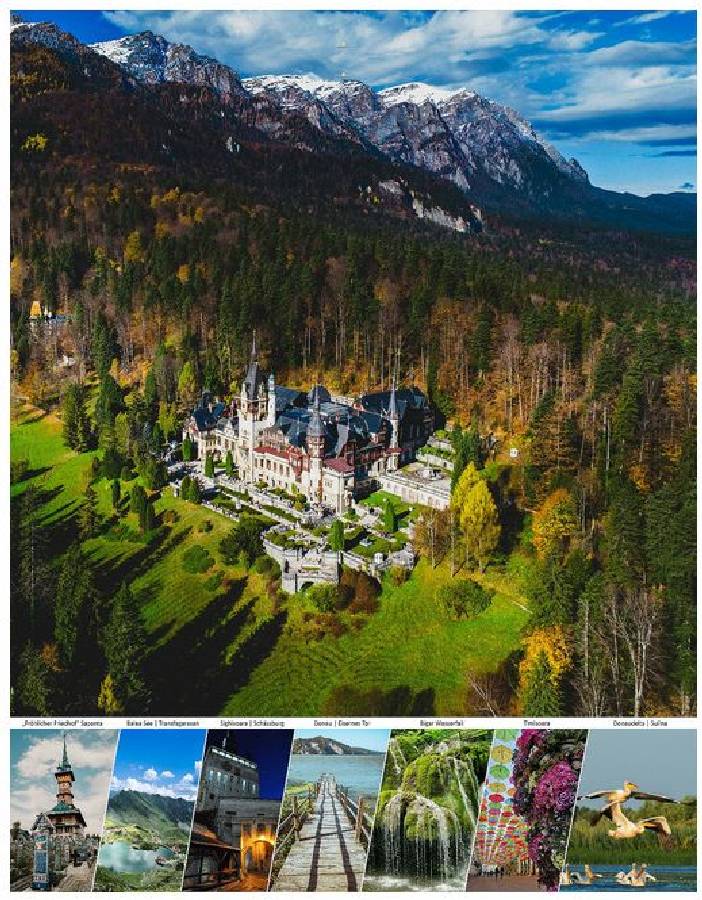
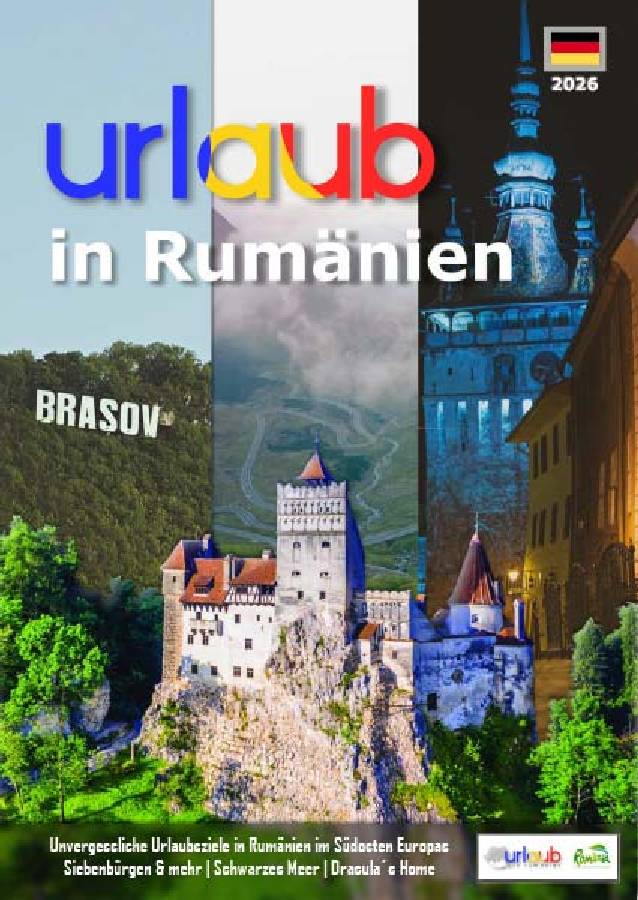
Plan your HOLIDAY 2026 now! Visit us at the CMT holiday exhibition in Stuttgart from January 17 to 25, 2026, in Hall 6, Stand 6A18.
On site, you will receive our brochure “Holiday in Romania” free of charge, along with plenty of other information, recommendations, and more. You can also read our “Holiday in Romania 2026” brochure online in advance > https://willkommen-in-rumänien.de
or order it online (for a small fee) > https://romania-euro24.de

(14 January 2026)
Plan your HOLIDAY 2026 now! Visit us at the CMT holiday exhibition in Stuttgart from January 17 to 25, 2026, in Hall 6, Stand 6A18.
On site, you will receive our brochure “Holiday in Romania” free of charge, along with plenty of other information, recommendations, and more. You can also read our “Holiday in Romania 2026” brochure online in advance > https://willkommen-in-rumänien.de
or order it online (for a small fee) > https://romania-euro24.de
(14 January 2026)
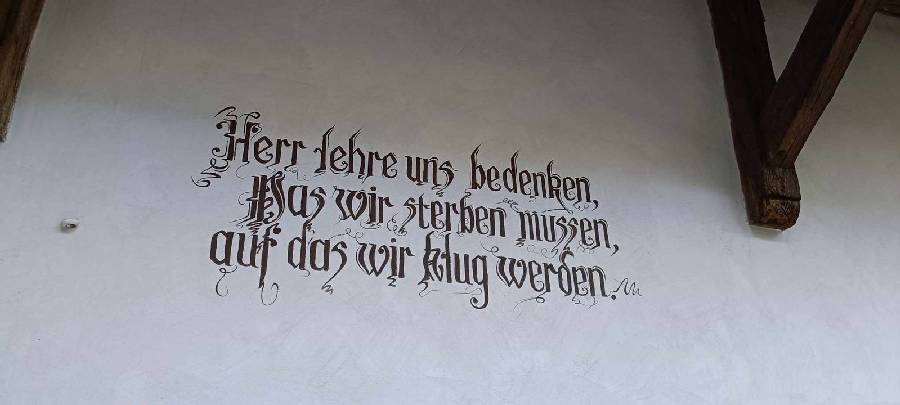
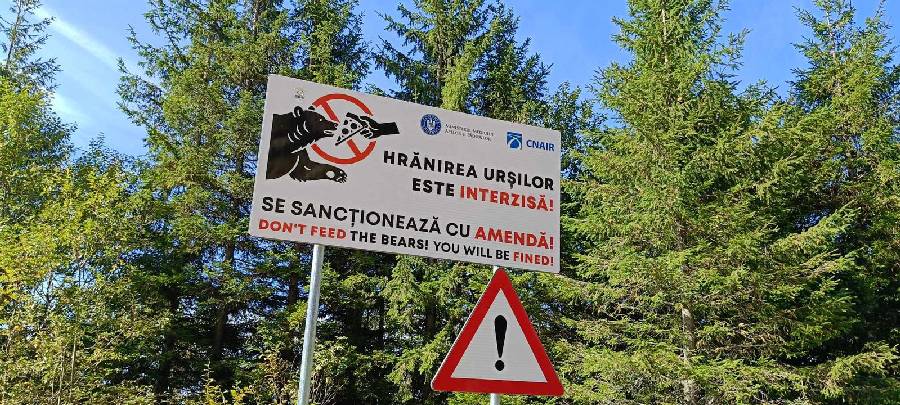
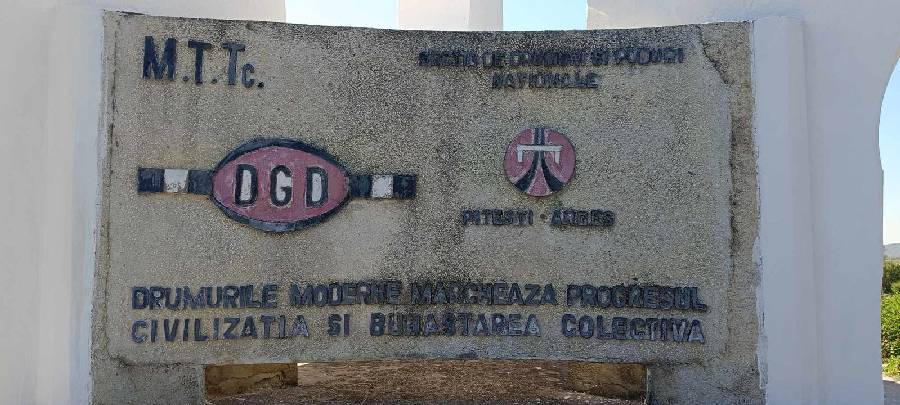
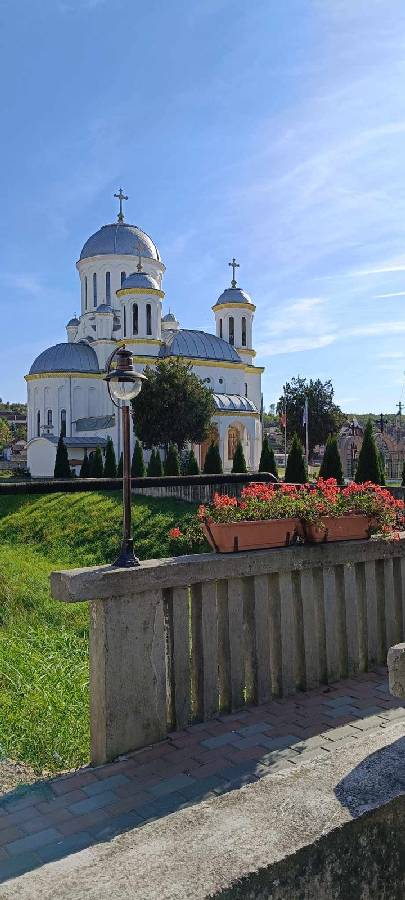
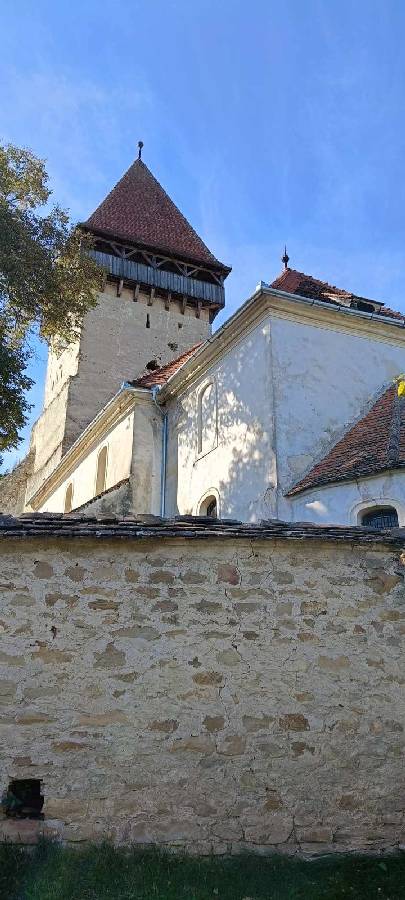
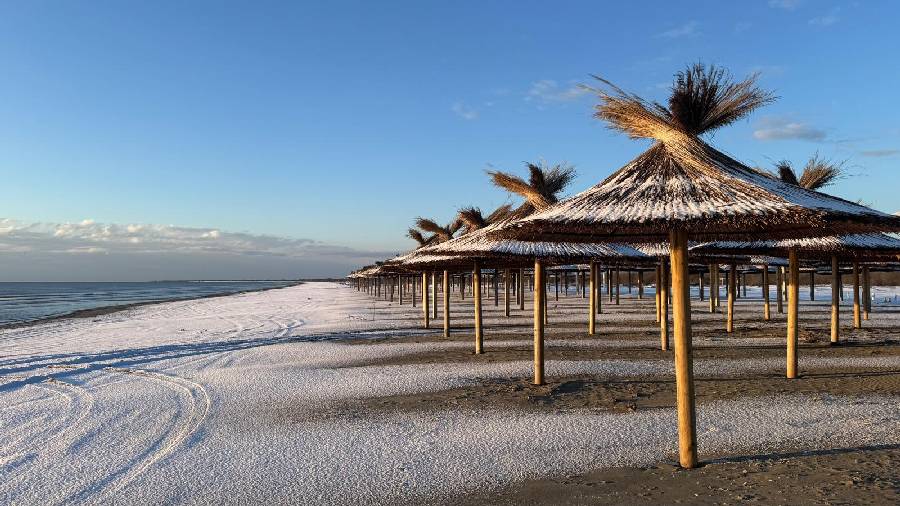
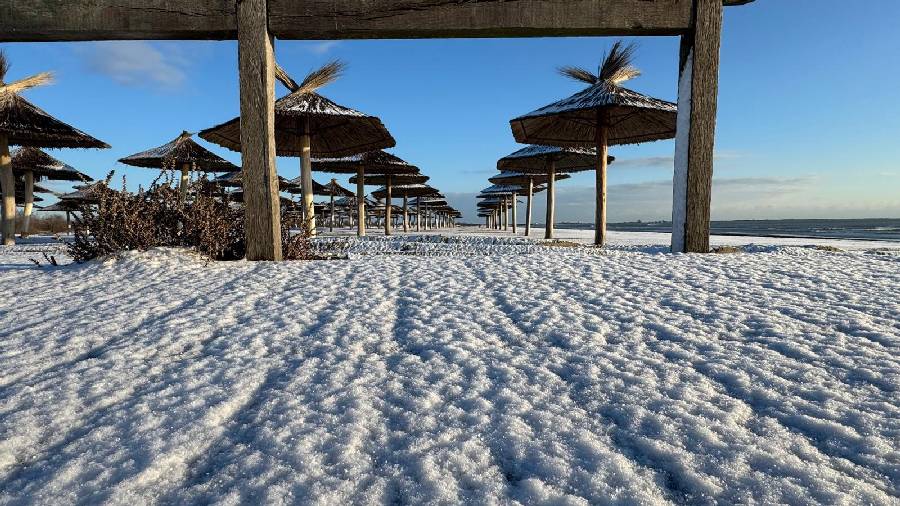
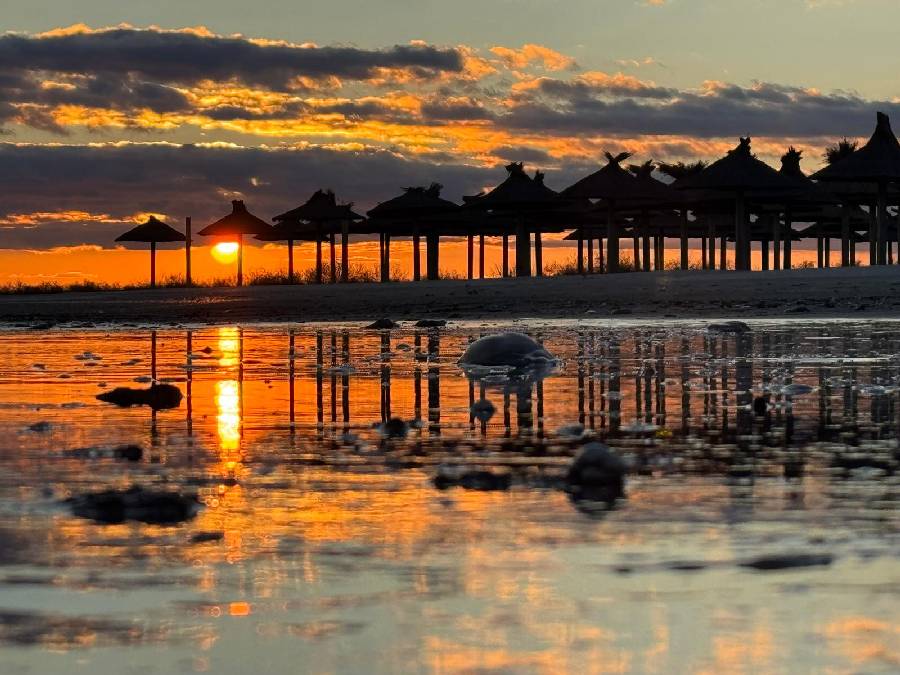
A holiday, a round trip through Transylvania and neighbouring regions in Romania.
We would like to thank Mr Daniel Sippel for sending us these wonderful impressions of his trip.
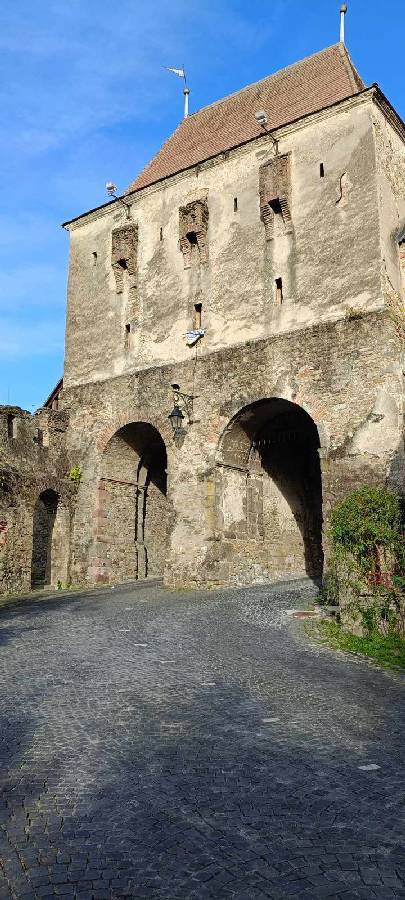
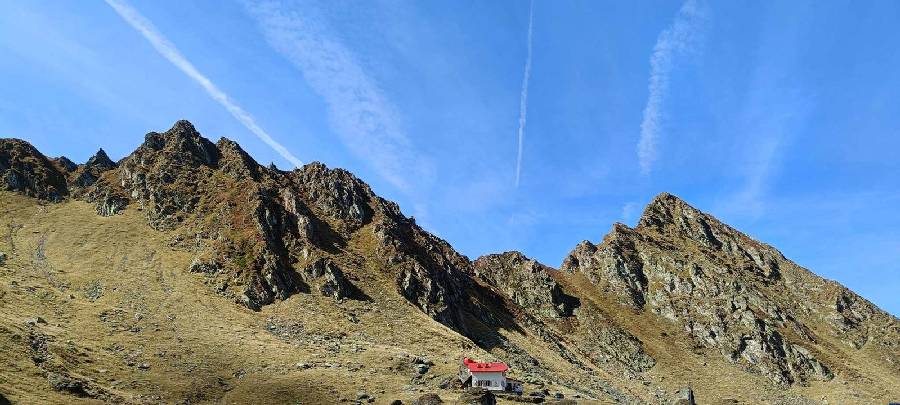
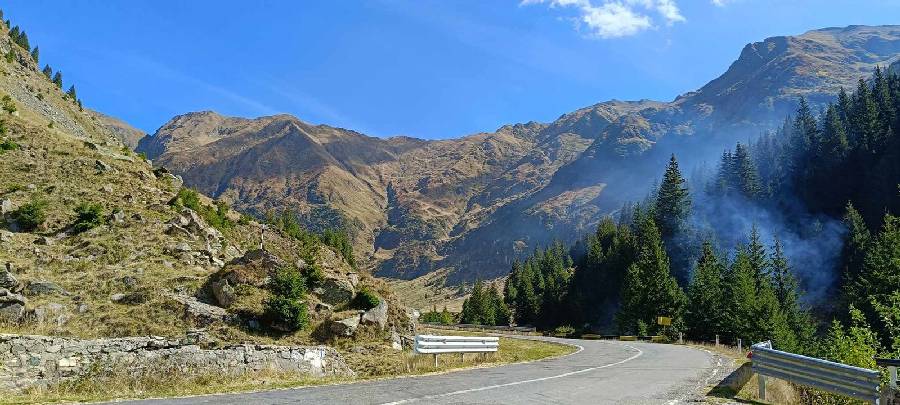
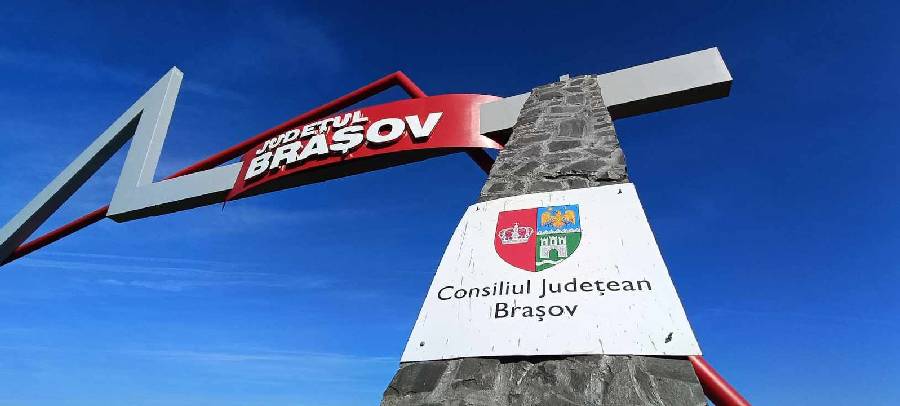
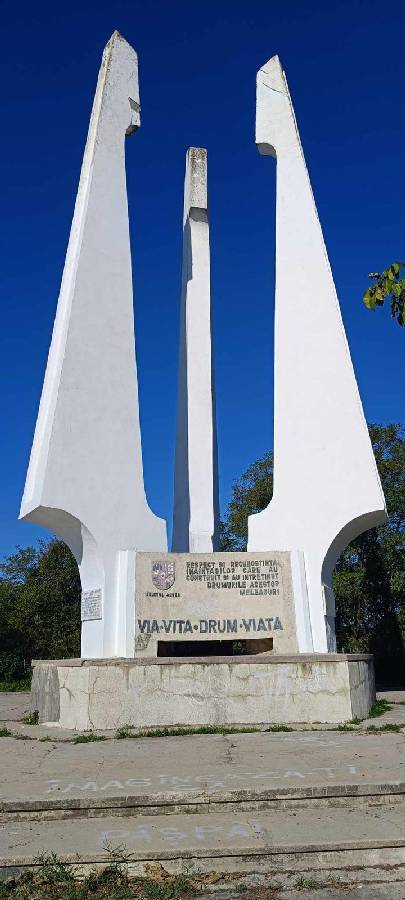
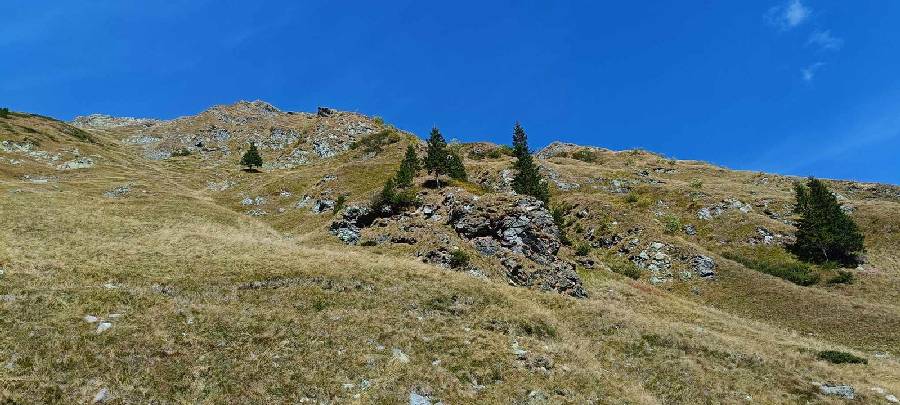
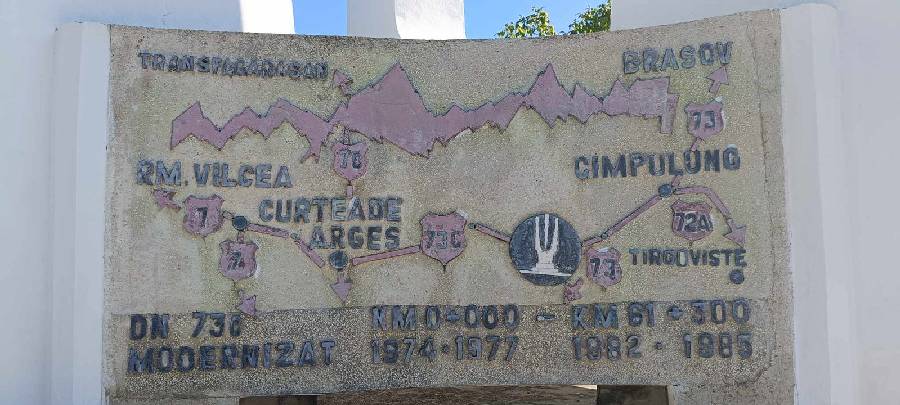
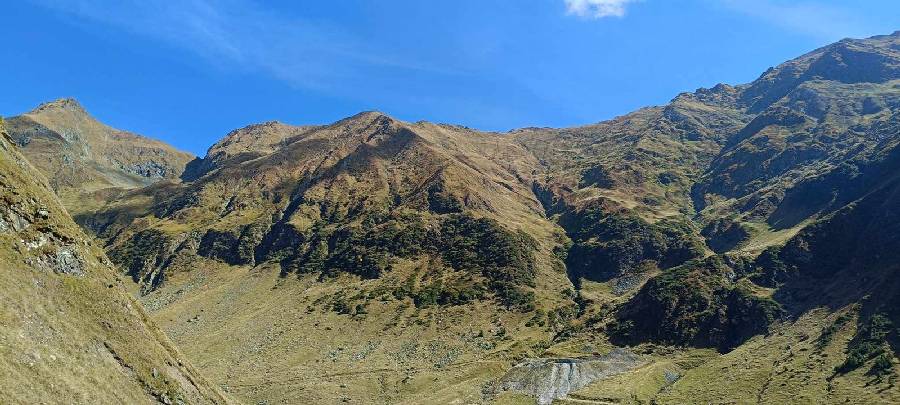
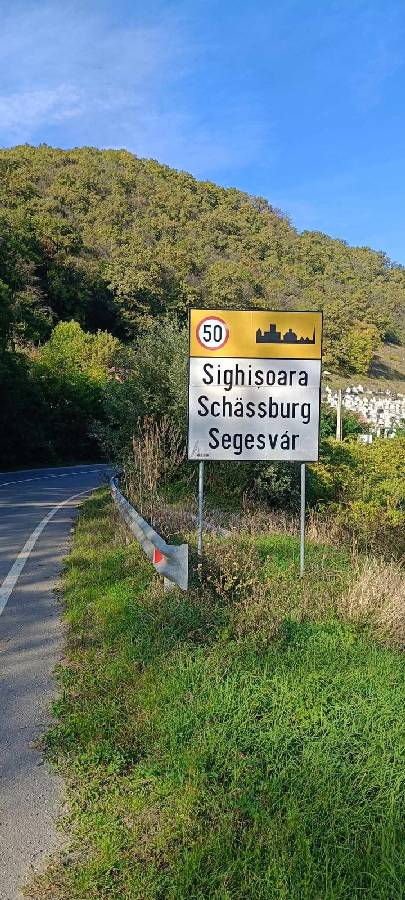
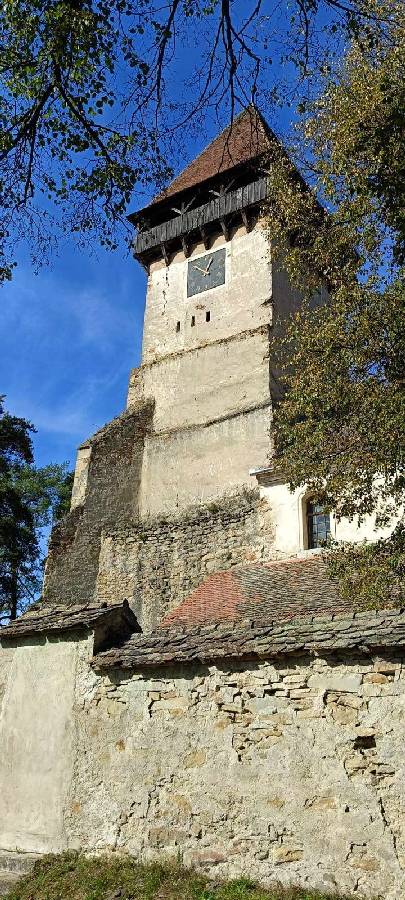
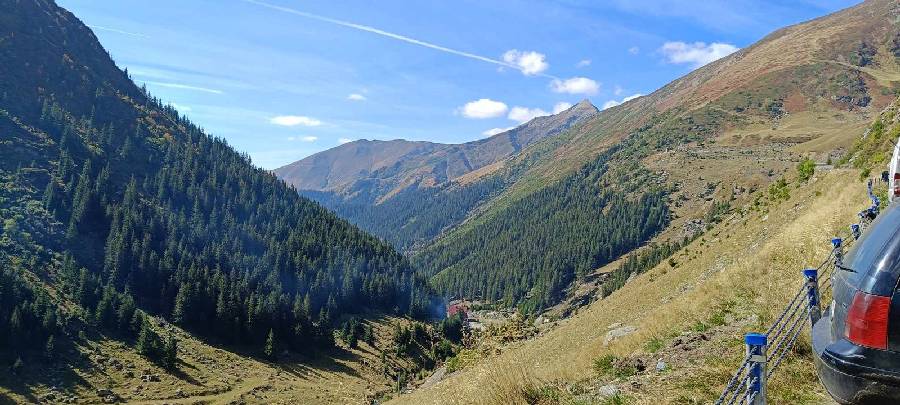
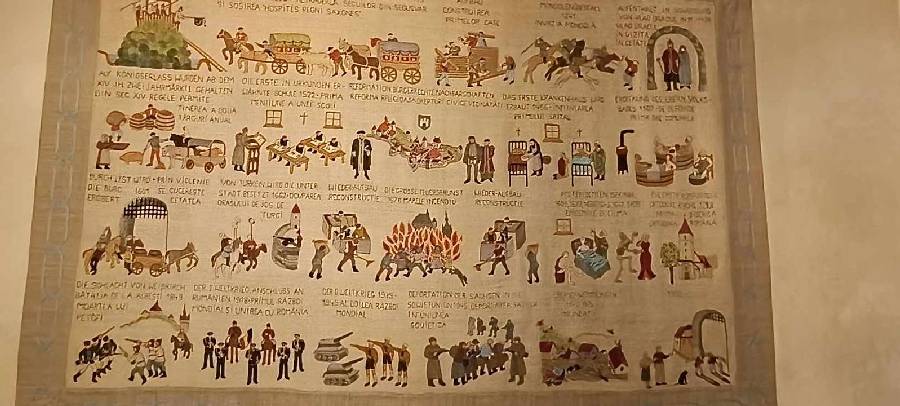
(13 January 2026)
(13 January 2026)
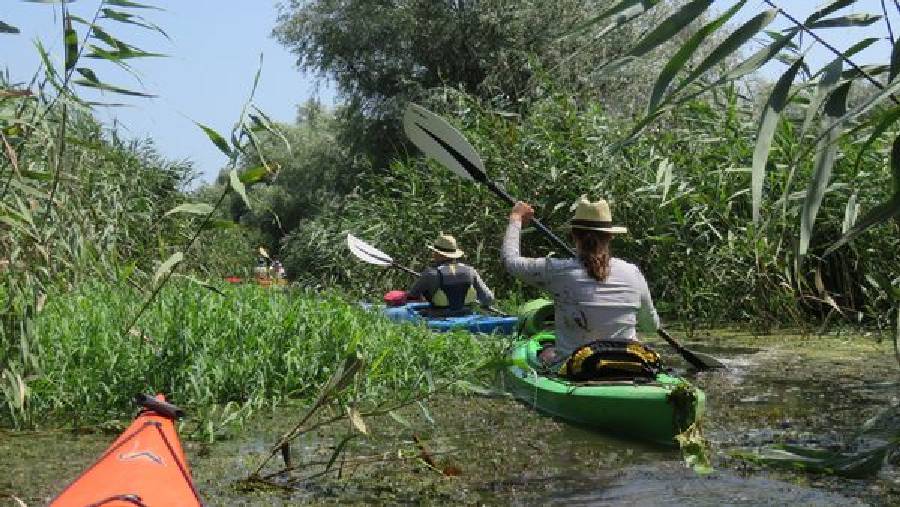
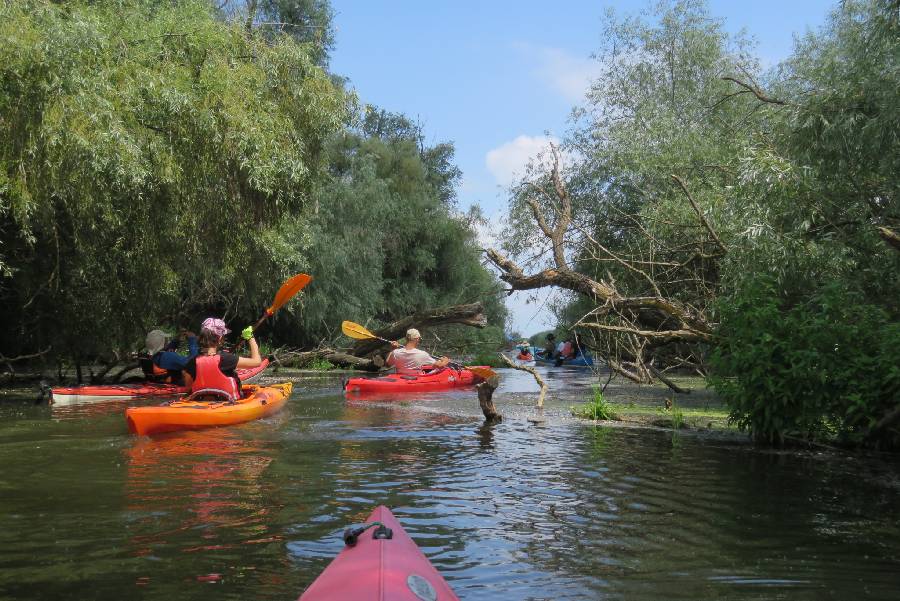
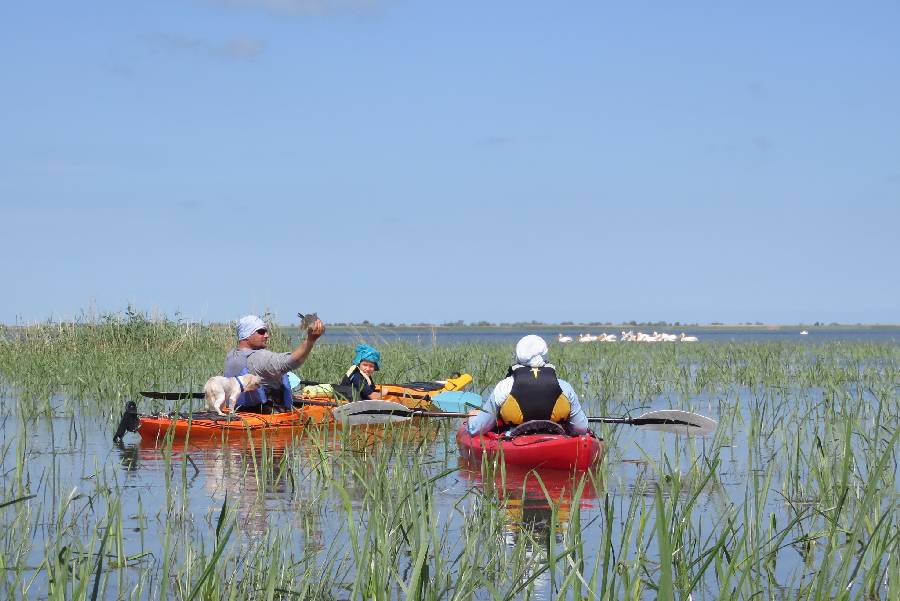
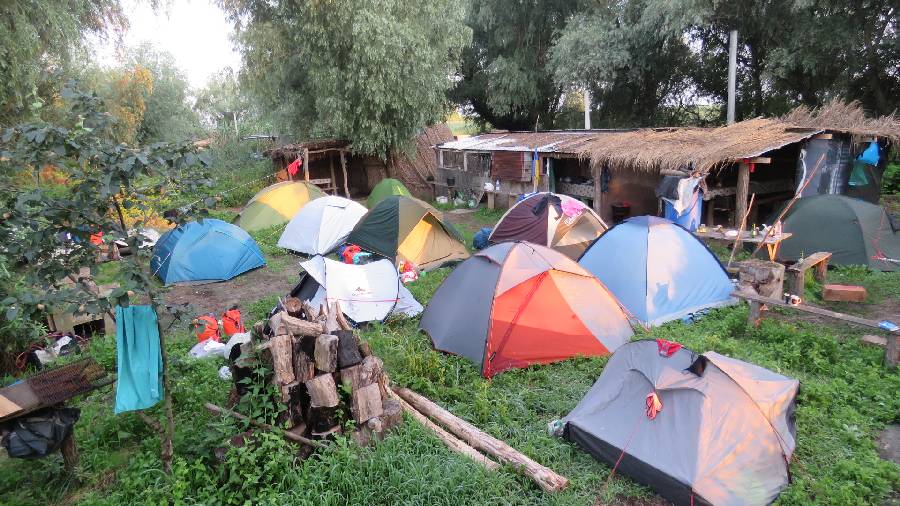
How could it be easier and „decelerated”. With the kayak through the Danube delta,
Make time for nature and you also have time to relax and immerse yourself in another world
https://discover-sulina.com | https://welcome-to-romania.com
(13 January 2026)
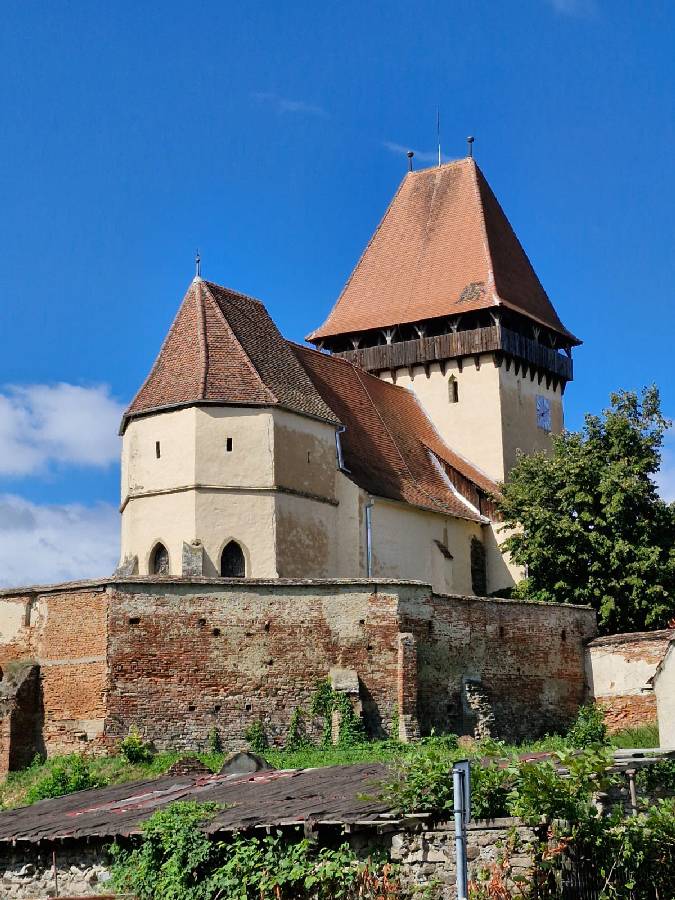
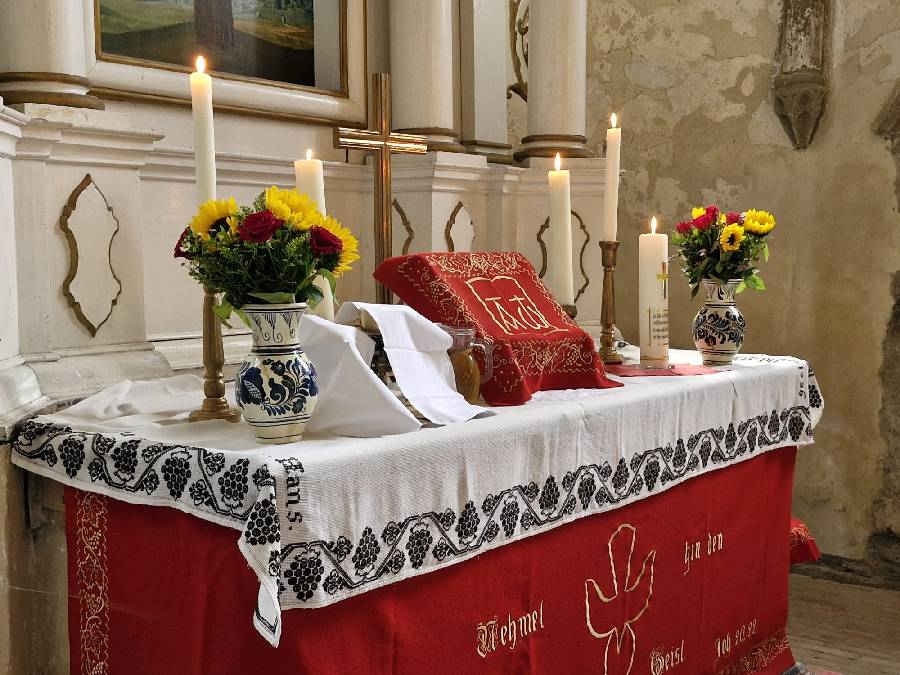
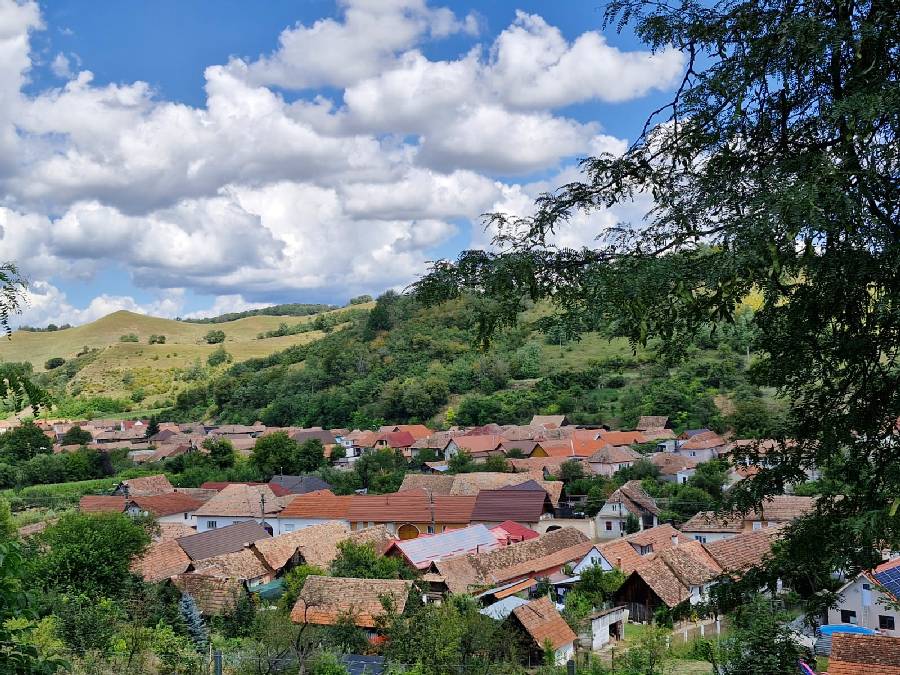
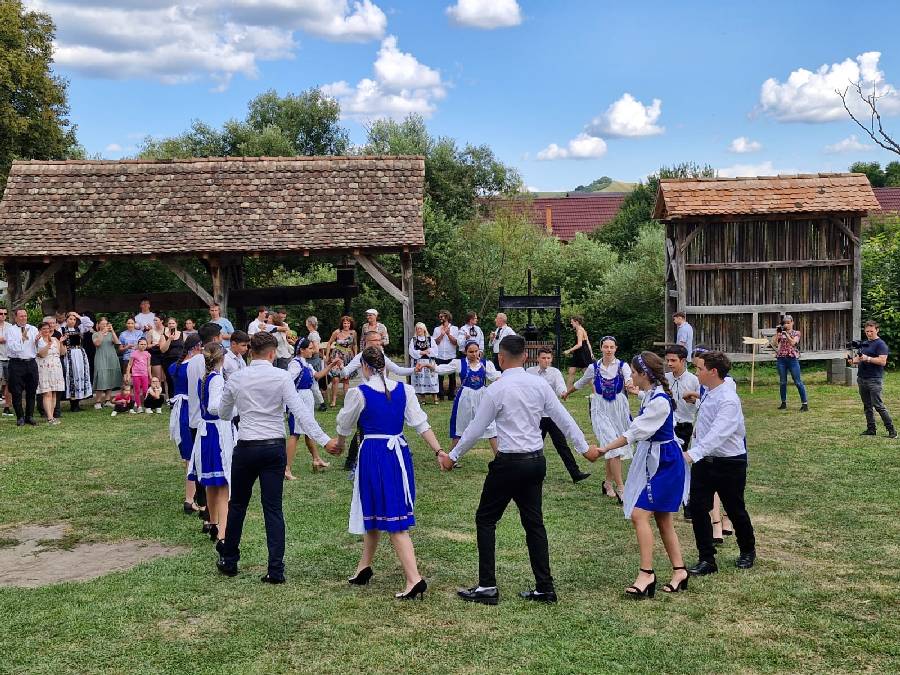
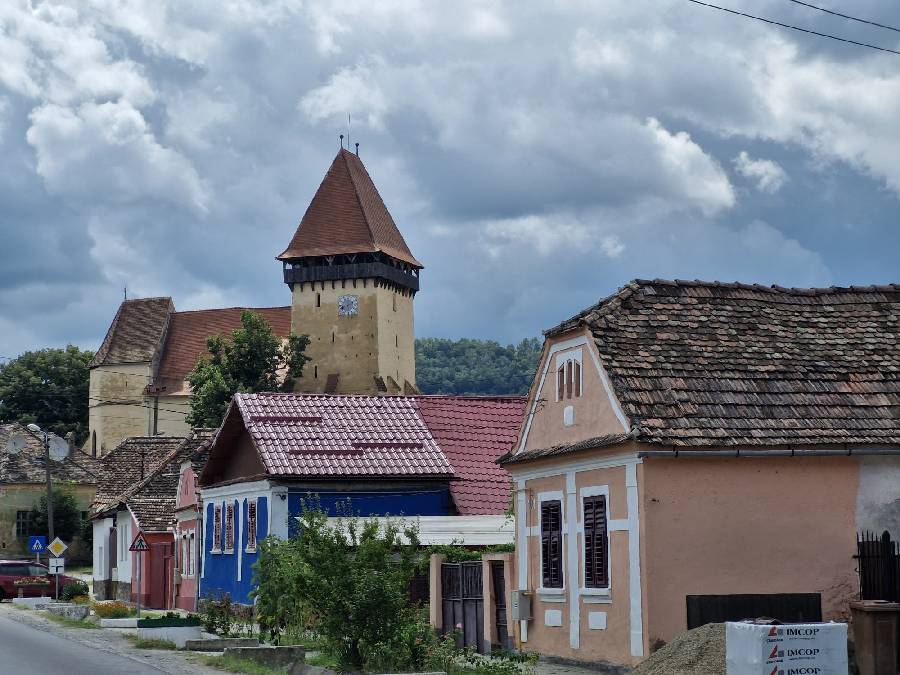
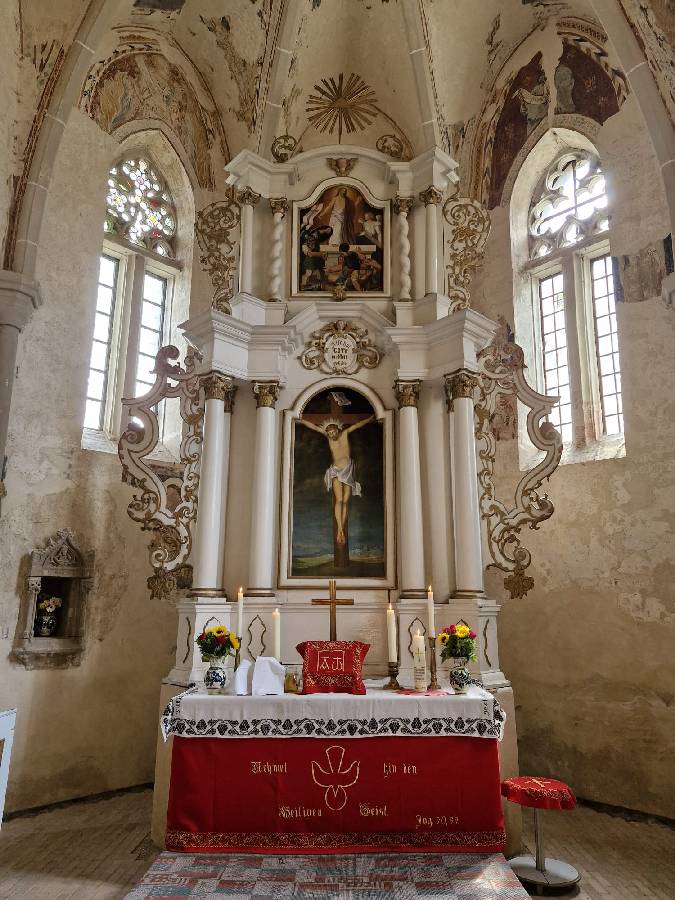
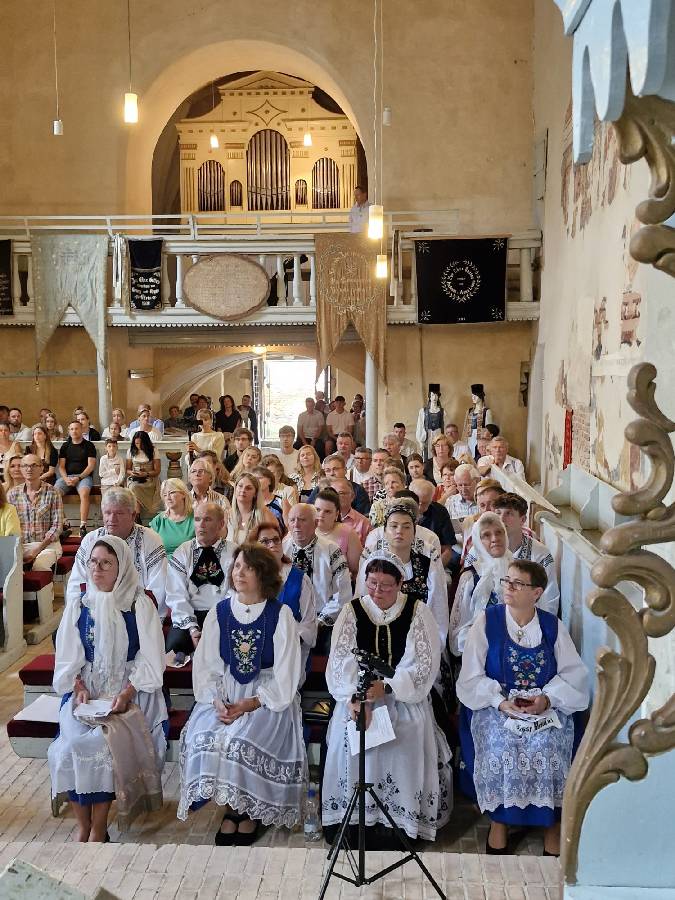
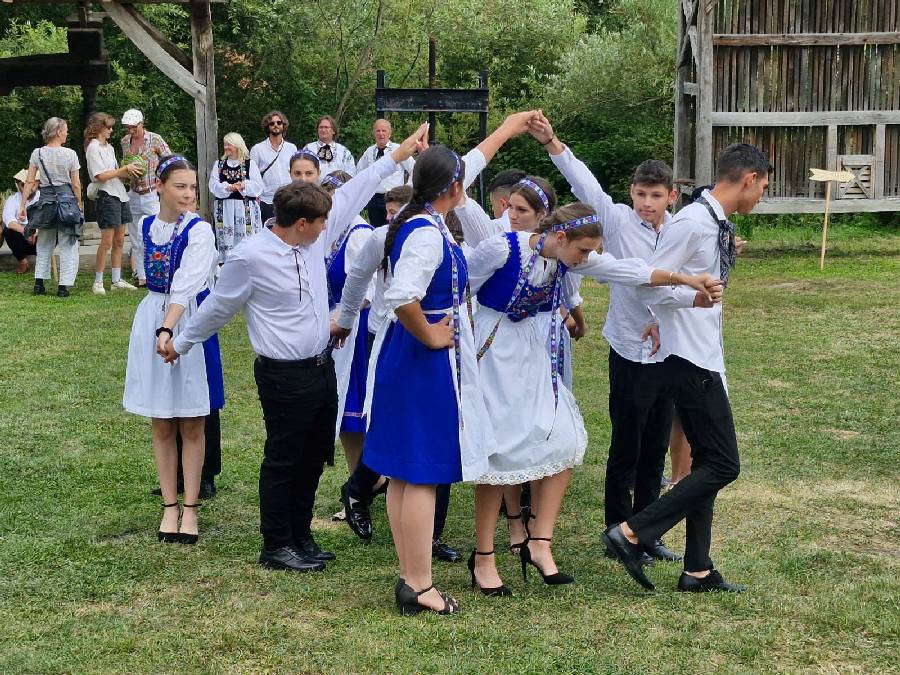
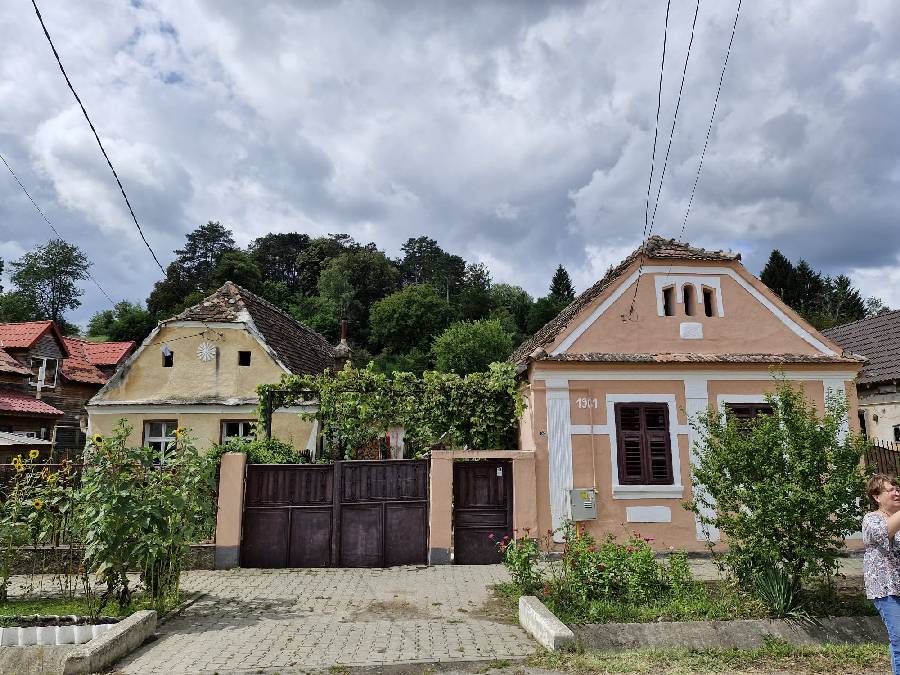
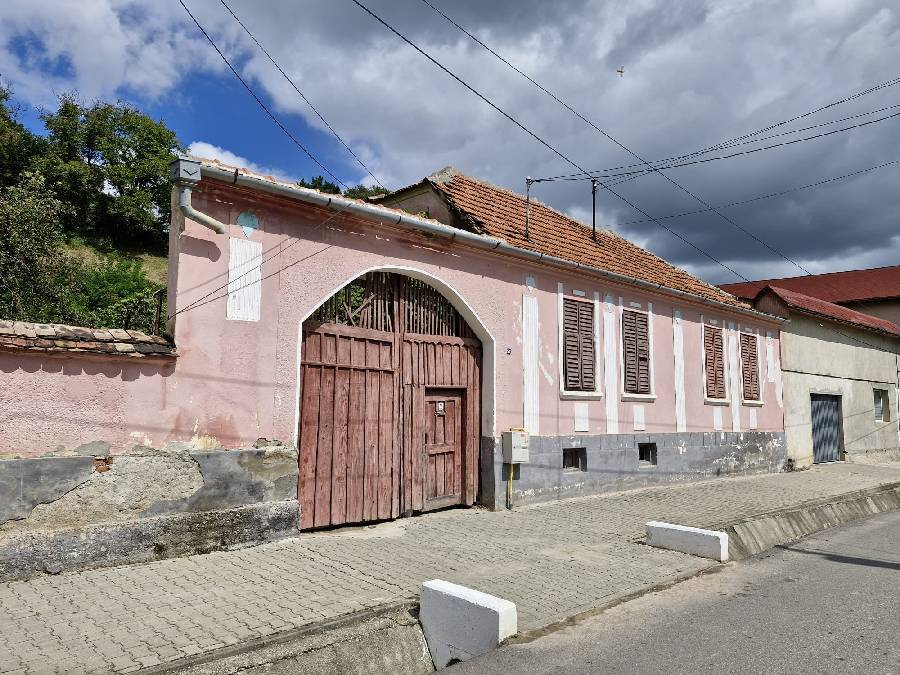
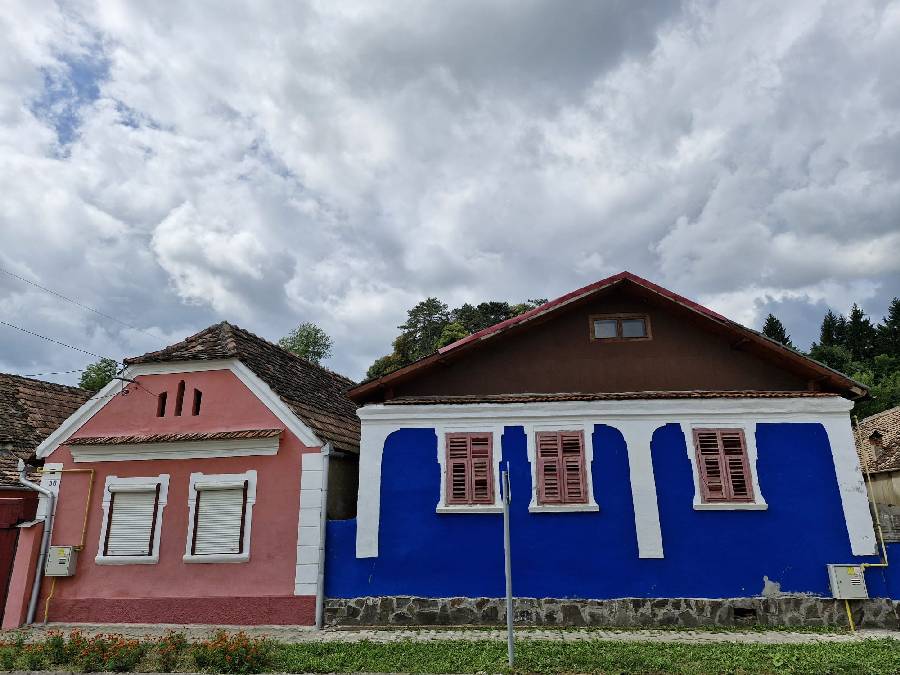
The village of Ighișu Nou (known as Eibesterf in Saxon, Eibesdorf in German, and Szaszivanfalva in Hungarian) is part of the Medias Municipality in Sibiu County.
The village was first mentioned in documents in 1305 and became a free Saxon settlement in 1325.
We thank Mr. Frank Schleßmann for providing these photos (taken in early August 2024).
(13 January 2026)
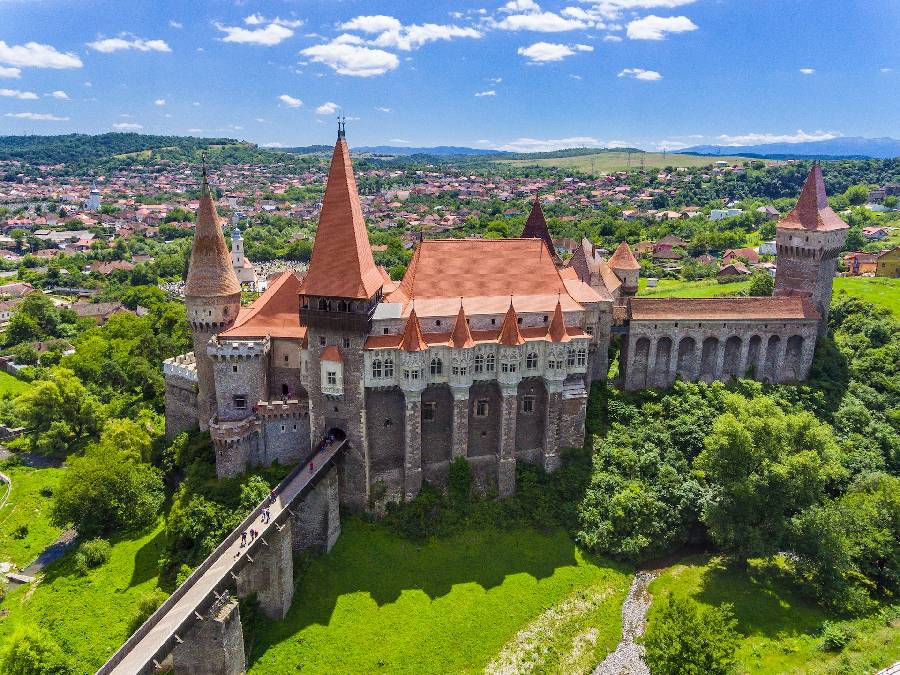
Hunedoara Castle (also known as Hunedoara Castle, Iron Market Castle in German, Corvinilor Castle or Huniazilor Castle in Romanian, Vajdahunyadi var in Hungarian) is one of the most important non-ecclesiastical buildings in Transylvania.
https://xn--willkommen-in-rumnien-m2b.de/ | https://welcome-to-romania.com
The rock castle was built on the remains of a 14th-century fortification and is located in the south-western part of Hunedoara (German: Eisenmarkt) in western Romania.
After 1440, Hungarian statesman and military commander Johann Hunyadi had an existing fortification converted into the ancestral castle of the Hunyadi family. In the second phase of construction, the castle was extended from 1458 under King Matthias Corvinus. At the beginning of the 17th century, Prince Gabor Bethlen carried out another major remodelling of the building. As a result, the castle today is a mixture of different architectural styles.
(12 January 2026)
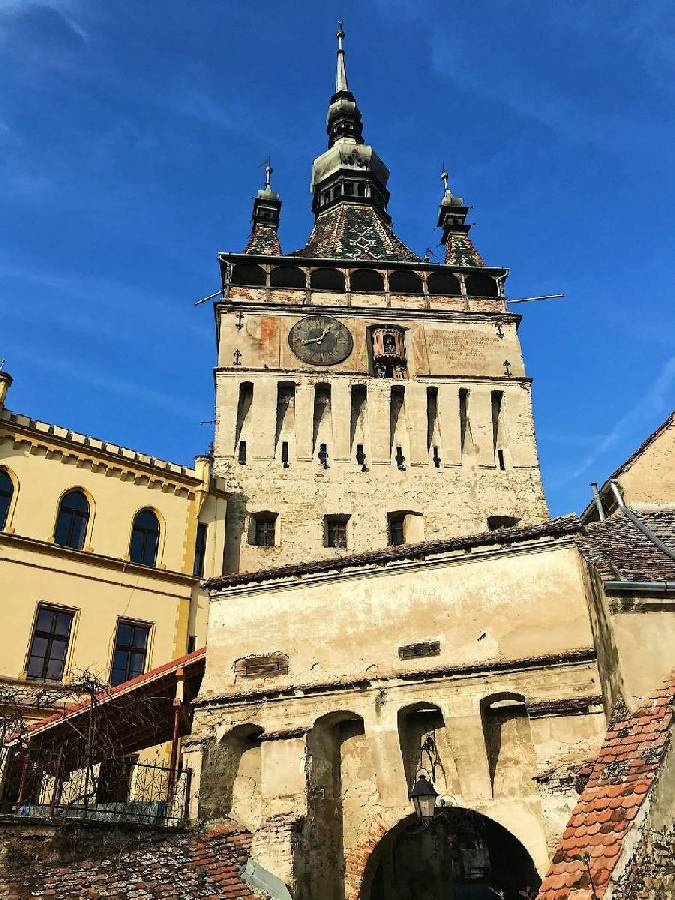
The Clock Tower is the landmark of the city of Sighisoara (German: Schäßburg) and a popular subject for films and photos by day and also by night.
https://urlaub-in-rumänien.de | https://welcome-to-romania.com
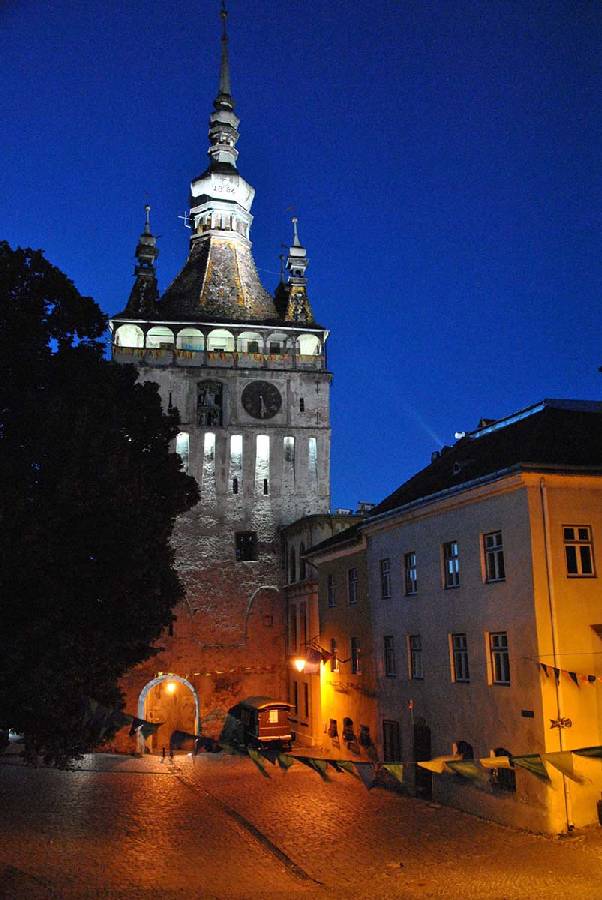
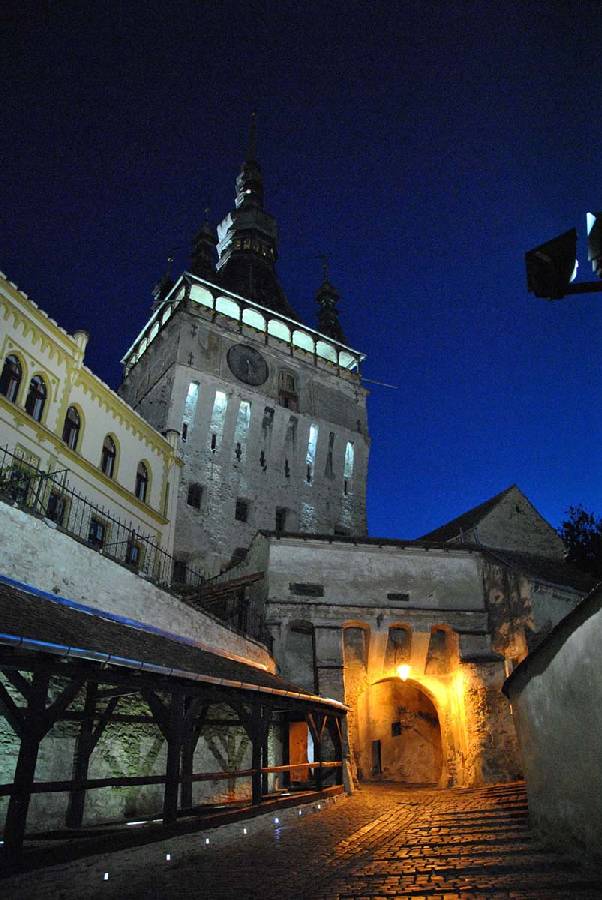
(12 January 2026)
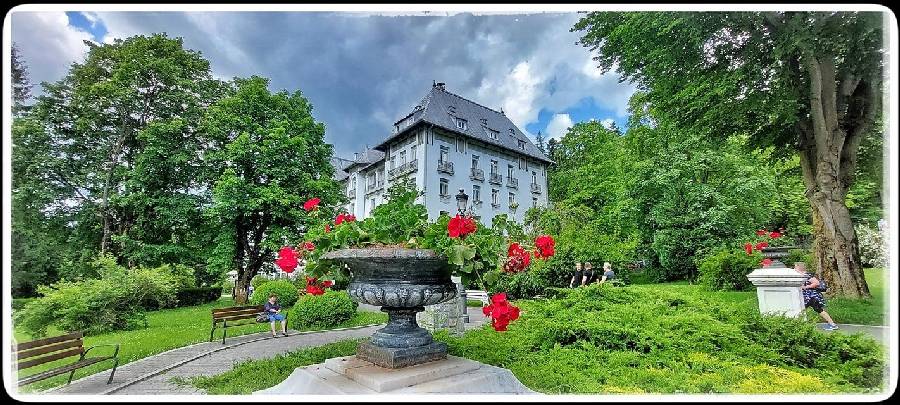
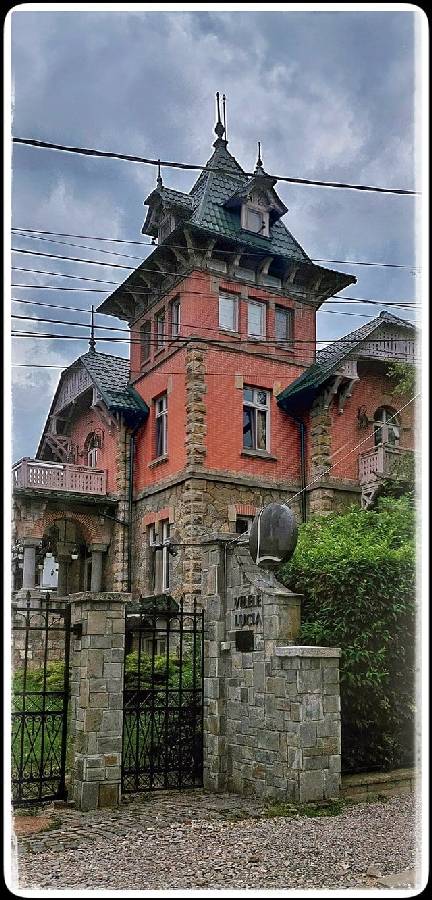
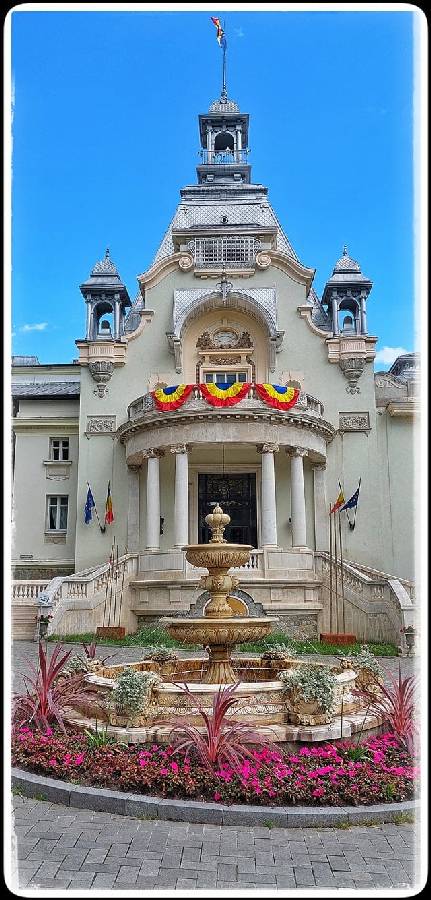
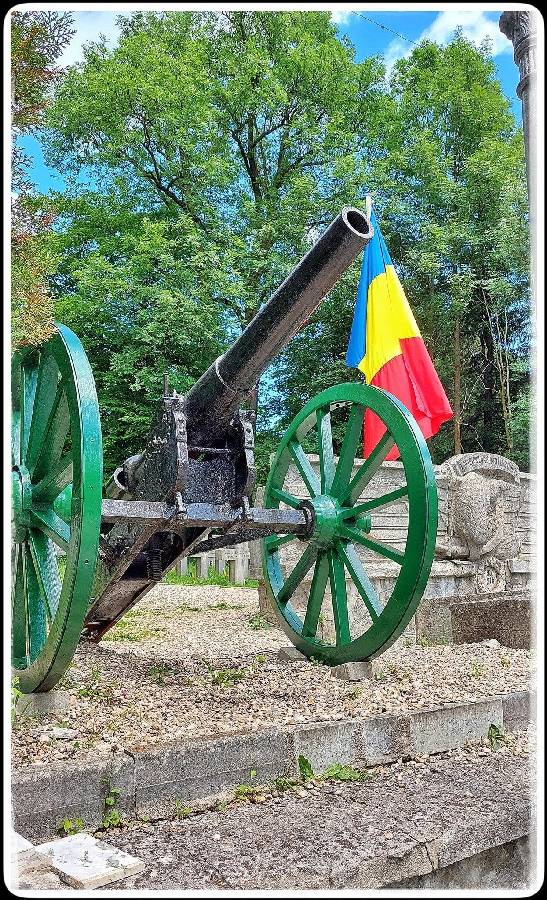
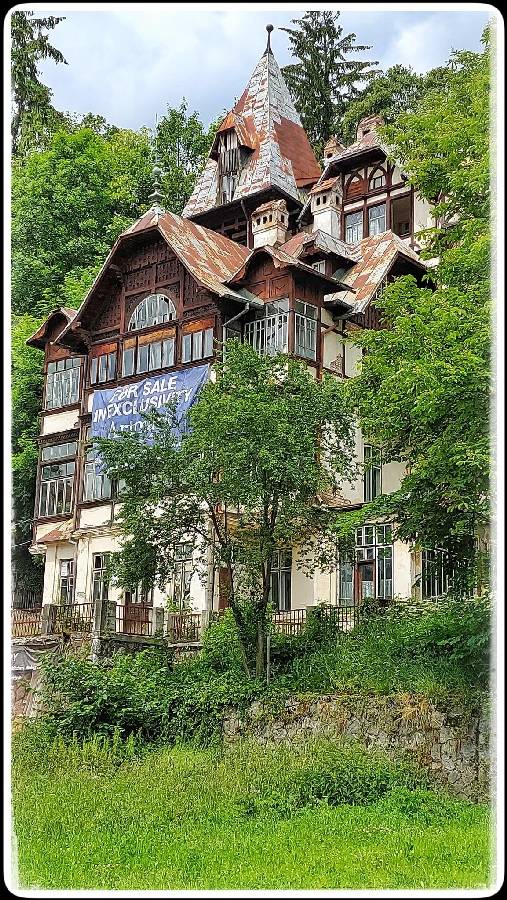
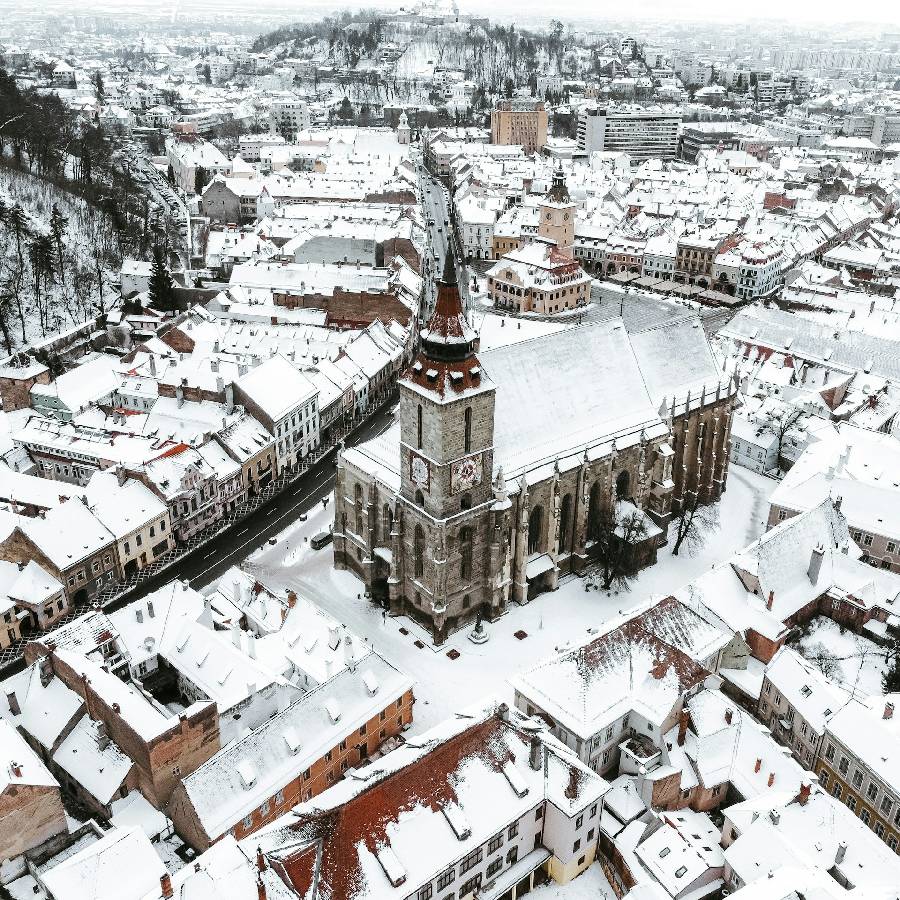
Sinaia is a town in Prahova County, located in the valley of the Prahova River, surrounded by the Bucegi Mountains.
From Sinaia (elevation: 767–860 meters), a cable car takes visitors up to an altitude of 2,000 meters, and several ski lifts operate during the winter.
Many attractions can be found in and around Sinaia, such as the Sinaia Monastery, Peleș Castle, and the smaller Pelișor Castle. Also nearby are Bucegi National Park, Caraiman Monastery, and Cantacuzino Castle in the nearby town of Bușteni.
We thank Stefan Dee photos for the permission to use these images.
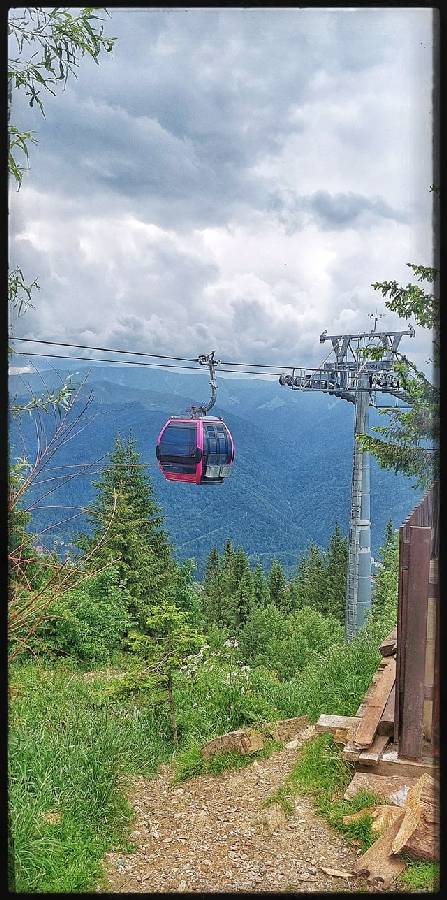
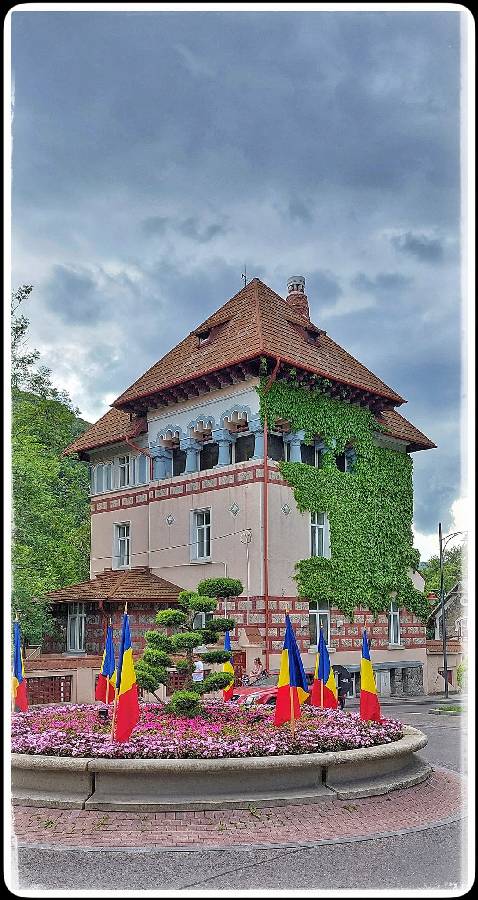
(12 January 2026)
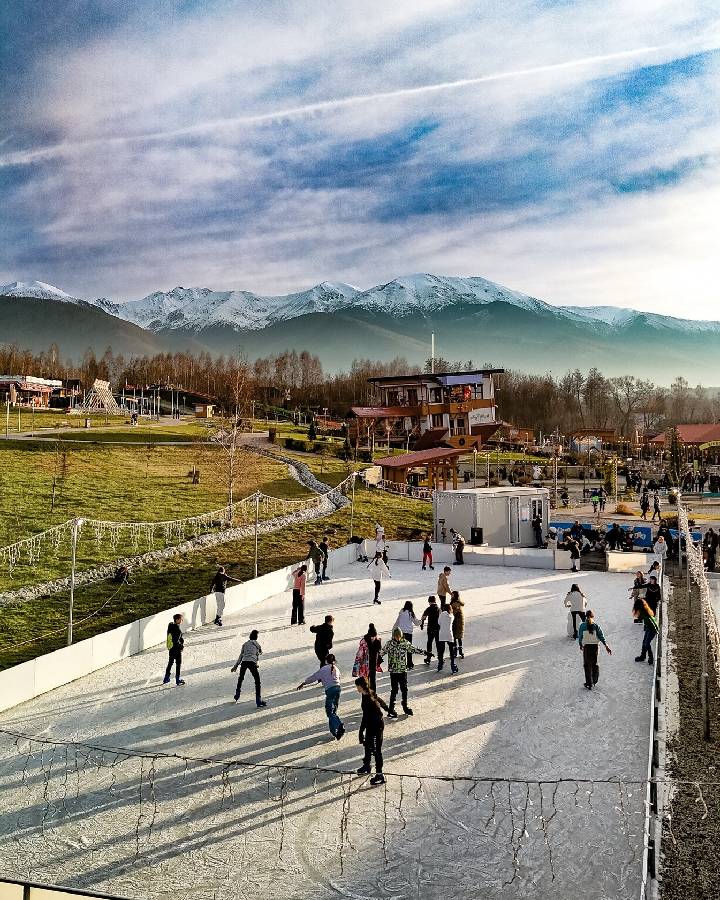
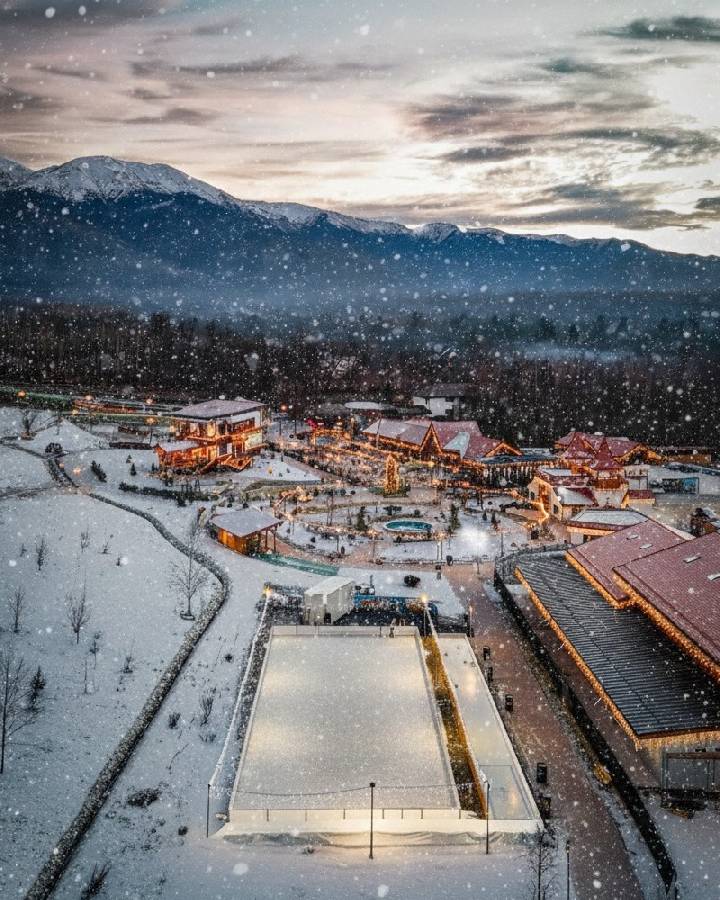
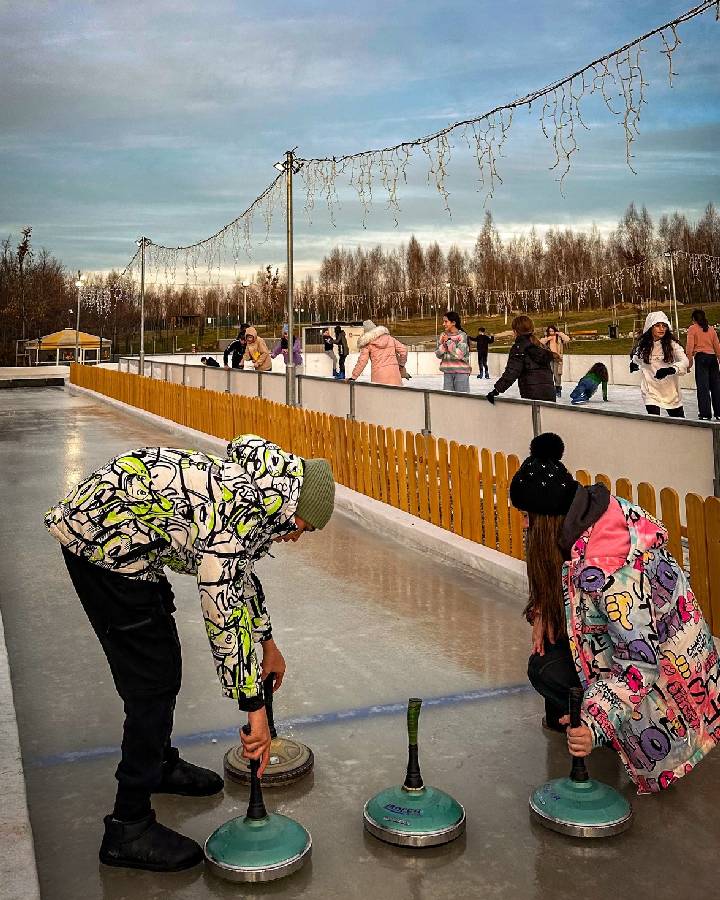
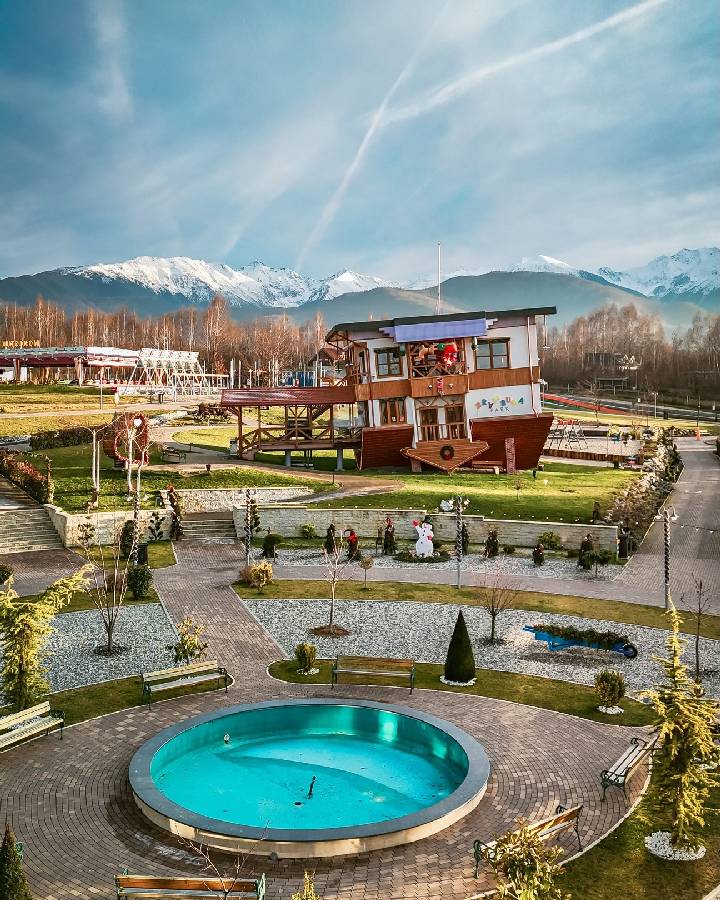
The Brambura Family Park in Avrig (Sibiu County) awaits you. The upside-down house, the ice rink, the zoo, and many, many play opportunities for the little ones and the young at heart
https://urlaub-in-rumänien.de/de/uir/brambura-park-de/
In addition to the wonderful view of the Fagaras Mountains, there is a restaurant in the park to warm up and / or to find something delicious for the whole family.
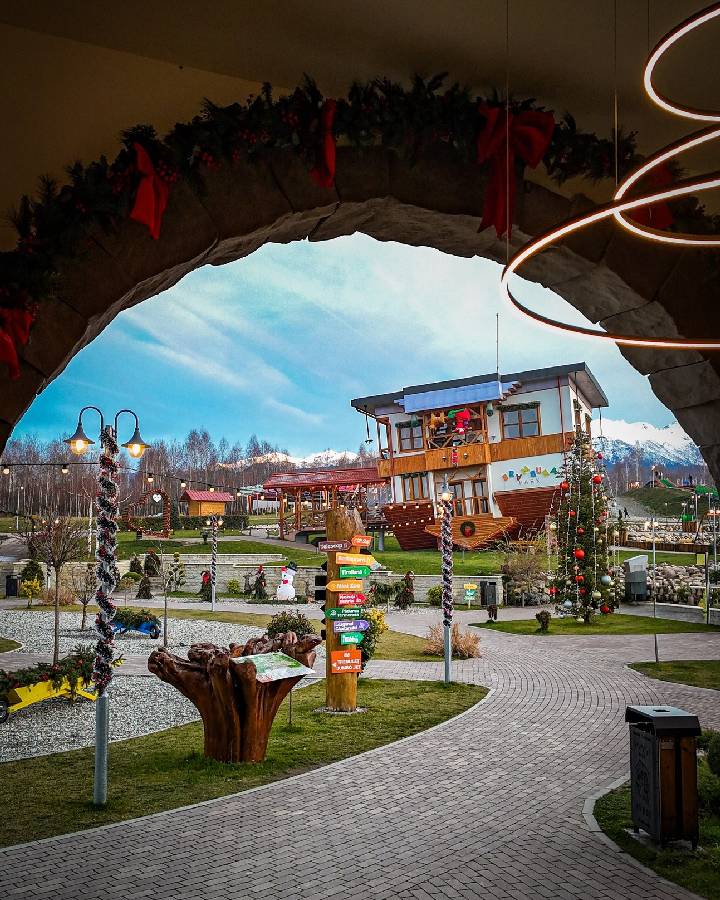
(11 January 2026)
The town and fortress of Rasnov (German: Rosenau) are located in Brasov County in Transylvania.
In addition to the fortress, Dino Parc, located directly behind the castle (as seen in the picture, access possible from the rear), is open year-round.
Learn more about the region:
https://kronstadt-erleben.de | https://discover-brasov.com
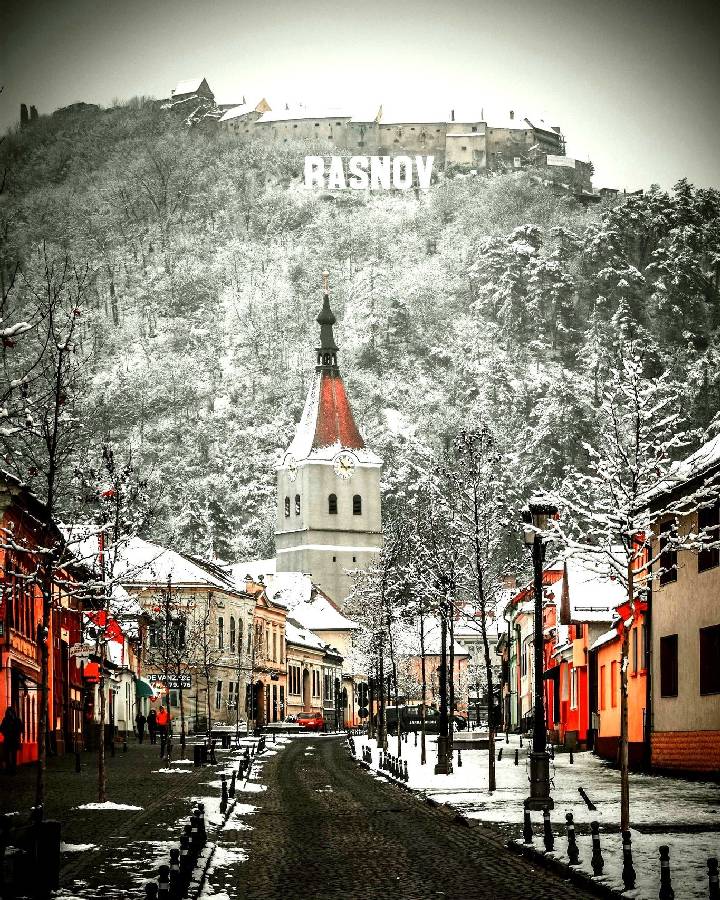
(11 January 2026)
Bucharest is the largest city and the industrial and commercial center of the country. With its approximately 1.8 to 2.x million inhabitants, Bucharest is one of the largest cities in the European Union.
https://urlaub-in-rumänien.de | https://willkommen-in-rumänien.de
We thank Vlad the Impaler – Dracula (Photo: Panorama Group) for the permission to use this image.
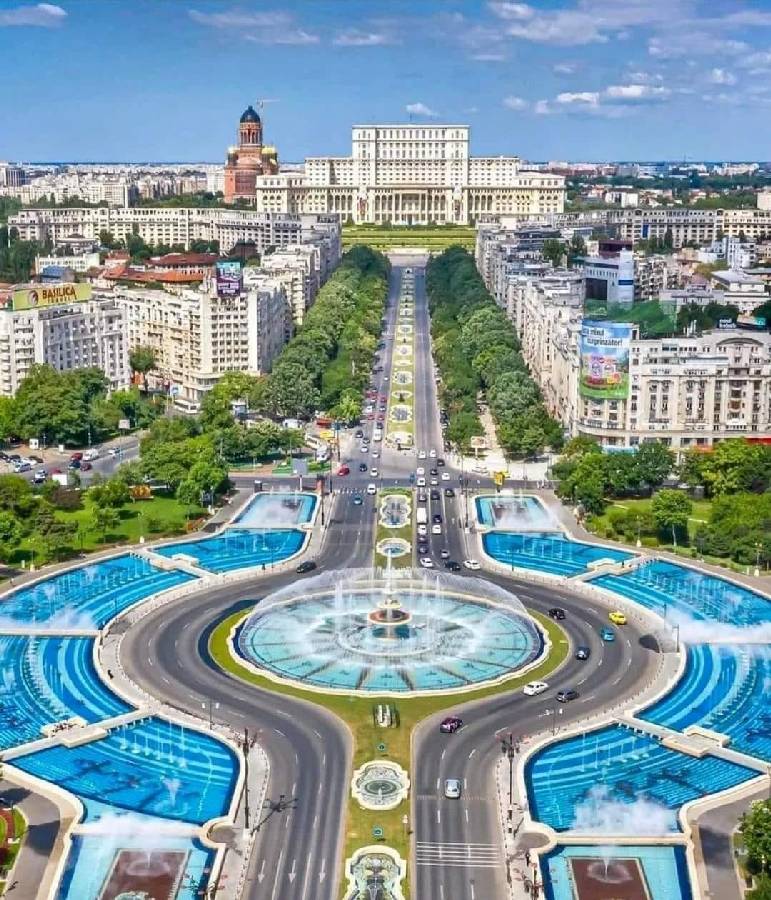
(10 January 2026)
Just outside the city of Cluj-Napoca (German: Klausenburg), in northwestern Romania, lies the Hoia Baciu forest, one of the most visited forests in the world, also known as the Romanian Bermuda Triangle.
And why? Over the decades, there have been hundreds of reports of paranormal activity here, ranging from mobile network interference, sightings of light orbs and ghosts, to people and animals disappearing and returning years later.
The Hoia Baciu forest takes its name from a shepherd of the region who disappeared in the forest with his flock of sheep. Another story tells of a five-year-old girl who went into the forest and returned five years later wearing the same clothes and looking not a day older. Many stories center around a clearing where nothing grows, even though scientists have examined the soil and found that everything is in order.
Whether you are looking for the supernatural or just an interesting hike, this forest is a fascinating and unique place and definitely worth a visit.
We thank Mr. Sebastian Mallach for his daring walk in the forest and for sending this impressive picture
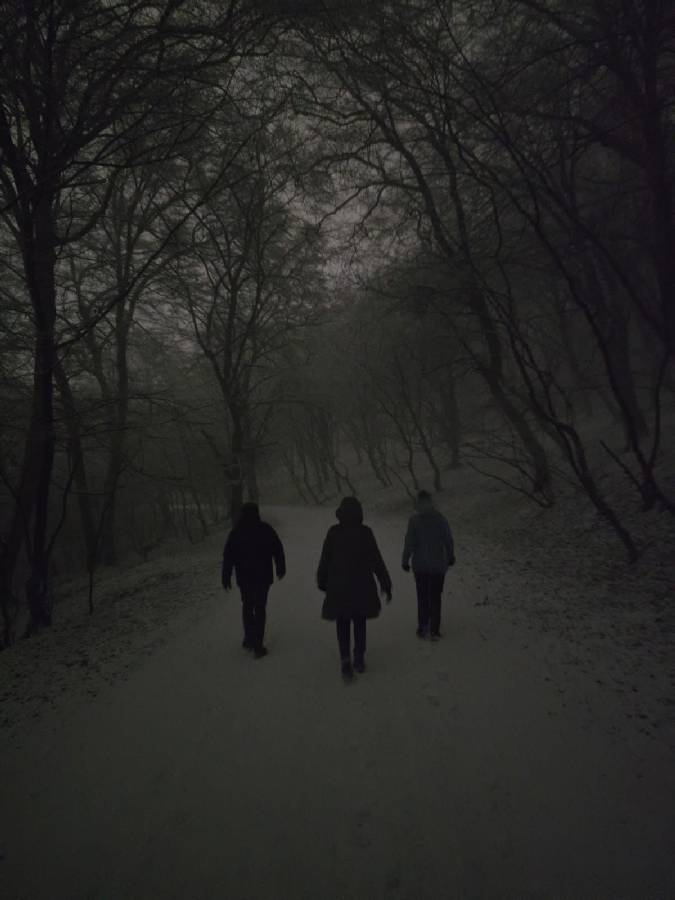
(10 January 2026)
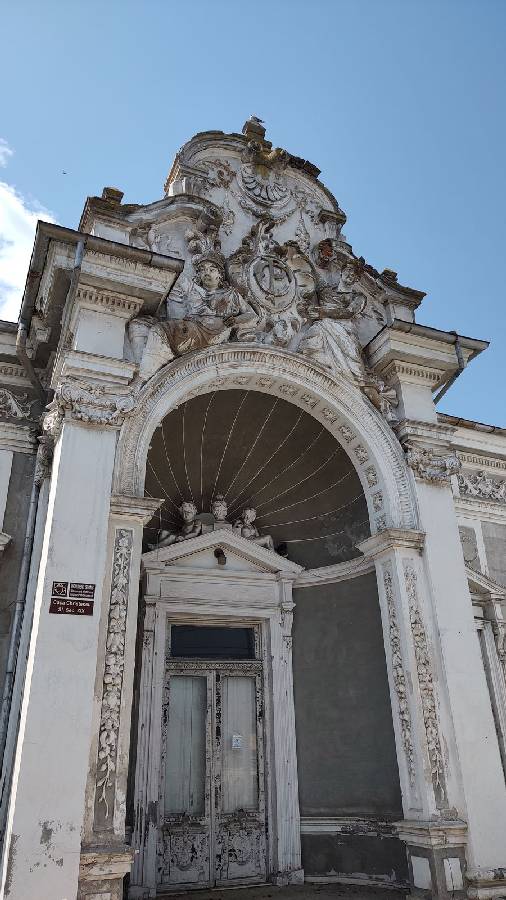
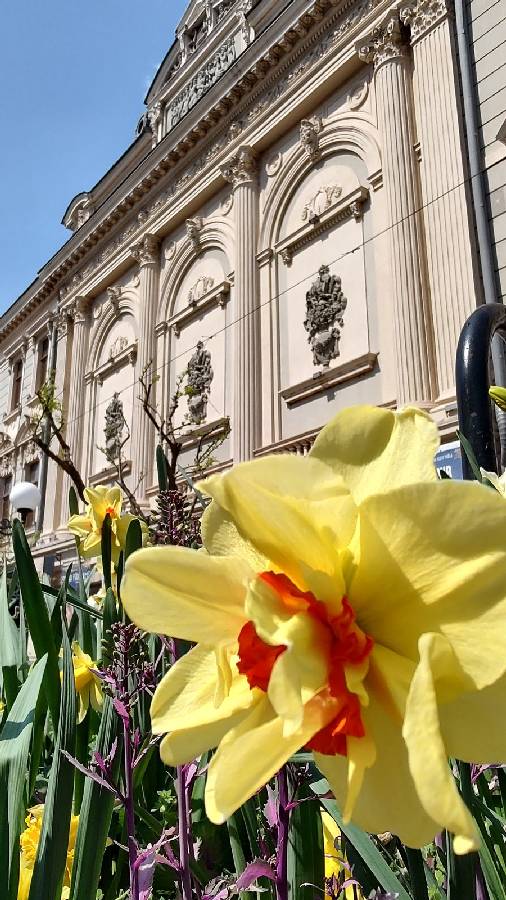
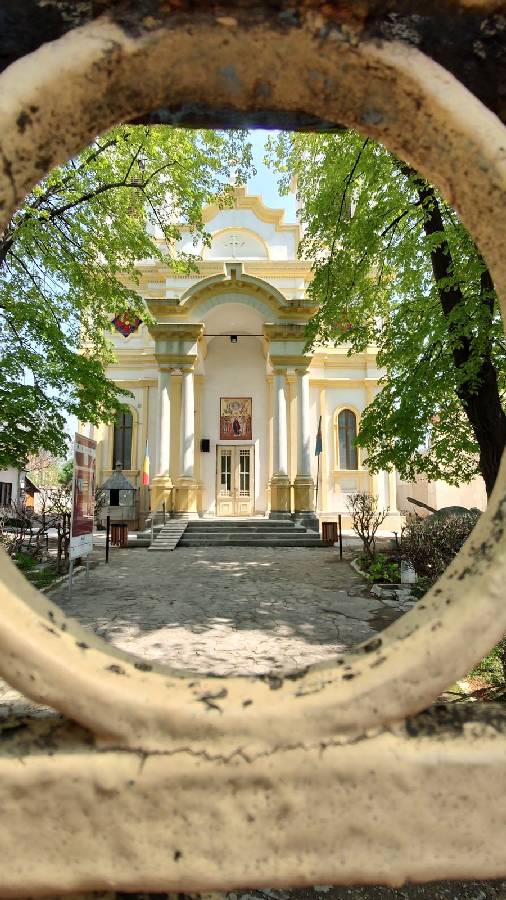
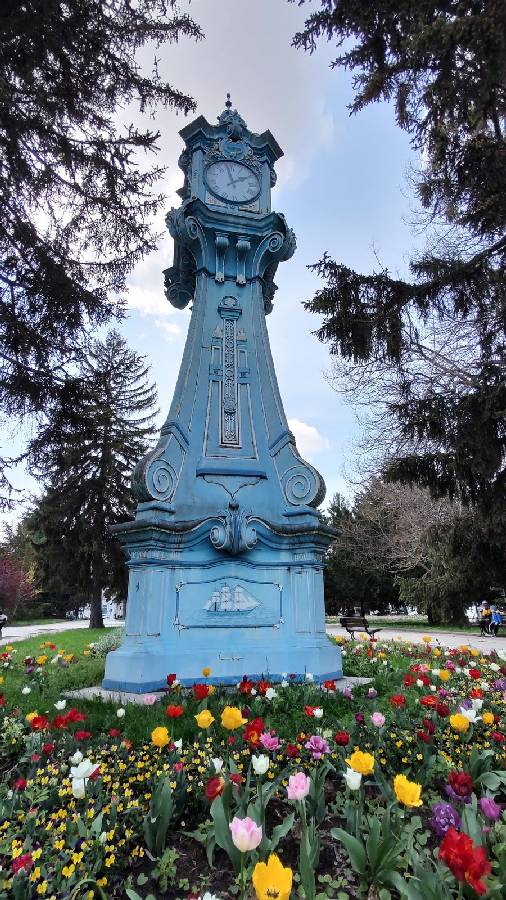
The city of Brăila is located in southeastern Romania on the Danube and adjacent to the Danube delta.
The nearest largest city of Galati is about 15 km downstream (east) distance.
https://xn--willkommen-in-rumnien-m2b.de/ | https://xn--urlaub-in-rumnien-2qb.de/
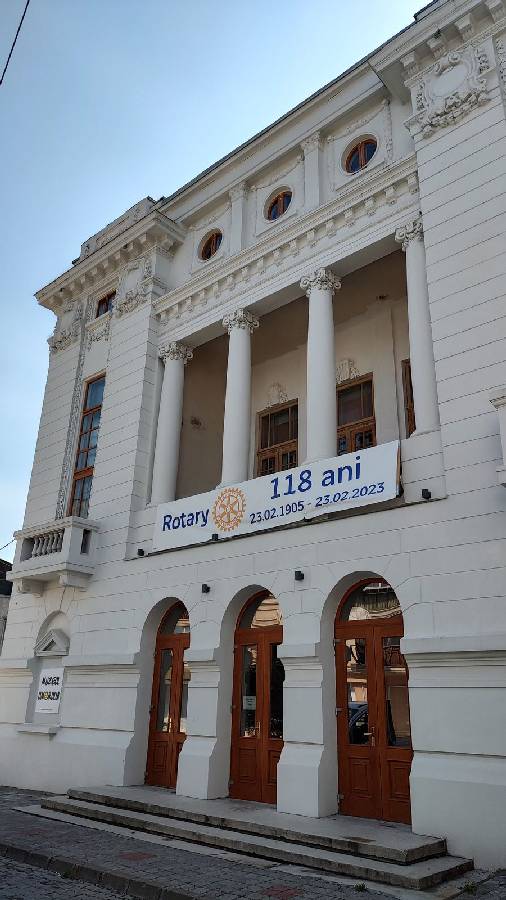
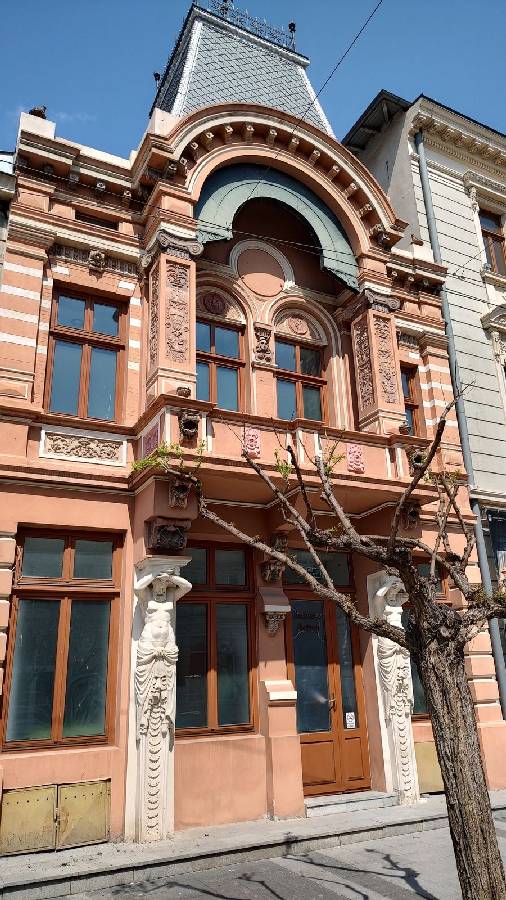
(10 January 2026)
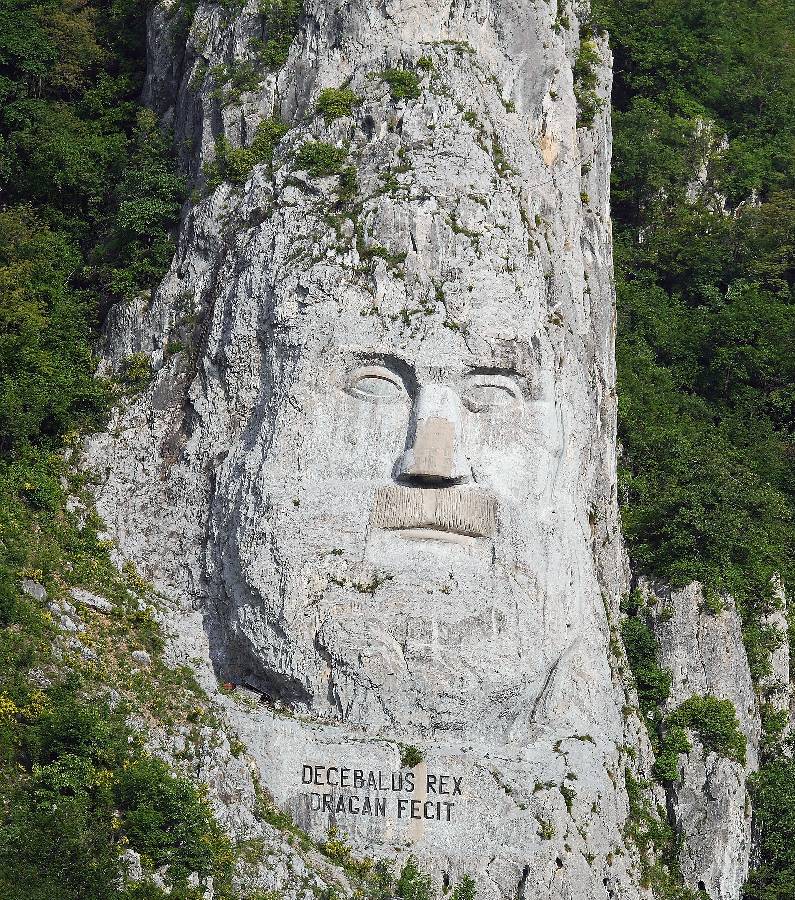
The statue of the Dacian king Decebalus (ca. 86 to 106 AD) is 55 meters high and the largest / highest rock sculpture in Europe.
It is located on a rock formation in the Almaj Mountains on the banks of the Danube, close to the municipality of Dubova (Mehedinti district) in the Iron Gate Nature Park (Parcul Natural Portile de Fier).
It took 10 years, one million US dollars and 12 sculptors to create it … and it was not commissioned by the Dacian king himself, as was perhaps thought, but by a Romanian businessman and historian between 1994 and 2004.
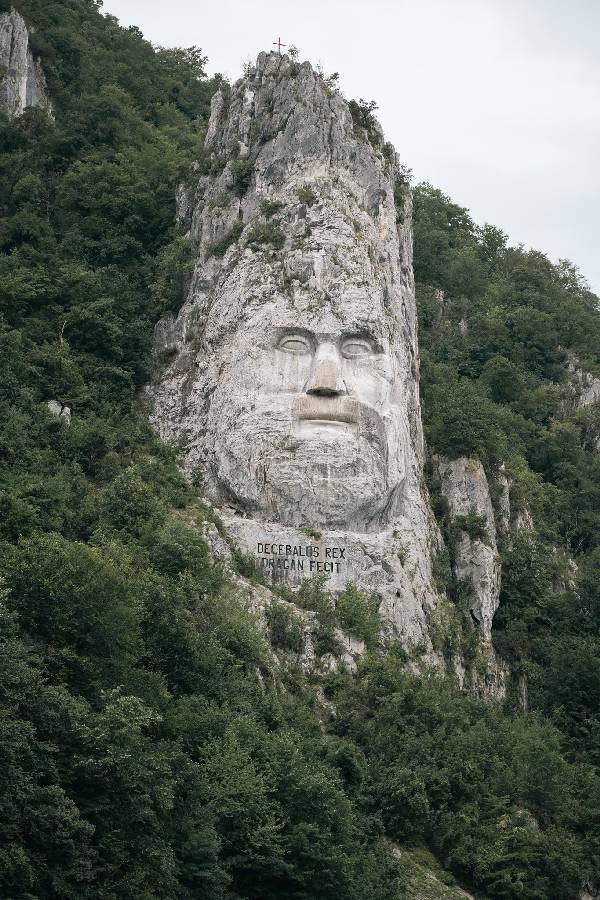
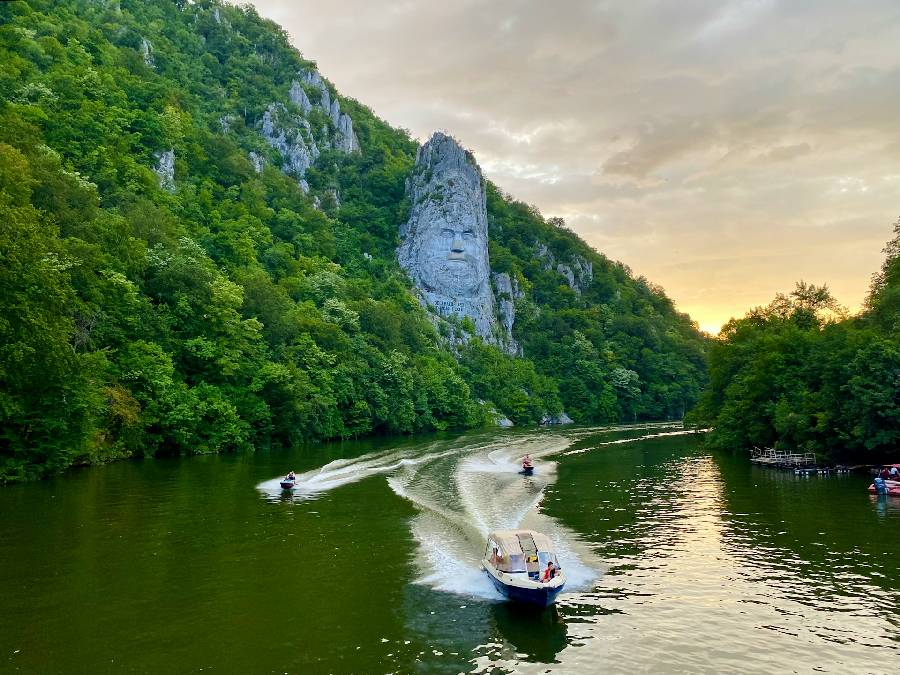
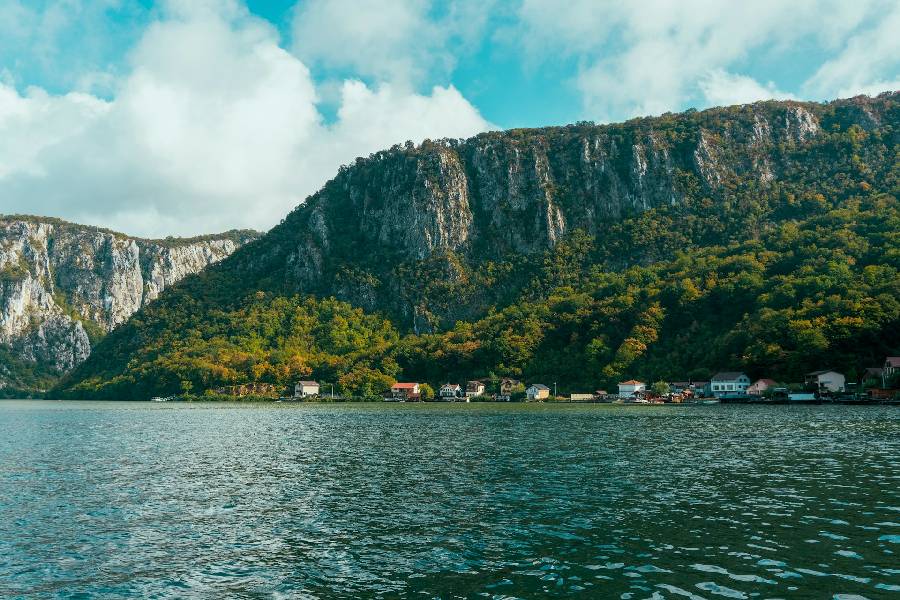
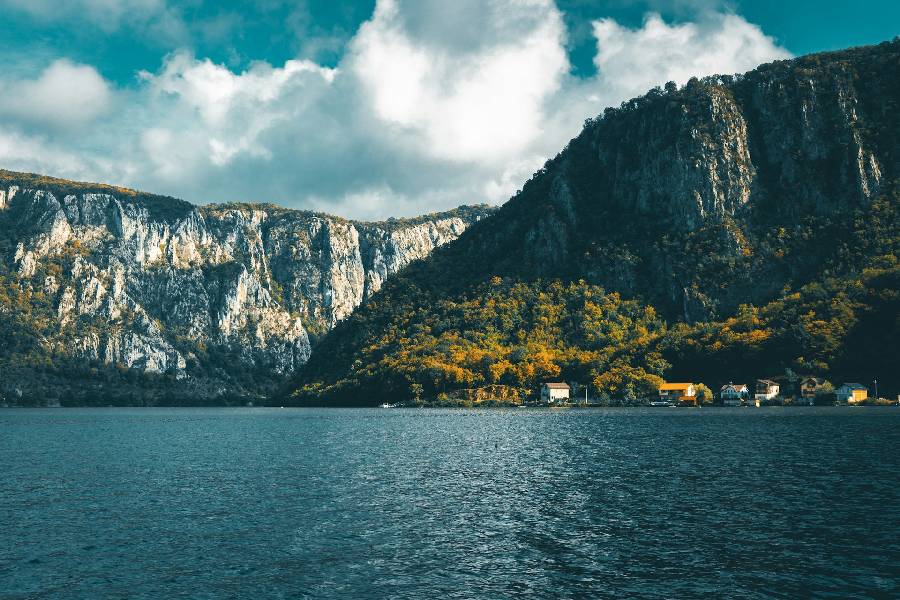
(10 January 2026)
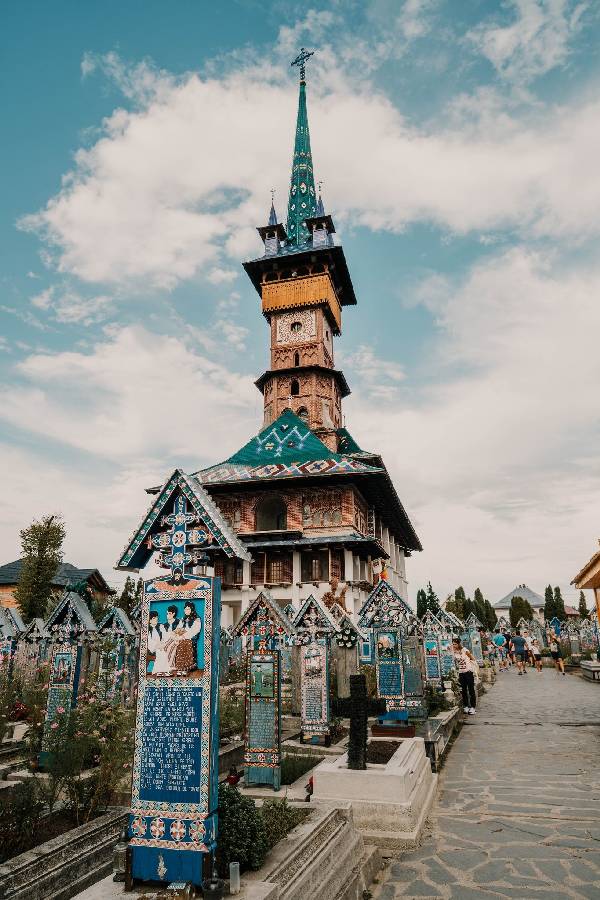
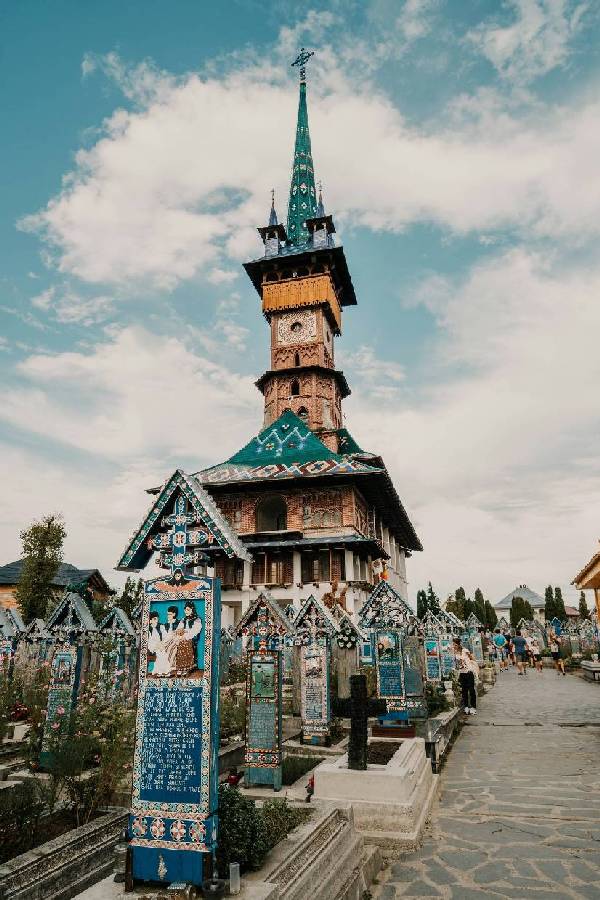
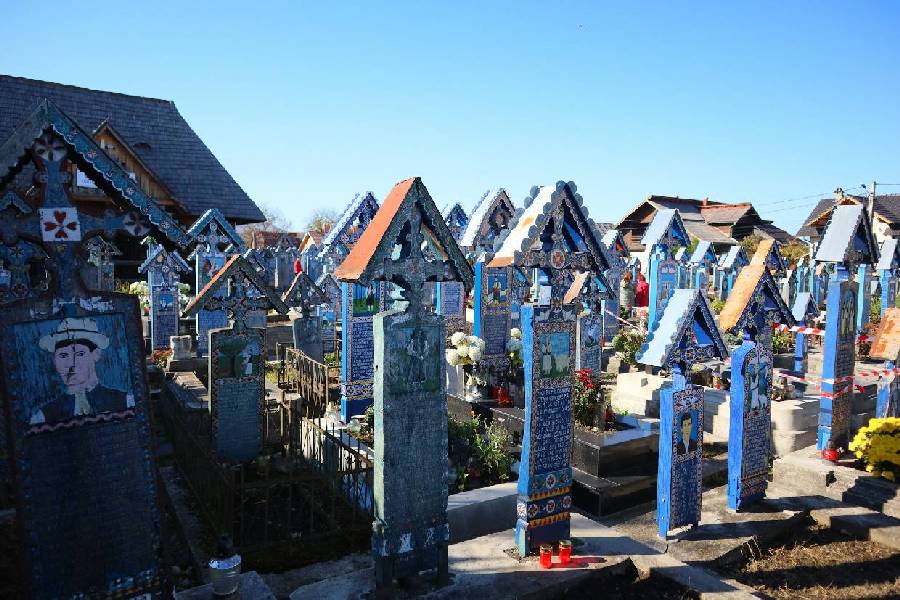
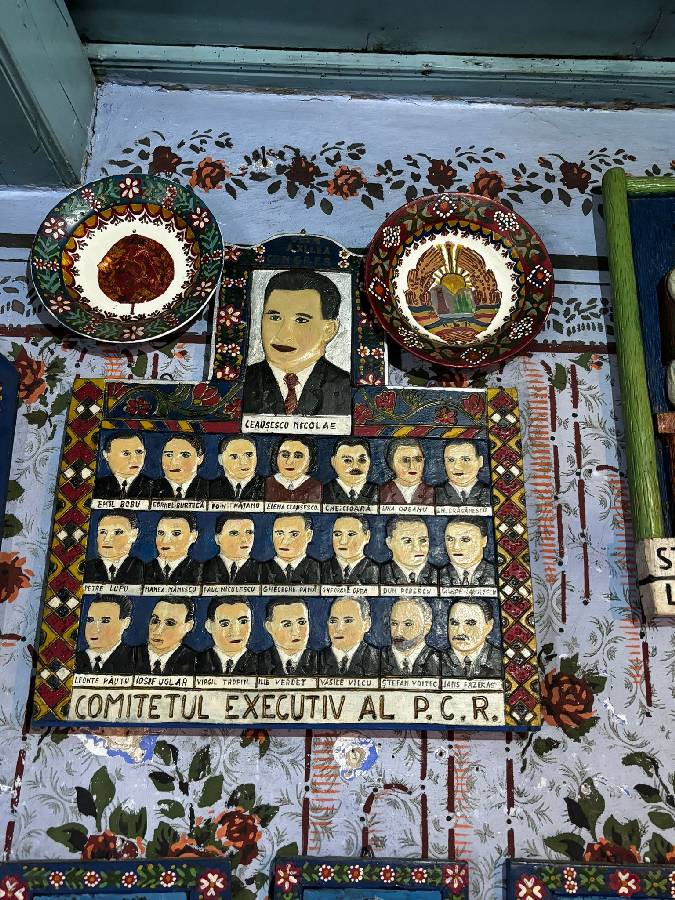
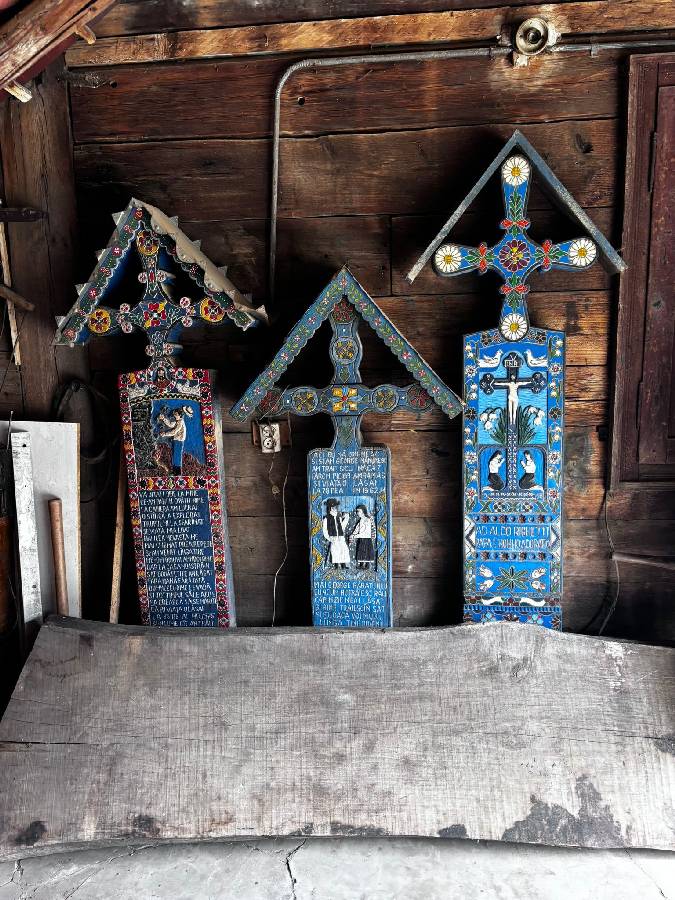
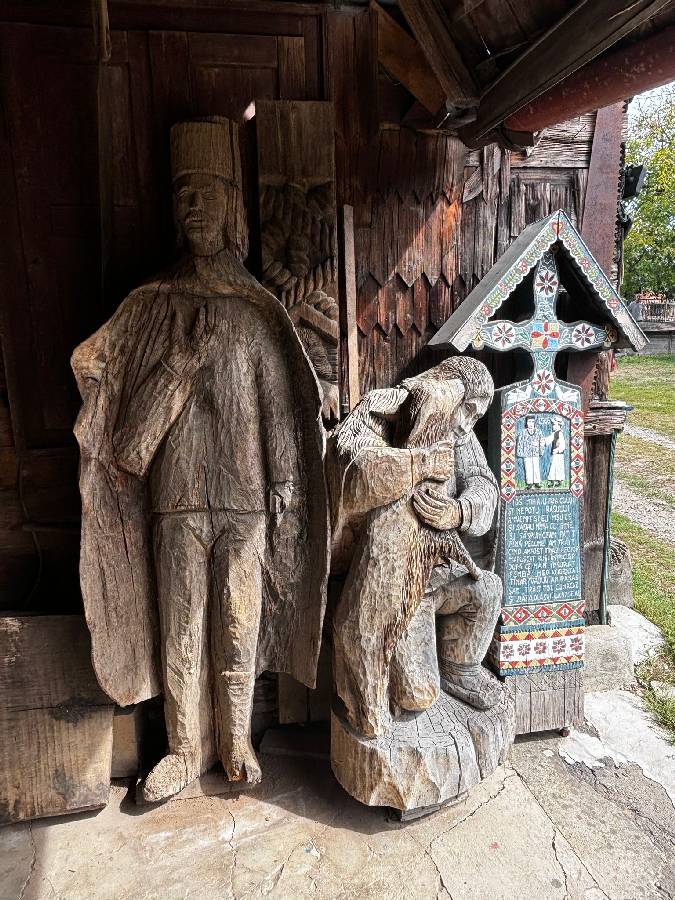
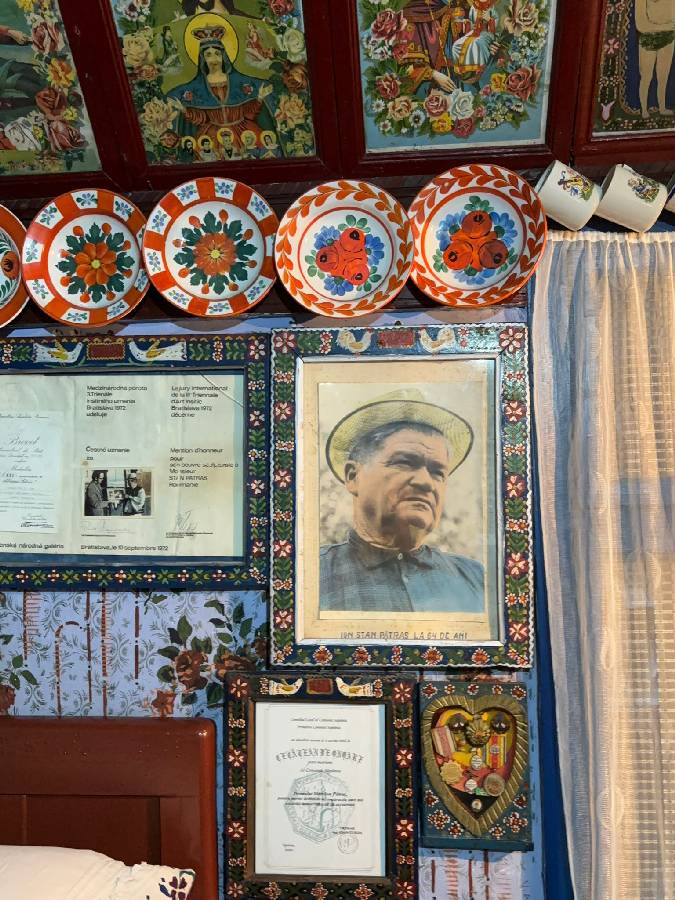
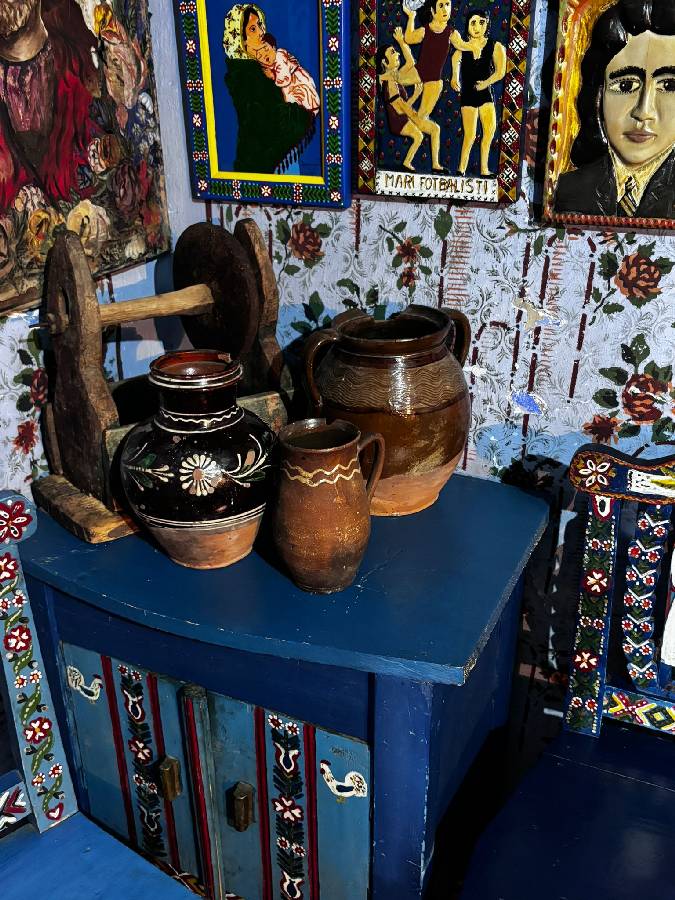
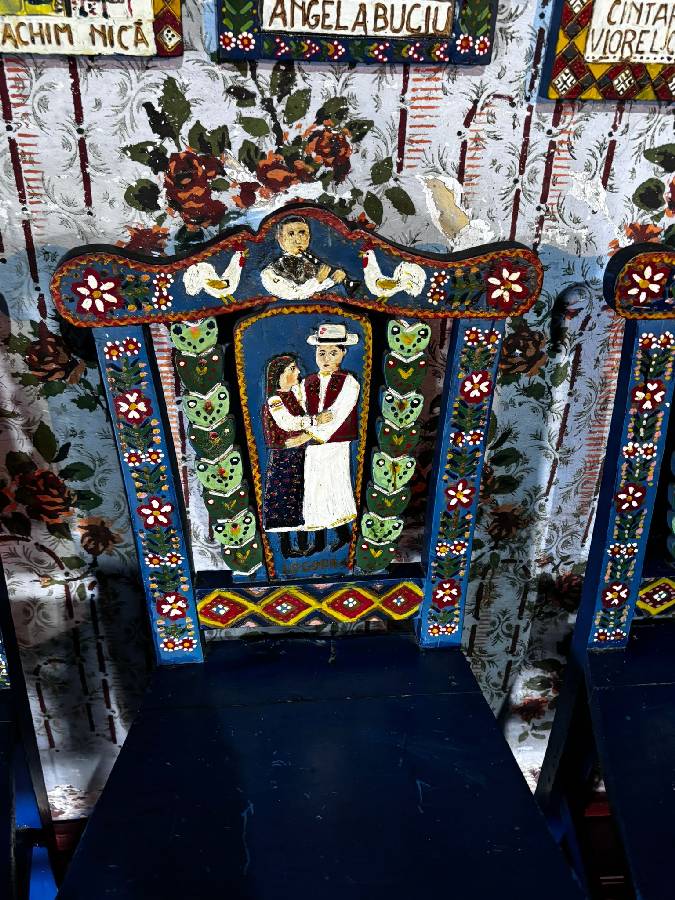
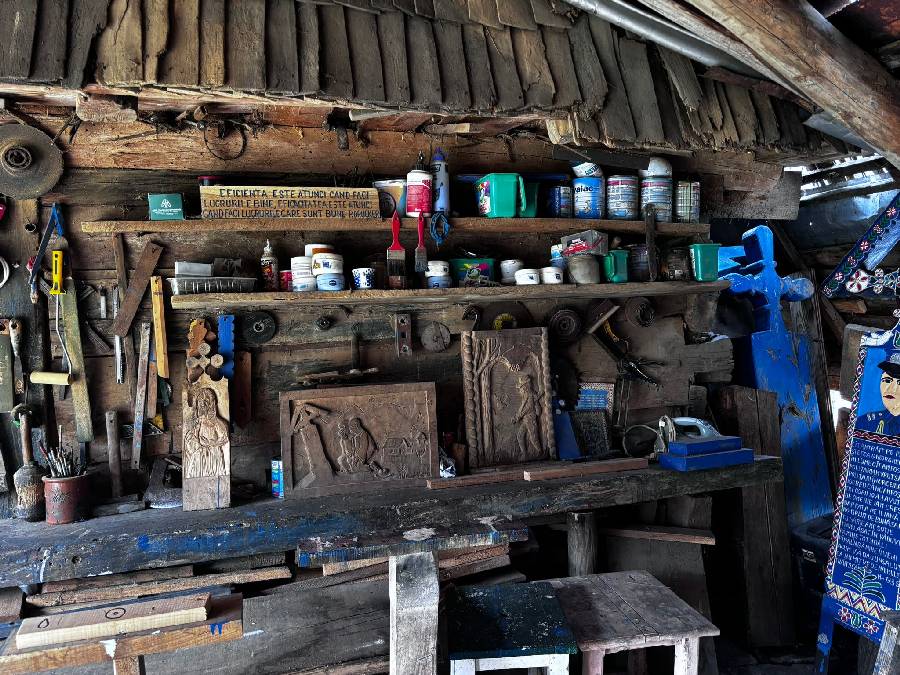
Beautiful pictures of the ‘Happy Cemetery’ and the museum / workshop of Sapanta (Maramures County), which we received today from Mr Alexander Laszlo. Thank you very much for this.
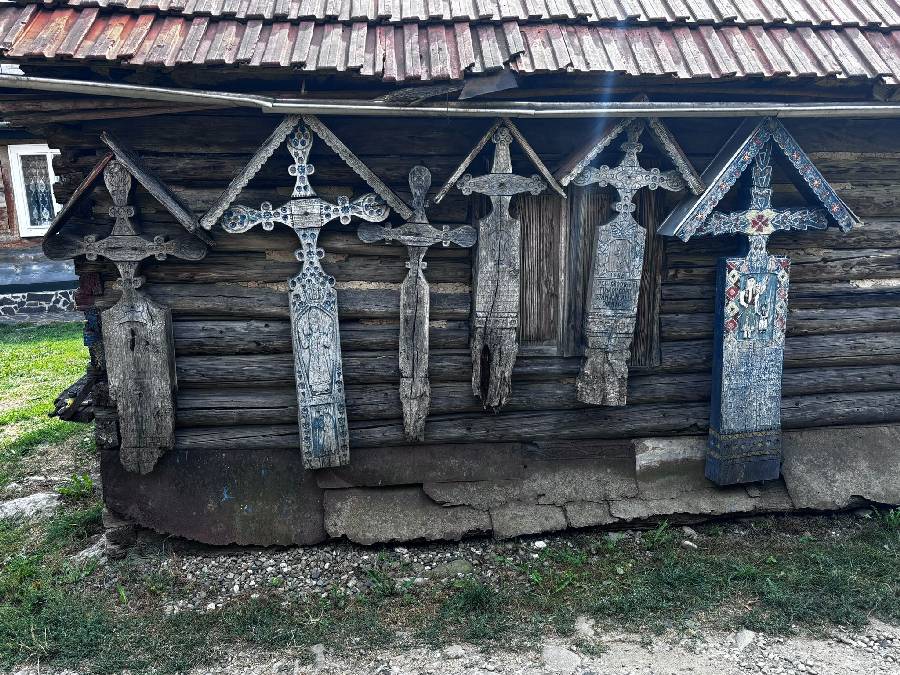
The ‘Happy Cemetery’ is located about 18 kilometres west of Sighetu Marmatiei and is one of the most visited sights in the Maramures region.
The crosses, which were painted by local craftsmen, are vivid and predominantly blue in colour.
The idea for this cemetery was conceived in 1935 by the wood sculptor Stan Ioan Patras. He wanted to create a cemetery, unique in Romania, which would show the life and personality of the deceased in a cheerful representation. Each cross has a carved image in the upper part, depicting a special moment in the life of the deceased. Underneath, humorous, short poems or rhymed texts describe the life of the person buried there.
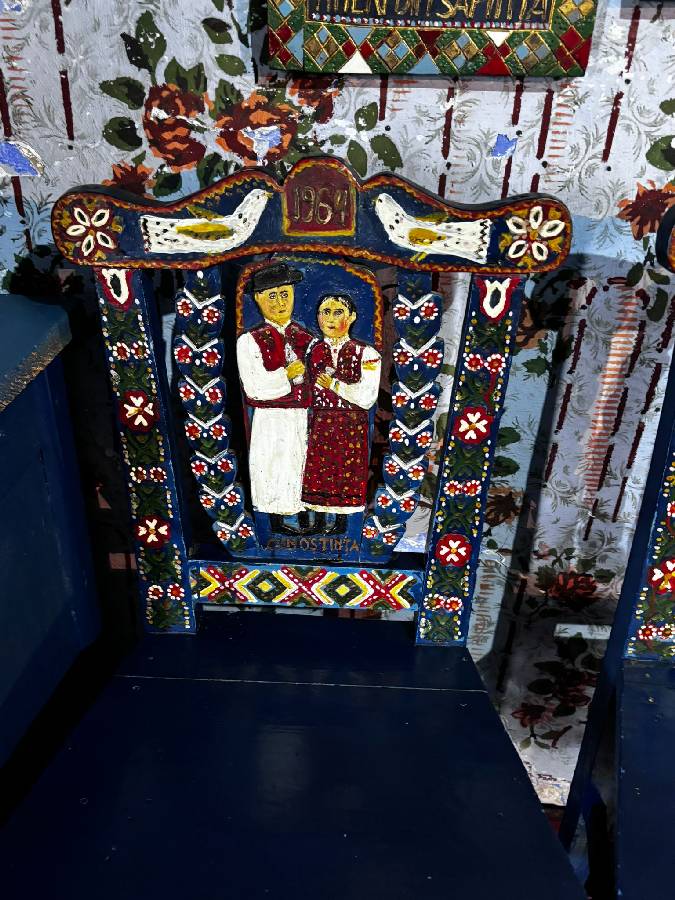
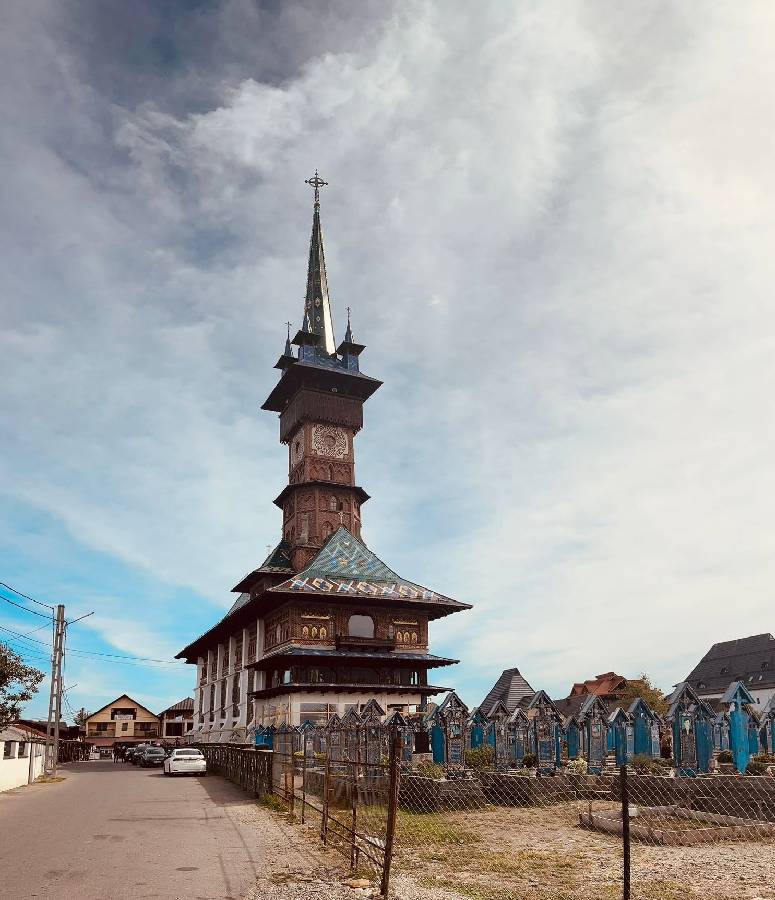
(9 January 2026)
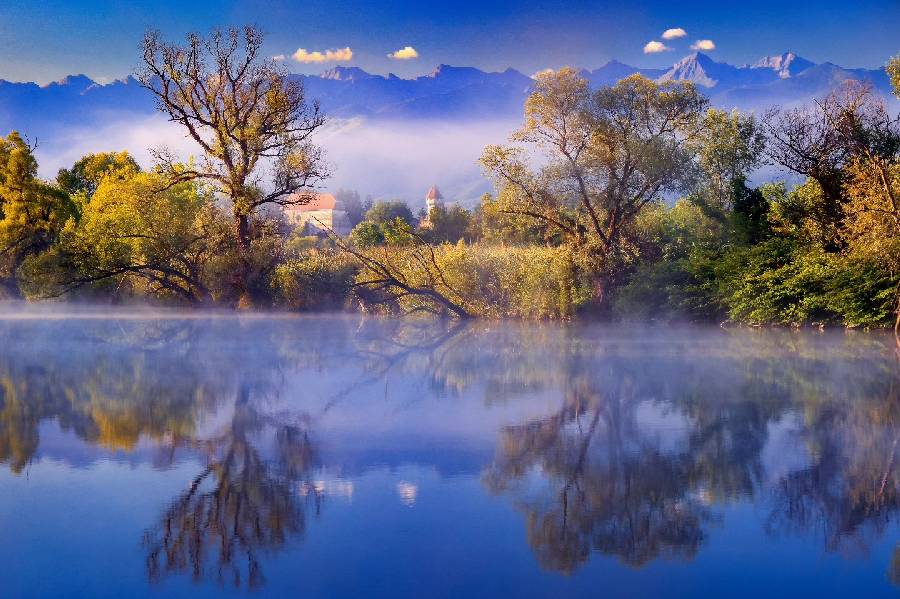
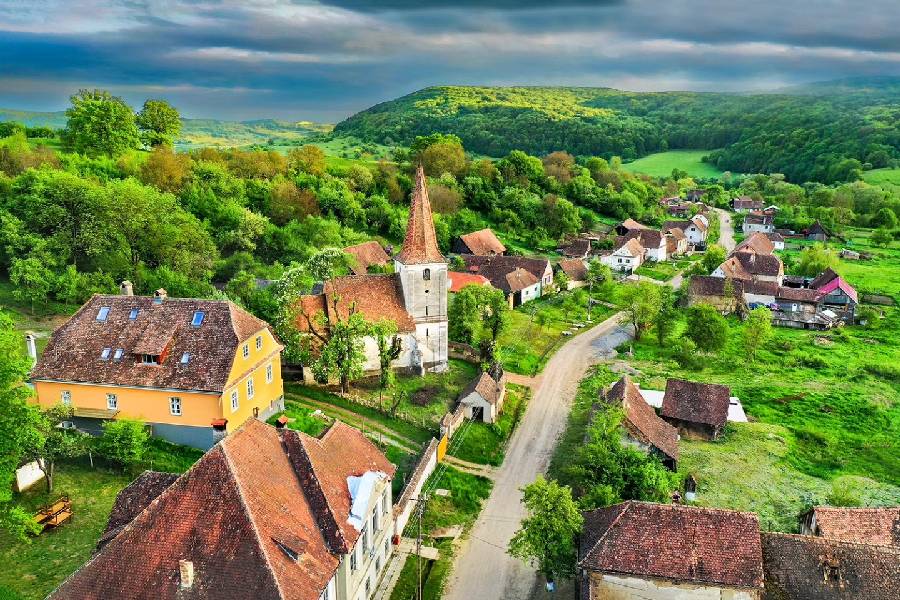
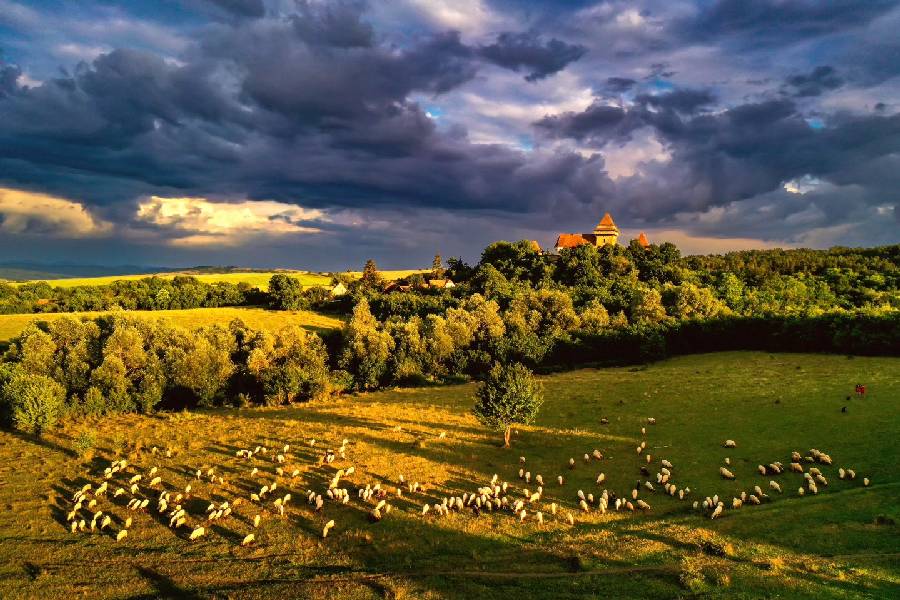
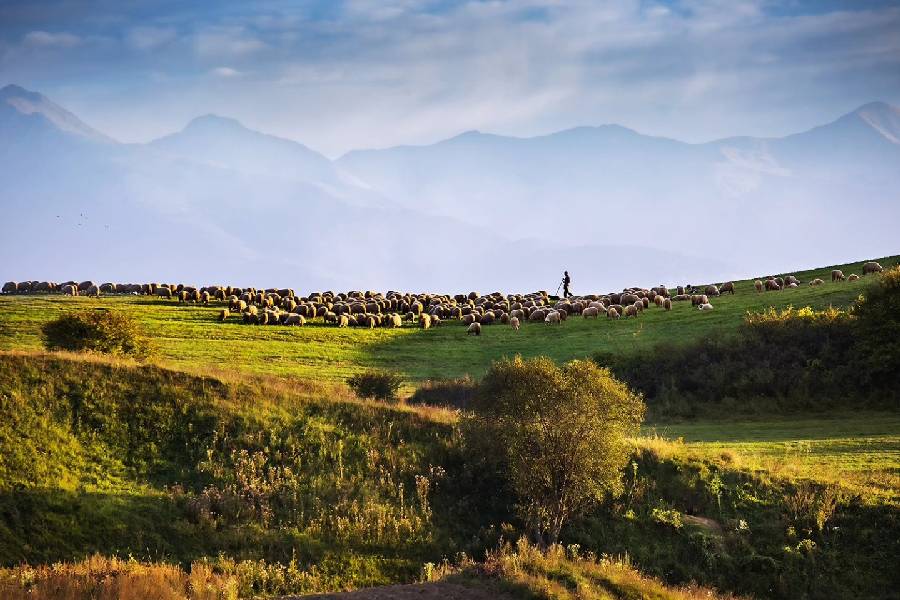
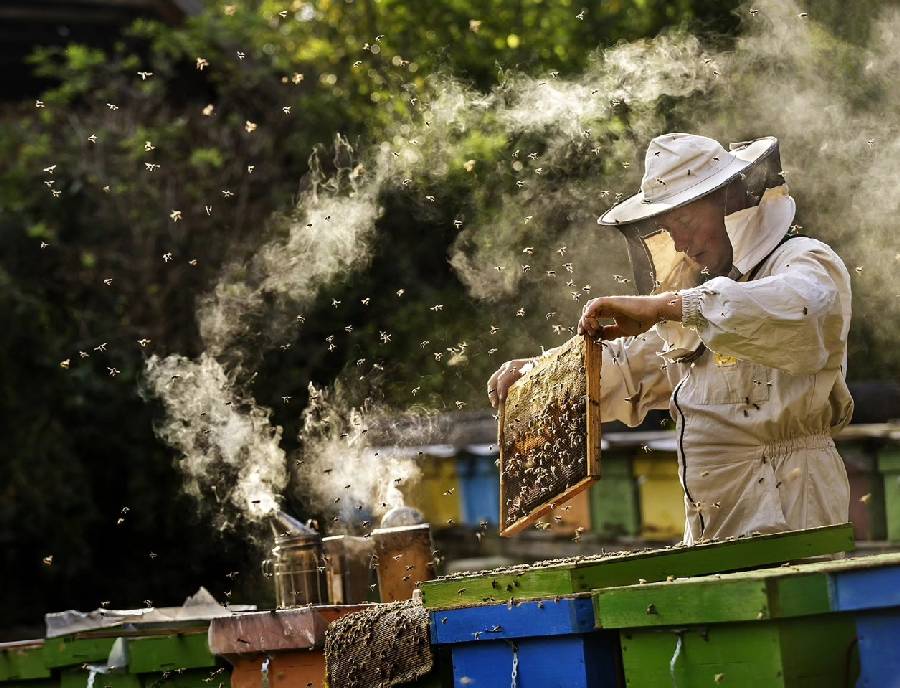
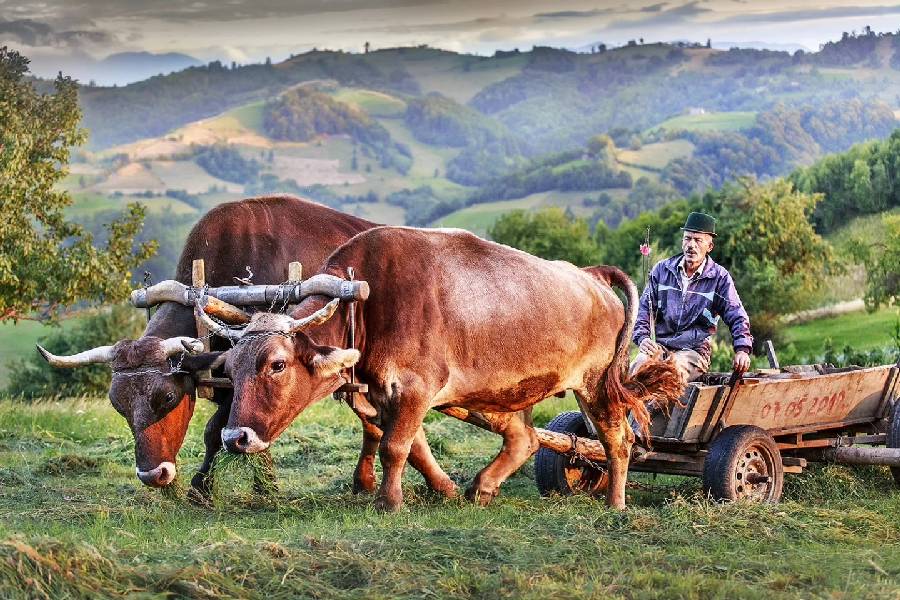
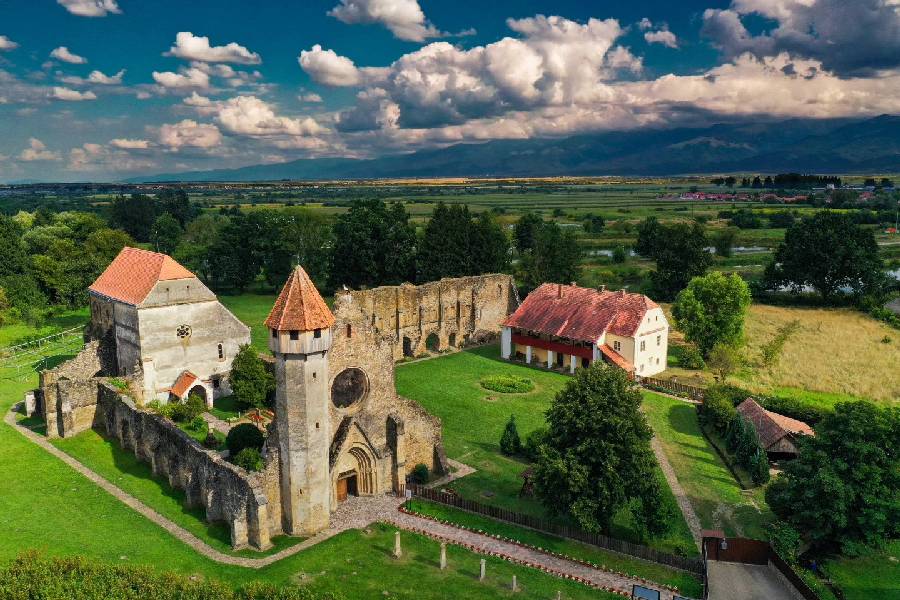
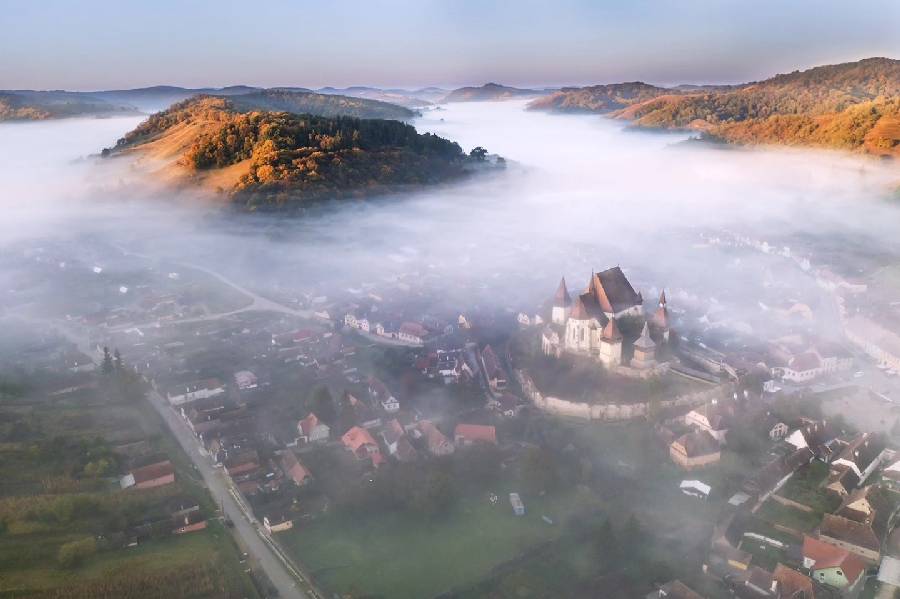
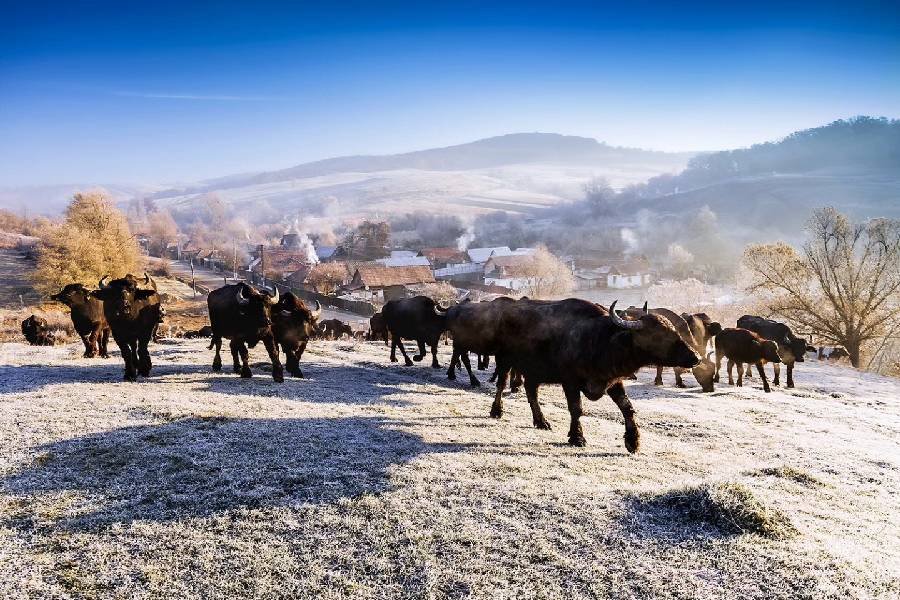
Wonderful pictures by photographer Sorin Onișor, showcasing the beauty of Transylvania in Romania.
https://willkommen-in-rumänien.de | https://welcome-to-romania.com
We thank Sorin Onișor for the permission to use these images. Thank you!
(9 January 2026)
Visit the CMT holiday exhibition in Stuttgart from January 17 to 25, 2026. Visit the Romania specialist, DRS Reisen GmbH from Stuttgart, in Hall 6, Stand 6A18 and benefit from free admission tickets now.
How to get your free admission ticket?
Simply send an email to info@drs-reisen.de with your contact details and you will receive – as long as available – a code for a free admission ticket to the fair.
More info and current Romania offers: https://drs-reisen.de
(9 January 2026)
On the way from Timisoara to Sibiu or from Cluj Napoca to Sibiu (both on the highway), or of course also in the opposite direction, you should not miss a detour to Alba Iulia.
https://urlaub-in-rumänien.de/en/uir/destinations-romania-alba-iulia/
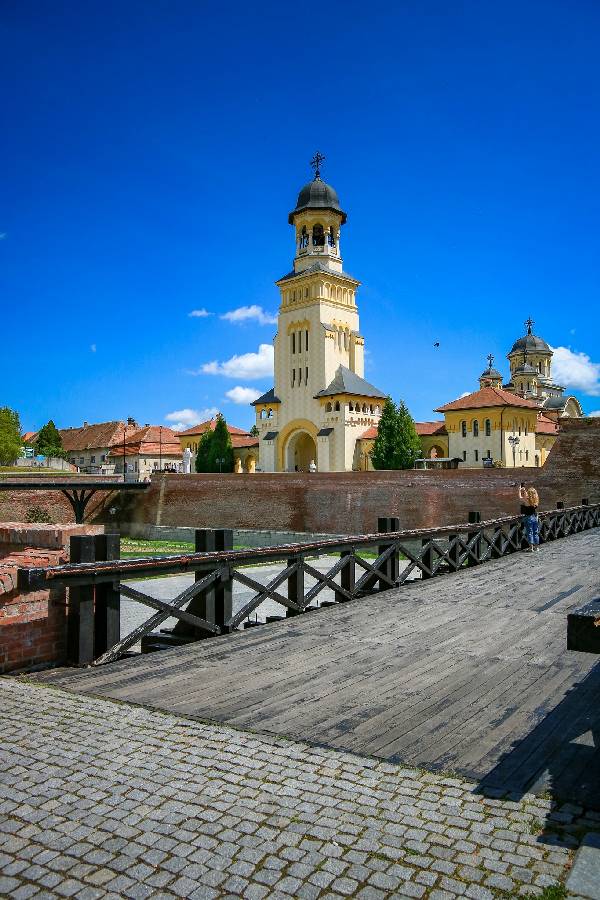
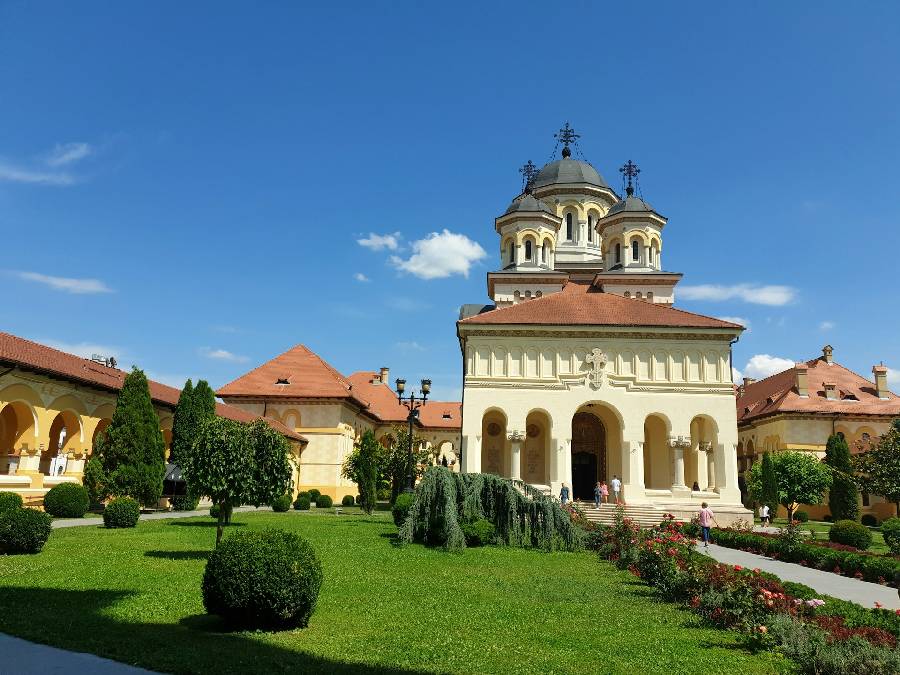
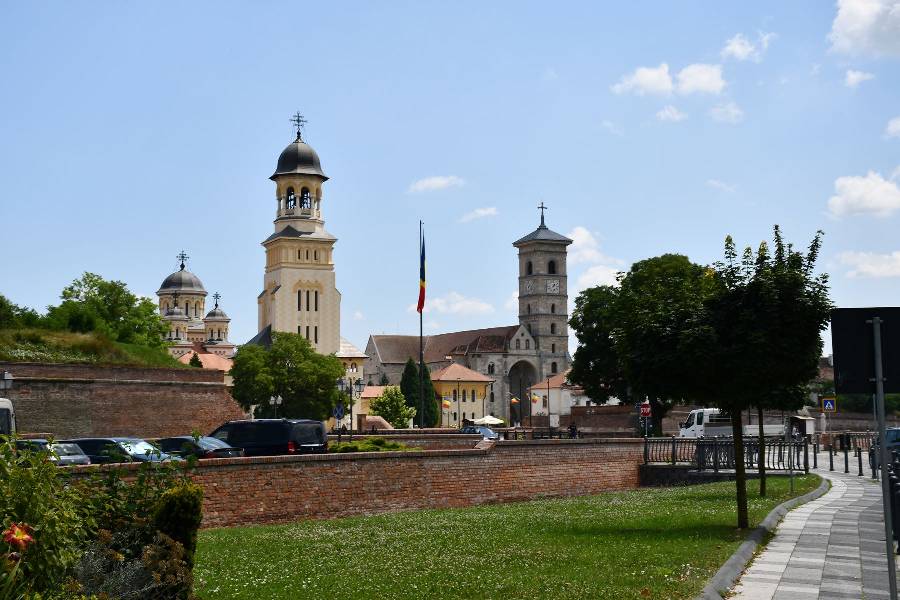
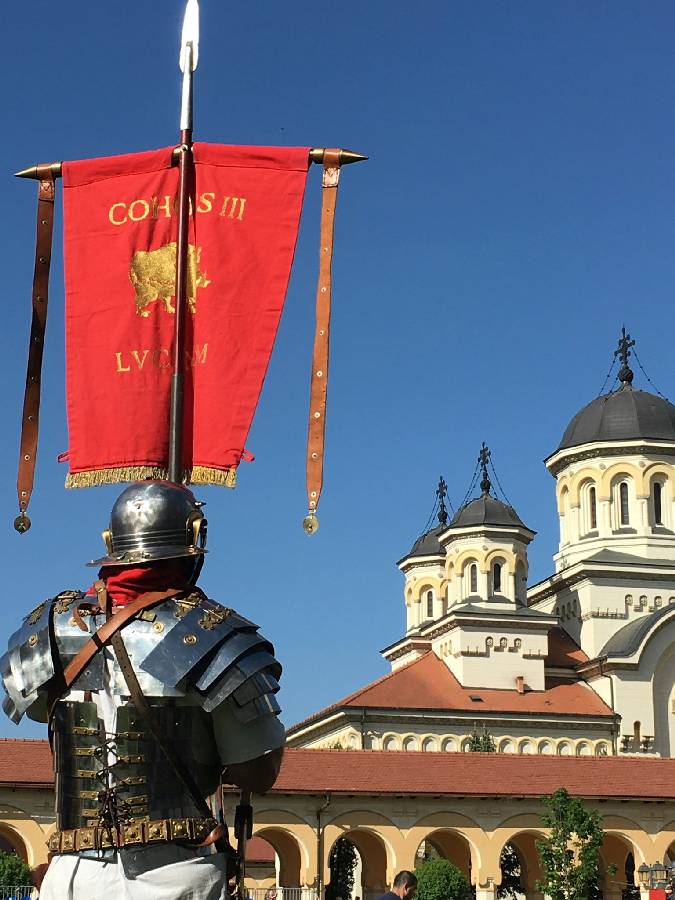
(8 January 2026)
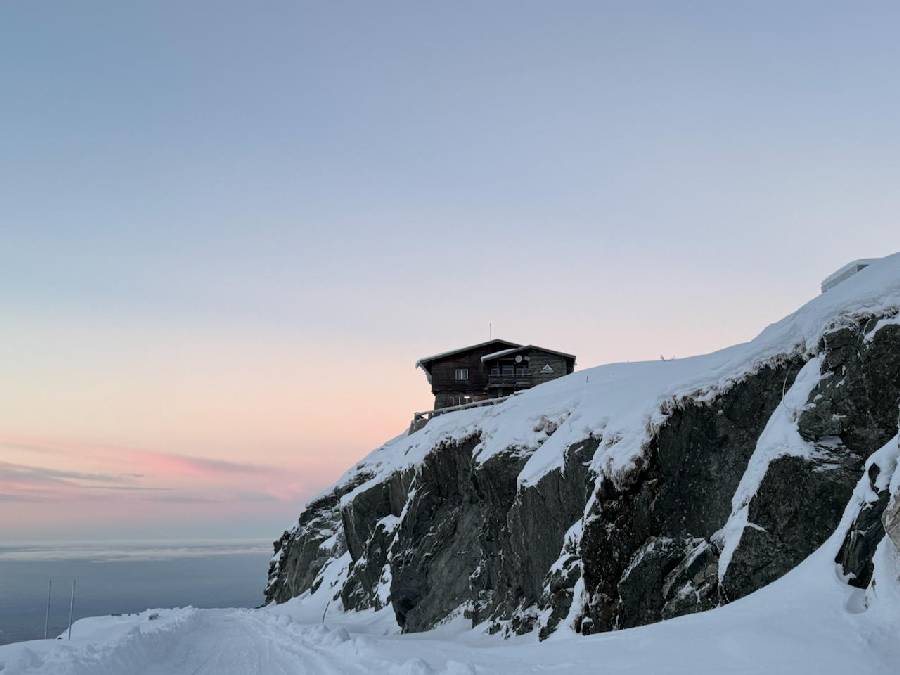
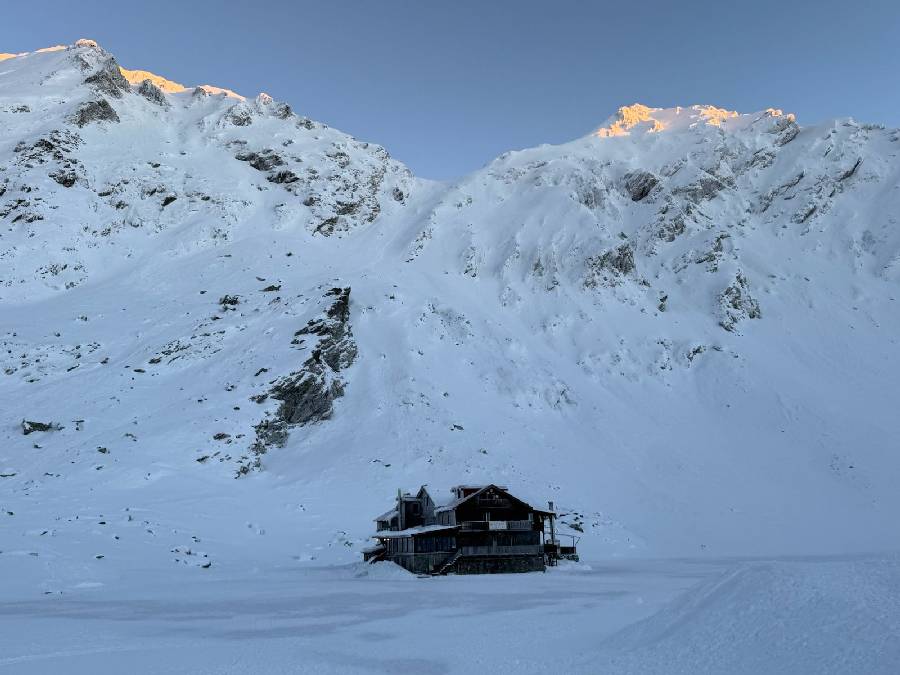
Beautiful winter pictures of the Transfagarasan, Alba Iulia, Balea Lake, and more at the turn of the year 2025 / 2026.
https://urlaub-in-rumänien.de | https://welcome-to-romania.com
We thank Mr. Sebastian Mallach for sending these impressive pictures
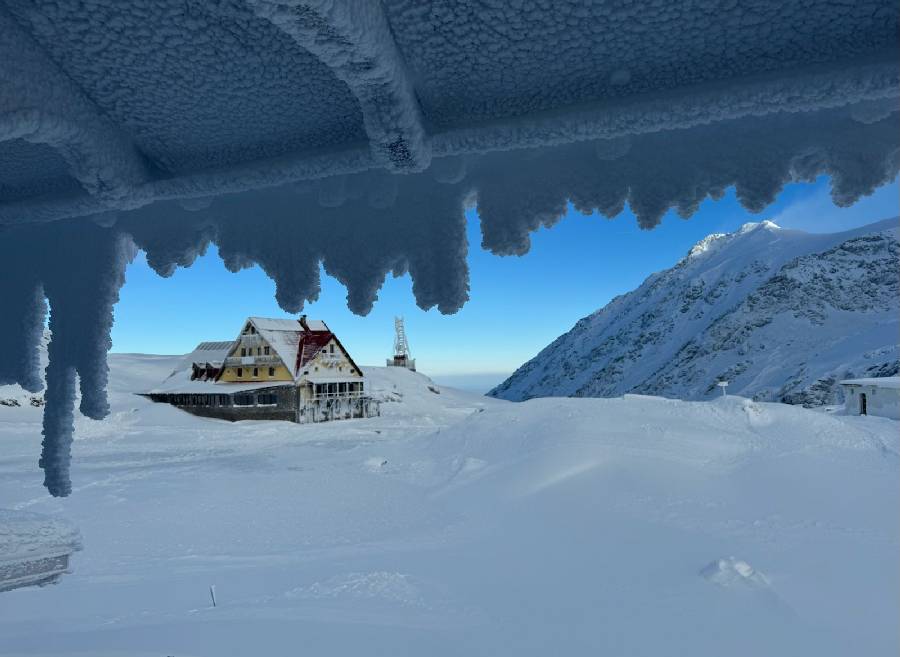
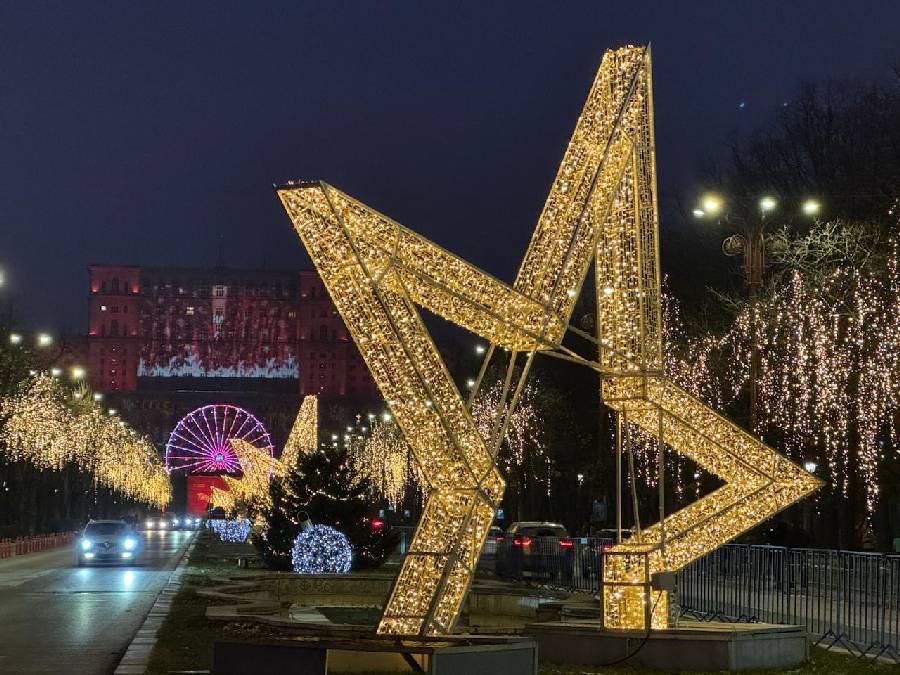
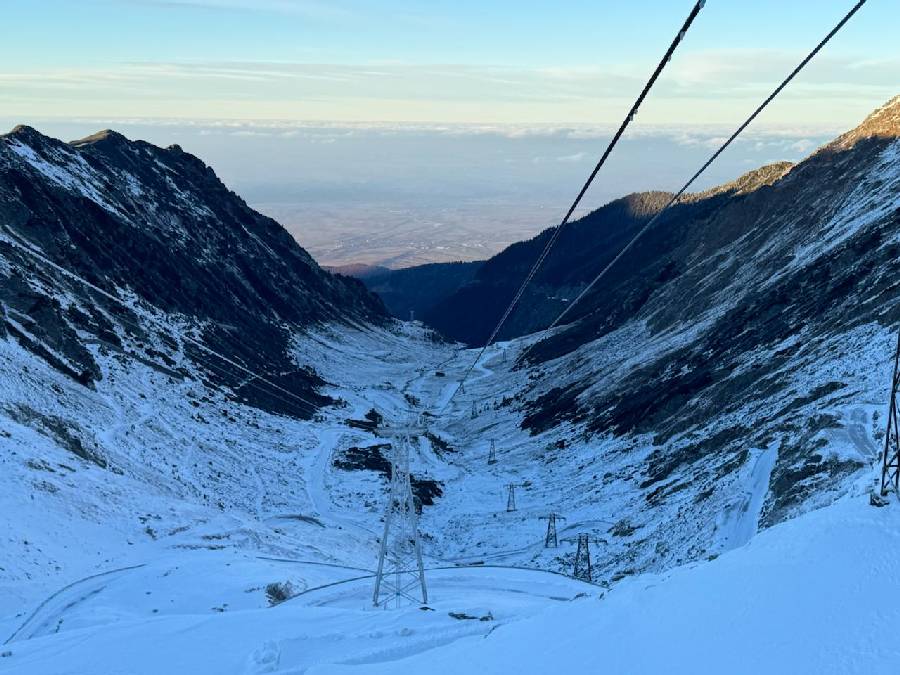
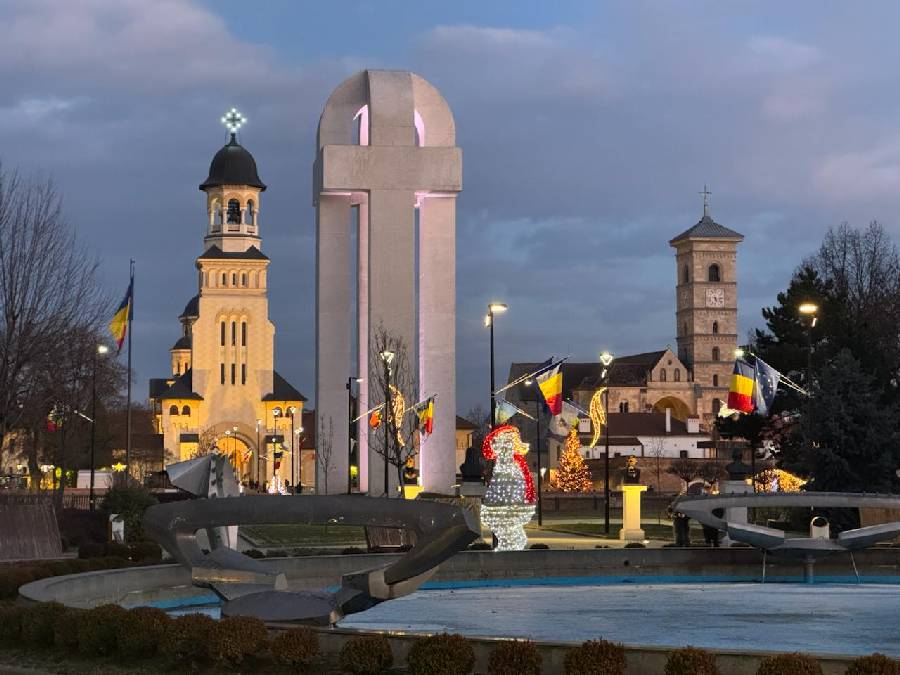
(8 January 2026)
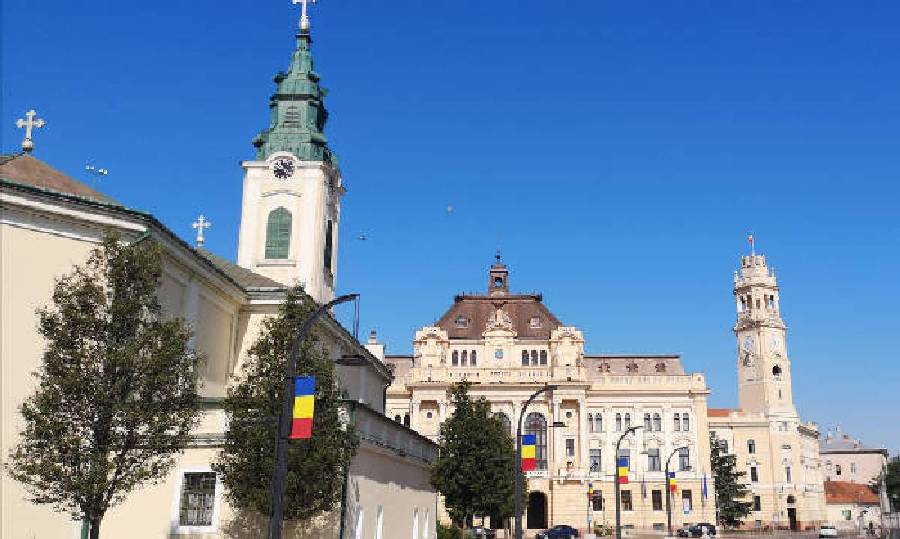
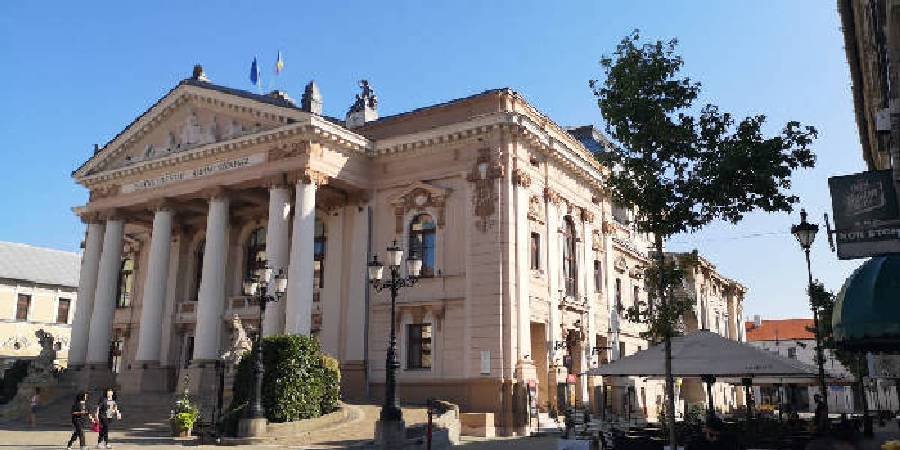
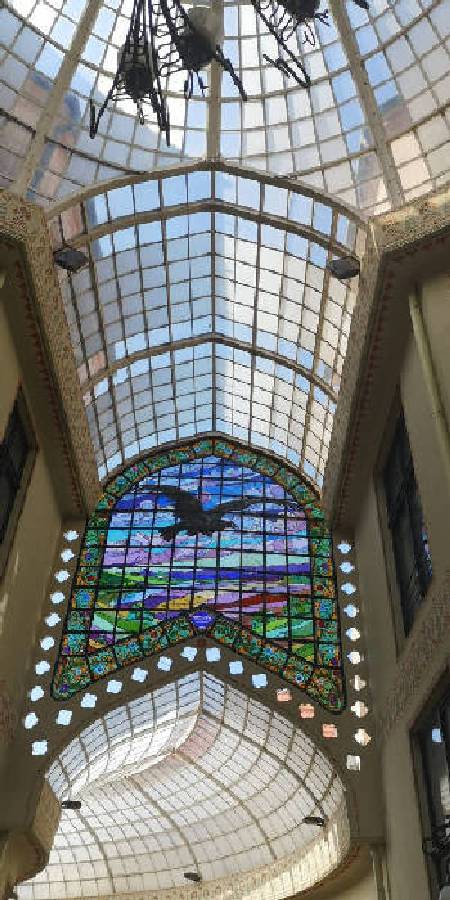
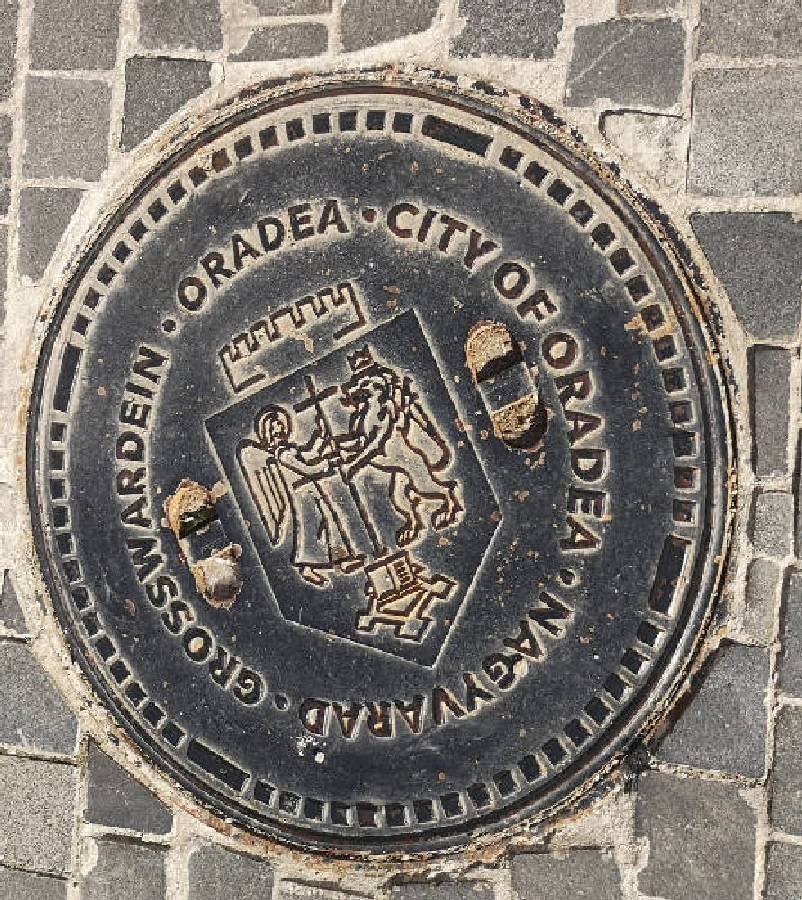
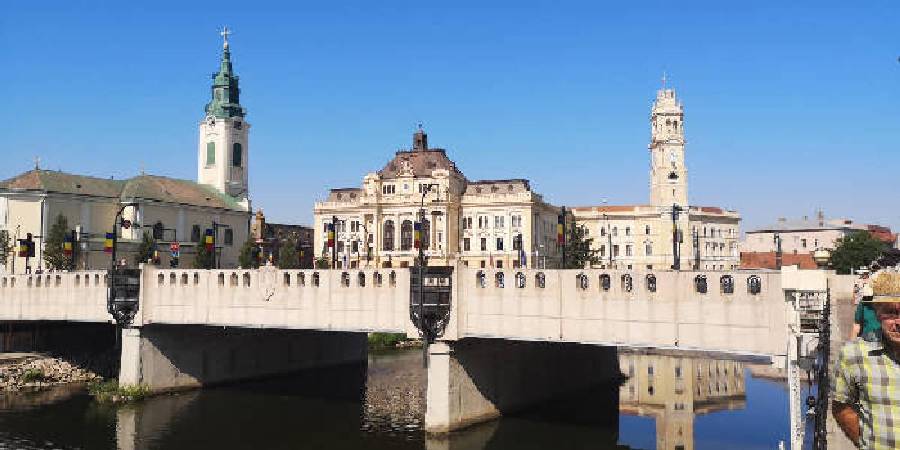
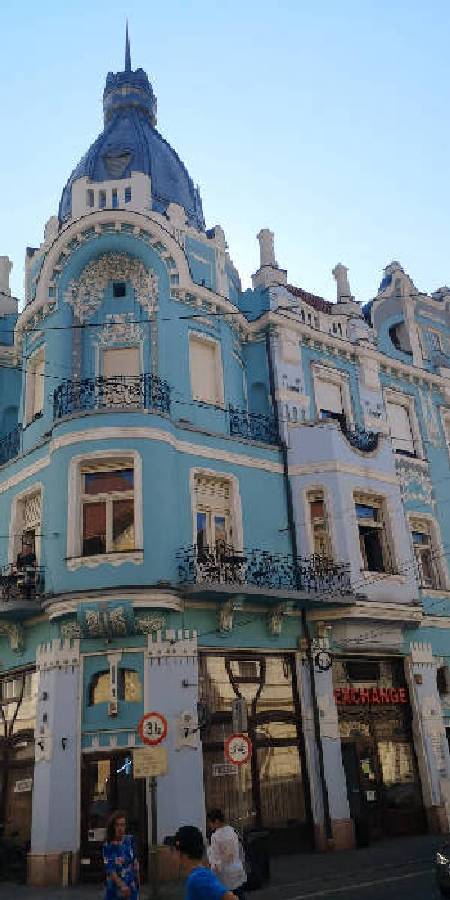
Pictures from the summer of 2023 from Oradea, the capital of Bihor county in north-western Romania.
We would like to thank Mr. Frank Schleßmann for sending us these beautiful pictures.
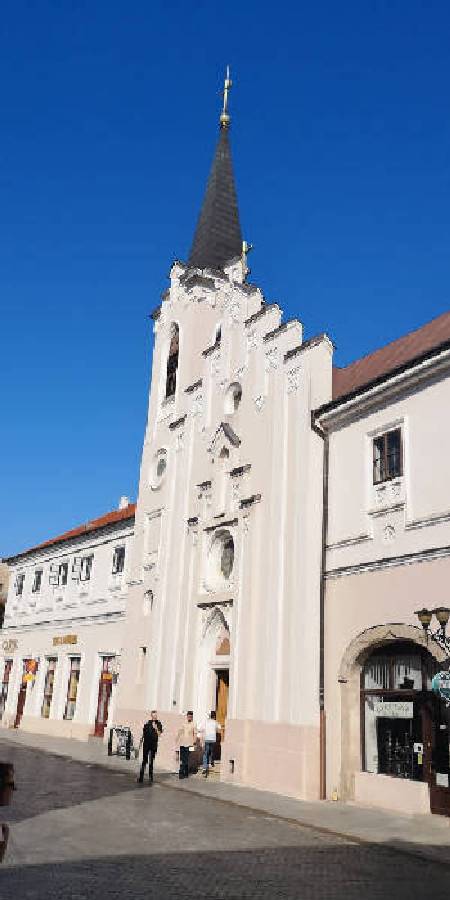
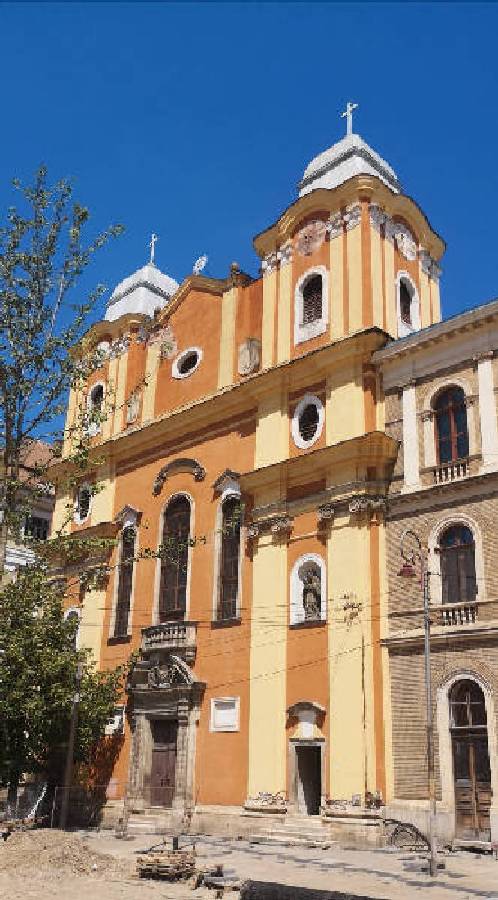
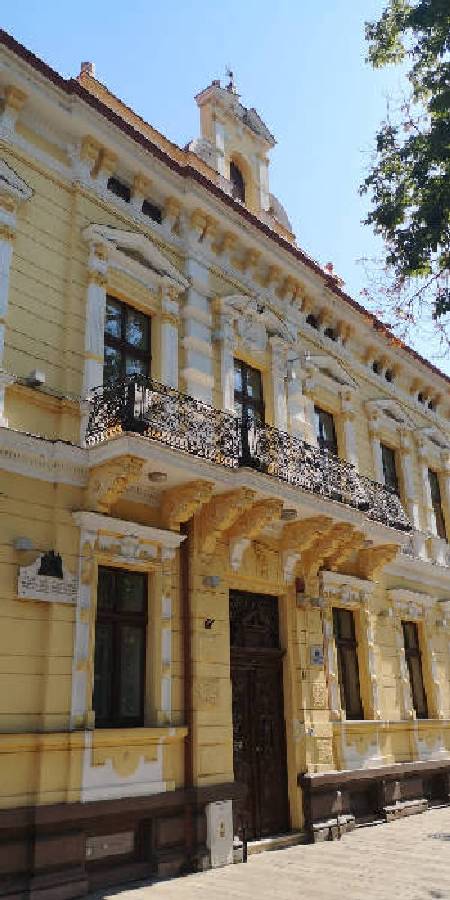
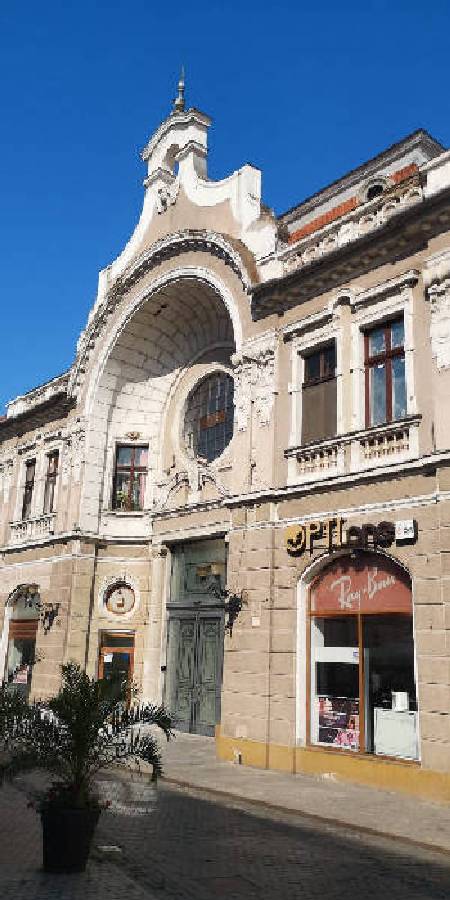
(8 January 2026)
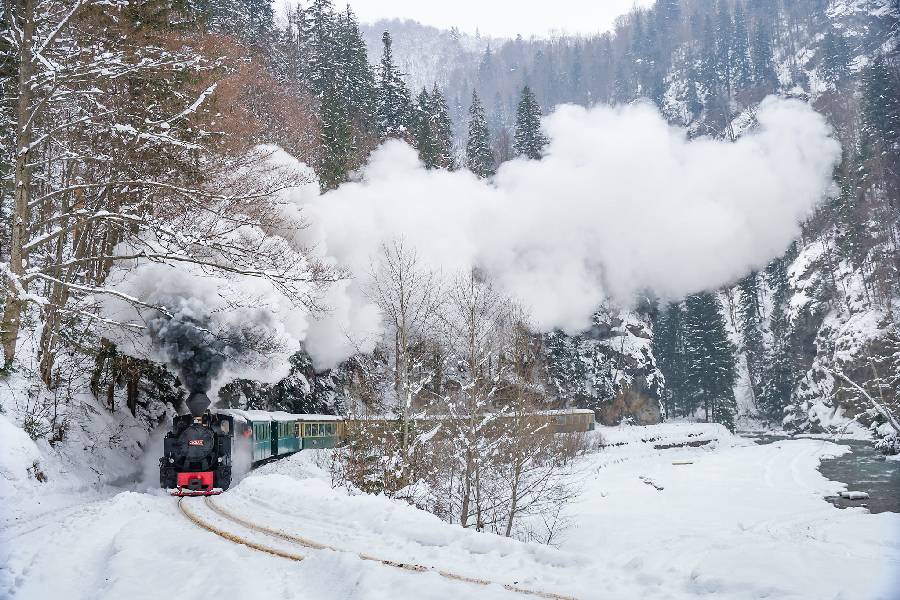
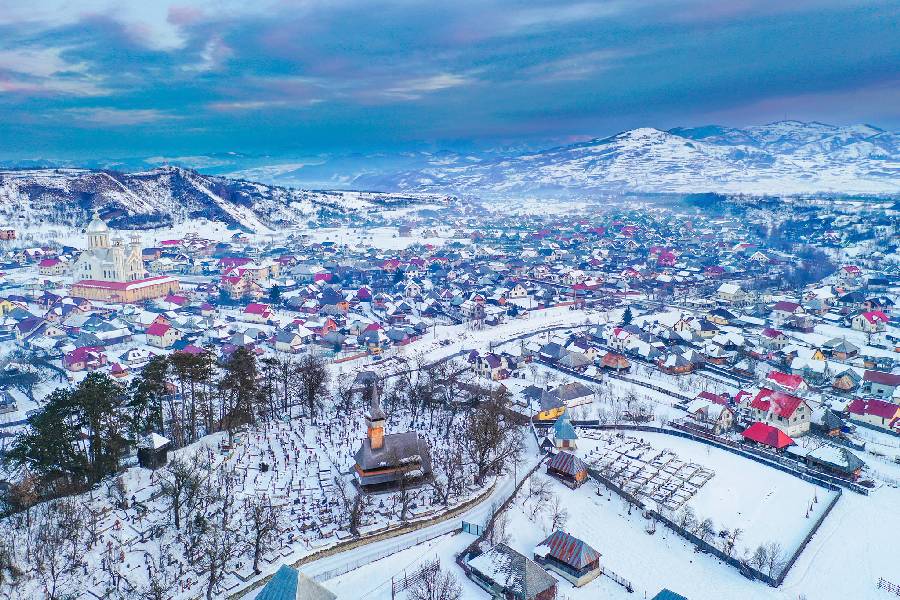
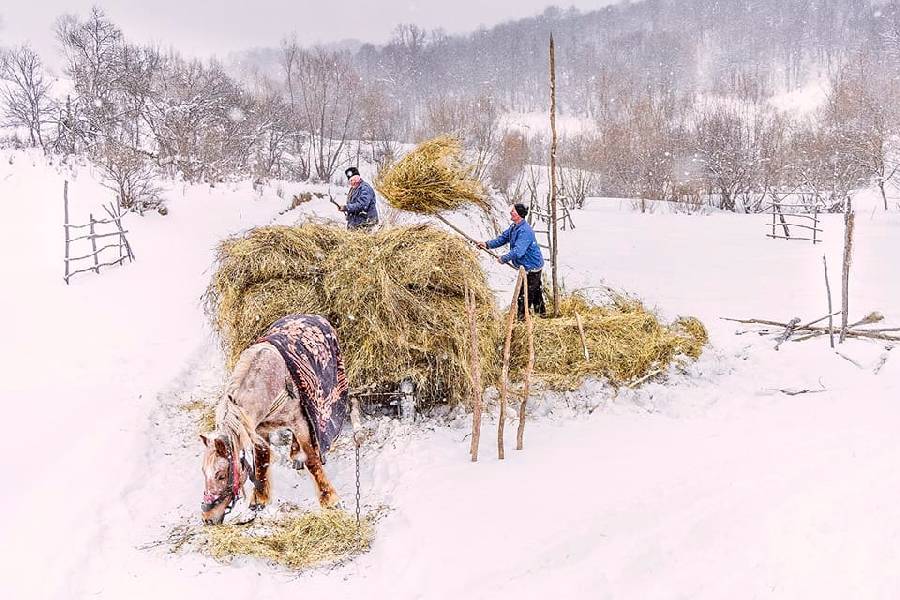
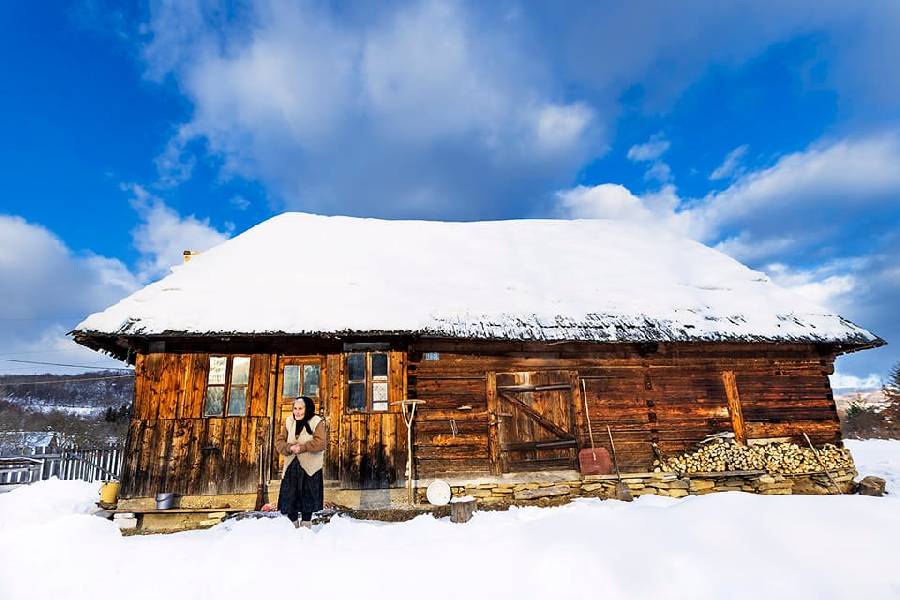
Wonderful pictures from Maramures County in northern Romania, early February 2022.
We thank the photographer Sorin Onisor ( facebook.com/sorinonisor ) for the permission to use these pictures.
(8 January 2026)
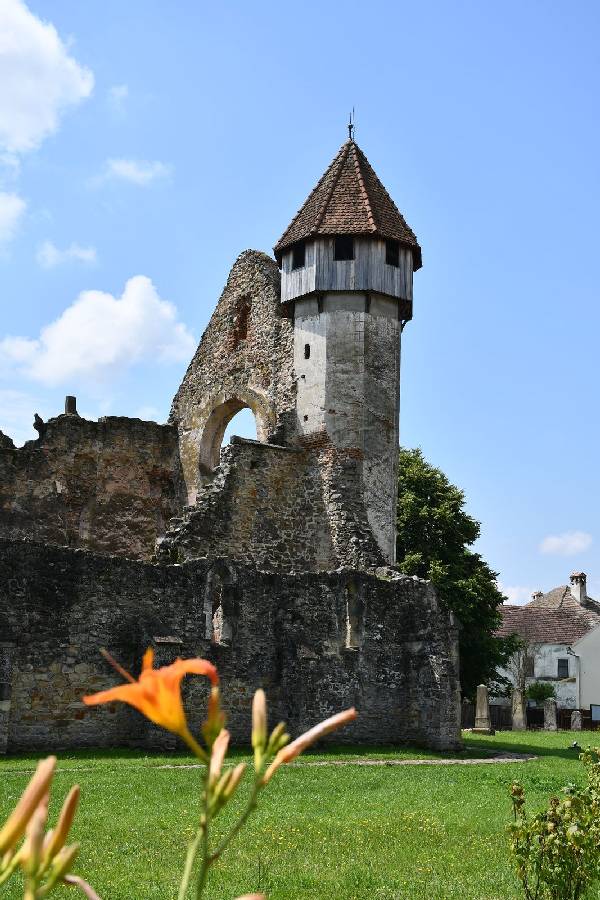
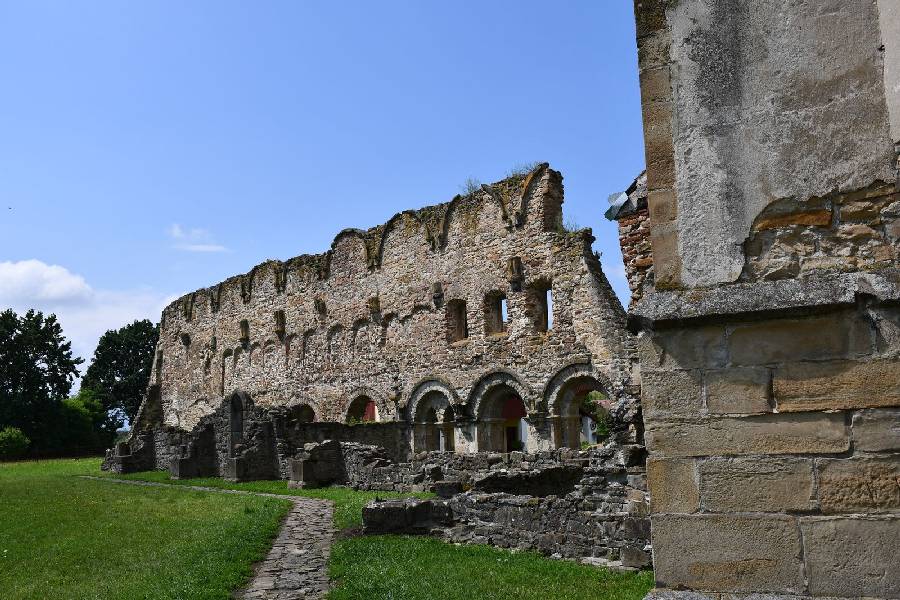
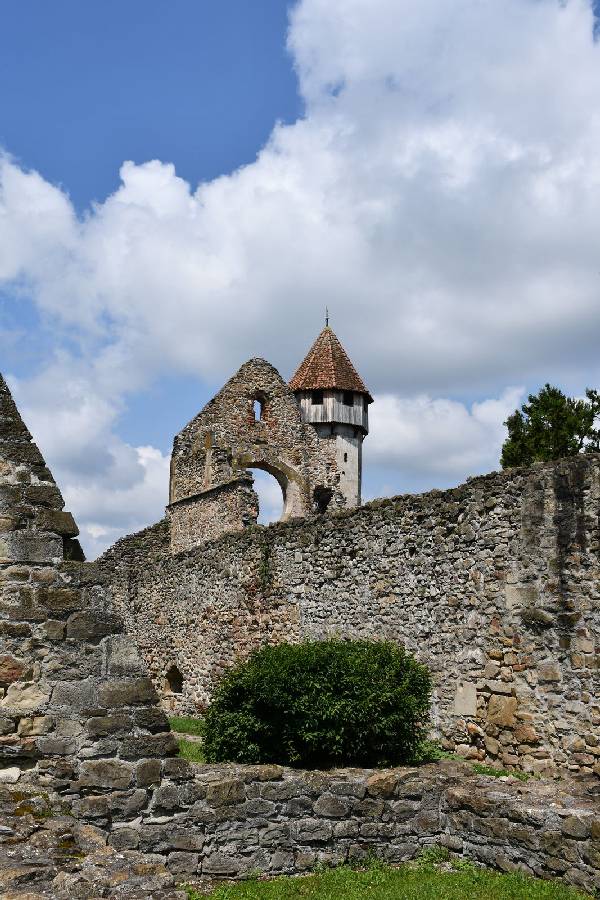
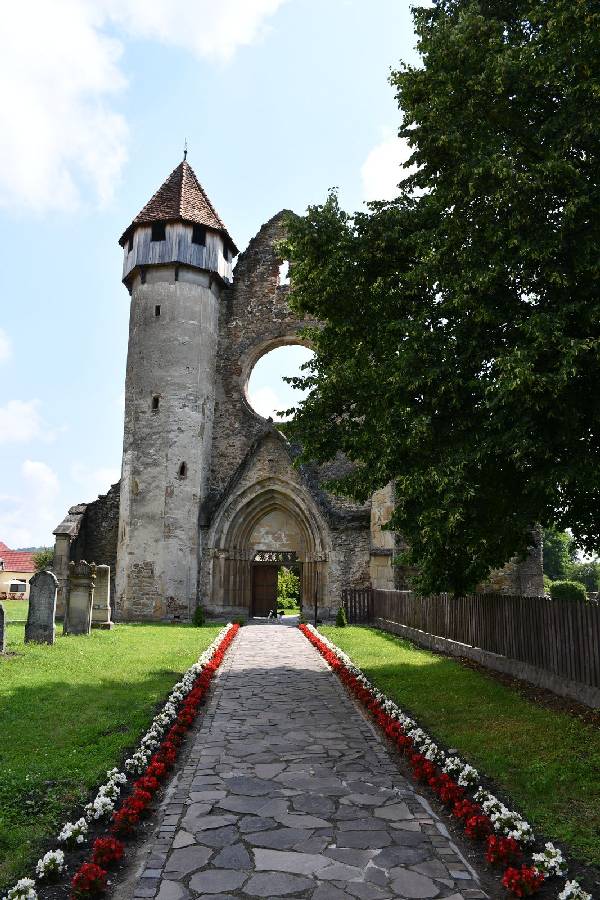
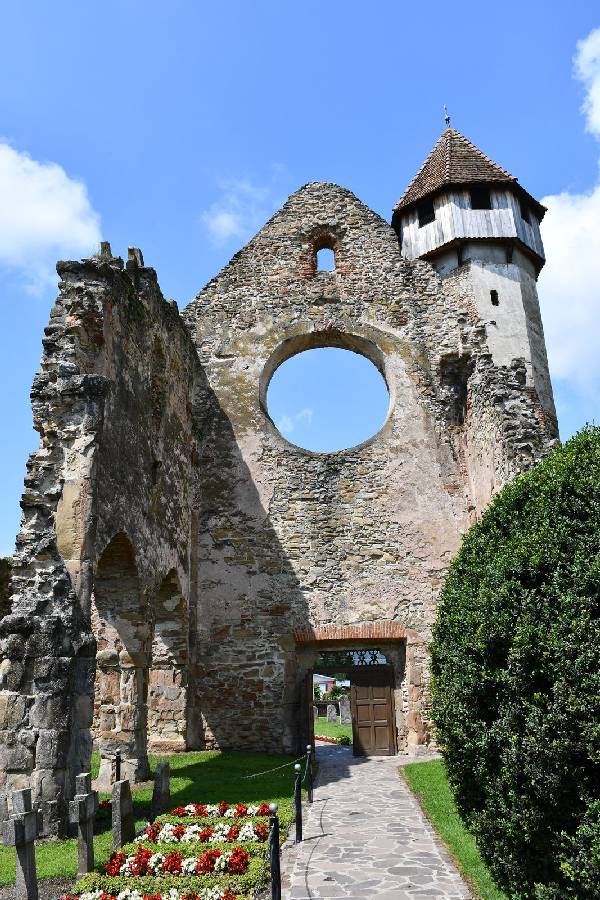
Carta Monastery (Kerz in German) is a former Cistercian (Benedictine) monastery in Transylvania, Romania.
It is located on the left bank of the Olt River, almost exactly halfway between the cities of Sibiu and Făgăraș, and is currently an Evangelical Lutheran church.
The exact date of the foundation of the Carta Monastery (Latin: monasterium beatae Mariae virginis in Candelis de Kerch) is unknown. A document from Constanta, dated 17 April 1418, issued by Sigismund, King of Hungary, vaguely states that the monastery was founded, built and granted rights and privileges by its predecessors. Cistercian documents from the 13th-15th centuries, collected and analysed by Leopold Janauschek, mention the year of the monastery’s foundation as around 1202-1203.monastery around 1202-1203.
(7 January 2026)
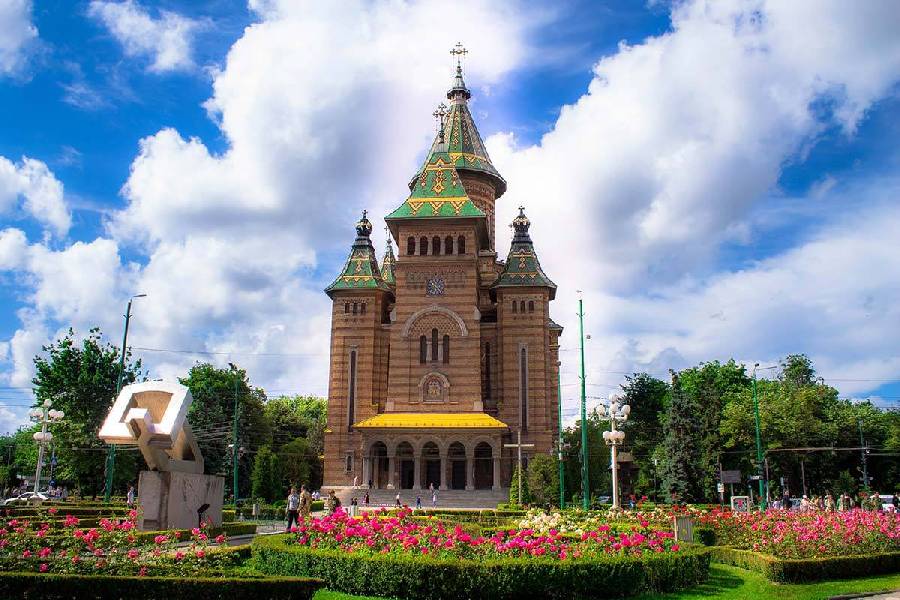
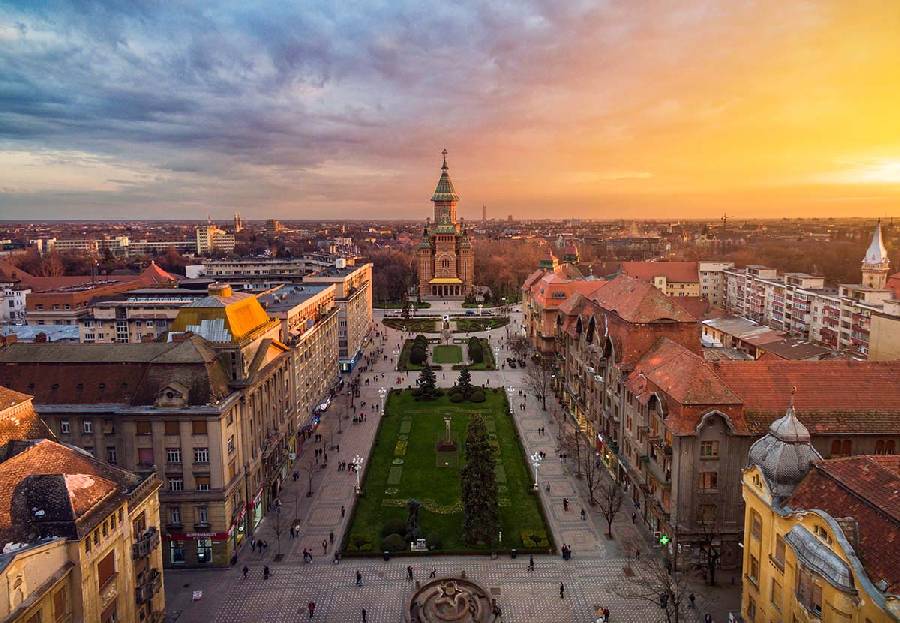
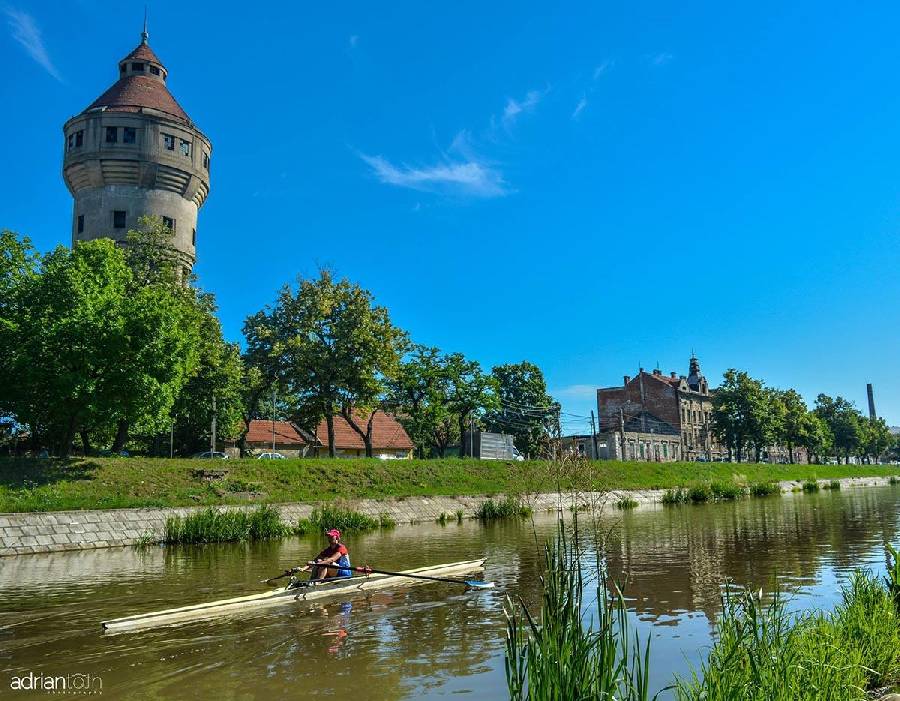
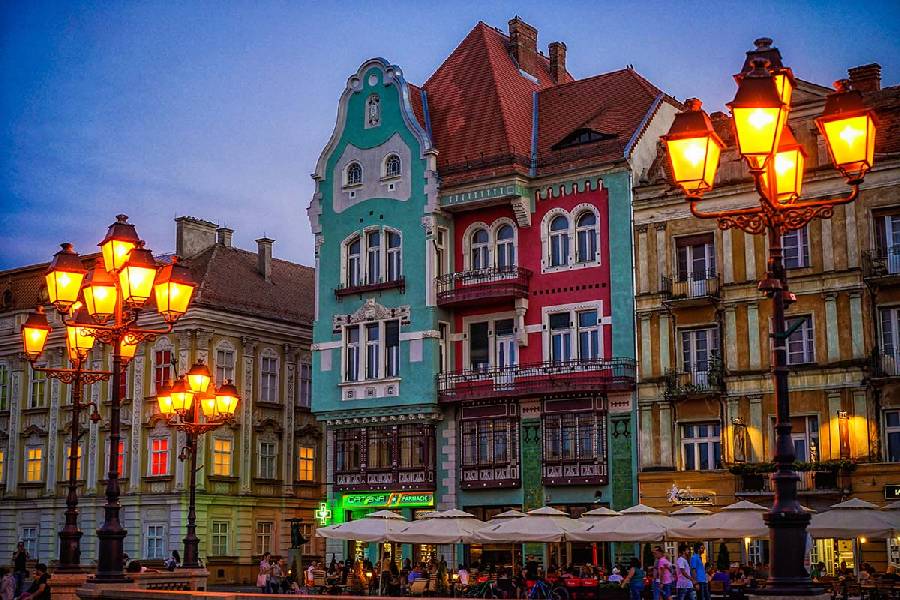
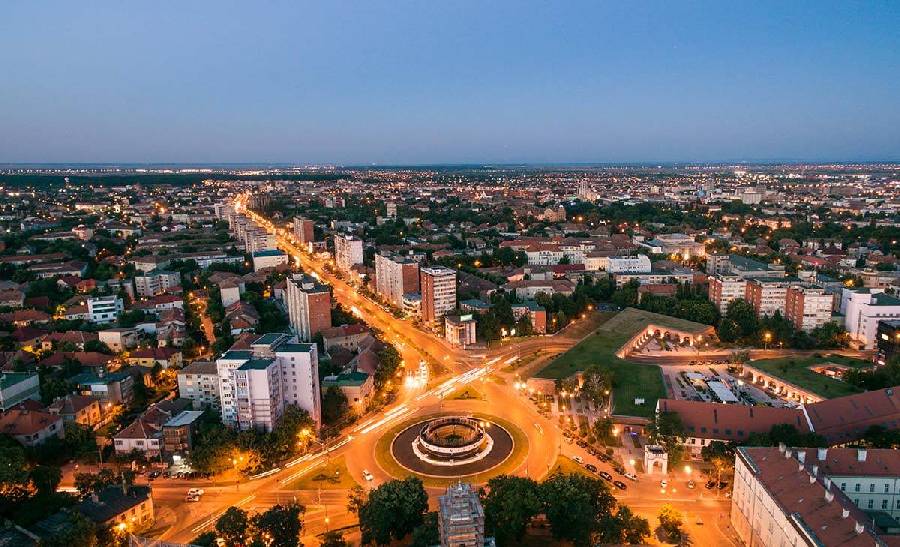
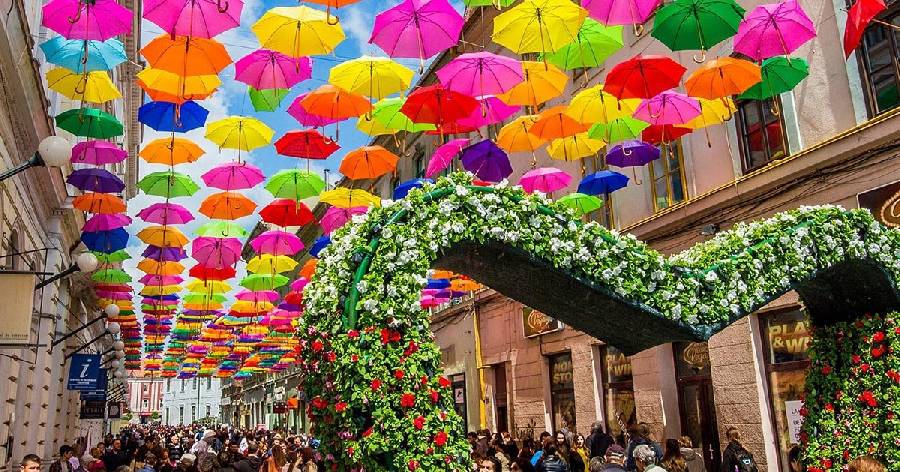
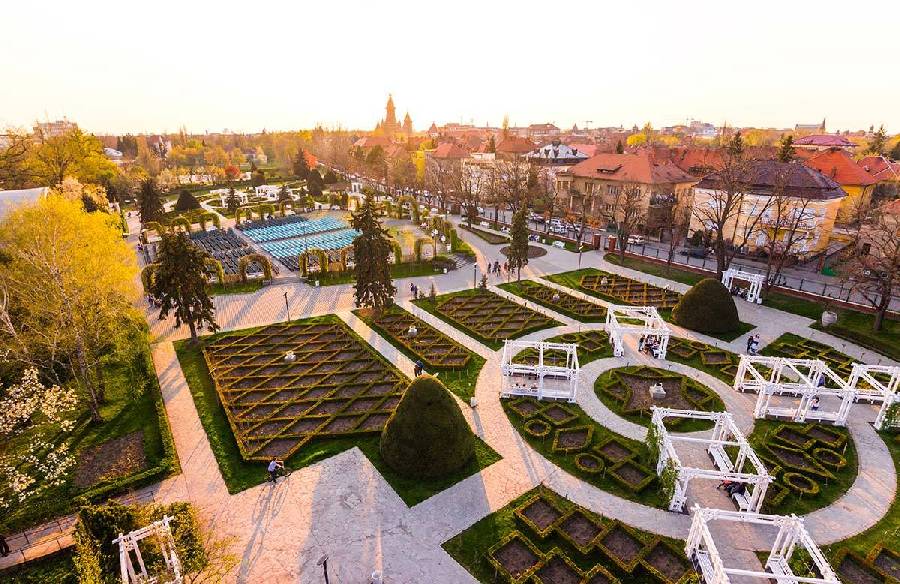
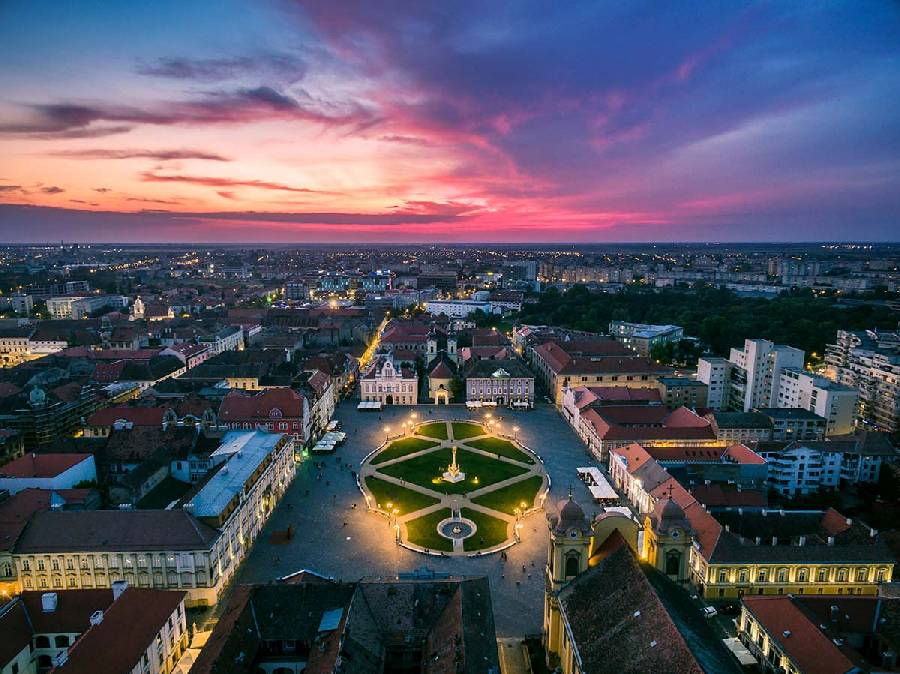
The city of Timisoara, this year’s European Capital of Culture, is located in western Romania, near the Hungarian border.
https://discover-timisoara.com | https://urlaub-in-rumänien.de
Timisoara is accessible in just under 8 hours from the Germany/Austria border via the A3 highway. It is the capital and largest city of Timis County, located in the historical region of Banat. The name comes from the Timis River, which the Romans in ancient times called Tibisis or Tibiscus.
We thank the city of Timisoara for the wealth of information and images we have received and the permission to use them.
(7 January 2026)
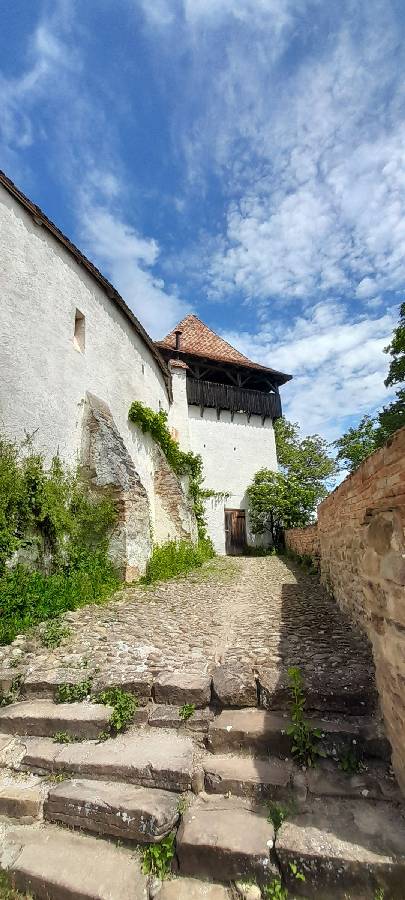
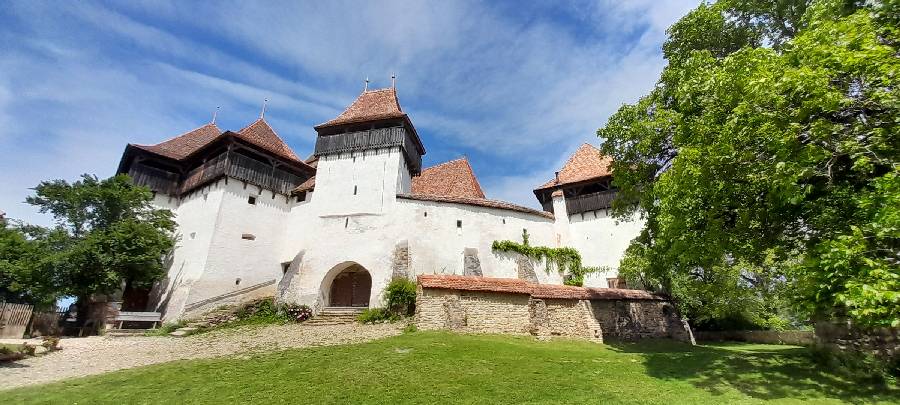
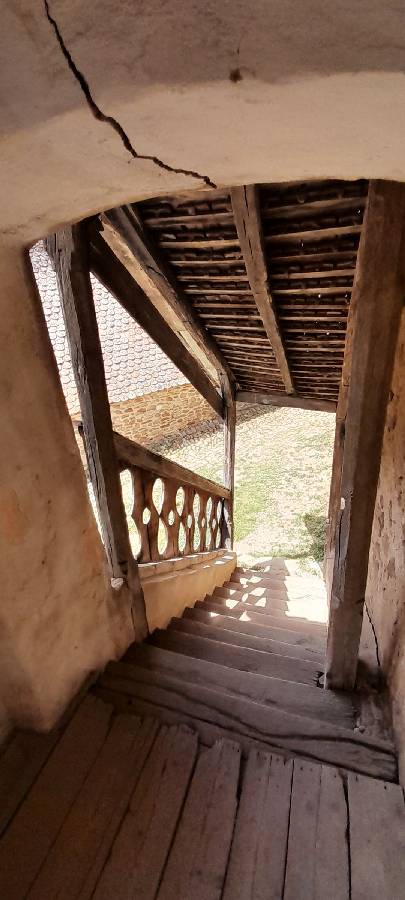
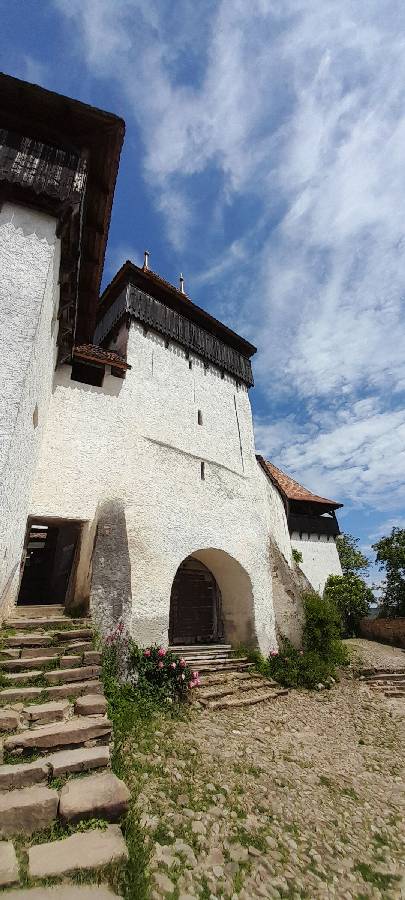
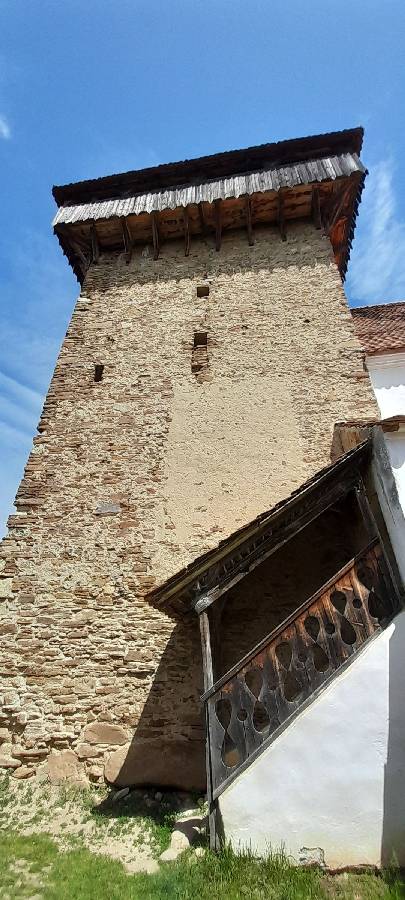
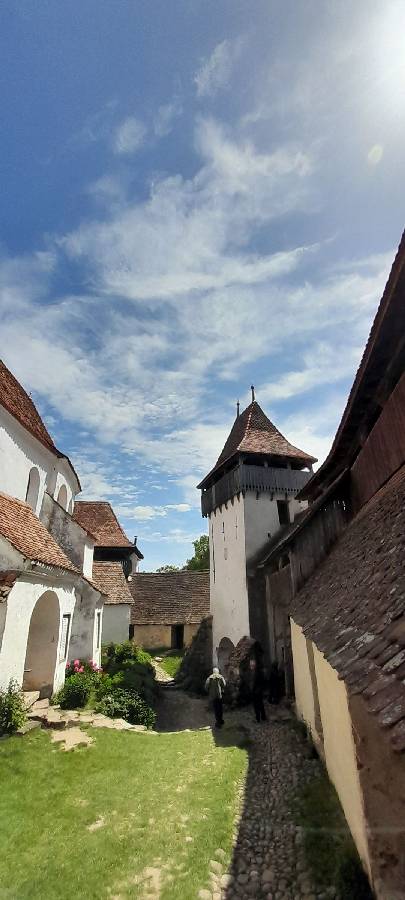
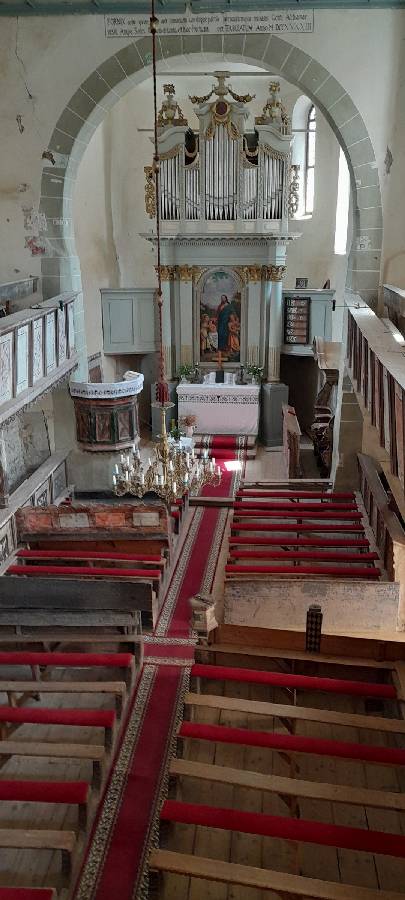
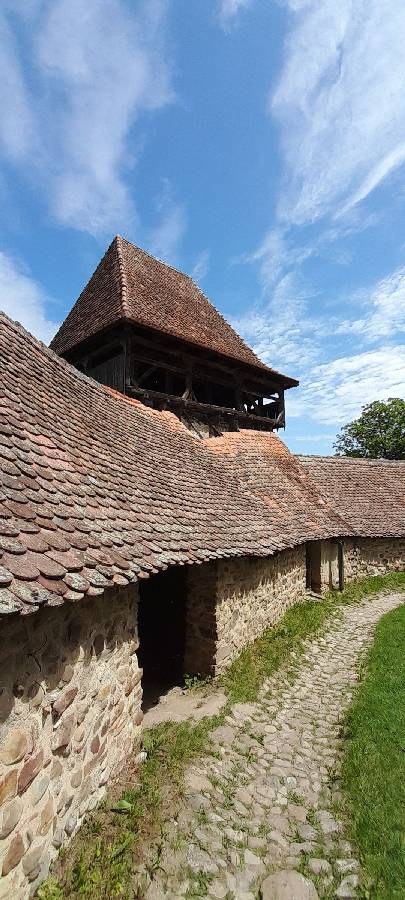
The village of Viscri (German: Deutsch-Weisskirch, Hungarian: Szaszfeheregyhaza) is located in the county of Brasov in Transylvania.
It lies to the north-west of the town/castle of Rupea (German: Reps) and to the south-east of the town of Sighisoara (German: Schäßburg). The village had around 700 inhabitants between the 18th and 20th centuries, mainly Transylvanian Saxons plus a Romanian part of the village. Viscri is characterised by both the fortified church and the village structure, which is characterised by Saxon farms.
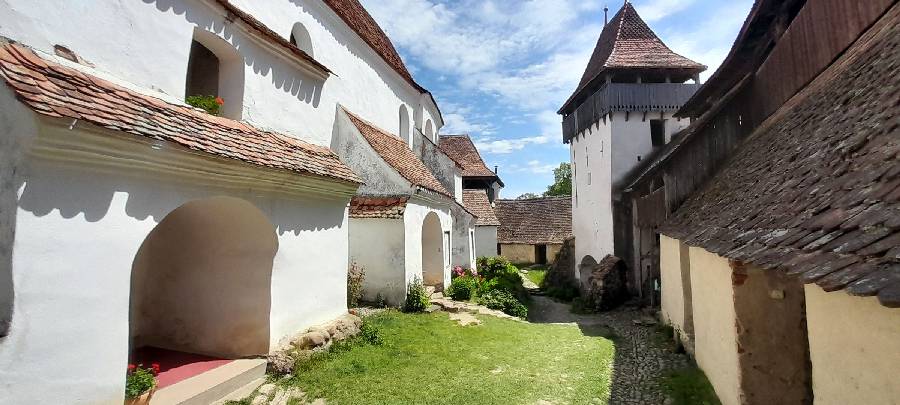
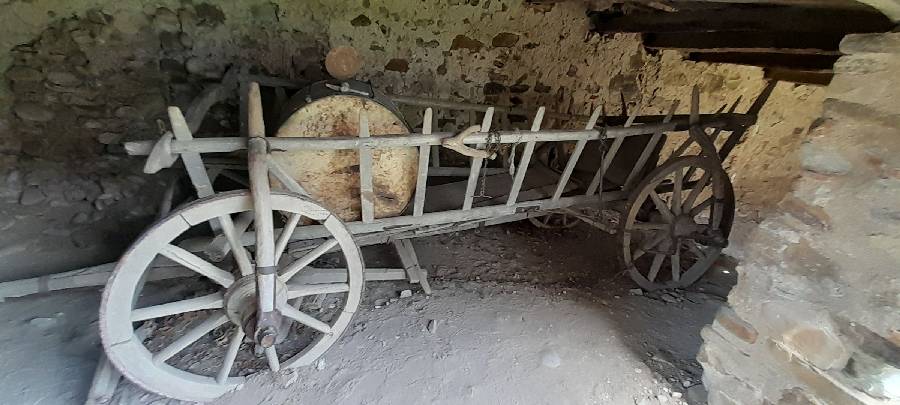
(7 January 2026)
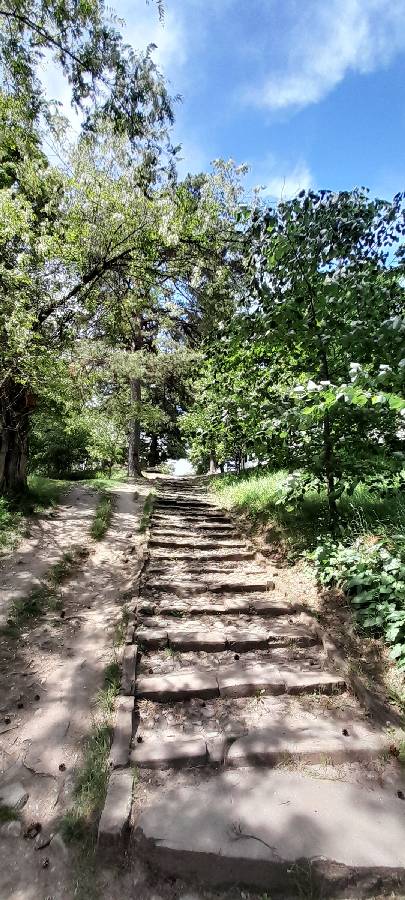
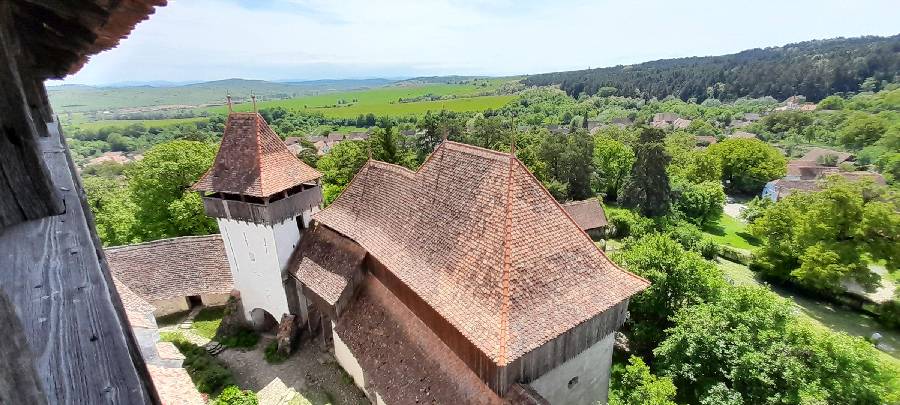
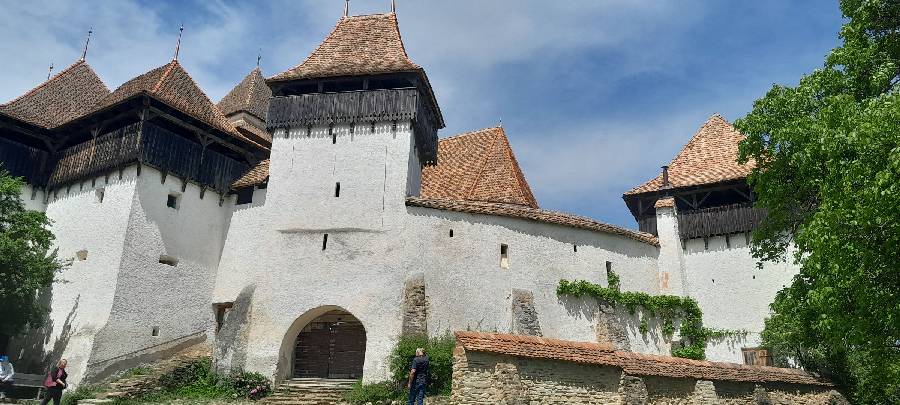
The village of Viscri (German: Deutsch-Weisskirch, Hungarian: Szaszfeheregyhaza) is located in the county of Brasov in Transylvania.
It lies to the north-west of the town/castle of Rupea (German: Reps) and to the south-east of the town of Sighisoara (German: Schäßburg). The village had around 700 inhabitants between the 18th and 20th centuries, mainly Transylvanian Saxons plus a Romanian part of the village. Viscri is characterised by both the fortified church and the village structure, which is characterised by Saxon farms.
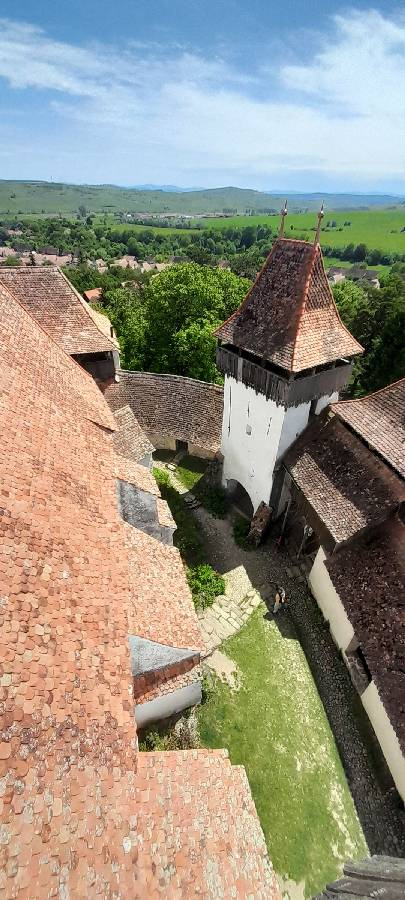
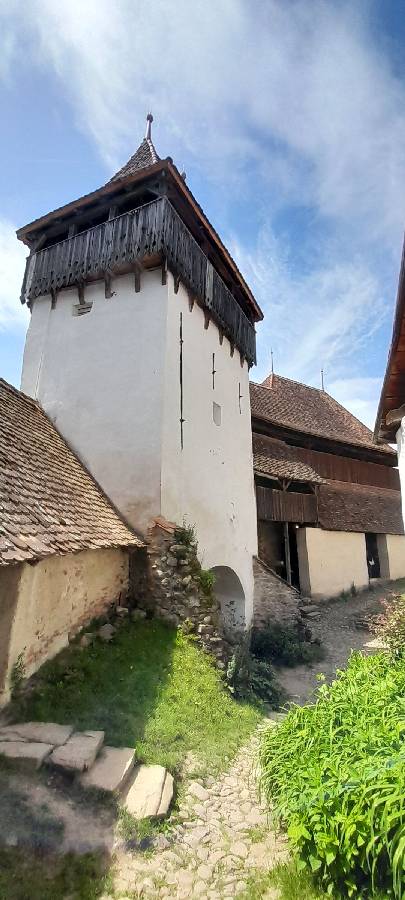
(7 January 2026)
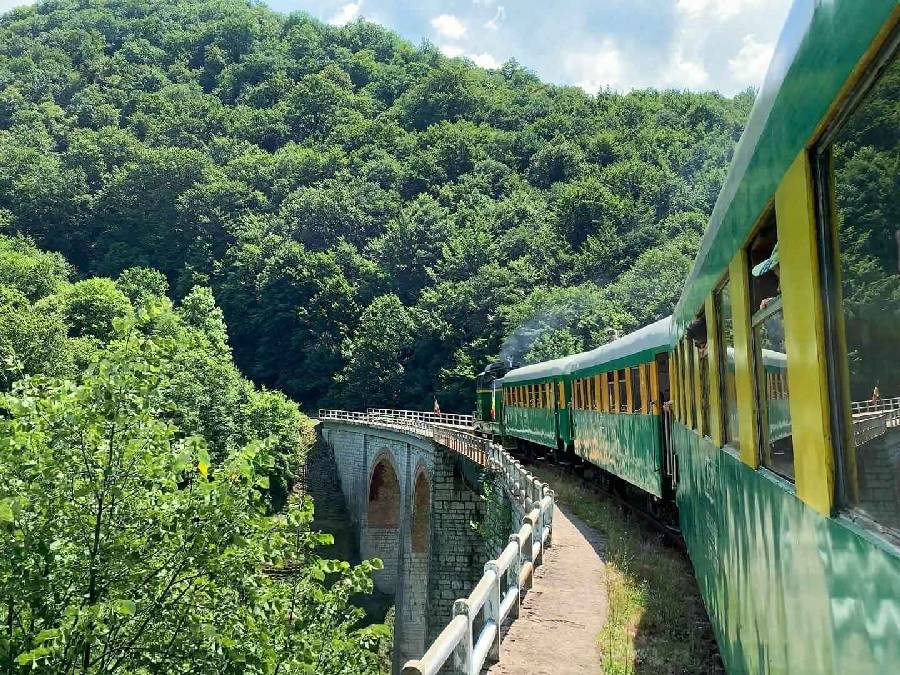
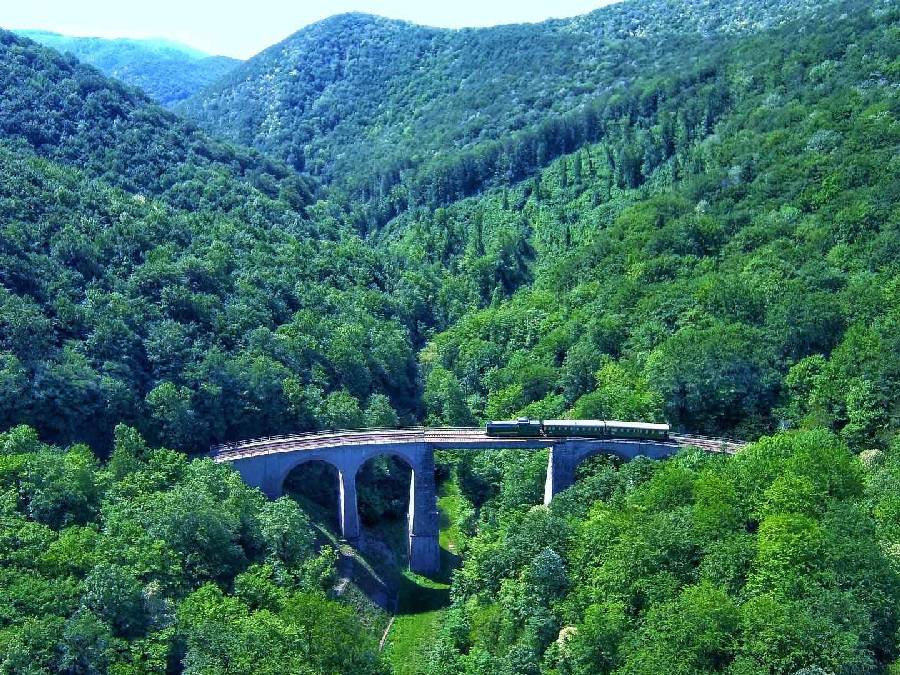
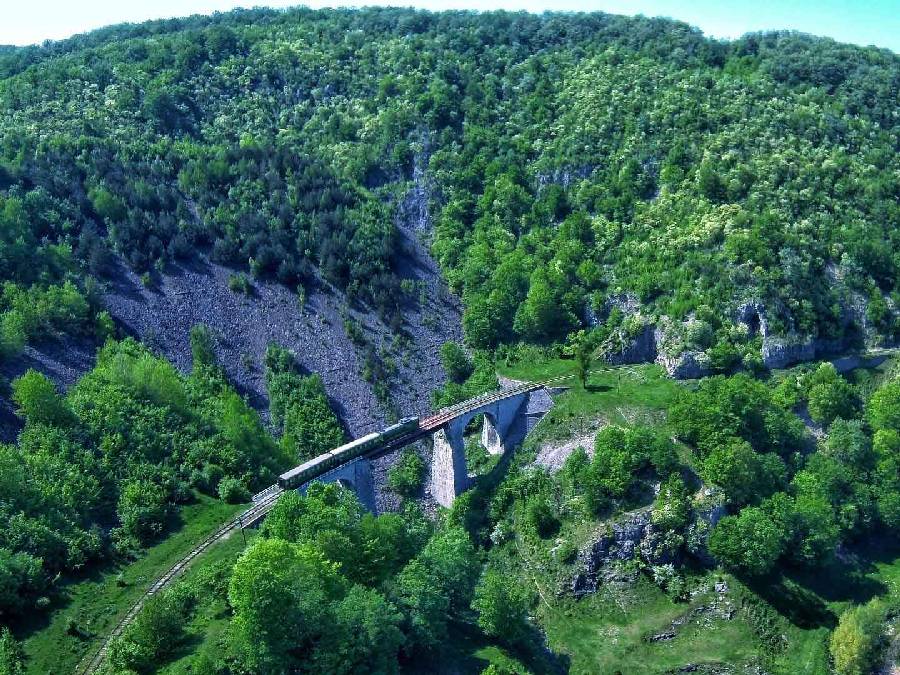
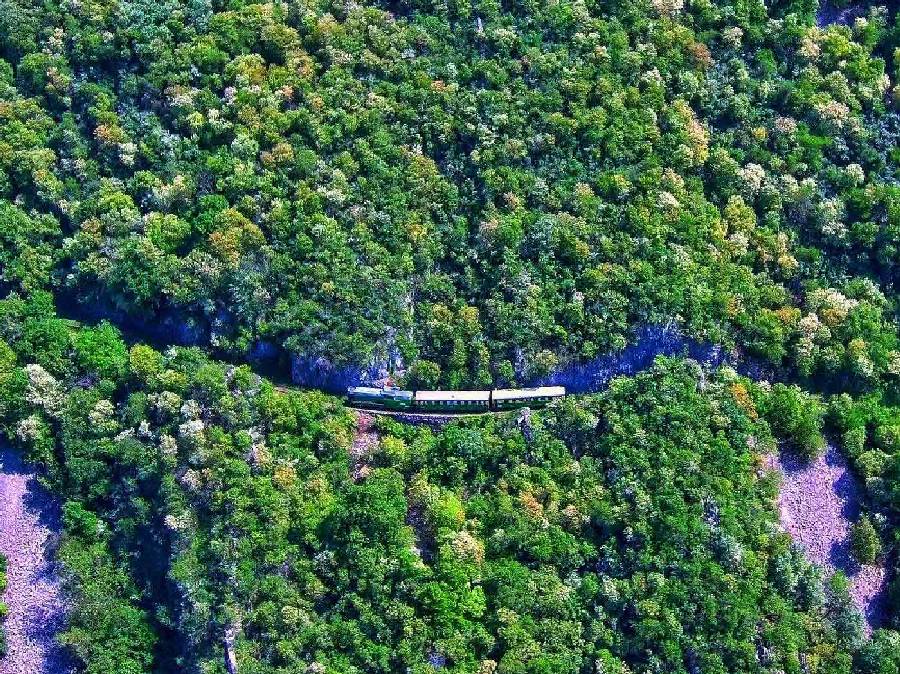
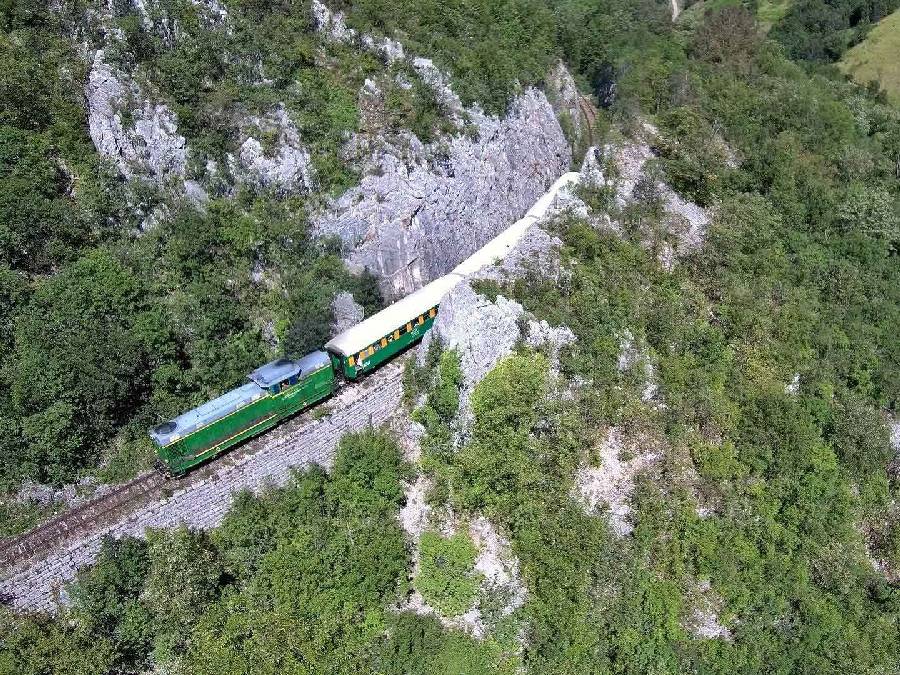
Banat is a historical region in southeastern Europe, which is now in the states of Romania, Serbia and Hungary. The term Banat derives from the domination of a ban (Serbian / Croatian / Hungarian for Graf / Markgraf).
The train runs daily from Oravita to Anina and is one of the oldest and most spectacular mountain railways in Romania, which was operated in 1863. viaducts crossing deep valleys. The railway road rises from 218 meters altitude (Oravita) to 558 meters altitude (Anina) and bypasses the Anina Mountains passing through the Jitin Valley.
We thank Banatul Montan for permission to use these pictures.
(6 January 2026)
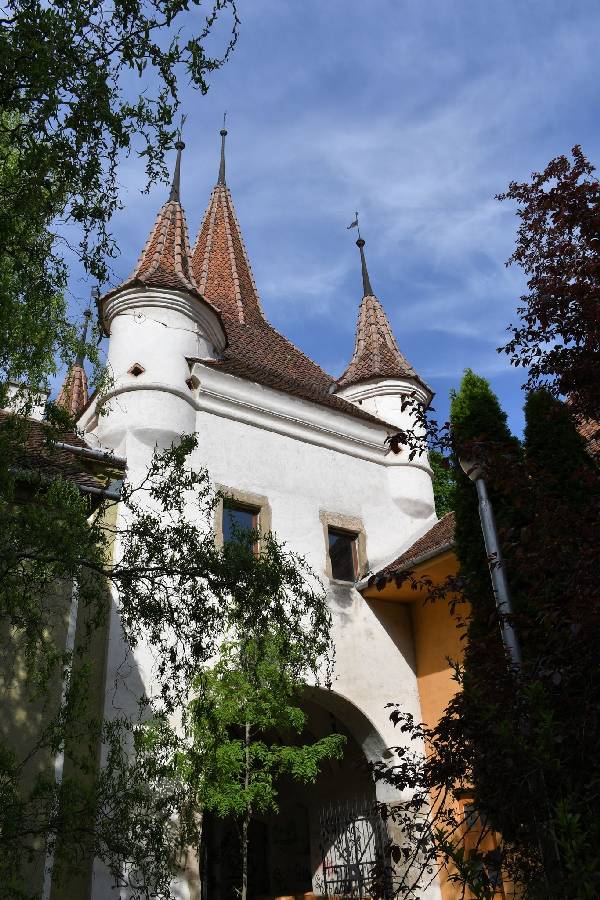
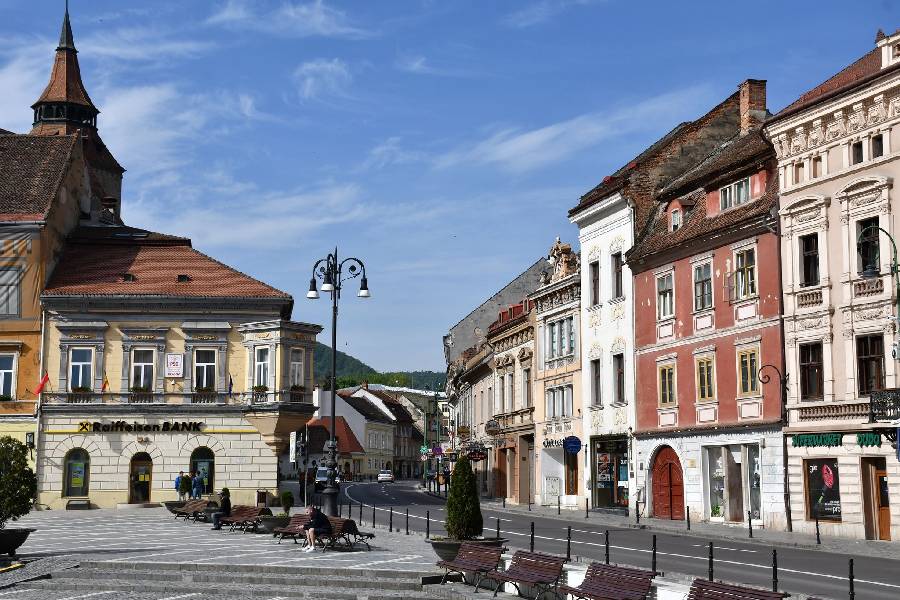
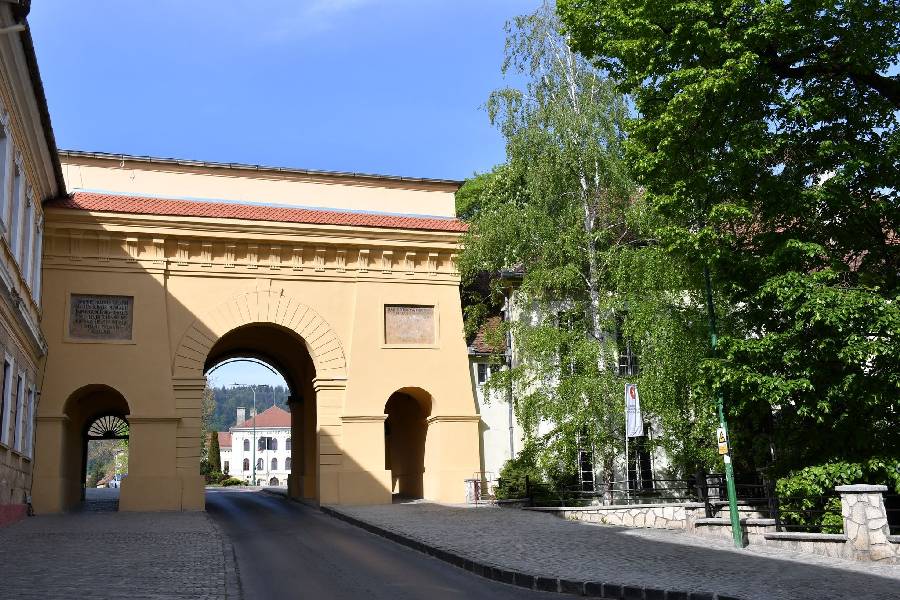
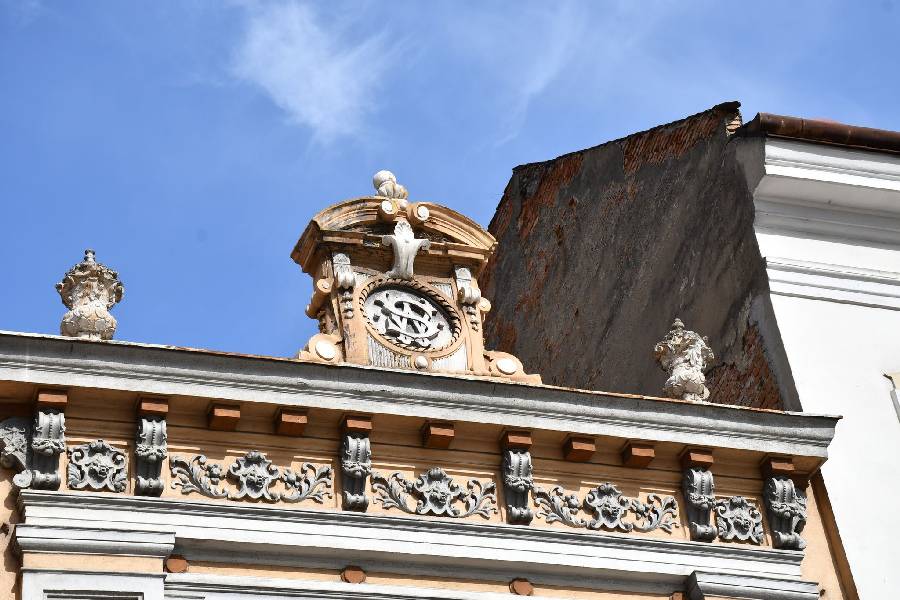
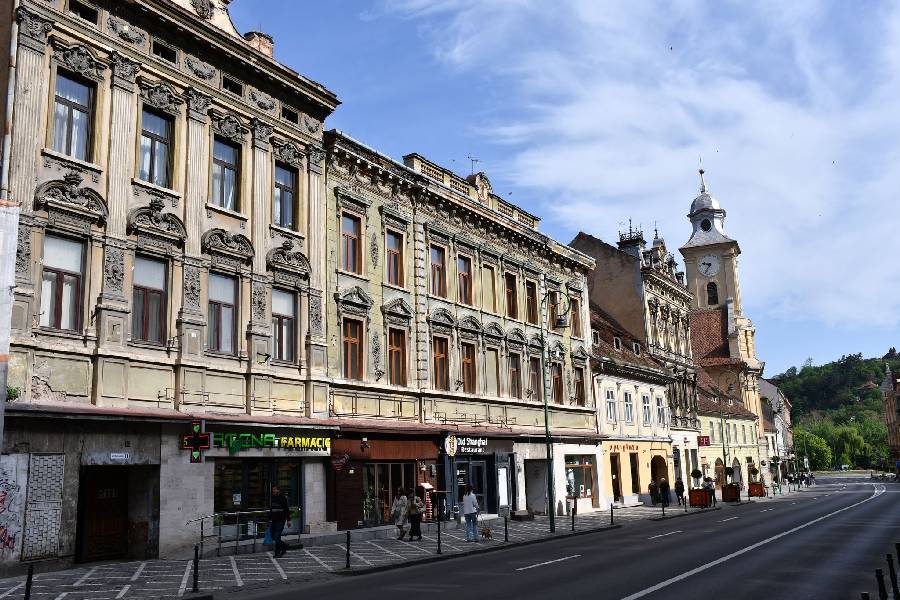
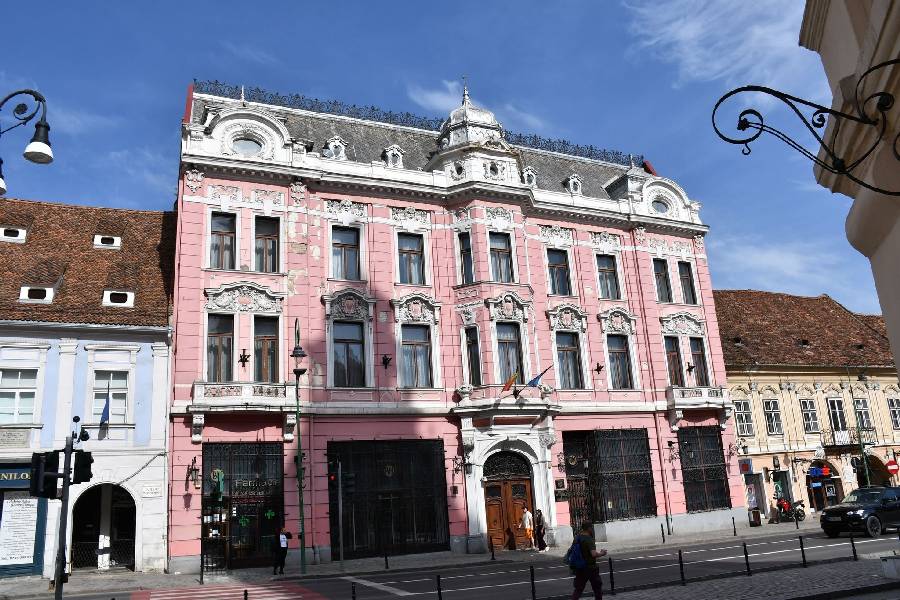
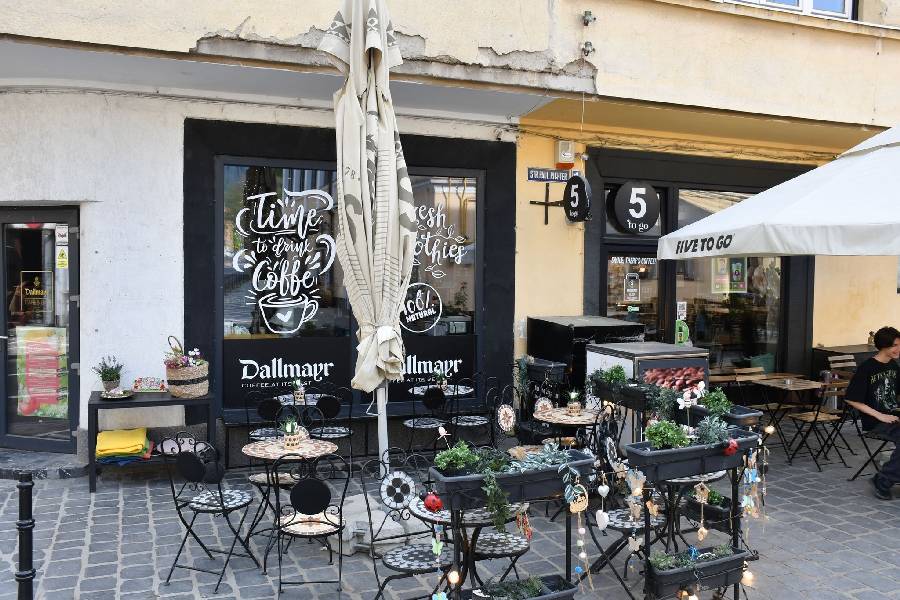
A wonderful walk through Brasov on a early Sunday morning in May.
https://kronstadt-erleben.de | https://discover-brasov.com
It was quiet, the sun was shining, and it was a wonderful day. Pictures: early May 2025
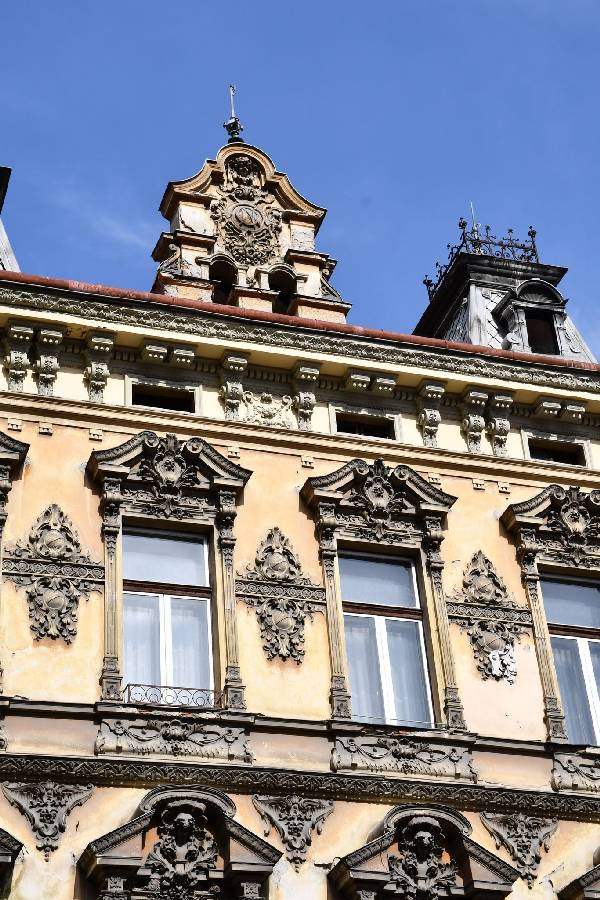
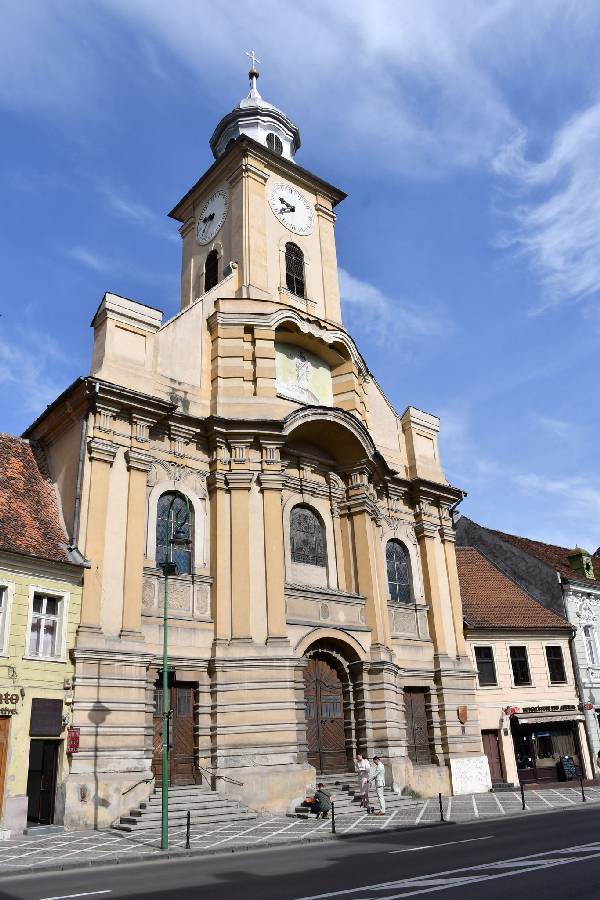
(6 January 2026)
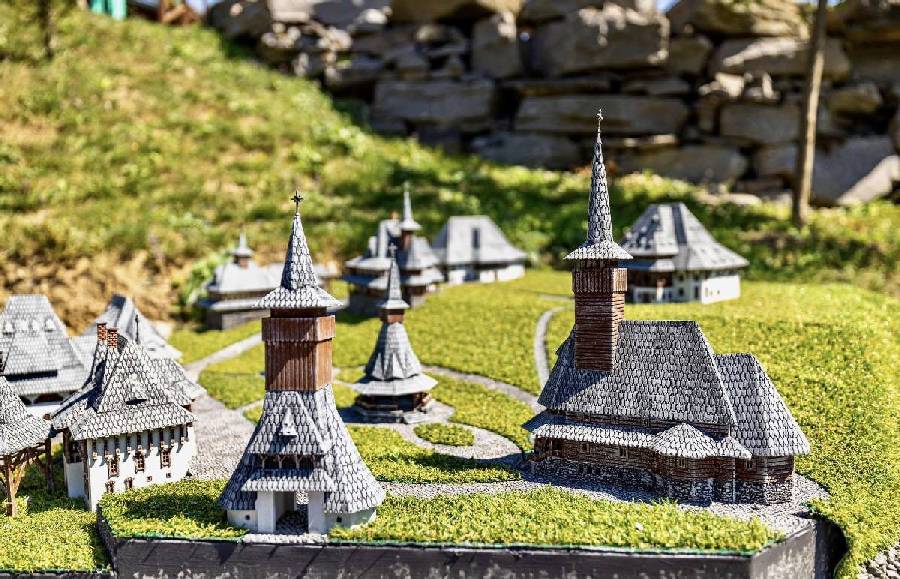
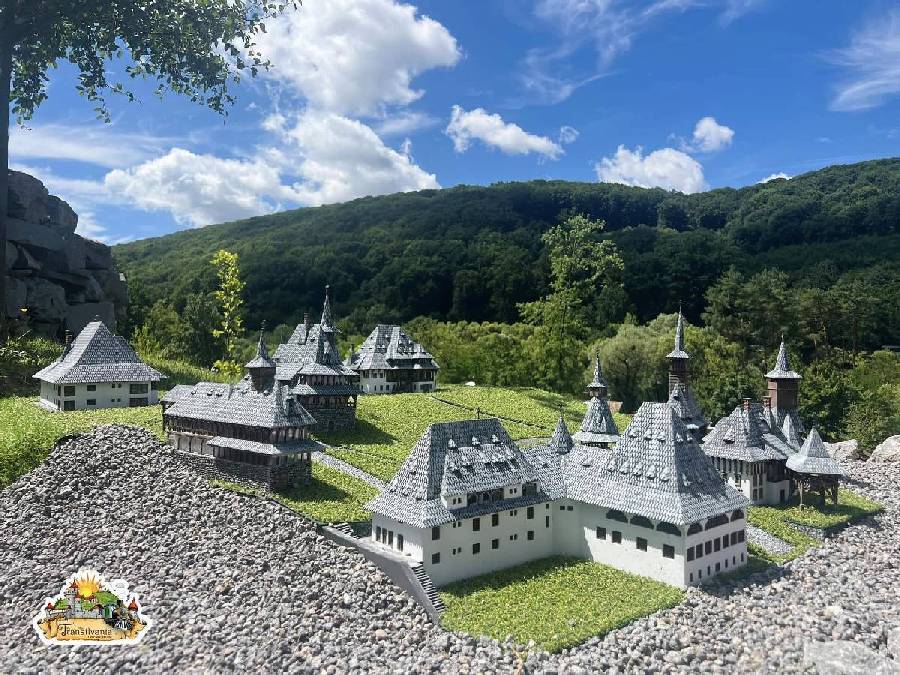
All of Transylvania in one place – that’s what awaits young and old / all visitors in Odorheiu Secuiesc. The Mini Transylvania Park is located about 25 km east of Sighisoara in Harghita County and is definitely worth a visit
https://parculminitransilvania.ro | https://welcome-to-romania.com
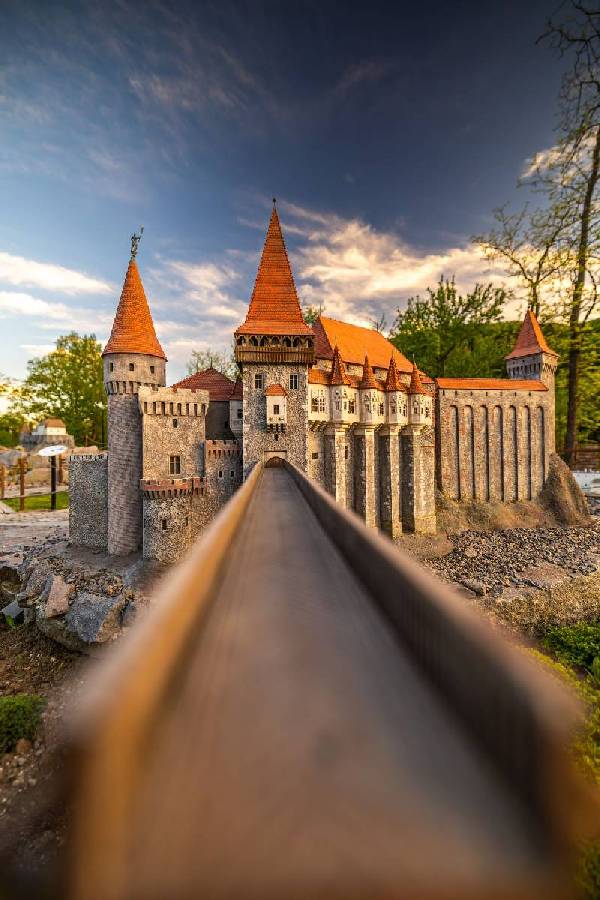
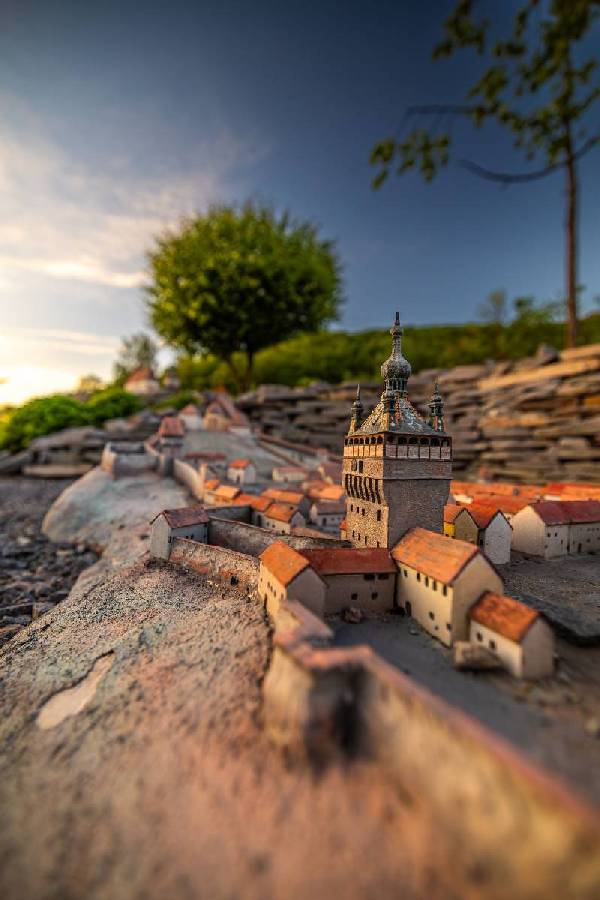
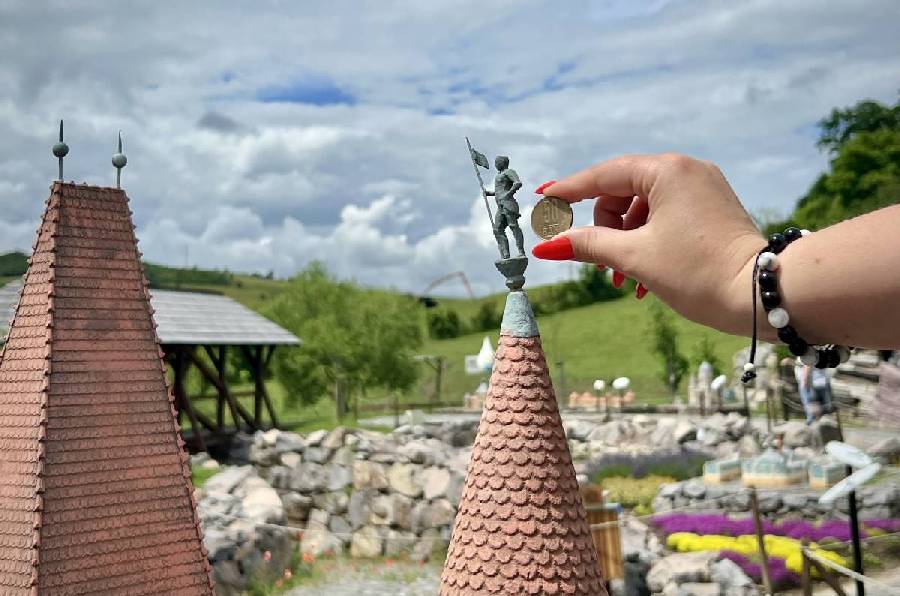
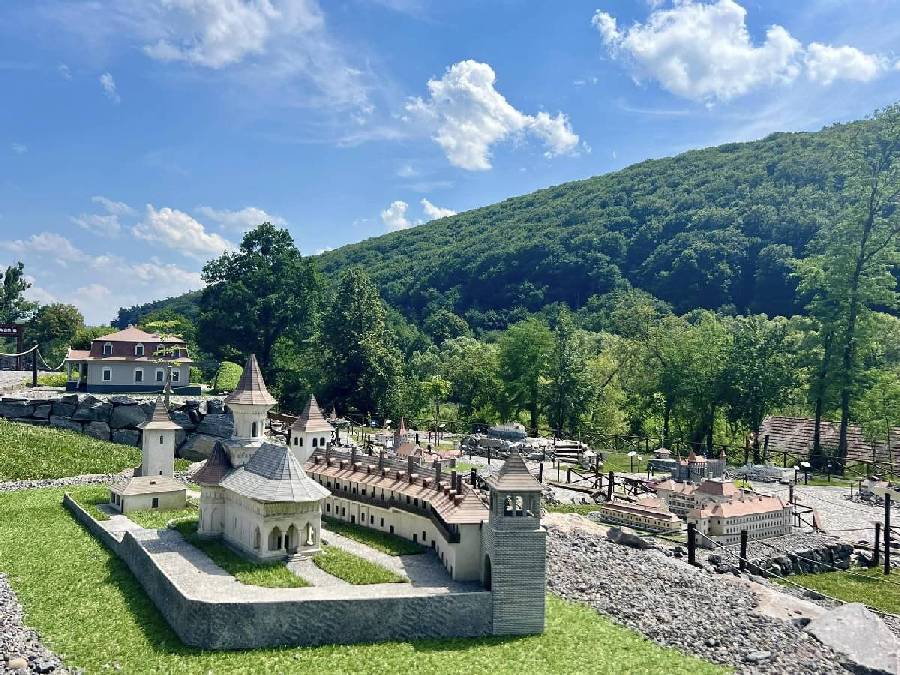
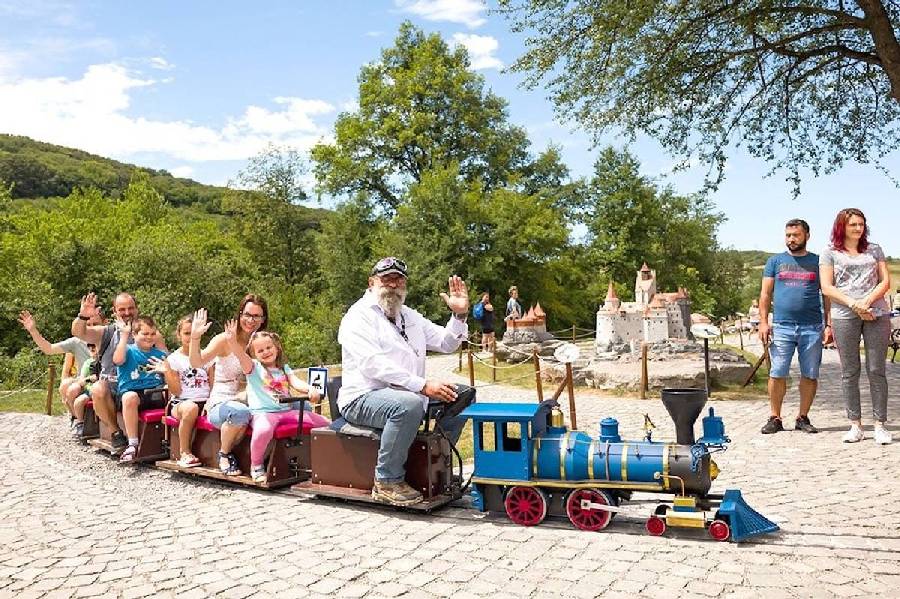
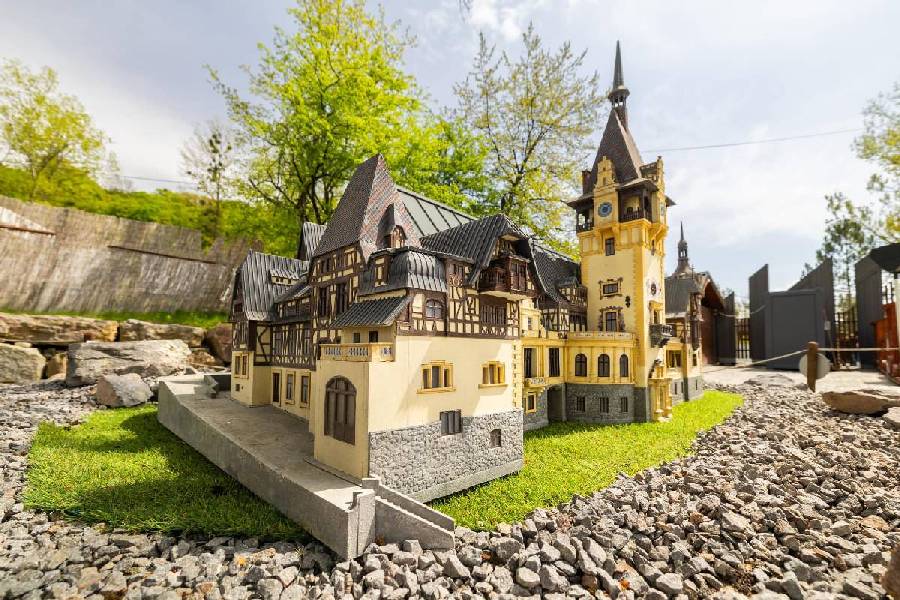
(6 January 2026)
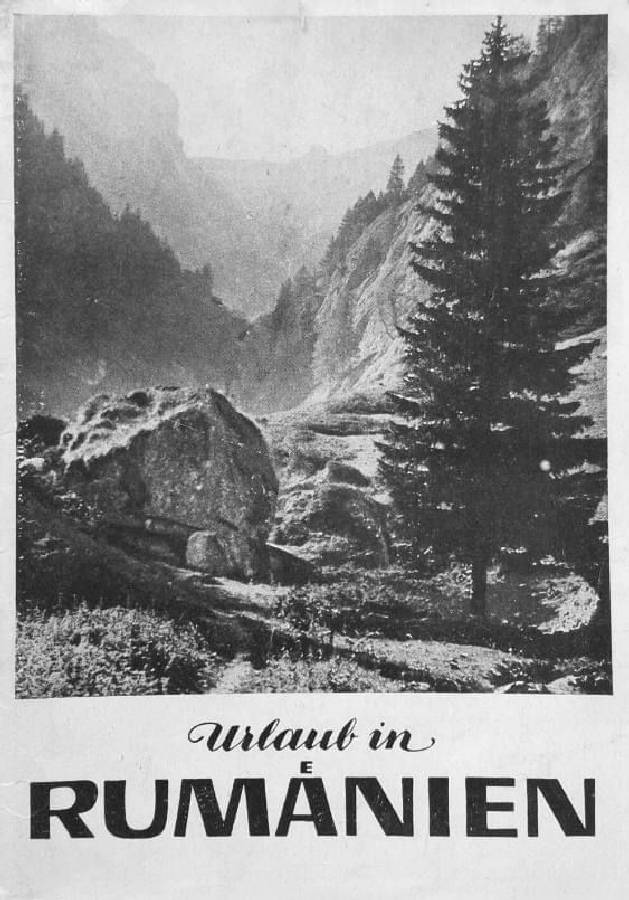
It was more than 60 years ago… but it seems we (Urlaub in Rumänien) have always been around… somehow
https://urlaub-in-rumänien.de | https://willkommen-in-rumänien.de
We thank Mr. Cristian Macedonschi, who sent us this picture from old times.
(6 January 2026)
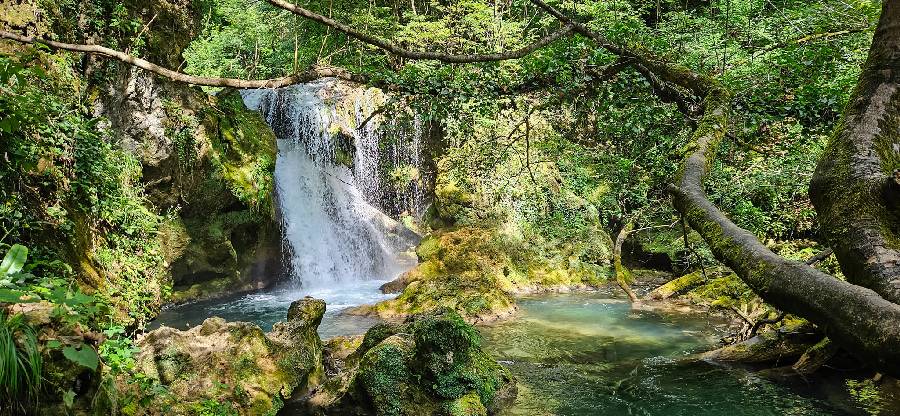
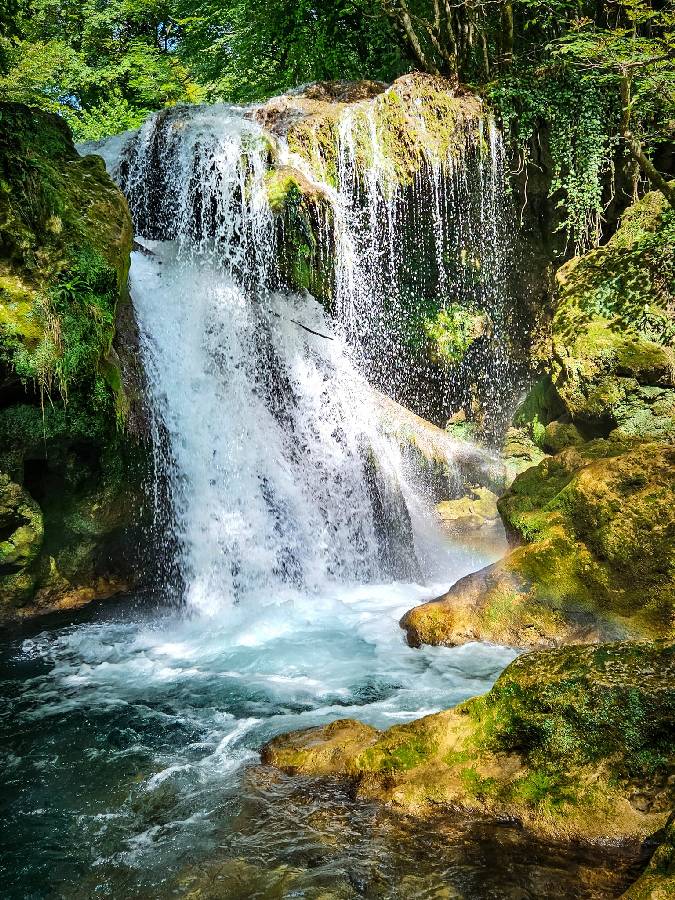
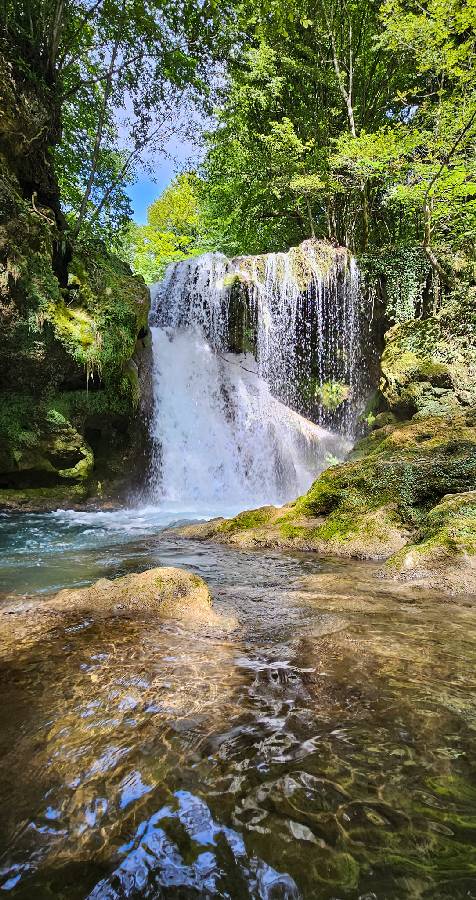
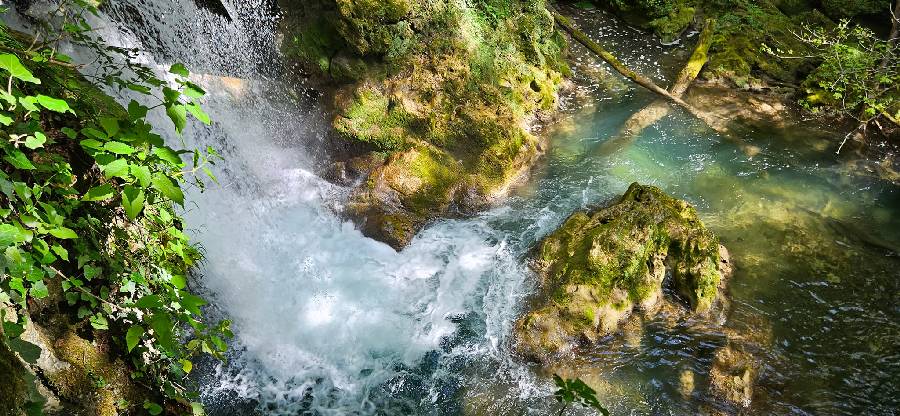
Beautiful pictures of the La Vaioaga waterfall in the Cheile Nerei-Beusnita National Park, Caras-Severin County.
We thank Ms. Corina E. Mateescu for the permission to use these images.
(6 January 2026)
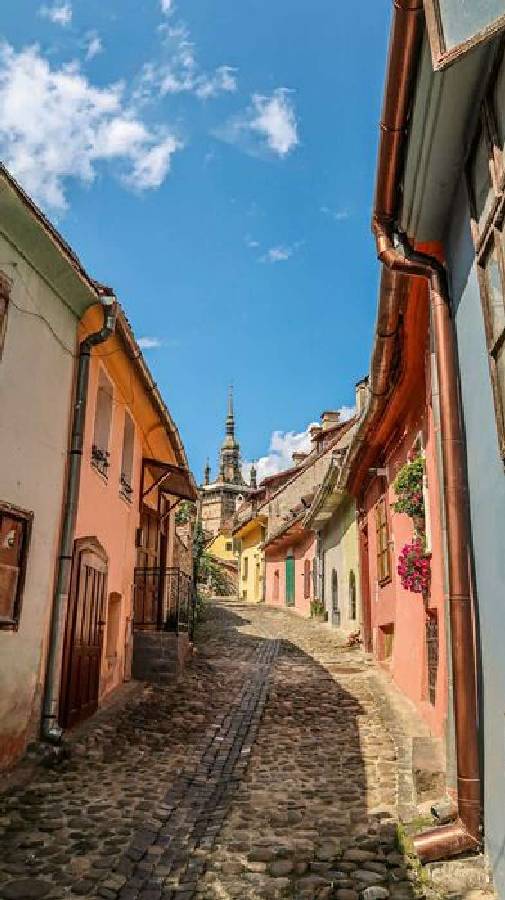
One of the towns you should definitely visit in Transylvania.
https://xn--willkommen-in-rumnien-m2b.de/ | https://welcome-to-romania.com
(5 January 2026)
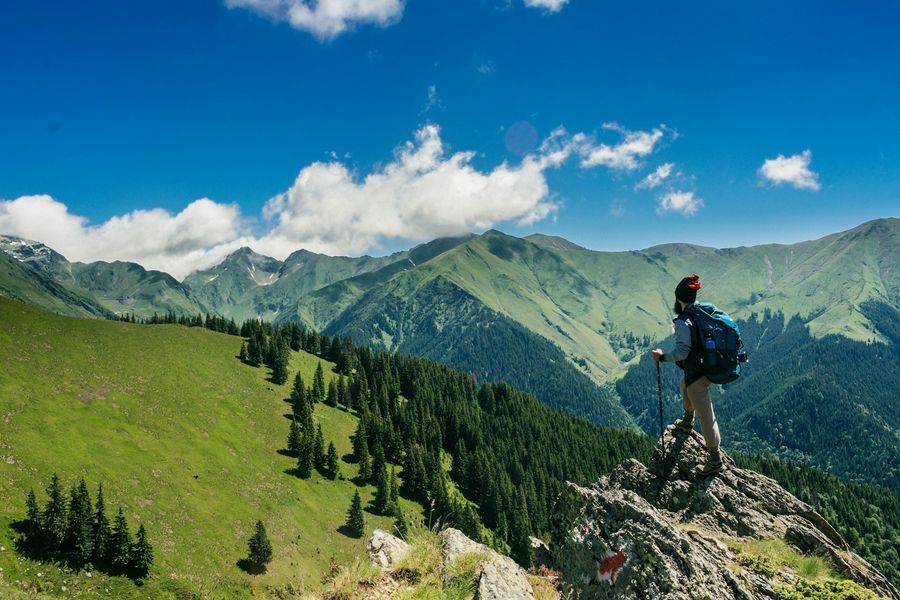
Romania is a diverse travel destination and there is something for everyone. Relaxation and solitude, fortresses, castles, history, cities and parties, or simply (the) sea
https://welcome-to-romania.com | https://urlaub-in-rumänien.de
(5 January 2026)
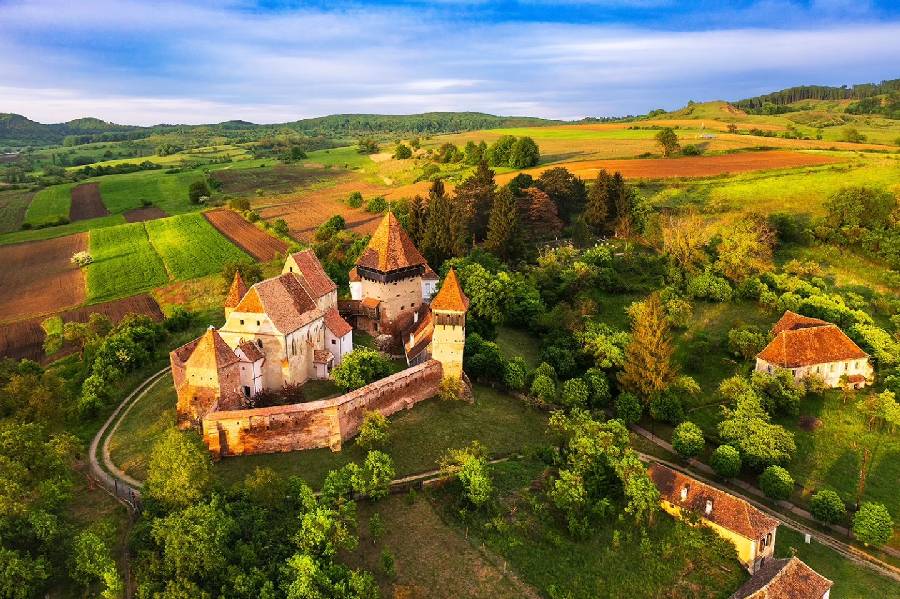
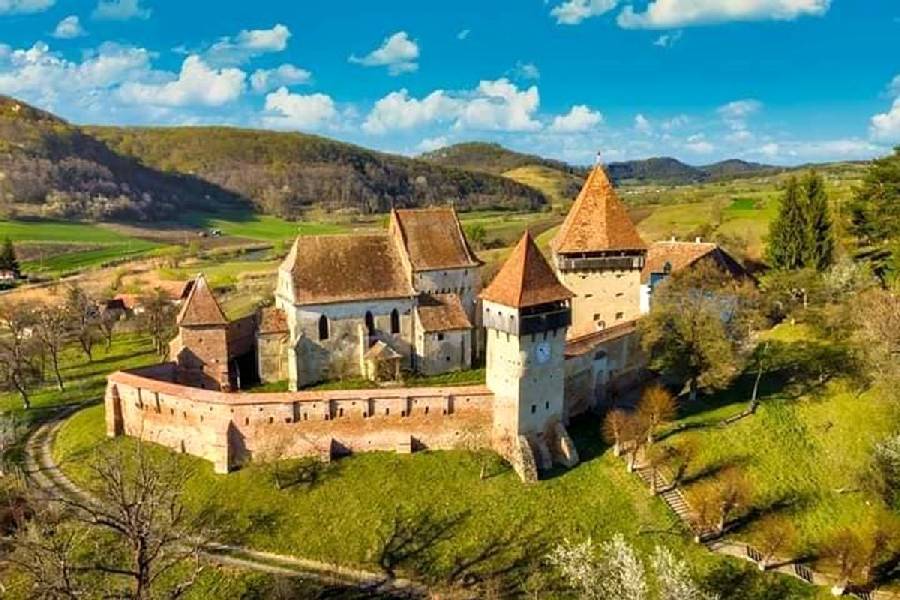
Alma Vii (in German Almen) is a village in Sibiu County in Transylvania and definitely deserves a visit!
The village is part of the municipality of Mosna and is also known under the old Romanian names Alma Saşe and Alma Intre Vii, as well as in Hungarian such as Almad, Szaszalmas, Nemet-Almas and Almas.
Information about the fortified church can be found here:
https://kirchenburgen.org/location/almen-alma-vii/
We thank Vlad the Impaler – Dracula for the permission to use these images.
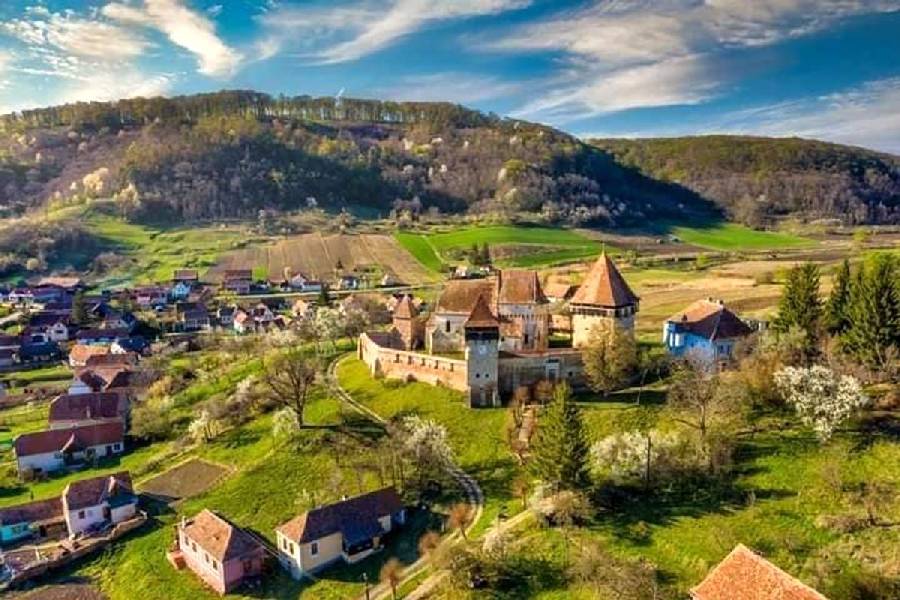
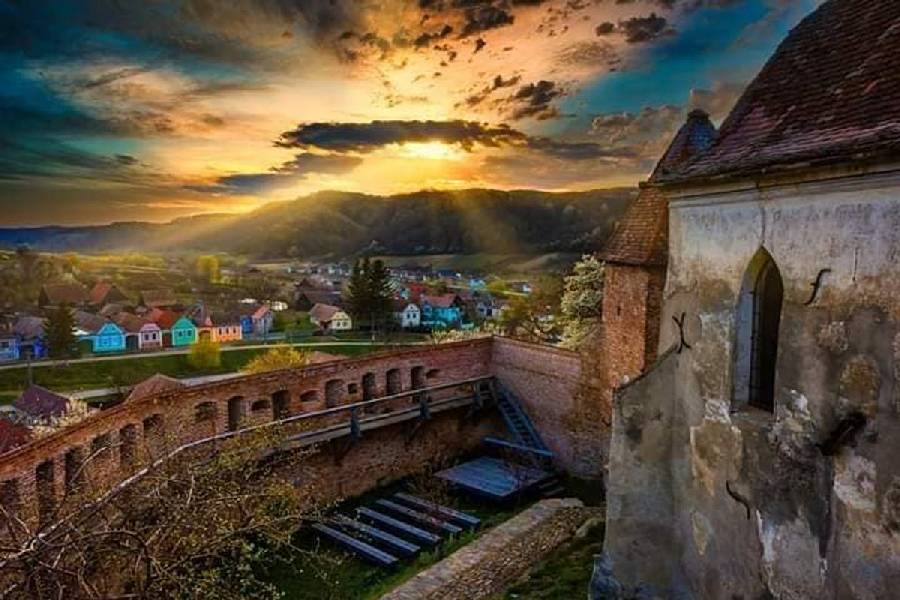
(5 January 2026)
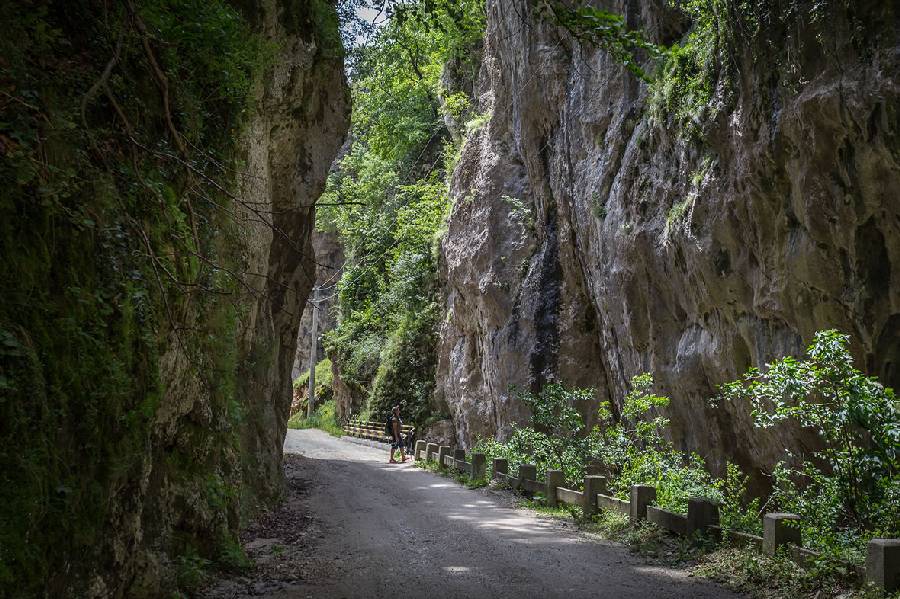
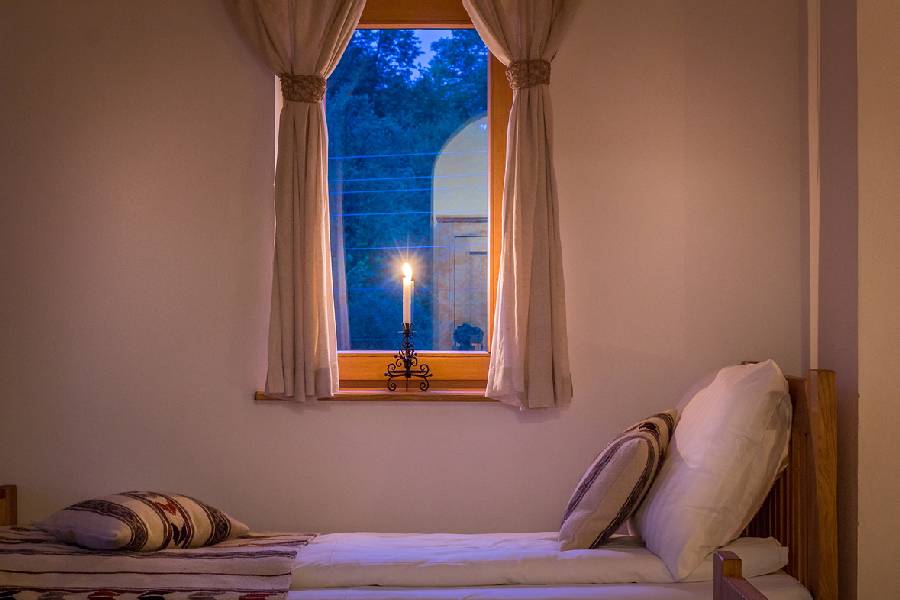
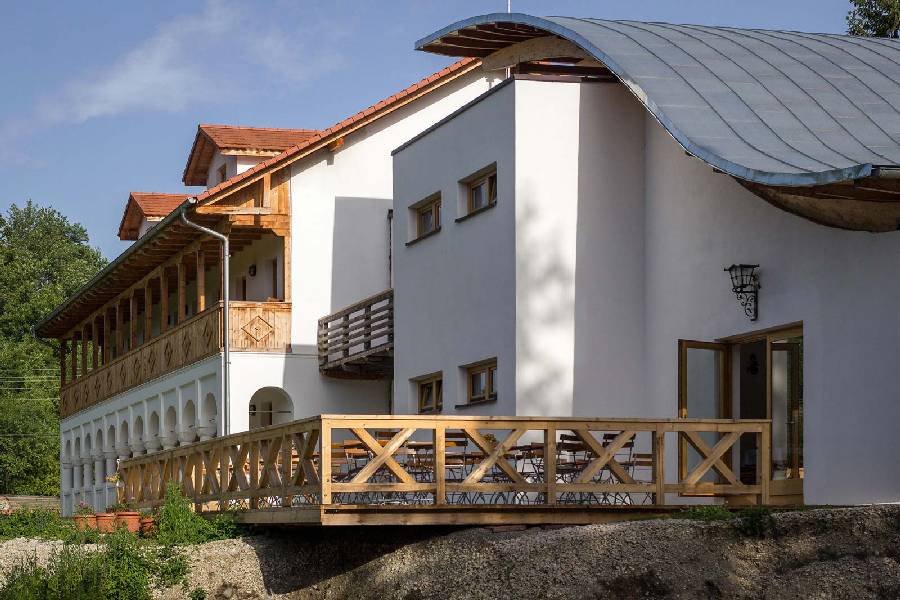
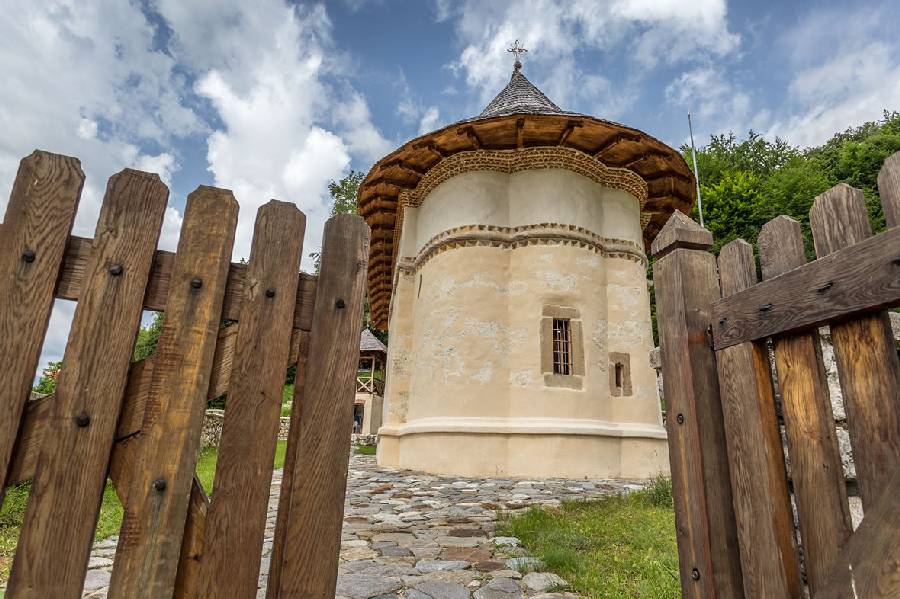
The Hanul Vatra Hotel is the ideal place for a holiday in the countryside, for pure nature, history, and hiking, away from the noise of the big city.
It is also a wonderful place for private celebrations, a weekend in the mountains, courses, teambuilding, meetings, or simply for relaxing. Nearby are many destinations worth visiting, such as the Hurezi Monastery (Horezu) and other sites.
Learn more about this German-speaking host:
https://xn--urlaub-in-rumnien-2qb.de/de/uir/das-hanul-vatra/
Learn more about the region:
https://discover-valcea.com
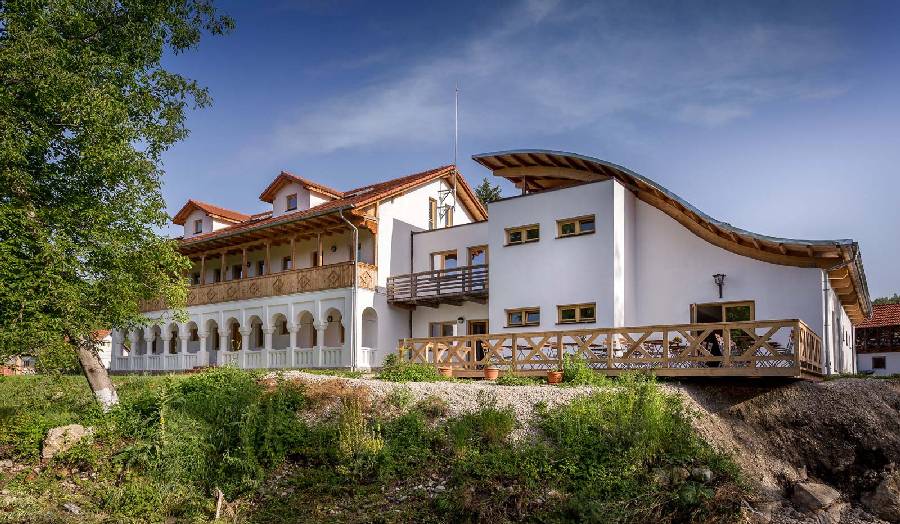
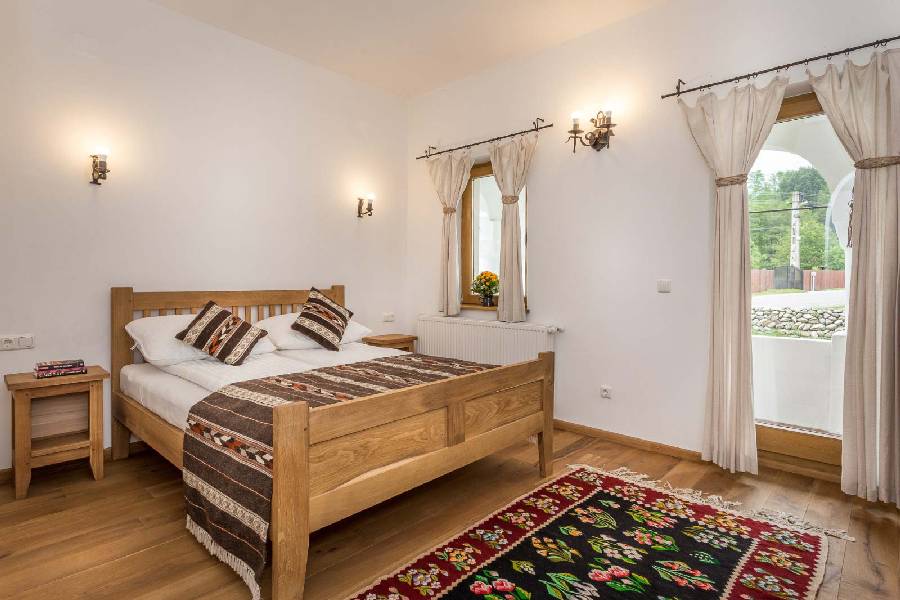
(5 January 2026)
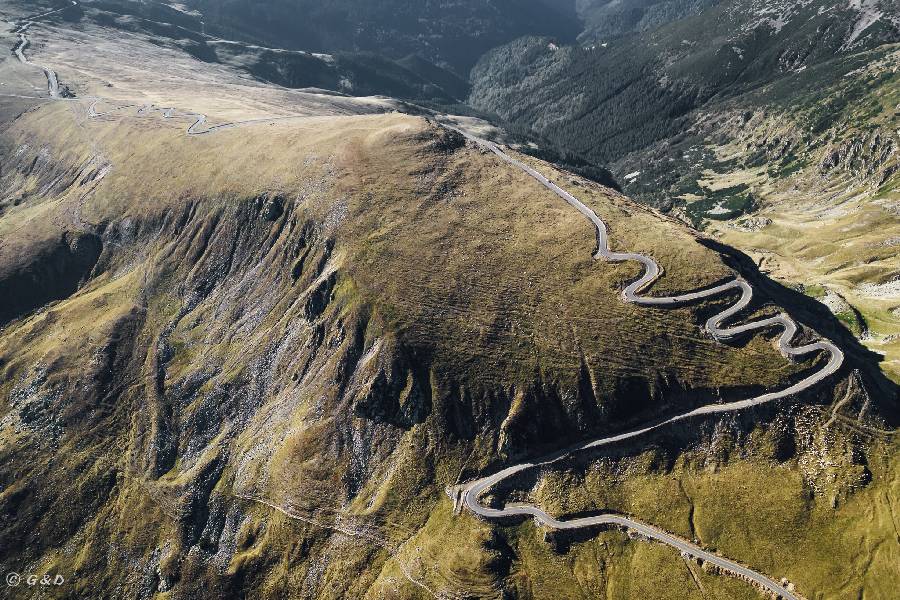
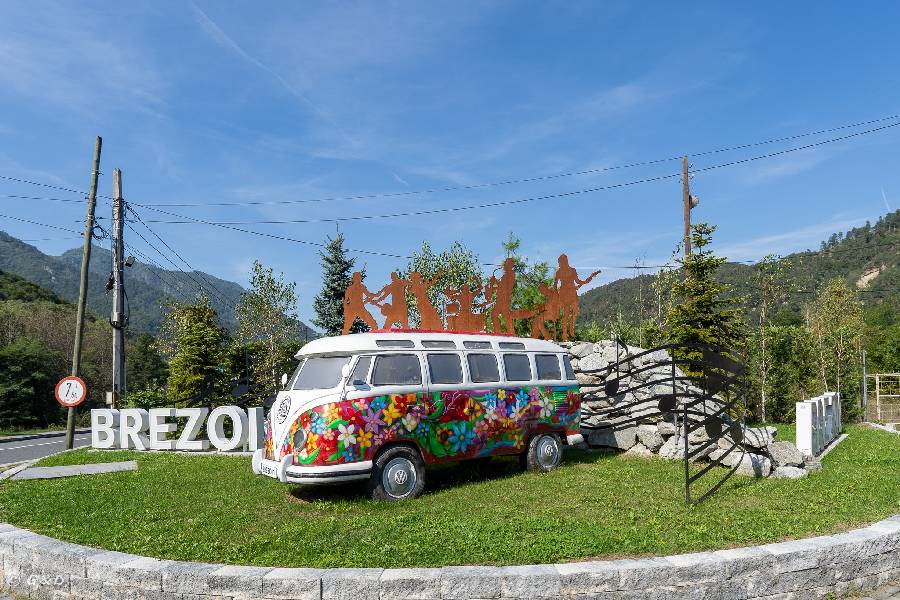
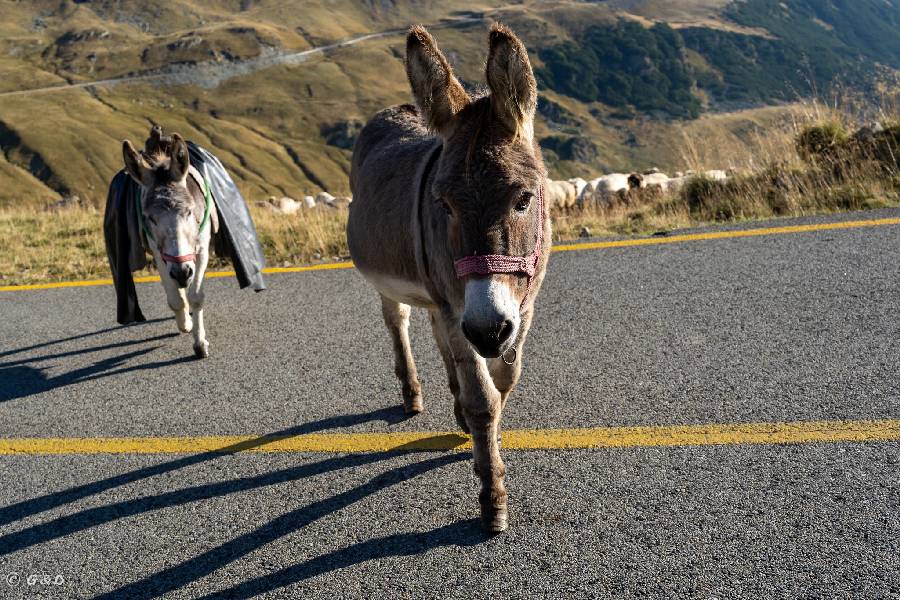
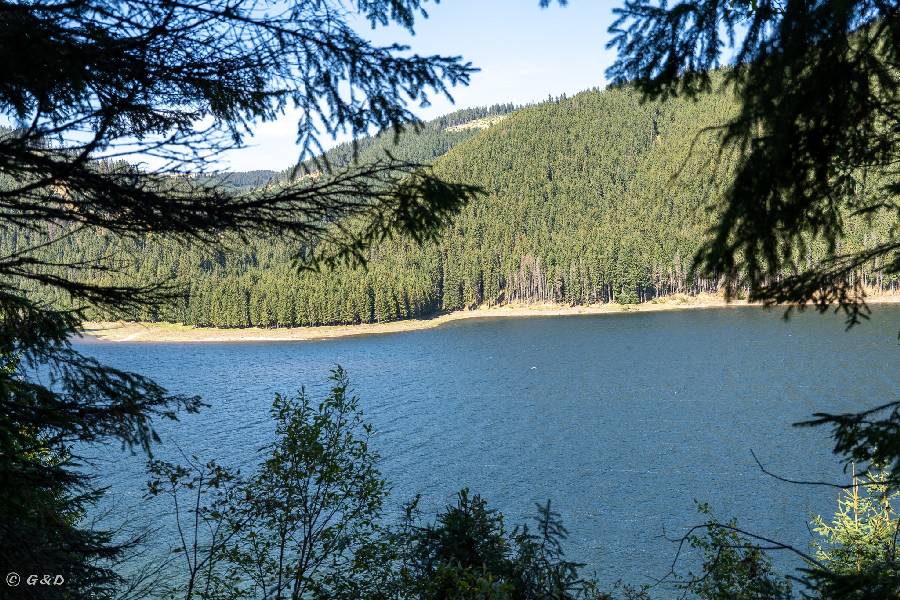
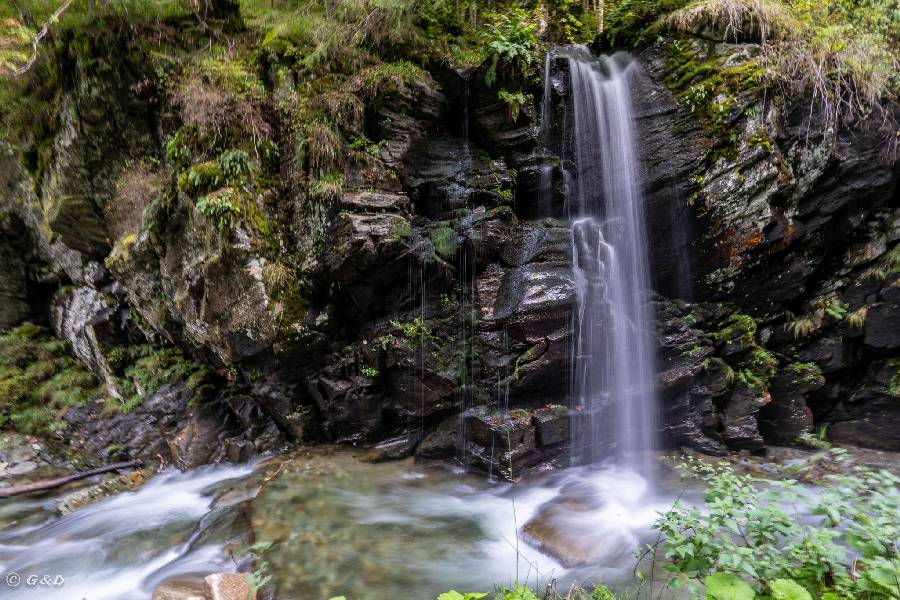
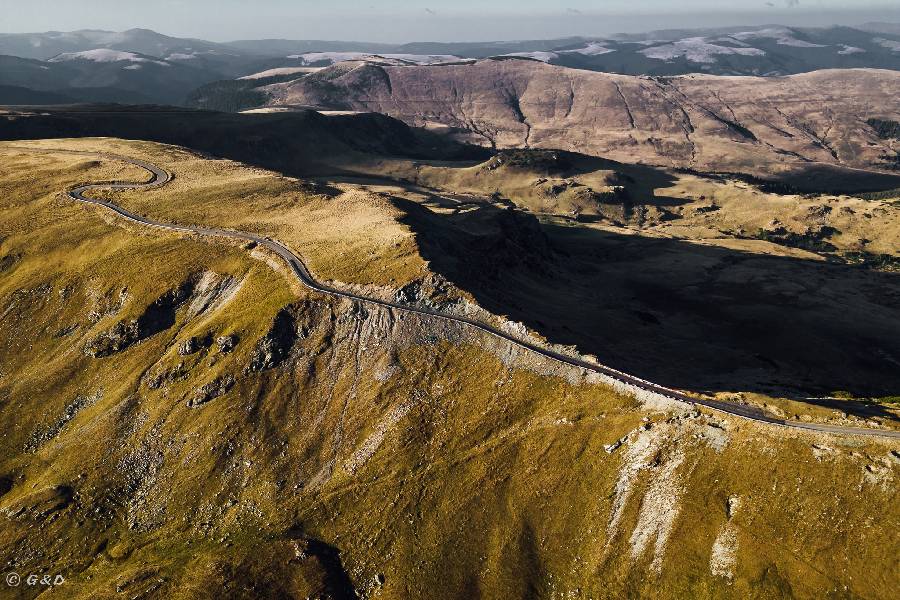
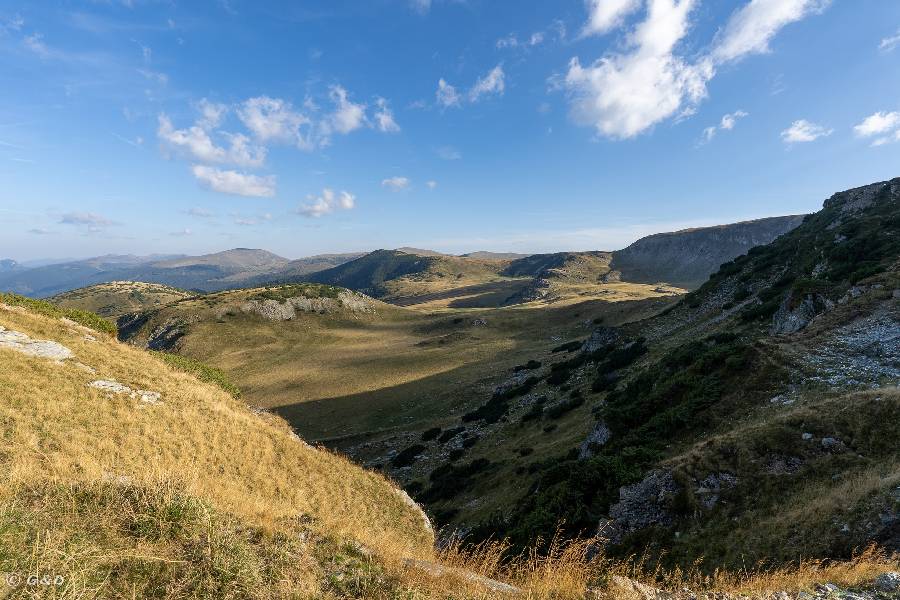
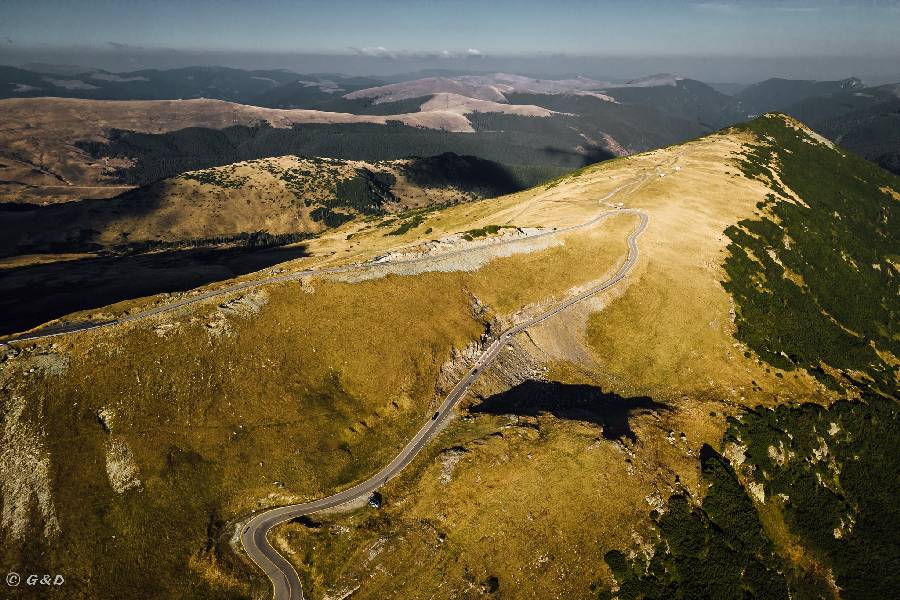
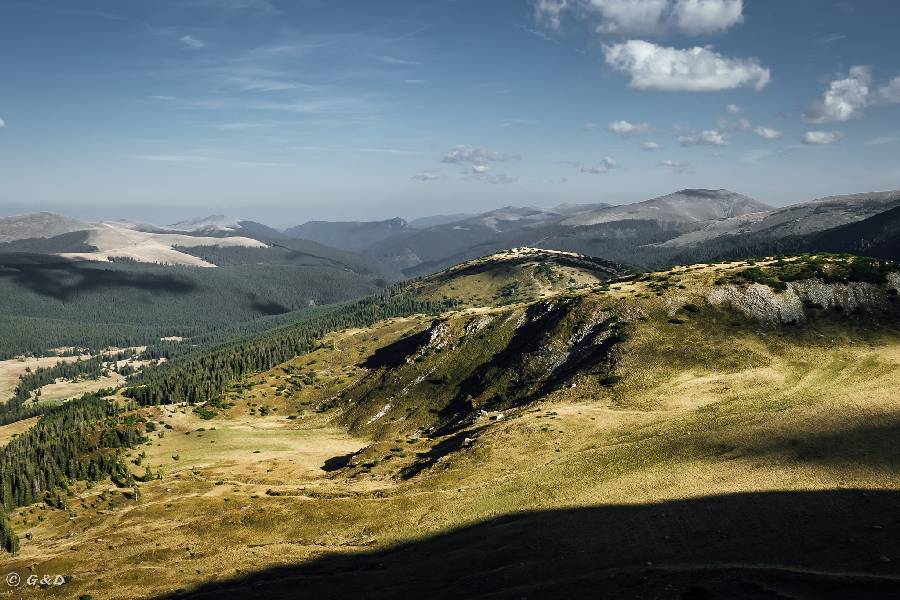
We start at the end, but at the beginning we want to thank the Zitzmann family, who allowed us not only to use the pictures of the trip (end of September 2023), but also to take over the experiences. Thank you
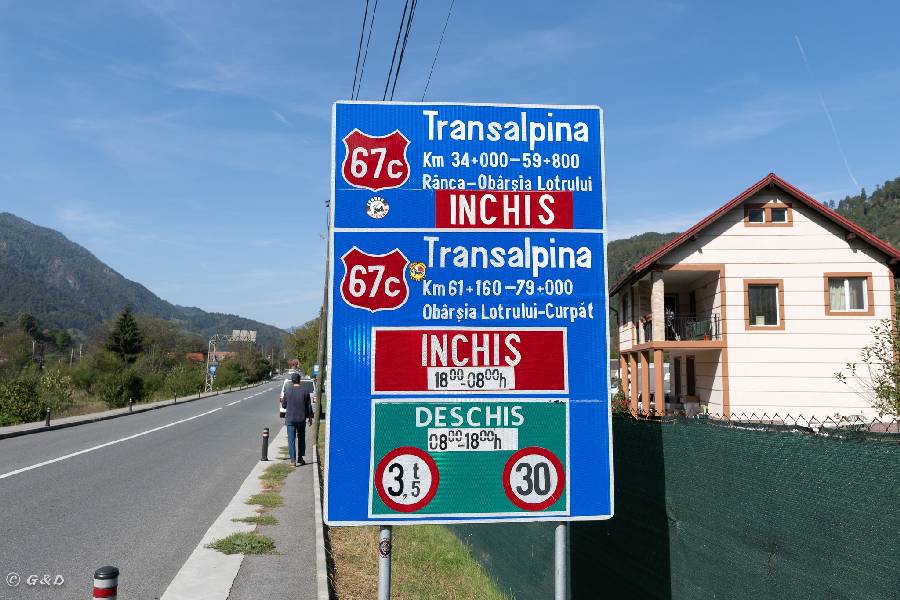
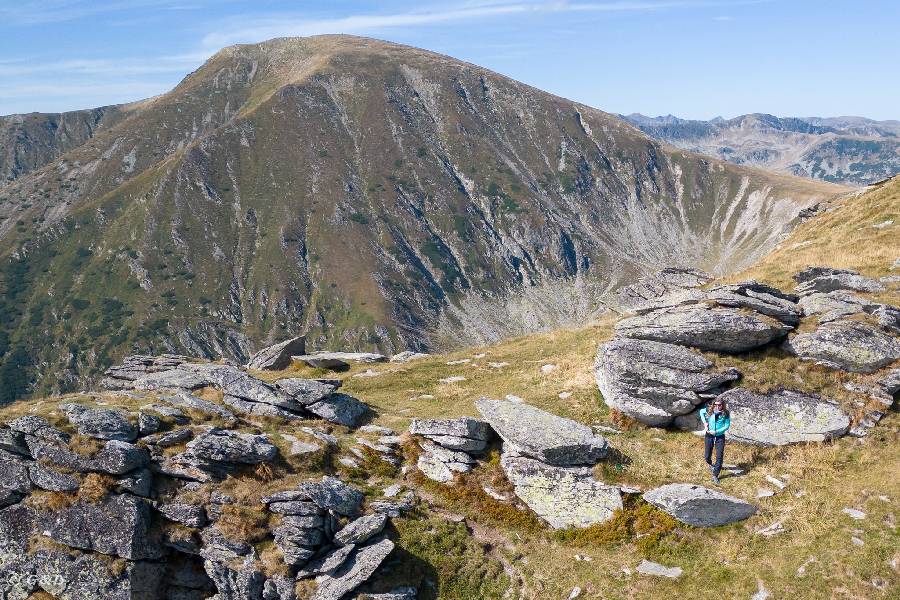
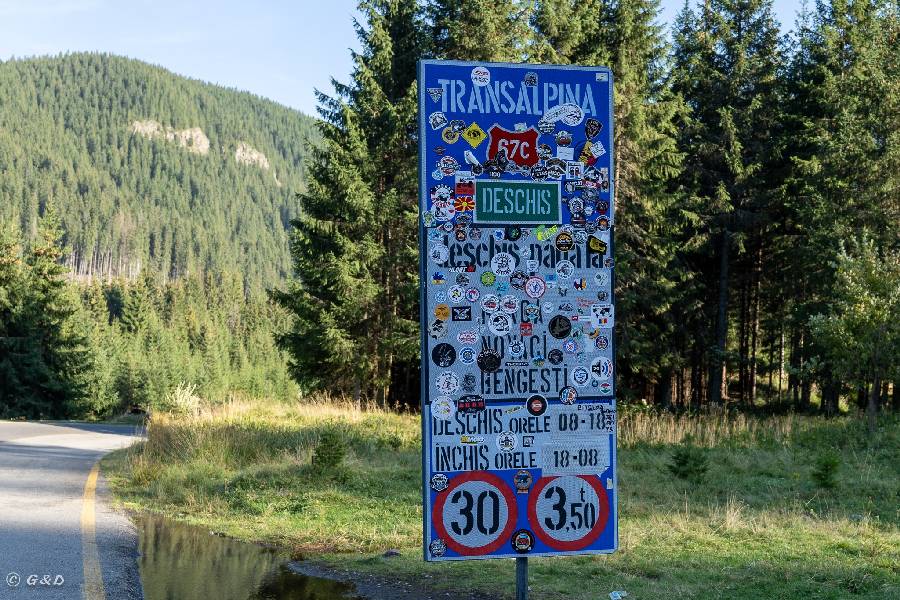
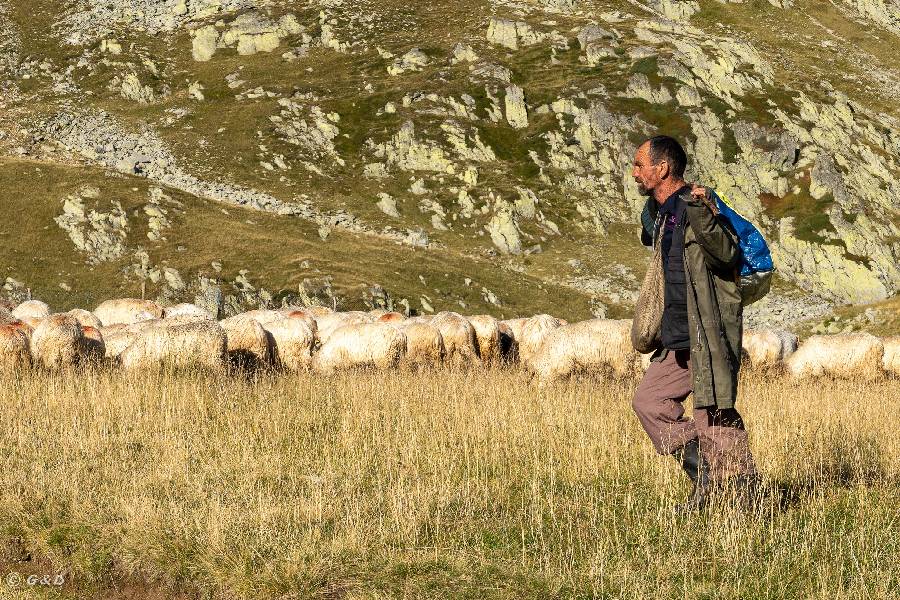
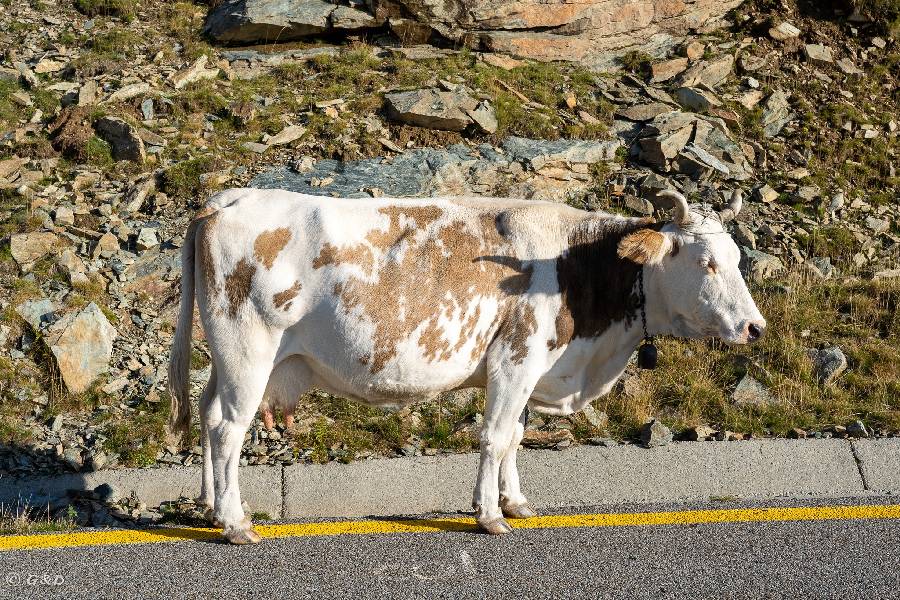
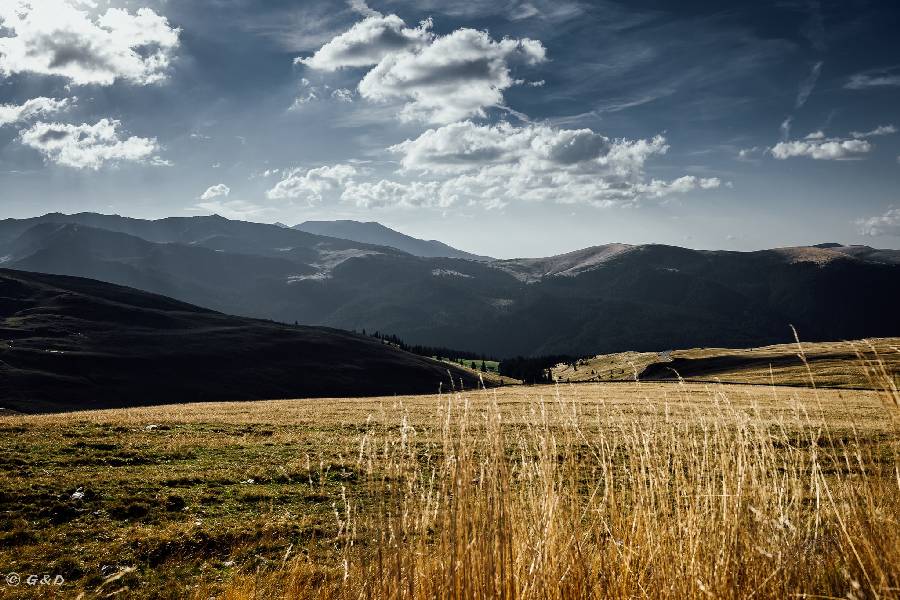
“We drive the Transalpina, but after a few hours we realize that we miss the beautiful part. Google talks about blockage, missing guard rails and that the road was never finished…well, we let it come to that, turn around, drive back (the Transalpina is somehow divided in two) 100erte Schwammerlsucher pull 1000s of kilos of mushrooms from the forest, in large vats that we know from the grape harvest. Incredibly which quantities there are.
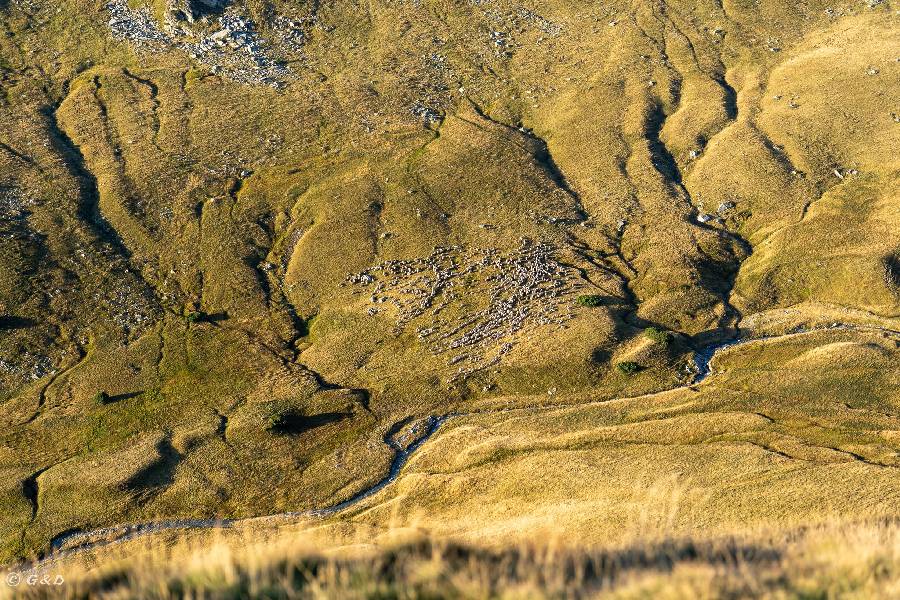
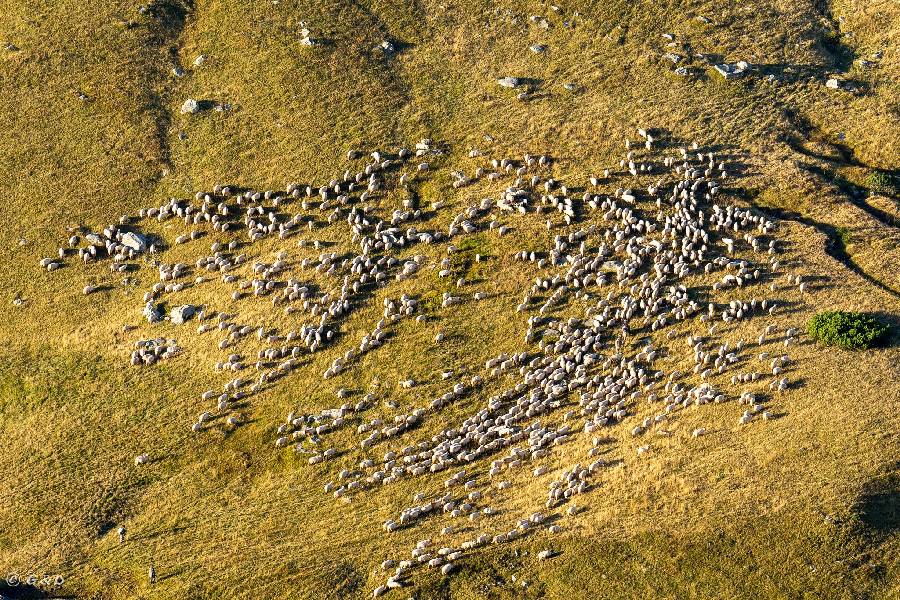
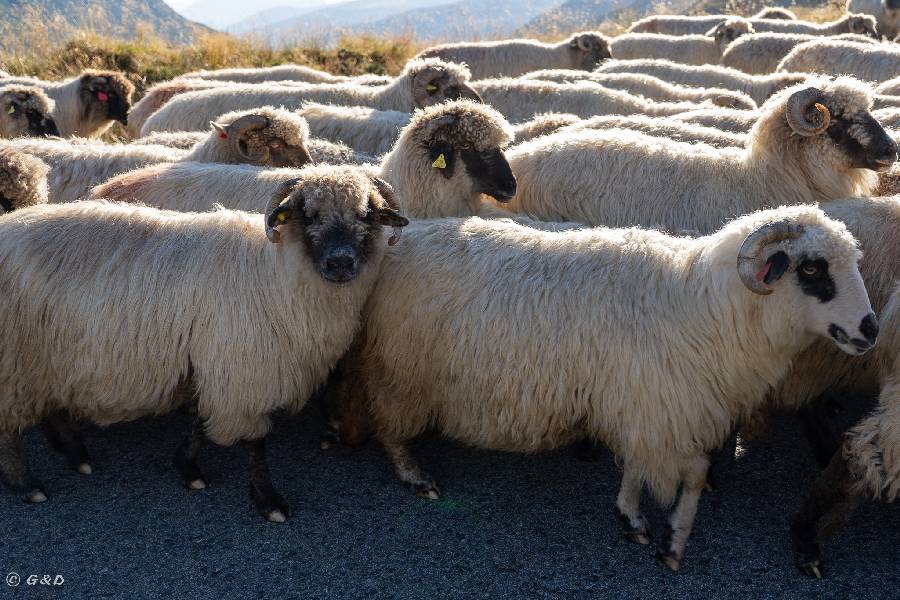
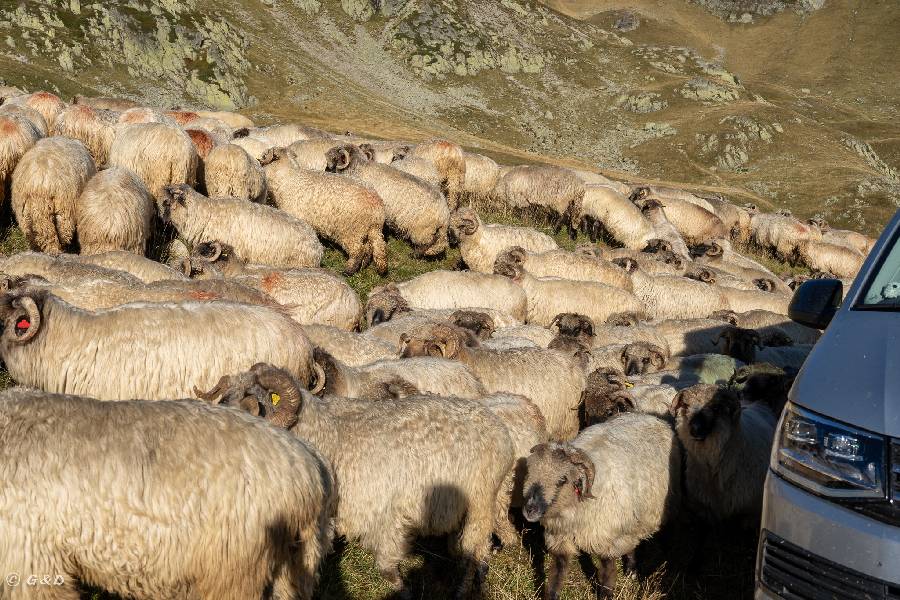
We find a great place to sleep, one may drive the road only from 8-18 clock…well we stand anyway, and do not drive. In Romania it is apparently no matter, locals drive around of course also after 18 o’clock, dig for stones, etc.. In the morning then a flock of sheep near us, still spend a lot of time in the wonderful mountain area, to finally arrive in the afternoon at the castle in Hunedoara to visit it.”
Thanks to Gerhard Daniela Zitzmann for pictures and text.
(4 January 2026)
Near the town of Anina lies the Bigar Waterfall, formed on travertine (limestone tuff), which in 2013 topped the list of the most impressive waterfalls in the world on the World Geography website.
(4 January 2026)
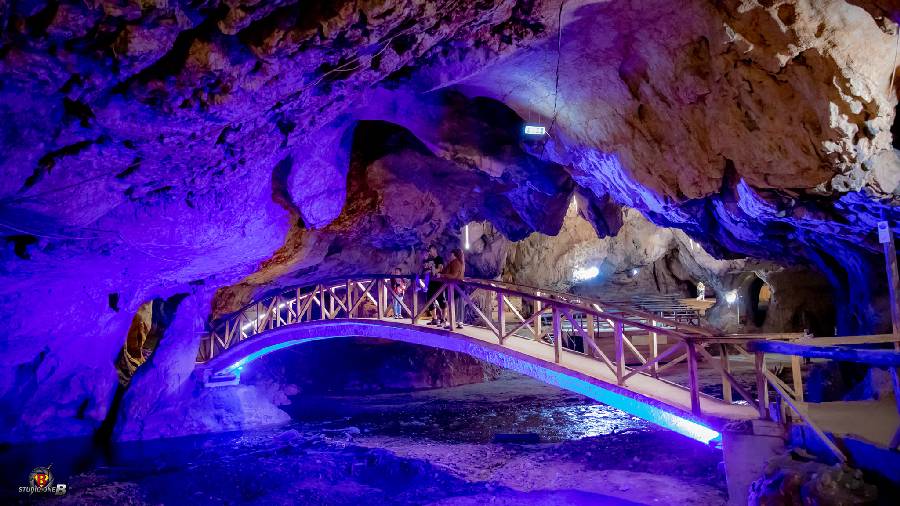
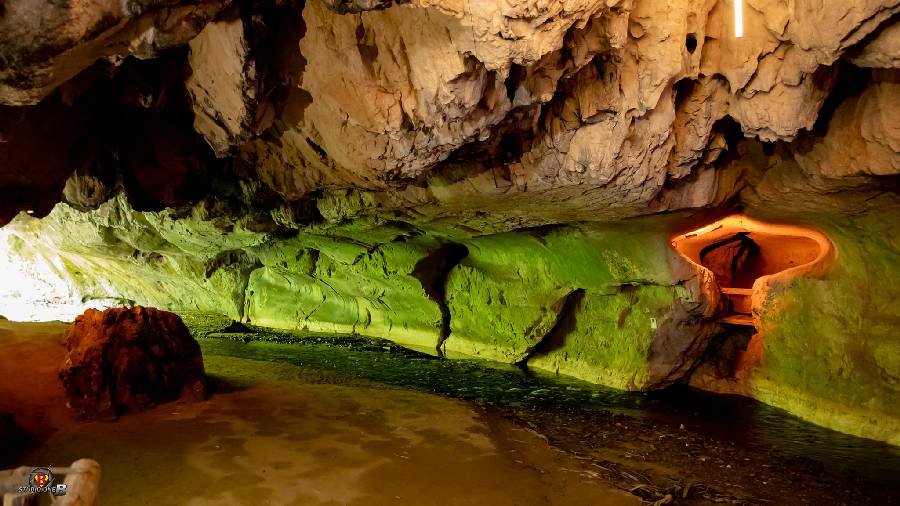
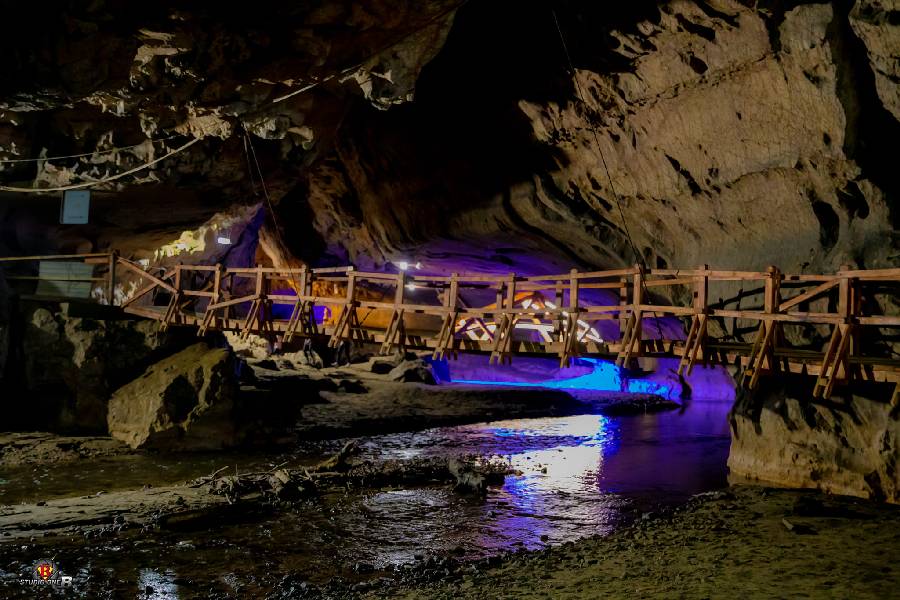
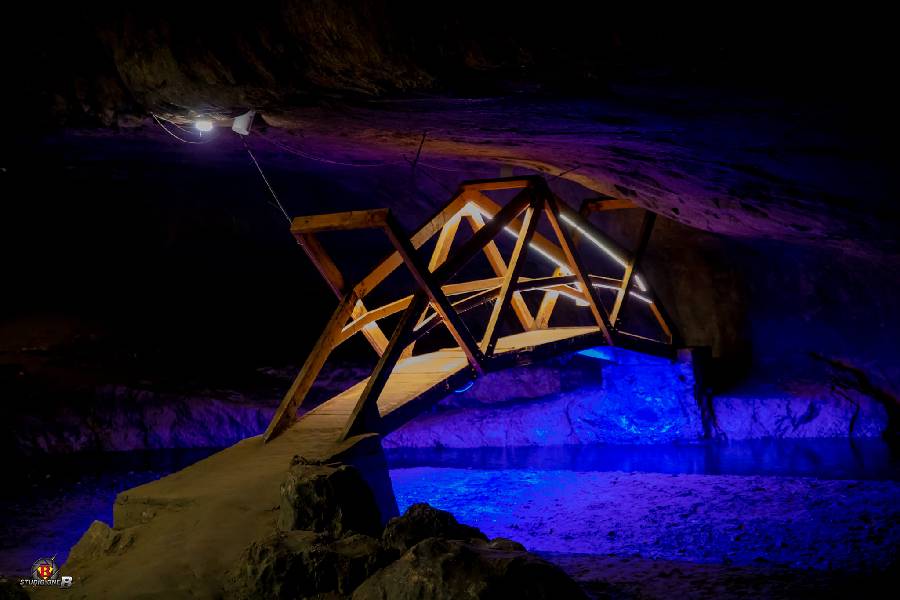
The cave is located on the road that connects the Jiului Valley with Țara Hațegului, about 6 km from the city of Petroșani.
The Bolii Cave is a natural formation that is accessible along its entire length.
We thank Go Hunedoara (Photos: Stefan Bla) for the permission to use these images.
(4 January 2026)
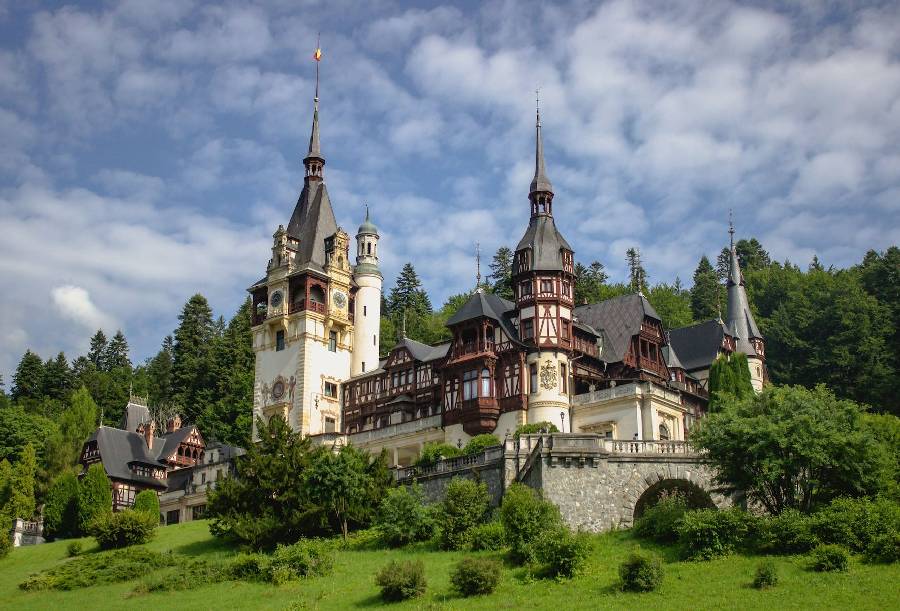
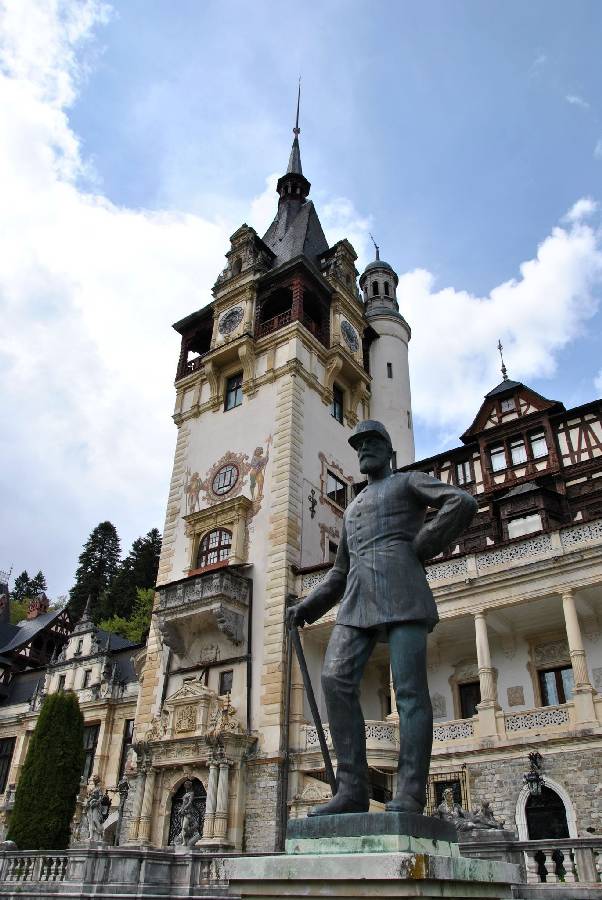
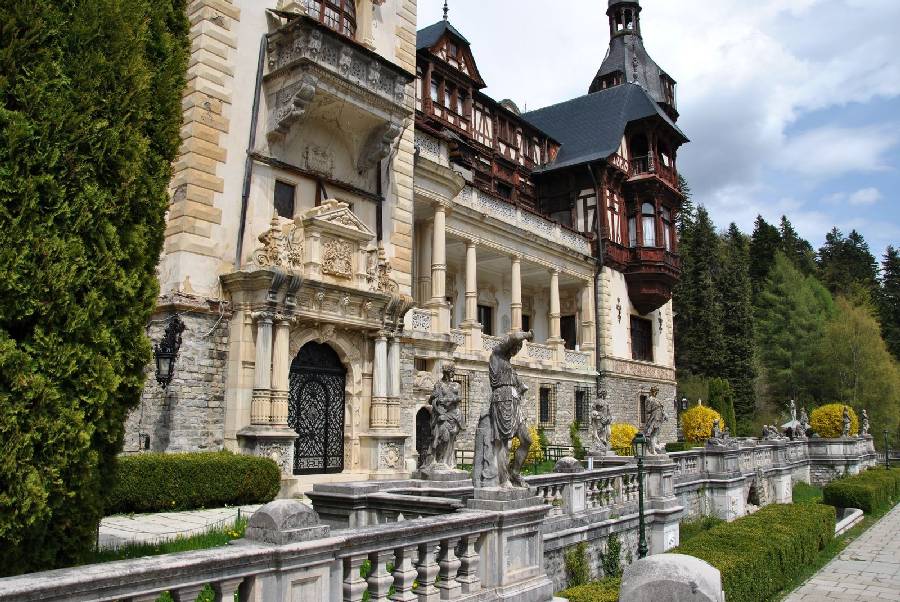
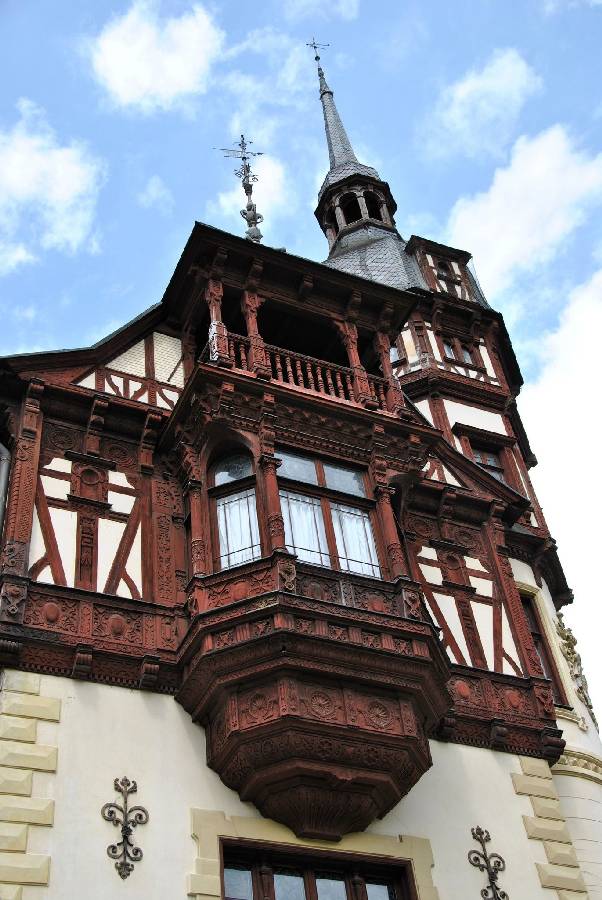
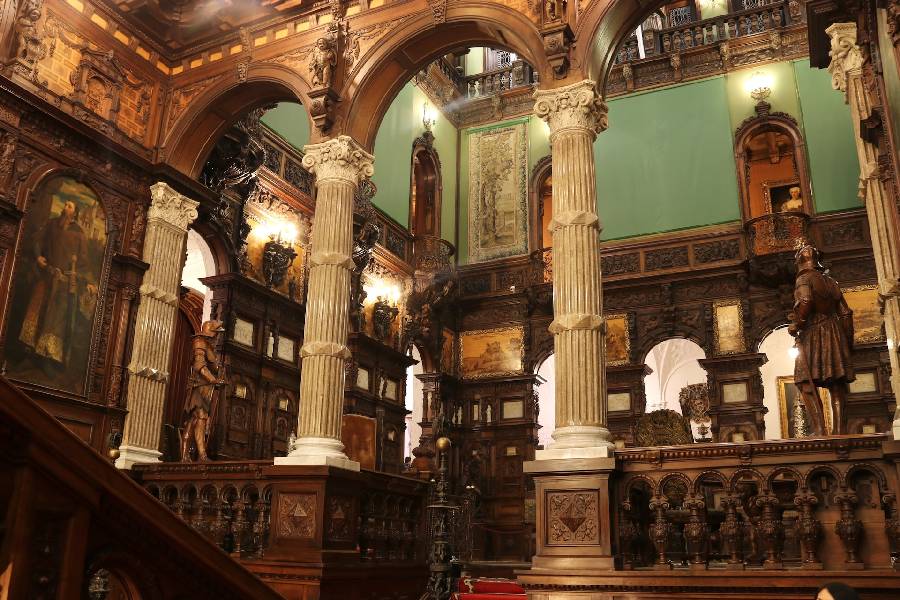
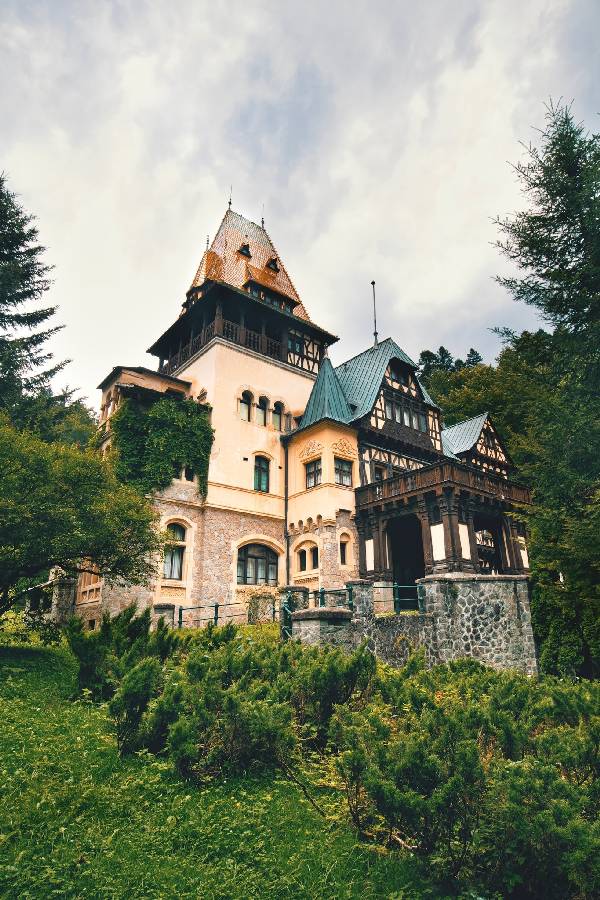
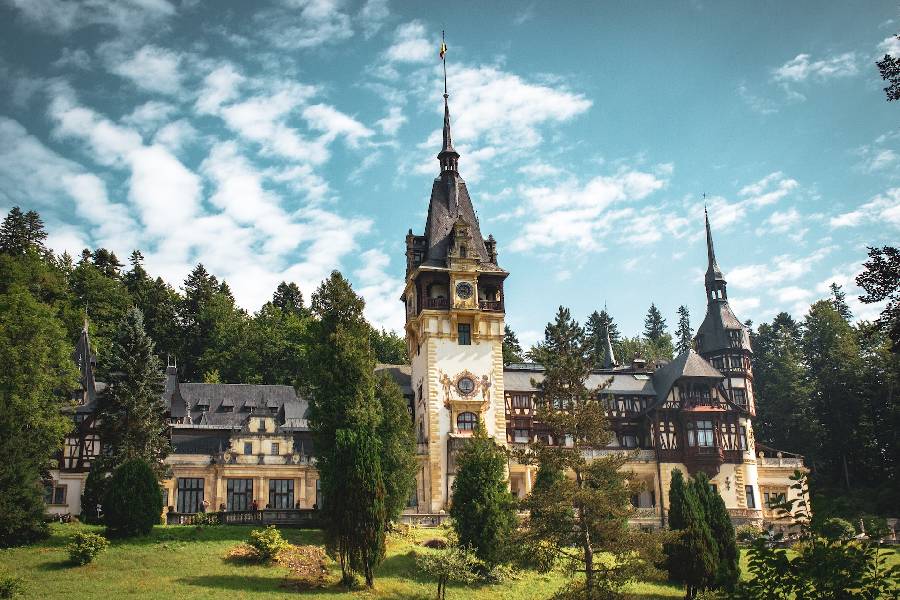
Peles Castle was built between 1873 and 1883 at the initiative of Carol I, the first Romanian king.
It is located about 1.5 km northwest of the town of Sinaia in Prahova County. Just a few steps away (about 300 meters) lies its “little” brother, Pelisor Castle
Find many, many more destinations across Romania and easily create your own travel plan > https://rotravel24.com
(4 January 2026)
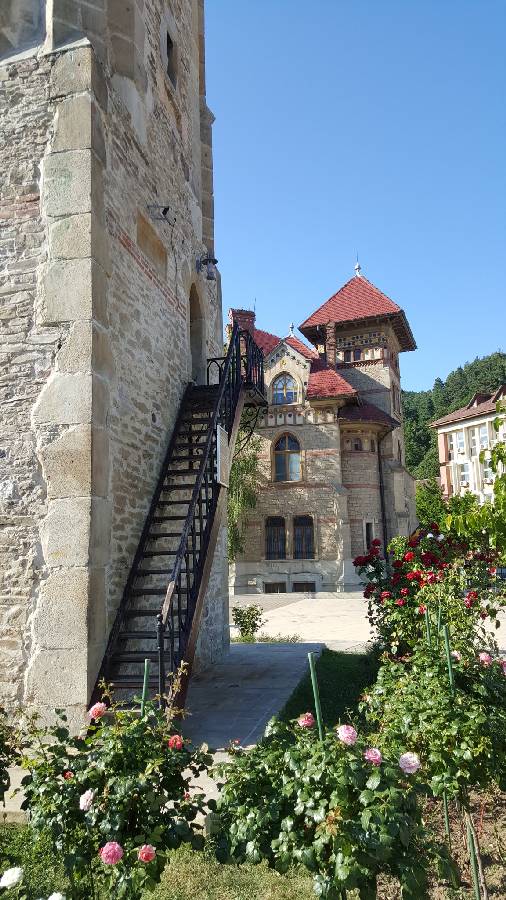
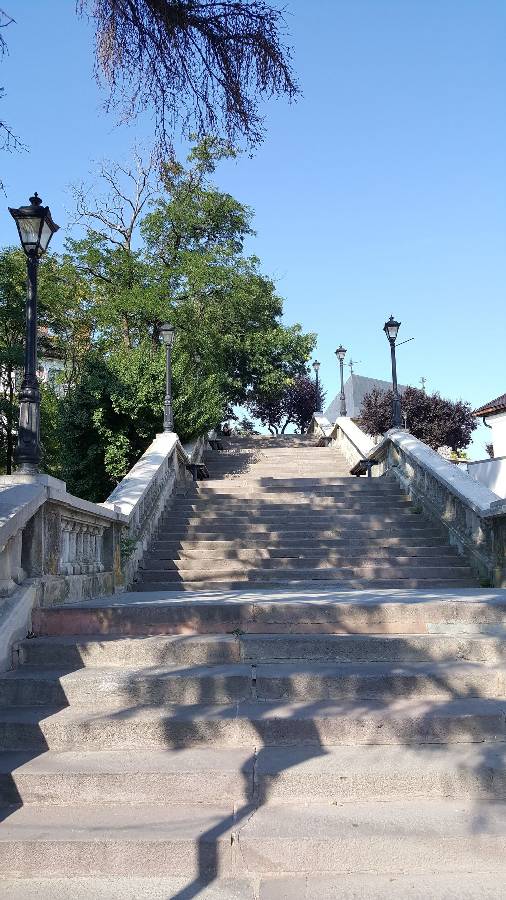
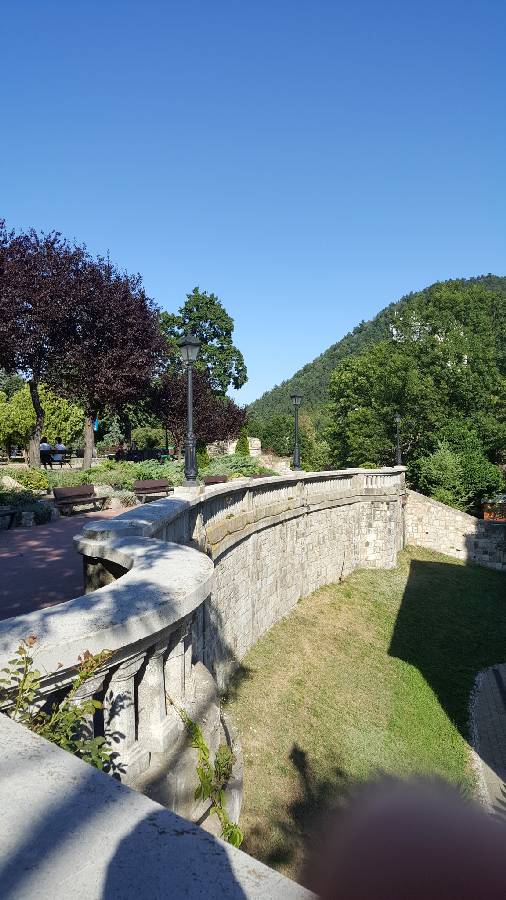
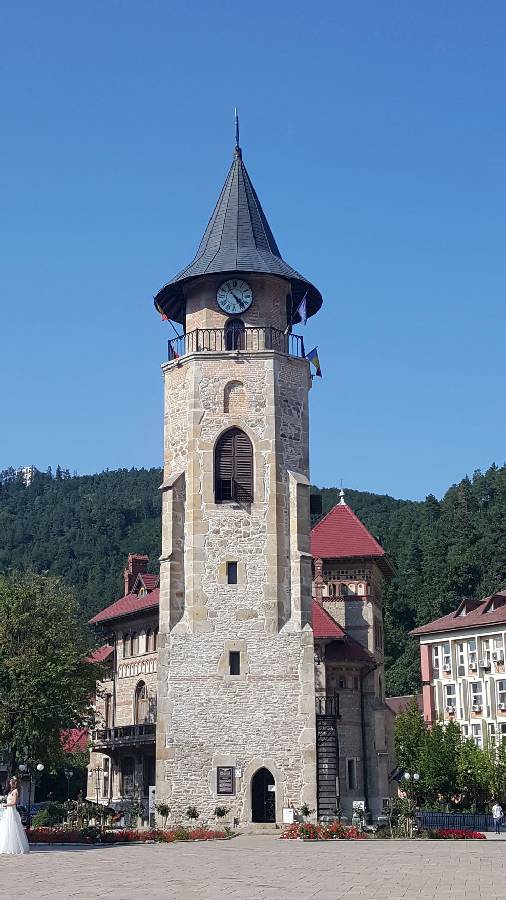
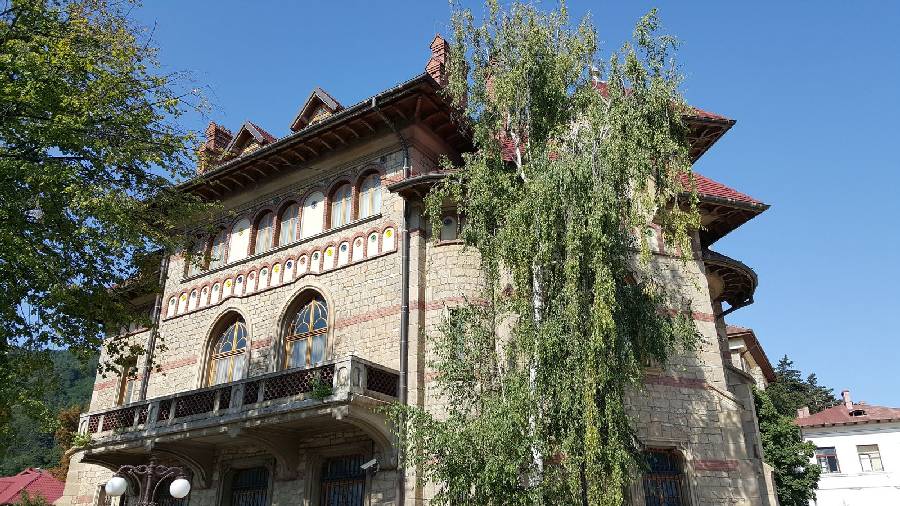
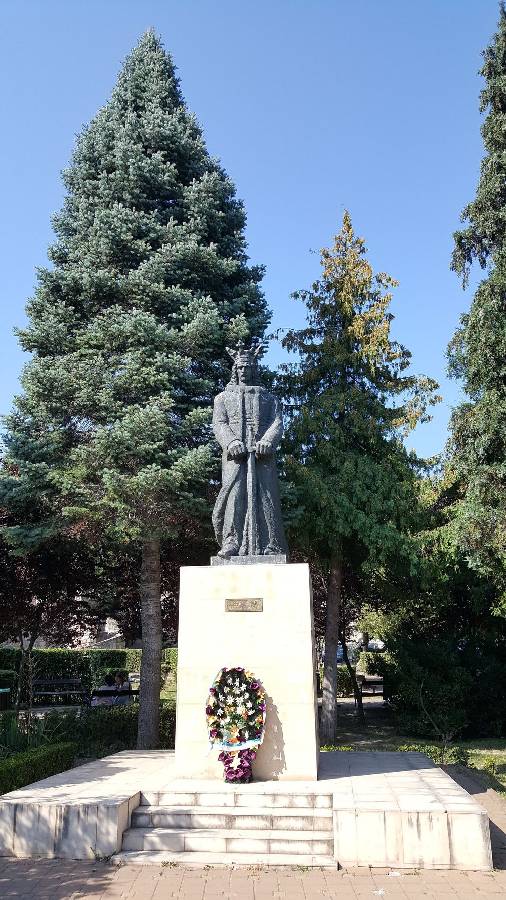
Kreuzburg an der Bistritz is located in the east of northern Romania ( Neamț District ) in the so-called Westmoldau, at the foot of the Eastern Carpathians.
https://welcome-to-romania.com | https://willkommen-in-rumänien.de
The city is about an hour away by car ( 60 km ) from Bacau and is surrounded by wonderful nature and many attractions.
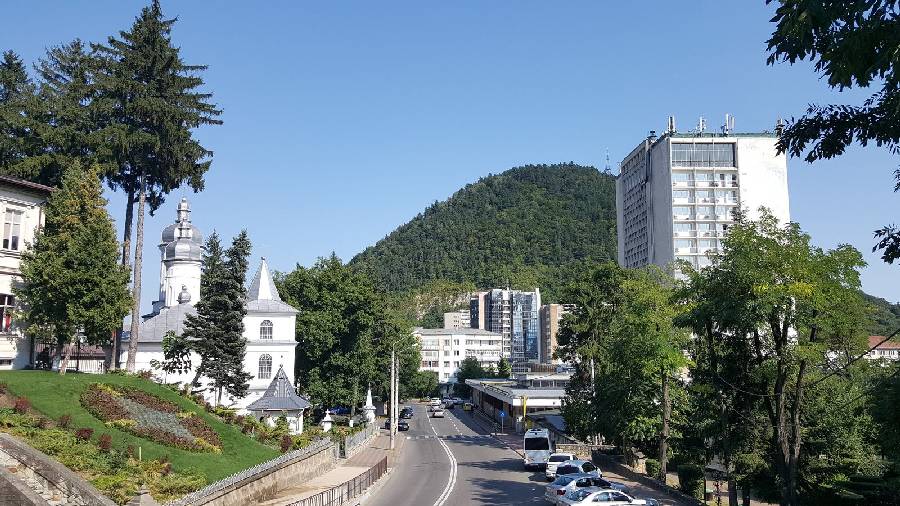
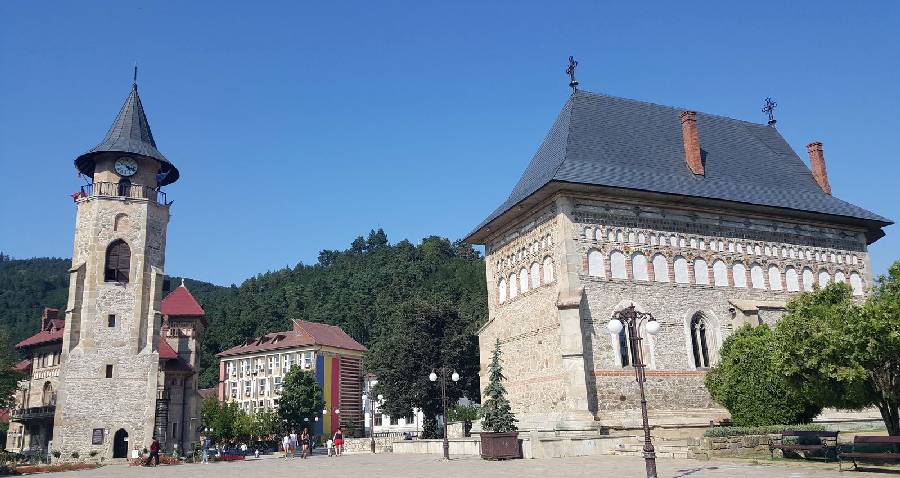
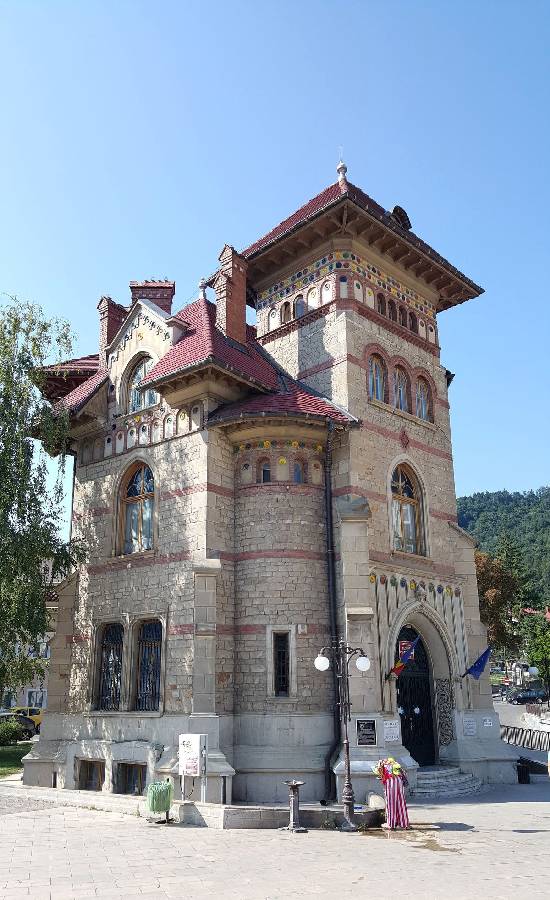
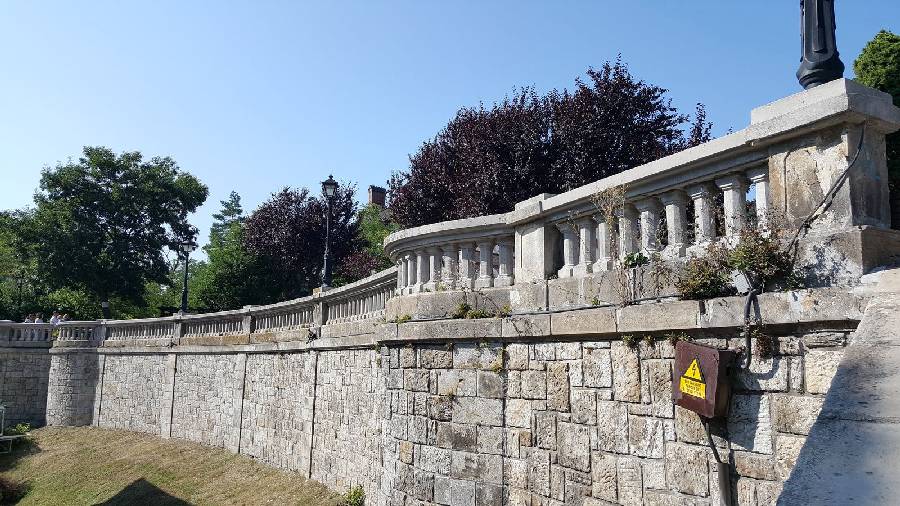
(3 January 2026)
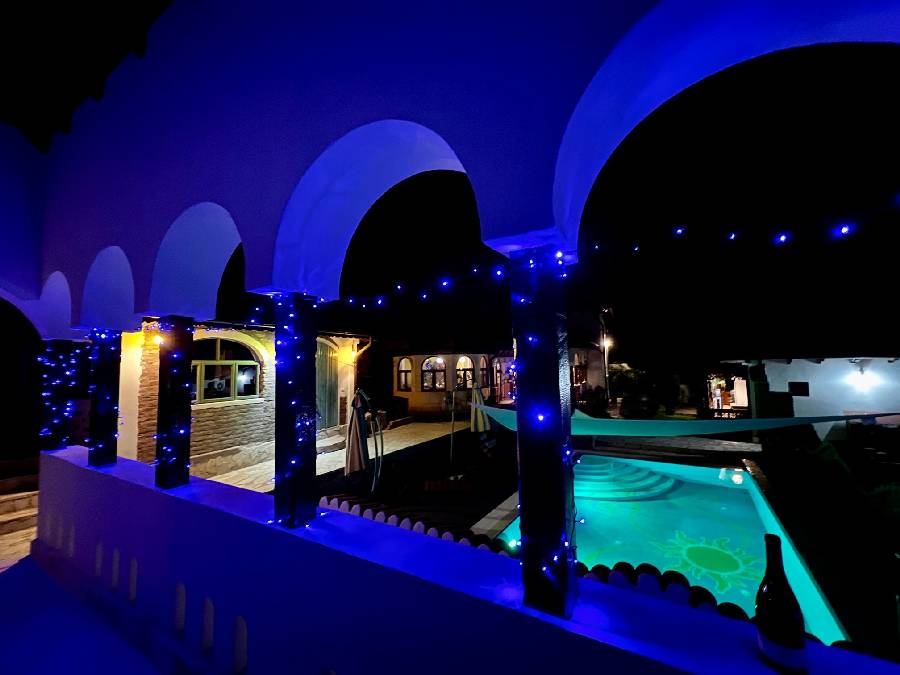
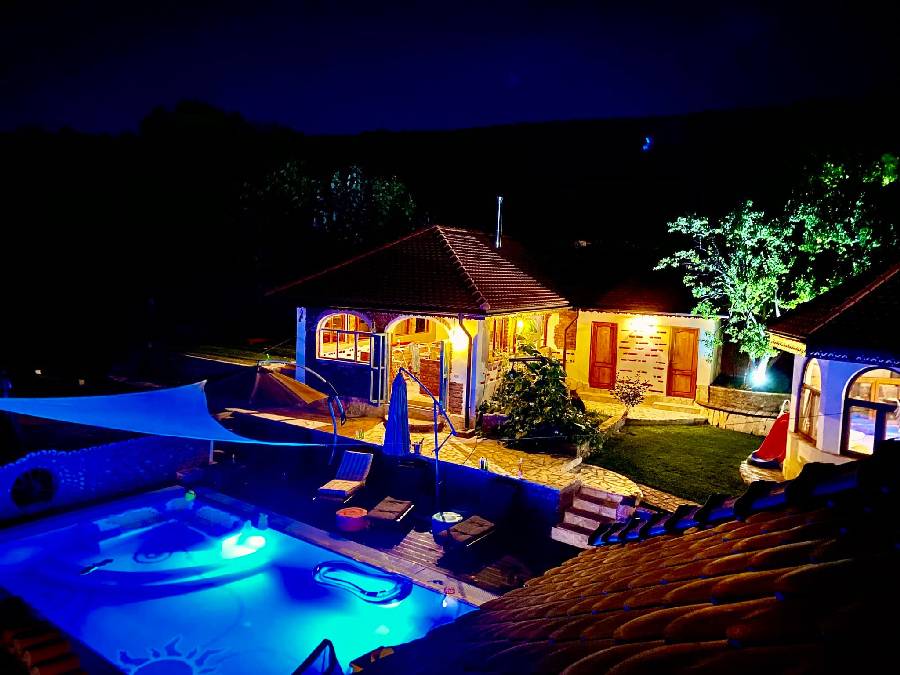
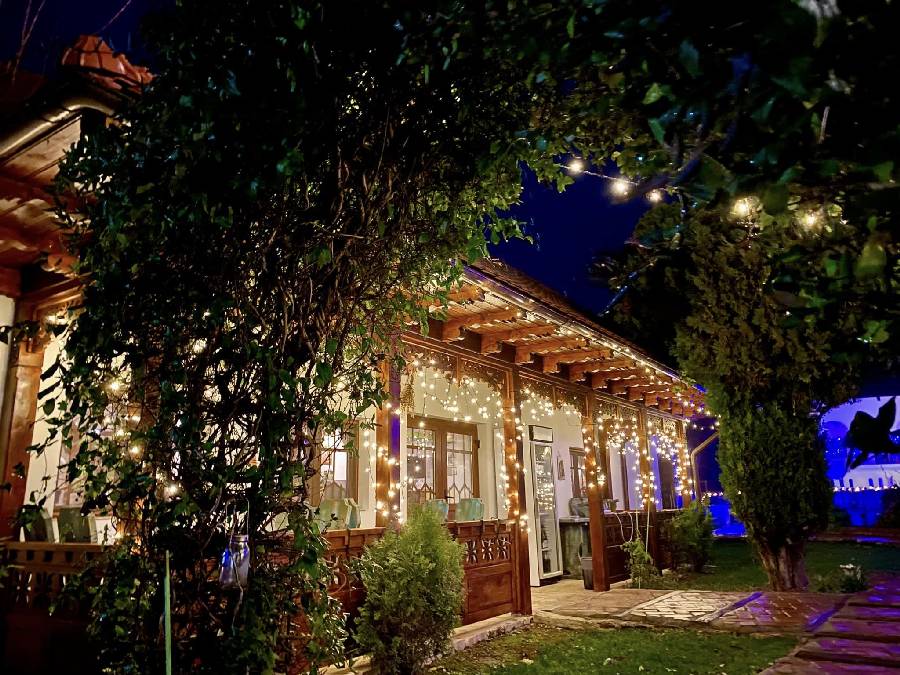
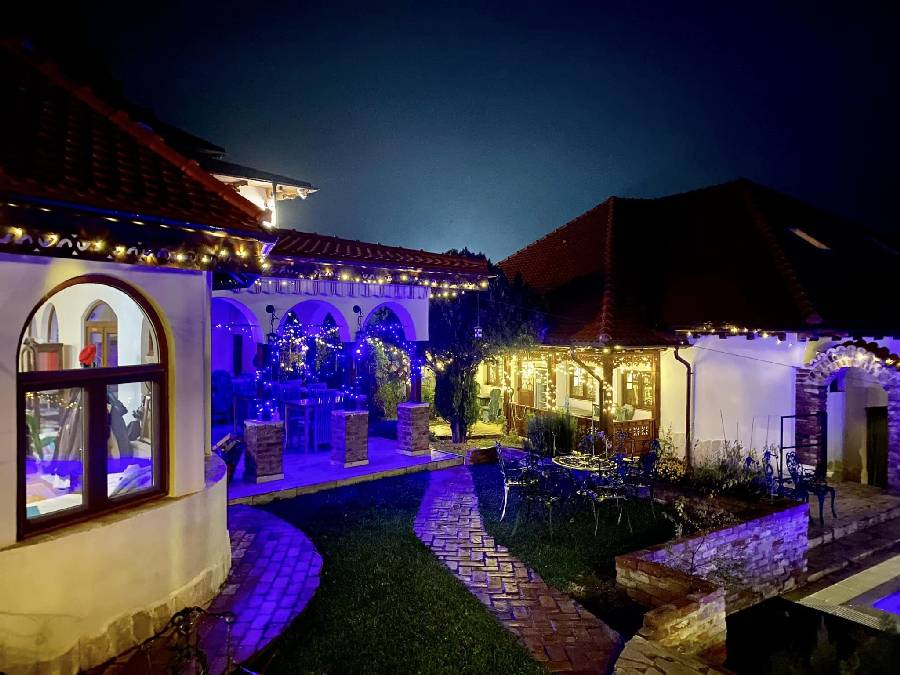
In Buzau County, close to the Mud Volcanoes, the “Living Fire,” and the Tinutul Buzaului Geopark, lies the German-speaking guesthouse Conacul Grigorescu.
https://conaculgrigorescu.com/de
Enjoy wonderful days, be pampered with culinary delights, and experience the region around Buzau or the surrounding area. The guesthouse is located in the center of the triangle formed by Bucharest, Brasov (Kronstadt), and the Danube Delta. The perfect starting point for further experiences and adventures.
(3 January 2026)
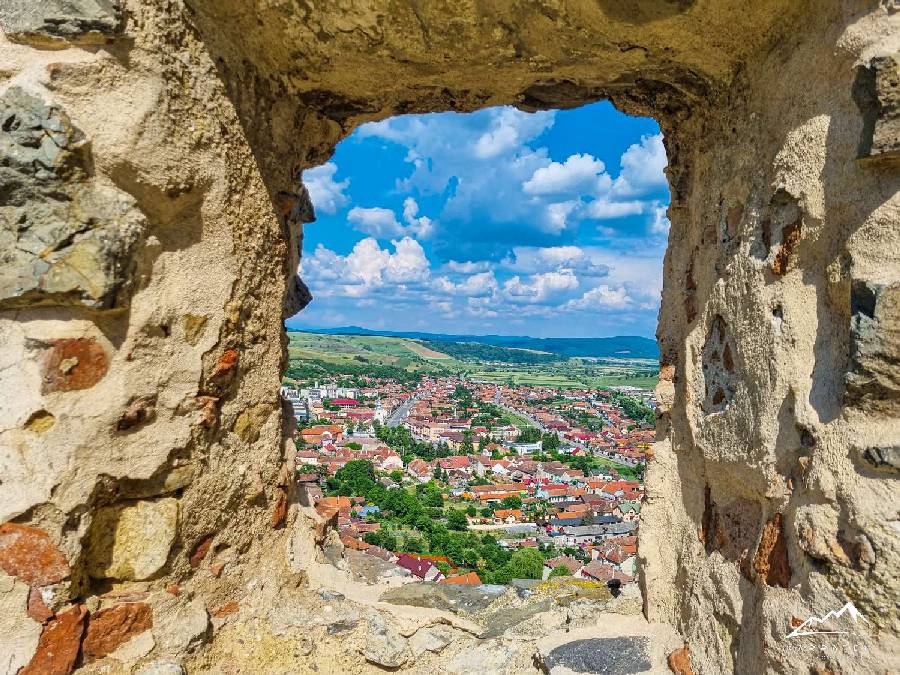
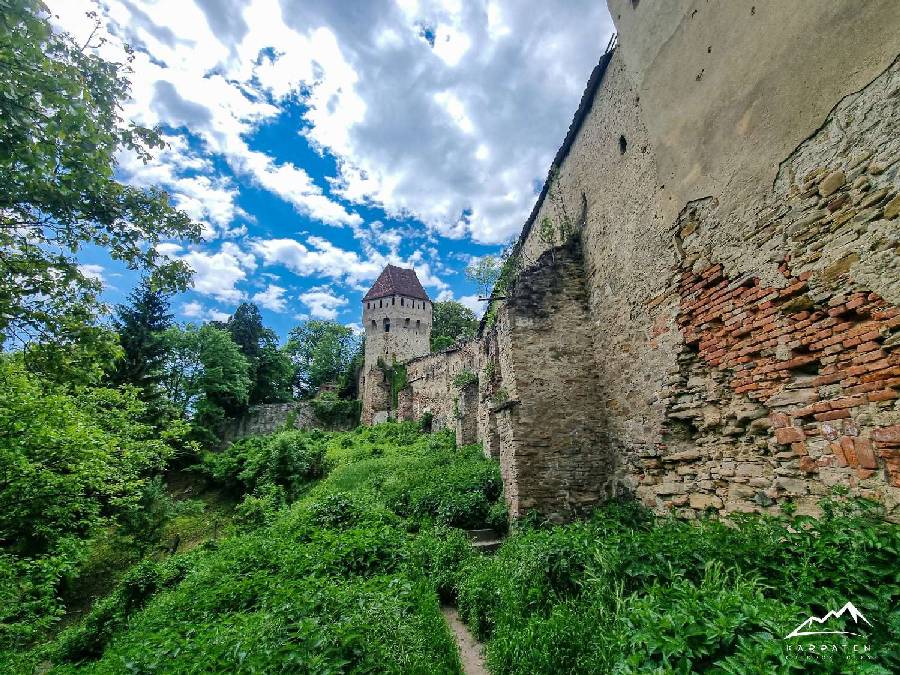
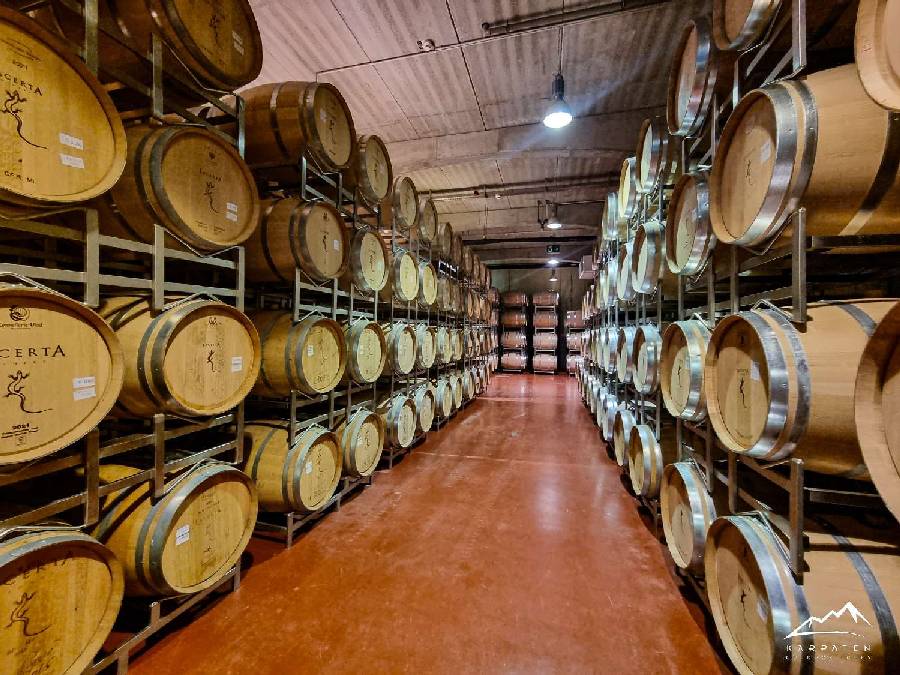
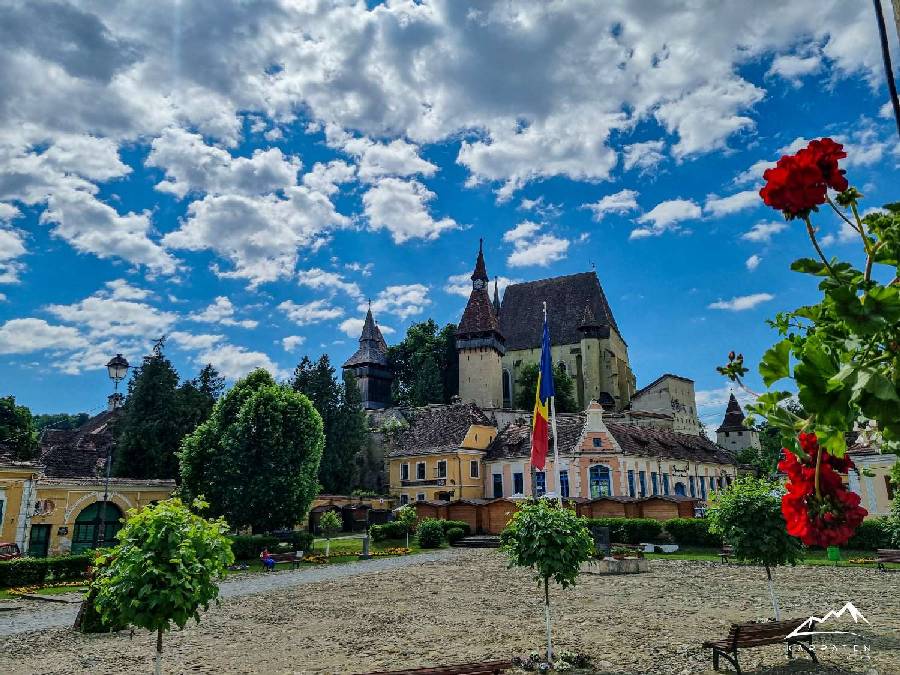
Discover the beauty of the Carpathians and / or the wine regions of Romania with the German-speaking tour operator Karpaten Outdoor Tours.
https://welcome-to-romania.com | https://www.karpaten-offroad.de
(3 January 2026)
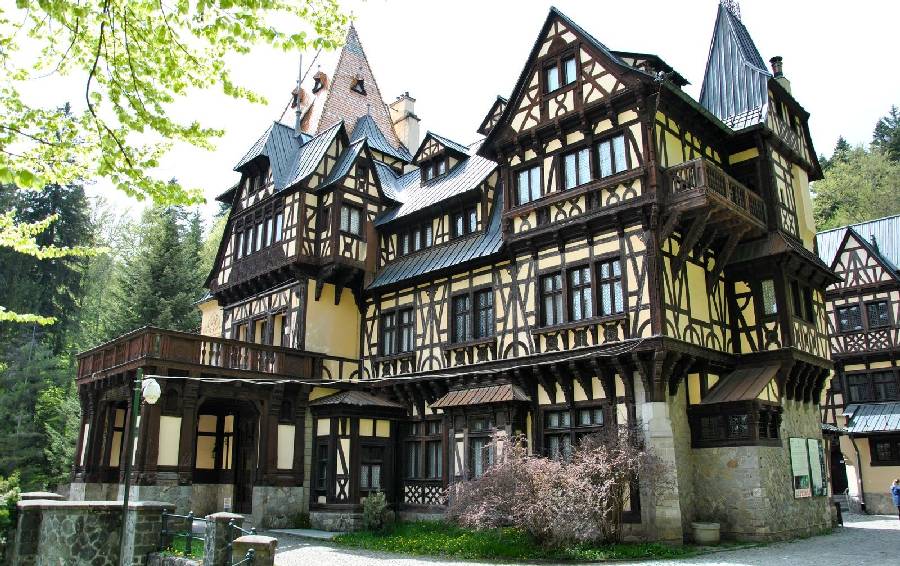
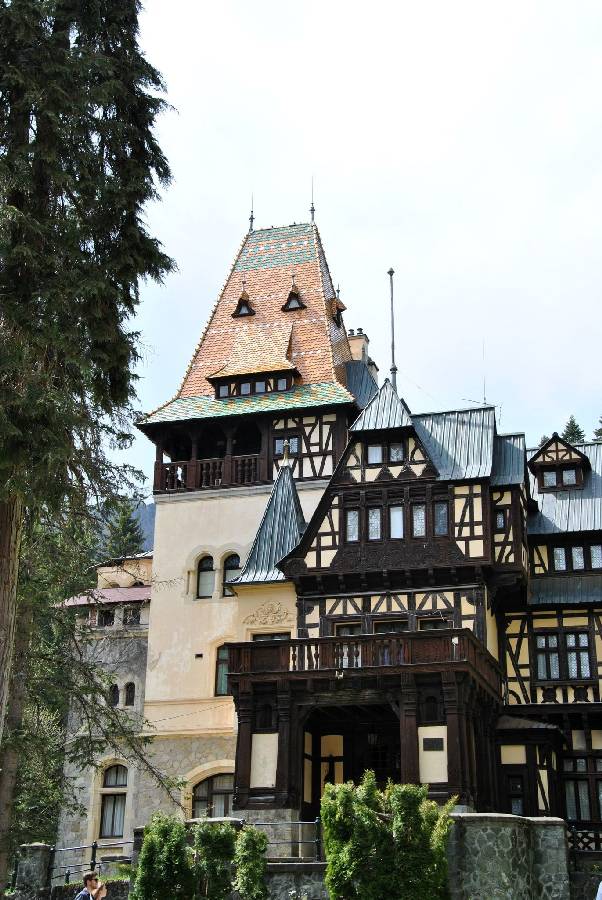
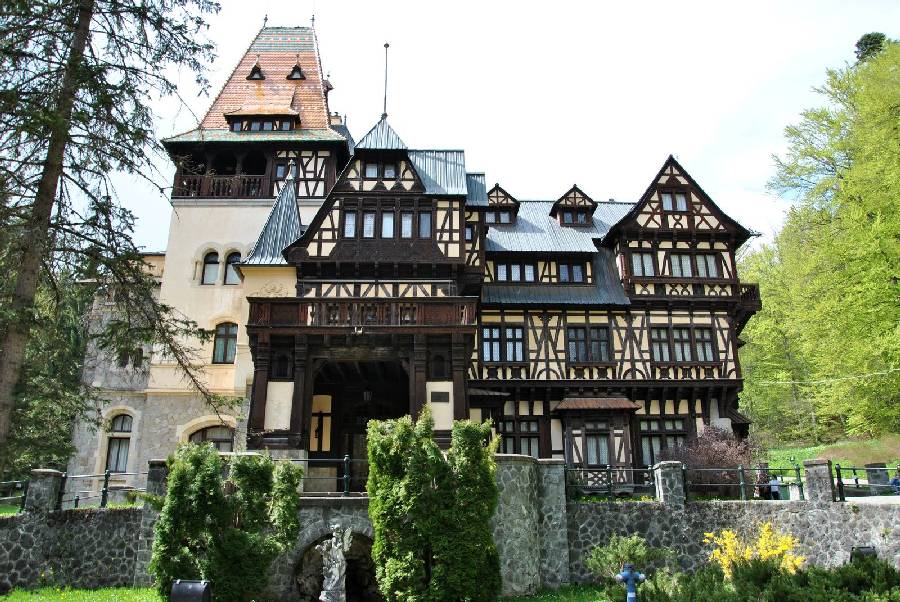
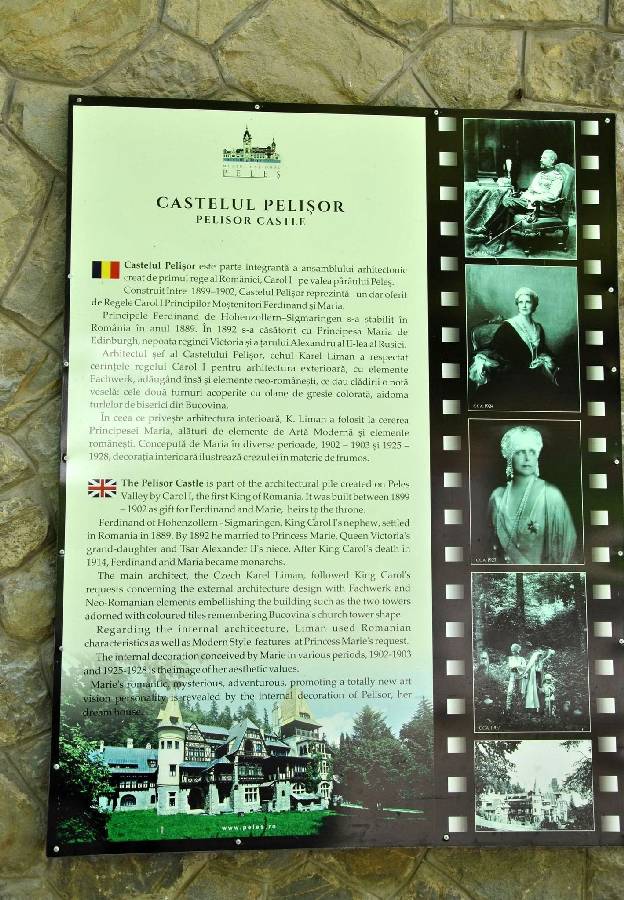
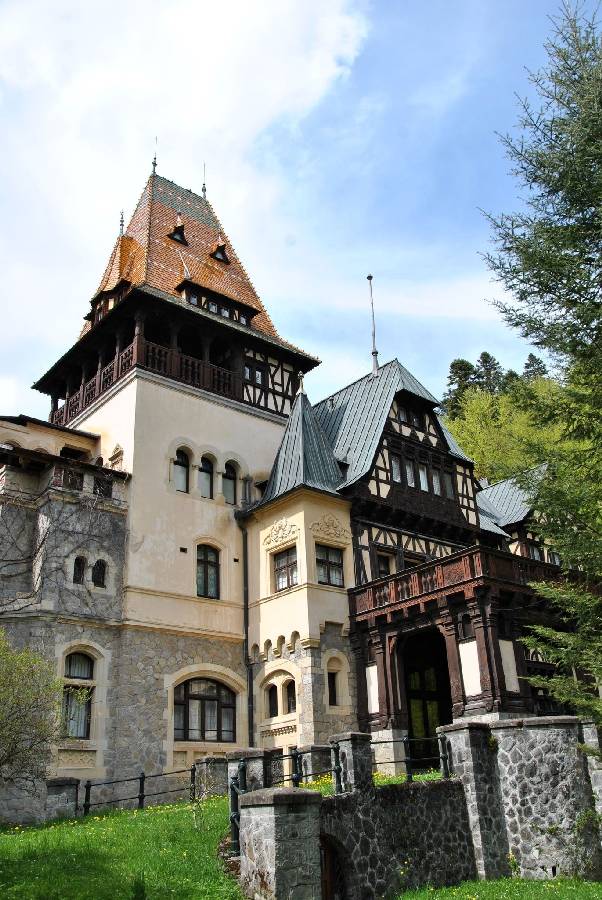
Pelisor Castle is located about 300 meters from „ Big Brother ”, Peles Castle in Prahova District.
The castle was built between 1899 and 1902 by the architect Karel Liman ( chalet style ), commanded by King Carol I ( Charles I ) for his nephew, later King Ferdinand I, and his wife, Queen Marie of Romania.
(3 January 2026)
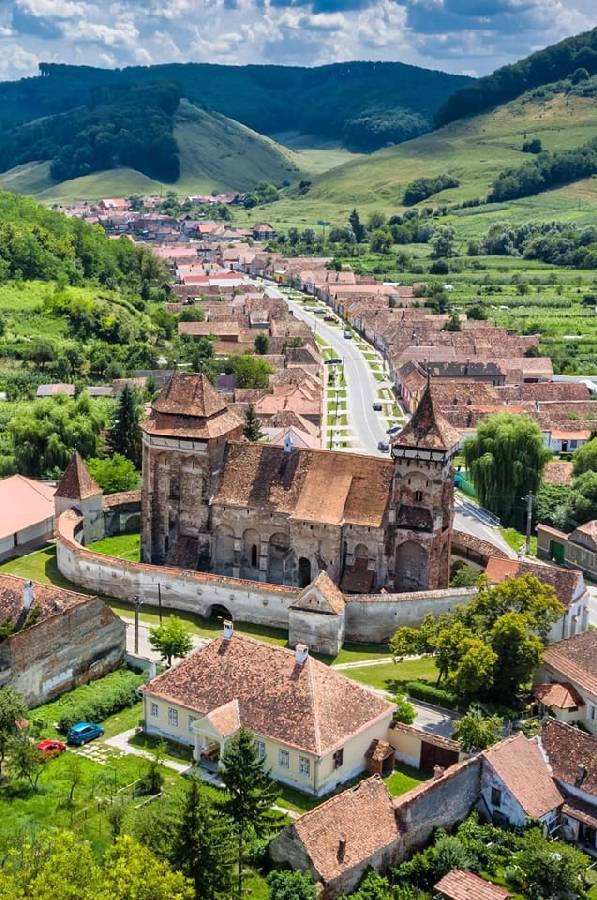
Valea Viilor (Wurmloch in German) is a commune in Sibiu County, Transylvania Region.
Valea Viilor, originally Vorumloc, was probably first mentioned under the Hungarian name Baromlak in 1224 (possibly 1305). Transylvania-Saxon Hörigendorf, which was originally held by the nobility, was later able to join the see of Mediascher and thus become free. Until 1964, the local in Romania was run under the German derivative name Vorumloc, then renamed “Valea Viilor” (in German: valea viilor).
In 1850 the proportion of Germans was over 65% and in 1977 over 50%. Today, only about 1-2% of the inhabitants are German.
We thank Vlad the Impaler – Dracula (photo: Adrian Arsu) for the permission to use this picture.
(2 January 2026)
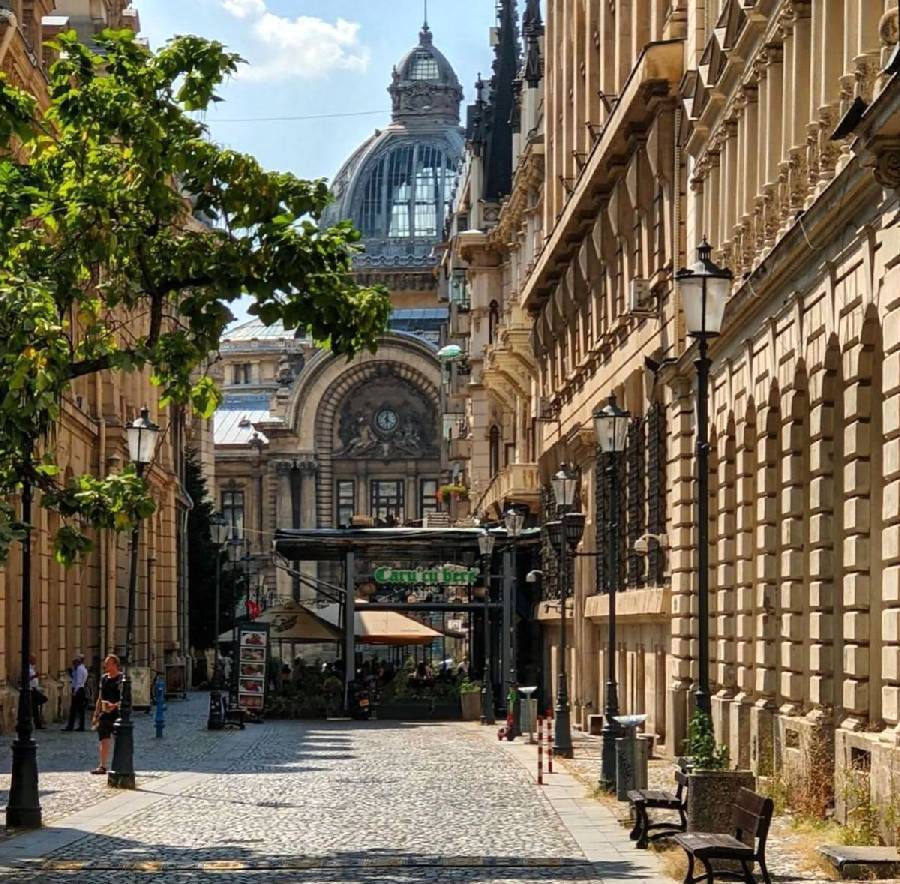
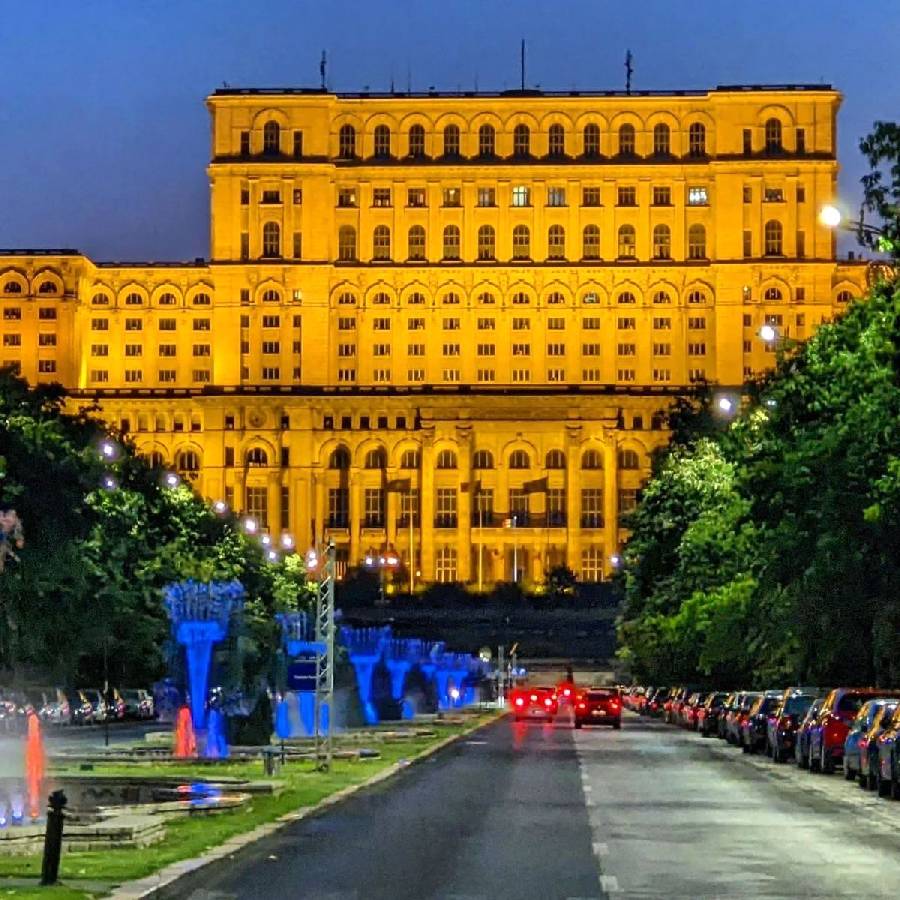
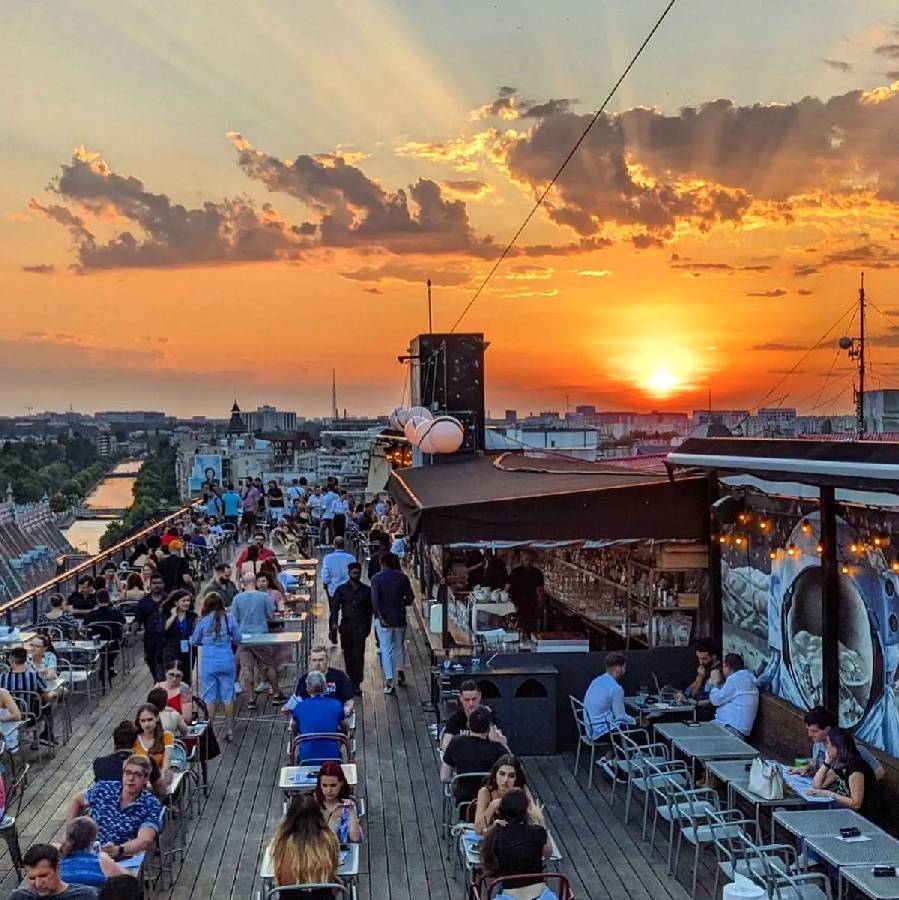
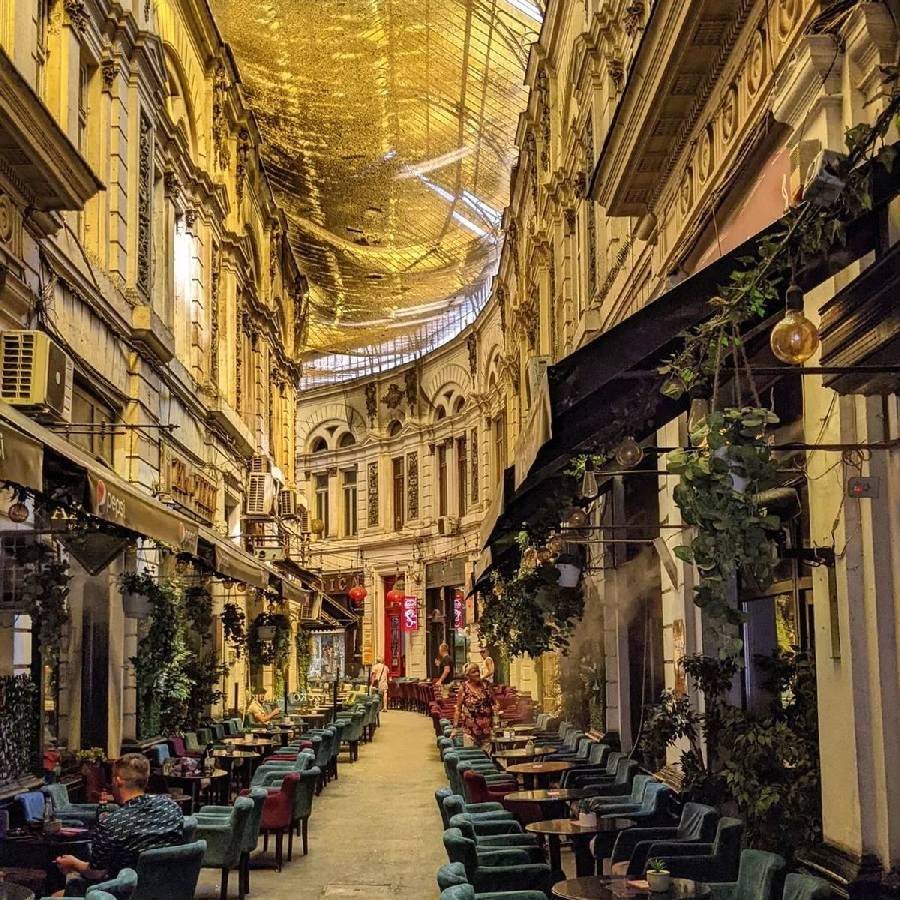
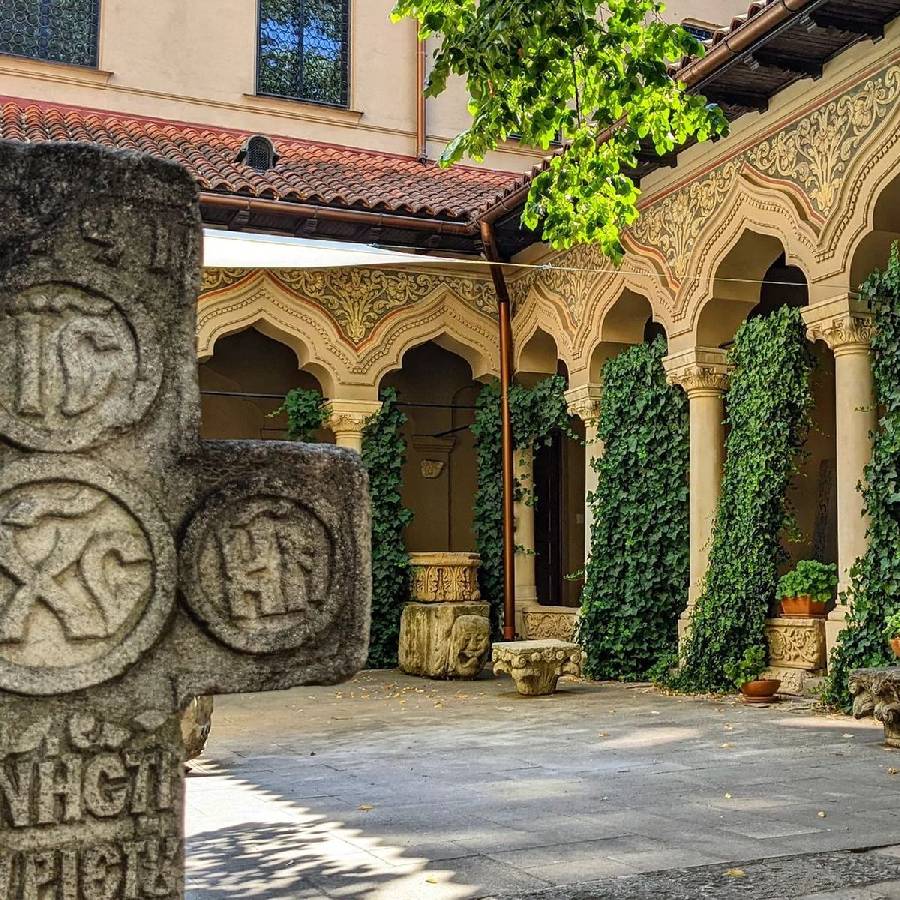
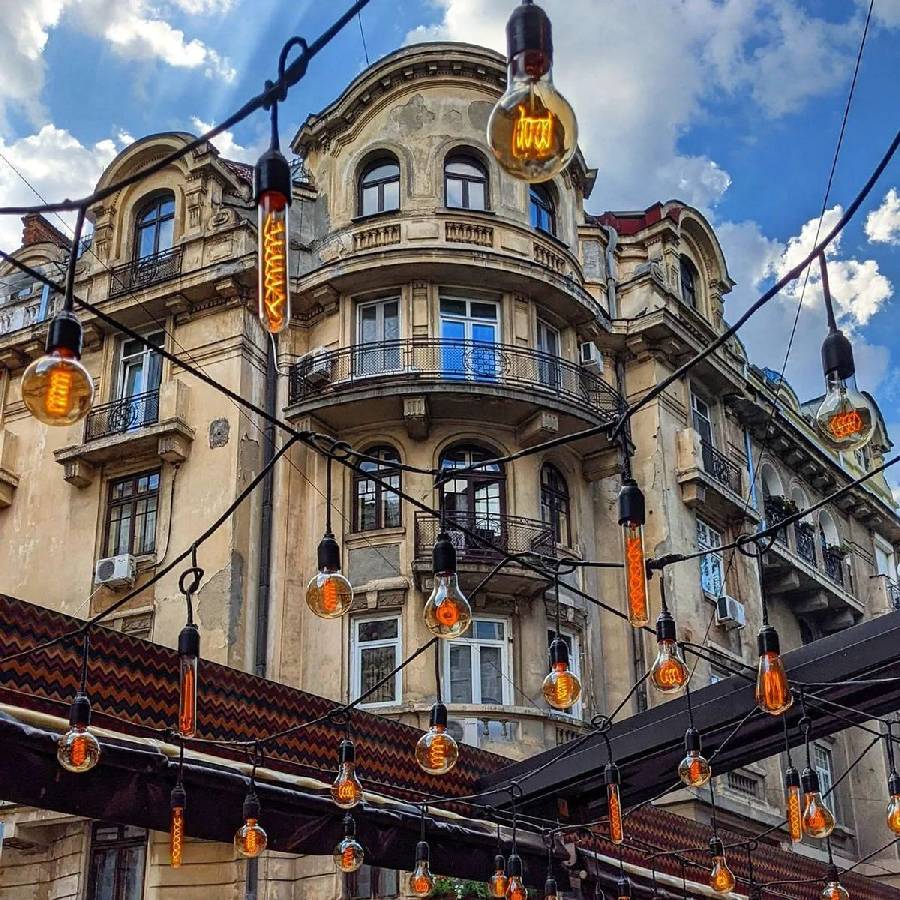
Wonderful images of the center / Old Town of the capital of Romania, Bucharest (in Romanian, București).
We thank Mr. Maik Lanckrock for the permission to use these images from early August 2022.
(2 January 2026)
Plan your HOLIDAY 2026 now! Visit us at the CMT holiday exhibition in Stuttgart from January 17 to 25, 2026, in Hall 6, Stand 6A18.
On site, you will receive our brochure “Holiday in Romania” free of charge, along with plenty of other information, recommendations, and more. You can also read our “Holiday in Romania 2026” brochure online in advance > https://willkommen-in-rumänien.de
or order it online (for a small fee) > https://romania-euro24.de
(2 January 2026)
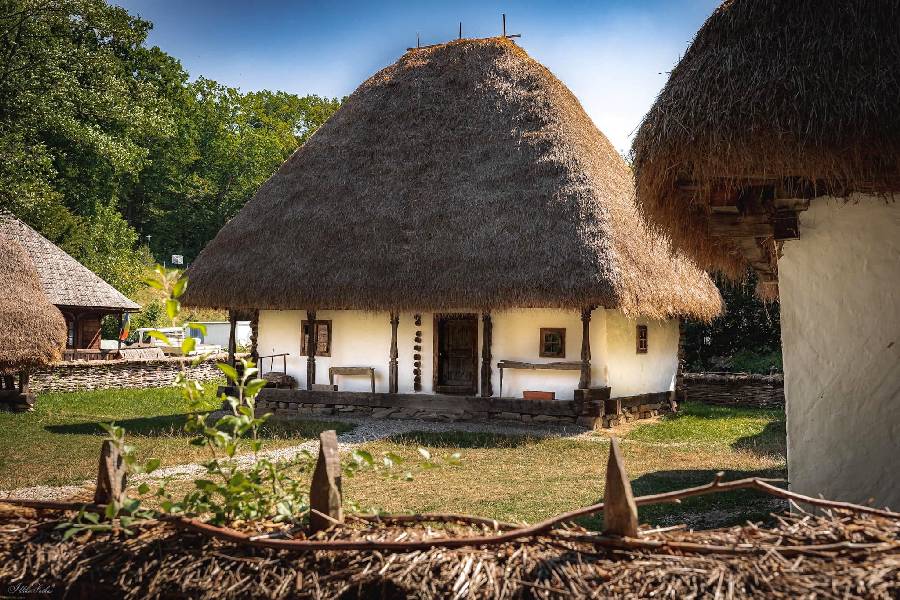
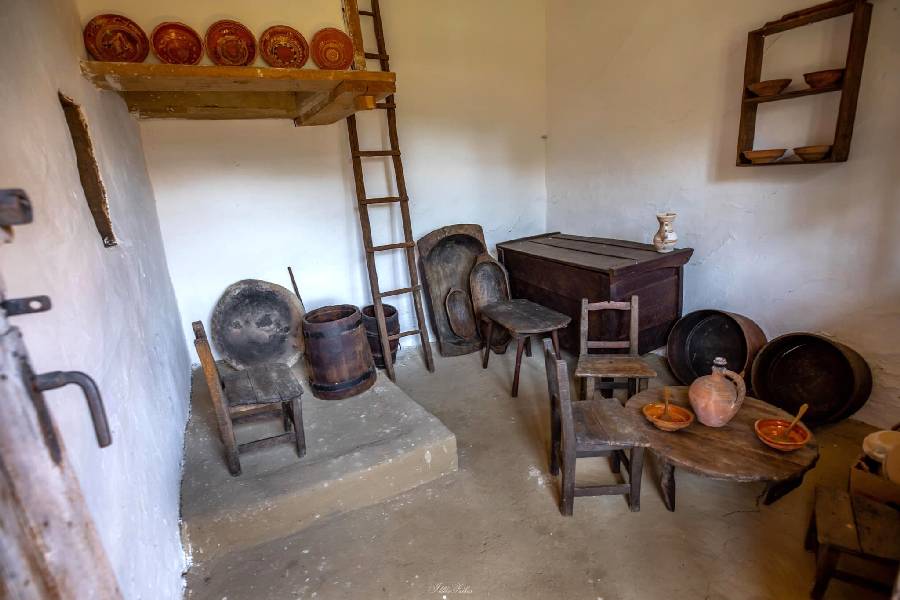
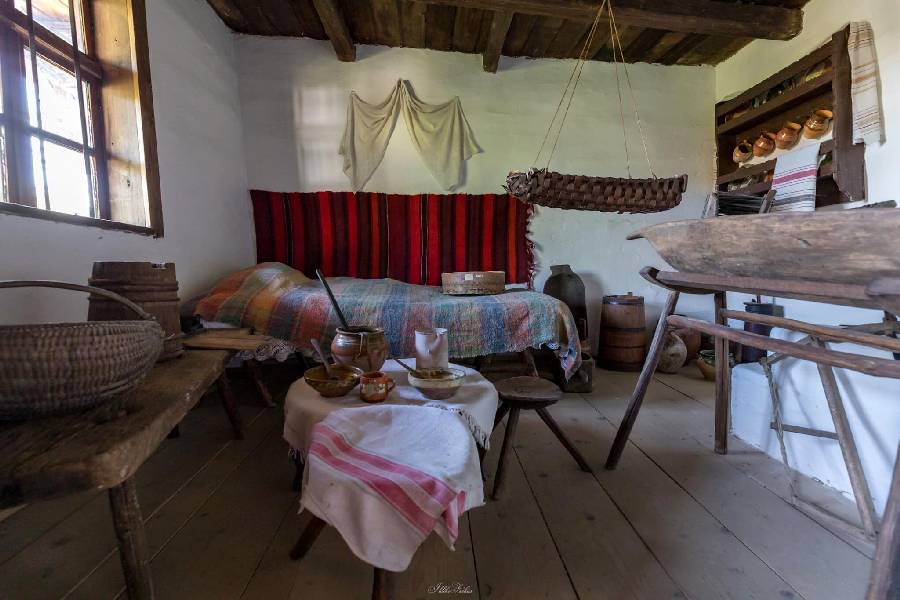
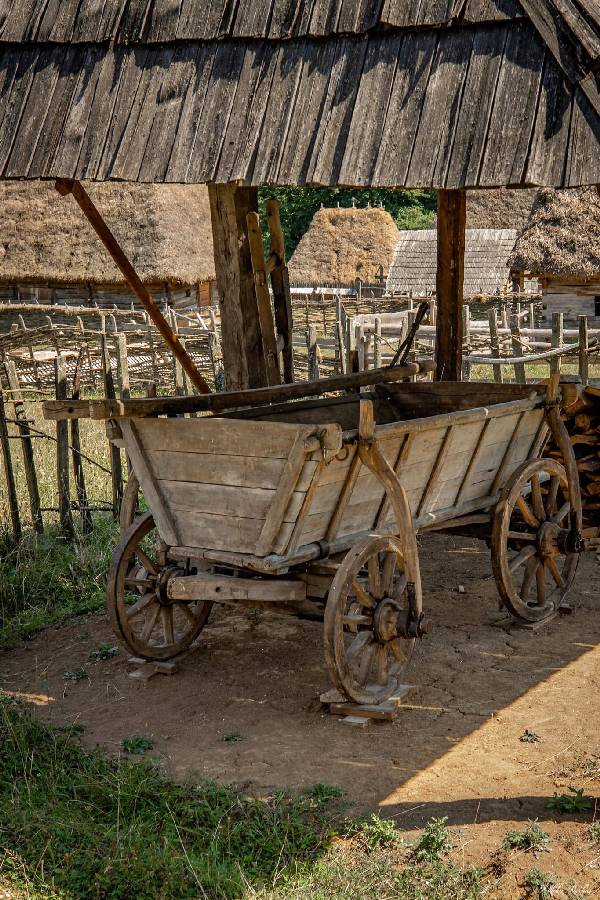
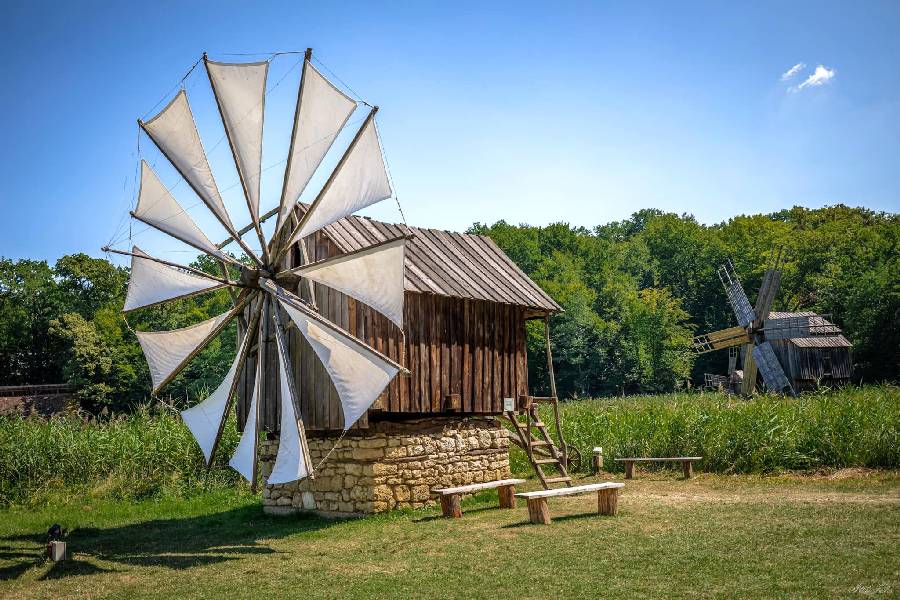
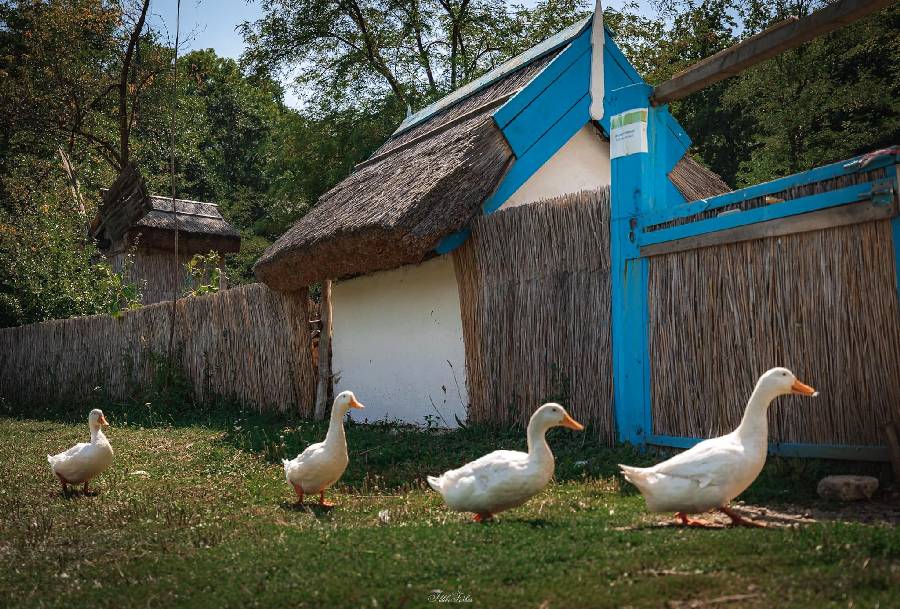
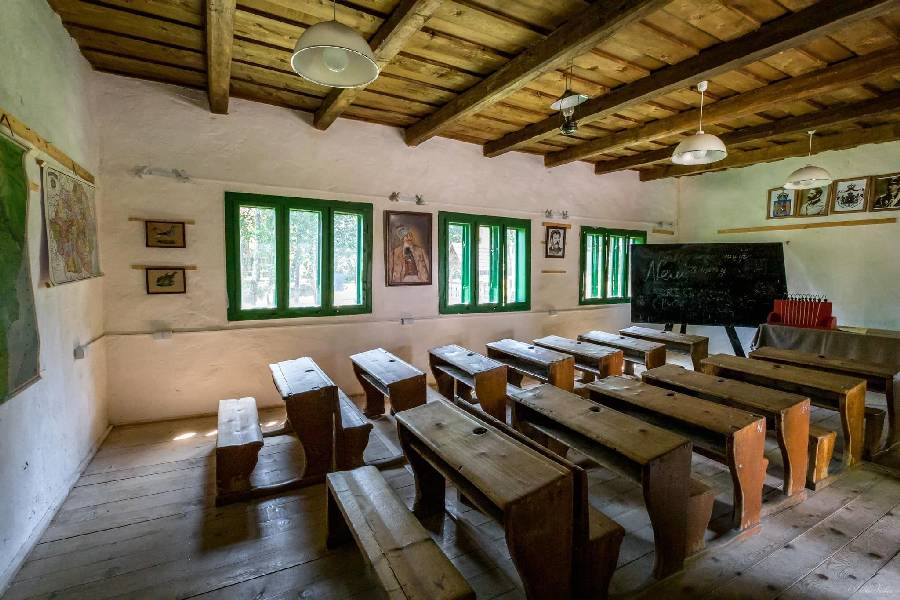
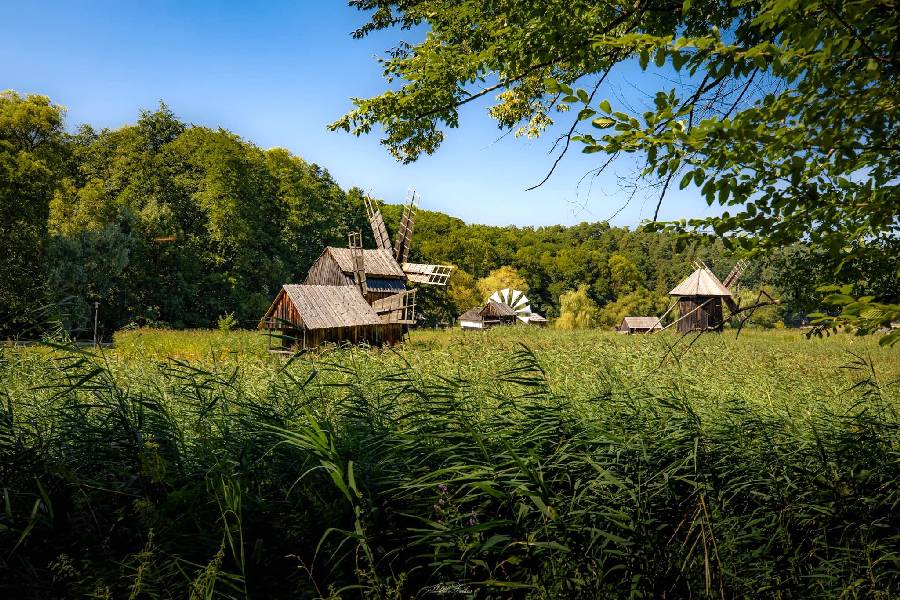
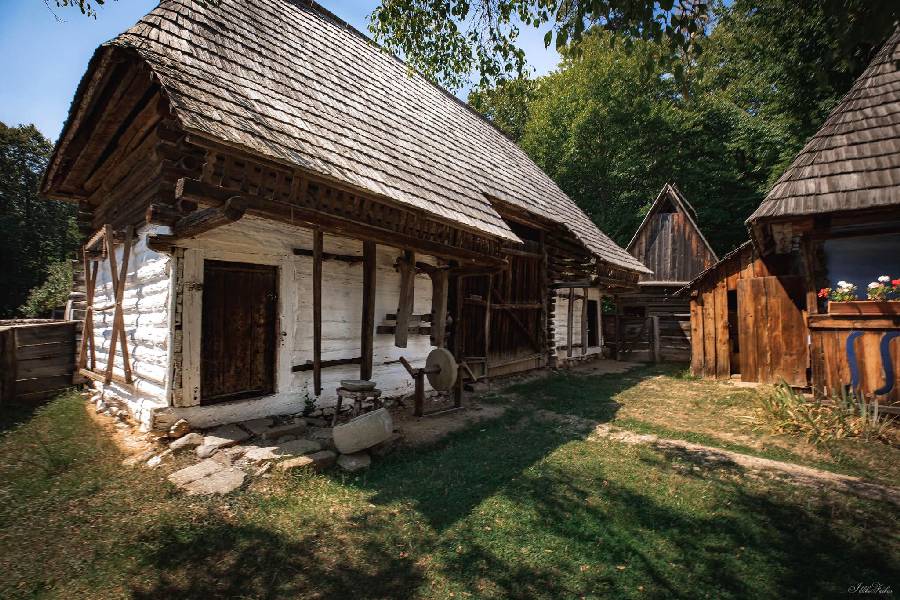
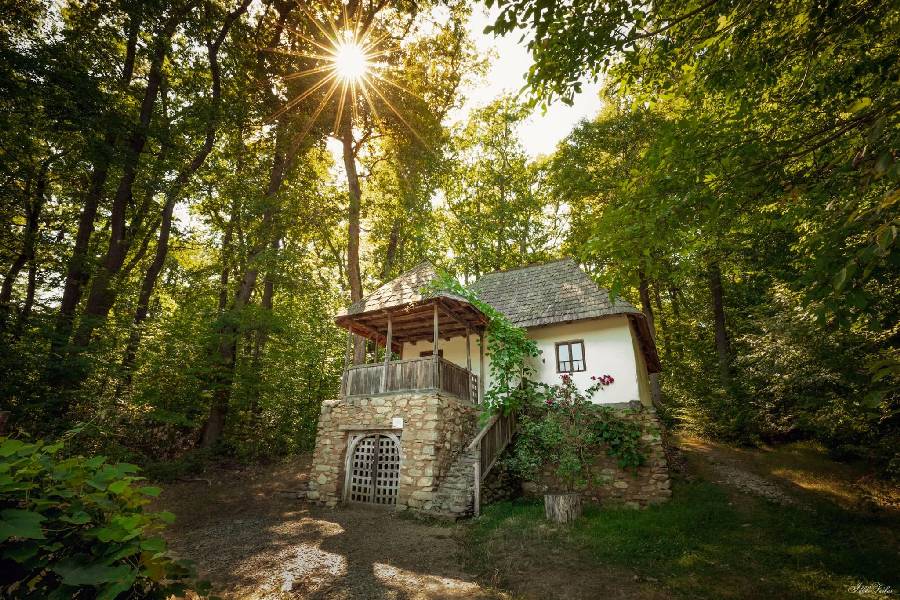
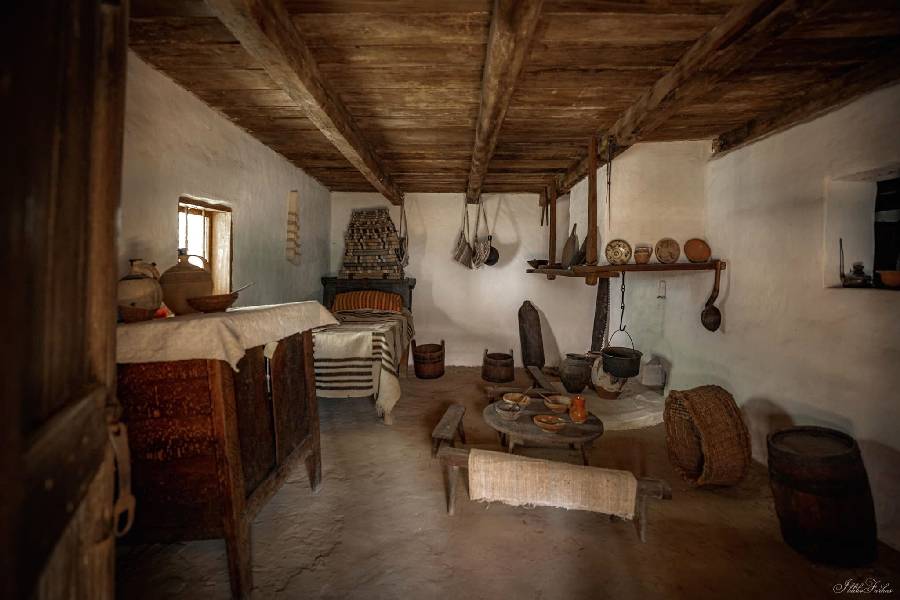
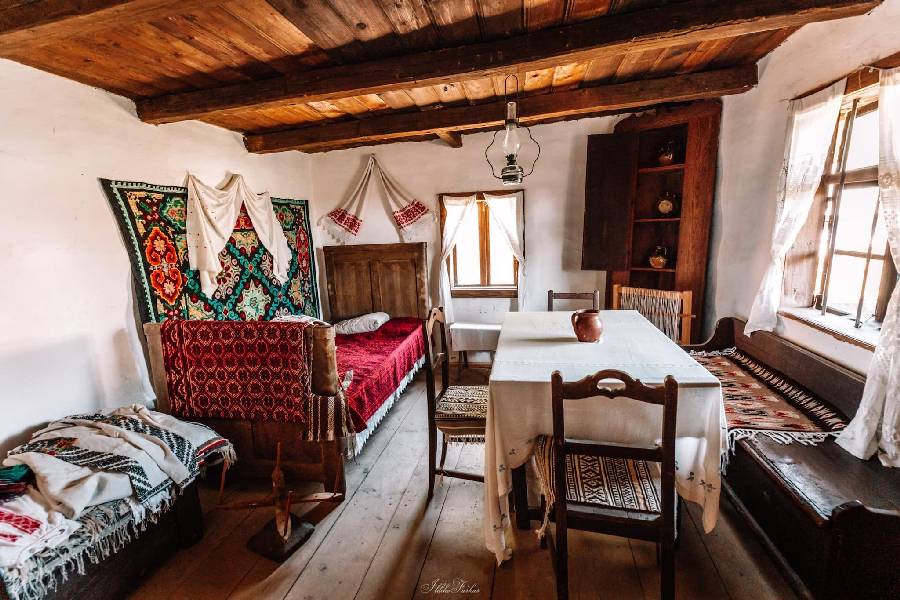
The Museum of Traditional Folk Culture in Sibiu (in German, Hermannstadt) is one of the largest open-air museums in Romania.
Located just south of Sibiu (in German, Hermannstadt), the museum is in the “Dumbrava Sibiului” forest, along the road connecting Sibiu and Rășinari, about three (3) kilometers from the city.
It features installations of traditional, pre-industrial Romanian folk civilization. Houses, workshops, and building complexes are scattered around a lake, among the trees of Dumbrava Sibiului.
We thank Ms. Farkas Ildiko (https://www.facebook.com/farkas.ildiko.75) for the permission to use these images.
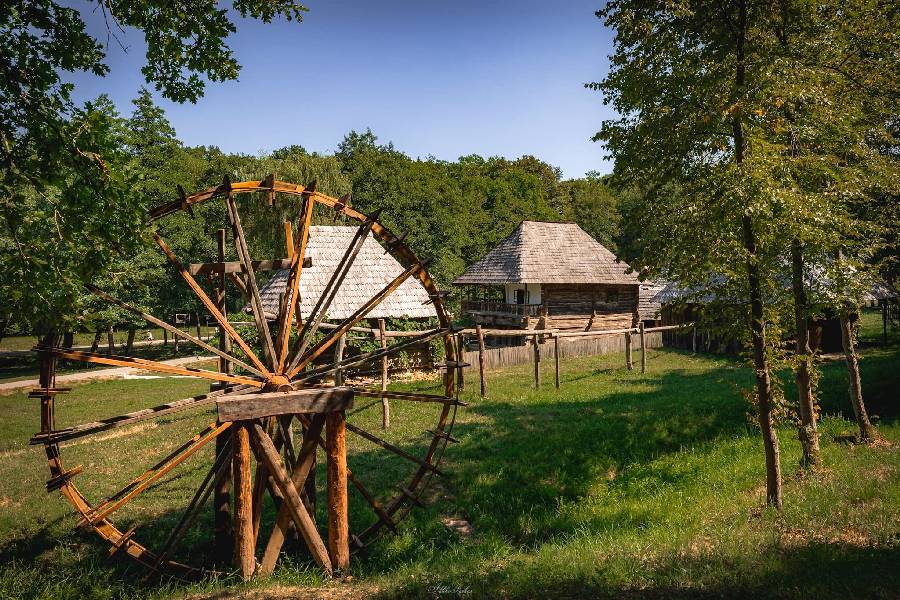
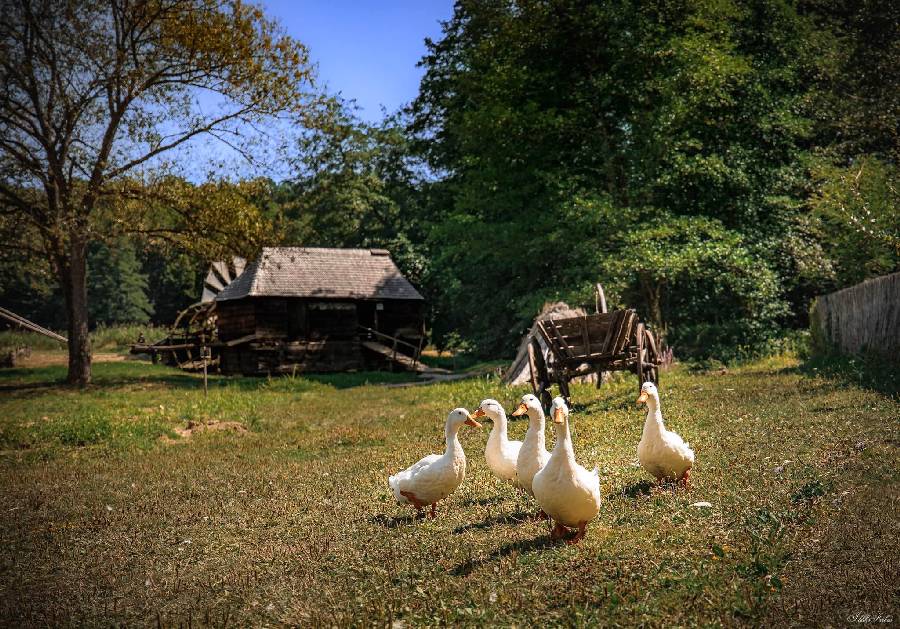
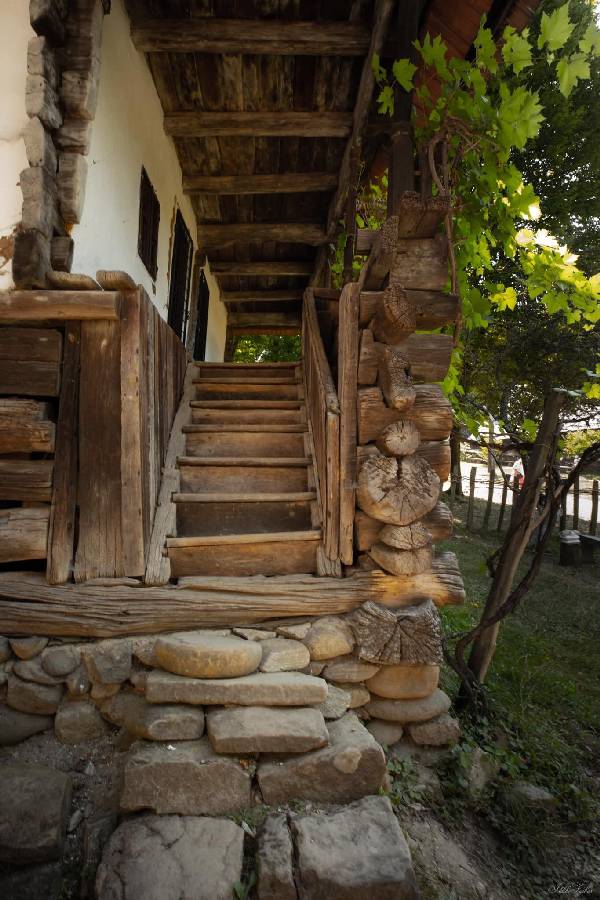
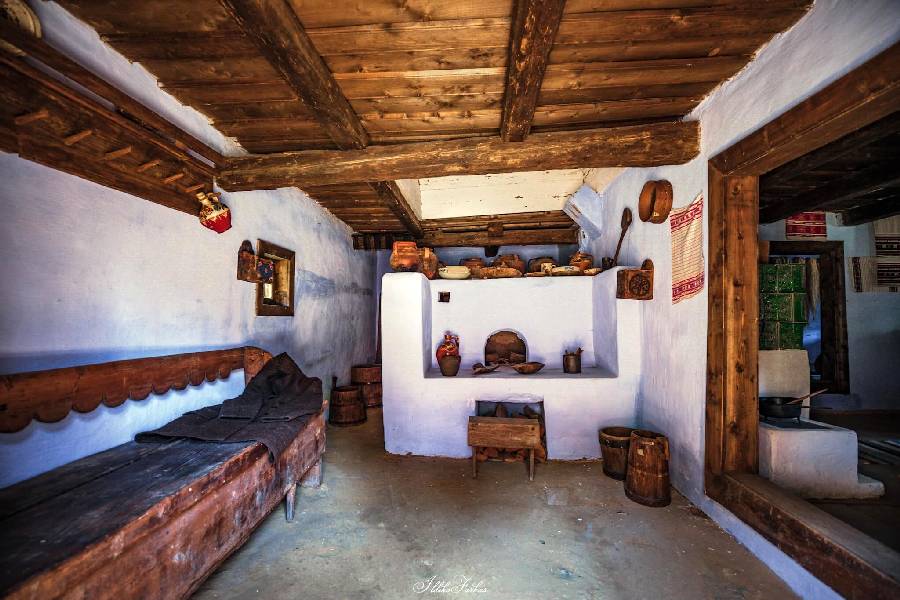
(2 January 2026)
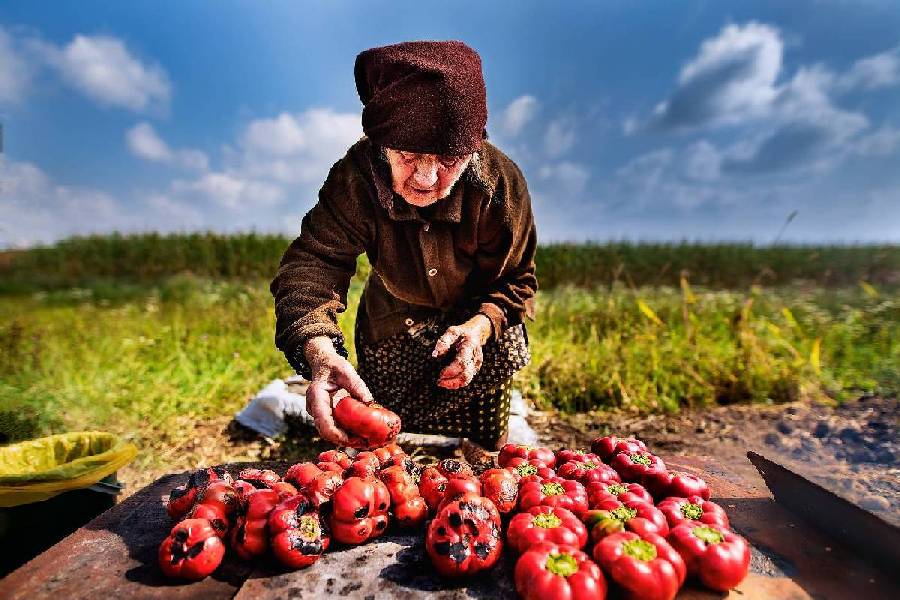
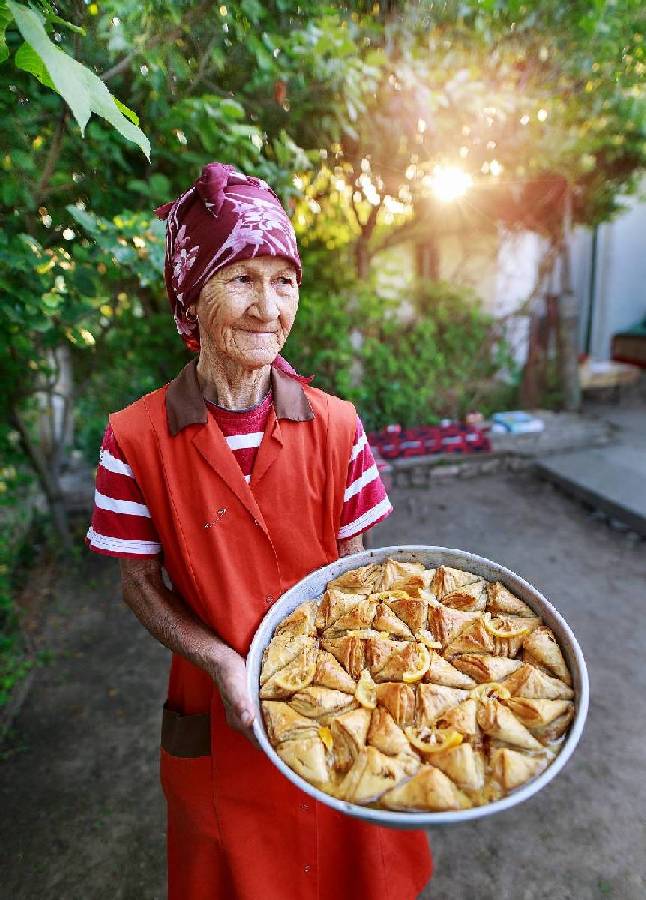
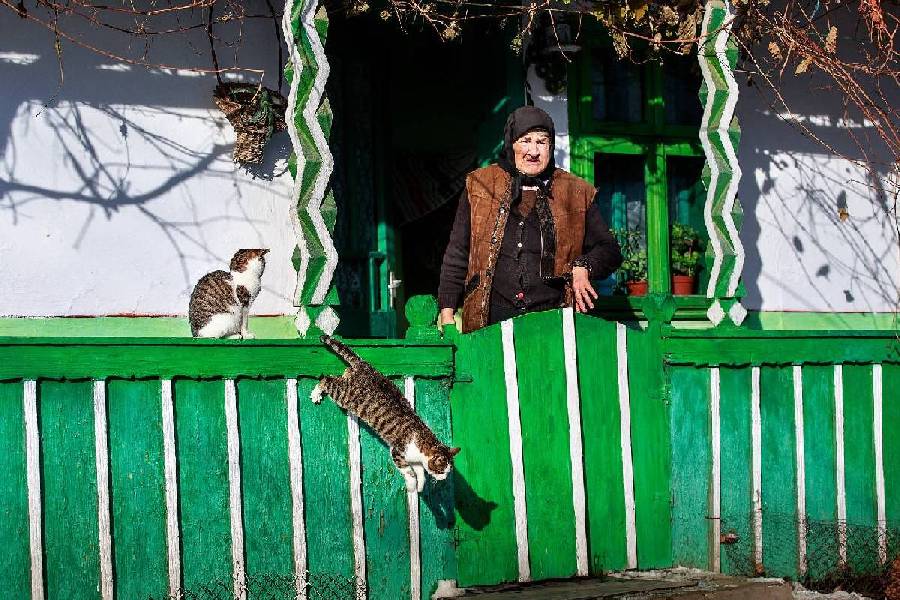
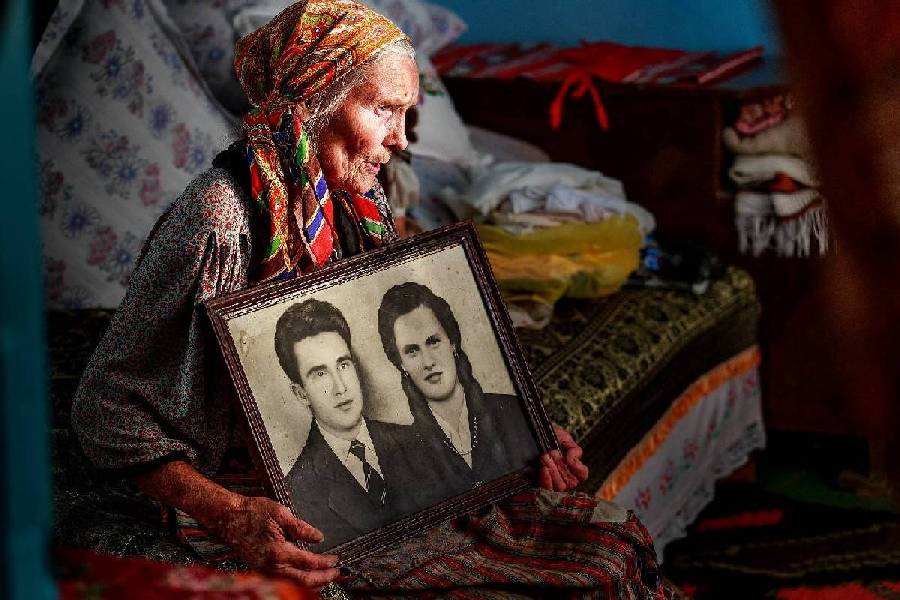
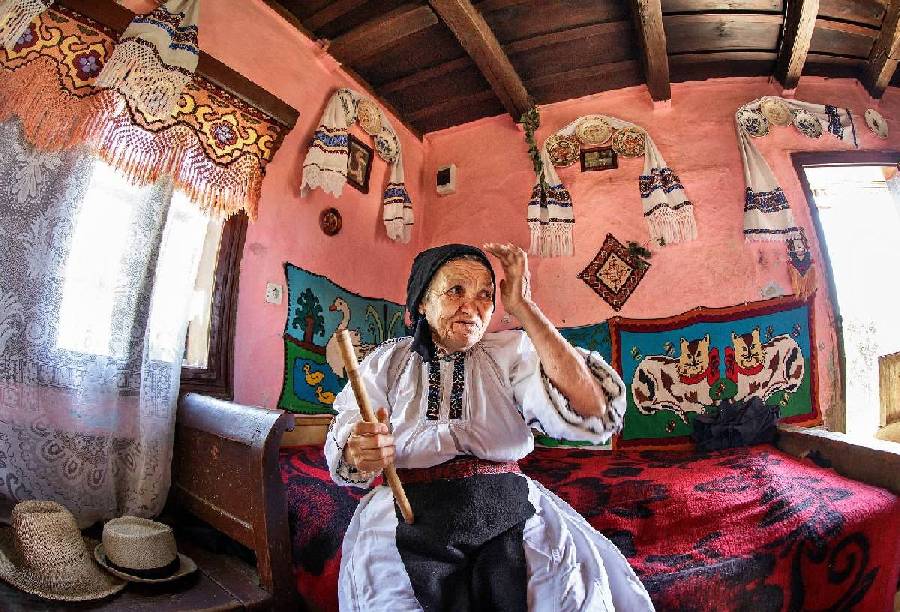
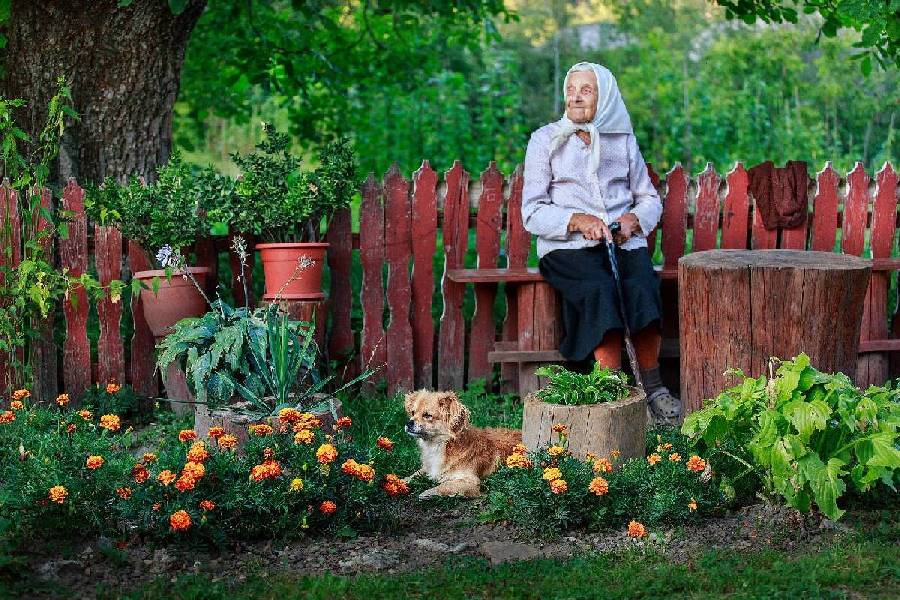
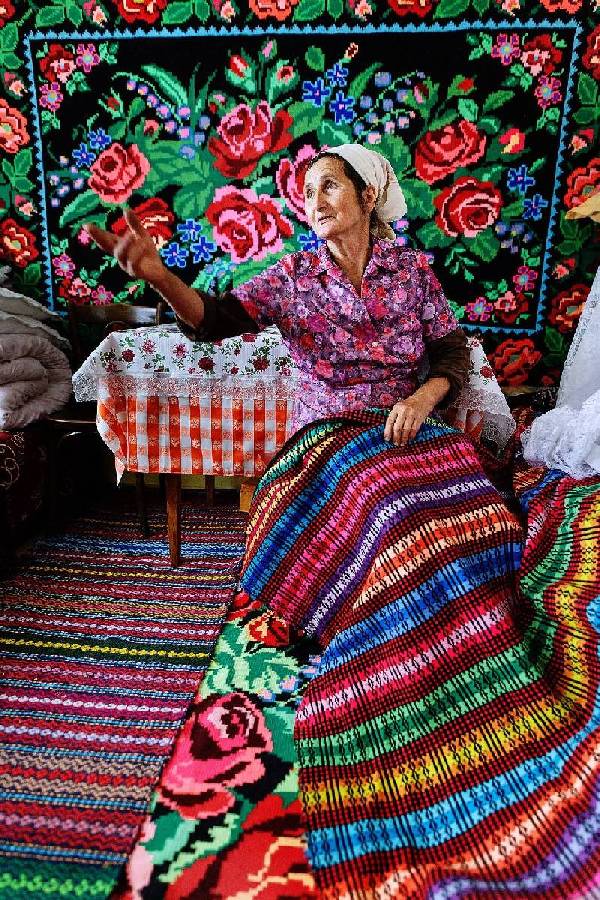
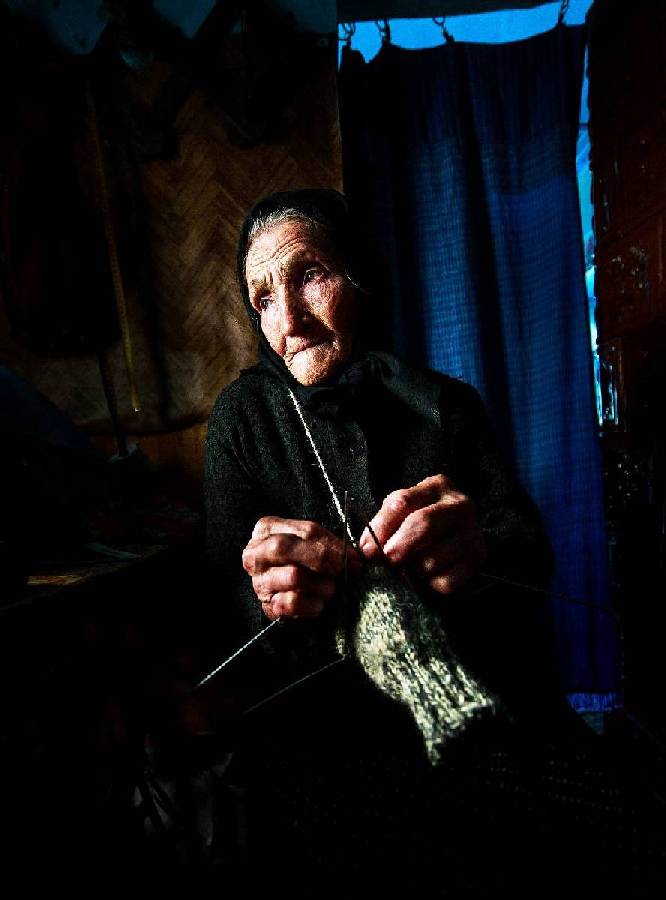
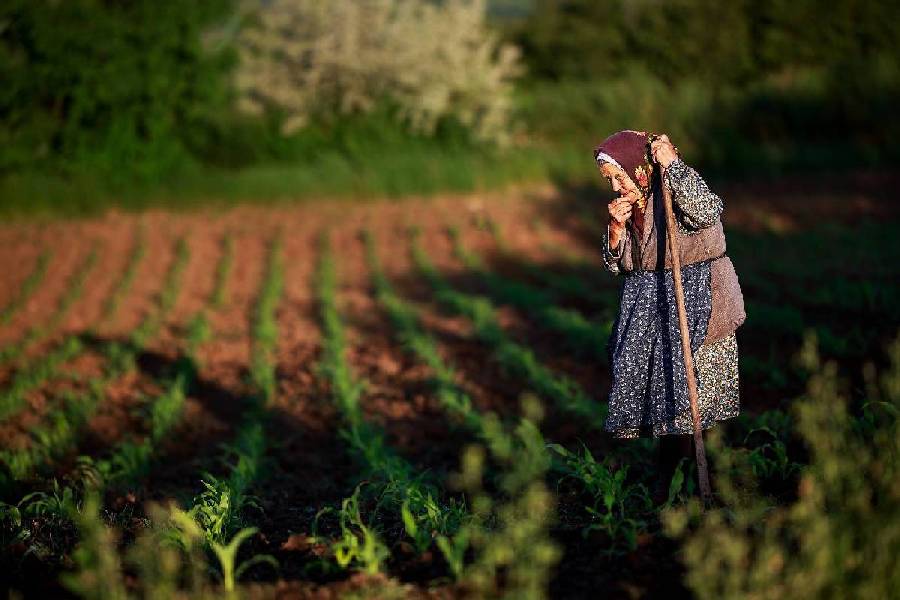
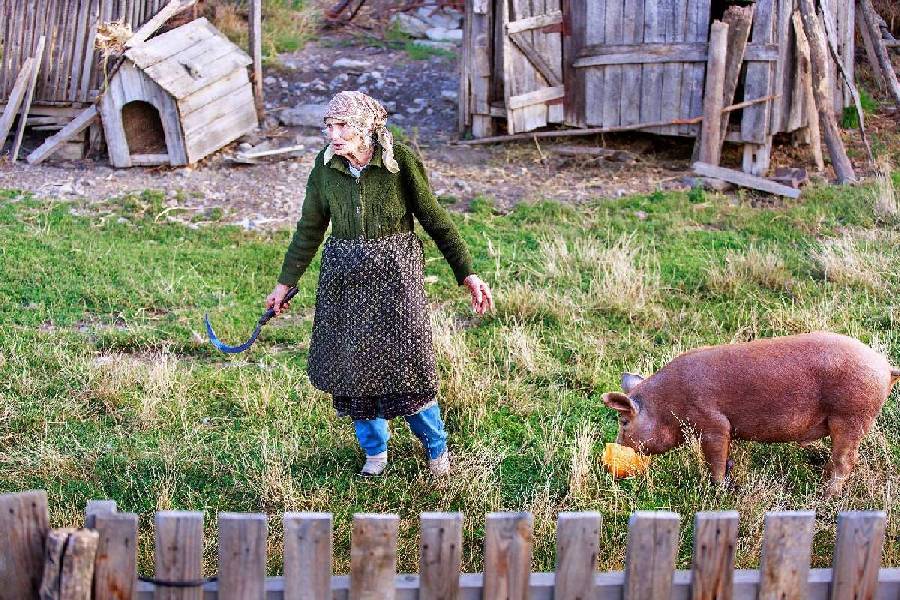
“Bunicii” for grandparents, and “bunica” for grandmother (Oma). In Romania, family has a much higher importance than in Germany, and grandmothers, who continue working alongside their families even into old age, have been and still are the backbone of many families.
A hard life, yet always there for everyone – this defines the daily reality of these women. And… they are and will remain the best cooks in the whole country, and we can confirm this from our own experience.
We thank photographer Sorin Onișor ( facebook.com/sorinonisor ) for the permission to use these wonderful images.
(1 January 2026)
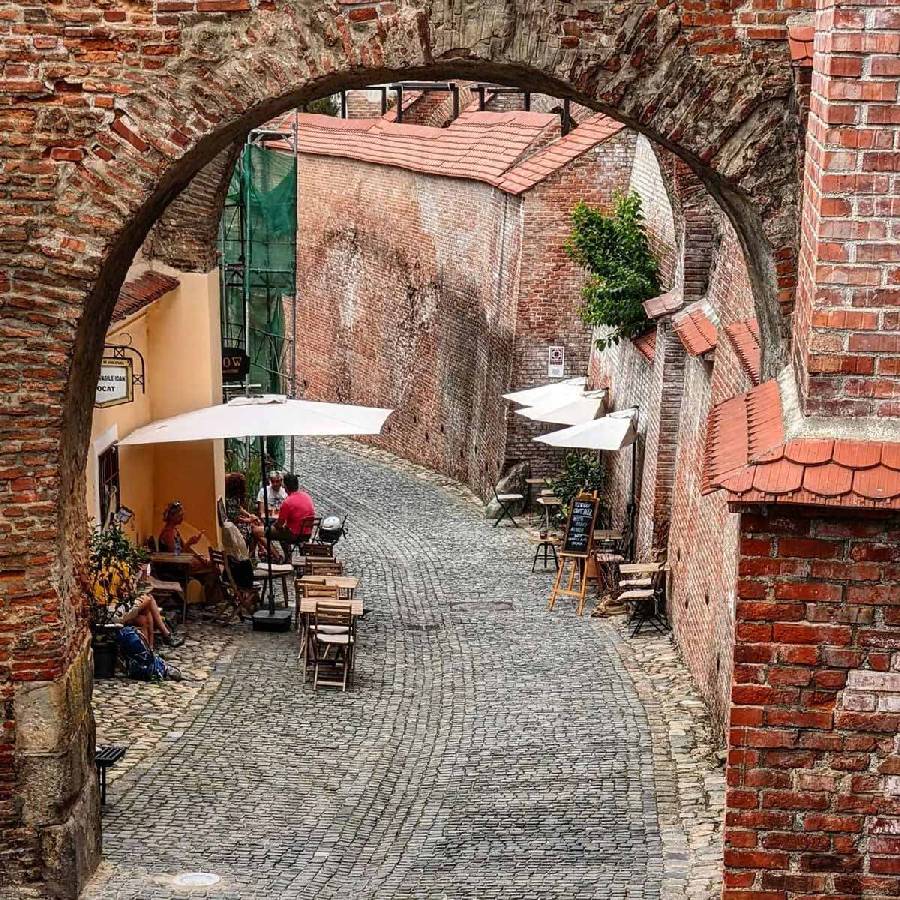
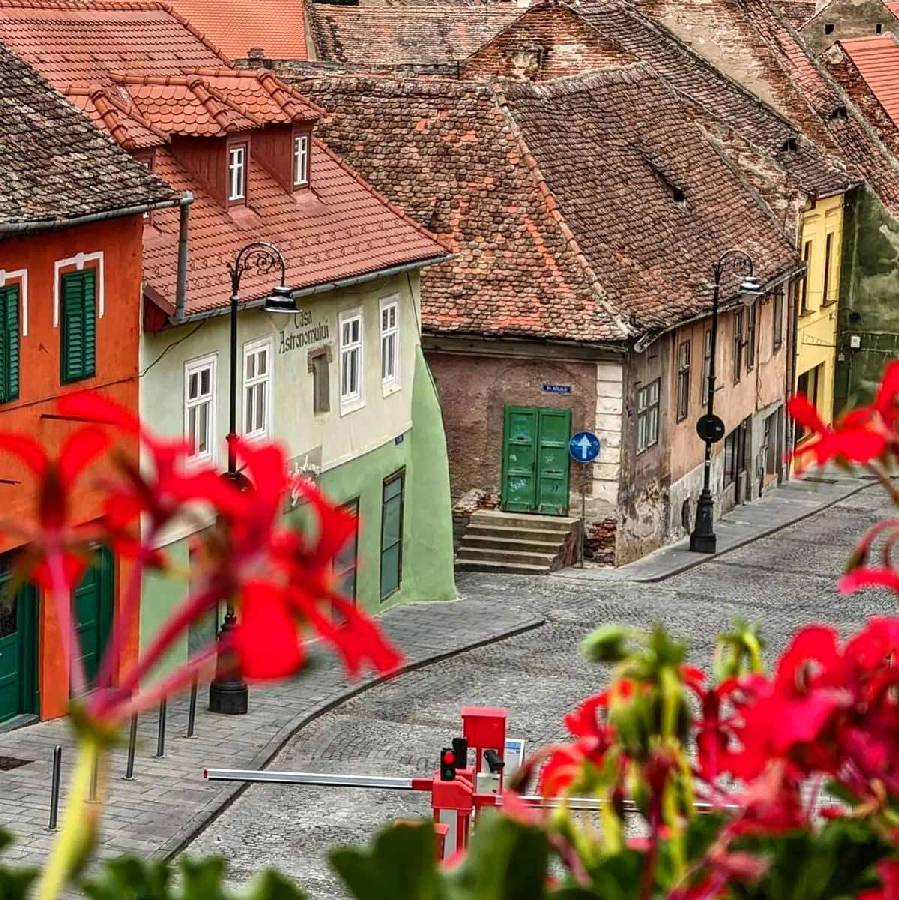
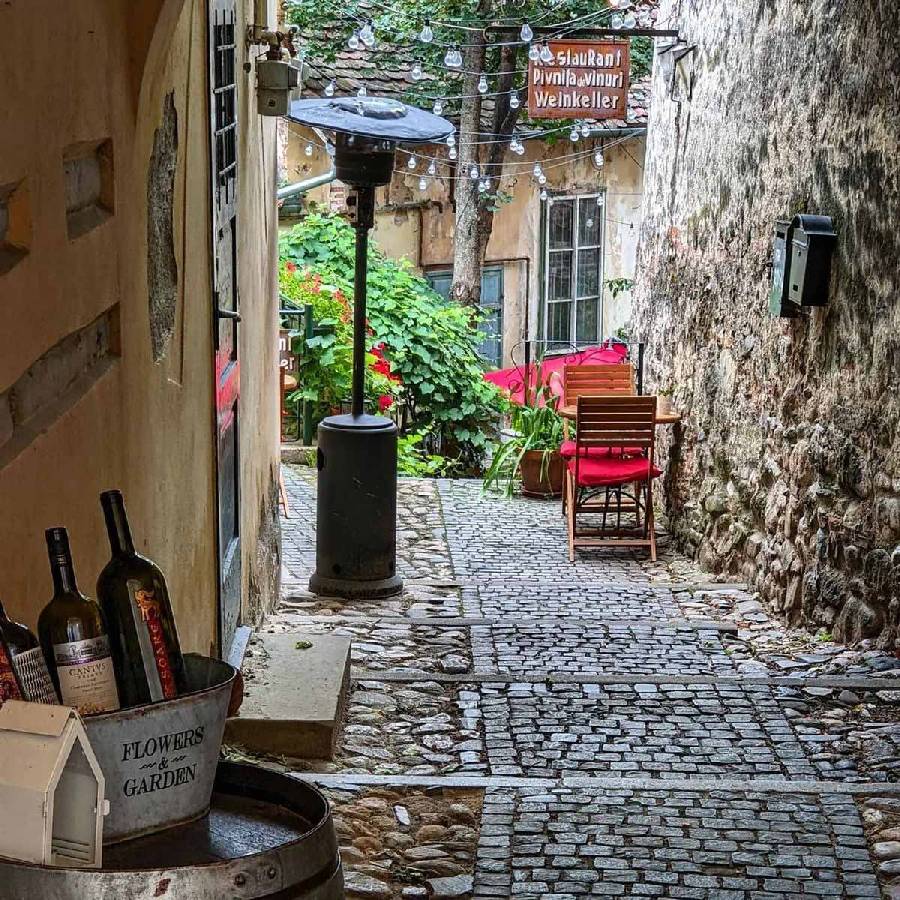
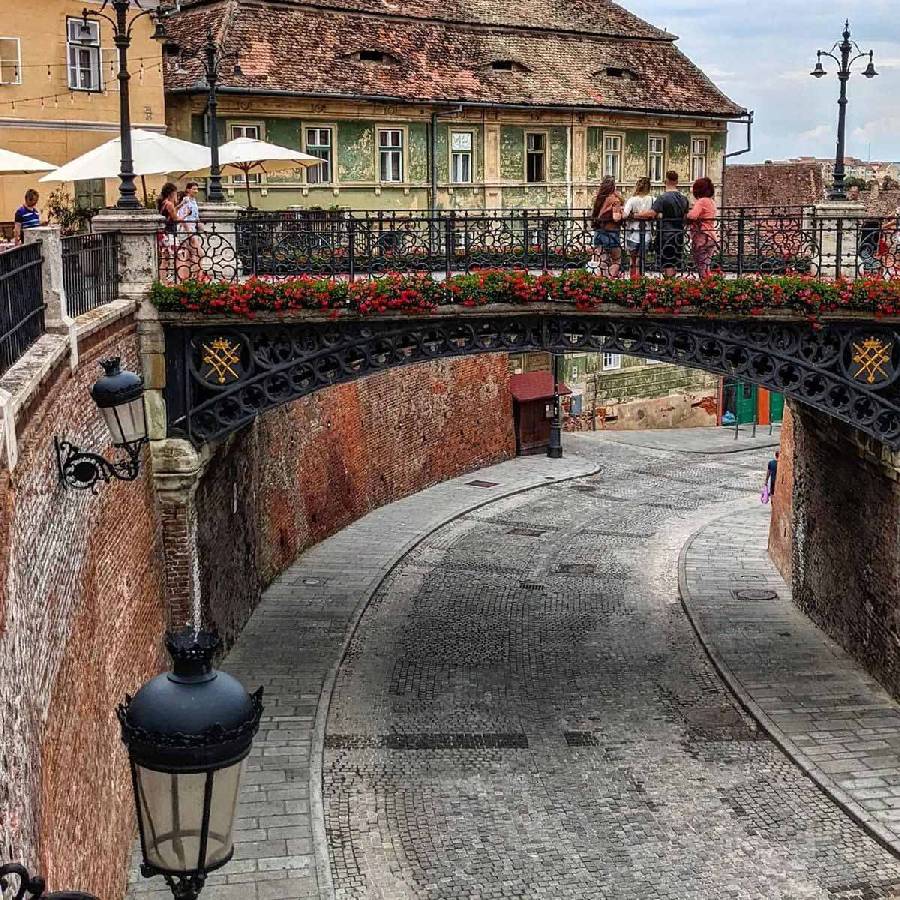
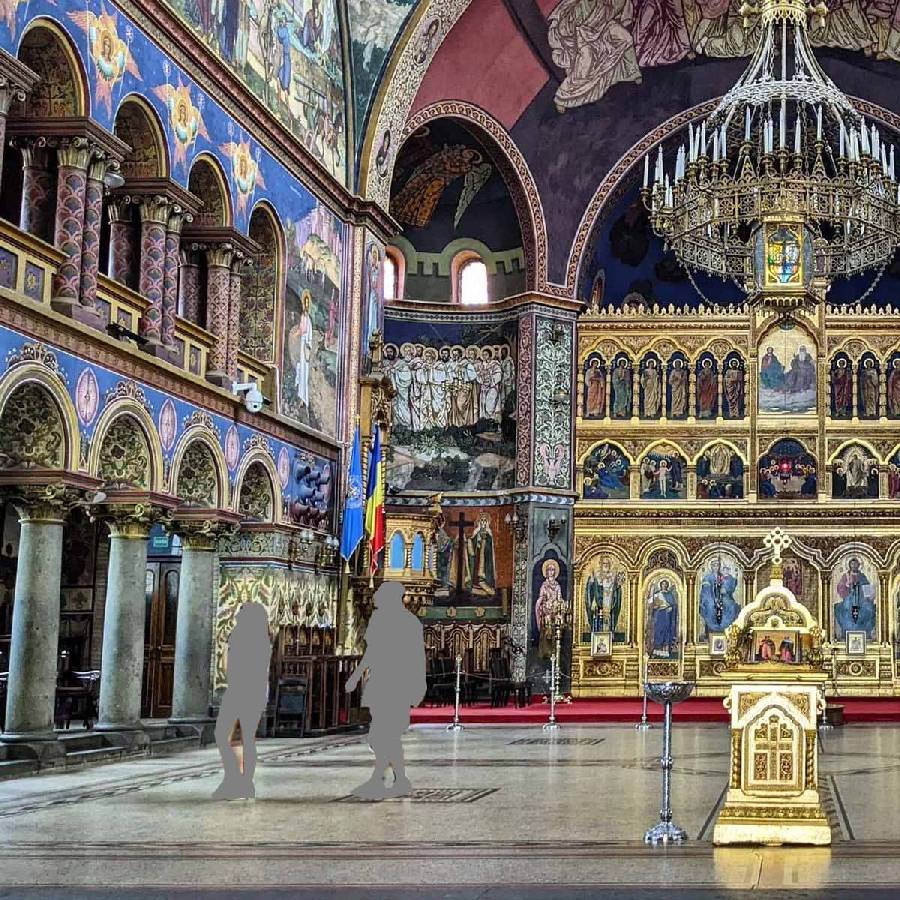
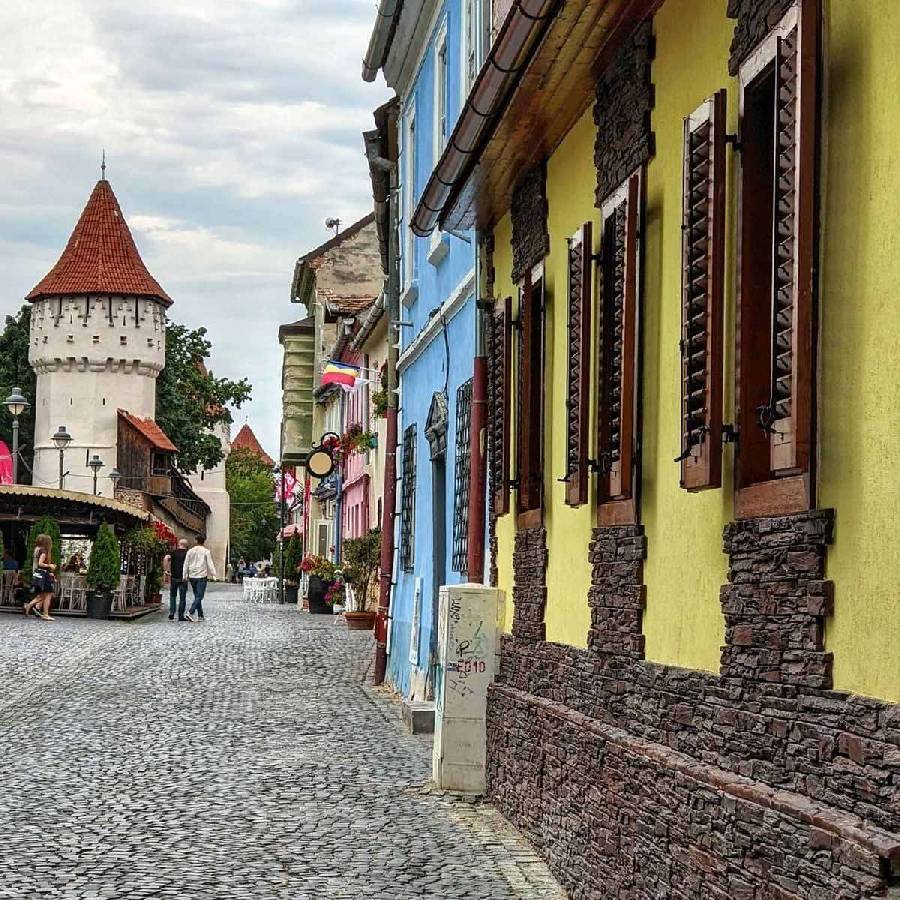
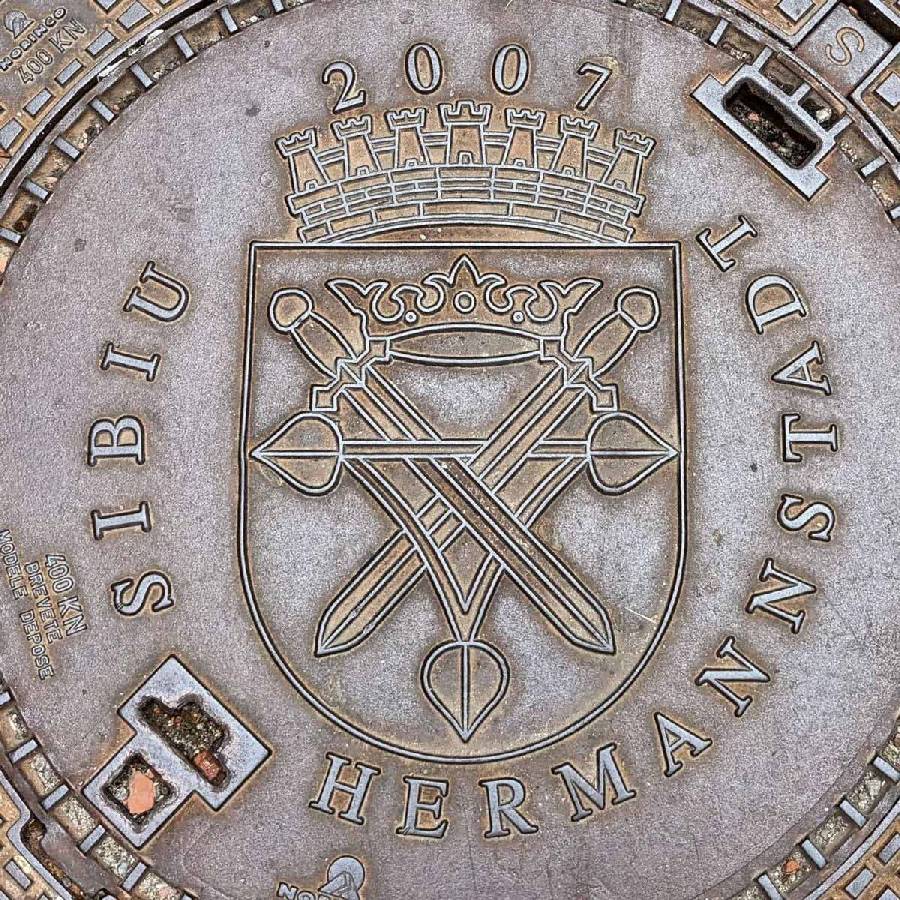
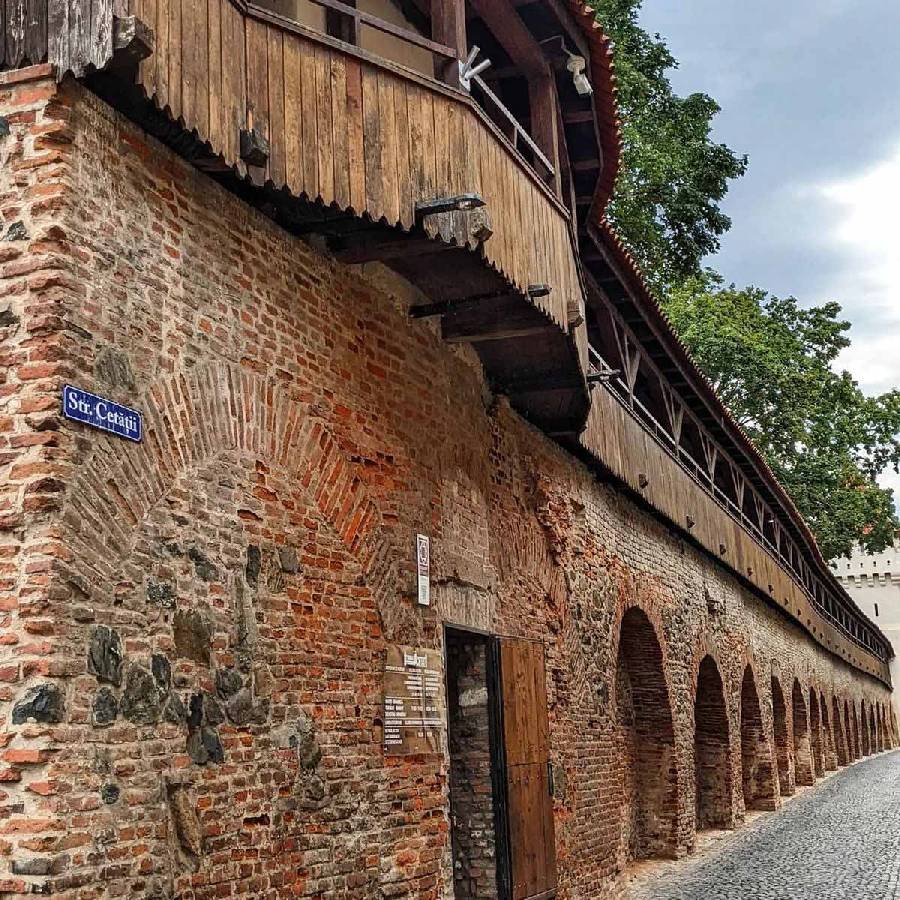
The old town / center of Sibiu in beautiful pictures. Sibiu (German: Hermannstadt, Hungarian: Nagyszeben, and Transylvanian Saxon: Hermestatt) is the capital of the county of the same name in the historical region of Transylvania.
The first German settlers presumably reached the area in 1147. The first documentary mention of the city dates back to 1191. From 1223, the Latin name “Villa Hermanni” is documented, and from 1241, the German equivalent Hermannstorf.
We thank Mr. Maik Lanckrock for the permission to use these pictures from early August 2022.
(1 January 2026)
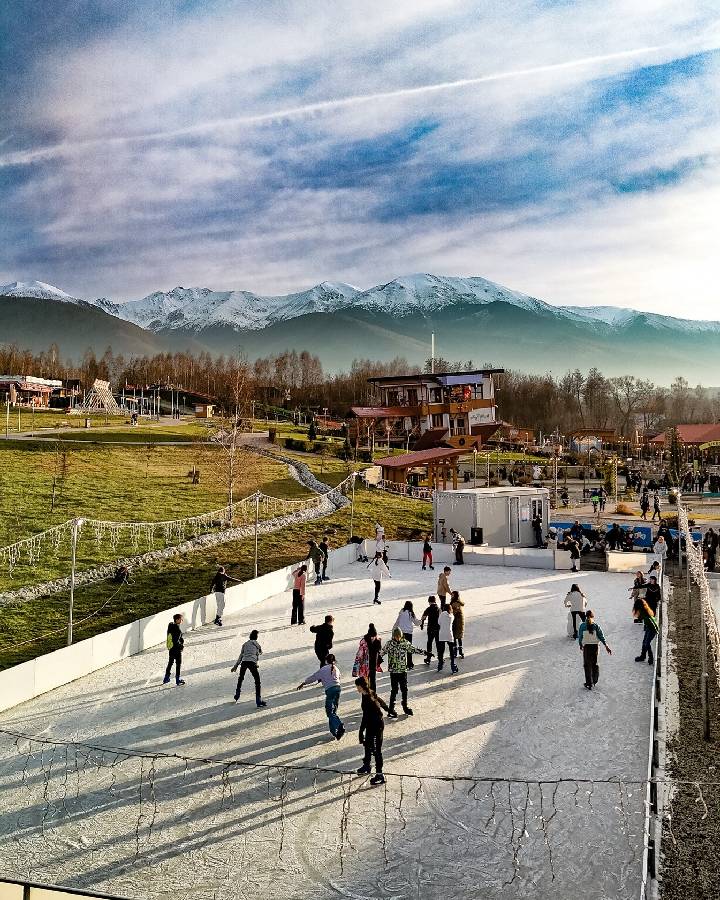
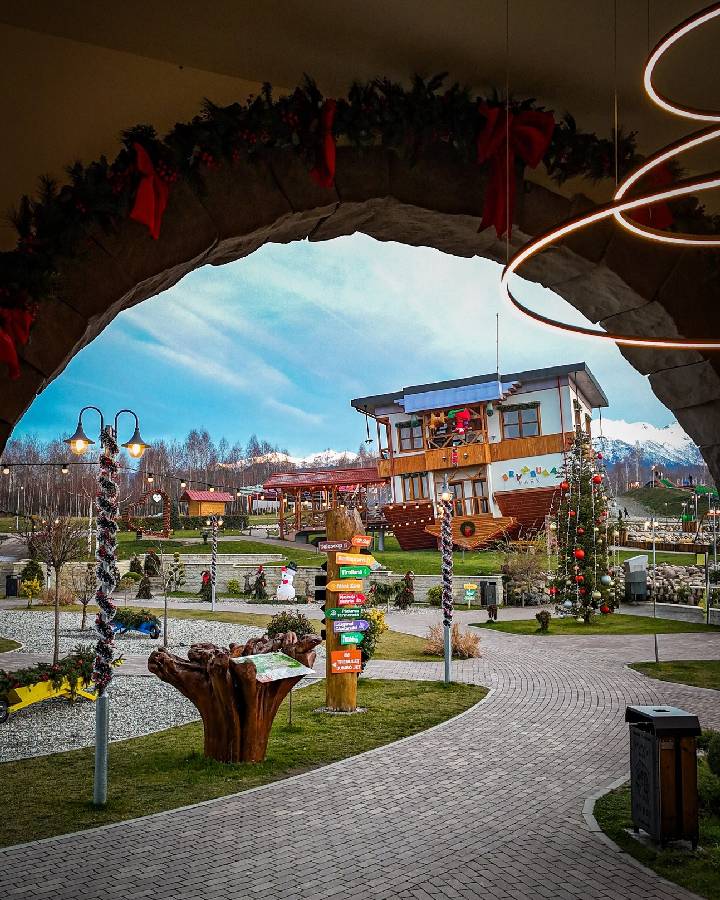
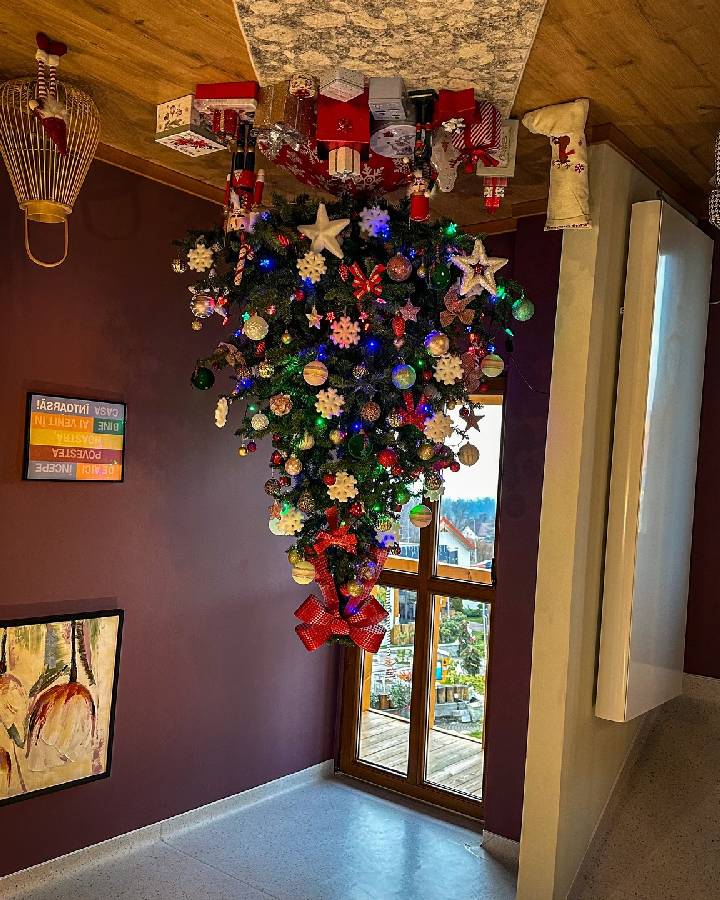
The Brambura Family Park in Avrig (Sibiu County) awaits you even during the holidays. The upside-down house, the ice rink, the zoo, and many, many play opportunities for the little ones and the young at heart
https://urlaub-in-rumänien.de/de/uir/brambura-park-de/
The wonderful view of the Fagaras Mountains and, of course, the restaurant to warm up again or to find something delicious for the whole family.
(1 January 2026)
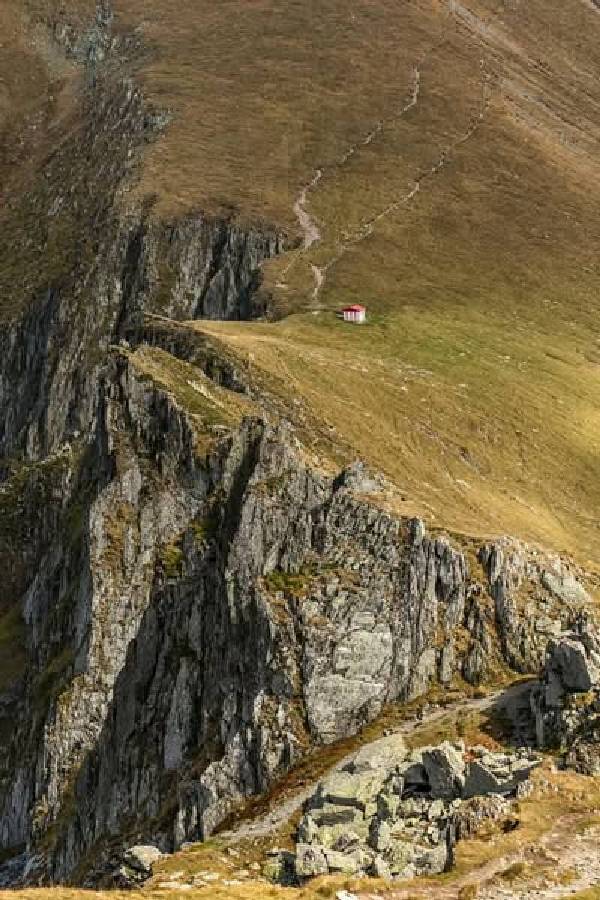
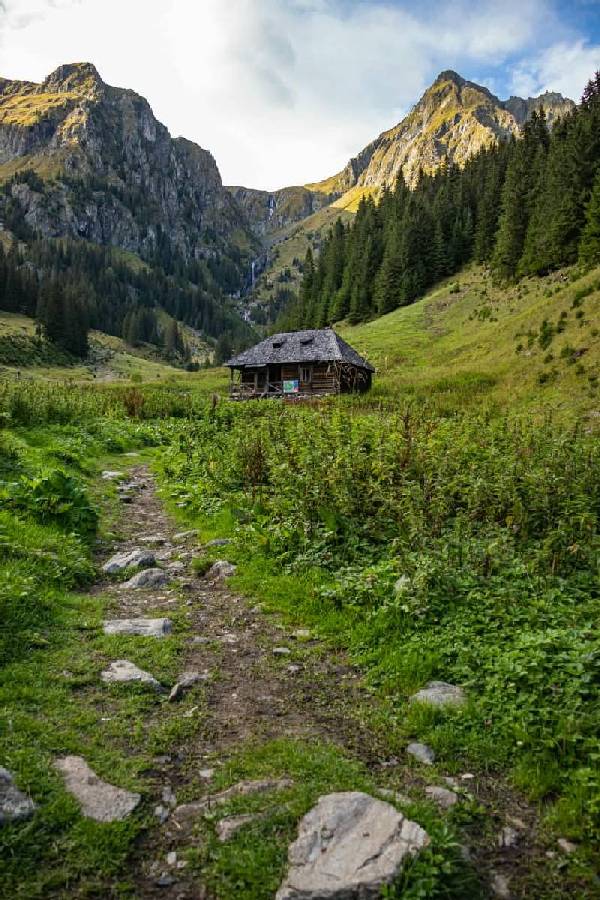
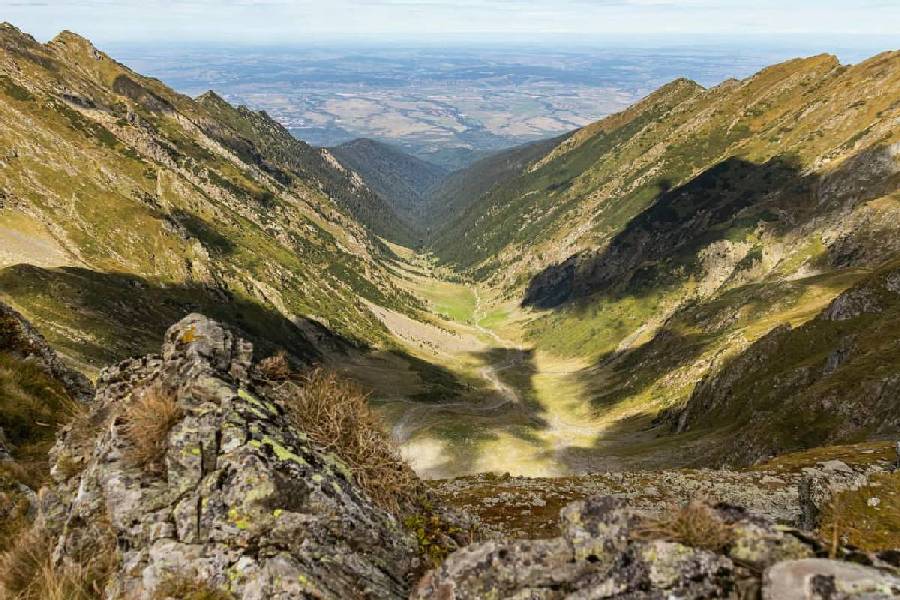
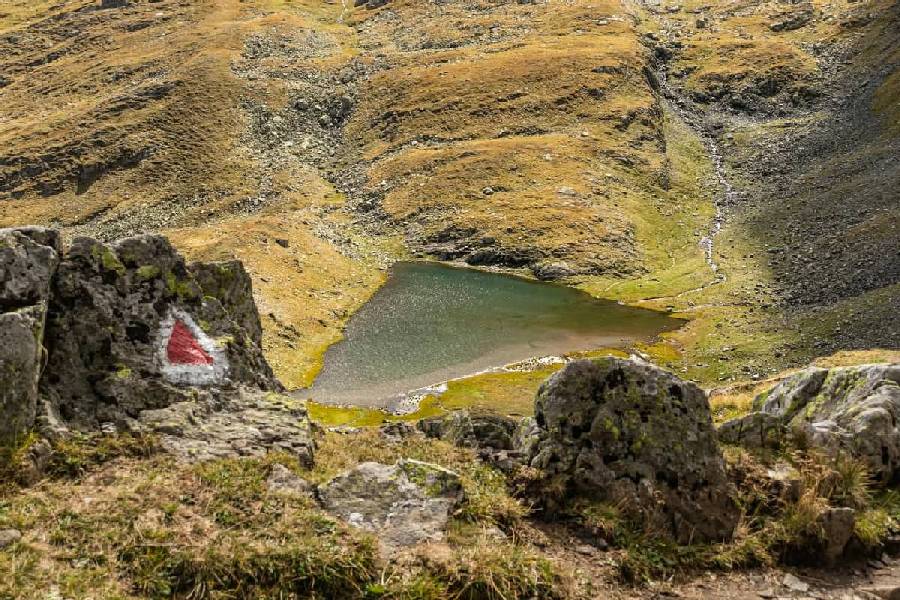
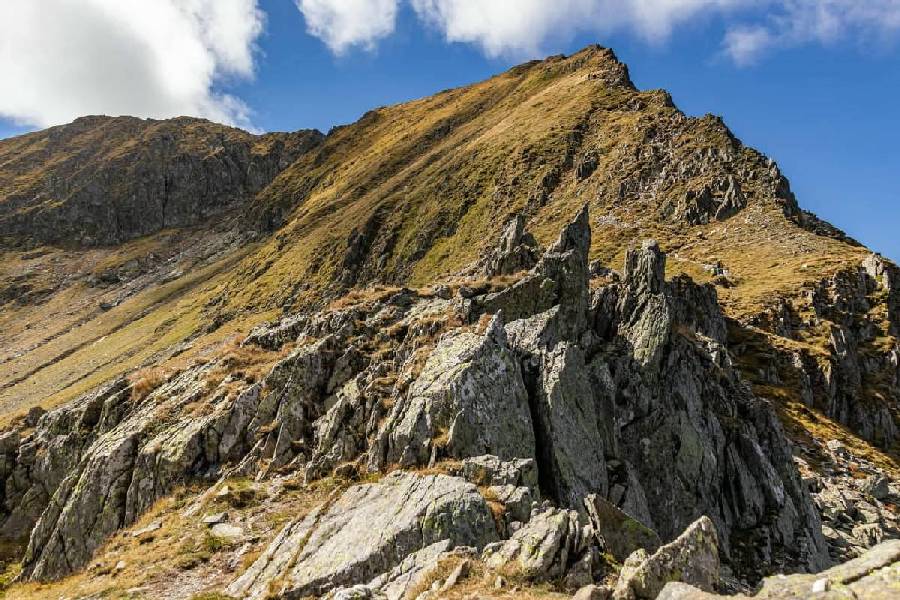
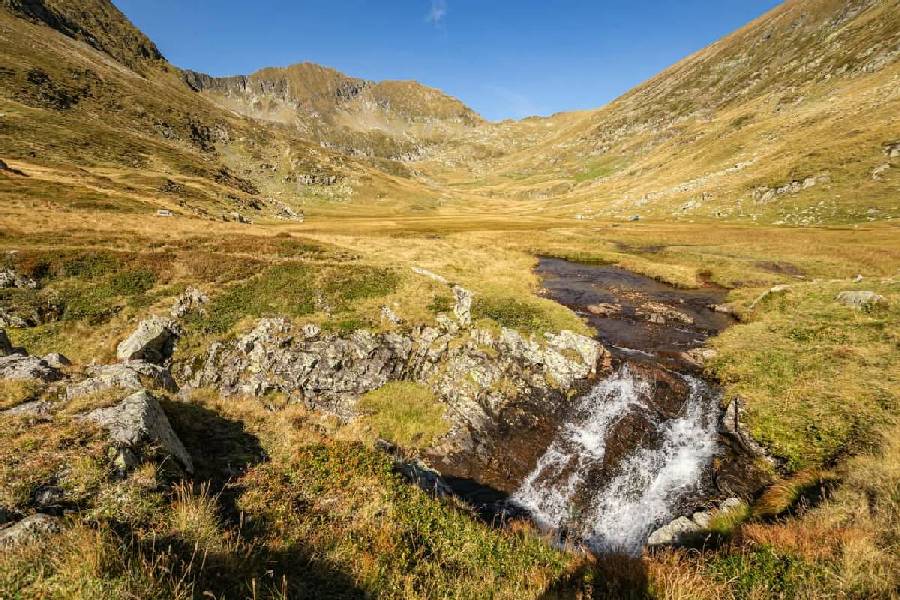
Those who enjoy hiking will find the shortest route to Moldoveanu Peak (2,544 meters), the “roof of Romania,” starting from Stana lui Burnei. The trail leads through the Fagaras Mountains, part of the Romanian Carpathians, offering wonderful scenery.
We thank Mrs. Ramona Ciuchendea for sending and allowing us to use these pictures from last autumn.
(1 January 2026)
(1 January 2026)
Happy New Year 2026 ❤️